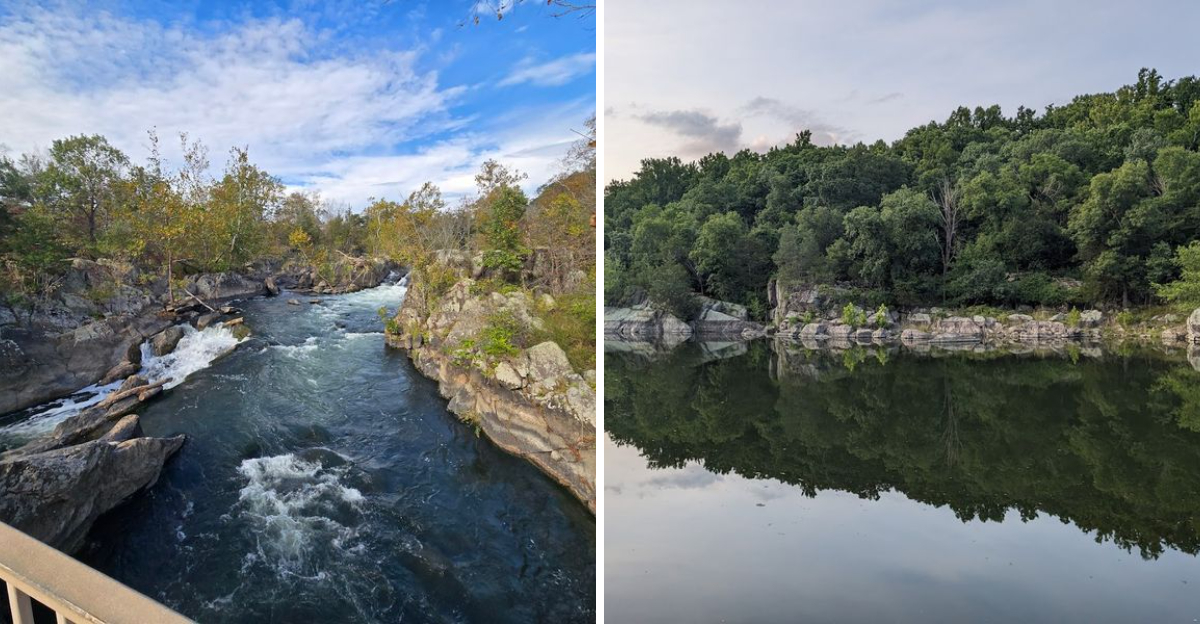
Everyone knows the big national parks. The ones that make it onto every bucket list.
But this Maryland park? It flies under the radar, even though it is right near DC.
Miles of canal path, a stunning waterfall, and history around every bend. You can bike, hike, or just walk a short section and feel like you have escaped the city.
The waterfall is a showstopper, powerful and beautiful, and the towpath stretches for over 185 miles if you are feeling ambitious. Families love the easy access.
History buffs appreciate the stories. And anyone who loves the outdoors will find something to enjoy.
That is the beauty of an underrated Maryland national park. Big adventure, close to the city, and still surprisingly peaceful.
Great Falls, the Thundering Heart of the Park
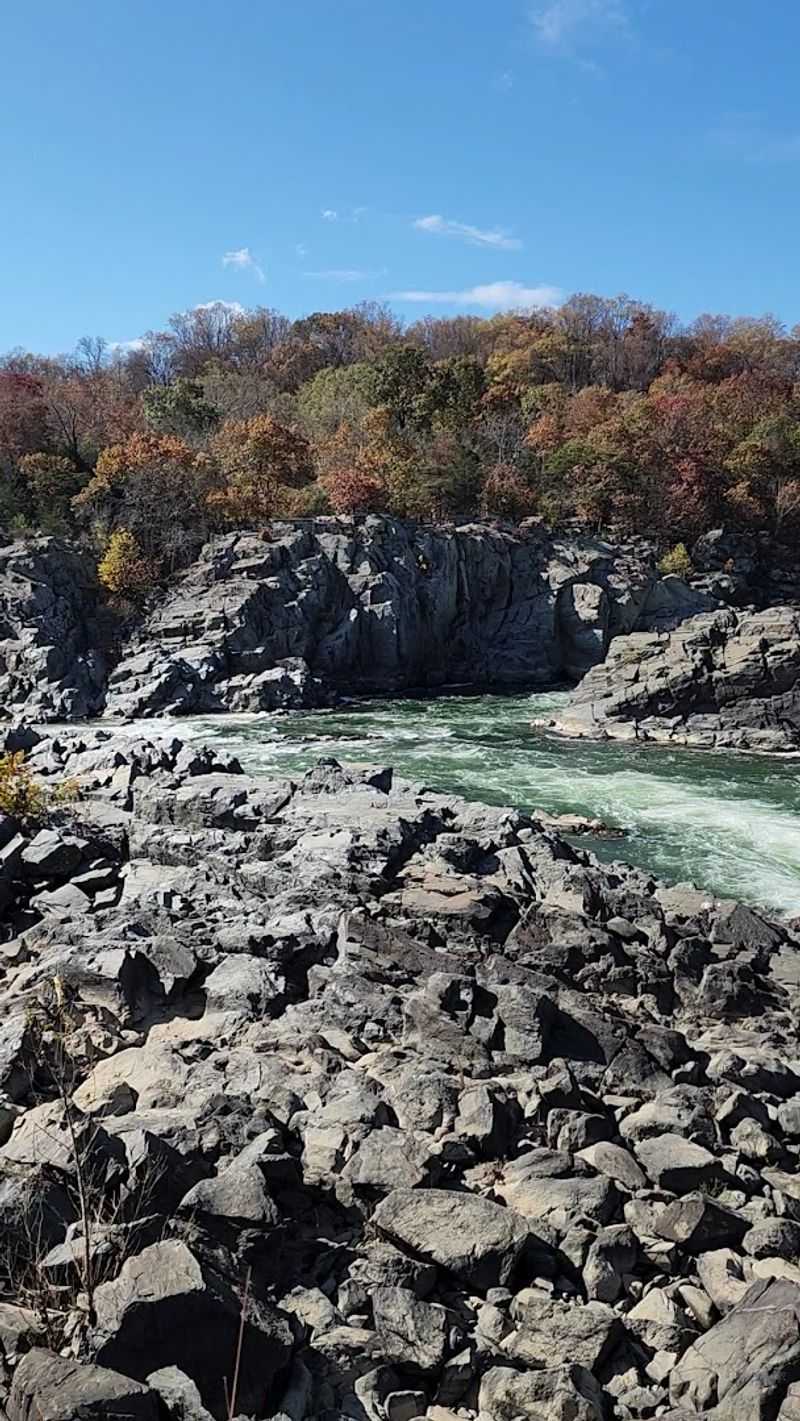
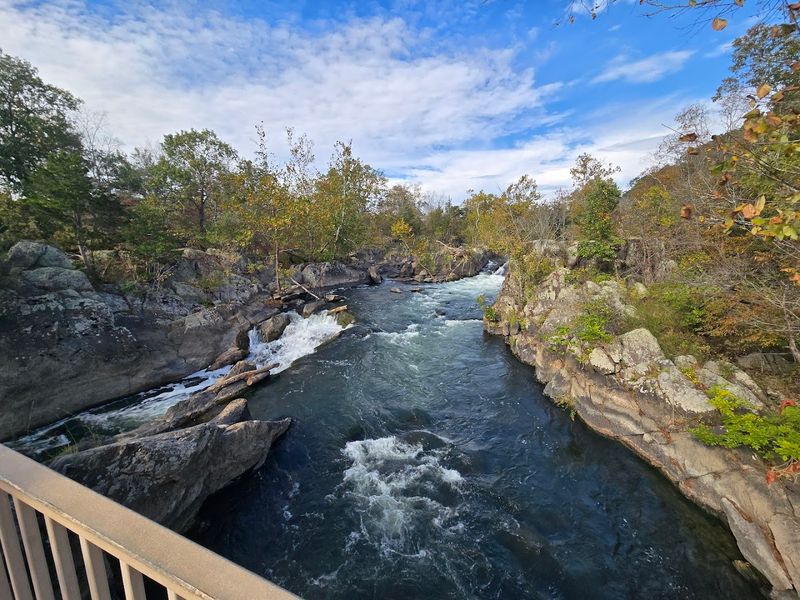
Nothing quite prepares you for the first glimpse of Great Falls. The Potomac River narrows dramatically here, forcing an enormous volume of water through a rocky gorge that sends spray flying in every direction.
It is loud, it is wild, and it is completely unforgettable.
The falls sit within the C&O Canal National Historical Park and are accessible from the Great Falls Tavern Visitor Center. Several overlook platforms give you different angles of the falls, and each one feels like its own reward.
I kept moving from one to the next, convinced the next view would be even better, and honestly, it usually was.
The history behind the falls is just as fascinating as the view. The canal itself was built largely because Great Falls made direct river navigation impossible.
Engineers designed a series of locks to carry boats safely around the falls, and you can still see the remains of those locks today.
Visiting in spring means higher water levels and even more dramatic rushing, while fall brings warm foliage colors that frame the scene beautifully. Summer draws bigger crowds, so arriving early on a weekend morning is a smart move.
Wear shoes with grip since the rocks near the overlooks can get slippery from the mist. The energy of this place is hard to describe without sounding over the top, but trust me, it genuinely earns every bit of excitement people bring to it.
The 185-Mile Towpath, a Trail Unlike Any Other
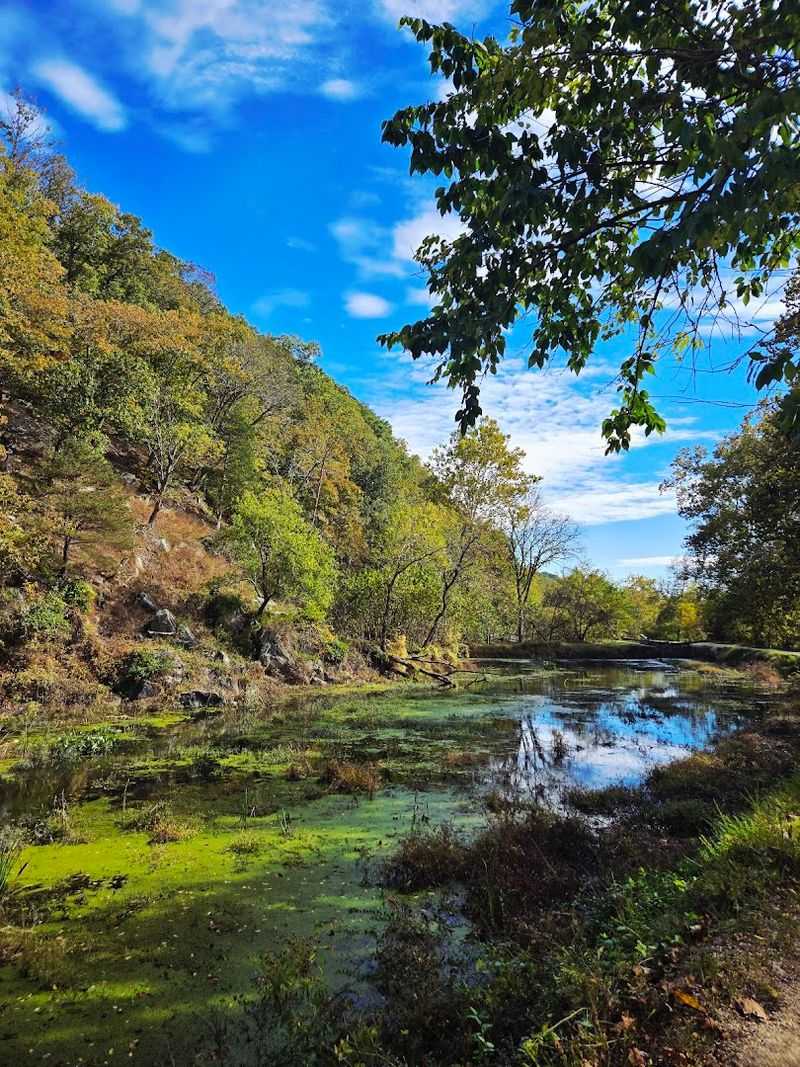
The towpath running the full length of the C&O Canal is one of the most remarkable trails in the entire eastern United States. It stretches from Georgetown in Washington, D.C., all the way to Cumberland, Maryland, covering roughly 184.5 miles of mostly flat, well-maintained path.
That level grade is not an accident, it was designed so mules could pull heavy canal boats without exhausting themselves.
Hikers and cyclists both love this trail for very different reasons. Hikers appreciate the quiet, the shade from overhanging trees, and the sense of traveling through layers of American history with every step.
Cyclists enjoy the long uninterrupted distance, which makes it a popular route for multi-day bikepacking trips.
You do not need to tackle the whole thing to have a great time. Many visitors pick a short section near the Potomac area and spend a few hours exploring at their own pace.
The trail passes through charming small towns, old lock houses, and open meadows that break up the forest scenery in the most pleasant way.
One thing I noticed on my last visit was how the trail changes personality depending on where you are. Near D.C. it feels almost like a neighborhood greenway.
Further west it gets quieter, wilder, and more remote. Pack water, wear comfortable shoes, and bring a trail map even if you plan a short outing.
Cell service can be spotty in the more rural stretches, and getting turned around out there is easier than you might expect.
The Canal Locks, Engineering from Another Era
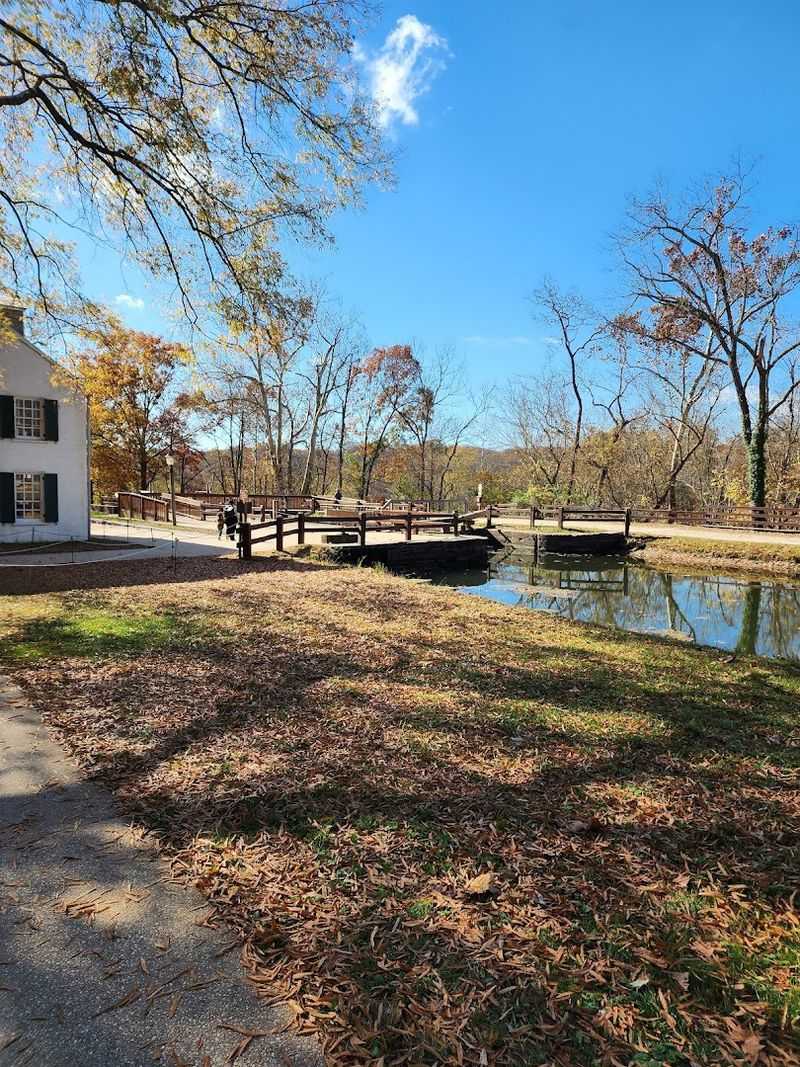
There is something deeply satisfying about standing next to a canal lock and thinking about how it actually worked. These stone chambers were designed to raise and lower boats between different water levels, allowing cargo-laden vessels to travel a route that nature would have made completely impassable.
The C&O Canal originally had 74 lift locks along its length, and many of them are still visible today.
Each lock was hand-operated, relying on wooden gates and simple mechanics to move thousands of gallons of water at a time. Canal boat crews had to work efficiently because every delay cost money.
The lockkeepers and their families lived right beside the locks in small stone houses, some of which have been restored and are open for tours.
Seeing these structures in person gives you a real appreciation for what it took to build and run this canal in the 1800s. The stone masonry is remarkably precise for its time.
You can run your hand along the walls and feel the craftsmanship that has lasted nearly two centuries.
Lock 20 near Pennyfield is a particularly scenic spot, with a calm stretch of canal reflecting the trees above. Families with kids often enjoy stopping here because the lock structure is easy to understand and fun to explore up close.
Rangers occasionally offer demonstrations during peak season that show how the locking process worked. Checking the park schedule ahead of your visit is worth the extra few minutes of planning.
These living history moments really do add something special to the trip.
The Great Falls Tavern Visitor Center, Your Best Starting Point
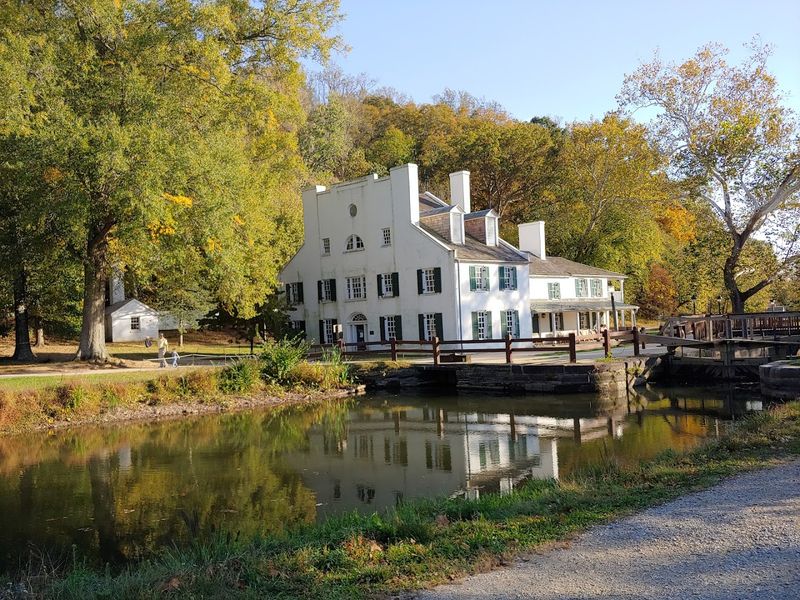
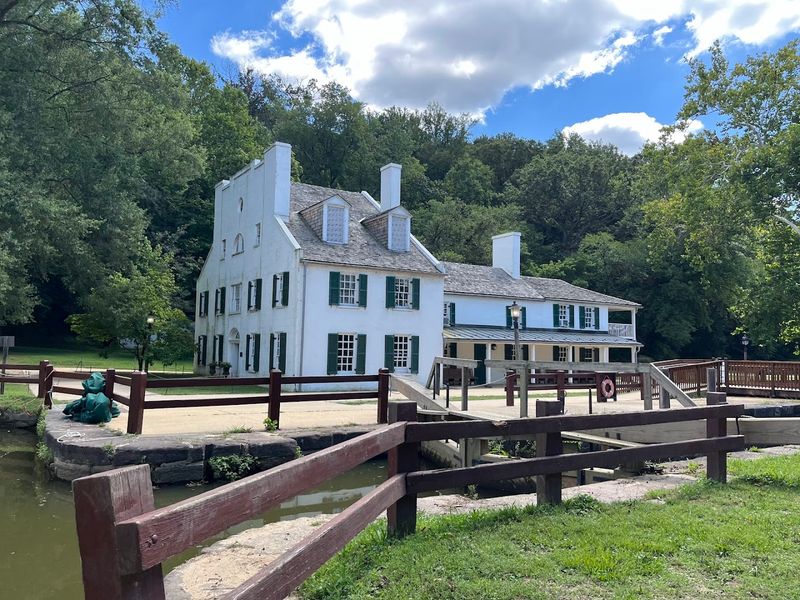
Before heading out on any trail or overlook, stopping at the Great Falls Tavern Visitor Center is genuinely one of the best decisions you can make. This historic building dates back to the early days of the canal and served as a hotel for canal travelers.
Today it functions as the main visitor hub for the Maryland side of the park.
Inside, you will find exhibits about the canal’s history, its construction, and the communities that depended on it. The rangers here are knowledgeable and approachable.
I asked one a fairly basic question about the best trail for a first-time visitor and ended up in a fifteen-minute conversation about 19th-century canal economics, which was way more interesting than it sounds.
Maps, trail guides, and restrooms are all available here, which matters more than you might think once you are out on the path. The center also has a small bookstore with regional history titles and field guides that make excellent souvenirs.
Parking is available on site, though it fills up fast on weekend mornings, especially in spring and fall. Arriving before 9 a.m. on a Saturday almost guarantees you a spot.
The building itself is worth a few photos since its canal-side location and classic architecture set the tone for the whole visit. Think of it less as an obligation and more as the chapter one of the experience.
Everything you learn here makes the rest of the park feel more layered and alive.
Wildlife Along the Canal, More Than You Expect
The C&O Canal corridor is a genuine wildlife haven, and that part of the experience sneaks up on you. Most visitors come for the history or the scenery, and then suddenly a great blue heron lifts off from the canal edge just a few feet away, and the whole mood of the walk shifts.
The park’s nearly 20,000 acres provide habitat for an impressive variety of animals, birds, and plant life.
Bald eagles nest along certain sections of the Potomac, and spotting one feels like a small personal victory every single time. White-tailed deer are common throughout the park, especially in the early morning and evening hours when they move closer to the water.
River otters have been documented in the canal itself, though catching a glimpse of one requires patience and a bit of luck.
Birders in particular find this park exceptional. Over 180 bird species have been recorded here across different seasons, making it a reliable destination for anyone with binoculars and a field guide.
Warblers pass through in spring migration in impressive numbers.
The plant life along the towpath is also worth paying attention to. Wildflowers bloom along the trail edges from late March through summer, and the tree canopy shifts from pale green in spring to deep gold in October.
Bring a small pair of binoculars even if you are not a dedicated birder. You will use them more than you expect, and the wildlife encounters you have will become the stories you tell people when you get home.
Biking the Towpath, Freedom on Two Wheels
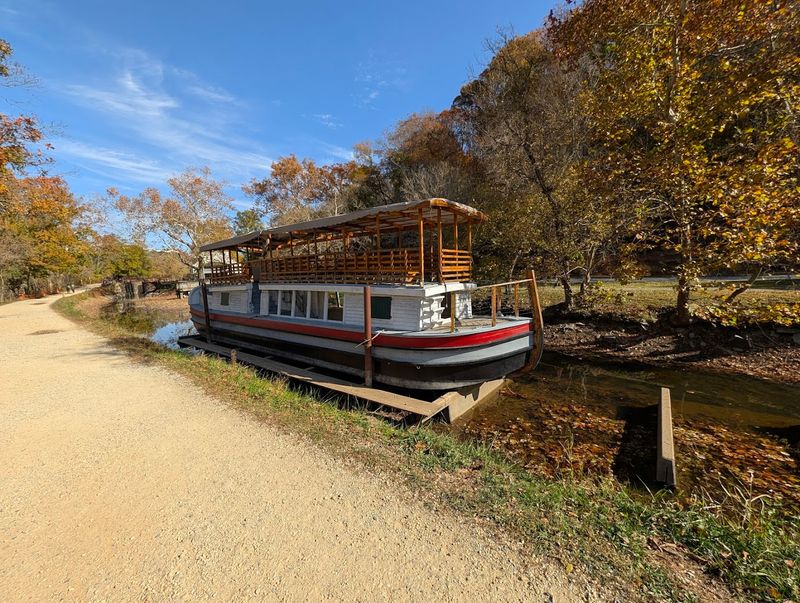
Riding a bike on the C&O Canal towpath is one of those experiences that sounds simple and turns out to be genuinely memorable. The flat, mostly packed-gravel surface makes it accessible to a wide range of riders, from kids on their first trail bike to adults doing multi-day touring trips.
You do not need a specialized bike or advanced skills to enjoy a stretch of this trail.
The section near Great Falls is particularly popular for casual riders. Starting from the visitor center and pedaling in either direction gives you a completely different feel for the landscape.
Going upstream toward Seneca takes you through quieter, more wooded sections. Heading downstream toward D.C. brings you through more open terrain with occasional views of the Potomac.
Bike rentals are available in nearby communities for those who do not want to bring their own. A few outfitters operate close to the park and can set you up with everything you need for a half-day ride.
Helmets are strongly encouraged, and carrying a small repair kit is smart since the trail can be remote in spots.
One of my favorite things about biking this trail is how the pace changes your relationship with the scenery. On foot, you notice every small detail.
On a bike, the landscape flows past you in a way that feels almost cinematic. The sound of the canal water on one side and the Potomac on the other creates a kind of natural soundtrack that is hard to replicate anywhere else.
It is the kind of ride that makes you want to plan a longer trip next time.
The History of the Canal, a Story Worth Knowing
The C&O Canal has a history that is equal parts ambitious and heartbreaking. Construction began in 1828 with the goal of connecting the tidal Potomac near Washington, D.C., to the Ohio River, opening up trade routes deep into the American interior.
The project took 22 years to complete and reached Cumberland, Maryland, in 1850, but never made it further west.
By the time the canal was finished, the railroad had already outpaced it as the preferred method of moving goods. The Baltimore and Ohio Railroad, which broke ground the same day as the canal, reached Cumberland years earlier.
The canal operated for decades but always struggled financially against the speed and efficiency of rail travel.
A catastrophic flood in 1889 finally ended commercial operations on the canal. The damage was too extensive and too expensive to repair, and the era of canal transport had already passed.
The canal sat largely forgotten until Supreme Court Justice William O. Douglas famously led a hike along the towpath in 1954 to draw attention to its preservation, a walk that directly inspired efforts to protect it as a national park.
Congress designated the C&O Canal a National Historical Park in 1971. That decision preserved not just the physical structures but also the stories of the thousands of people who lived and worked along its banks.
Locktenders, boat captains, immigrant laborers, and farming families all left their mark here. Understanding that history makes every mile of the towpath feel richer and more meaningful than a simple walk in the woods.
Camping and Overnight Adventures in the Park
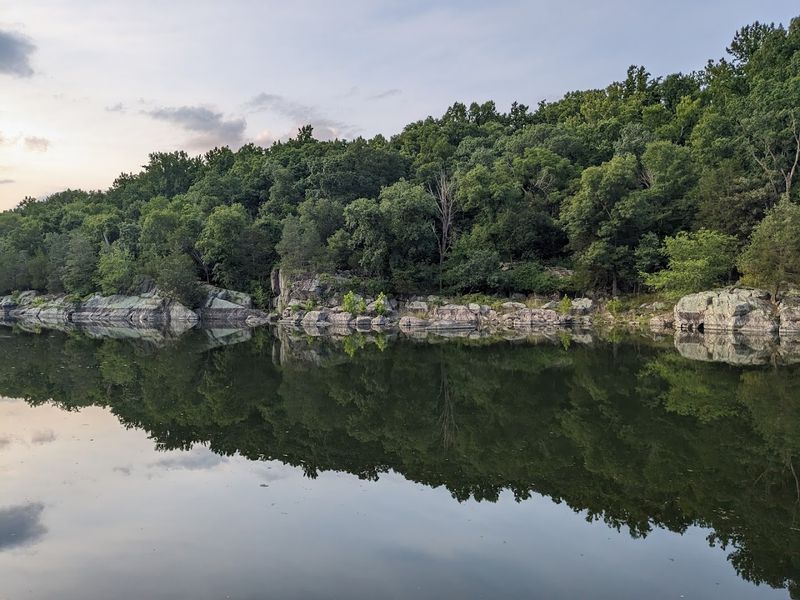
Spending a night along the C&O Canal towpath is a completely different experience from a day trip, and it is one that more people should consider.
The park maintains a series of hiker-biker campsites spaced roughly every five miles along the towpath, making it possible to plan multi-day trips without needing to carry a massive amount of gear.
Most of these sites include a picnic table, fire ring, and a portable toilet.
The campsites are first-come, first-served for the most part, which adds a spontaneous quality to the experience. Waking up next to the canal in the early morning, with mist rising off the water and birds starting their day, is genuinely one of the better ways to start a morning.
There is a stillness to the park before other visitors arrive that you simply cannot get on a day trip.
Canal Quarters is a unique overnight program where guests can stay in restored lockkeeper houses along the towpath. These historic structures have been updated with basic amenities while retaining their original character.
It is a quirky and charming way to connect with the canal’s living history.
Planning an overnight trip does require some preparation. Bringing enough water or a reliable filter is essential since potable water sources are limited along much of the trail.
Checking weather forecasts before heading out is also smart since the towpath can become muddy and difficult after heavy rain. The effort is absolutely worth it.
There is something about sleeping within a national historical park that makes the whole experience feel more personal and more real.
Address: 11710 Macarthur Blvd, Potomac, MD
