Most people drive right past the giant leopard sign, assuming it’s just another tourist trap. But that would be a mistake. Hidden along a scenic highway is a 10-acre sanctuary that’s home to one of the largest collections of exotic cats on the West Coast.
This isn’t some massive corporate zoo with overpriced parking. The focus here is on the animals, not the gift shop.
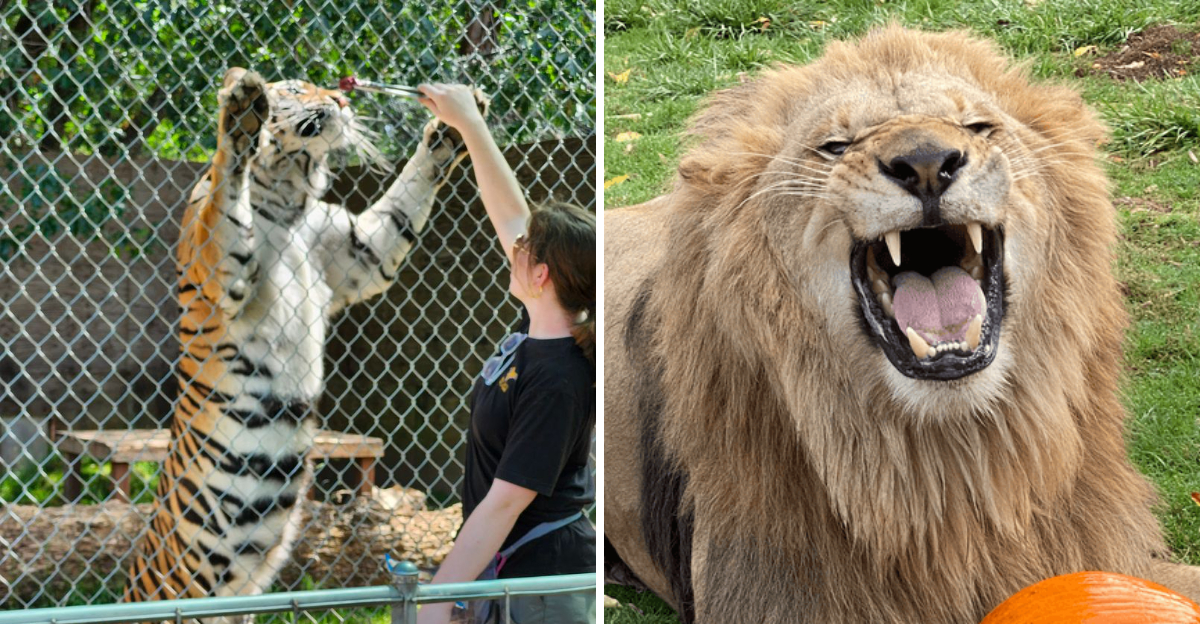
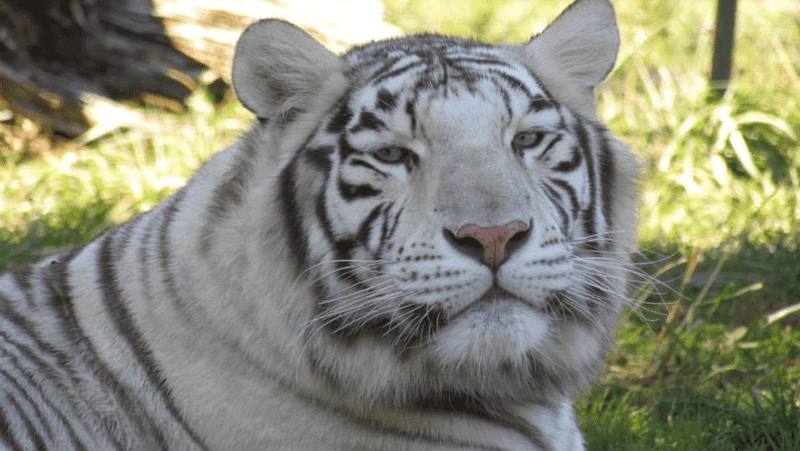
Guided tours are included with admission, and passionate staff share the unique story of each rescued cat – tigers, leopards, jaguars, and clouded leopards, many of which are rare or endangered. It’s a personal, intimate experience that feels completely different from a typical city zoo.
Locals who’ve been say this one stands out for the animals’ obvious well-being. Bring your camera and leave expectations of a “big zoo” at the door. Oregon’s most underrated animal experience is well worth the detour.
A Roadside Discovery Along Redwood Highway
Cave Junction is not a place most people plan a whole trip around, which is exactly why this park feels like a small secret. It sits right off the highway between Grants Pass and the California border.
Parking is easy and free, and the lot is gravel with plenty of shade at the edges. There is no giant gate or ticket plaza, so the whole arrival feels low-key and friendly.
I liked that the park does not try to be something it isn’t. Ten acres, clearly marked paths, and animals you can actually see rather than squint at across a moat.
If you are already driving the Redwood Highway toward the Oregon Caves or the coast, this makes a genuinely good detour rather than a filler stop. Give yourself at least two hours, more if you want to linger.
The best part about a roadside find like this is the surprise factor. You walk in curious and leave with about forty new animal facts rattling around your head.
The Guided Tour Is The Whole Point
Here is the thing nobody tells you before arriving: admission includes a guided tour, and skipping it would be a mistake. Without it, most of the cats simply nap in their favorite shady corners.
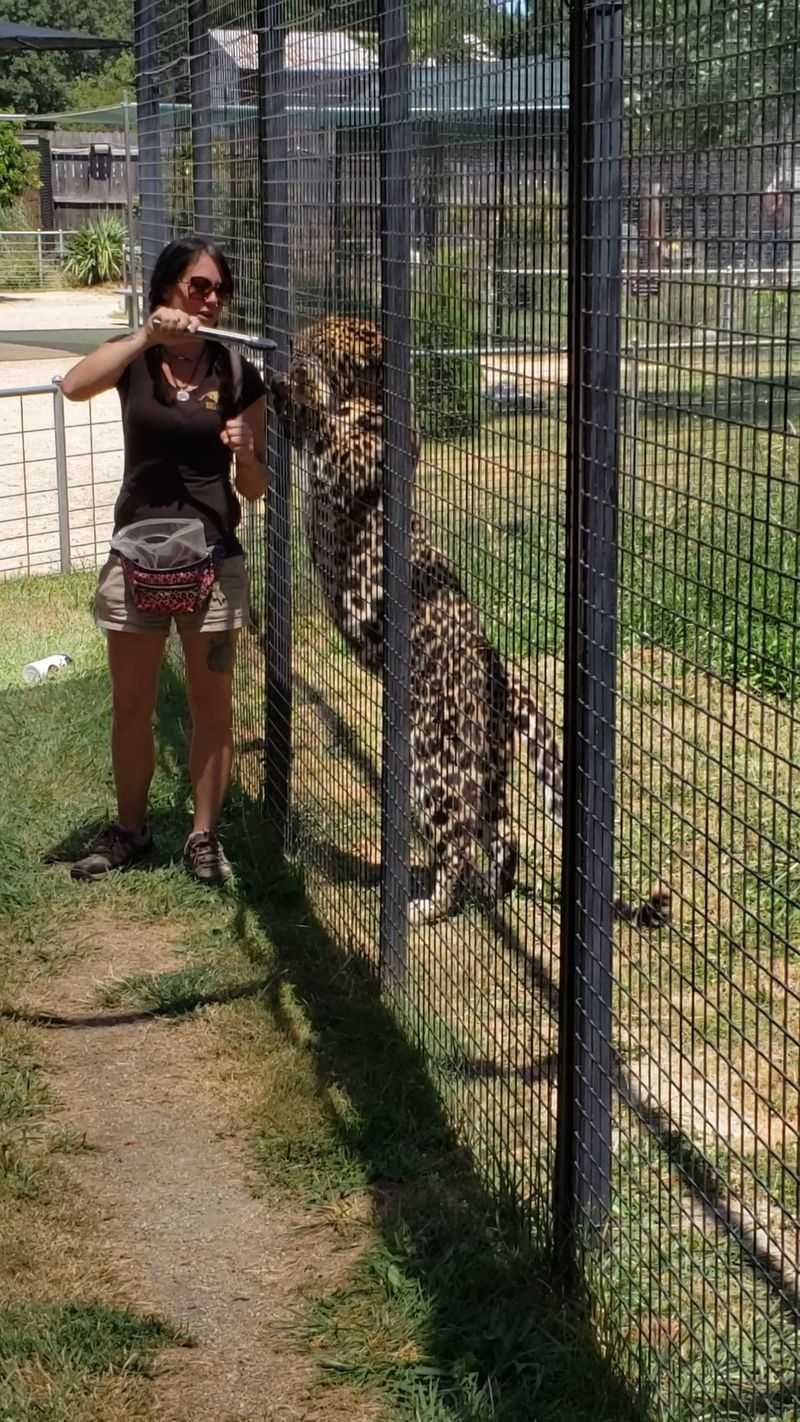
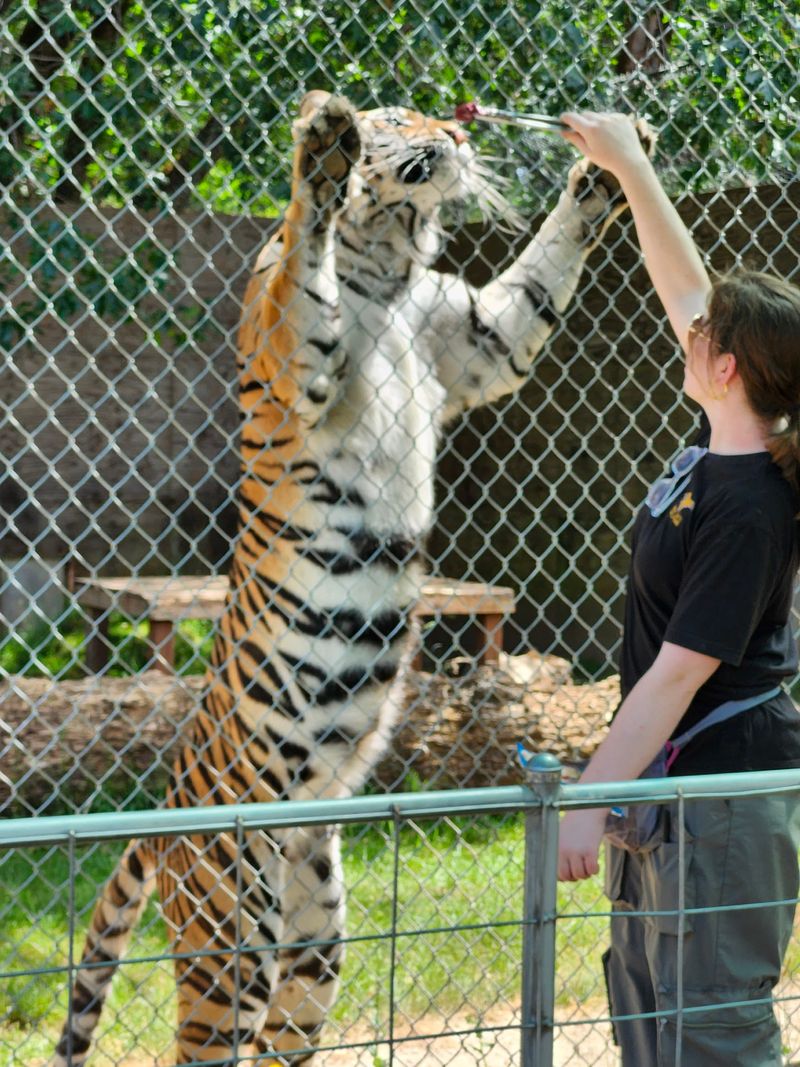
Guides carry treats and walk the group enclosure to enclosure, which brings the animals right up to the fence line. Suddenly a leopard that was invisible is three feet away, staring straight through you.
Tours run roughly an hour and a half, and you can join or leave whenever you like. That flexibility matters if you have restless kids or a tight schedule.
What impressed me most was the depth of knowledge. Guides answered every random question thrown at them, from hunting behavior to breeding programs, without ever sounding like they were reciting a script.
Arrive earlier in the day rather than close to closing time. Tours are spaced out, and showing up late means missing the one thing that transforms this from a viewing area into an actual experience.
Lions, Tigers, And That First Real Roar
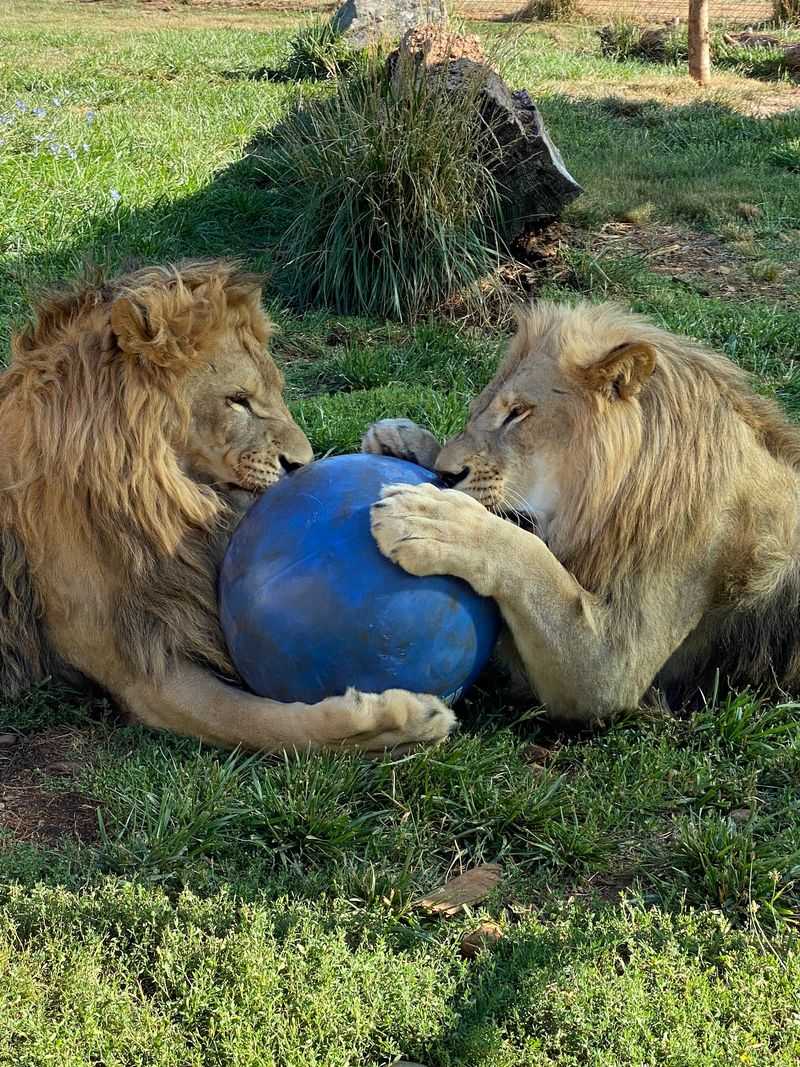
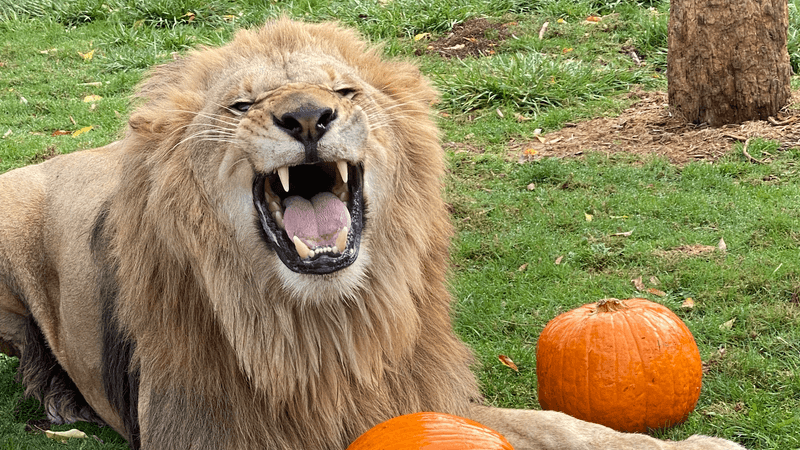
Nothing prepares you for the sound. A lion’s call carries across the whole park, and it rattles your chest in a way no nature documentary ever manages.
The big cats are the headliners, and they know it. Tigers pace along their fence lines with unhurried confidence, and their paws land with a heaviness that seems impossible for something so graceful.
Being this close changes how you see them. Details you never notice from far away suddenly jump out, like the width of a tiger’s whiskers or the way a lion’s eyes track movement without his head turning at all.
Guides explain how these particular animals came to live here, and much of the conversation circles back to conservation and shrinking wild populations.
A tip worth remembering: stand where the guide suggests. There is a reason for the positioning, and it usually gives you the clearest sightline when the cat comes forward. Bring a camera with a decent zoom, though honestly your phone will do fine.
Meeting The Small Wild Cats Nobody Knows About
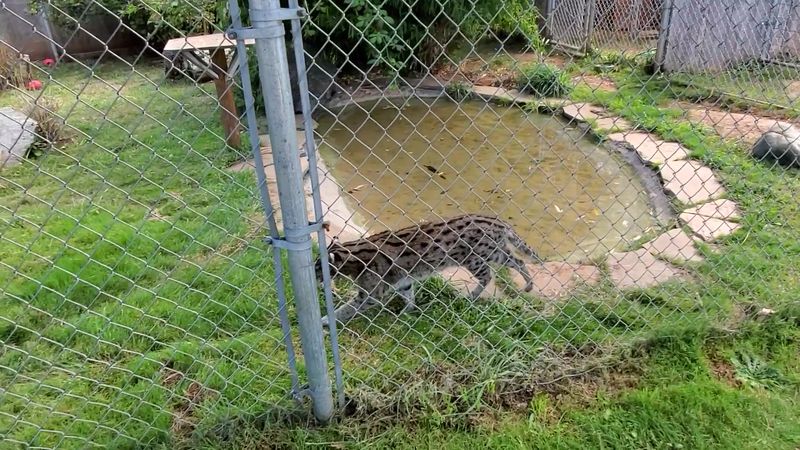
Fishing cats can close their ears when they dive underwater. That was my favorite fact of the entire day, and I have repeated it to far too many people since.
Beyond the famous species sit a whole collection of smaller cats that rarely appear in mainstream zoos. Stocky bodies, stubby tails, enormous eyes, and personalities that feel closer to a mischievous house cat than an apex predator.
Some of them are quick and darty, so patience pays off. Wait a minute or two at each enclosure and you will usually get rewarded with movement.
The guides seem genuinely fond of these lesser-known residents, and they light up when someone asks about them instead of the tigers.
Children tend to love this part most, probably because the scale feels familiar. A cat the size of a small dog is easier to connect with than a four hundred pound lion. Take your time here. It is the section most visitors rush past, and it deserves better.
Enclosures Built With Real Plants And Real Terrain
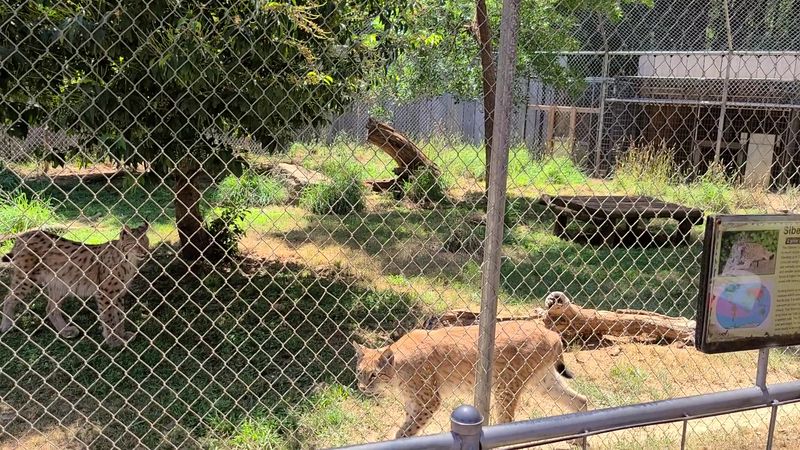
Living vegetation grows inside these enclosures, which is more unusual than it sounds. Grass, shrubs, logs, and uneven ground give the cats something to prowl through instead of bare concrete.
Varied terrain matters for animals like these. Slopes and hiding spots let them choose sun or shade, high ground or low, depending on mood.
Some visitors wish the spaces were larger, and that is a fair conversation to have about any facility housing big carnivores. What I noticed was that the animals looked alert, well fed, and comfortable in their surroundings.
Coats were glossy. Movement was fluid. Nobody looked bored or listless during my visit.
The layout also means you can genuinely see every resident, which is not always true at bigger parks where an animal can vanish behind a hill for the entire afternoon.
Walk the loop slowly and look at how each space differs. The setups are tailored to species behavior, and the guides will happily explain the reasoning behind particular design choices if you ask.
Shade, Misters, And Surviving A Hot Oregon Afternoon
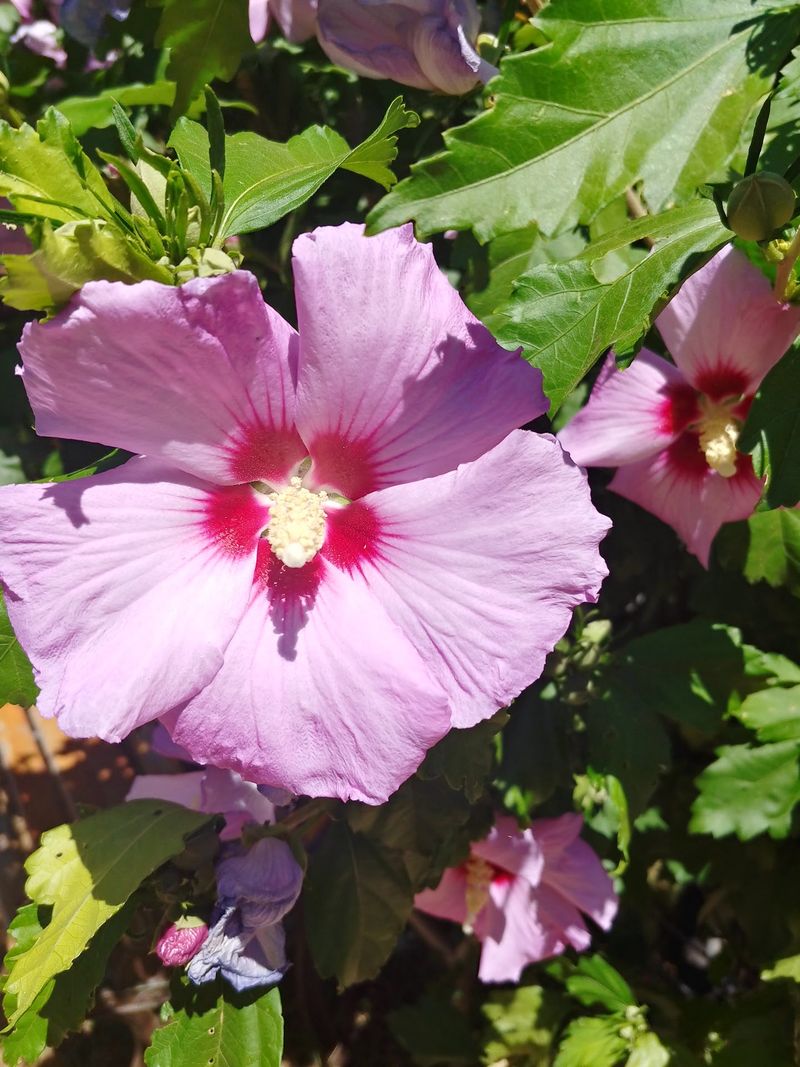
Southern Oregon summers get genuinely hot, and the Illinois Valley bakes in July and August. The park handles it better than expected.
Misters run at most enclosures, cooling both the animals and the humans standing beside them. Walking through one on a scorching day is a small, ridiculous joy.
Benches sit along the paths in shaded spots, which makes a big difference if you are visiting with grandparents or young kids. Nobody has to power through the whole loop without a break.
Shade structures cover much of the walkway, though sunscreen and a hat are still smart additions to your bag. Bring water too, even though drinks are available on site.
Morning visits have their own charm. Around eleven the cats were relaxed and sunbathing, sprawled out in poses that looked almost comical.
Cooler months mean more activity from the big cats, since heat makes anyone sluggish. Spring and early fall might be the sweet spot for both comfort and animal energy.
Conservation Talk That Actually Sinks In
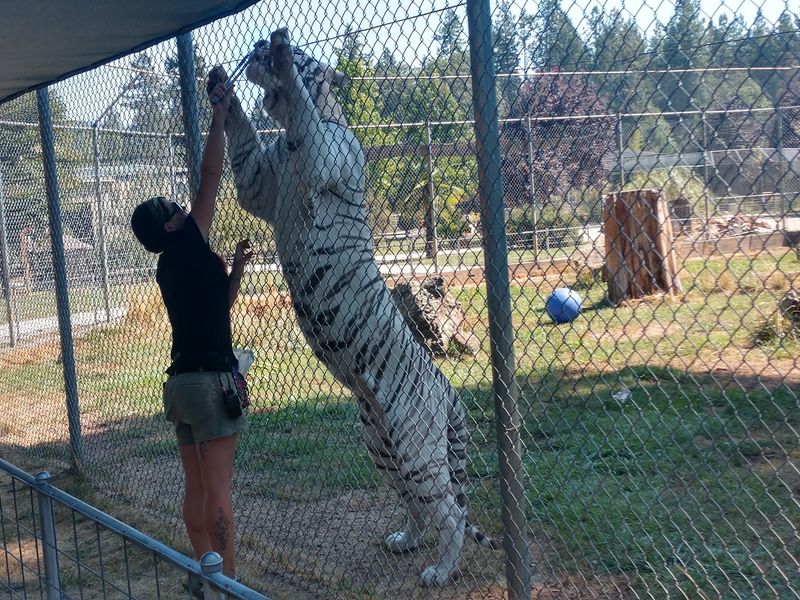
Some of the species living here barely exist in the wild anymore. Hearing that stated plainly, while looking directly at the animal in question, hits differently than reading it online.
Guides weave conservation into the tour naturally rather than lecturing. They talk about habitat loss, breeding programs, and why certain populations have collapsed so fast.
It never felt heavy-handed. Facts arrived alongside stories about individual cats, their quirks, their preferences, their odd little habits.
My takeaway was simple. Small parks like this one carry a teaching role that huge institutions sometimes lose in the crowds and the gift shop noise.
Kids ask blunt questions, and the staff answer them honestly. That kind of straight talk tends to stick with young visitors far longer than a plaque on a wall.
If you care about wildlife at all, budget extra listening time. Ask about a specific species and you will likely get several minutes of detail that never made it into the standard tour narration.
Porcupines And Other Unexpected Neighbors
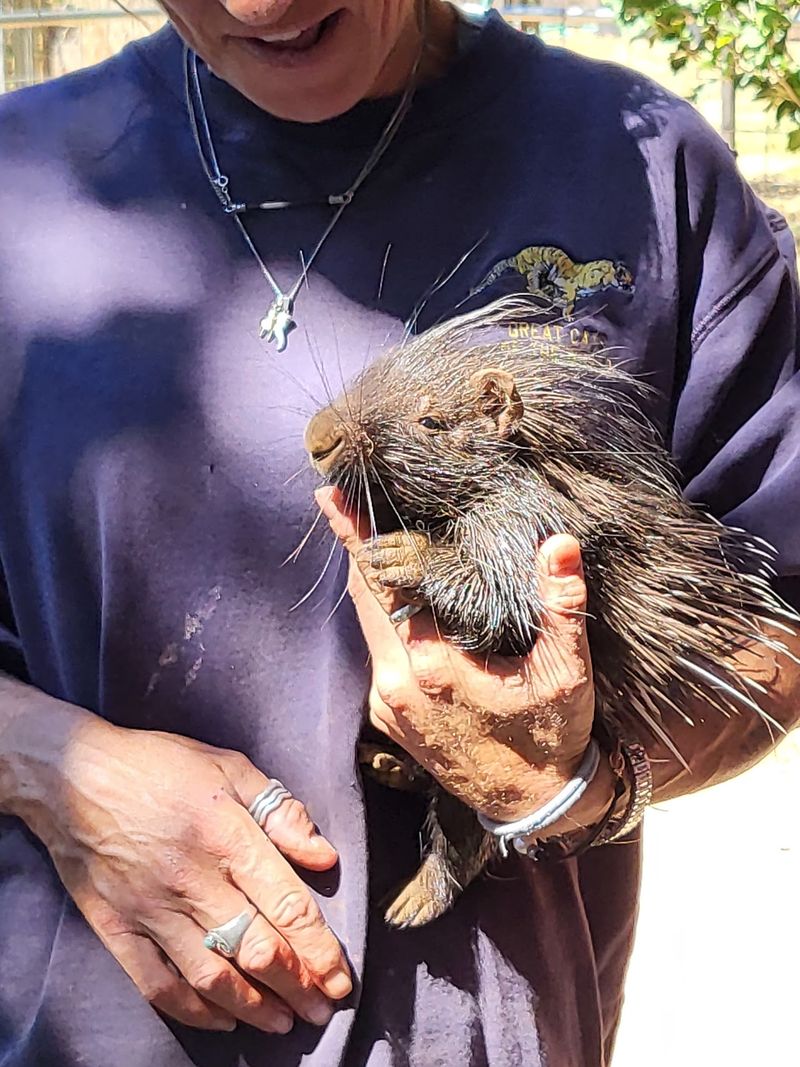
Cats get the billing, but they are not the only residents. Porcupines turn up along the route and steal attention immediately with their absurd quill displays.
Watching one waddle around is oddly hypnotic. They move with zero urgency and total confidence, which feels earned when you are covered in spikes.
These extra animals break up the rhythm of the tour nicely. After several intense predator encounters, something slower and stranger is a welcome change of pace.
Guides tend to have great material on these residents too, including how the quills actually work and the myths people believe about them.
Kids often remember the porcupines just as vividly as the tigers, which says something about the appeal of a genuinely weird animal.
Keep your eyes open as you walk between the larger enclosures. A few of the smaller habitats sit slightly off the main sightline, and rushing means missing them entirely. Slow feet get more rewards here than fast ones.
Planning Your Visit Without Any Guesswork
Timing makes or breaks this stop. The park opens at 10:30 in the morning and closes at 4:30, and it stays shut on Tuesdays.
Aim to arrive well before closing so you catch a full guided tour rather than the tail end of one. Waits on busy weekend days ran around twenty minutes when I visited, and you can wander freely while waiting.
Comfortable shoes matter since the ground is packed dirt and gravel with gentle slopes. Nothing strenuous, but flip-flops would be annoying.
Snacks, drinks, and a gift shop sit near the entrance, so you do not need to pack a full picnic.
Phone ahead if you are traveling with a group or want to confirm tour timing for the day.
Two to three hours covers everything comfortably. Rush it and you lose the best part, which is standing still long enough for a cat to walk right up and look at you.
Why Cave Junction Deserves A Spot On Your Route
Most travelers blow straight through the Illinois Valley on their way somewhere flashier. Their loss, honestly.
This corner of Oregon has redwoods, rivers, caves, and a pace that slows you down whether you planned on it or not. A big cat park fits right into that offbeat character.
Pairing the park with the Oregon Caves National Monument makes for a solid full day. Both sit within easy driving distance, and both feel refreshingly unhurried.
What sold me was the sincerity of the place. Staff who clearly adore these animals, guides who talk with real enthusiasm, and cats that look healthy and engaged.
It is not glossy or corporate, and that turns out to be the appeal. You leave feeling like you found something rather than consumed something.
Add it to your southern Oregon plans and give it more time than you think you need.
Address: 27919 Redwood Hwy, Cave Junction, Oregon
