Tulsa surprises even seasoned travelers with a skyline that glows like a jewelry box at sunset, where zigzagging cornices and gilded spandrels catch the last light just right.
Walk a few blocks downtown and you feel the optimism of the oil boom preserved in stone, terra cotta, and polished brass.
Every entrance seems to invite a closer look, with geometric patterns that reward slow wandering and curious eyes.
You will find a city that loves its history and keeps it fresh through careful restorations and lively public spaces.
Oklahoma pride echoes through the streets here, and the welcome feels genuine and warm.
1. Deco District stroll, your perfect first look
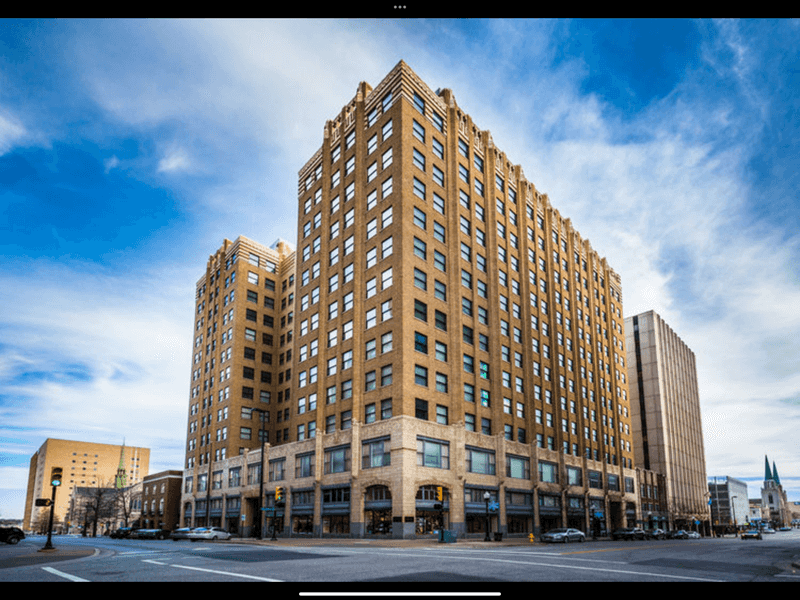
Start your visit with an easy loop through the Deco District because the details reveal themselves best at walking speed and eye level.
As you move along Boston Avenue and nearby blocks you notice stylized sunbursts, chevrons, and stepped motifs that define the Tulsa look.
The streets feel calm in the morning and pleasantly electric at dusk, and both times help you see different textures.
Oil wealth from the 1920s and 1930s funded the lavish ornament that now frames storefronts and office lobbies.
The materials carry a tactile richness that invites slow viewing because brass doors reflect passing clouds while terra cotta tiles hold their color after rain.
You can pause often without feeling rushed since Tulsa sidewalks are wide and the traffic light.
Look up for setbacks that climb like wedding cakes because they create that classic silhouette associated with American Art Deco skylines.
You will also find decorative grills over transom windows and geometric borders above display glass.
Some buildings feature restored signage that glows softly and steadies the mood in the evening.
Guided tours operate seasonally and often point out quirks you might miss on your own.
Volunteer docents share stories about original tenants and architects, and they highlight restoration methods that keep the finishes true.
Photographers appreciate reflections in polished granite bases and the rhythmic shadows cast by vertical ribs.
This stroll helps you understand how concentrated the architecture is in downtown Tulsa.
It also sets a baseline for later visits to individual landmarks scattered a short walk apart.
Oklahoma travelers who love design will find this compact district easy to navigate and endlessly rewarding.
2. Philcade Building lobby, a glittering time capsule
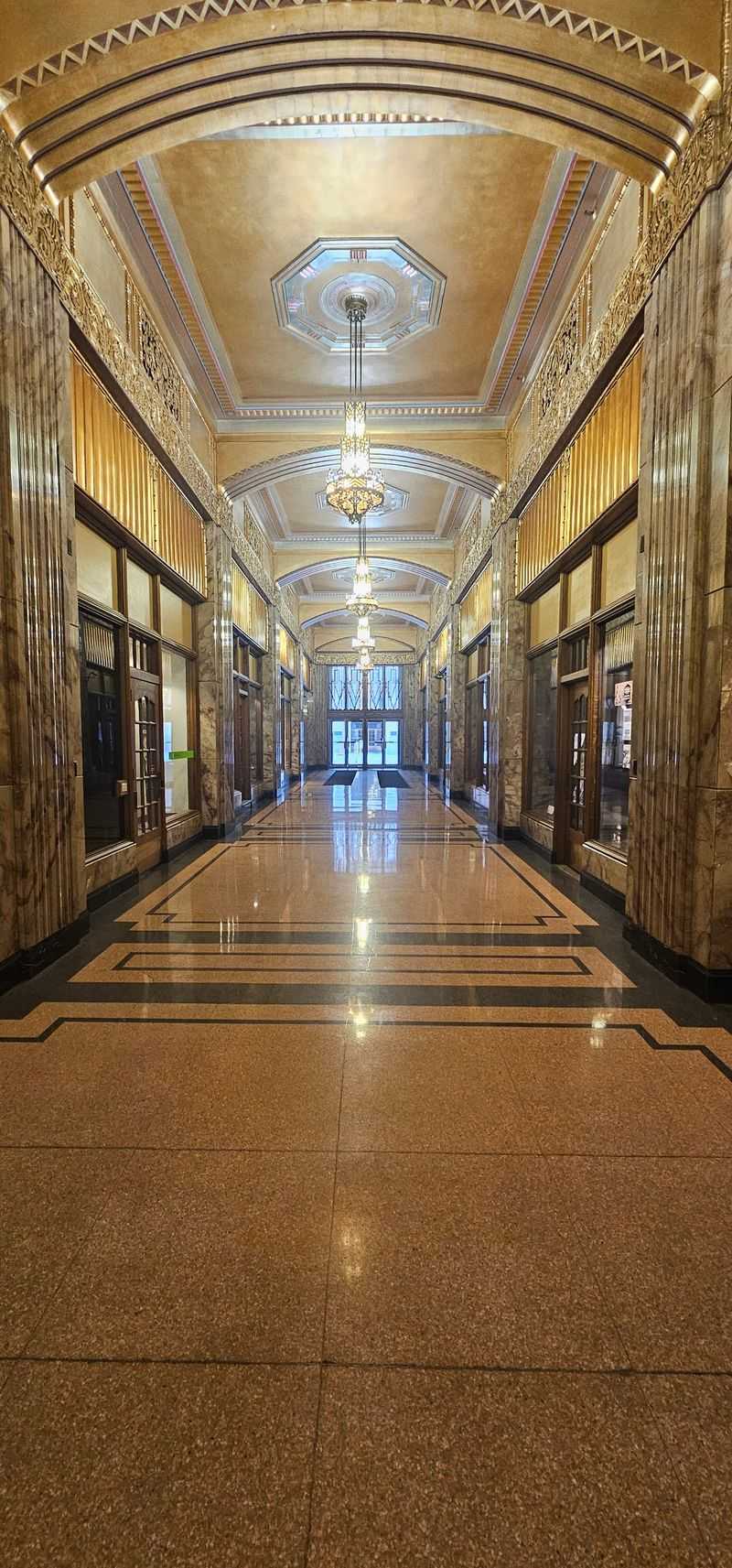
The Philcade Building greets you with a lobby that feels like stepping onto a movie set where polished stone and gold-toned ornament glow.
Brass elevator doors hold etched patterns that echo the ceilings above and everything aligns with elegant precision.
Light pools softly across marble borders and highlights the rhythm of fluted columns.
Completed during the oil boom, the building channels confidence through rich detailing and careful symmetry.
Display cases along interior corridors sometimes host small exhibits that explain the neighborhood history and restoration work.
The quiet hush lets you linger as you trace repeating motifs with your eyes.
You will notice geometric grilles above doorways and bronze accents that shimmer without overpowering the space.
The ceiling features stylized floral shapes fused with sharp angles, a classic Art Deco conversation between nature and machine.
Every surface seems to catch and bend light into a warm glow.
Staff and tenants move through the lobby with practiced ease and lend the scene a lived-in grace.
When you arrive near midday you can usually study features without crowding and appreciate the measured scale.
The building rewards patience because subtle colors appear as your eyes adjust.
Photography is usually welcome in public areas, but always respect posted signs and privacy for workers. Bring a wide-angle lens if possible because the ceiling patterns shine when captured from low vantage points.
Tulsa shows its heart in places like this where history, design, and daily life meet in calm balance.
3. Philtower Building, a vertical poem in brick and terra cotta
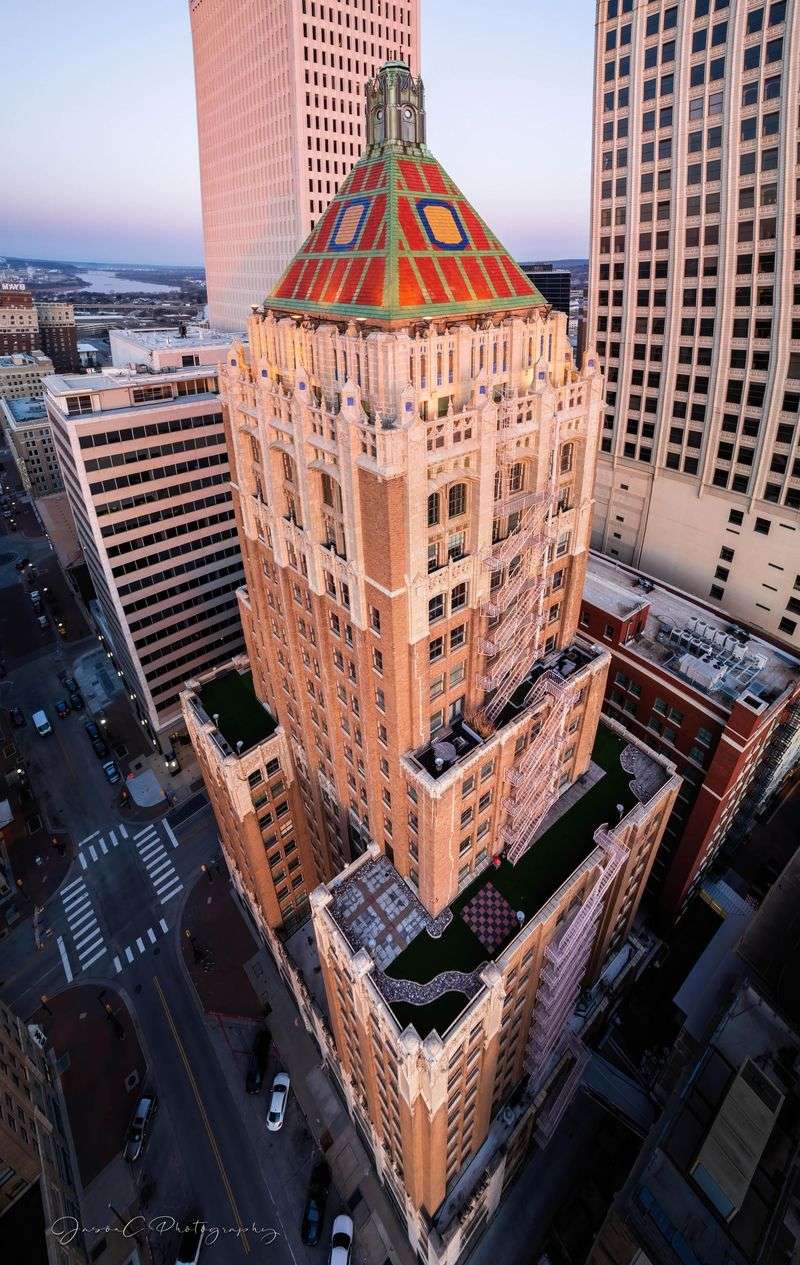
The Philtower Building rises with a tapered grace that draws your eyes toward its luminous crown at dusk.
Brickwork patterns climb the facade with a steady rhythm that reads like architectural music.
Terra cotta panels add contrast and depth without stealing the show from the vertical lines.
Inside the lobby you find handsome finishes that set a serene tone for tenants and visitors.
The decorative program speaks to the optimism of its era while feeling urbane and restrained.
Light fixtures glow warmly across polished details and encourage unhurried viewing.
Step back across the street to frame the setbacks and appreciate the tower from base to pinnacle.
The composition becomes clearer at that distance because proportions fall into place and the crown resolves.
Evening light brings out colors in the brick that midday sun flattens.
Security and access can vary by time and day so plan for exterior appreciation as your baseline.
You can usually peek into the entry during standard hours and catch a glimpse of the finishes.
Respect any posted guidelines since this is an active workplace with busy tenants.
Photographers favor blue hour here for that balanced glow where sky, windows, and signage harmonize.
A small tripod helps with longer exposures but check rules before setting up to avoid issues.
Standing there you feel a calm pride, the kind Oklahoma architecture fans recognize instantly.
4. Boston Avenue Methodist Church, sacred geometry in limestone
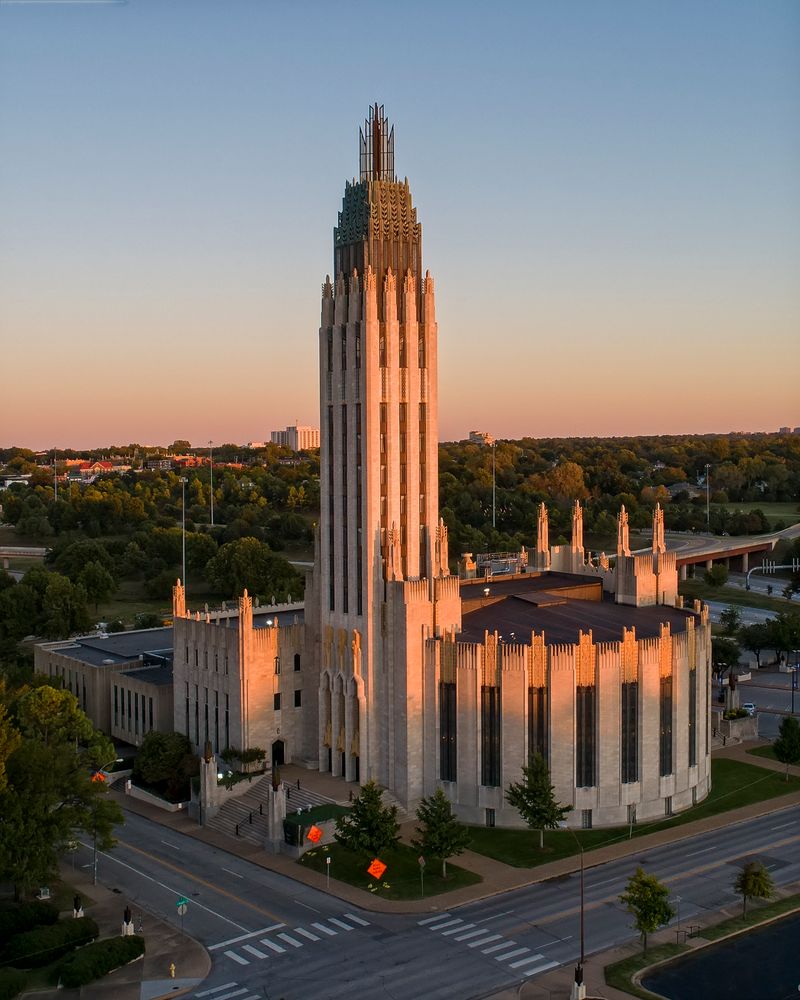
Boston Avenue Methodist Church turns faith into form with a limestone tower that climbs in clean planes.
The streamlined ornament mixes sacred symbolism with modern geometry in a way that feels both fresh and timeless.
Standing on the sidewalk you sense a quiet pull toward the main doors.
Inside the sanctuary the seating sweeps gently toward the chancel under a canopy of subtle patterns.
Light filters through windows that trade pictorial scenes for abstract color and line.
The effect is contemplative and modern with a warm tone that invites you to sit.
Tours are offered on select days and give context about the design team and construction era.
Guides discuss materials, craftsmanship, and the careful conservation that protects the building.
They often highlight small details you might miss like metalwork that echoes the tower profile.
Exterior walks reveal sculptural buttresses and shallow reliefs that add rhythm to the massing.
The tower reads differently from each corner as profiles shift with every step you take.
Photographs benefit from soft morning light which keeps shadows delicate and kind.
Please respect services and private events and keep voices low inside.
Modest dress and calm pacing feel right for the setting and help you notice the design.
Many visitors describe leaving with a renewed appreciation for Art Deco in Oklahoma and beyond.
5. Tulsa Union Depot, from rail hub to museum anchor

The former Tulsa Union Depot embodies travel era optimism with streamlined limestone volumes and a steady horizontal flow.
You can read the building like a timeline where rail age ambitions shaped every curve and canopy.
The front steps feel generous and lead to an entry that once welcomed long-distance journeys.
The structure now houses cultural programming and anchors a corner of the downtown arts scene.
Adaptive reuse preserves the bones while giving the space a lively civic purpose.
Inside, exhibits and performances bring fresh energy to a dignified historic shell.
Exterior details repay close study because subtle grooves and reveals guide light across the stone.
You will notice metal accents that punctuate the horizontals without breaking the calm.
Window groupings stay low and linear to match the original transportation aesthetic.
Arrive during open hours if you want to catch programming and confirm schedules in advance.
If the doors are closed you can still appreciate the facade and adjacent public areas.
The plaza offers seating where you can linger and watch the city glide by.
This is a good spot for families because the scale feels approachable and the history is concrete.
Children can imagine trains pulling in while adults study the design language of the period.
The blend of memory and movement suits Tulsa and reflects Oklahoma hospitality in a civic form.
6. Philbrook Museum of Art, villa elegance meets modern Tulsa
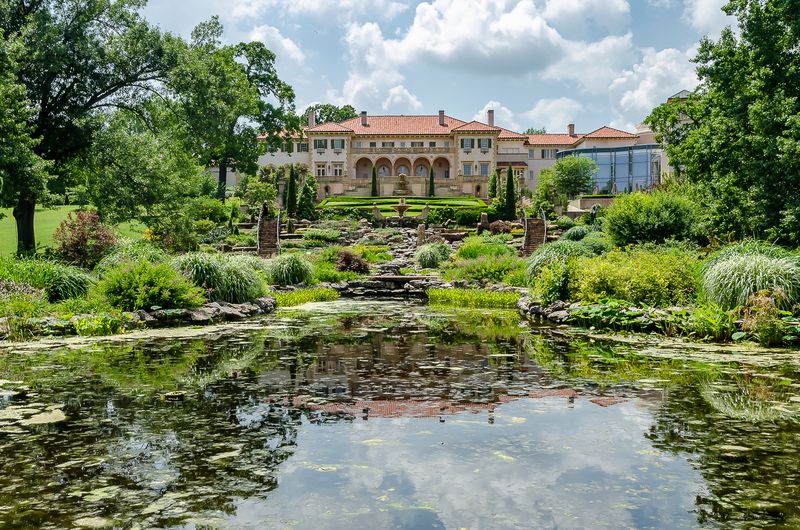
The Philbrook Museum of Art pairs an Italianate villa with curated galleries to create a layered cultural experience.
Exterior terraces step into lush gardens where sculpture and water features lead the eye.
You sense the original residential grandeur even as the museum programs feel current.
Inside, galleries balance European works with Native American art and changing exhibitions.
Wayfinding is clear and benches allow you to pause without breaking flow.
The house setting adds warmth that makes even major pieces feel personal and present.
Gardens invite slow wandering because pathways reveal new alignments with every turn.
Vistas frame the villa in ways that sharpen your sense of scale and proportion.
Seasonal plantings keep the scene fresh whether you visit in spring blooms or winter hush.
Special events fill the calendar so check dates before planning your day.
Timed entry periods sometimes apply which helps distribute visitors and protect artworks.
You can step outside between galleries to reset your pace and return with renewed focus.
Photography is welcome in many areas though some exhibitions restrict it for rights reasons.
Stick to exteriors, courtyards, and permitted galleries if you want a low-stress experience.
Many Oklahoma visitors find that Philbrook ties art, landscape, and Tulsa history into one graceful package.
7. Deco delights along South Boston Avenue, a detail hunt
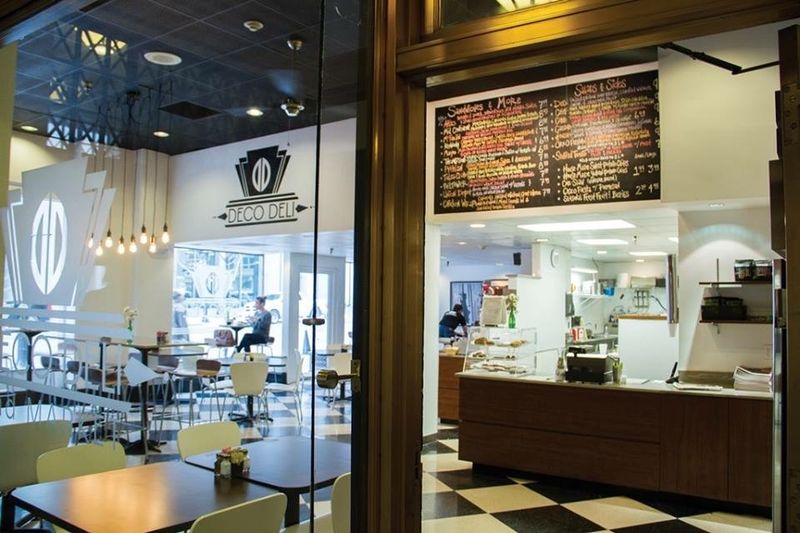
South Boston Avenue offers a concentrated run of storefronts and lobbies that reward a curious eye.
You can treat this stretch like a scavenger hunt for motifs and materials.
Each block introduces a new combination of stone, metal, and glass that feels thoughtfully balanced.
Look for brass handles shaped with clean angles and pulls that sit like small sculptures.
Terra cotta friezes cap windows with zigzag or fan patterns that read well from the curb.
Doorways often reveal colorful ceilings tucked just inside the transom line.
Lighting plays a huge role here because vertical fixtures emphasize height without shouting.
When clouds filter the sun the textures show better and glare disappears.
Reflections in polished granite bases create subtle duplicates that change as you move.
Restoration work continues in phases and you will sometimes notice scaffolding or protective coverings. Treat these as signs of care rather than obstacles since the long view matters most.
Preservation teams aim to repair rather than replace when possible to keep integrity intact.
Short breaks help keep your focus sharp and make the walk feel playful rather than rushed.
Step back at intersections to reset your frame and compare silhouettes across corners.
You leave with a list of favorite details and a stronger sense of Tulsa precision within Oklahoma design history.
8. Tulsa City Hall area, plazas and public art with Deco echoes
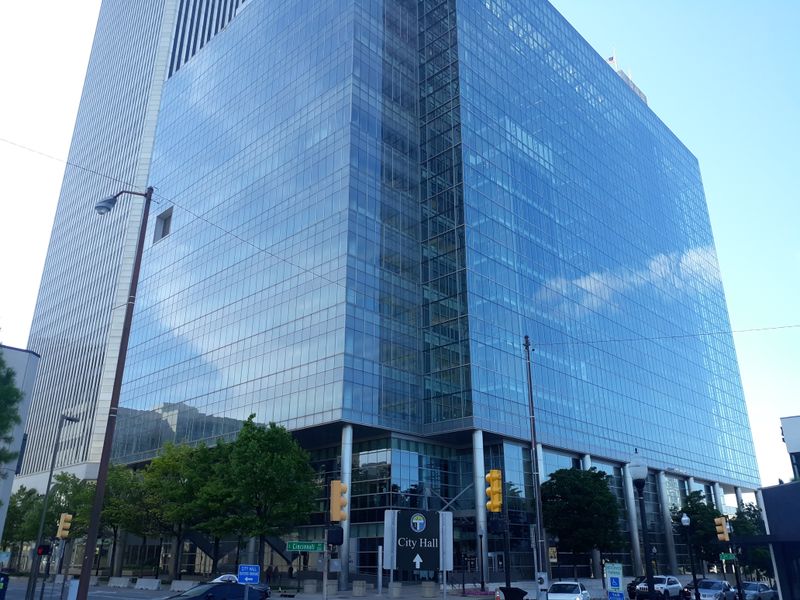
Near Tulsa City Hall the public realm opens into plazas where civic architecture salutes Deco lineage with crisp lines.
You find seating clusters that make lingering comfortable while raised planters soften the geometry.
Sculptures add personality and shift the mood from strictly formal to welcoming.
While some buildings lean modern the proportions mirror older neighbors and keep a respectful dialogue.
Materials pick up on stone and metal palettes that define downtown character.
Sightlines remain generous so the skyline keeps you company while you rest.
This area works well as a reset point during a longer walking day.
Shade canopies and benches provide practical comforts that matter more than you realize.
Clear signage points toward landmarks and helps you map your next moves.
Public art rotates and occasionally includes works that reference local history.
Plaques give dates and artist notes and invite short thoughtful pauses.
The mix of permanent pieces and temporary installations keeps return visits interesting.
Even on busy weekdays the mood stays measured and supportive of easy conversation.
Office workers and visitors share the space with an easy rhythm that never feels tense.
The setting proves how Tulsa folds design heritage into daily life across Oklahoma with grace and care.
9. Tulsa Art Deco Museum micro exhibits, small scale big impact
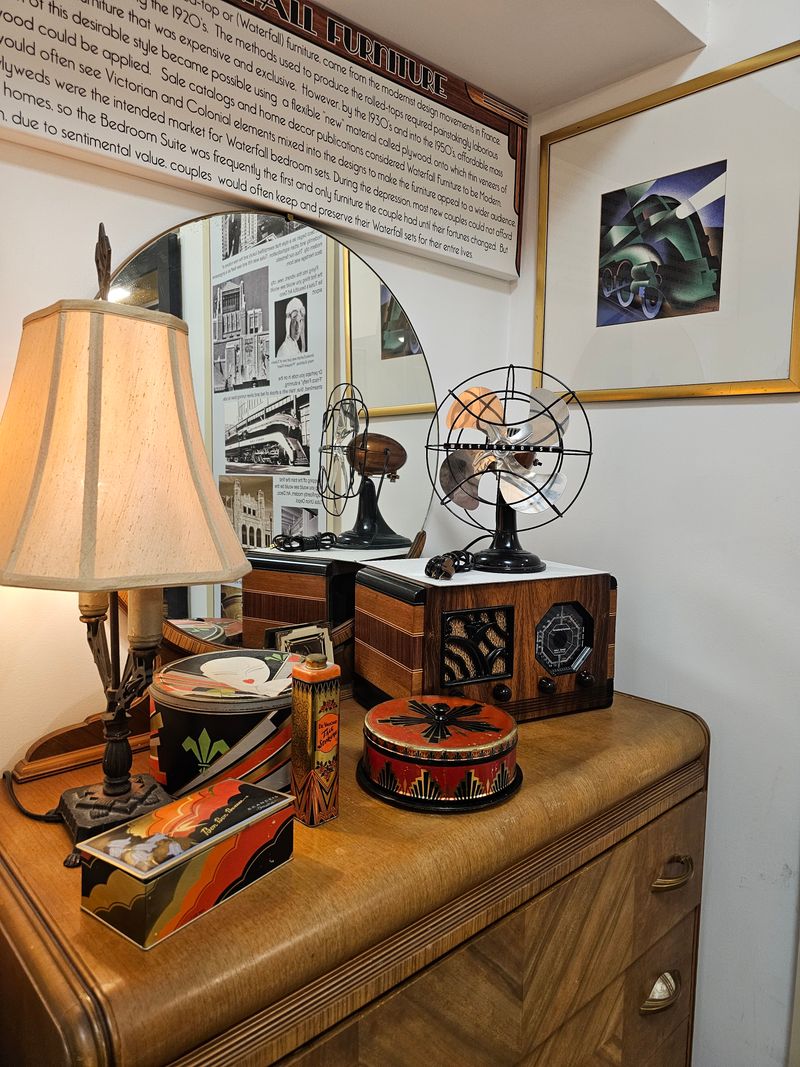
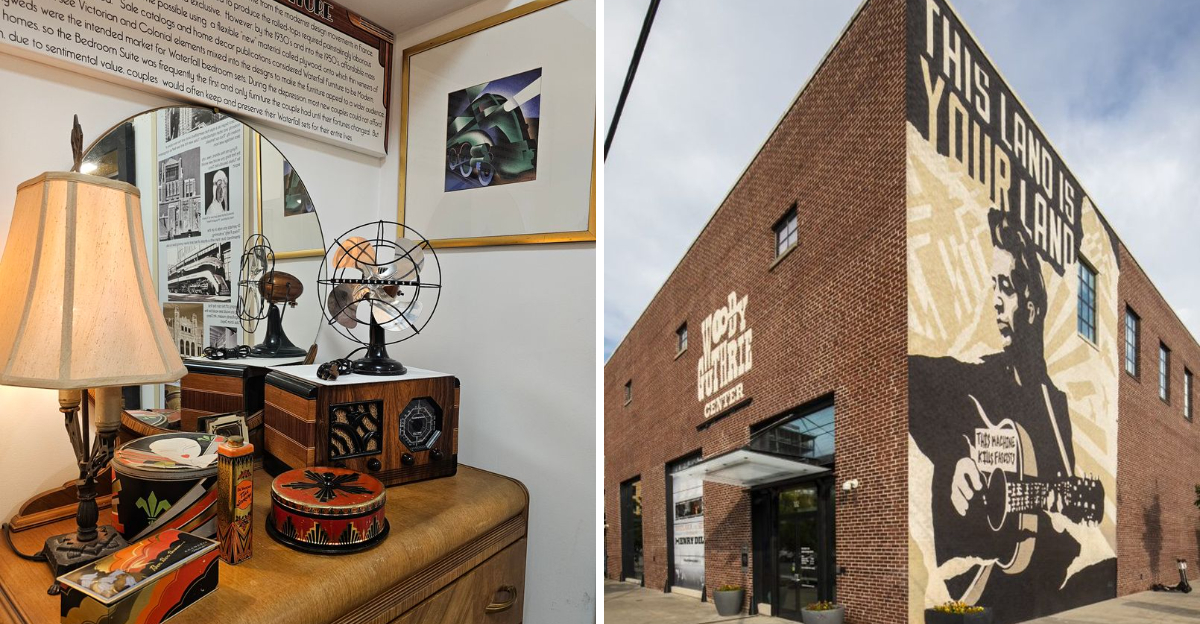
The Tulsa Art Deco Museum organizes micro exhibits that pop up in storefront-style vitrines along downtown corridors.
You can study original posters, metalwork, and small artifacts without entering a formal gallery.
The display strategy turns a casual walk into a lesson in design history.
Labels are clear and concise and they highlight ties between Tulsa makers and broader movements.
Lighting keeps glare low so you can photograph reflections of geometry rather than hard flashes.
Students and families appreciate the approachable scale and friendly tone.
Rotations happen regularly which means repeat visits deliver new discoveries.
Curators draw on local collections and private loans to keep the stories fresh.
The overall effect feels generous and civic-minded in the best way.
Because exhibits sit behind glass you can explore at your own pace regardless of hours.
This flexibility helps travelers manage tight schedules and changing weather.
Benches nearby give you time to rest and revisit favorite cases.
Look for themes such as transportation, fashion, or hometown advertising that ground design in everyday life.
The connections build quickly and help you spot similar motifs on nearby buildings.
By the time you finish you will read Tulsa streets with sharper eyes and more Oklahoma context.
10. Woody Guthrie Center and Bob Dylan Center, modern archives near Deco neighbors
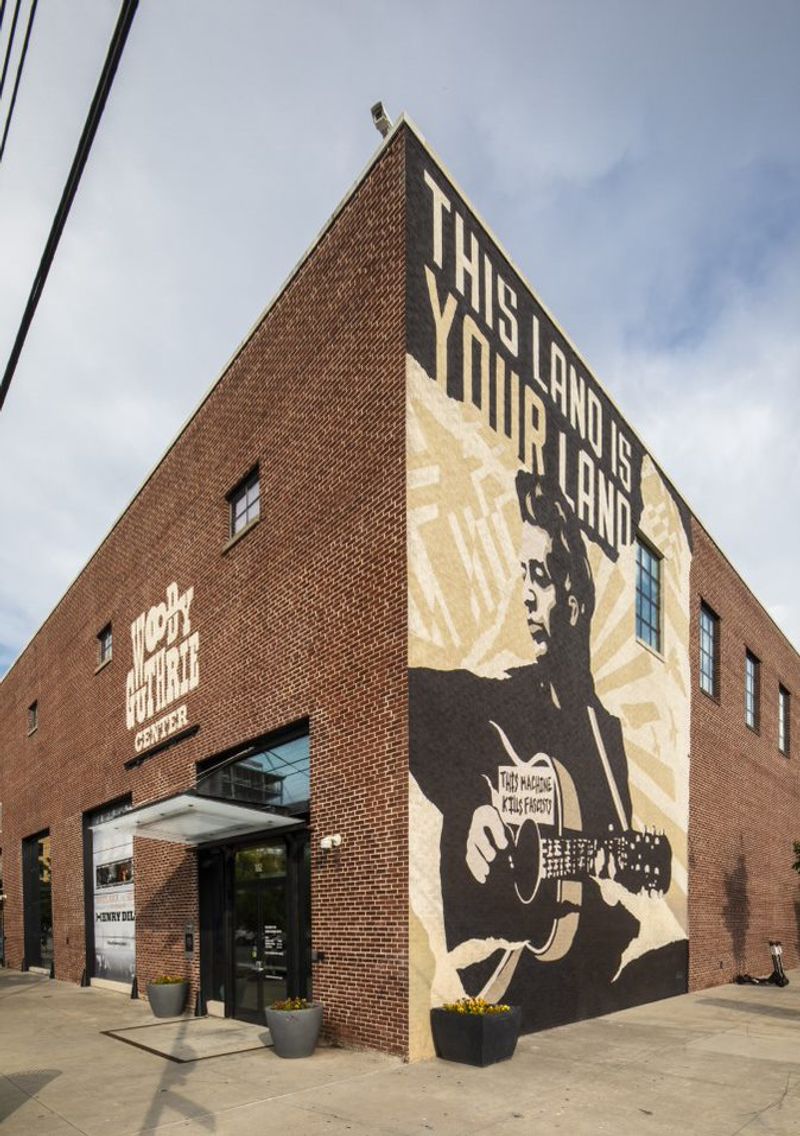
The Woody Guthrie Center and the Bob Dylan Center sit within walking distance of Deco landmarks and create a layered cultural map.
Their contemporary facades keep lines simple which lets nearby historic ornament shine.
Together they anchor a block that feels creative and connected to American music history.
Inside the centers you find immersive exhibits with recordings, manuscripts, and interactive displays.
Audio zones invite slow listening that pairs nicely with a relaxed pace.
Clear timelines help you follow careers while noticing links to national events.
When you step back outside the contrast between modern skins and Deco neighbors feels instructive.
You learn how design evolves without abandoning roots and how streets can hold multiple eras.
The combination keeps your walk lively and packed with texture.
Tickets are timed on busy days and early slots help you avoid crowds.
Plan for at least an hour in each space if you want to read and listen well.
Headphones make a difference for enjoying archival audio in calm detail.
The centers prove that Tulsa welcomes both preservation and innovation in one strollable district.
You leave energized by music while still thinking about stone, metal, and light.
That balance captures a spirit that rings true across Oklahoma and welcomes curious travelers.
Dear Reader: This page may contain affiliate links which may earn a commission if you click through and make a purchase. Our independent journalism is not influenced by any advertiser or commercial initiative unless it is clearly marked as sponsored content. As travel products change, please be sure to reconfirm all details and stay up to date with current events to ensure a safe and successful trip.
