Deep in southern Indiana lies a forgotten place that most people have never heard of.
Farnsworth was once a bustling mining town in Sullivan County where families lived, worked, and built their dreams around the coal industry.
Today, it is a “vanished” town; unlike ghost towns with standing ruins, Farnsworth was largely erased by the very industry that created it.
Where homes and businesses once stood, the ground itself has been transformed.
The story of this abandoned town reveals important truths about American labor history, economic change, and the lives of everyday workers.
While many history books focus on famous cities and well-known events, small towns like Farnsworth hold equally powerful stories of resilience and loss.
The altered landscape of Sullivan County speaks to the struggles, triumphs, and heartbreaks that shaped countless families.
Exploring why this mining town matters helps us understand how entire communities can rise and fall based on a single industry.
Coal Mining Built Entire Communities From Scratch
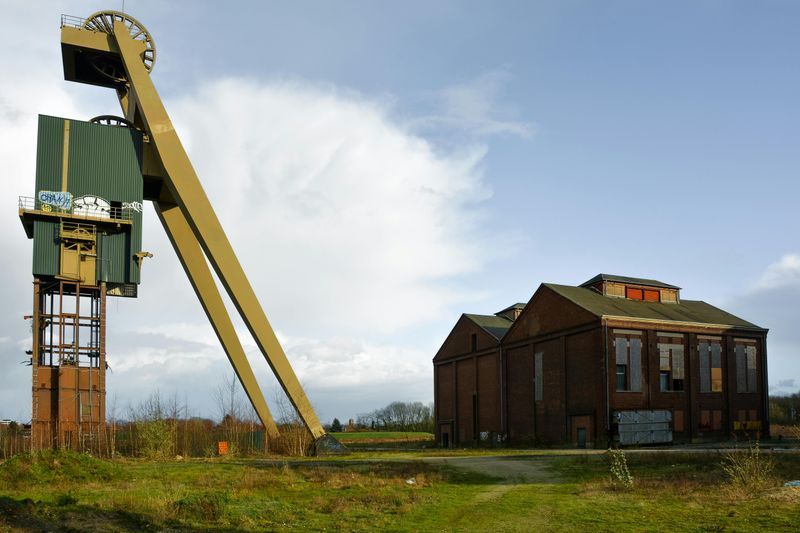
Back in the late 1800s and early 1900s, coal mining companies didn’t just hire workers—they created entire towns to house them.
Farnsworth emerged as one of these company towns, where every building, store, and home was connected to the mining operation.
Mining companies understood that attracting workers meant providing places for families to live, shop, and go to school.
The layout of Farnsworth followed a typical pattern seen in mining communities across Indiana and neighboring states.
Company-owned houses lined dirt roads near the mine entrance, allowing workers to walk to their shifts easily.
A general store sold groceries and supplies, often on credit that would be deducted from miners’ paychecks.
Churches and small schools served the spiritual and educational needs of families who had traveled from different parts of the country and even from Europe seeking work.
Life revolved completely around the mine’s schedule and success.
When production was high, the town thrived with steady paychecks and bustling activity.
Families celebrated together, children played in the streets, and the community felt alive with purpose.
However, this complete dependence on a single industry created a dangerous vulnerability that residents didn’t fully recognize at the time.
Walking through the site today, you can still trace the ghost of where these homes and buildings stood in the shape of the land.
Though most structures were cleared away by later operations, the reclaimed hills mark where kitchens once filled with cooking smells and laughter.
The history tells us that real people built lives here, not knowing their town would someday vanish.
Understanding how coal mining created communities from nothing helps explain why their disappearance left such haunting emptiness behind.
Dangerous Working Conditions Claimed Many Lives
Mining has always ranked among the most dangerous occupations in America, and Farnsworth was no exception to this grim reality.
Men descended into dark, cramped tunnels every day, knowing they might not return home to their families.
Cave-ins, explosions, toxic gases, and equipment failures posed constant threats that workers faced for low wages.
The physical toll on miners’ bodies was severe even when accidents didn’t occur, with black lung disease slowly stealing their ability to breathe.
Historical records from Indiana mining operations, such as the 1925 City Mine Disaster, reveal that deaths and serious injuries happened with alarming frequency.
Families lived with constant anxiety, especially when shifts ran late or when they heard emergency whistles blow.
Children learned early what it meant when somber-faced men came to a neighbor’s door with bad news.
Memorial services became regular occurrences in the small church that served Farnsworth residents.
Safety regulations that we take for granted today simply didn’t exist during Farnsworth’s peak years.
Mining companies prioritized production and profits over worker protection.
Ventilation systems were inadequate, leaving miners breathing coal dust and dangerous gases.
Support structures often used cheap materials that couldn’t withstand pressure.
Escape routes were poorly planned, trapping workers when disasters struck.
The empty site of Farnsworth serves as an unmarked memorial to these forgotten workers who risked everything for their families’ survival.
When you stand on this ground, you’re walking where brave men once prepared for dangerous shifts.
Their stories of sacrifice rarely appear in history books, but the history of the county itself testifies to the human cost of fueling America’s industrial growth through coal mining.
Economic Collapse Left Families With Nothing
Imagine waking up one day to learn that your entire livelihood has disappeared overnight.
For Farnsworth residents, this nightmare became reality when the mine closed due to depleted coal seams and changing economic conditions.
Unlike modern towns with diverse economies, Farnsworth had no backup industries or alternative employment options.
When the mine shut down, the town’s economic foundation crumbled instantly.
Families faced impossible choices with heartbreaking speed.
Many had invested their entire savings into homes they purchased from the mining company.
Those investments became worthless when the town died.
Some residents had relatives in other areas who could take them in, but many had no connections beyond Farnsworth.
Moving required money for transportation and starting over elsewhere, resources that mining families rarely possessed after years of barely making ends meet.
The general store closed its doors, leaving residents without access to basic supplies.
Schools shut down as families moved away, disrupting children’s education.
Churches held final services before locking their doors forever.
Within months, a thriving community transformed into a ghost town as desperate families abandoned homes they had lovingly maintained for years.
Personal belongings that couldn’t be carried were left behind, creating the eerie scenes that historians note in the final days of these settlements.
This economic vulnerability wasn’t unique to Farnsworth but affected mining communities throughout Indiana and Appalachia.
The legacy reminds us how quickly prosperity can turn to poverty when communities depend entirely on a single industry.
They also highlight the human faces behind economic statistics; families who lost not just jobs but entire ways of life when the coal ran out.
Immigrant Stories Remain Hidden in the Ruins
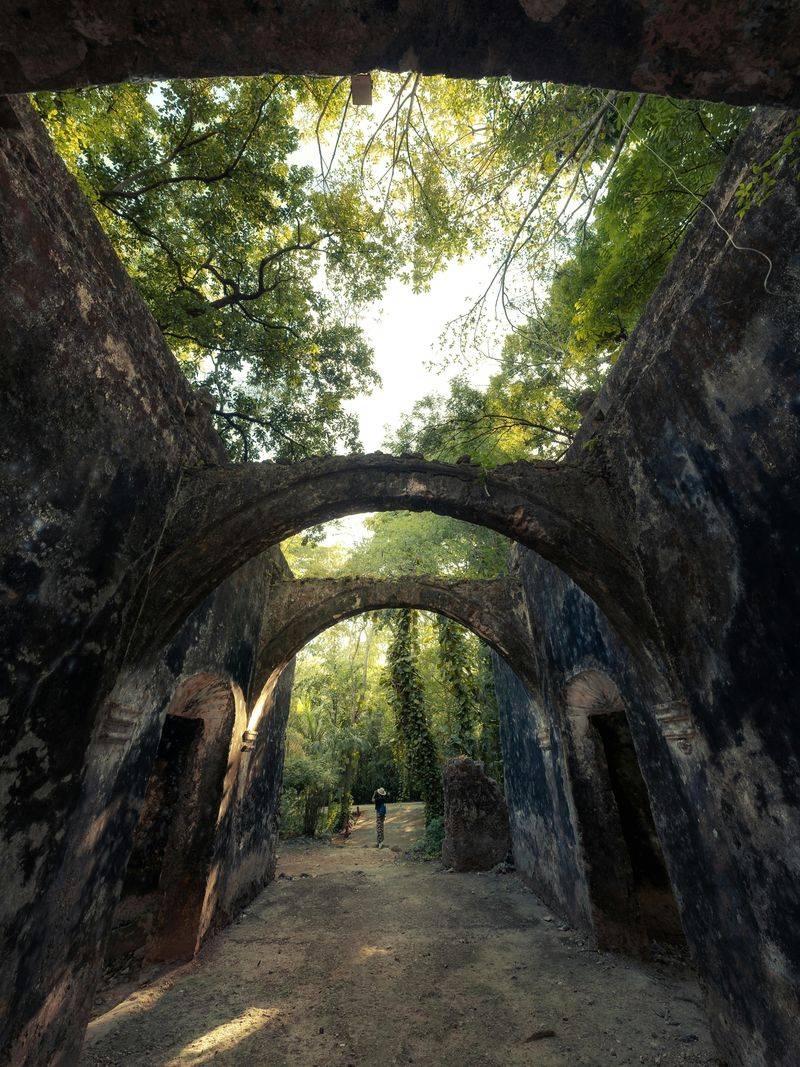
Farnsworth attracted workers from remarkably diverse backgrounds, creating a multicultural community in rural Indiana.
Mining companies actively recruited immigrants from Eastern Europe, Italy, Ireland, and other regions where economic hardship pushed people to seek opportunities in America.
These newcomers arrived with dreams of better lives, willing to take on dangerous work that many native-born Americans avoided.
Their languages, traditions, and customs blended together in this small town built around coal.
Different ethnic groups often lived in distinct sections of company towns, creating neighborhoods that reflected their home countries.
Polish families might occupy one street while Italian families settled another.
Despite these divisions, the shared experience of mining work and the isolation of small-town life created bonds across cultural lines.
Children played together regardless of their parents’ origins.
Women shared recipes and helped each other through difficult times.
The mine’s dangers affected everyone equally, creating solidarity among workers who might otherwise have remained separate.
Language barriers presented daily challenges that residents overcame through patience and creativity.
Miners developed their own “mine language” to communicate safety issues underground.
Outside the mine, community celebrations featured music and food from half a dozen different countries, making Farnsworth a surprisingly vibrant cultural hub.
These immigrant families contributed more than just labor; they brought the grit and hope that defined the American dream in the early 20th century.
While the town’s physical footprint was later erased by extensive strip mining, the cultural impact remained.
Many descendants of these families still live in Sullivan County today, carrying names and traditions that first arrived with those coal miners.
The story of Farnsworth is not just about coal; it is about the diverse people who built Indiana from the ground up, even if the town they once called home has now vanished back into the earth.
Environmental Damage Still Scars the Landscape
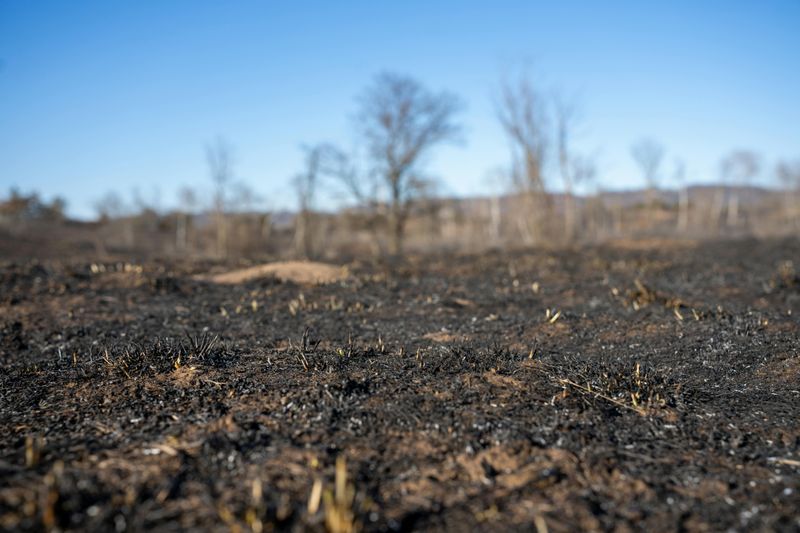
Mining operations didn’t just extract coal—they fundamentally altered the natural environment in ways that persist decades after the last worker left.
Farnsworth’s surrounding landscape bears visible scars from mining activities that disrupted soil, water, and vegetation.
Subsidence has caused the ground to sink in areas where underground tunnels collapsed, creating dangerous depressions and unstable terrain.
These physical changes make the land difficult to repurpose even today.
Water contamination represents one of the most serious and long-lasting environmental impacts.
Abandoned mines often fill with water that becomes highly acidic as it reacts with exposed minerals and sulfur compounds.
This acid mine drainage can leak into streams and groundwater, making water unsafe for drinking or supporting aquatic life.
Orange-colored stains on rocks near Farnsworth indicate iron precipitation from contaminated water, a telltale sign of ongoing pollution from the old mine works.
Vegetation struggles to reclaim areas where mining disturbed the soil and removed topsoil layers.
While nature has covered some ruins with trees and undergrowth, certain areas remain stubbornly barren.
The original diverse forest ecosystem that existed before mining has not fully recovered.
Invasive plant species often colonize disturbed mining areas first, preventing native plants from reestablishing themselves naturally.
Coal waste piles and slag heaps still dot the landscape around Farnsworth’s ruins, containing materials that can leach pollutants during rainstorms.
Modern environmental regulations require mining companies to remediate sites after operations cease, but Farnsworth predates these laws.
The abandoned town demonstrates how industrial activities can damage environments for generations, long after the economic benefits have vanished and the people have moved on to other places.
Labor Movement Struggles Happened in Small Towns Too
When people think about labor history and union organizing, they typically picture large industrial cities like Chicago or Detroit.
However, some of the most intense labor struggles occurred in isolated company towns like Farnsworth where workers had even less power.
Mining companies controlled not just employment but housing, stores, and virtually every aspect of daily life.
This total control made organizing for better conditions extremely risky for workers who could lose everything.
Miners in Indiana and throughout coal country fought for basic rights that seem obvious today—fair wages, reasonable hours, and safer working conditions.
Company owners often responded to organizing efforts with intimidation, evictions, and violence.
Workers suspected of union sympathizing might find themselves and their families forced from company housing with nowhere to go.
Blacklists prevented fired workers from finding employment at other mines in the region.
Despite these dangers, brave individuals in communities like Farnsworth risked everything to demand dignity and justice.
Secret meetings happened in homes and woods away from company eyes.
Information about union activities spread through whispered conversations and coded messages.
Women played crucial roles in labor organizing, supporting strikes by managing household resources and participating in protests even though they couldn’t work in the mines themselves.
The ruins of Farnsworth contain no monuments to these labor struggles, yet they happened here just as they did in more famous locations.
The abandoned town represents not just economic failure but also the power imbalances that workers fought against.
Understanding this hidden history helps us appreciate the labor rights we enjoy today and recognize that ordinary people in small towns contributed to movements that changed America for everyone.
Dear Reader: This page may contain affiliate links which may earn a commission if you click through and make a purchase. Our independent journalism is not influenced by any advertiser or commercial initiative unless it is clearly marked as sponsored content. As travel products change, please be sure to reconfirm all details and stay up to date with current events to ensure a safe and successful trip.
