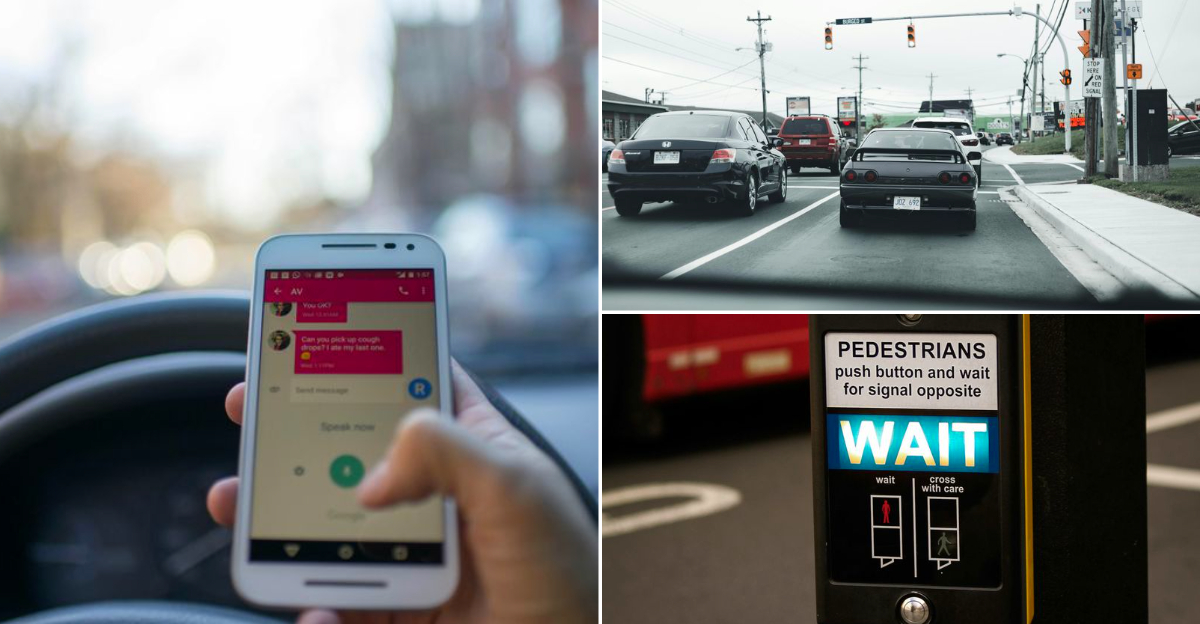
Think Vermont is all covered bridges, maple syrup, and quiet mountain roads? Think again.
Some of the laws here are so specific and unusual that even seasoned travelers can find themselves scratching their heads. Many of these rules grew from centuries of small-town governance, safety concerns, and a streak of practical-minded thinking.
They cover everything from what you can carry through a village street to how you interact with public spaces and wildlife.
Tourists often assume these rules are just charming relics or harmless suggestions, but in some towns, officials still enforce them when needed.
The surprises range from the mildly humorous to the genuinely useful, revealing how Vermont balances tradition, community, and public order. For travelers, knowing a few of these oddities can save awkward explanations, fines, or simply a moment of confusion while exploring the Green Mountain State.
1. Billboards Are Essentially Prohibited Along Public Roads
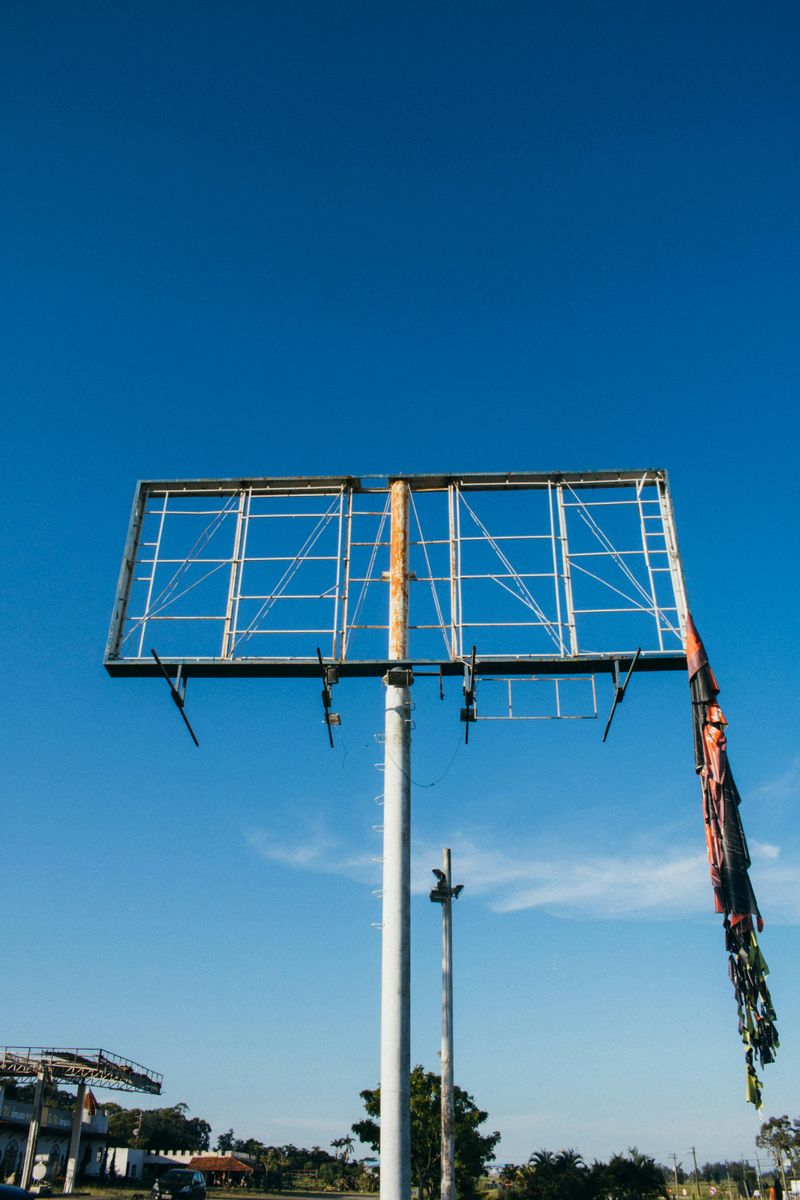
You will notice it the minute you cross the line into Vermont. The roads feel like they exhale because there are no loud billboards shouting at you.
The state banned them to protect scenery and safety, so wayfinding looks different here.
You will rely on small directional signs, local landmarks, and whatever your map app is telling you.
If you are scanning for a giant exit ad, you will miss your turn. Keep an eye on those brown and green state signs instead.
Honestly, it is lovely. Your brain relaxes, and the mountains do all the talking.
Still, this changes your rhythm when you are hunting a trailhead or a farm stand. Pull off safely, check the map, and do not wait for a billboard that never appears.
You may see tasteful on-premise signs right at a business. Those are allowed, which helps once you are basically there.
This rule is not just about pretty views. It keeps drivers from rubbernecking at giant graphics in the rain or snow.
That matters in a state where weather flips fast. Clear sightlines and quieter roads pay off when fog drifts over a notch.
If you need details, stop at a village information board or a library.
Locals will point you the right way in about ten seconds.
Let the landscape be the star. You came for mountains and villages, not ads stacked to the horizon.
2. Vehicle Idling Is Limited To Five Minutes Per Hour
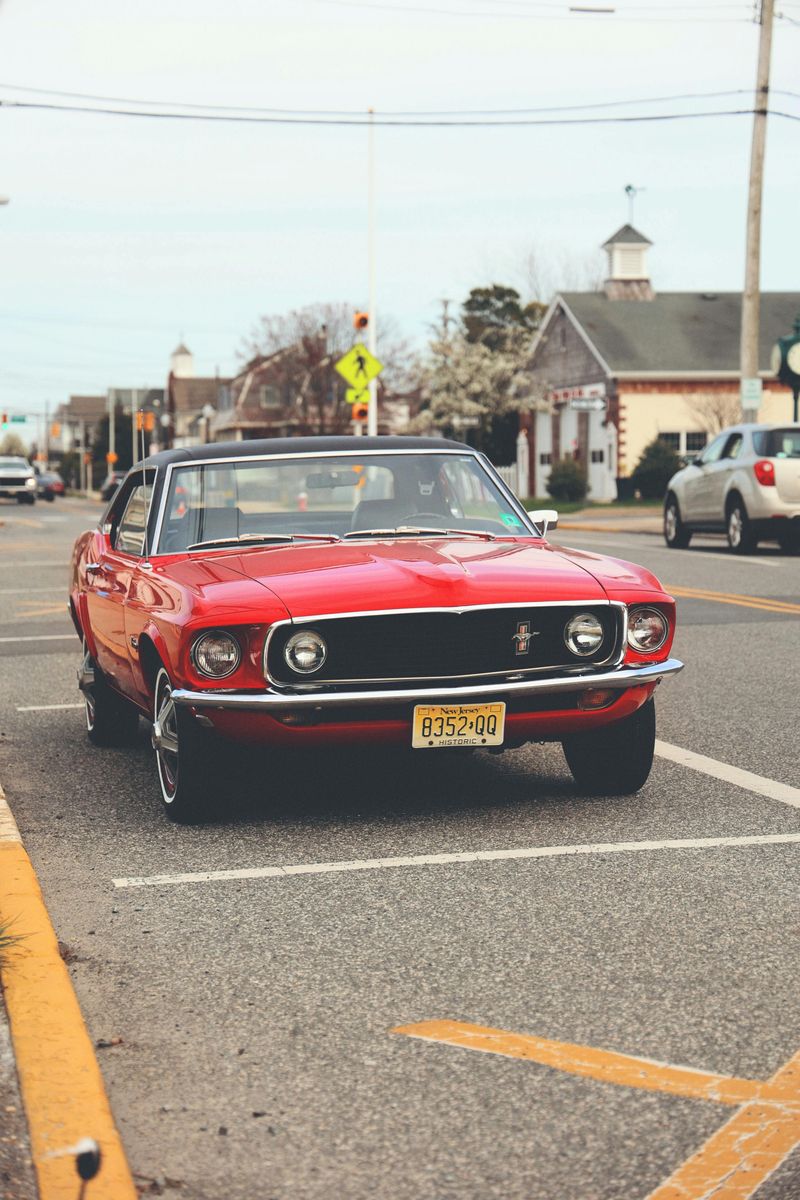
If you are waiting for a friend and keeping the heat blasting, Vermont has thoughts about that. Idling is capped, with narrow exceptions for safety and operations.
This is partly about air quality and partly about being neighborly on compact streets. In a tight valley town, exhaust collects faster than you think.
It also saves fuel when you are zigzagging between trailheads.
Kill the engine, stretch, and breathe that spruce air.
Worried about winter starts? Modern cars usually handle a quick restart better than older rigs did.
You will see reminders near schools and trail lots. Rangers and local police do not love long idle clouds hanging over a line of cars.
If you have pets or passengers, plan your stops so everyone stays comfortable. A quick walk usually warms people up more than a humming engine does.
On steep streets, set your brake and shut it down.
Vermont hills do not mix well with a distracted driver and a running vehicle.
This rule nudges you toward being present. Step out, notice the church steeple, and listen to the river under the bridge.
If you need to demist fast, run the fan strong, then cut it. The windshield clears quickly in the dry winter air.
It is a small habit change that adds up. You keep the peace, you save some gas, and the village breathes easier.
3. Hanging Items From Your Mirror Can Be A Violation If They Obstruct Your View
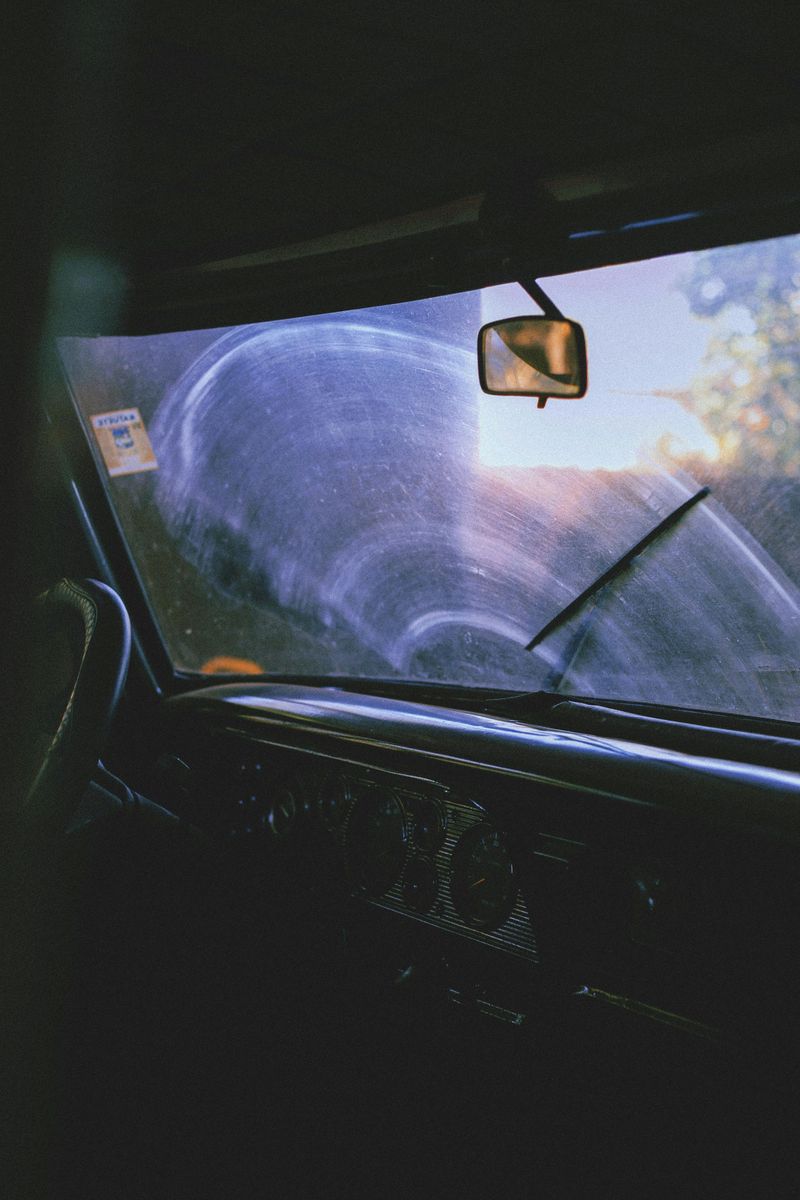
That cute pine tree air freshener swinging from the mirror? In Vermont, anything blocking your view can be a problem.
The spirit of the rule is simple and reasonable.
If it distracts your eyes or hides a cyclist or moose, it is not worth it.
I take it off when I hit the state. A clear windshield feels like a tiny superpower on a winding road.
You will notice how much you scan corners on Route 100. A dangling tag right there in the middle gets weirdly annoying.
Keep parking passes down on the dash or clipped low. The less clutter in your line of sight, the smoother your brain tracks the curves.
Snow days make this even more important. Spray and slush already steal enough visibility on their own.
If you need a reminder, think of meeting a dark jacket at dusk. You want that silhouette clean against the lane, not hiding behind a trinket.
Vermont drivers are used to tight village streets and quick crossings.
Your eyes should sweep, not fight through decorations.
Toss the lanyard into the console and call it good. You will not miss it after the first bend through the maples.
It is one of those rules that sounds fussy until you drive here. Then it clicks and you never go back.
4. Drivers Must Slow Down And Move Over For Stopped Emergency Vehicles And Work Zones
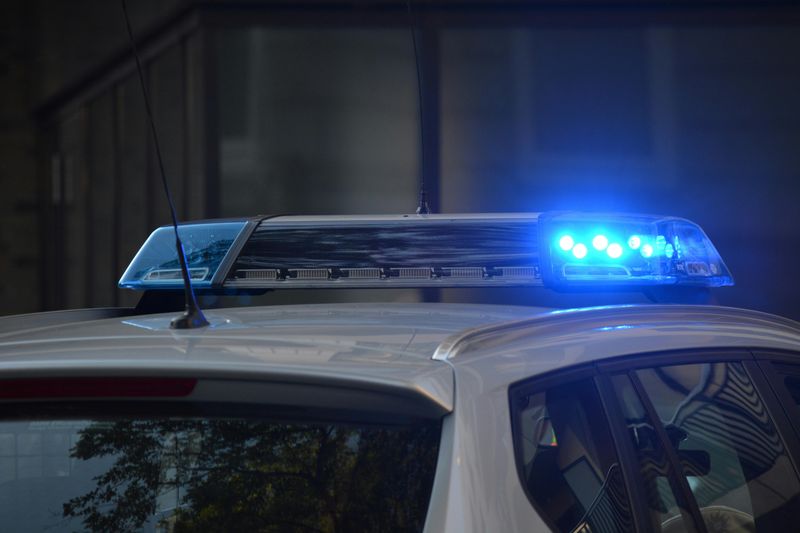
See flashing lights on the shoulder? Slow down and slide over if you can do it safely.
Vermont takes the move over idea seriously on highways and on those smaller two-laners. Crews and responders work inches from traffic on narrow shoulders.
I treat it like a courtesy and a pact. Give them space so they go home whole, and you roll on without a scare.
Sometimes there is no second lane. Then the job is speed, patience, and a steady wheel.
You will see this near work zones tucked into river cuts.
The cones appear fast after a blind curve, so read the signs early.
Snowplows and tow trucks count when they are lit up. Their world is loud, cold, and risky without you crowding the line.
If traffic stacks up, take a breath. Vermont is not in a hurry about this, and that is the point.
When in doubt, treat the scene like a fragile bubble. Your job is to keep that bubble intact as you pass.
Watch for a flagger raising a stop paddle. They run the rhythm, not your impatience or your playlist.
Ease back to speed when the zone ends. You will feel the road open, and everyone gets to keep their afternoon.
5. Texting While Driving Is Prohibited, Even When Stopped In Traffic

Think red light means text time? Not in Vermont, where texting is off-limits even when you are stopped.
The point is to keep your attention ready for the instant things move. Bikes, buses, and moody weather do not wait for your thumbs.
I flip the phone face down before rolling into town. It breaks the habit and keeps the brain forward.
If you must reply, pull off into a safe spot.
Gravel turnout, parking lot, even a trailhead loop will do.
Your passengers can play navigator or typist while you drive. It turns the ride into a tiny team sport.
In Vermont, intersections often sit near crosswalks and school blocks. You want your head up for that first step off the curb.
Winter glare makes screens extra tempting. That blue glow steals your night vision just when headlights sweep in.
Do yourself a favor and use voice tools before you shift into gear.
Set the route, pick the song, and let the phone chill.
It feels strict until a truck stops short in front of you. Then the rule feels like common sense you can hear in your seatbelt.
Eyes up, hands on, and you will cruise through Vermont like you have been here for years.
6. Handheld Device Use While Driving Is Prohibited

Here is the easy rule of thumb. If the phone is in your hand while the car is in motion, you are doing it wrong in Vermont.
Hands-free is the move, and even then keep it minimal.
The roads here curve like a conversation, and you want both hands handy.
I mount the phone low and leave it. Glances only, like you would check a mirror.
Calls can wait, or your passenger can tap the screen. Better yet, let voicemail catch it and circle back at the next pullout.
It is not about being fussy. It is about that sudden deer shadow near a stand of birches.
Texting and emailing are still a no-go. Swiping a playlist becomes the same problem if you chase it.
Vermont driving rewards attention. The state gives you scenery and twisty pavement, and you return the favor by showing up.
If you rely on navigation, prep before you shift out of park. Then the device becomes a quiet map, not a handheld toy.
This one habit keeps your trip smooth from village greens to ridge passes. It also makes you feel calmer, which is the Vermont way.
Set it, forget it, and enjoy the long arc of the next hill.
7. Drivers Must Yield To Pedestrians In Crosswalks
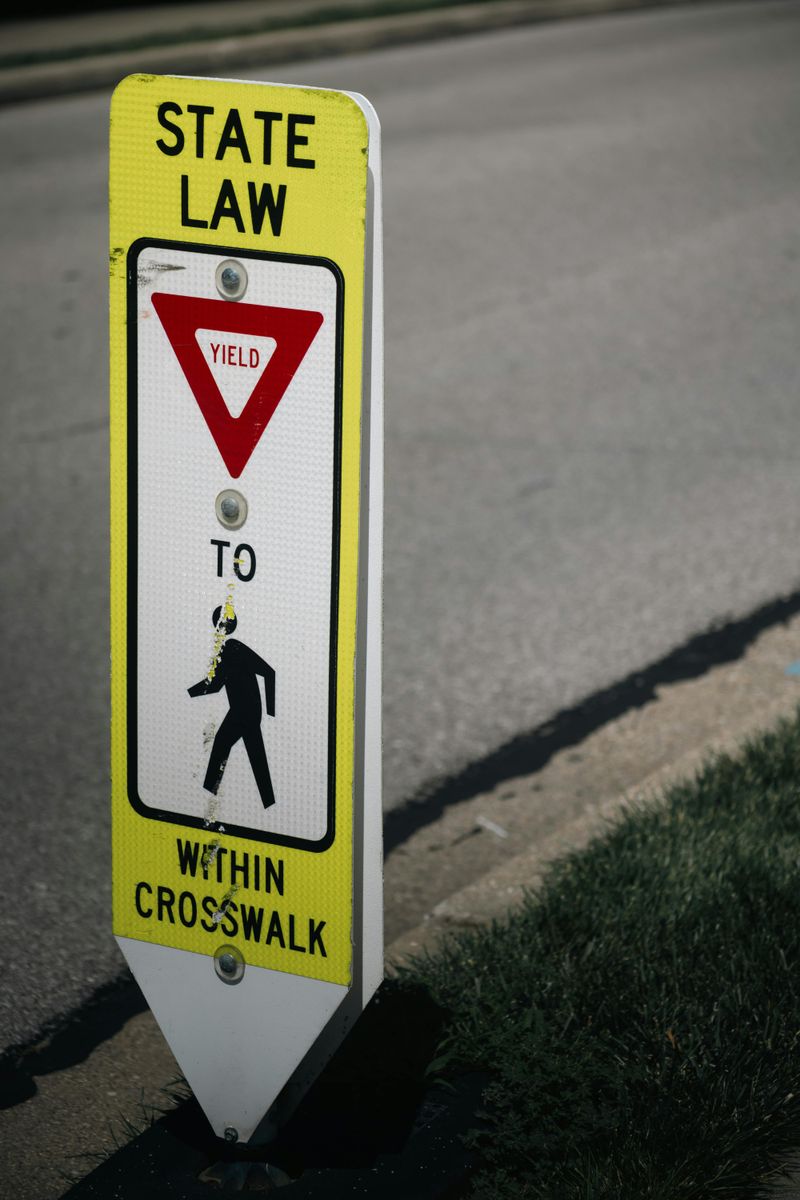
Vermont crosswalks run on eye contact and patience. If someone is in or about to enter, you yield and let them go.
This shows up in places like Woodstock, Stowe, and Brattleboro.
Village centers tuck shops tight to the lane, so people appear fast.
Slow early and read the body language. A backpack shift or a toe at the curb is your cue.
Do not wave folks through if it confuses the flow. Hold steady, stop cleanly, and let the rule do the talking.
Snowbanks can hide small steps. Treat every corner like a surprise guest at a party.
When you stop, leave the crosswalk fully clear. Pedestrians should not have to thread between bumpers.
I like the pace this creates in Vermont towns.
Cars breathe, people cross, and everyone gets where they are going.
If you are the walker, make yourself obvious. Hood up is fine, but keep the head high and look at drivers.
Night crossings need extra patience under those soft village lamps. Bright stripes help, but your headlights seal the deal.
Yielding here feels less like a command and more like the culture. The state keeps it simple, and it works.
8. Pedestrians Cannot Step Off The Curb If A Vehicle Is Too Close To Yield Safely
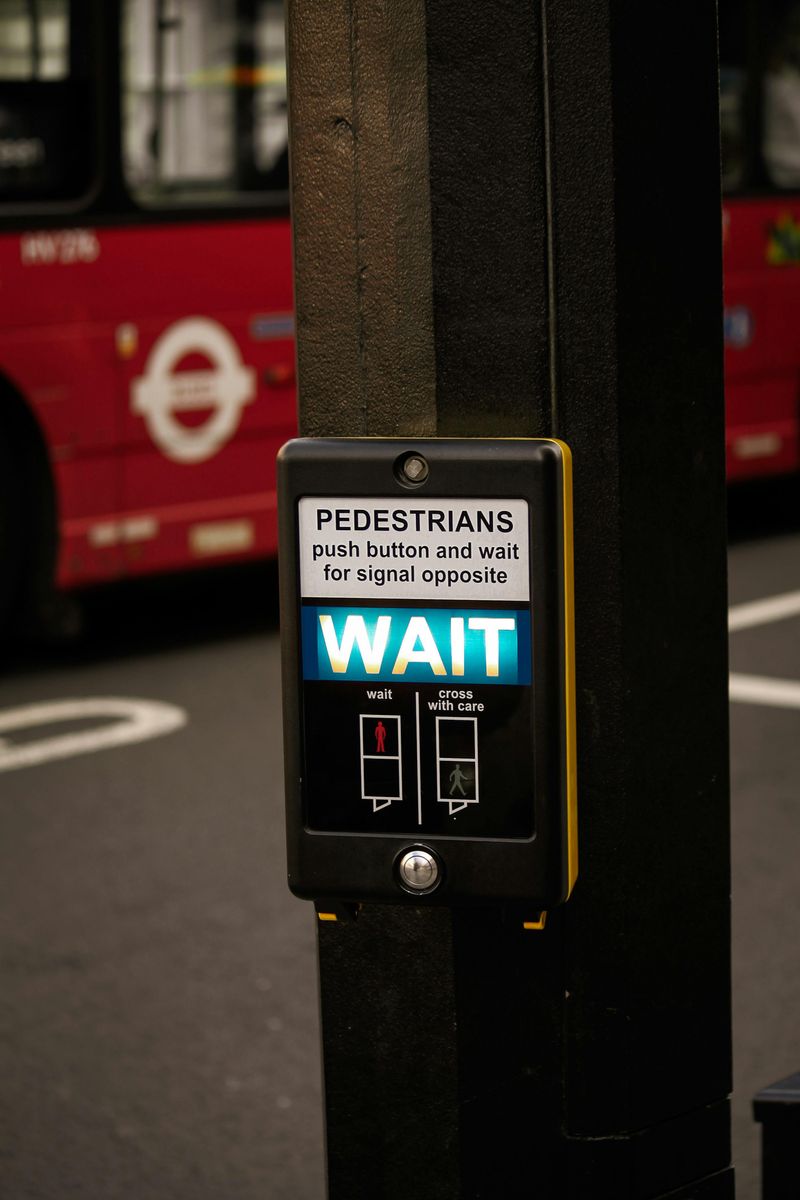
Here is the flip side to yielding. Pedestrians are asked not to step out if a car is too close to stop safely.
It is a shared-responsibility thing in Vermont. Drivers do their part, and walkers help keep it predictable.
When I am on foot, I pause long enough to read the approach. If the grill is already at the line, I give it a beat.
Hand signals help. A small step back and a nod makes intentions obvious.
In rain or snow, stopping distances stretch like taffy.
What felt safe on dry pavement gets sketchy in a heartbeat.
Small towns love their rhythm. You feel it most at the green when everyone takes turns without drama.
If you travel with kids, make a little curb ritual. Toes behind the crack, eyes up, then move together when it is clear.
Evening strolls need extra glow and patience. Storefront lights look pretty but do not replace good judgment.
This law is not anti-walker. It is pro-commonsense on streets that mix visitors, locals, and a lot of dogs on leashes.
Give each other a wide margin and a friendly glance.
Vermont works best when everyone reads the same small cues.
9. Slow Drivers Are Expected To Keep Right And Pull Off To Let Traffic Pass
Ever find yourself soaking in the view and stacking cars behind you? Vermont would love for you to keep right and use turnouts.
It is not a scolding. It is a gentle nudge to share the lane when the line grows.
When I see three or four behind me, I pull into a gravel apron.
Thirty seconds later, the road is quiet again.
This shines on Route 125 or Route 100 where curves hide passes. A quick pull-off saves everyone from sketchy moves.
Trucks and locals know the dance. Visitors figure it out fast because it just feels polite.
Watch for signs that mark slow vehicle turnouts. They pop up right where the shoulder widens.
If the shoulder looks soft, skip it and wait for the next.
Vermont backroads can eat a tire if you get greedy.
The payoff is big. You get your view, they get their pace, and the vibe stays peaceful.
Wave as they pass and rejoin when it is clear. That wave is Vermont language for thanks and carry on.
Sharing the ribbon of asphalt keeps the trip friendly. That is the whole point of a scenic drive here.
10. Vehicles Must Be Driven On The Right Half Of The Road Except In Specific Situations
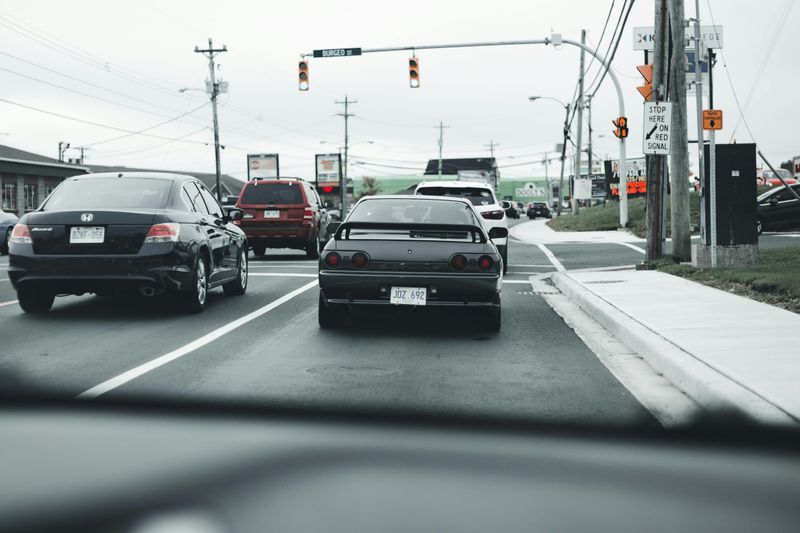
Narrow lanes and blind knolls make this one feel obvious but important. Stay to the right unless the law says otherwise.
In Vermont, backroads pinch tight by barns and stone walls.
If you crowd the middle, you will meet a pickup nose to nose.
Give yourself space from the center on crests. You cannot see what is idling over that hill.
Passing zones are short and clearly marked. If you are guessing, it is not the place to go.
Snowbanks can steal a foot of lane. Slow down, tuck in, and treat the edge like a guardrail.
Bikes and tractors appear where you least expect them. Right lane discipline keeps everyone predictable.
I hug the white line through forested bends. It buys me a sliver more reaction time if something drifts wide.
Gravel transitions pop up near driveways. Stay steady and resist the middle-of-the-road drift.
This is one of those Vermont habits that becomes muscle memory. After a day, you will feel it in your shoulders.
Keep right, breathe, and let the road come to you. The state rewards smooth hands and patient timing.
11. Child Restraint Rules Apply All The Way Up Through Age 17
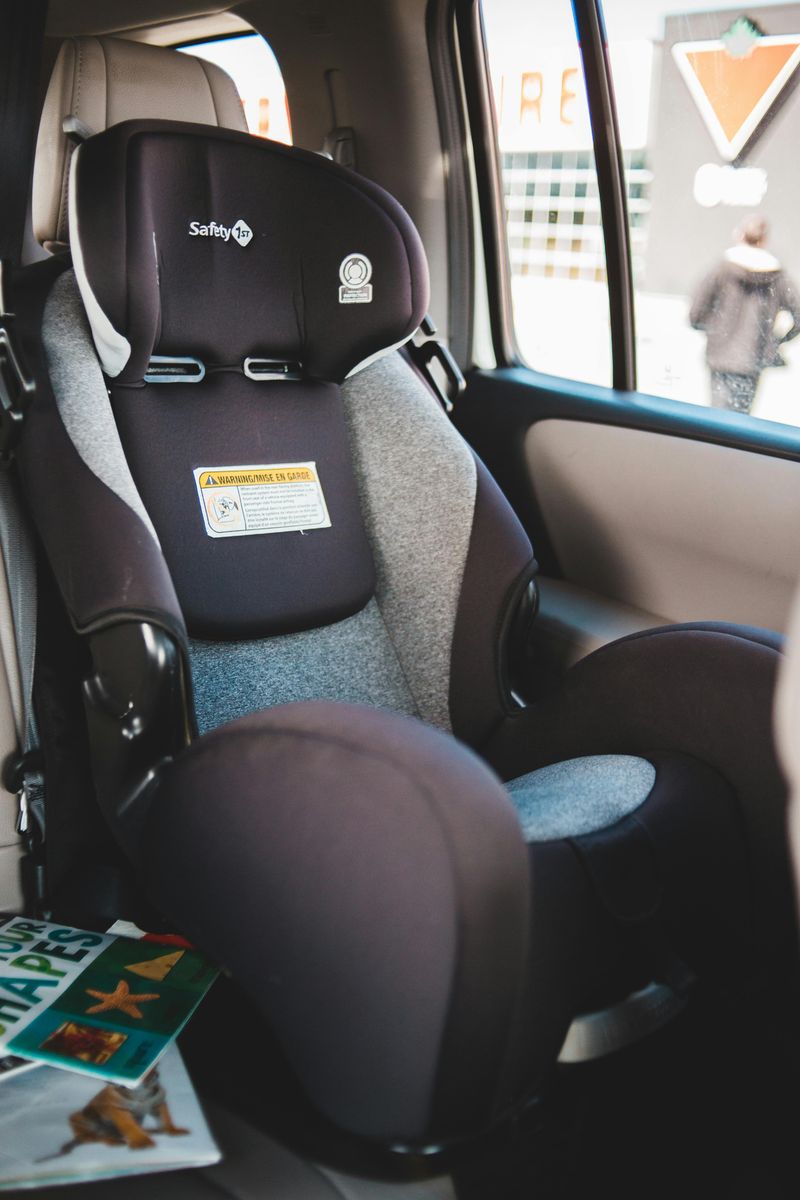
This one surprises a lot of visitors. Vermont keeps seat belt and child restraint rules tight through the teen years.
The exact setup depends on size and stage. Think rear facing, forward facing, boosters, then belts as fits apply.
If you are bringing family, check your gear before you roll north.
Vermont troopers are friendly but serious about this.
Borrowing a seat at the last minute rarely goes well. Install at home and practice a clean buckle routine.
Rear seats are the move whenever possible. Airbags and short cabin spaces make that a smarter call.
I keep a small checklist in the door pocket. Clip height, belt path, and a quick tug to lock it in.
Winter coats can fake a snug harness. Loosen the layer, buckle firm, then throw the jacket back over.
Older kids still need the belt to sit right on the hips. If it rides the belly, add a booster and skip the argument.
It feels strict until you picture a sudden stop on a frosty hill. Then the rule feels like Vermont looking out for your crew.
Dial it in before you hit the first covered bridge. The rest of the ride gets a lot calmer when everyone clicks safe.
12. Studded Winter Tires Are Allowed Under The Road Surface Protection Rule
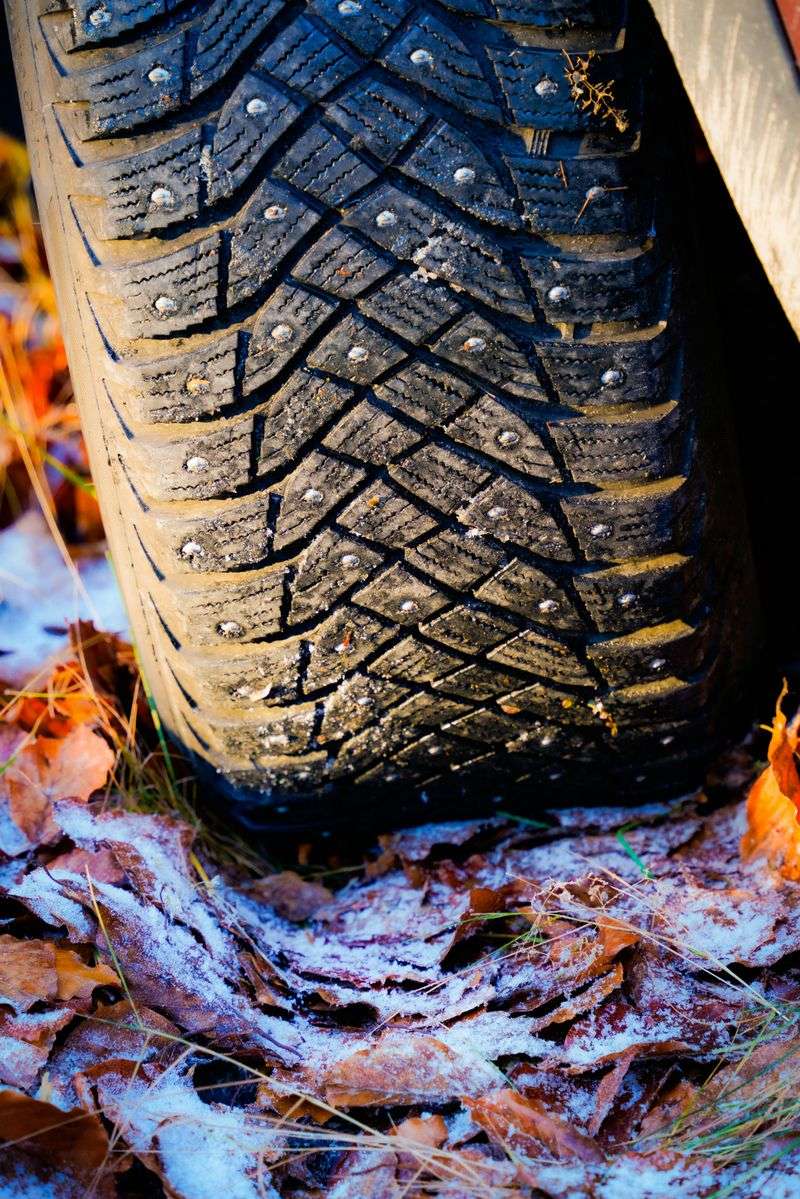
Hear that faint hiss on cold pavement? Those are studded tires, which Vermont allows during the winter season under road protection rules.
They bite into ice on shaded hills and village streets.
When you tour in shoulder months, you might hear them everywhere.
Do you need them? If you are sticking to plowed corridors, good winters may be enough.
If your cabin sits up a gnarly driveway, studs can be confidence in a circle. The car feels planted when a dusting turns to glaze.
Swap them when the thaw settles in. Studs on warm, bare asphalt feel loud and wear things down faster.
Locals time the changeover with the mountains. The exact week swings with weather, not a date on a calendar.
All-wheel drive helps but does not replace braking grip.
Studs are about stopping and controlled starts, not bravado.
Carry a small shovel and brush in Vermont winters. They are the unsung heroes when the plow berm boxes you in.
Whatever you choose, drive like the road is telling you a secret. Ease into corners and keep inputs smooth and calm.
The rule exists because ice laughs at optimism. Vermont respects that, and your tires should too.
Dear Reader: This page may contain affiliate links which may earn a commission if you click through and make a purchase. Our independent journalism is not influenced by any advertiser or commercial initiative unless it is clearly marked as sponsored content. As travel products change, please be sure to reconfirm all details and stay up to date with current events to ensure a safe and successful trip.
