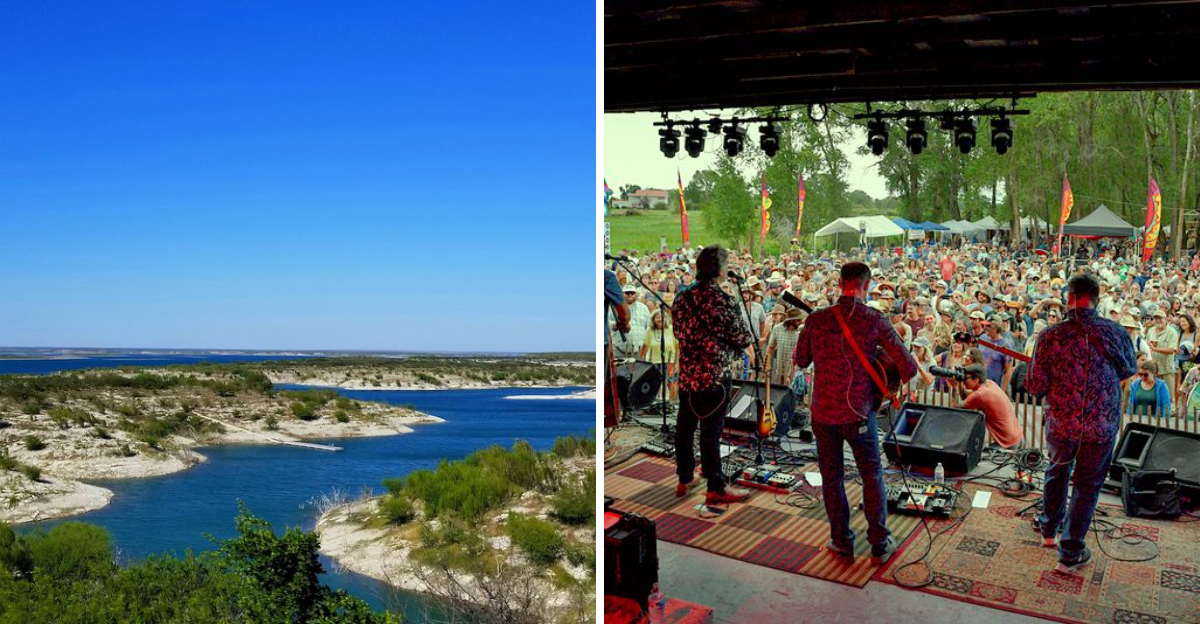
Crossing into Del Rio, Texas for the first time felt like stepping into a place that quietly defies every expectation. Sitting right along the Rio Grande in southwestern Texas, this small city of around 34,000 people carries the kind of warmth that big cities spend years trying to manufacture.
Mexican, Texan, and Native American influences weave through the streets, the food, the music, and even the way strangers greet you. I remember noticing the murals first, bold and colorful, telling stories on the sides of buildings that most towns would have left blank.
Del Rio is the county seat of Val Verde County, and it wears that identity with quiet pride. Whether you come for the history, the scenery, or just to slow down for a few days, this border town has a way of staying with you long after you leave.
San Felipe Del Rio: A Name That Tells a Story
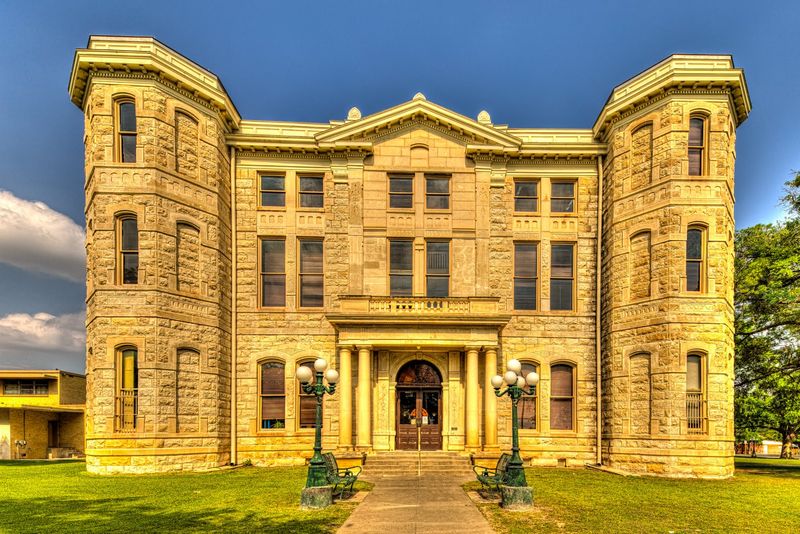
Del Rio was originally called San Felipe Del Rio, a name rooted in Spanish colonial history that still echoes through the city’s identity today. The Spanish influence is not just historical.
It lives in the architecture, the street names, and the way the community celebrates its heritage throughout the year.
Walking through the older parts of downtown, you notice buildings that carry that colonial character, thick walls, arched doorways, and shaded plazas designed for the heat. The city has done a thoughtful job of preserving these spaces rather than replacing them with generic modern structures.
San Felipe Springs, the natural spring system that originally drew settlers here, still flows today. It is one of the largest springs in Texas and feeds into San Felipe Creek, which runs right through the city.
People jog along its banks and kids splash in the shallower sections during summer.
That original Spanish name is more than a piece of trivia. It reflects how deeply layered Del Rio’s identity really is.
The city exists at a crossroads of cultures and centuries, and its founding story sets the tone for everything that follows when you explore it.
Seminole Canyon State Park: Ancient Art Hidden in Stone
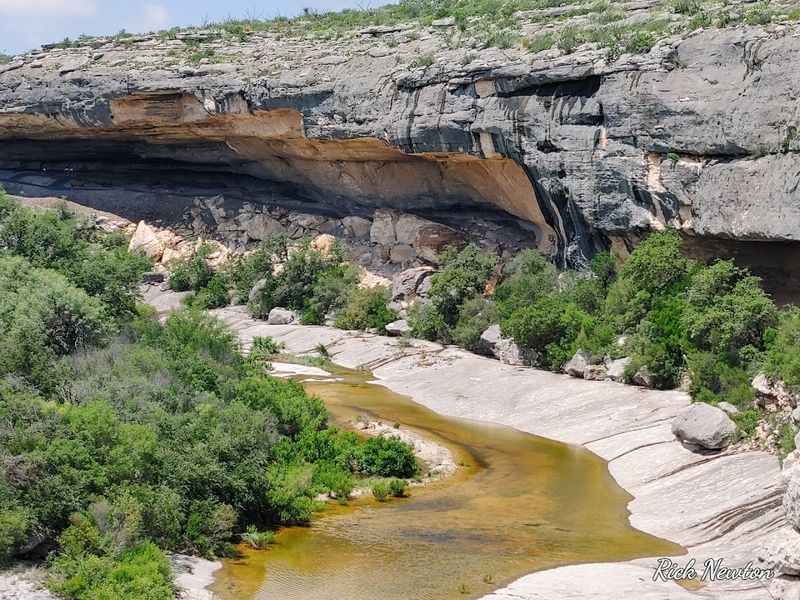
About 45 miles northwest of Del Rio, Seminole Canyon State Park holds some of the oldest rock art in North America. The pictographs painted on the canyon walls are estimated to be over 4,000 years old.
Standing in front of them feels genuinely humbling, like receiving a message across thousands of years.
Guided tours take visitors down into the canyon to see the Fate Bell Shelter, where these ancient paintings are preserved. Rangers explain the imagery and what researchers believe the symbols represent.
It is one of those rare places where history feels completely alive rather than locked behind a museum glass.
The canyon itself is dramatic. Steep limestone walls drop sharply, and the sparse desert vegetation clings to the edges in ways that seem almost defiant.
Hikers who take the longer trails get rewarded with sweeping views of the Pecos River canyon nearby.
Seminole Canyon is not a crowded tourist destination. That is actually part of what makes it so special.
You can spend a morning here without bumping into tour groups or long lines, just open sky, ancient art, and the kind of quiet that makes you think.
Address: US-90, Comstock, TX 78837.
The Rio Grande and Amistad Reservoir: Nature on a Grand Scale
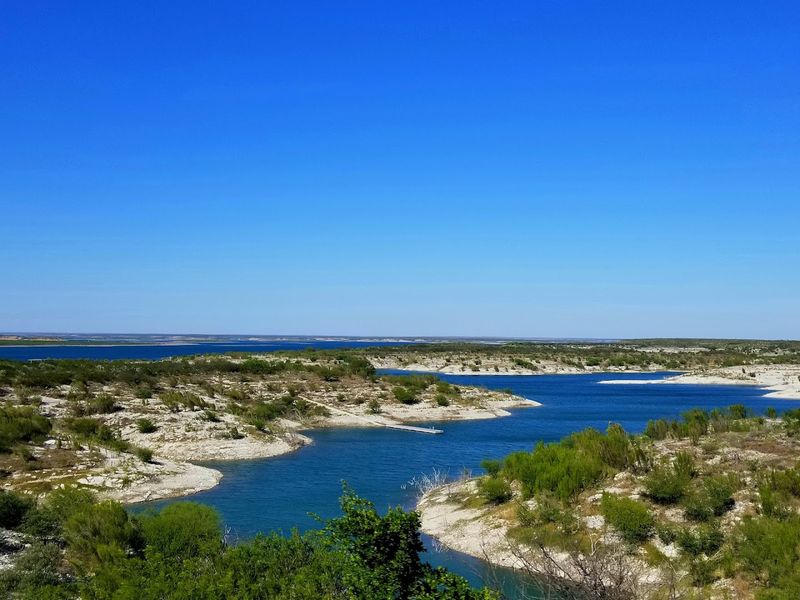
Standing at the edge of Amistad Reservoir for the first time, the sheer size of it catches you completely off guard. The water stretches so far you almost forget you are in the middle of a desert.
This is one of the largest international reservoirs in the world, shared between the United States and Mexico, and it sits right at Del Rio’s doorstep.
Anglers come from across the country for the bass and catfish here. Kayakers paddle along the quieter coves where canyon walls rise straight up from the water.
The landscape feels ancient, like it has been here long before any map was drawn around it.
Amistad National Recreation Area manages the U.S. side and offers boat ramps, camping areas, and hiking trails. The sunsets over the reservoir are something else entirely.
Colors shift from orange to deep purple in a matter of minutes, and the stillness of the water doubles everything.
Whether you fish, swim, or just sit and stare, the reservoir delivers a kind of peace that is hard to find anywhere else. It is genuinely one of the most underrated natural spaces in the entire state of Texas.
Address: 10477 US-90, Del Rio, TX 78840.
The Whitehead Memorial Museum: History You Can Actually Feel
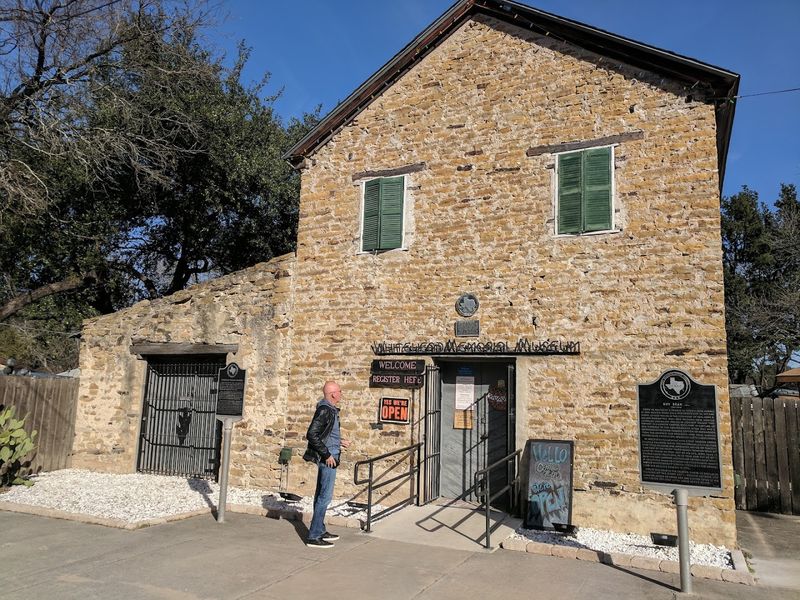
History museums can sometimes feel like homework. The Whitehead Memorial Museum in Del Rio is different, and you notice that difference almost immediately when you walk through the gate.
The grounds feel lived-in and real, full of original structures rather than reconstructed replicas.
The museum sits on the site of the old Perry Mercantile Store and covers Val Verde County history from prehistoric times through the twentieth century. Artifacts, photographs, and personal items from early settlers fill the exhibits in a way that feels personal rather than clinical.
You get a genuine sense of what daily life looked like here over different eras.
One of the most visited spots on the grounds is the grave of Roy Bean, the famously eccentric frontier judge who called himself the Law West of the Pecos. His Jersey Lilly saloon has been recreated nearby in Langtry, but the museum gives you the backstory that makes the legend actually make sense.
Kids tend to enjoy the outdoor exhibits, especially the old wagons and equipment scattered across the property. Adults appreciate the depth and honesty of the storytelling.
It is the kind of place that earns a longer visit than you originally planned for.
Address: 1308 S Main St, Del Rio, TX 78840.
Mexican Culture and the Bridge to Ciudad Acuna
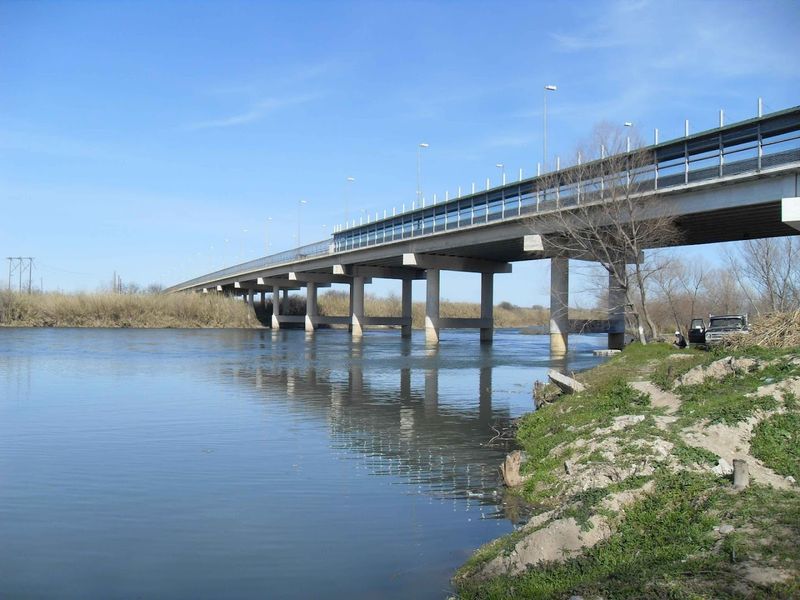
One of the most defining features of Del Rio is how naturally it connects to its sister city across the river. Ciudad Acuna, Mexico sits just across the Rio Grande, and the relationship between the two communities is one of the most genuine cross-border friendships you will find anywhere along the U.S.-Mexico border.
Families regularly cross back and forth. Businesses serve customers from both sides of the river.
Mexican cultural traditions show up throughout Del Rio in festivals, food, art, and everyday conversation. The Spanish language is not a secondary feature here.
It is woven completely into the fabric of the city.
The international bridge experience itself is worth doing at least once. Crossing on foot gives you a different perspective than crossing by car.
You see the river below, hear the sounds shift gradually, and notice how seamlessly the two communities mirror and complement each other.
Del Rio’s identity cannot be fully understood without acknowledging this relationship. The city does not simply border Mexico.
It exists in genuine cultural dialogue with it. That ongoing exchange shapes everything from local cuisine to public celebrations, and it gives Del Rio a richness that most Texas cities simply do not have.
Local Food Scene: Flavors That Cross Every Border
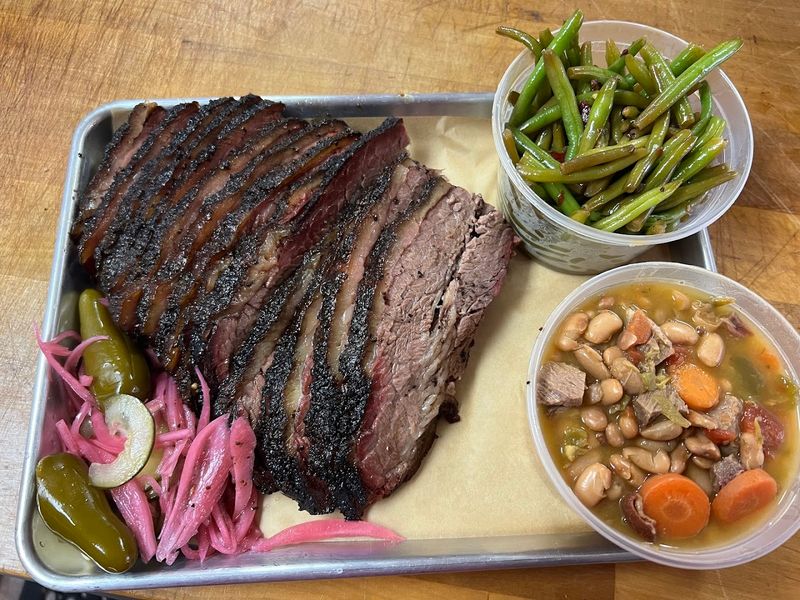
Eating in Del Rio is one of the most honest pleasures the city offers. The food here is not trying to impress anyone.
It is just genuinely good, shaped by generations of Mexican, Texan, and indigenous cooking traditions that have had plenty of time to blend and evolve together.
Local taquerias serve breakfast tacos that would make any food critic rethink their priorities. Corn tortillas made fresh, eggs scrambled with peppers, and salsas that range from mild to seriously memorable.
The kind of breakfast you eat standing at a counter and think about for weeks afterward.
Tamales show up everywhere during the holiday season, made from family recipes that rarely get written down. Birria, caldo, and slow-cooked meats appear on menus that have not changed in decades, and that consistency is actually the point.
Reliability is a form of respect in Del Rio’s food culture.
The local restaurants are mostly small, family-owned spots where the owners know the regulars by name. There is no trendy branding or elaborate decor, just good food served with genuine hospitality.
If you visit Del Rio and do not eat your way through at least a few local spots, you have missed the most important part of the experience.
Festivals and Community Celebrations: The Heartbeat of Del Rio
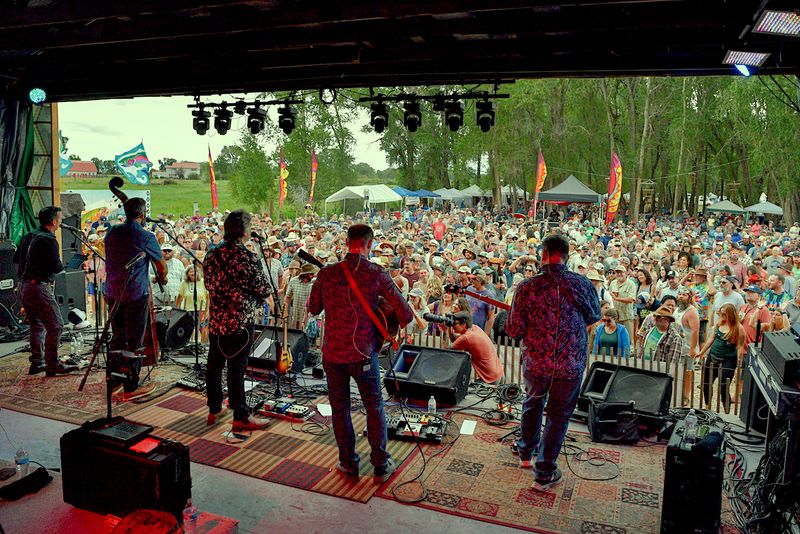
Del Rio knows how to throw a celebration, and the city’s calendar reflects its layered cultural identity in the best possible way.
The Fiesta de Amistad, which translates to Festival of Friendship, is one of the most beloved annual events and celebrates the bond between Del Rio and Ciudad Acuna in a genuinely joyful way.
Live music fills the plazas. Traditional dances bring color and movement to outdoor stages.
Local artisans display handmade crafts that reflect both Mexican and Texan traditions side by side. The whole event feels less like a tourist attraction and more like a community exhale, a chance for locals to celebrate who they are together.
Throughout the year, other community events mark important cultural and historical dates. Dia de los Muertos observances, local rodeos, and school festivals all carry that same spirit of shared identity.
Del Rio does not perform its culture for visitors. It lives it naturally, and visitors are simply welcome to join in.
Attending even one local celebration gives you a completely different understanding of the city than any historical marker or museum exhibit could provide. The energy of the crowd, the smells, the sounds, and the laughter tell the real story of Del Rio in real time.
Outdoor Recreation
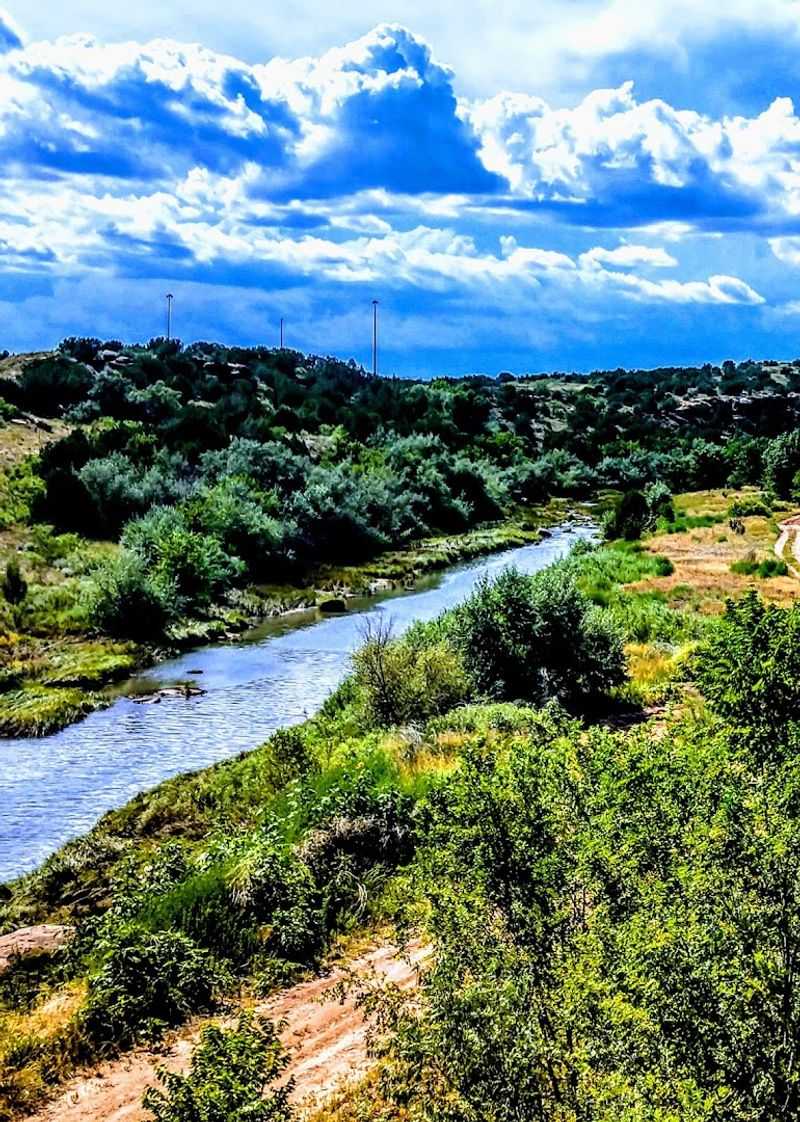
Amistad Reservoir gets most of the outdoor attention, but Del Rio’s surrounding landscape offers a wider range of activities than most visitors realize at first. The Pecos River canyon system nearby is one of the more dramatic natural features in all of Texas, and it rewards anyone willing to seek it out.
Hiking trails range from easy walks with good views to more demanding routes that require real preparation. The desert terrain looks sparse at first glance, but look closer and you find surprising biodiversity.
Roadrunners dart across rocky paths. Hawks circle overhead.
Desert wildflowers push up through limestone cracks in spring.
Birdwatching is genuinely excellent in this region. The area sits along migratory paths that bring species through that you would not spot in most other parts of Texas.
Serious birders plan entire trips around the Val Verde County bird list.
Mountain biking, horseback riding, and off-road exploration are all accessible within a short drive of the city center. The landscape here does not announce itself loudly.
It unfolds gradually the more time you spend in it, and that slow reveal is actually one of the most satisfying parts of spending time outdoors near Del Rio.
Dear Reader: This page may contain affiliate links which may earn a commission if you click through and make a purchase. Our independent journalism is not influenced by any advertiser or commercial initiative unless it is clearly marked as sponsored content. As travel products change, please be sure to reconfirm all details and stay up to date with current events to ensure a safe and successful trip.
