What if the walls of a colonial mansion could whisper the secrets of a sinister poisoning plot that rocked Williamsburg society? Step into a place where history took a dark turn, and justice was never fully served.
Tucked along Palace Green Street in Virginia’s most famous living history town, this elegant brick home witnessed one of America’s earliest unsolved murders. George Wythe, a revered legal mind and signer of the Declaration of Independence, met his end here under suspicious circumstances that still haunt the halls today.
His own grandnephew became the prime suspect in a chilling tale of greed, jealousy, and arsenic. Visitors wander through rooms where tragedy unfolded, touching the same banisters and peering through windows that once framed a deadly drama.
The story is as captivating as any true crime podcast, but this one happened before the ink dried on the Constitution. Ready to walk the floors of George Wythe House, where one of the Founding Fathers drew his last breath?
A Founding Father’s Final Residence
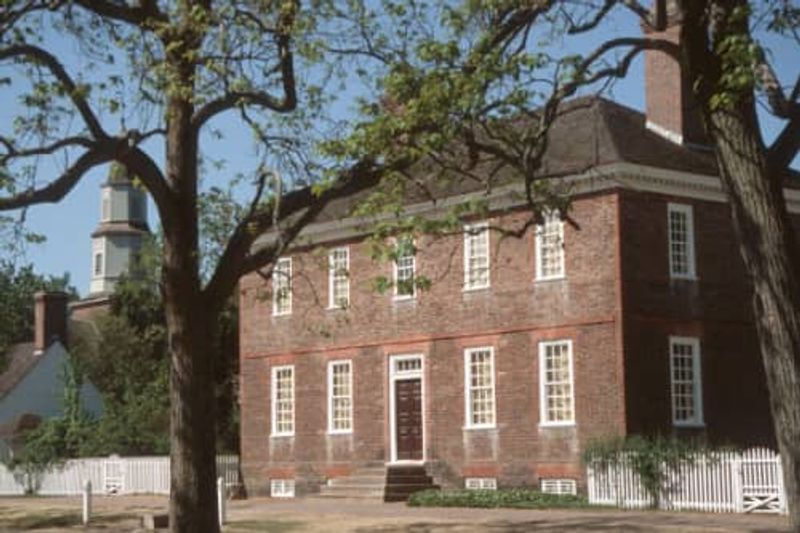
Imagine standing before a home that once hosted Thomas Jefferson himself. This stately brick residence represents the pinnacle of Georgian architecture in colonial America, built around the middle of the eighteenth century.
George Wythe lived here during some of the most pivotal moments in American history. He taught law to future presidents and signed his name on the Declaration of Independence in this very neighborhood.
The structure showcases perfect proportions that other builders tried to copy throughout Virginia. Five bays across the front create a balanced facade that feels both grand and welcoming at the same time.
Walking up to the entrance, you can almost picture carriages pulling up with distinguished guests arriving for political discussions. The red brick glows warmly in afternoon light, just as it did centuries ago.
Inside, the home feels surprisingly intimate despite its historical weight. Original floorboards creak underfoot, connecting you directly to the past in a way few places can.
Guides dressed in period clothing bring the rooms to life with stories about daily routines and momentous events. Every corner holds a memory waiting to be discovered by curious visitors.
The Mysterious Poisoning That Shocked A Nation
Picture waking up violently ill in your own bed, not knowing that someone you trusted had slipped poison into your morning coffee. That nightmare became George Wythe’s reality in his final days.
Arsenic was the weapon of choice, administered slowly over time by someone with access to the household. The elderly legal scholar suffered terribly before succumbing to the poison’s effects.
Suspicion immediately fell on his grandnephew, George Wythe Sweeney, who stood to inherit a fortune. The young man had a gambling problem and mounting debts that made him desperate.
Evidence pointed directly at Sweeney, but Virginia law at the time created a shocking loophole. Testimony from enslaved people could not be used against white defendants in court, even though they witnessed the crime.
The case fell apart without their crucial statements. Sweeney walked free despite overwhelming circumstantial evidence, leaving the community outraged and heartbroken.
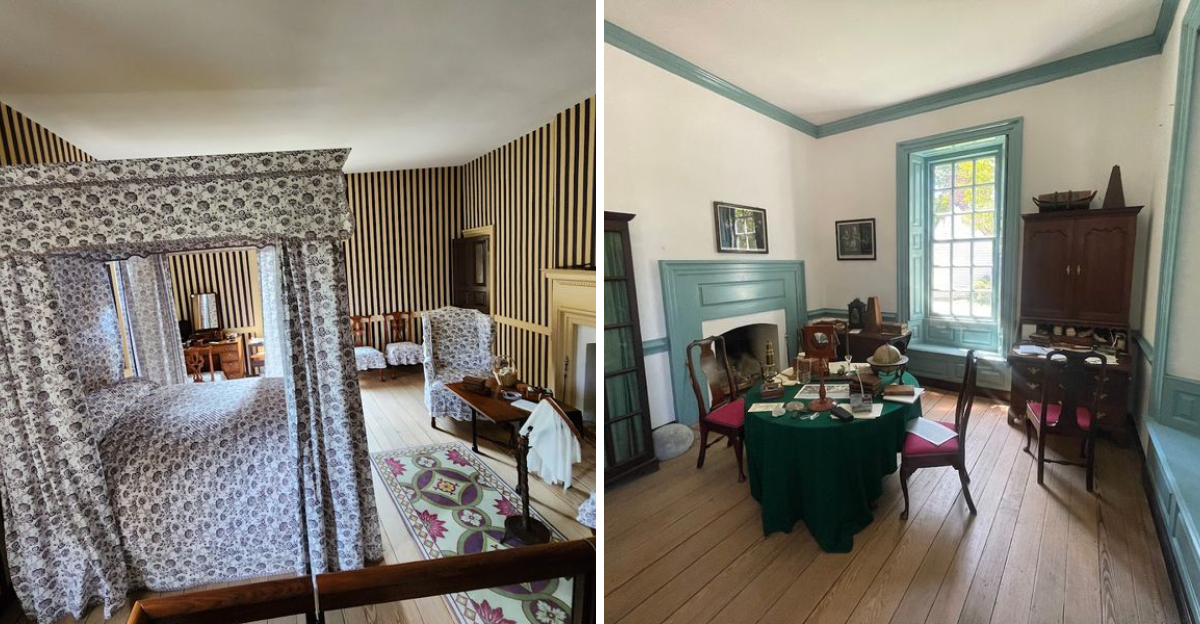
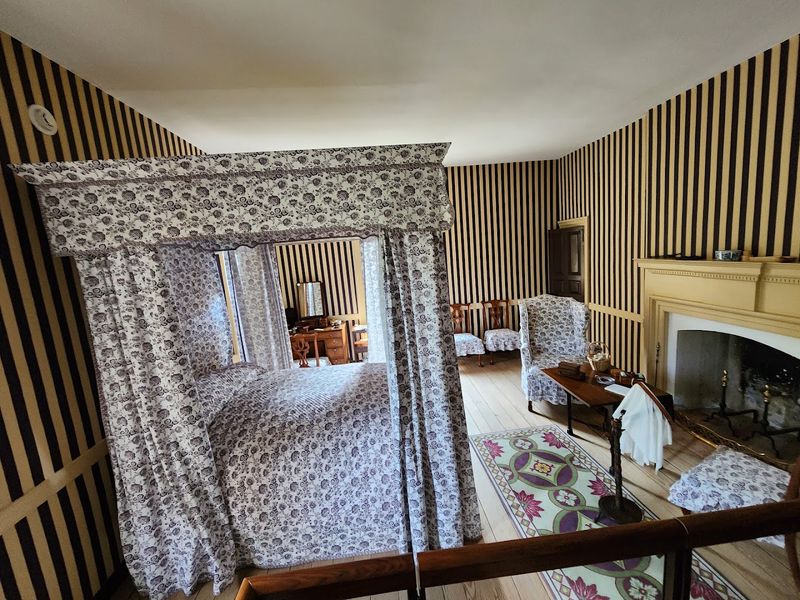
Visitors today can stand in the very bedroom where Wythe spent his final agonizing hours. The striped wallpaper still adorns the walls, a silent witness to one of early America’s most infamous unsolved murders.
Thomas Jefferson’s Beloved Mentor
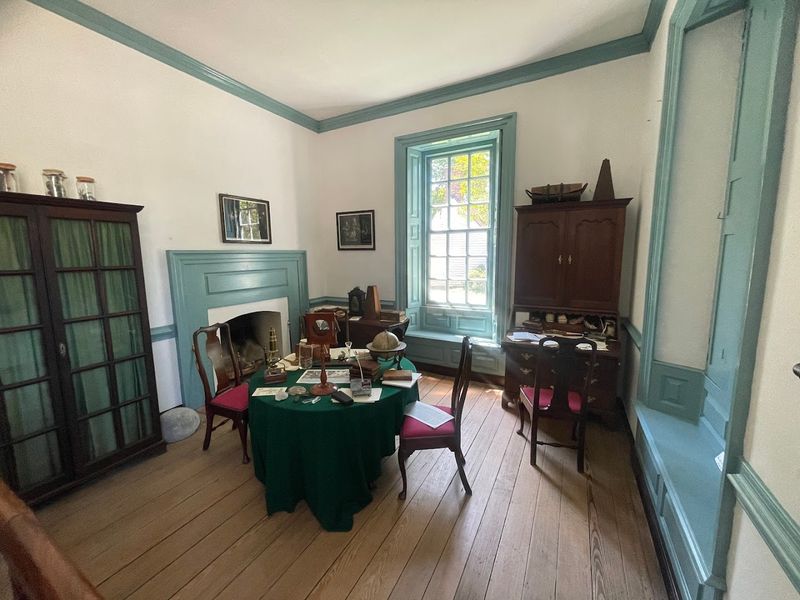
Long before he penned the Declaration of Independence, Thomas Jefferson sat in these very rooms absorbing legal wisdom from his teacher. George Wythe shaped the mind of America’s third president through countless hours of instruction.
Their relationship went far beyond typical student and professor dynamics. Wythe became a father figure to the young Jefferson, guiding his moral compass as much as his legal reasoning.
Jefferson later called Wythe his second father and credited him with instilling a love of justice and learning. The influence echoed through Jefferson’s entire political career and philosophical writings.
Walking through the study where these lessons took place feels like touching a nerve center of American democracy. Ideas discussed here would eventually reshape a nation and inspire generations.
Wythe believed passionately in education and the rule of law. He became America’s first law professor at the College of William and Mary, training future leaders in constitutional thinking.
The house preserves this educational legacy beautifully. You can almost hear spirited debates about natural rights and government philosophy bouncing off the wood-paneled walls, shaping the future of a revolutionary new country.
Architectural Perfection In Red Brick
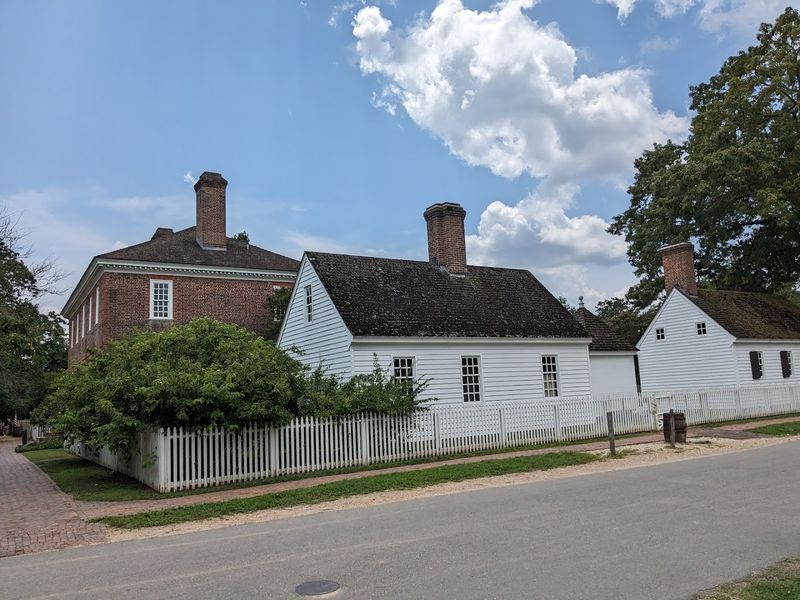
Architecture enthusiasts travel from around the world to study this building’s flawless proportions. It represents the Georgian style at its absolute finest, a textbook example that influenced countless other structures.
The five-bay design creates mathematical harmony that pleases the eye without you even realizing why. Each window placement, every brick course, follows classical principles of balance and beauty.
Flemish bond brickwork alternates headers and stretchers in a pattern that adds visual interest and structural strength. Skilled craftsmen laid each brick by hand, creating walls that have stood firm for over two centuries.
White-painted woodwork frames the windows and doorways, providing crisp contrast against the warm red brick. The effect is elegant without being showy, refined without feeling cold.
Original glass panes still fill some windows, their slight imperfections creating wavy reflections that transport you back in time. Modern replacements match the old glass so seamlessly you need an expert eye to tell the difference.
The roofline features dormers that add functional attic space while maintaining the home’s graceful silhouette. Every architectural choice serves both practical needs and aesthetic goals, demonstrating the sophisticated design thinking of colonial builders.
Gardens Where History Blooms
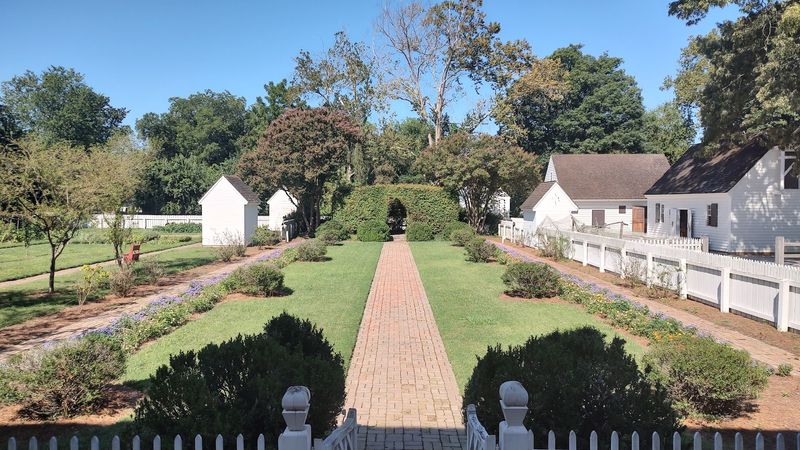
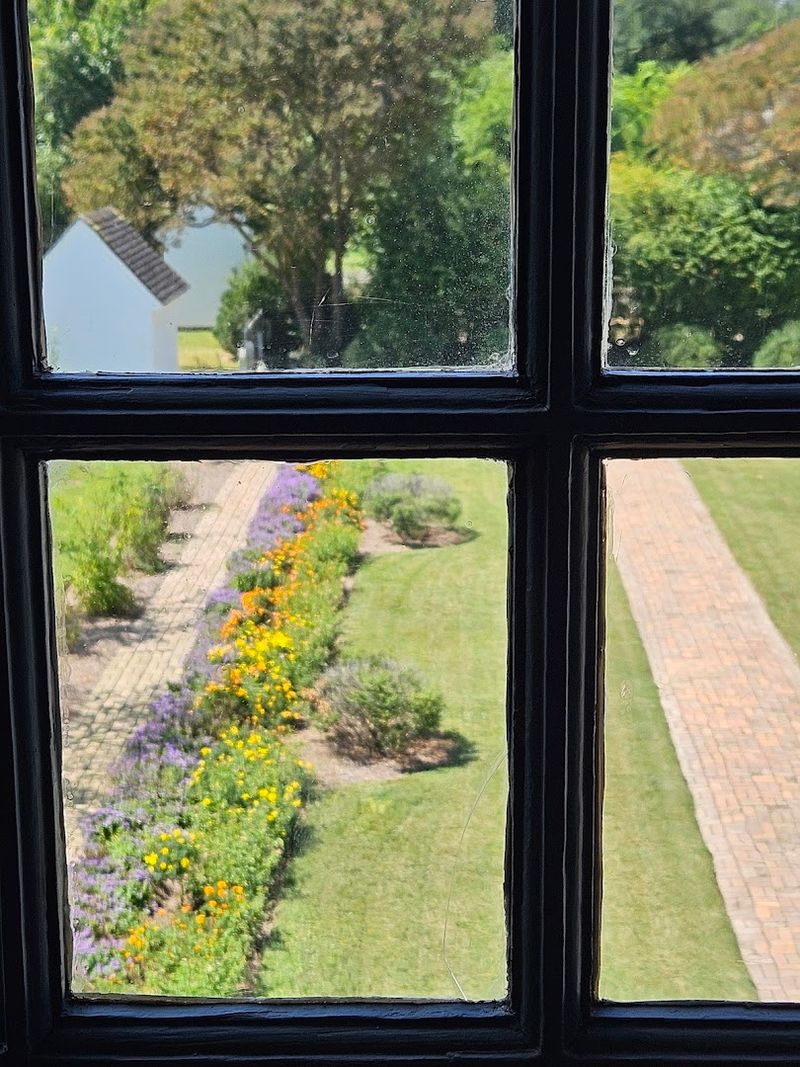
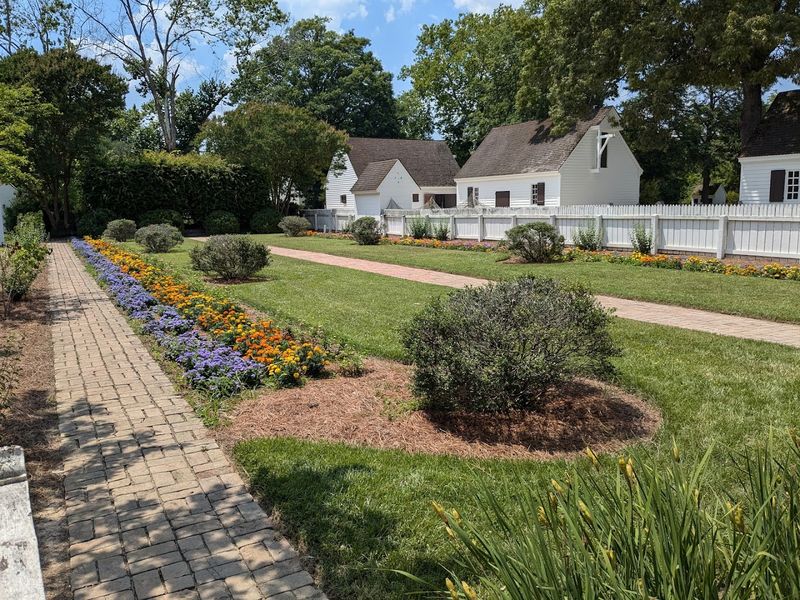
Step through the back door and discover gardens that look exactly as they did in Wythe’s time. Carefully researched plantings recreate the practical beauty of colonial landscaping.
Kitchen gardens supplied fresh vegetables and herbs for the household table. Boxwood hedges define geometric beds filled with heirloom varieties that colonial cooks would recognize immediately.
Brick pathways wind between the planting areas, worn smooth by centuries of footsteps. You can wander these same routes that enslaved gardeners walked daily, tending crops and maintaining the grounds.
Fruit trees shade the corners, offering seasonal blossoms and harvests just as they did originally. Apple, pear, and cherry varieties chosen for their historical accuracy add vertical interest to the landscape.
The gardens served both practical and social purposes in colonial life. Guests would stroll here during parties, admiring the orderly beds while discussing politics and philosophy.
Today, interpreters in period dress work the gardens using authentic tools and techniques. Watching them hoe, plant, and harvest connects you viscerally to the labor that sustained wealthy households throughout Virginia’s colonial era, making history tangible through dirt under fingernails.
The Original Building That Survived Centuries
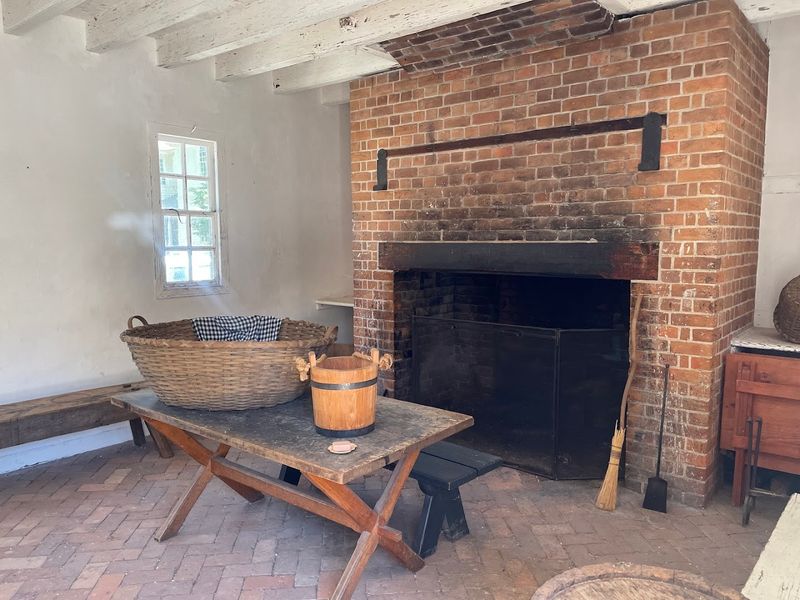
Unlike many Colonial Williamsburg structures that were reconstructed, this building is overwhelmingly original. Walking these floors means touching genuine history, not a reproduction.
Approximately ninety percent of the structure dates to its initial construction. Original timbers support the roof, original bricks form the walls, and original floorboards creak beneath your feet.
Preservation efforts have been meticulous but minimal, maintaining authenticity rather than creating a pristine showpiece. The house wears its age honestly, with patina and imperfections that tell stories.
You can see tool marks on hand-hewn beams and variations in brick sizes that reveal the human hands behind the construction. These details bring the builders to life across the centuries.
The house survived the Revolutionary War, the Civil War, and centuries of changing ownership. Each era left subtle marks that preservationists study like archaeologists reading layers of time.
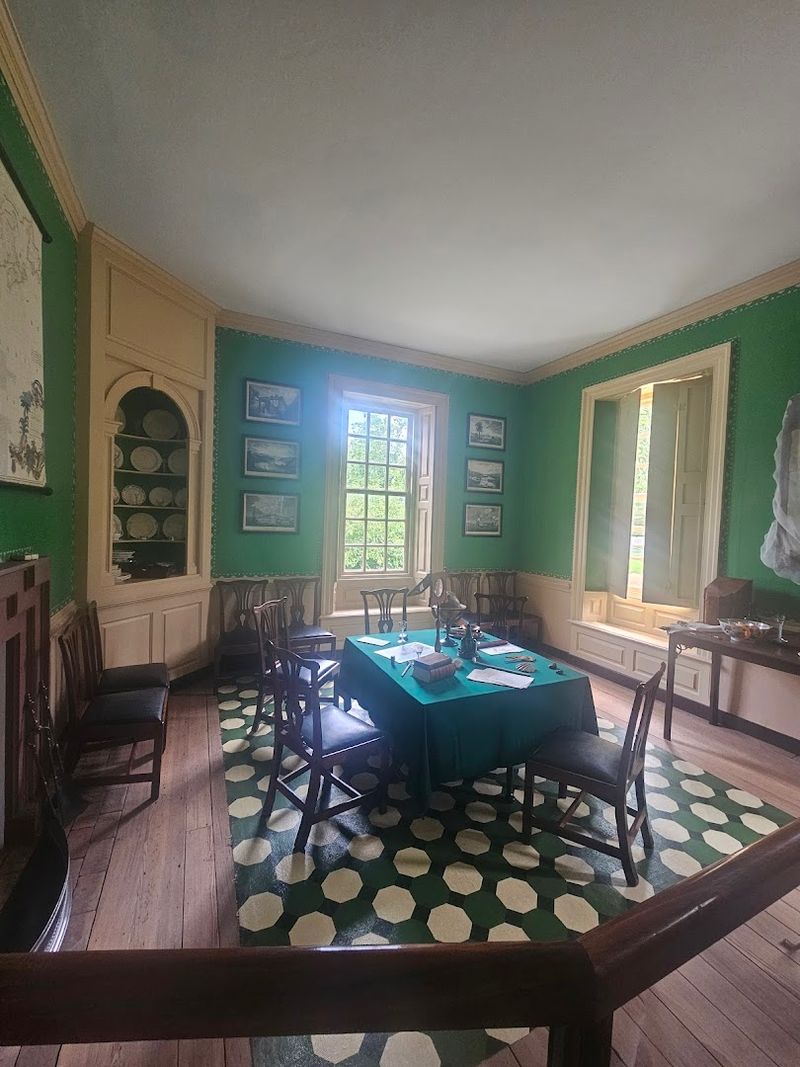
Curators have furnished rooms with period-appropriate pieces, some original to the house and others carefully selected to match the era. The result feels lived-in rather than museum-sterile, helping visitors imagine actual daily life in a way that reconstructions simply cannot achieve as powerfully.
Outbuildings That Tell Untold Stories
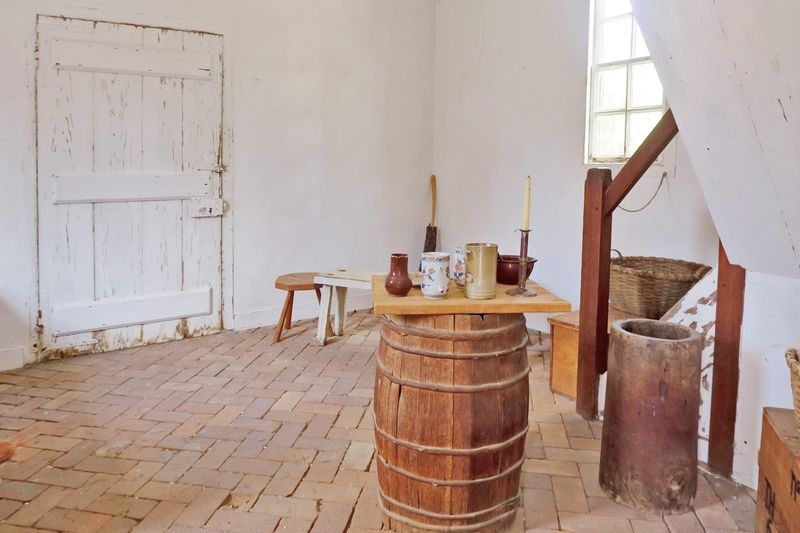
Behind the main house, smaller structures reveal the complex world that supported wealthy colonial households. These buildings housed enslaved workers and contained work spaces essential to daily operations.
The kitchen stood separate from the main house to reduce fire risk and keep cooking heat away from living spaces. Brick ovens and massive fireplaces filled this building with intense heat during meal preparation.
Enslaved cooks worked here in sweltering conditions, preparing elaborate meals for the Wythe household and their many guests. Their skill and labor made the social life of the elite possible.
Other outbuildings served as workshops, storage areas, and living quarters. The laundry house saw endless hours of backbreaking work scrubbing, boiling, and pressing linens and clothing.
Interpreters stationed in these spaces share the stories of the people who labored here. They discuss the harsh realities of slavery alongside the remarkable skills and resilience of those who endured it.
The contrast between the refined main house and these utilitarian structures illustrates the stark inequalities of colonial society. Understanding both spaces together provides a more complete and honest picture of life in eighteenth-century Virginia.
Interactive Living History Experiences
Costumed interpreters transform your visit from a passive tour into an engaging conversation with the past. These knowledgeable guides embody the spirit of the era through their expertise and enthusiasm.
Ask them anything about colonial life and watch their faces light up with detailed answers. They know the house intimately, from architectural features to the scandals that rocked the household.
Some interpreters portray specific historical figures, speaking as if they actually lived in the house. Others take a more educational approach, stepping in and out of character to provide context.
Demonstrations of period crafts and skills happen throughout the property. You might see cooking techniques, textile work, or gardening methods that bring eighteenth-century daily life into sharp focus.
The best interpreters encourage questions and discussion rather than delivering rehearsed speeches. They adapt their presentations to visitor interests, creating unique experiences for every group.
Children especially benefit from this interactive approach. Touching reproduction tools, trying on costume pieces, and hearing stories told with theatrical flair makes history memorable and fun rather than dry and distant for young minds exploring Virginia’s past.
The Declaration Signer’s Legacy
George Wythe’s signature on the Declaration of Independence secured his place in history books forever. But his contributions to American democracy went far deeper than that single momentous act.
He championed the idea that laws should apply equally to all citizens, a radical notion in a society built on rigid hierarchies. His legal philosophy influenced the development of constitutional principles still relevant today.
As a judge, Wythe earned respect for fairness and careful reasoning. He approached each case with scholarly thoroughness, setting precedents that shaped Virginia’s legal system for generations.
His greatest legacy might be the students he trained. Beyond Jefferson, he mentored Henry Clay, John Marshall, and other leaders who steered the young nation through its formative years.
Ironically, the legal system he helped build failed him in the end. The laws preventing enslaved people from testifying allowed his probable murderer to escape justice, exposing a fundamental flaw in the system.
Visitors can see a reproduction of the Declaration showing Wythe’s signature alongside the other founders. Standing before it, you realize you’re in the actual home of a man whose ideas helped birth a nation.
Planning Your Visit To Palace Green
Finding this historic treasure is easy when you know where to look. The house stands prominently on Palace Green Street, one of the most picturesque addresses in all of Colonial Williamsburg.
Tickets and passes are available at visitor centers throughout the historic area. The house is included in most Colonial Williamsburg admission packages, making it an excellent value for history enthusiasts.
Plan to spend at least thirty minutes exploring both the interior and grounds thoroughly. Rushing through would mean missing crucial details and stories that make the experience truly memorable.
The house can get crowded during peak tourist seasons, so arriving early in the day or later in the afternoon often provides a more intimate experience. Smaller groups allow for better conversations with interpreters.
Comfortable walking shoes are essential since you’ll be standing on original floors and walking garden paths. The house lacks modern climate control, so dress appropriately for the season.
Photography is generally permitted in most areas, though flash may be restricted to protect fragile artifacts. The address is 101 Palace Green St, Williamsburg, VA, right in the heart of the historic district where American history comes alive.
Dear Reader: This page may contain affiliate links which may earn a commission if you click through and make a purchase. Our independent journalism is not influenced by any advertiser or commercial initiative unless it is clearly marked as sponsored content. As travel products change, please be sure to reconfirm all details and stay up to date with current events to ensure a safe and successful trip.
