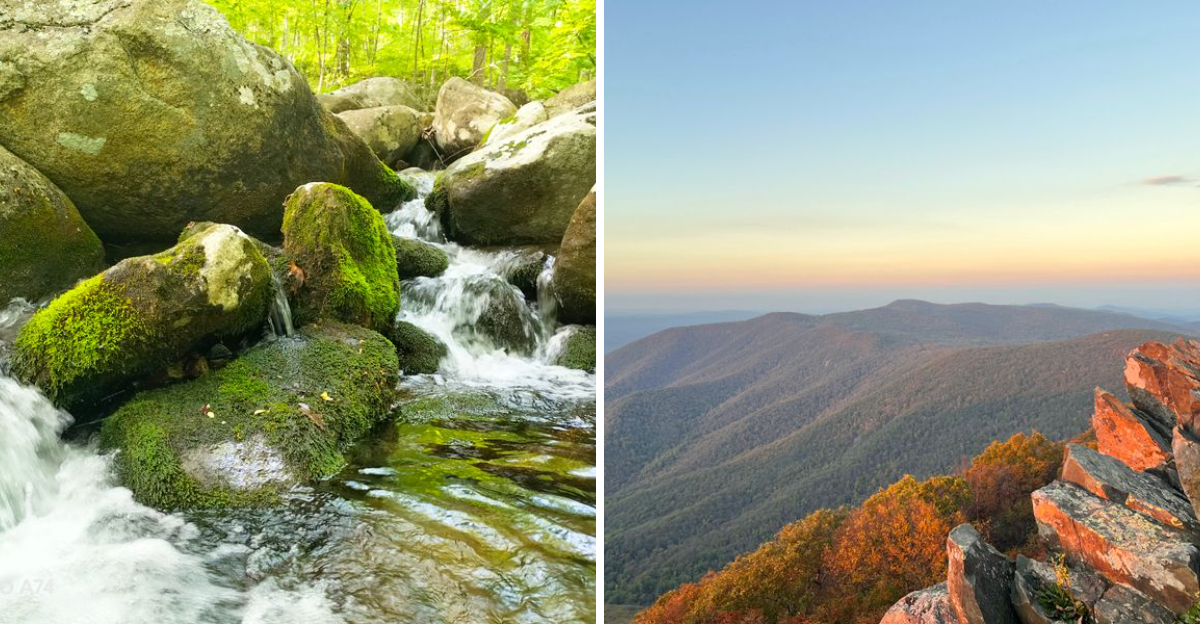
Think you know Shenandoah National Park? The scenic overlooks and the famous Skyline Drive might be what bring the crowds, but there’s a whole other side to this Virginia mountain paradise that doesn’t always make it into the guidebooks.
Beyond the well-marked trails and popular waterfall hikes lies a quieter, more intimate version of the park that regulars have been savoring for years.
Locals have uncovered peaceful swimming holes tucked along lesser-known stretches of trail, hidden ridgelines where the only soundtrack is wind through the trees, and sunrise spots so perfectly positioned it feels like the mountains are putting on a private show. Some of these places are known mostly through word of mouth, shared between friends and passed down through generations of Virginia families who know exactly when wildflowers peak, when the fall colors hit their brightest, and which overlooks glow best in the golden light before dusk.
Venture out early enough and you might find mist drifting through the valleys with barely another soul in sight. Stay late and you’ll discover stargazing opportunities far from the headlights and chatter that line the main road.
Even familiar trails can feel brand new when you explore them at off-peak hours or follow a short spur path most visitors overlook.
Ready to experience the park the way regulars do? Step just a little beyond the busiest stops and you’ll uncover moments that feel personal and unfiltered.
These insider secrets can transform your next visit from predictable to unforgettable, revealing a side of Shenandoah that feels wild, serene, and wonderfully your own.
The Secret Swimming Holes Along Rose River
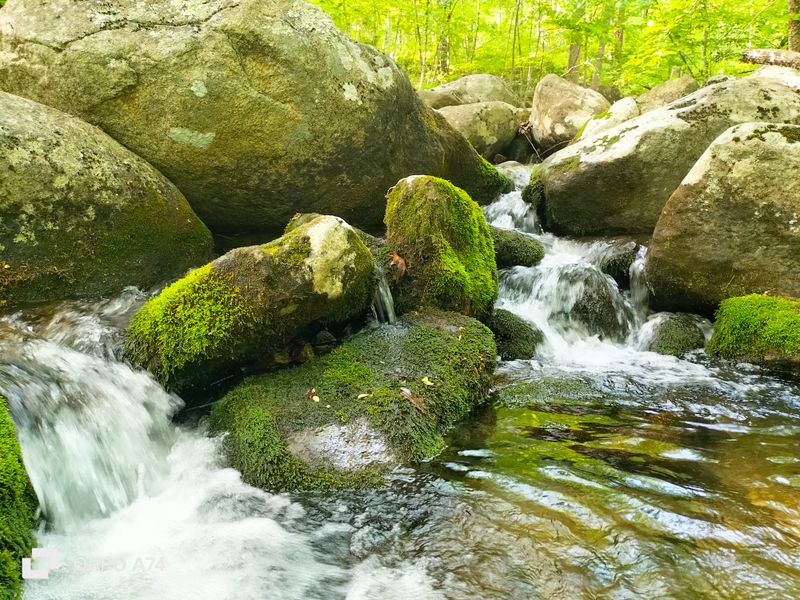
Rose River Falls gets all the attention, but savvy locals skip the crowded main waterfall and head upstream instead. About halfway up the trail, several unmarked side paths lead to pristine natural pools perfect for cooling off on scorching summer days.
The water stays refreshingly cold year round thanks to mountain springs feeding directly into these secluded spots. Smooth rocks create natural seating areas where you can relax and listen to the gentle rush of water tumbling over ancient stone formations.
Most visitors never venture off the main trail, which means you might have an entire swimming hole to yourself on weekdays. Bring water shoes because the rocks can be slippery, and always check weather conditions before heading out since flash floods can occur after heavy rainfall.
Early morning visits offer the best experience when sunlight streams through the canopy and illuminates the pools with an ethereal glow. Pack out everything you bring in to help preserve these special places for future adventurers who discover them.
The Abandoned Mountain Settlements Hidden In Plain Sight
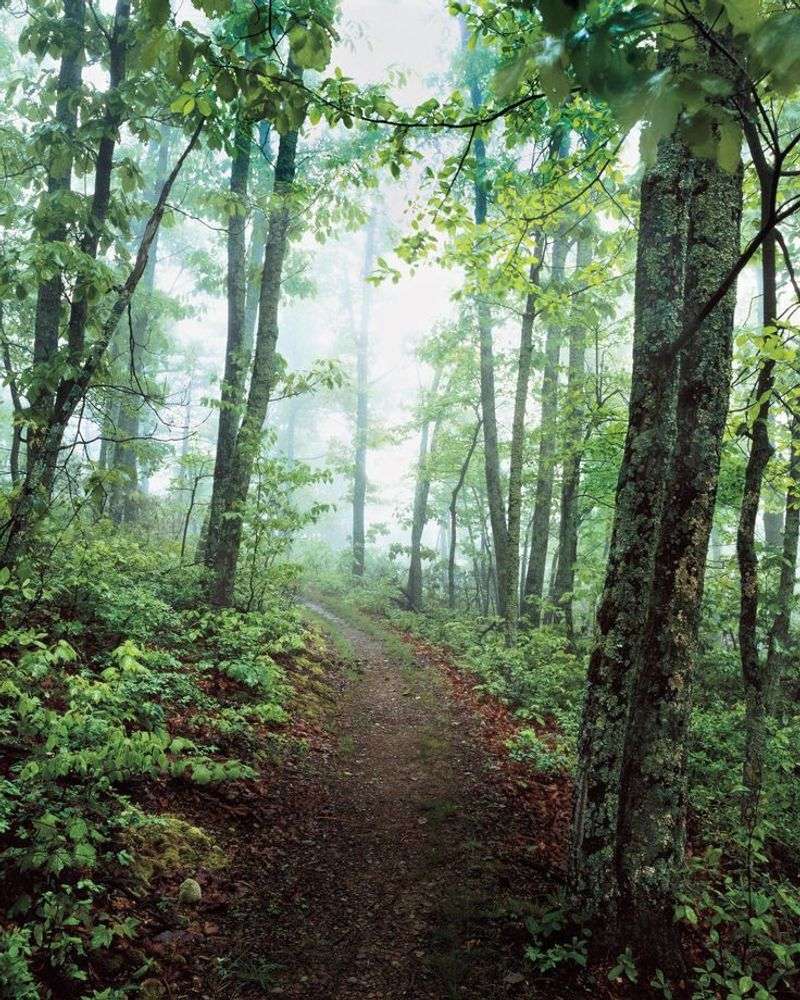
Before Shenandoah became a national park, thousands of mountain families called these ridges home. Their stone foundations, old chimneys, and forgotten cemeteries still dot the landscape, telling stories of hardscrabble lives lived in stunning isolation.
Locals know exactly where to find these haunting remnants of Appalachian history scattered throughout the backcountry. The Corbin Cabin stands as one of the few preserved structures, but dozens of other homesteads lie hidden along lesser traveled trails waiting to be discovered by curious explorers.
Apple trees planted by settlers over a century ago still bloom each spring, marking old homesites long reclaimed by forest. Stone walls built by hand snake through woods that were once open pastures where cattle grazed and children played.
Rangers rarely advertise these locations to prevent vandalism, but patient hikers who explore beyond popular destinations will stumble upon them. Each crumbling foundation represents a family displaced when the government created the park, adding bittersweet context to the preserved wilderness we enjoy today.
The Wildlife Viewing Spots Tourists Never Find
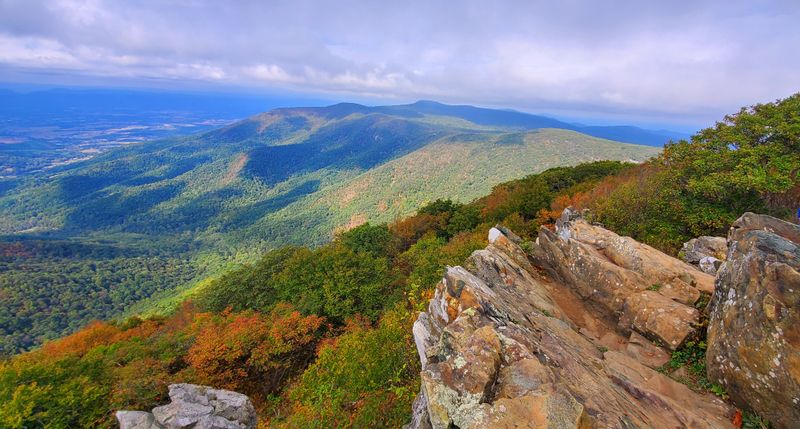
Big Meadows gets packed with wildlife watchers hoping to spot deer at sunset, but locals head to lesser known clearings where animals congregate without tourist crowds. Several unmarked pull offs along Skyline Drive offer superior viewing opportunities if you know when and where to look.
Black bears frequently cross certain sections of the park road during early morning hours, particularly near mile markers that experienced visitors have memorized over years of observation. Turkeys strut through specific meadows during spring mating season, putting on displays that rival anything you’d see in nature documentaries.
The trick is arriving before sunrise and staying absolutely silent while wildlife emerges from the forest to feed. Binoculars are essential because the best viewing happens from respectful distances that don’t disturb the animals going about their daily routines.
Local photographers guard their favorite spots jealously, often arriving hours before dawn to claim prime positions. Patient observers willing to sit quietly might witness fox kits playing, bobcats hunting, or the rare sighting of a coyote trotting along a ridgeline at first light.
The Underground Waterfall System Beneath Hawksbill Summit
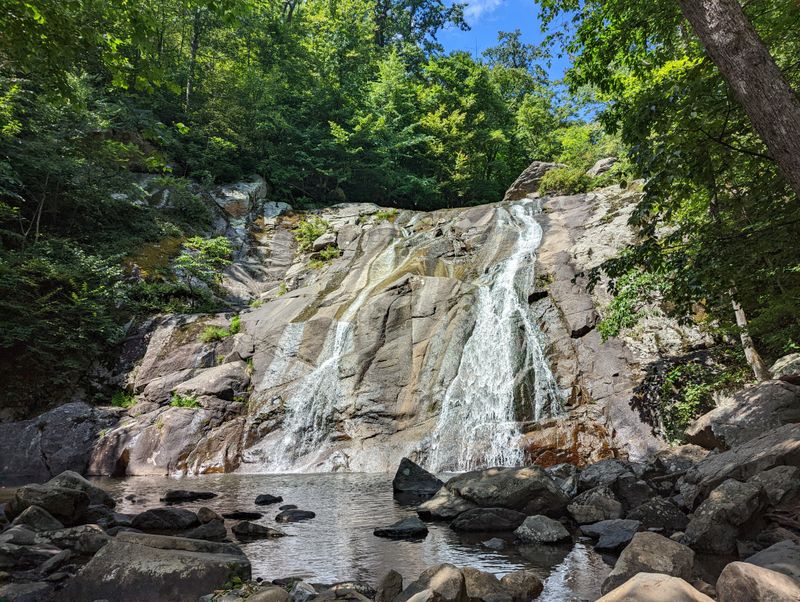
Hawksbill Mountain might be the highest peak in the park, but what lies beneath the summit fascinates locals far more than the view from the top. A complex system of underground streams and hidden waterfalls flows through limestone caves carved over millions of years.
You can hear water rushing beneath your feet at certain points along the trail, hinting at the subterranean world existing just below the surface. Small cave openings occasionally reveal glimpses of this hidden realm, though most of the system remains inaccessible and unmapped.
Geologists believe these underground waterways eventually feed springs that emerge miles away at lower elevations. Cold air flowing from cave entrances creates microclimates where rare ferns and mosses thrive in conditions found nowhere else in Virginia.
Experienced cavers whisper about expeditions into these systems, but the park service keeps most entrances closed to protect both visitors and the delicate ecosystems within. The mysterious sounds of underground water add an otherworldly quality to hikes around Hawksbill that most people never notice.
The Perfect Stargazing Meadows Away From Light Pollution
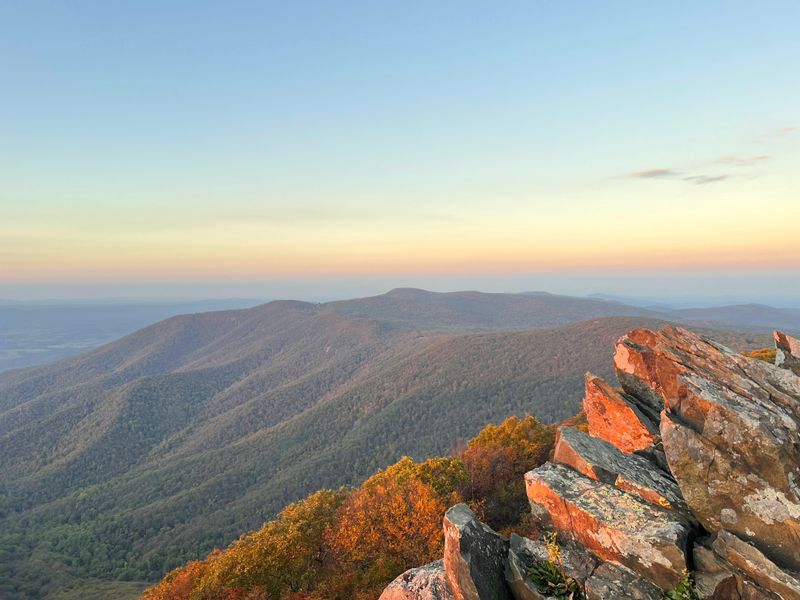
Skyline Drive closes at night, which means most visitors miss the spectacular celestial shows happening after dark in Shenandoah’s high elevation meadows. Locals with backcountry camping permits know exactly which clearings offer unobstructed views of the Milky Way stretching across ink black skies.
Light pollution from distant cities barely reaches these remote locations, creating conditions dark enough to see thousands of stars invisible from lower elevations. Meteor showers become breathtaking events when viewed from mountaintops where shooting stars seem close enough to touch.
August brings the Perseids meteor shower, and those who hike to high meadows are rewarded with up to sixty meteors per hour streaking overhead. Fall nights offer crisp, clear conditions perfect for spotting planets, satellites, and the occasional International Space Station passing overhead.
Bring warm layers because mountain temperatures drop dramatically after sunset, even during summer months. Red flashlights preserve night vision while navigating trails, and astronomy apps help identify constellations wheeling overhead in displays that rival any planetarium show you’ve ever attended.
The Unofficial Trail Network Only Locals Use
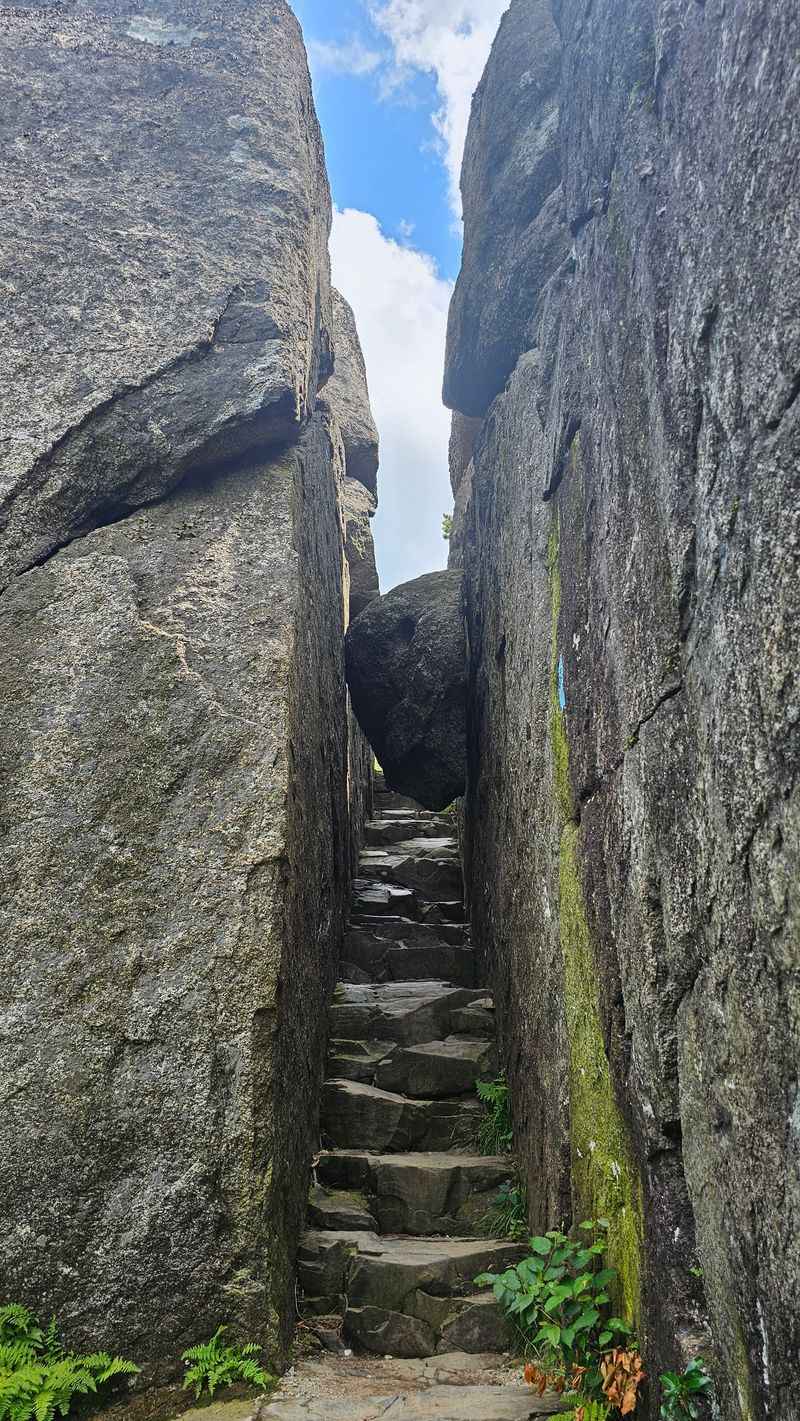
Official park maps show the maintained trail system, but generations of locals have created an entire network of unofficial paths connecting remote areas in ways the park service never intended. These social trails offer shortcuts, alternative routes, and access to places that remain blissfully empty even during peak season.
Old fire roads dating back decades before the park’s creation provide level walking paths through areas requiring steep climbs on official trails. Experienced hikers use these forgotten routes to string together loop hikes impossible using only marked trails.
Finding these paths requires local knowledge passed down through hiking clubs and outdoor communities who’ve explored every ridge and hollow. Faint blazes on trees mark some routes, while others rely entirely on following worn footpaths through the understory.
The park service neither maintains nor officially recognizes these trails, which means using them comes with additional risk and responsibility. Navigation skills become essential since getting lost on unmarked paths happens easier than most people expect, but the solitude and discovery make it worthwhile for adventurous souls.
The Best Wildflower Displays Hidden From Main Roads
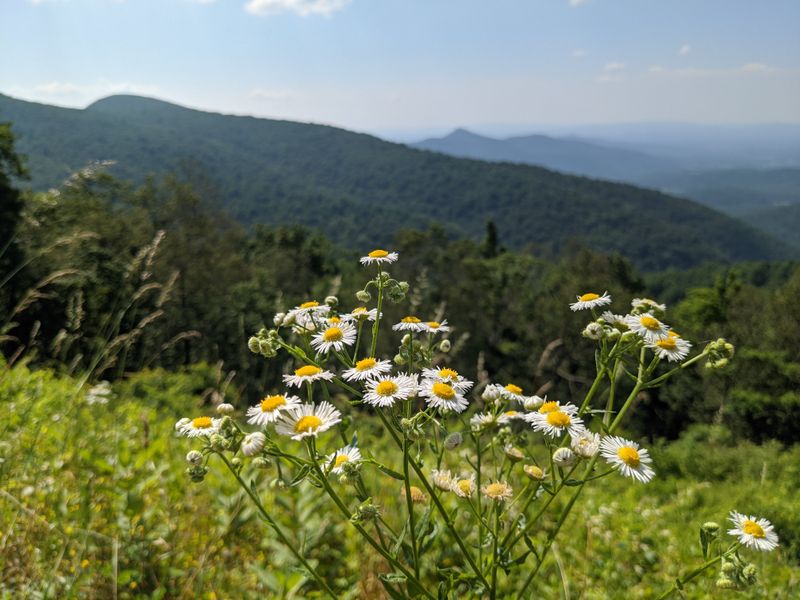
Spring transforms Shenandoah into a botanical wonderland, but the roadside displays pale compared to what blooms in remote hollows and north facing slopes. Locals time their hikes to catch rare wildflowers that appear for just weeks before disappearing until next year.
Trilliums carpet entire hillsides in white, pink, and red during April, creating scenes so beautiful they hardly seem real. Lady slippers hide in specific locations where conditions remain perfect year after year, their orchid blooms emerging like tiny pink miracles from the forest floor.
Mountain laurel and rhododendron create tunnels of flowers along certain trails during late spring, forming natural cathedrals of pink and white blossoms. Azaleas paint streaks of orange across mountainsides, while bluets turn meadows into seas of tiny blue stars.
Serious wildflower enthusiasts keep detailed journals noting bloom times and locations, returning annually to witness nature’s clockwork precision. Photographers willing to hike before dawn capture dewdrops on petals and perfect lighting conditions that disappear within hours of sunrise each morning.
The Quiet Season When Locals Reclaim The Park
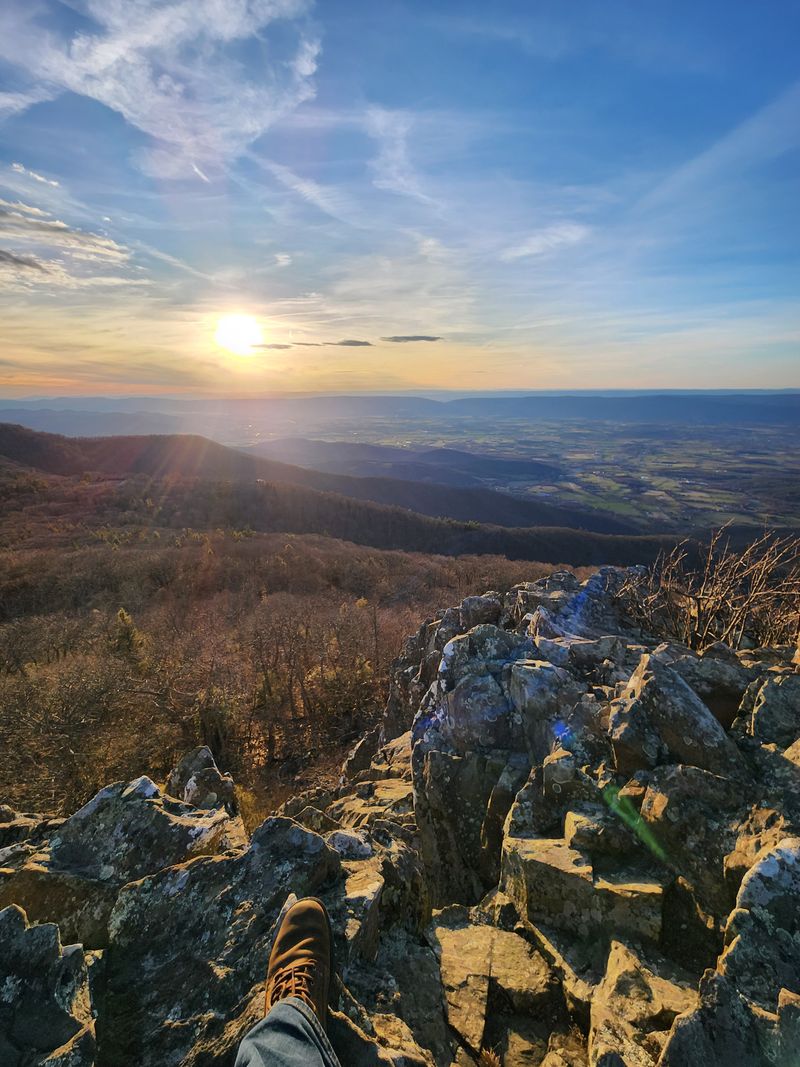
While tourists flood Shenandoah during fall foliage season, locals wait patiently for winter when the park transforms into a peaceful sanctuary visited by only the hardiest adventurers. Snow dusts the ridgelines, creating monochromatic landscapes of stunning simplicity and silence.
Many facilities close for winter, but Skyline Drive often remains partially open for those willing to brave cold temperatures and occasional icy conditions. The lack of leaves reveals long distance views impossible to see during other seasons, with bare branches framing vistas stretching for miles.
Wildlife becomes easier to spot against snow covered ground, and tracking animals through fresh powder adds an element of detective work to winter hikes. Frozen waterfalls create ice sculptures that glitter in winter sunlight, transforming familiar trails into entirely new experiences.
Locals bundle up and embrace the solitude, often hiking for hours without encountering another soul on trails that see hundreds of visitors daily during peak season. The park reveals its true character during these quiet months when nature rests and those who visit must work harder to earn their rewards.
The Historic Skyline Drive Sections Predating The Park
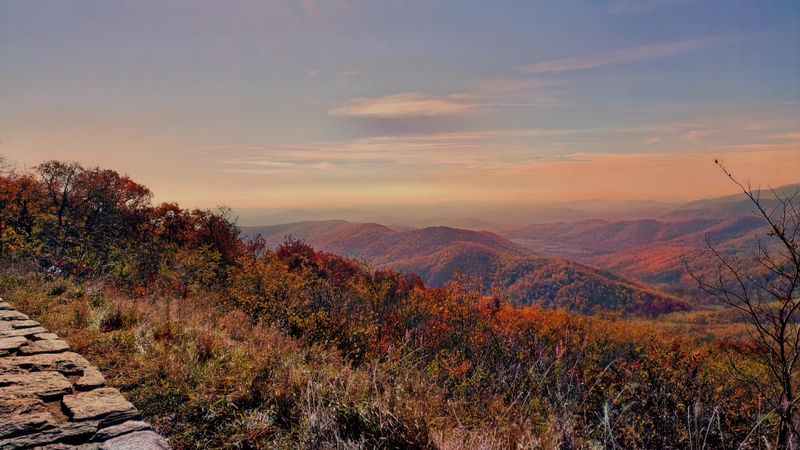
Most people assume Skyline Drive was built specifically for the national park, but several sections follow routes used by mountain communities for generations before the government arrived. Old wagon roads and trading paths became the foundation for what eventually transformed into one of America’s most scenic drives.
Stone walls along certain stretches were built by Civilian Conservation Corps workers during the Great Depression, their craftsmanship still standing strong nearly a century later. These young men camped in the mountains and hand cut the road through solid rock using techniques that seem impossibly difficult by modern standards.
Sharp eyed observers notice where modern pavement covers older roadbeds, and places where the route deviates from the original path for safety improvements. Overlooks were strategically placed at spots locals had used as lookout points for hunting and keeping watch over their mountain holdings.
Understanding this history adds depth to every drive along Skyline Drive, transforming it from simple sightseeing into a journey through layers of Appalachian heritage. The road itself tells stories about the people who built it, the communities displaced by it, and the vision that created it.
The Address Everyone Needs For Their Visit
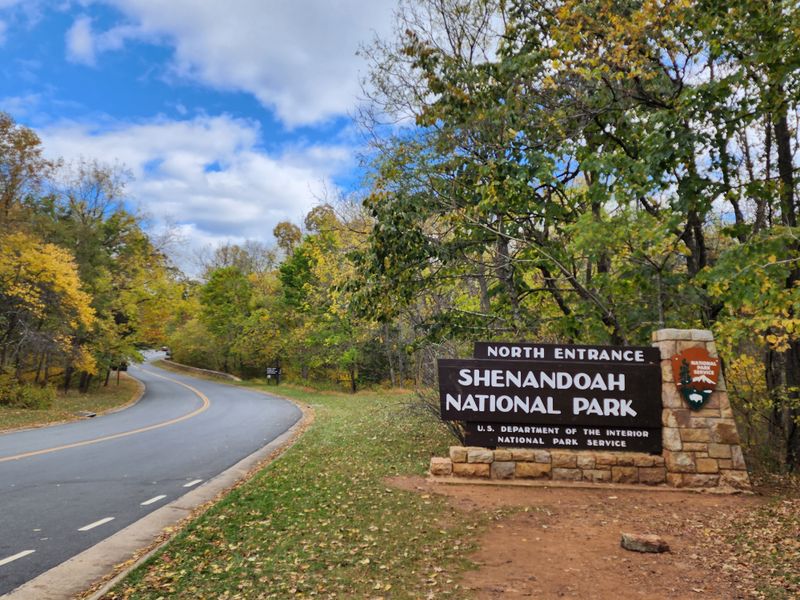
Planning your adventure to discover all these insider secrets requires knowing exactly where to begin your journey into Virginia’s mountain paradise. Shenandoah National Park stretches along the Blue Ridge Mountains, accessible from multiple entry points depending on which secrets you’re most eager to uncover first.
The park headquarters and main visitor facilities provide maps, current trail conditions, and ranger advice that proves invaluable for both first time visitors and returning explorers. Understanding seasonal closures, permit requirements, and safety guidelines ensures your secret seeking adventures stay safe and legal throughout your stay.
Weather in the mountains changes rapidly, so checking conditions before heading out prevents unpleasant surprises on exposed ridgelines or remote trails. Cell phone service remains spotty throughout much of the park, making advance planning essential rather than optional for backcountry explorations.
For complete information, trip planning resources, and current park conditions, contact Shenandoah National Park directly in Virginia. Their knowledgeable staff can help you make the most of your visit while respecting the wilderness and wildlife that make this place so special to locals and visitors alike.
Dear Reader: This page may contain affiliate links which may earn a commission if you click through and make a purchase. Our independent journalism is not influenced by any advertiser or commercial initiative unless it is clearly marked as sponsored content. As travel products change, please be sure to reconfirm all details and stay up to date with current events to ensure a safe and successful trip.
