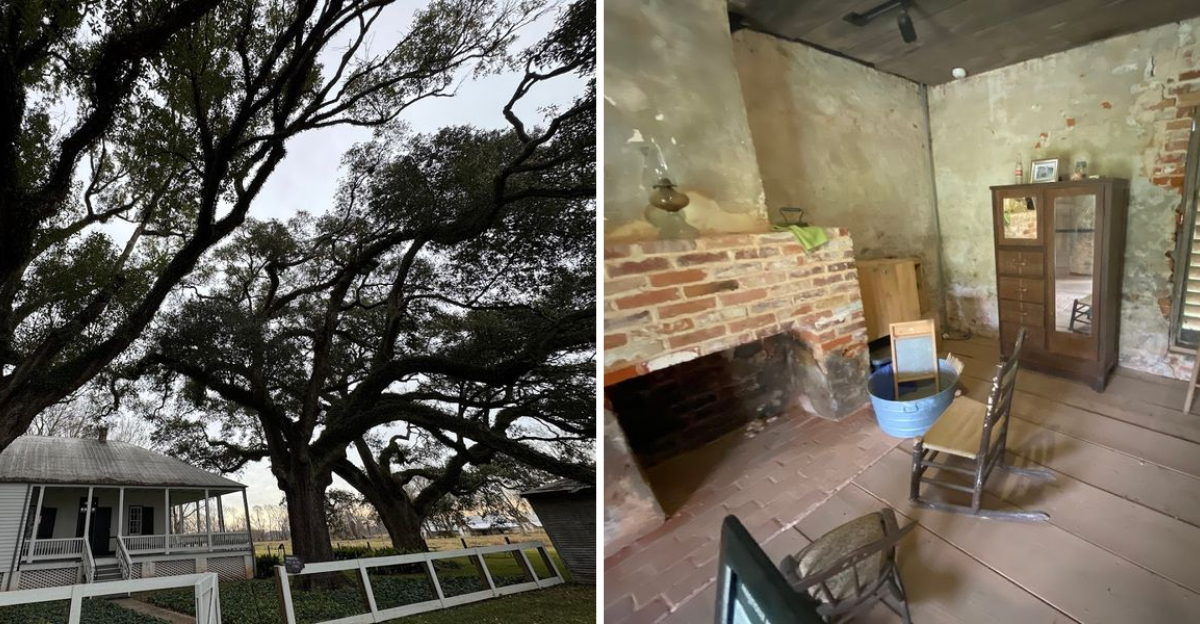
Most plantations in Louisiana have ghost stories. A lady in white.
A soldier looking for his lost love. This one has something different.
A voodoo conjurer who worked here long ago and apparently never bothered to leave. Staff have seen her in the garden at dawn, bending over plants like she is still gathering herbs for her spells. Guests have smelled strange incense in rooms where no one is burning anything.
A few have even found small bundles of feathers and bones left in corners, offerings to spirits that no one else can see. I took the tour during the day, telling myself I did not believe in any of it. But when the guide pointed to the spot where she used to live, the hair on my arms stood up.
Louisiana is full of haunted places. This one feels different.
Darker. Older.
Who Was Aunt Agnes, the Conjurer of Magnolia Plantation
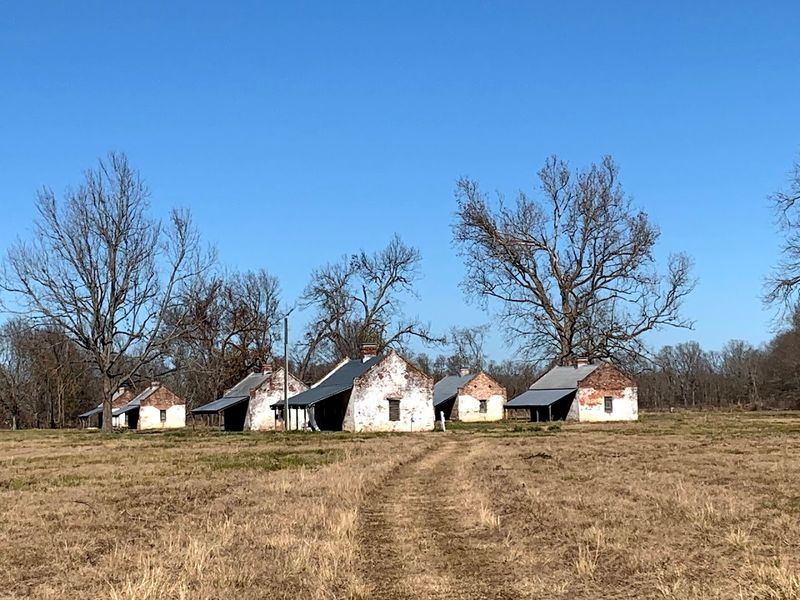
Not every healer gets remembered by name, but Aunt Agnes is one who did. She was an enslaved woman at Louisiana’s Magnolia Plantation who held a quiet but powerful role within the enslaved community during the late 1800s.
People came to her when they needed protection, healing, or hope, and she delivered all three through the practice of Voodoo.
Aunt Agnes was known as a conjurer, someone skilled in crafting charms, protective medicines, and spiritual remedies. Her work was not random or fearful.
It was purposeful and rooted in a deep belief system that blended African spiritual traditions with the world she was forced to live in.
Archaeological digs in the former slave quarters at Magnolia Plantation uncovered Voodoo artifacts directly linked to her. These buried objects were not accidents.
They were placed with intention, tucked into the earth as acts of spiritual resistance and protection. Knowing that real physical evidence of her work survived more than a century underground makes her story feel less like legend and more like truth.
She was a real woman, doing real work, and the land still holds proof of that.
The Secret Spiritual World Hidden Inside the Slave Quarters
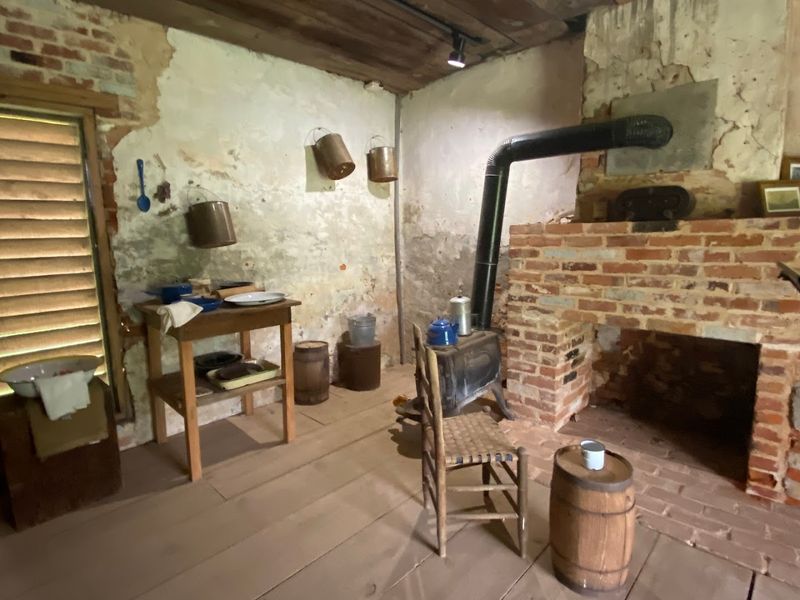
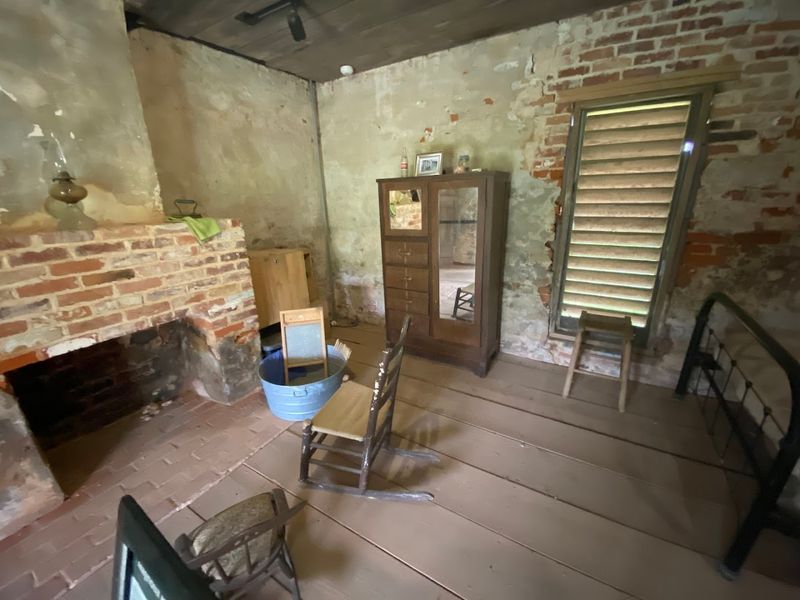
The brick cabins that still stand at Magnolia Plantation are not just old buildings. They are layered with meaning that took archaeologists and historians years to begin uncovering.
Inside and beneath those structures, researchers found evidence that a rich spiritual life was happening completely out of sight of the plantation owners.
Enslaved people practicing Voodoo had to be careful. To avoid punishment, many blended their worship of Voodoo spirits, called loa, with Catholic imagery.
A cross or a saint’s figure on the surface could mask something much older and more personal underneath. It was a form of spiritual survival, keeping sacred traditions alive inside a system designed to strip everything away.
Visitors today often describe a strange heaviness near the cabins, something beyond the sadness of history. Some have reported hearing sounds that had no clear source, including what sounded like faint chanting.
Paranormal investigation teams from shows like Ghost Adventures and Ghost Brothers have explored these very buildings and documented unexplained experiences. Whether you believe in the paranormal or not, the spiritual intensity of this place is hard to ignore once you are standing in it.
Voodoo Symbols Forged Into the Ironwork by Enslaved Blacksmiths
One of the most quietly remarkable stories at Magnolia Plantation involves the ironwork. Skilled enslaved blacksmiths were responsible for crafting the ornate metal pieces found throughout the property, including decorative elements on gates, fences, and structures.
But what looks like artistic flourish to the untrained eye may have been something far more deliberate.
Researchers believe that some of these blacksmiths embedded Voodoo symbols into their metalwork as a hidden form of resistance. The symbols were subtle enough to go unnoticed by the owners but meaningful to those who knew what to look for.
It was a way of reclaiming power within a situation that allowed almost none.
Think about the courage that took. Every piece of iron was made under supervision, under threat, and yet these craftsmen still found a way to leave a mark that carried spiritual weight.
The idea that curses or protective spells were literally forged into the physical structure of the plantation is something that sticks with you long after you leave. It changes how you look at every decorative detail on the property.
Nothing here is just decoration. Everything has a layer beneath it worth noticing.
The Haunted Headstones and Cursed Family Graves
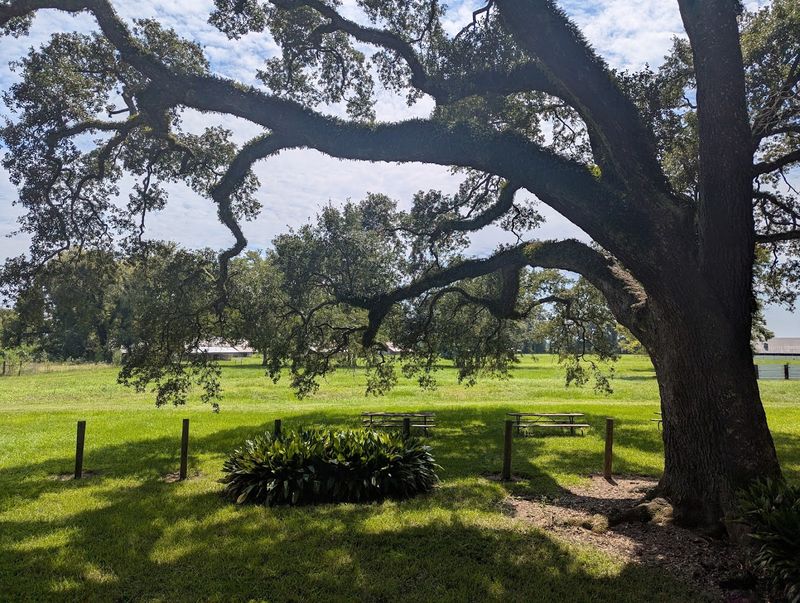
Cemeteries on plantation grounds already carry a weight most people feel before they even read a single name. At Magnolia Plantation, the family gravesite carries an extra layer of history that researchers and visitors find genuinely unsettling.
It is believed that Voodoo spells and curses were deliberately placed on the plantation owners’ headstones and grave crosses.
The same blacksmiths who crafted iron crosses for those graves may have embedded symbols meant to trap or torment the spirits of those buried beneath. Whether viewed through a spiritual or historical lens, the act itself speaks volumes about the desperation and determination of people who had almost no other way to seek justice.
Some visitors report feeling distinctly unwelcome near the grave markers, a sensation that goes beyond ordinary discomfort. The idea that the departed ones are not entirely at peace here, on either side of the power dynamic, adds a complexity to this site that you rarely find elsewhere.
It is not a place that rewards rushing through. Slow down, look at the ironwork, read the names, and consider what was happening just beneath the surface of everyday life on this land.
The story is right there in the metal and stone.
What Paranormal Investigators Found When They Came to Magnolia
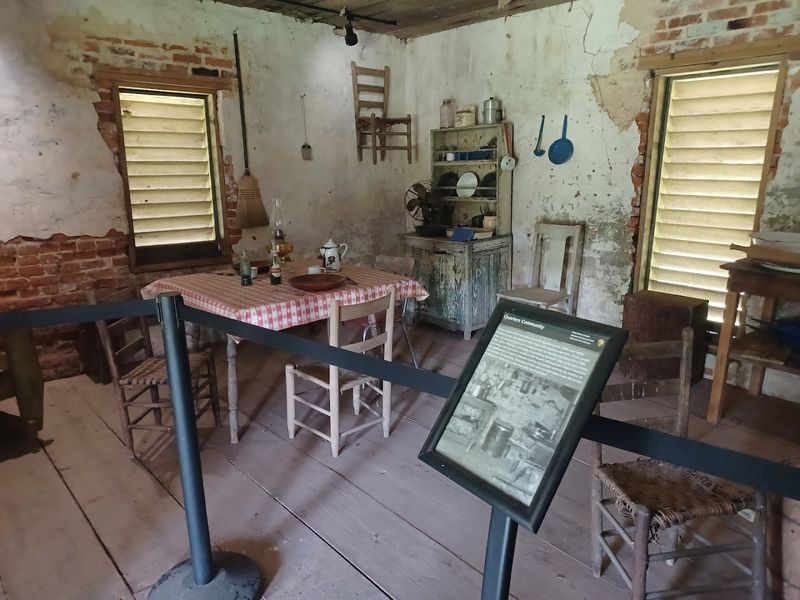
Ghost Adventures and Ghost Brothers are not small productions. These are serious paranormal investigation teams with equipment, experience, and a track record of exploring some of the most active locations in the country.
Both have visited Louisiana’s Magnolia Plantation, and what they reported lines up in interesting ways with the historical record.
Among the most frequently documented experiences near the slave cabins is the sound of ritualistic chanting with no identifiable human source. Investigators have also reported sudden temperature drops, unexplained audio recordings, and equipment behaving in ways that are hard to explain.
These experiences, repeated across different teams and different visits, create a pattern that is difficult to dismiss entirely.
Even visitors with no particular interest in the paranormal have left Magnolia Plantation describing a persistent sense of unease, especially near the former quarters. Shadowy figures and disembodied voices have been mentioned in multiple visitor accounts over the years.
The consistency across those accounts is what makes it feel worth paying attention to. Whether the spirits of Aunt Agnes and others truly remain here or whether the land simply carries a deeply embedded emotional memory, something at Magnolia Plantation communicates across time in ways that feel undeniably real.
Touring the Grounds: The Gin Barn, Mercantile, and Slave Hospital
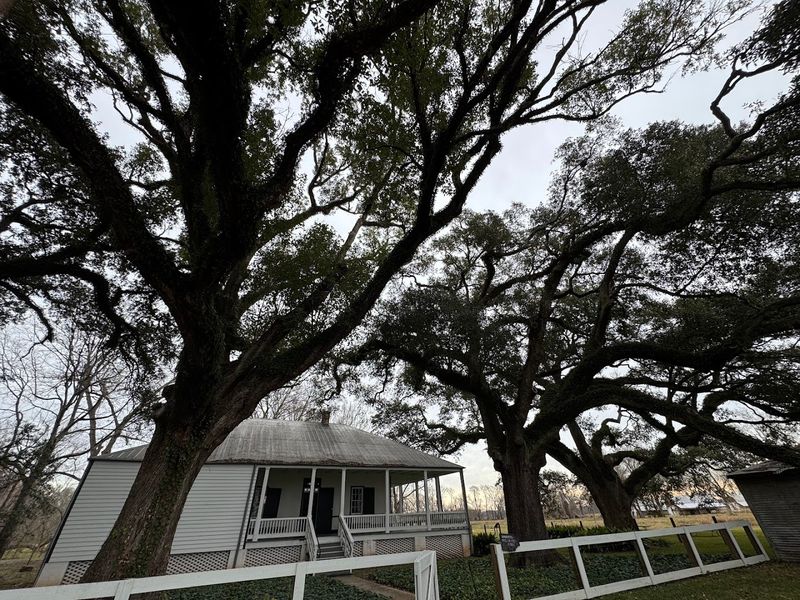
Beyond the haunted history, Magnolia Plantation is genuinely fascinating as a preserved historical site. The property is part of the Cane River Creole National Historical Park and is managed by the National Park Service, which means the buildings are well maintained and the information available on-site is carefully researched and presented.
The gin barn is a standout. It is massive, filled with original cotton processing machinery that gives you a real sense of the industrial scale of plantation agriculture.
The mercantile building and the former slave hospital are also open during tour hours, and the hospital in particular has a small video presentation that offers helpful context about life on the plantation.
Ranger-guided tours run Wednesday through Sunday from 9 AM to 3:30 PM, and visitors who catch a guided tour consistently describe it as the highlight of their visit. The rangers here are notably knowledgeable and approach the history with care and honesty.
Even a self-guided walk through the grounds is worthwhile, with plenty of signage explaining the buildings and their history. The grounds are well kept, parking is easy, and the whole experience feels respectful of both the history and the people who lived it.
Why Magnolia Plantation Stays With You Long After You Leave
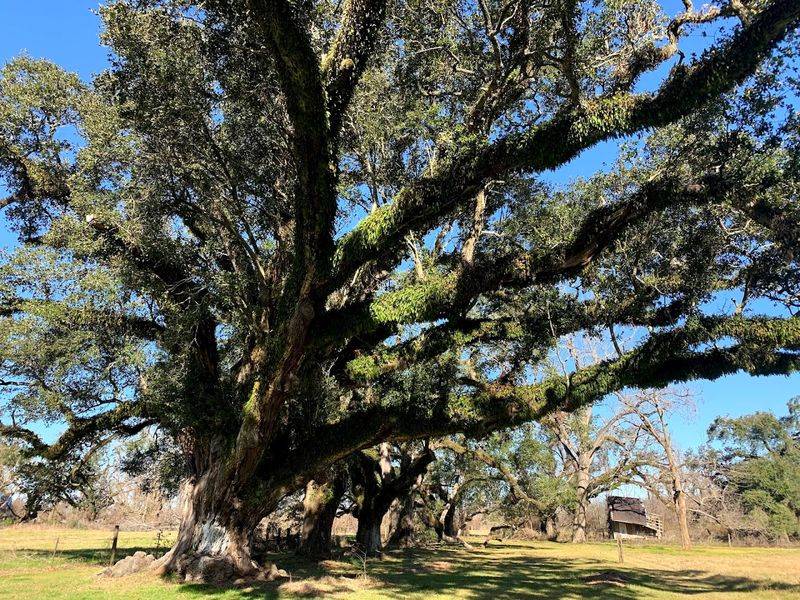
There are historical sites you visit and promptly file away, and then there are places that follow you home. Magnolia Plantation falls firmly into the second category.
The combination of genuine historical depth, physical evidence of spiritual resistance, and the sheer number of unexplained experiences reported by visitors creates something that is hard to shake.
Part of what makes it linger is that the story here is not just about tragedy. It is also about ingenuity, community, and a kind of power that could not be taken away no matter how brutal the circumstances.
Aunt Agnes buried her charms. The blacksmiths hid their symbols.
The community maintained its spiritual life in secret. That is not a story of pure victimhood.
It is a story of people finding ways to persist and resist.
Leaving the plantation, I found myself thinking about the layers underneath every surface, every iron scroll, every patch of ground near those cabins. The place earns its reputation not through spectacle but through substance.
History that is this layered and this human has a way of making itself felt whether you are looking for it or not. Magnolia Plantation does not let you be a passive visitor.
It pulls you in and holds on.
Address: 5549 LA-119, Derry, LA 71416
