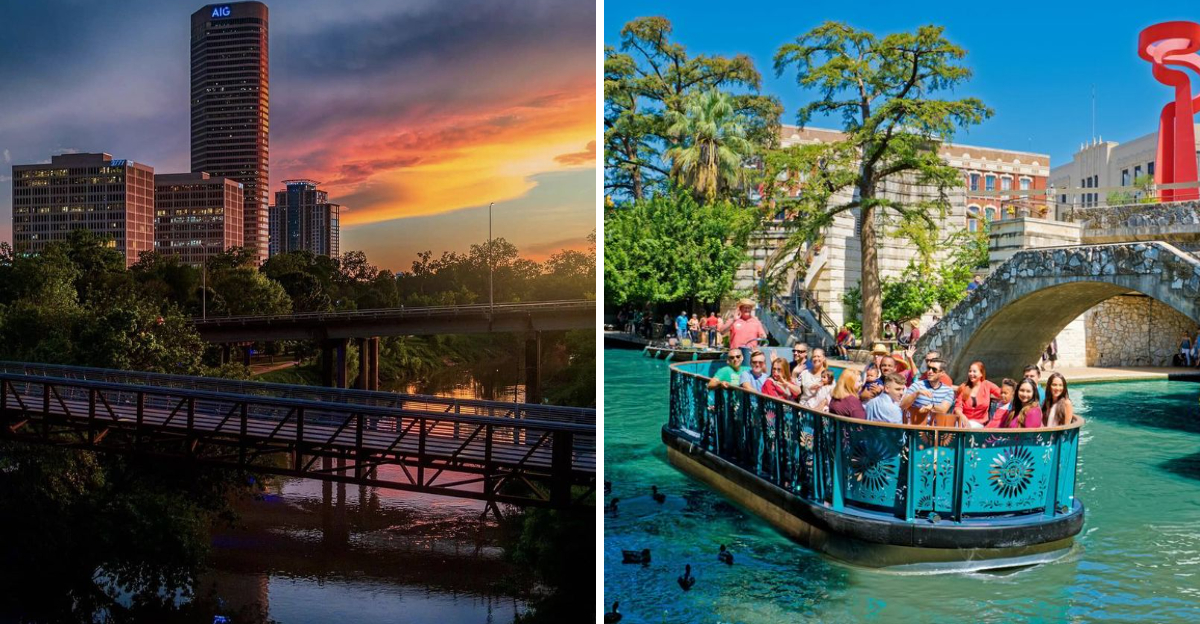
Texas stretches across the American South like a world unto itself, where vast deserts meet rolling hills and sprawling cities rise from open plains. When travelers roll into the Lone Star State, they enter a place shaped by proud traditions, fierce independence, and a culture all its own.
Locals here have watched countless visitors pass through their towns, cities, and countryside, forming opinions that range from welcoming warmth to cautious skepticism.
Understanding how Texans truly feel about travelers reveals not just attitudes about tourism, but the heart of what makes this massive state tick.
Southern Hospitality Runs Deep, But Respect Goes Both Ways

Texans grow up hearing stories about treating guests like family, and that tradition remains alive across the state today. Walk into a small town diner in Hill Country or a roadside stop near Amarillo, and chances are someone will strike up a friendly conversation before your coffee arrives.
This genuine warmth forms the backbone of how locals interact with people passing through their communities. Travelers who show genuine interest in local culture, ask questions about regional history, or compliment the landscape often find themselves invited to hear stories that span generations.
Yet this hospitality comes with an unspoken expectation. Texans value mutual respect above almost everything else, and they notice when visitors treat their home with carelessness or condescension.
Someone who dismisses small town life as backward or makes jokes about regional accents will quickly feel the temperature drop in any conversation. The same folks who offered directions moments earlier might suddenly remember they have somewhere else to be.
This balance between openness and boundaries defines much of the local attitude toward tourism. Travelers who approach Texas with curiosity rather than judgment discover a population eager to share their pride in everything from barbecue traditions to Friday night football culture.
Those who arrive with preconceived notions about cowboys and tumbleweeds often miss the complex, modern reality of a state that leads the nation in technology, energy, and cultural diversity while honoring its storied past.
Big City Texans Have Seen It All Before
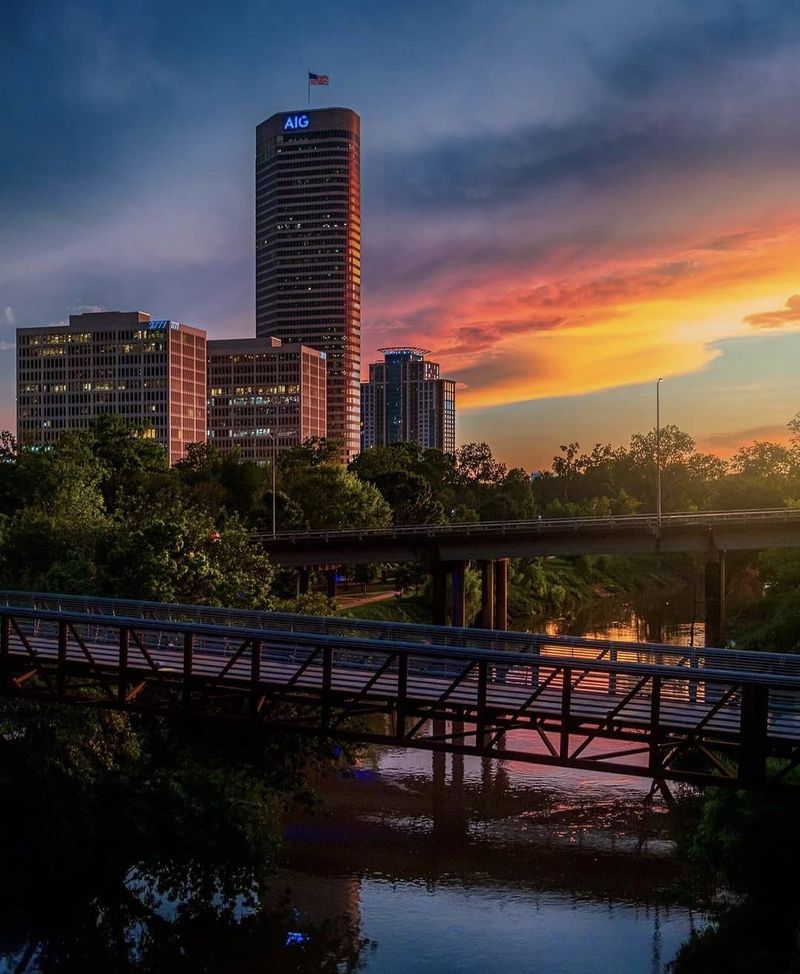
Houston, Dallas, Austin, and San Antonio pulse with international energy that rivals any major American metropolis. Residents in these urban centers encounter travelers constantly, from business visitors staying downtown to festival crowds flooding entertainment districts.
After years of watching tourism grow, city dwellers have developed a more measured relationship with the constant flow of outsiders.
They appreciate the economic boost and cultural exchange that visitors bring, but they also navigate the challenges of crowded restaurants, traffic congestion, and rising costs that accompany popular destinations.
Austin locals particularly feel this tension as their city transformed from a quirky capital into a global destination. Long-time residents remember when you could find parking on Sixth Street without circling for twenty minutes, or enjoy Barton Springs without jostling for space on the limestone ledges.
Some embrace the change and excitement that new faces bring to their neighborhoods. Others quietly mourn the loss of the intimate, weird Austin they once knew, even as they acknowledge that growth brings opportunities their city needs.
Still, urban Texans maintain a practical attitude toward travelers that differs from tourist-dependent beach towns or mountain resorts.
They go about their daily lives with or without visitors, heading to work, picking up kids from school, and meeting friends at neighborhood spots that rarely appear in guidebooks.
Travelers who venture beyond the obvious attractions and engage with local communities on their own terms often discover the authentic urban Texas experience that glossy brochures cannot capture.
Rural Communities Appreciate Visitors Who Take Time to Learn
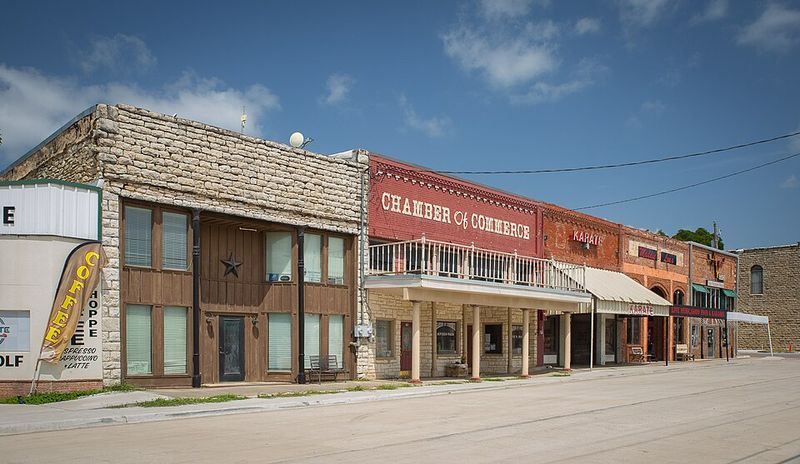
Drive through the Panhandle wheat fields or the piney woods of East Texas, and you will encounter communities where everyone knows their neighbors and outsiders stand out immediately.
Folks in these rural areas do not see travelers every day, so when someone stops to explore their town, it creates a moment worth noticing.
Local business owners who run the feed store, the county museum, or the lone cafe on Main Street genuinely appreciate when visitors show interest in their way of life rather than just snapping photos from car windows before speeding toward the next destination.
These communities have complex relationships with the outside world. Many young people leave for opportunities in bigger cities, and the population ages as farms consolidate and small businesses struggle.
When travelers arrive and express authentic curiosity about ranching traditions, local history, or the challenges facing rural Texas, it validates the importance of these communities in the larger state narrative.
Elderly residents who remember when their town thrived will talk for hours if someone actually wants to listen.
What frustrates rural Texans most is when visitors treat their hometowns as quaint backdrops for social media rather than real places where real people build real lives.
Someone who stops at a historic courthouse, learns about the county’s founding families, and purchases something from a local shop leaves a positive impression that echoes through community conversations.
Travelers who breeze through without acknowledging the people who live there reinforce feelings of invisibility that rural residents already battle against in a state increasingly dominated by urban priorities and perspectives.
Border Region Locals Navigate Complex Tourist Dynamics
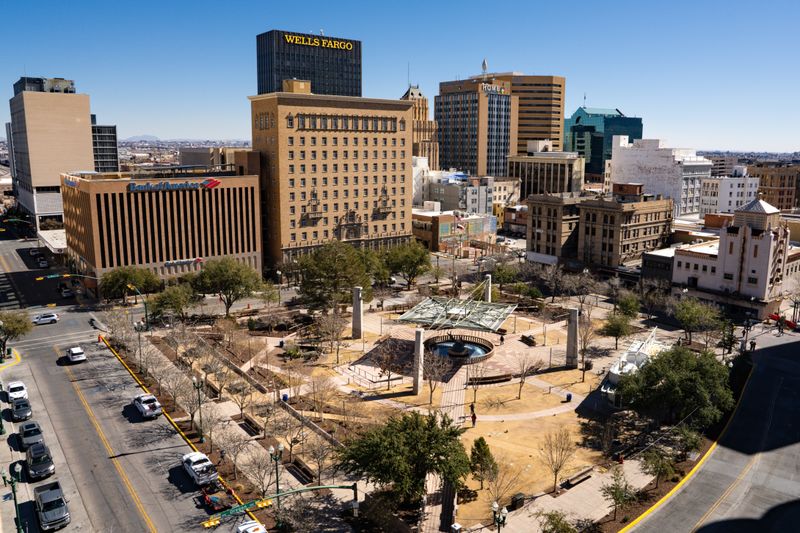
Cities like El Paso, Laredo, Brownsville, and McAllen sit along the Rio Grande where Texas meets Mexico, creating a unique cultural blend that defines daily life for millions of residents. People here move fluidly between languages, cuisines, and traditions that reflect centuries of shared history across an international boundary.
Locals in the border region have complicated feelings about travelers who arrive with limited understanding of this complex reality, especially when political debates reduce their home to talking points rather than recognizing the vibrant, binational communities that actually exist.
Tourism in the border region includes both Americans exploring Texas frontier history and international visitors crossing from Mexican cities to shop, dine, and experience American culture.
What border Texans want visitors to understand is that their region represents the future of Texas in many ways. The cultural fusion, bilingual fluency, and international perspective that define communities from Brownsville to El Paso offer insights into identity and belonging that challenge simplistic narratives.
Travelers who approach the border with genuine curiosity about how people actually live, rather than preconceived ideas about what they will find, often leave with transformed perspectives on what it means to call Texas home in the twenty-first century.
Coastal Texans Live With Seasonal Visitor Cycles
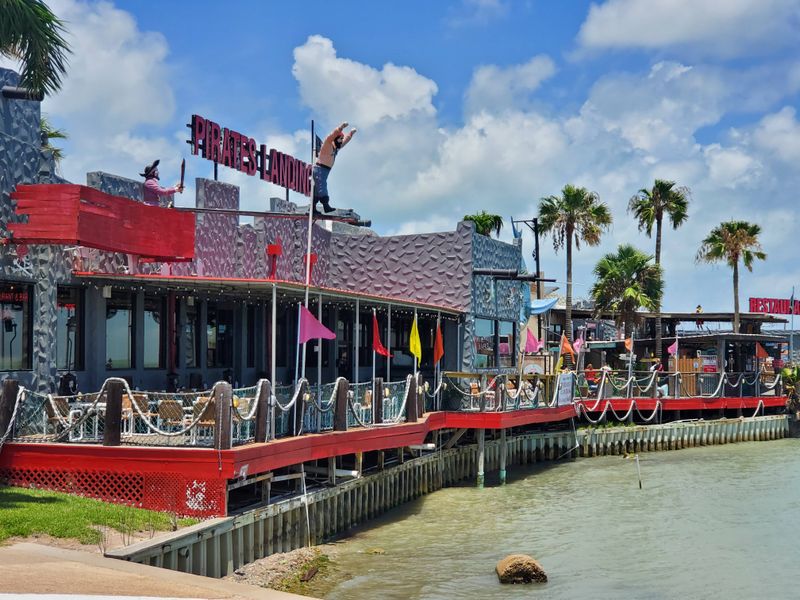
From South Padre Island to Galveston, coastal communities along the Gulf of Mexico experience dramatic population shifts as visitors flood beaches during spring break, summer vacation, and holiday weekends.
Year-round residents have adapted their entire lives around these predictable cycles, knowing that certain months bring traffic jams, packed restaurants, and beaches covered with umbrellas and coolers.
Many locals work in tourism-related industries, so they depend on visitor spending while simultaneously looking forward to quieter off-season months when they reclaim their beaches and neighborhoods.
Galveston residents particularly understand this duality, living on an island where historic downtown districts, beachfront hotels, and cruise ship terminals create constant tourist activity.
Some locals avoid the seawall entirely during peak season, choosing instead to enjoy less crowded beaches on the island’s west end or waiting until September when the summer crowds disappear.
Others embrace the energy that visitors bring, running businesses that thrive on tourist dollars or simply enjoying the people-watching opportunities that crowded beaches provide.
What frustrates coastal Texans most is when visitors leave trash on beaches, disrespect wildlife, or treat the Gulf Coast as a disposable playground rather than someone’s permanent home.
The same storms that occasionally devastate these communities also remind residents of their vulnerability and their deep connection to this landscape.
Travelers who show environmental awareness, support local businesses year-round, and express appreciation for the natural beauty of the Texas coast earn genuine gratitude from people who choose to build their lives beside the Gulf waters despite the challenges that coastal living brings.
Music and Festival Culture Creates Mixed Feelings

Austin earned its reputation as the Live Music Capital of the World through decades of nurturing local talent in intimate venues scattered across the city. When South by Southwest exploded into an international phenomenon, it transformed not just the festival but the entire local music ecosystem.
Long-time Austin musicians and music fans watched their favorite small clubs get priced out, replaced by corporate venues designed to accommodate festival crowds willing to pay premium prices for experiences that once cost the price of a cover charge and a couple of sodas.
Similar tensions play out in cities across Texas as festivals draw massive crowds. Houston’s rodeo brings millions of visitors to NRG Stadium each spring, creating traffic nightmares for weeks while pumping hundreds of millions into the local economy.
San Antonio’s Fiesta celebrations transform the city each April, and smaller communities host everything from rattlesnake roundups to Czech heritage festivals that draw visitors from across the state.
Locals who grew up attending these events often feel ambivalent about their growth, proud that their traditions attract attention while wistful for the intimate community gatherings they remember from childhood.
What festival-weary Texans wish travelers understood is that these events represent real cultural traditions, not just entertainment spectacles created for tourist consumption. The rodeo celebrates ranching heritage that still defines rural Texas identity.
Music festivals emerged from genuine artistic communities that existed long before travel websites started ranking them.
When visitors approach festivals with respect for their cultural significance rather than just seeking Instagram moments, locals feel their traditions are being honored rather than exploited for someone else’s vacation memories.
Environmental Impact Concerns Rise With Tourism Growth
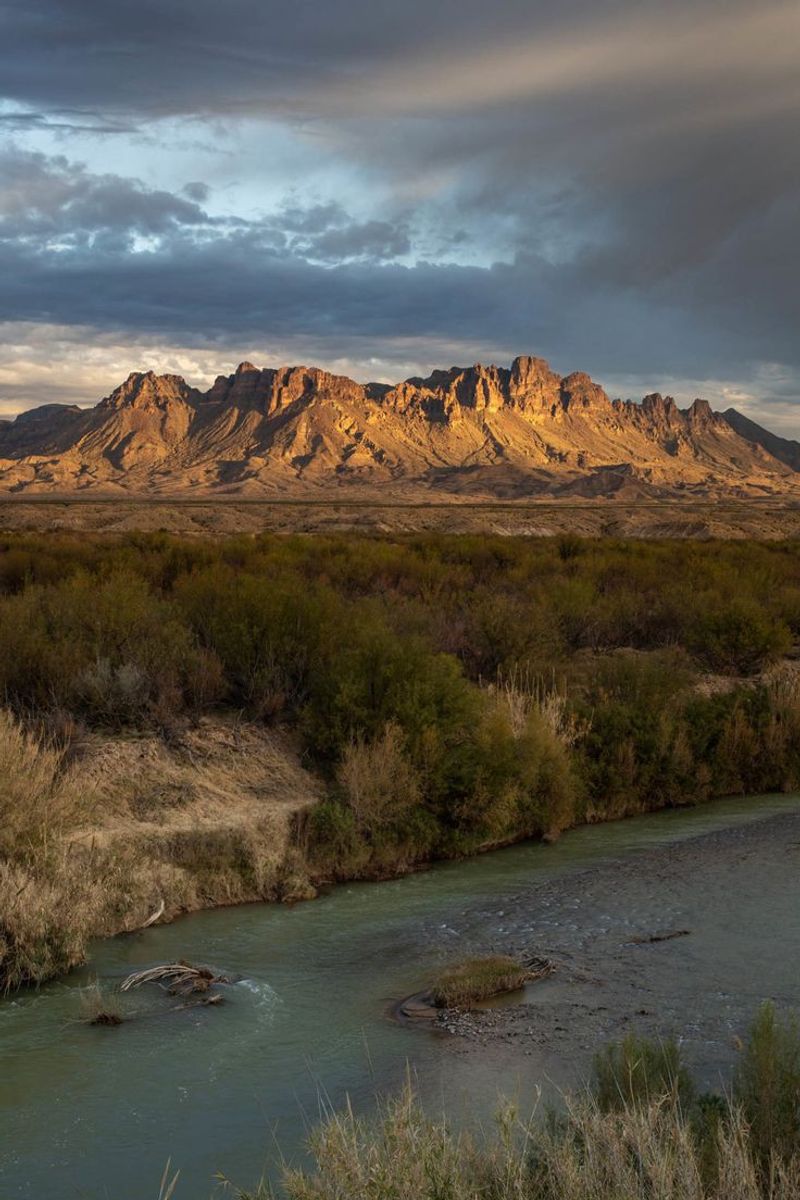
Big Bend National Park has seen visitor numbers climb steadily over the past decade as travelers discover the remote beauty of the Chihuahuan Desert along the Rio Grande. Park rangers and nearby communities like Terlingua and Marathon notice the strain this increased attention places on fragile desert ecosystems.
Popular trails show erosion from heavy foot traffic, and campsites that once offered solitude now require reservations months in advance.
Local conservationists worry that the very qualities that make Big Bend special could disappear under the weight of too many visitors, even as they acknowledge that tourism provides essential income for struggling rural economies.
Similar concerns emerge across Texas wherever natural areas attract growing crowds. The Hill Country faces water scarcity issues as tourism development competes with agricultural and residential needs in a region where rainfall remains unpredictable.
Coastal areas deal with habitat destruction as beachfront development expands to accommodate visitor demand. State parks from Palo Duro Canyon to Enchanted Rock implement reservation systems to manage crowds, fundamentally changing the spontaneous access that Texans once took for granted.
Environmental advocates among Texas locals want travelers to understand that responsible tourism requires more than just following marked trails and packing out trash.
It means supporting conservation organizations, respecting wildlife from safe distances, visiting during off-peak times when possible, and recognizing that natural areas have carrying capacities beyond which damage becomes irreversible.
Travelers who demonstrate environmental awareness and advocate for sustainable tourism practices earn respect from Texans who love their state’s natural beauty enough to protect it for future generations, even when that means limiting access or development opportunities.
Texas Pride Means Locals Want Visitors to Get It Right
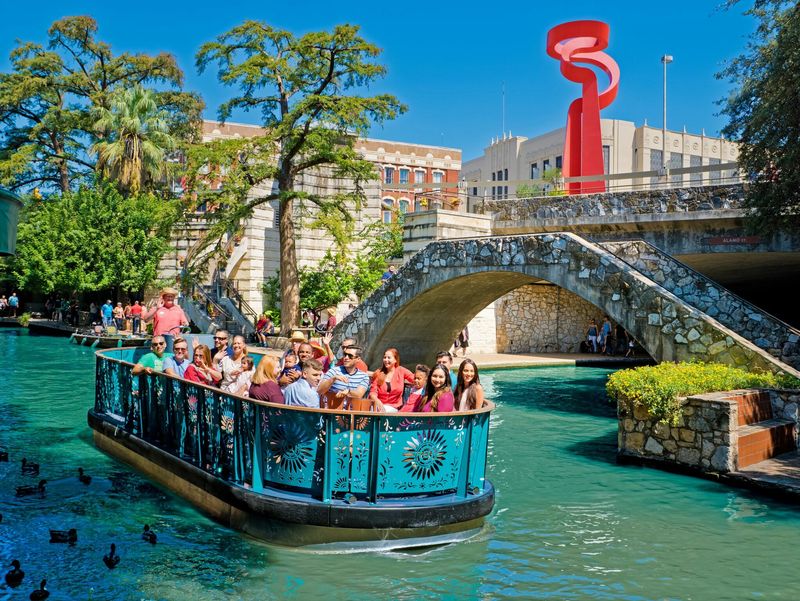
Ask any Texan about their state, and you will quickly discover a depth of pride that outsiders sometimes find puzzling or even off-putting. This fierce attachment to place runs deeper than simple regional loyalty, rooted in a history that includes a decade as an independent republic before joining the United States.
Texans learn state history as a separate subject in school, pledge allegiance to the state flag alongside the national flag, and grow up hearing stories about the Alamo, cattle drives, oil booms, and pioneers who built something remarkable from harsh frontier conditions.
When travelers visit Texas, locals pay attention to whether visitors make an effort to understand what makes the state distinctive. Someone who lumps Texas in with generic Southern stereotypes or assumes everything is desert and cowboys reveals ignorance that Texans find frustrating.
The state encompasses piney forests that look like Louisiana, Gulf beaches rivaling Florida, mountains in West Texas that surprise first-time visitors, and cities as cosmopolitan as anywhere in America.
This geographic and cultural diversity matters deeply to residents who bristle at oversimplified representations of their home.
What Texans really want from travelers is recognition that their state deserves to be understood on its own terms rather than filtered through stereotypes or political caricatures.
Visitors who take time to learn about Texas history, sample regional cuisines beyond just barbecue, explore diverse communities, and ask thoughtful questions earn genuine appreciation.
Those who arrive with closed minds or treat Texas as a punchline leave without ever discovering the complex, contradictory, endlessly fascinating place that locals call home with unshakeable pride.
Dear Reader: This page may contain affiliate links which may earn a commission if you click through and make a purchase. Our independent journalism is not influenced by any advertiser or commercial initiative unless it is clearly marked as sponsored content. As travel products change, please be sure to reconfirm all details and stay up to date with current events to ensure a safe and successful trip.
