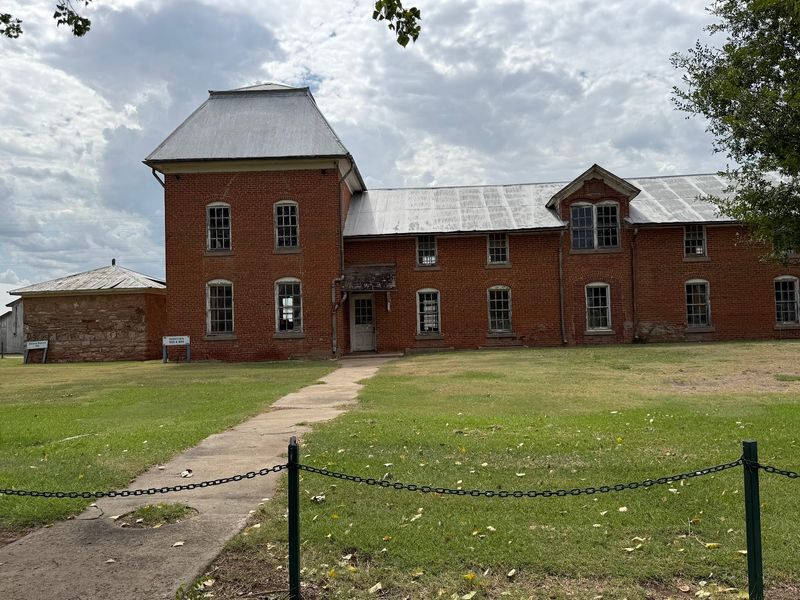
I only pulled off the highway to stretch my legs and grab a snack from the cooler, but a row of old brick buildings on the prairie made me stay for the whole afternoon. Oklahoma is full of spots like that, places you drive past for years before you finally stop and learn their stories.
This one has cavalry history, a famous horse, a hilltop cemetery, and weathered barracks that get extra attention once the leaves start turning. Grab a jacket, because some of these tales are best heard when the October wind picks up.
A Cavalry Post Along Old Route 66
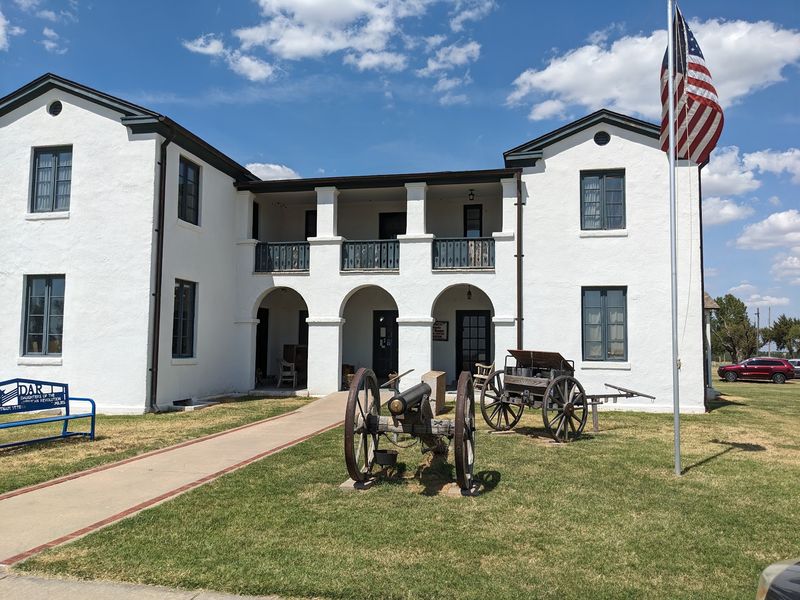
Picture a stretch of the Mother Road just west of El Reno, where the flat prairie opens up and a cluster of old military buildings suddenly appears. That is Fort Reno, sitting at 7107 W Cheyenne St on a section of historic US Route 66.
Plenty of road-trippers say they found it completely by accident.
Officially, the site is listed as a historical place, and it feels exactly like one. A small parade ground, restored buildings, a museum, a chapel, and an information center sit close together.
Farther back, a road climbs toward the old post cemetery, which many visitors call the highlight of the trip.
For folks coming from Oklahoma City, the drive west is short enough to fit into a lazy weekday afternoon. Tulsa travelers can make a full day of it, maybe pairing the fort with other Route 66 stops.
Either way, the gas money is modest and the payoff is big.
Much of the original post land now belongs to the US Department of Agriculture, which uses it for cattle grazing and prairie ecology research. So the wide pastures you see around the fort still have a working purpose.
It gives the whole place a lived-in, honest feel instead of a polished tourist gloss.
From Indian Wars Outpost to Remount Depot
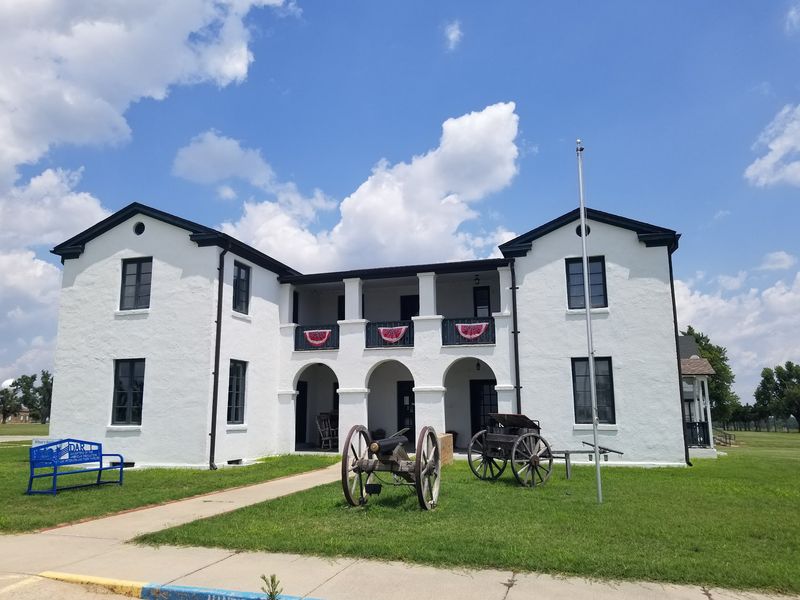
Back in the 1870s, the Indian Wars era shaped this corner of Oklahoma, and Fort Reno grew up right in the middle of it. Soldiers, staff, their families, and even some agency mission staff lived and worked here.
Their story still anchors the museum exhibits today.
Later chapters took the fort in a surprising direction. Instead of fading away, it became known for raising and training horses and mules that supported military service around the world.
Guides love explaining how the post kept adapting as the country changed.
Then came World War II, when Fort Reno served as a prisoner of war camp. German and Italian prisoners were held on the grounds, a fact that catches many visitors off guard.
Tour guides have covered the fort’s roles during both World War I and World War II, so ask questions if you want the fuller picture.
Today the site is also home to the US Cavalry Association. That connection keeps the horseback heritage alive, and the fort has hosted a cavalry competition in September.
If you enjoy 1800s military history, you will find several original fort buildings still standing, which is rare for a frontier post in this state.
The Hilltop Cemetery Way Out Back
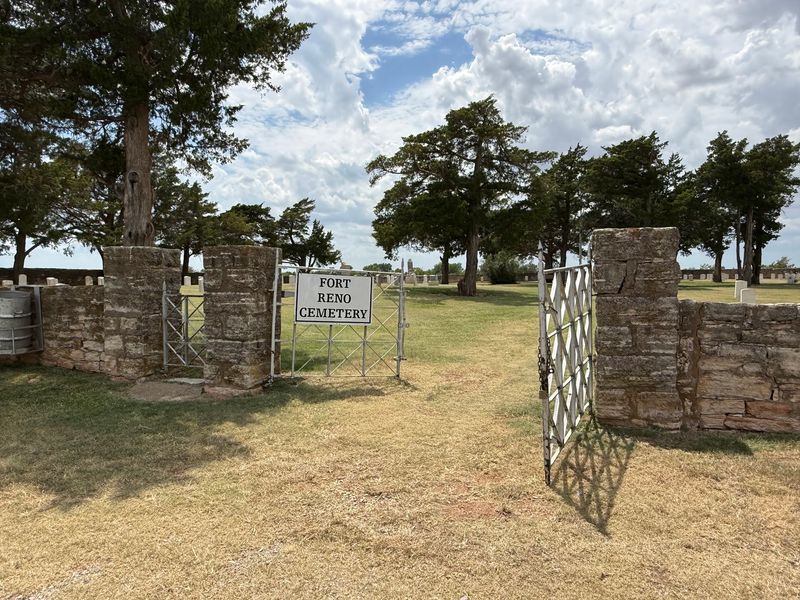
Ask almost anyone who has visited, and they will tell you the same thing: do not skip the cemetery. It sits way at the back of the property, up a hill, and you can drive right to it.
Mentions of this spot outnumber nearly everything else people talk about after a trip.
Inside, the graves are genuinely old. Early soldiers, post staff, their dependents, and some mission workers are laid to rest here.
Visitors often describe the grounds as well kept and peaceful, with the kind of quiet that makes you lower your voice without thinking.
Look for a separate area up and over a ladder at the back. That section holds German and Italian prisoners of war from World War II who were kept at the fort.
It is one of the most talked-about details of the whole visit, and it adds a thoughtful, international layer to a very Oklahoma place.
Wear good shoes, since the walk around can be uneven in spots. Bring water on warm days, because the hill offers little shade.
And give yourself time here, since reading the old names tends to slow everyone down in the best way.
Black Jack and the Horses Raised Here
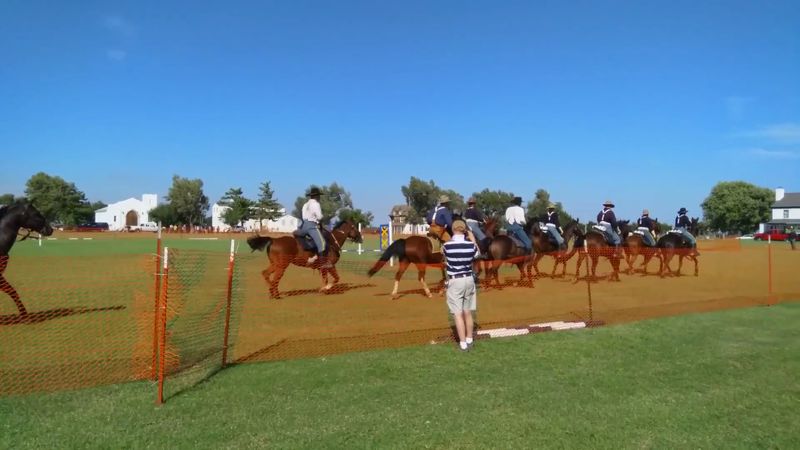
Here is a fun fact that surprises even lifelong Oklahomans. A horse named Black Jack, raised and trained at Fort Reno, went on to become one of the most recognized horses in American ceremonial history.
He served as the riderless horse in more than 1,000 ceremonies at Arlington National Cemetery.
Those honors included state services for Presidents John F. Kennedy, Lyndon B.
Johnson, and Herbert Hoover. General Douglas MacArthur was honored with Black Jack in the procession too.
Knowing that a horse from this prairie played a part in those national moments makes the pastures feel a little different.
Black Jack was not a one-off, either. The fort spent years supplying trained horses and mules for military service around the globe.
Those animals carried supplies, pulled equipment, and carried riders wherever they were needed.
Kids especially tend to latch onto the horse stories, which makes them a great entry point for younger visitors. Grandparents might remember watching some of those televised ceremonies.
It is the sort of connection that sparks conversation on the drive home, and maybe a few trips to the library later.
Weathered Barracks and October Whispers
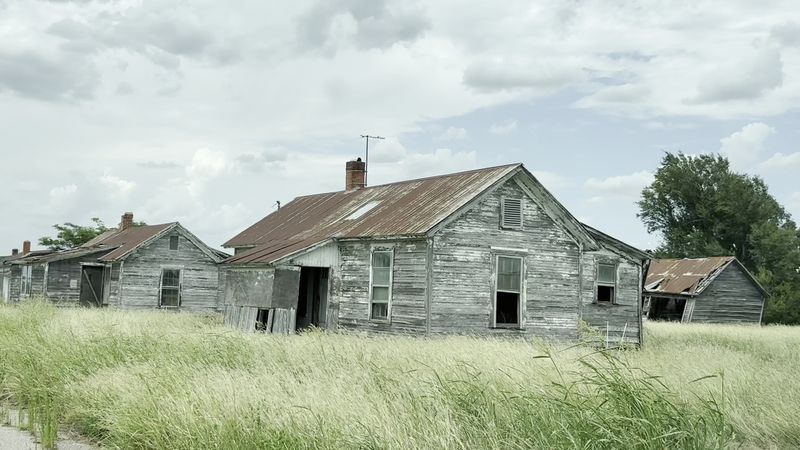
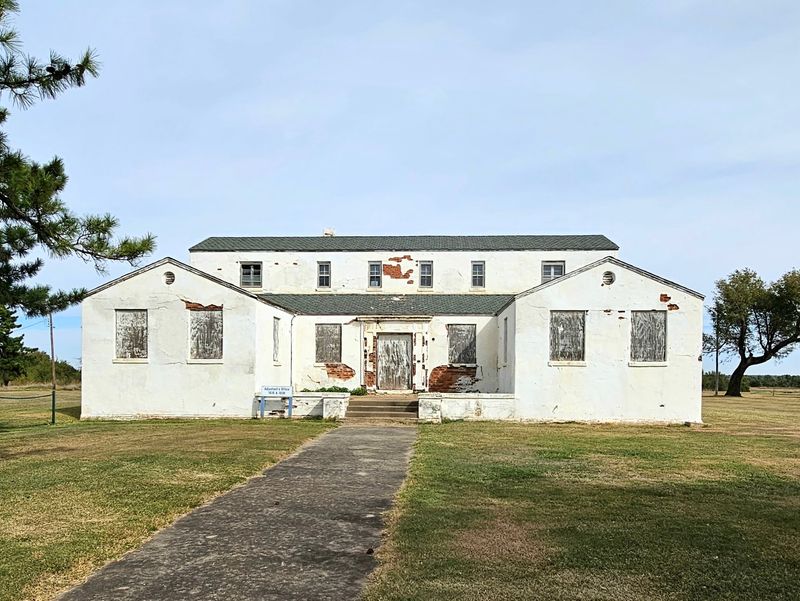
Some buildings look like they are holding their breath. A few of the older structures at Fort Reno are clearly worn, with peeling paint and sagging lines, and visitors mention that some are practically falling apart.
Others have been restored, and the contrast is striking.
Around here, that mix of old and patched-up naturally invites stories. When autumn rolls in and the wind rattles across the prairie, locals swap tales about the fort, its long list of residents, and the quiet cemetery on the hill.
Nobody needs special effects when you have a 150-year-old post at sunset.
Keep in mind that the fort shares its history, not ghost tours, during regular hours. The spooky mood comes from the setting itself: empty porches, long shadows over the parade ground, and graves of soldiers and prisoners from far-off places.
Your imagination does the rest.
Seeing the weathered buildings also carries a gentler message. Restoration here is a work in progress, and much of it depends on donations and grant writing.
Some visitors leave worried that pieces of this history could be lost forever, which is a pretty good reason to visit, and to drop a few dollars in the donation box.
Museum Exhibits and a Famously Friendly Front Desk
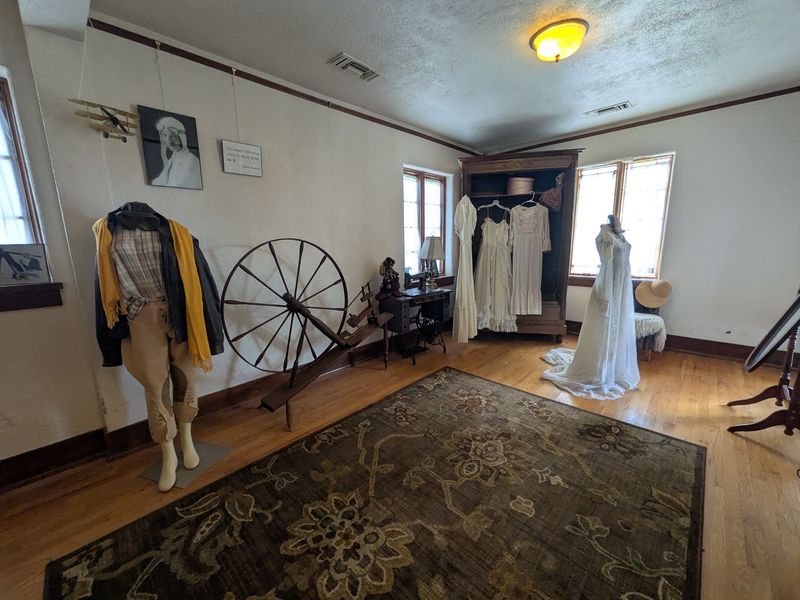
Don’t expect a giant, echoing museum. Visitors describe it as small but packed with good documentation, and several say the exhibits make you feel like you stepped back in time.
Displays cover the Indian Wars, cavalry life, and the fort’s roles in both world wars.
What people rave about most is the person behind the desk. A staff member named Deb comes up again and again as friendly, patient, and deeply knowledgeable, a true historian who loves to chat.
She has even shared with guests how much grant writing it takes to keep the doors open.
Honesty helps here. Some travelers note that many items are replicas rather than originals, and a few feel the displays could use a little polishing.
Still, most walk out impressed by how much they learned in such a compact space.
Accessibility is decent on the main floor, though some upstairs areas are not accessible. On special occasions, guided tours with reenactors have brought the history to life, and some guests spent several hours touring.
If you catch a guide on a good day, plan to linger, because the stories rarely stop at the gift counter.
Hours, Ticket Prices, and Planning the Drive
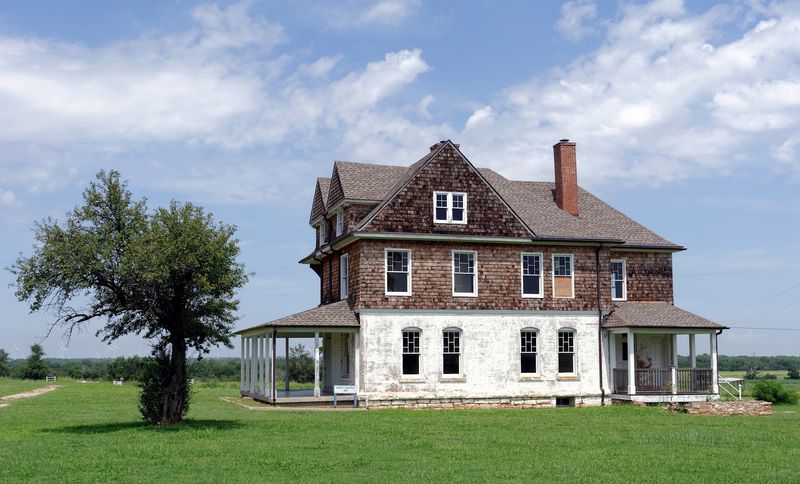
Timing matters more than you might think. Fort Reno is open Monday through Friday from 10 AM to 4 PM and closed on Saturday and Sunday.
Weekend road-trippers should plan around that, or call ahead at 405-262-3987.
Admission to the museum has been reported at about $6 for adults and $4 for kids, though prices can change, so check fortreno.org before you go. Good news for budget travelers: you can still wander the grounds and drive to the cemetery even if you skip the paid museum.
Donations help a lot here, since much of the operating budget comes from visitors and local preservation groups.
Because volunteers help run the place, the museum may occasionally close for a short while. If that happens, look for a note on the door and give it a little time.
One family arrived during a meeting and still enjoyed exploring outside.
Parking sits right outside, and the grounds have wide walkways. Oklahoma sun and wind can be fierce, so pack hats, water, and a layer for fall afternoons.
Kids are welcome, though younger ones may enjoy running around the open lawns more than reading the exhibit cards.
Worth the Detour for History Lovers and Families
Sometimes the best stops are the unplanned ones. Fort Reno rewards anyone who slows down for it, whether you are chasing Route 66 nostalgia, cavalry stories, or a little autumn atmosphere near those weathered barracks.
The price is friendly and the welcome is even friendlier.
History buffs will get the most out of it, especially fans of 1800s military life. Families can make it work too, with open lawns for wiggly kids and horse tales that keep them curious.
Grandparents who remember the famous televised ceremonies may enjoy the Black Jack connection most of all.
Seasonal events can make a return trip worthwhile. A Christmas guns and wreath placing ceremony has featured an old cannon firing, and visitors who went called it fantastic.
The September cavalry competition is another reason to circle a date.
Nobody will call it flashy, and a few buildings need serious care. That is part of the charm, though, and part of the reason to go now.
Come for an hour, stay for the afternoon, and leave a donation so the stories on this windswept prairie keep getting told for many Octobers to come.
