Alaska’s wilderness is breathtaking, but it comes with strict rules that many visitors don’t even know exist. One of the most commonly broken laws involves disturbing wildlife, particularly bears, and tourists often violate it without realizing they’ve done anything wrong.
Understanding these regulations can keep you safe, protect Alaska’s incredible animals, and help you avoid hefty fines before you’ve even finished your morning coffee.
Feeding Wildlife Is a Serious Crime
Many travelers think tossing a piece of toast to a curious animal is harmless fun, but Alaska takes wildlife feeding incredibly seriously.
State law explicitly prohibits feeding bears, moose, wolves, and other wild creatures because it changes their natural behavior and puts everyone at risk. When animals associate humans with food, they lose their fear and become dangerous.
Bears that get used to human snacks often have to be relocated or even destroyed to protect public safety. The fine for feeding wildlife can reach up to several thousand dollars, and repeat offenders face even steeper penalties. Park rangers and wildlife officials actively patrol popular tourist areas looking for violations.
Even leaving food scraps outside your tent or cabin can be considered feeding wildlife if animals access it. Store all food, toiletries, and scented items in bear-proof containers or lockers.
Respecting this law protects both you and Alaska’s magnificent wild residents, ensuring they remain wild and free for generations to come.
Approaching Too Close Violates Distance Rules
Alaska law requires visitors to stay at least 50 yards away from bears and 25 yards from other large animals like moose and caribou.
Tourists eager for that perfect selfie often creep closer without realizing they’re breaking the law. Getting too near stresses the animals and can trigger defensive attacks that endanger everyone nearby.
Rangers carry measuring tools and binoculars to enforce these distance requirements, especially in popular spots like Denali National Park and Katmai. If an animal approaches you, you’re required to back away and maintain the legal distance.
Standing your ground for a photo opportunity isn’t just dangerous but also illegal.
Use zoom lenses or binoculars to get a better view without disturbing wildlife. Professional photographers in Alaska rely on telephoto equipment to capture stunning images while respecting animal space.
Remember that wildlife encounters should be on the animal’s terms, not yours, and keeping your distance ensures everyone stays safe and the animals remain undisturbed in their natural habitat.
Leaving Food Unattended Attracts Trouble
Breakfast time at your campsite or rental cabin can quickly become a legal problem if you leave food out while you grab your camera or use the restroom.
Alaska law holds people responsible for securing all food and attractants, and failing to do so counts as negligently feeding wildlife. Bears have an incredible sense of smell and can detect food from miles away.
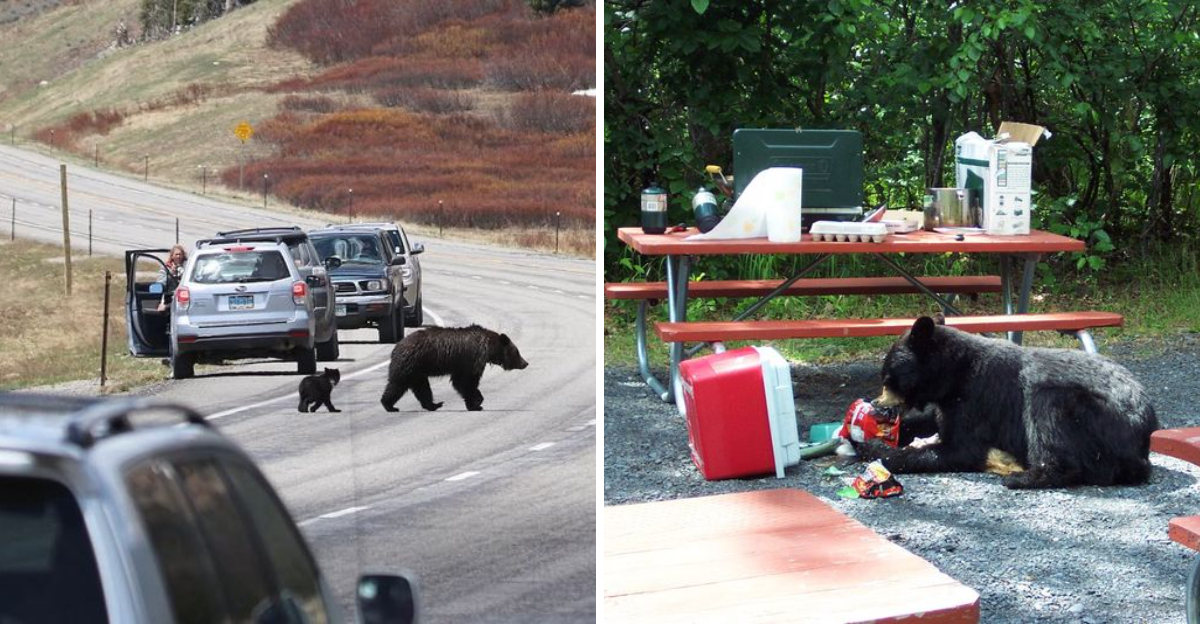
Even a few minutes of unattended bacon or pancakes on a picnic table can draw in a hungry bear. Once a bear finds easy food at a campsite, it will return repeatedly and may become aggressive. Property owners and campers face fines and citations when their carelessness creates dangerous situations.
Always clean up immediately after eating and store everything properly before stepping away. Use certified bear-resistant containers, hang food bags properly, or store items in your vehicle with windows closed.
Many campgrounds provide metal food lockers specifically for this purpose, and using them isn’t just smart but legally required in many areas throughout Alaska.
Improper Trash Disposal Creates Legal Issues
Throwing trash in regular bins or leaving garbage bags outside overnight might seem normal elsewhere, but in Alaska it’s a violation that attracts bears and other wildlife. Communities and campgrounds require trash to be stored in bear-proof dumpsters or containers, and leaving waste accessible to animals can result in citations.
Bears that raid trash repeatedly often end up being killed to protect public safety.
Many tourists don’t realize that even seemingly harmless items like fruit peels, coffee grounds, and empty food wrappers carry strong scents that draw wildlife. Local regulations often specify exactly when and how trash can be placed outside for collection.
In some remote areas, you’re required to pack out all trash yourself rather than leaving it behind.
Always ask your host or check local signage about proper waste disposal procedures. Rinse food containers before throwing them away to reduce odors. Taking responsibility for your trash protects Alaska’s wildlife and keeps neighborhoods safe from dangerous bear encounters that could have been easily prevented with proper disposal habits.
Making Noise Is Actually Required by Law
Surprisingly, staying quiet on Alaska trails can get you in trouble in certain areas where regulations require hikers to make noise to avoid surprising bears. Silent hikers startle bears at close range, triggering defensive attacks that could have been avoided.
Many parks and trails have specific noise requirements, and failing to follow them can result in citations if an incident occurs.
Rangers recommend talking loudly, clapping, or using bear bells while hiking through dense vegetation or near streams where running water masks sounds. Groups should maintain conversation rather than walking silently.
Some areas require bear spray to be carried and readily accessible, not buried in your backpack.
Check trail regulations before heading out, as requirements vary by location and season. During salmon runs when bears are actively feeding, noise requirements become especially important. Making your presence known gives bears time to move away and prevents dangerous surprise encounters.
This simple habit keeps both humans and bears safe while allowing everyone to enjoy Alaska’s incredible backcountry responsibly and legally.
Photographing from Vehicles Has Restrictions
Spotting a bear from your car window seems like the perfect safe viewing opportunity, but Alaska has specific rules about stopping and photographing wildlife from vehicles.
Blocking roadways to watch or photograph animals creates traffic hazards and is illegal in many areas. Causing other vehicles to stop or slow down counts as disturbing wildlife under state regulations.
Some parks prohibit leaving your vehicle entirely in certain zones, while others have designated pullouts where stopping is allowed. Creating a bear jam by parking in the middle of the road can result in fines and citations.
Rangers actively monitor popular wildlife viewing roads and will ticket violators who endanger others or stress animals.
Use designated pullouts and viewing areas when they’re available. Keep your engine running and be ready to move on if the animal approaches your vehicle or if traffic builds up behind you. Never leave your car to get closer for photos, even if others are doing it.
Following vehicle regulations ensures everyone gets to enjoy wildlife safely while keeping roads clear and animals undisturbed in their natural environment.
Using Drones Near Wildlife Is Prohibited
Modern tourists often bring drones to capture Alaska’s stunning landscapes, but flying them near wildlife is strictly illegal and heavily enforced. Drones terrify animals, disrupt their natural behaviors, and can cause stampedes or abandonment of young.
Federal and state regulations prohibit drone use in national parks and near wildlife throughout Alaska, with violators facing substantial fines and equipment confiscation.
Bears, in particular, react unpredictably to drones, sometimes fleeing in panic or becoming aggressively defensive. Mother bears with cubs may abandon their young if repeatedly stressed by drone activity. Even in areas where recreational drone use is generally allowed, flying near any wildlife violates harassment laws.
Check all local, state, and federal regulations before launching any drone in Alaska. National parks have complete bans, and most wildlife refuges prohibit them as well. Stick to photographing landscapes from approved locations without flying over or near any animals.
The incredible footage isn’t worth the legal consequences or the harm caused to Alaska’s precious wildlife populations that you came to admire and respect.
Calling or Imitating Animal Sounds Is Illegal
Some visitors think making bear sounds or other animal calls is funny or might help them spot wildlife, but Alaska law prohibits intentionally attracting or harassing animals through sounds. Using calls, recordings, or imitations to lure wildlife closer counts as harassment and carries serious penalties.
Deliberate attraction changes animal behavior and creates dangerous situations for everyone in the area.
Hunters with proper permits have specific exceptions for legal game calling during designated seasons, but tourists have no such allowances. Making distress calls or mating sounds can draw predators into populated areas or disrupt critical behaviors like feeding or caring for young.
Rangers take these violations seriously because they endanger both people and animals.
Enjoy wildlife from a respectful distance without trying to manipulate their movements or behaviors. Let animals go about their natural activities without interference. If you want better viewing opportunities, hire a licensed guide who knows legal and safe ways to observe wildlife.
Authentic encounters happen when you respect animal space and let them choose whether to be visible, creating memories that don’t come with fines or guilt.
Fishing Scraps and Gut Piles Require Proper Disposal
Anglers visiting Alaska often don’t realize that leaving fish guts, carcasses, or cleaning scraps near shore or trails is illegal and extremely dangerous. These remains attract bears and condition them to associate humans with food, creating ongoing hazard situations.
State regulations require proper disposal of all fish waste, and violations result in citations and fines.
Many fishing areas have designated disposal sites where you must deposit cleaning waste. In remote locations, regulations typically require disposing of fish parts in deep, fast-moving water far from shore and away from trails or campsites.
Leaving gut piles near where you cleaned your catch practically invites bears to investigate and potentially encounter other people.
Always ask about disposal requirements when purchasing your fishing license or arriving at a fishing location. Charter operators and guides know the proper procedures and can demonstrate correct disposal methods.
Taking a few extra minutes to handle fish waste properly prevents creating dangerous bear attractants that put everyone at risk. Your successful fishing trip shouldn’t create problems for wildlife or future visitors to Alaska’s incredible fishing spots.
Leaving Scented Items Outside Violates Regulations
Beyond just food, Alaska’s wildlife protection laws require securing all scented items that might attract bears, including toiletries, sunscreen, bug spray, and even scented candles. Tourists often leave these items on cabin porches or in tents without realizing they’re breaking the law.
Bears investigate anything with an interesting smell, and cosmetics and personal care products are surprisingly attractive to them.
Toothpaste, deodorant, lip balm, and hand lotion all carry odors that can draw curious bears to your campsite or cabin. Even empty containers retain enough scent to attract wildlife. Regulations in many areas specifically list these items as requiring bear-proof storage, not just food.
Store all scented products with your food in approved containers or lockers. Many experienced Alaska travelers even choose unscented versions of necessary products to reduce attraction risks. Keep nothing with any odor in your tent overnight, including the clothes you cooked in.
Following these rules protects you from dangerous midnight visits and helps keep bears wild and naturally wary of human areas, preserving Alaska’s wilderness character for everyone who visits.
Dear Reader: This page may contain affiliate links which may earn a commission if you click through and make a purchase. Our independent journalism is not influenced by any advertiser or commercial initiative unless it is clearly marked as sponsored content. As travel products change, please be sure to reconfirm all details and stay up to date with current events to ensure a safe and successful trip.
