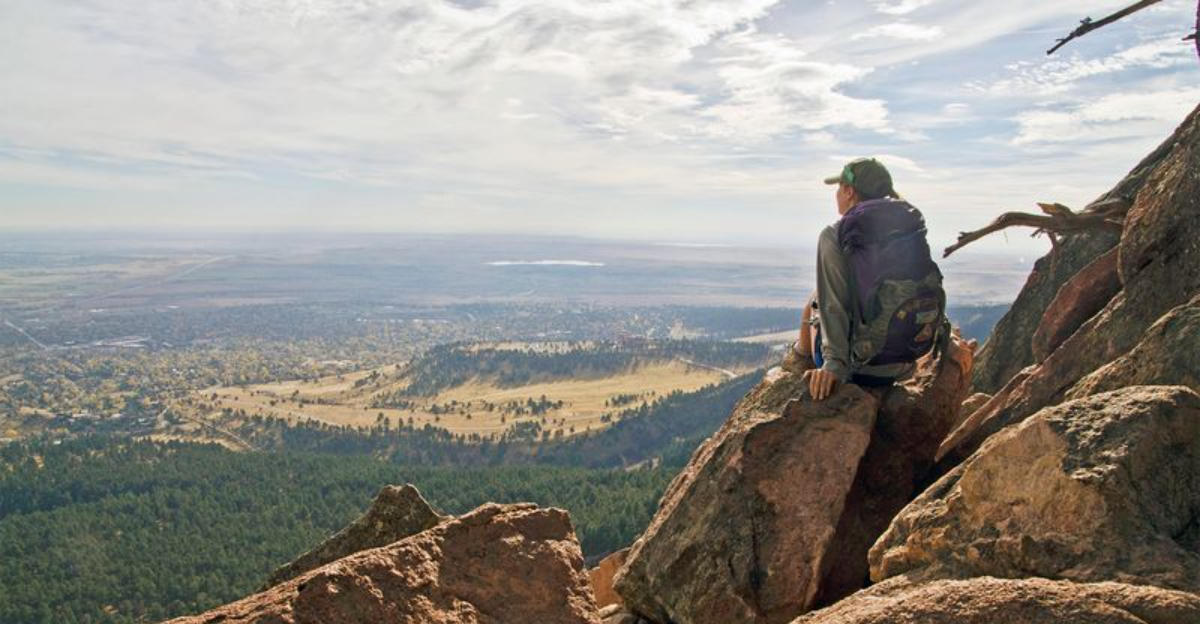
Planning a Colorado hike? Here’s a curveball from Boulder: it’s illegal to move, roll, or throw a boulder on public land. Sounds like a tongue twister, but it’s a real ordinance designed to protect fragile landscapes and keep trails intact. If you love quirky travel stories and want to avoid an awkward chat with a ranger, this guide breaks down the odd rule – and nine related surprises – that catch hikers off guard.
What To Do If a Rock Blocks the Trail
Resist the hero roll. Document the obstruction with a photo, mark your location, and report it to OSMP via their hotline or online form. Staff evaluate slope stability, drainage, and safety before removal. If it’s unsafe to pass, turn around – detours can damage vegetation and worsen erosion.
Rangers may post temporary closures while crews bring tools to stabilize tread or reroute. Your quick report speeds professional mitigation and keeps visitors safe. Meanwhile, consider it an unexpected micro-adventure: snack break, map check, alternate trail time.
Boulder’s system works best when hikers are observers, not improvised engineers.
Boulder’s Boulder Ban, Explained
Yes, Boulder bans boulder-moving. The city ordinance prohibits moving, rolling, or throwing rocks on public land to protect the ecosystem, prevent erosion, and preserve trail stability. It’s less about policing your picnic and more about safeguarding the geology that draws hikers here in the first place. Think of each rock as a keystone in a much larger natural puzzle – disturb one, and the ripple effects can be real.
Rangers use this rule to deter prank pushes, cairn-building, and impromptu landscaping. Practically, that means admire, photograph, and step around rocks – don’t shift them. Even small rocks can matter near restoration zones and waterways.
When in doubt, leave it be and report hazards to OSMP. The result? Trails that look wild tomorrow, not just today.
Why Rocks Matter to the Ecosystem
It’s not just aesthetics – rocks are tiny apartments and climate shields. Flip one and you evict insects, salamanders, and microbes that aerate soil and recycle nutrients. On steep slopes, one rolled stone can loosen others, accelerating erosion that carves ruts into beloved trails. Boulder’s law doubles as a stop sign for human tinkering, keeping microhabitats intact and water runoff predictable.
In alpine and foothill zones, lichen on rocks grows painfully slow; a single scrape erases decades. And cairn-building? It can mislead hikers off route and disrupt wildlife. The city frames rocks as ecosystem infrastructure: anchors for roots, shade for seedlings, and stepping-stones for hydrology.
Protecting them keeps slopes stable, creeks clearer, and trails safer. So when you resist the urge to nudge, you’re quietly doing habitat restoration by doing nothing.
How Big Is a “Boulder,” Really?
Geologists have definitions, but the law focuses on behavior and context. While “boulder” often means larger rock, rangers emphasize not disturbing any rocks that are part of the landscape. A softball-sized stone near a restoration site can be as off-limits as a refrigerator-sized block on a slope.
Classification gets fuzzy, so enforcement leans on common sense: if it looks like it belongs there, it should stay there. The safest rule is simple – don’t move rocks on public lands in Boulder. If a rock blocks the trail, report it via OSMP rather than DIY trailwork.
For climbing, use established routes and pads without rearranging landings. Ultimately, the ordinance reduces guesswork: size matters less than impact. When ambiguity strikes, hands off.
Trail Etiquette vs. The Law
Leave No Trace is the vibe; Boulder’s ordinance gives it teeth. Trail etiquette says don’t shortcut switchbacks, don’t build cairns, don’t rearrange landings. The law says definitely don’t roll or toss rocks. Together they keep fragile soil from unraveling and signage from being outshouted by rogue rock piles.
When you encounter loose stones, step carefully and alert staff rather than tidying the path. If you’re tempted to clear a landing zone for a photo, remember enforcement can include warnings or fines. OSMP crews maintain trails professionally; unasked “help” often creates hazards.
The best etiquette is deliberate restraint: walk on durable surfaces, observe closures, and let the landscape stay wild. Boulder’s gentle message: explore, don’t edit.
Climbers, Pads, and Landing Zones
Bouldering in Boulder? Great name synergy – just don’t redecorate the base. The law means no rolling stones to flatten landings or building stone “thrones” beneath problems. Bring a crash pad, spotters, and restraint. Use existing trails to approach and pack out brush you didn’t cut.
If a landing seems sketchy, choose a different line rather than rearranging geology. Local climbers embrace a pack-in, pack-out ethic and coordinate with groups like the Flatirons Climbing Council for stewardship days. Chalk up, not dig down. If you see loose blocks, report them; crews can assess safely.
This approach preserves both the vibe and the routes, making sure tomorrow’s send isn’t today’s scar.
Cairns, Art, and Accidental Vandalism
Stone stacks photograph beautifully – and mislead disastrously. In Boulder, unauthorized cairns violate both etiquette and, when built by moving rocks, the ordinance. They can lure hikers off-route, disturb critters, and divert water in storm events.
Rangers routinely dismantle them to restore natural flow and navigation. Want art? Try a photo, not a tower. Wayfinding cairns exist only where authorized; otherwise, trust maps, signs, and blazes. If you find a cairn party in progress, share why it’s harmful rather than shaming.
Collective nudges keep trails safer and landscapes wild.
Tying Into Wider Colorado Rules
Boulder’s rock rule slots into broader Colorado quirks that surprise hikers. Off-trail bans in sensitive zones, camping time limits, and fire restrictions all aim to protect fragile alpine systems. Don’t feed wildlife, keep dogs leashed where required, and skip public cannabis use even if it’s legal at home.
Some 14ers cross private land – liability waivers and posted warnings are increasingly common. Firearms rules vary by jurisdiction, so research before you carry. The theme: know local ordinances before lacing up.
Boulder’s version just happens to be rock-solid and a little funny.
Where You Can Still Get Hands-On
Hands itchy to do good? Channel that energy where it counts. Join sanctioned trail days with OSMP or volunteer groups to move materials under supervision – think wheelbarrows, not wild boulders. You’ll learn erosion control, drain dips, and rock armoring done by the book.
Climbing stewardship events tackle invasive plants and signage, not landing “improvements.” Educational programs explain why that single rock matters hydrologically. You still get the satisfaction of shaping the outdoors – ethically, safely, and legally.
Afterward, treat yourself to Boulder’s coffee scene and bask in the smug glow of lawful muscle work.
Practical Tips for Rock-Respectful Hiking
Before you go: check OSMP trail conditions, pack a map, and plan routes that avoid sketchy slopes. On trail: step over, not aside – don’t widen tread. Skip cairn-building, landing rearrangements, and rock art.
Keep dogs close; paws can dislodge stones. If you see movement-prone rocks, warn your group and pass one at a time. Report hazards with location details.
Afterward, share the story – “In Boulder, we don’t roll rocks” – to normalize the norm. It’s easy, memorable, and keeps the foothills fabulous.
Dear Reader: This page may contain affiliate links which may earn a commission if you click through and make a purchase. Our independent journalism is not influenced by any advertiser or commercial initiative unless it is clearly marked as sponsored content. As travel products change, please be sure to reconfirm all details and stay up to date with current events to ensure a safe and successful trip.
