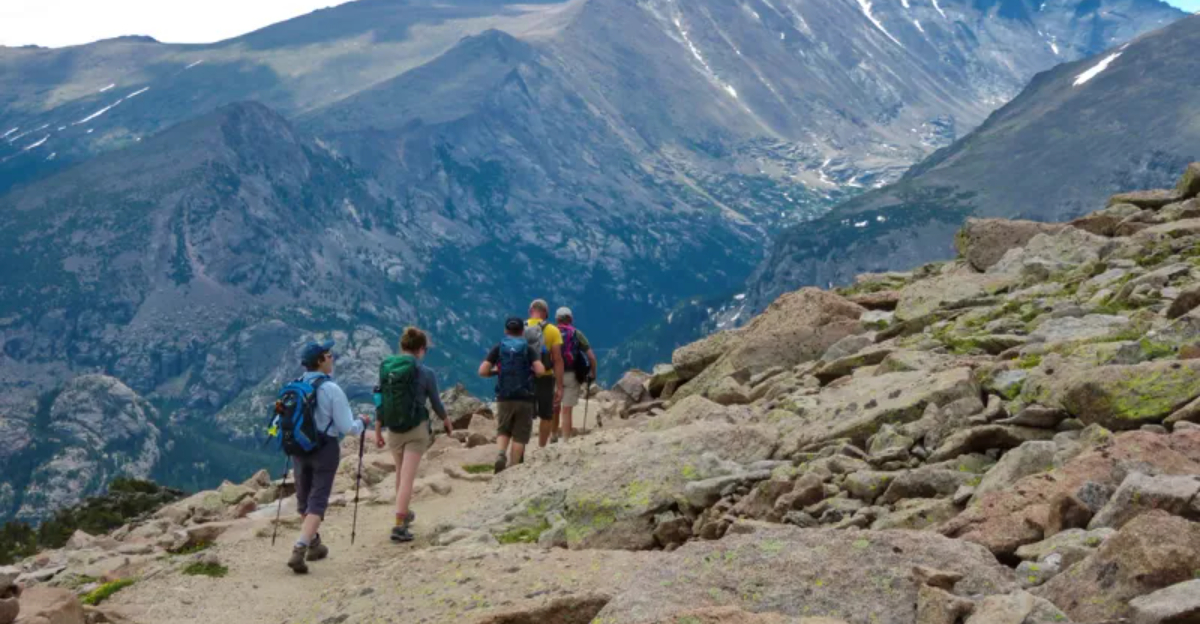
Colorado is famous for its stunning mountains, world-class ski resorts, and outdoor adventures that draw millions of visitors each year. But hidden among the beauty are some truly bizarre laws that catch tourists completely off guard.
Many of these quirky regulations are still on the books today, and breaking them could land you in hot water with local authorities or result in hefty fines.
1. Throwing Snowballs Can Get You in Trouble
Imagine visiting a winter wonderland and getting fined for tossing a snowball. Several Colorado towns, including Aspen, Glenwood Springs, and Boulder, have ordinances that ban throwing projectiles, which technically includes snowballs. Severance had a specific snowball ban until a determined child successfully lobbied to overturn it in 2018.
Aspen’s municipal code prohibits throwing missiles at people, buildings, or property, meaning that innocent snowball fight could turn into a legal headache. Most visitors have no idea that this childhood pastime might be against the law. Check local ordinances before starting that epic snowball battle with your friends or family.
2. Drunk Skiing Is Actually a Crime
Hitting the slopes after a few drinks might seem like harmless fun, but Colorado takes skiing safety seriously. The Colorado Ski Safety Act explicitly makes it illegal to use a ski lift or ski while under the influence of alcohol or controlled substances. This isn’t just a resort policy, it’s state law.
Violators face a petty offense charge with potential fines reaching up to $1,000. Ski patrol and law enforcement can stop and cite intoxicated skiers they observe on the mountain. Many tourists assume the rules only apply to driving, not realizing their après-ski celebration started too early and could result in criminal charges.
3. Boulder Bans Couches on Porches
College students and renters beware: that comfy couch on your porch could cost you. The City of Boulder has a specific ordinance prohibiting the use or storage of upholstered furniture not manufactured for outdoor use on porches, balconies, or yards. Officials enforce this rule primarily for fire safety and to prevent neighborhood blight.
Indoor furniture left outside can become fire hazards and deteriorate quickly in Colorado’s intense sun and weather. Tourists renting homes in Boulder might unknowingly violate this law by dragging indoor furniture outside for gatherings. Stick to proper outdoor furniture to avoid citations and keep your rental deposit intact.
4. Picking Too Many State Flowers Is Illegal
The Colorado Blue Columbine is stunning, delicate, and legally protected. State law makes it every citizen’s duty to protect this official state flower from needless destruction or waste. Uprooting the flower on public land is completely prohibited, and picking is strictly limited.
Visitors can only pick up to 25 stems, buds, or blossoms per day on public land, and must have explicit landowner consent on private property. Many tourists snap photos with these beautiful purple-and-white blooms without realizing that picking an armful for their hotel room breaks the law. Admire them in nature, take pictures instead, and leave them for others to enjoy.
5. Drunk Horseback Riding Has Consequences
You can’t get a DUI on a horse, right? Wrong, sort of. While a horse isn’t technically a motor vehicle under standard DUI laws, riding one while intoxicated can still land you in legal trouble. Colorado authorities can charge intoxicated riders with reckless endangerment, disorderly conduct, or other offenses if their behavior poses a danger.
Some jurisdictions may even consider a horse a vehicle under certain statutes. Tourists enjoying dude ranch experiences or mountain trail rides should keep their drinking for after they dismount. Law enforcement takes public safety seriously, regardless of your mode of transportation.
6. Defacing Rocks Lands You in Hot Water
That urge to carve your initials into a rock or take home a unique stone souvenir? Resist it completely. Colorado state park regulations and federal rules for national parks strictly prohibit damaging, defacing, or removing natural features like rocks. Any collection requires special permits that tourists typically don’t have.
Removing objects from national parks is always illegal, regardless of size. Many visitors don’t realize that stacking rocks, spray-painting boulders, or pocketing interesting specimens violates these laws. Rangers actively patrol and can issue substantial fines for violations. Leave nature exactly as you found it, future visitors will thank you.
7. Sidewalk Cycling Is Banned in Denver Business Areas
Pedaling along the sidewalk feels safer than navigating busy streets, but in Denver’s business districts, it’s actually illegal. City ordinances require cyclists to use the street rather than sidewalks in commercial areas unless it’s a designated bike route. This law aims to protect pedestrians from bicycle collisions.
Tourists renting bikes to explore downtown Denver often don’t know about this restriction and can be cited by police. The rule applies specifically to business districts, making it confusing for visitors unfamiliar with neighborhood boundaries. Look for bike lanes and designated routes, or walk your bike on sidewalks to stay legal and safe.
8. Feeding Wildlife Brings Serious Penalties
That adorable deer or curious squirrel might tempt you to share your snacks, but don’t do it. Colorado Parks and Wildlife strictly prohibits feeding any wildlife, treating it as harassment with significant fines attached. This law protects both animals and people from dangerous encounters.
Feeding disrupts animals’ natural foraging behavior, makes them dependent on humans, and can spread disease through unnatural congregation. Many tourists think they’re being kind by offering food, not realizing they’re breaking the law and endangering animals. Wild creatures need to stay wild, observe from a distance and keep your food to yourself for everyone’s safety.
9. Car Dealerships Must Close on Sundays
Planning to shop for a car on Sunday during your Colorado visit? You’ll find every dealership closed, and it’s not by choice. A statewide blue law, a remnant of older Sunday commerce restrictions, makes it illegal for licensed motor vehicle dealers to open or conduct sales on Sundays.
This quirky regulation surprises many tourists and transplants who expect seven-day shopping access. The law remains on the books despite modern commerce practices, giving dealership employees a guaranteed day off. If you’re car shopping while visiting Colorado, plan your dealership visits for Monday through Saturday to avoid wasted trips and closed doors.
10. Damaging Natural Features in Parks Is Prohibited
Beyond just rocks, all natural features in Colorado’s parks receive legal protection. State and federal regulations prohibit any damage, defacement, or unauthorized removal of natural elements including plants, geological formations, and archaeological artifacts. Rangers enforce these rules vigilantly to preserve Colorado’s natural heritage.
Tourists sometimes don’t realize that moving logs, disturbing soil, or collecting pine cones in certain areas violates these protections. Even well-intentioned actions like building cairns or creating shelters can damage ecosystems. Always check park regulations before interacting with any natural features, and remember that these laws exist to protect Colorado’s beauty for generations to come.
Dear Reader: This page may contain affiliate links which may earn a commission if you click through and make a purchase. Our independent journalism is not influenced by any advertiser or commercial initiative unless it is clearly marked as sponsored content. As travel products change, please be sure to reconfirm all details and stay up to date with current events to ensure a safe and successful trip.
