Texas is a land of contradictions, where cowboy culture meets cutting-edge innovation, and where the strangest collections find homes in unassuming small towns scattered across the vast landscape.
From the Panhandle to the Gulf Coast, these quirky museums celebrate everything from toilet seats transformed into art to buildings made entirely of salt blocks.
Travelers seeking something beyond the typical tourist trail discover that Texas’s small-town museums offer unforgettable glimpses into the eccentric passions and peculiar histories that make the Lone Star State truly one of a kind.
These destinations aren’t just about preserving the past; they’re about celebrating the weird, wonderful, and utterly memorable moments that stick with you long after you’ve returned home.
1. The Salt Palace Museum – Grand Saline
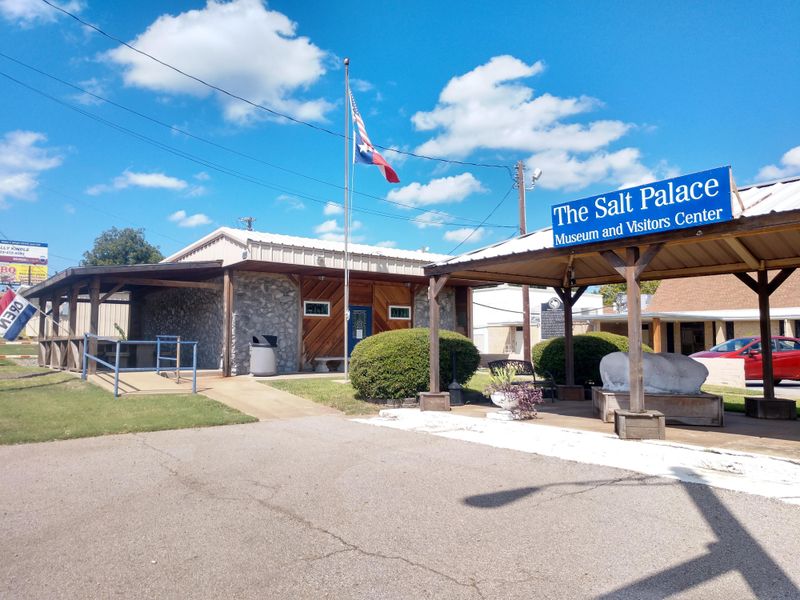
This striking landmark stands as both a museum and a symbol of the town’s deep connection to salt mining.
Its unusual construction immediately signals that this is no ordinary historical attraction.
The building itself serves as the first and most memorable exhibit.
Grand Saline sits atop one of the largest underground salt deposits in the entire United States, a geological treasure that has shaped the town’s identity for well over a century.
The Salt Palace Museum celebrates this mineral heritage in the most literal way imaginable: the entire building is constructed from 20,000 blocks of pure salt mined from beneath the East Texas soil.
Walking into this crystalline structure feels like stepping into a sparkling cave, where the walls glitter under the lights and the air carries a faint mineral scent that reminds visitors of ocean breezes.
Inside, exhibits trace the fascinating geological story of how ancient seas evaporated millions of years ago, leaving behind massive salt formations that extend more than 16,000 feet below the surface.
The museum showcases antique mining equipment, historical photographs of salt workers, and detailed explanations of how salt extraction evolved from manual labor to modern industrial processes.
Children love touching the salt walls and learning that the building literally dissolves a tiny bit during rainy weather, requiring periodic maintenance with fresh salt blocks.
The museum also explores salt’s crucial role in human civilization, from food preservation to religious ceremonies, making connections between Grand Saline’s industry and world history.
Local guides share stories about the town’s annual Salt Festival and the quirky tradition of electing a Salt Queen each year.
Visitors often leave with small bags of locally mined salt, a tangible souvenir from one of Texas’s most unusual architectural wonders.
The combination of natural history, industrial heritage, and sheer novelty makes this museum a memorable stop that travelers reference in conversations for years afterward.
Address: 100 W.
Garland Street, Grand Saline, Texas.
2. Barney Smith’s Toilet Seat Art Museum – The Colony
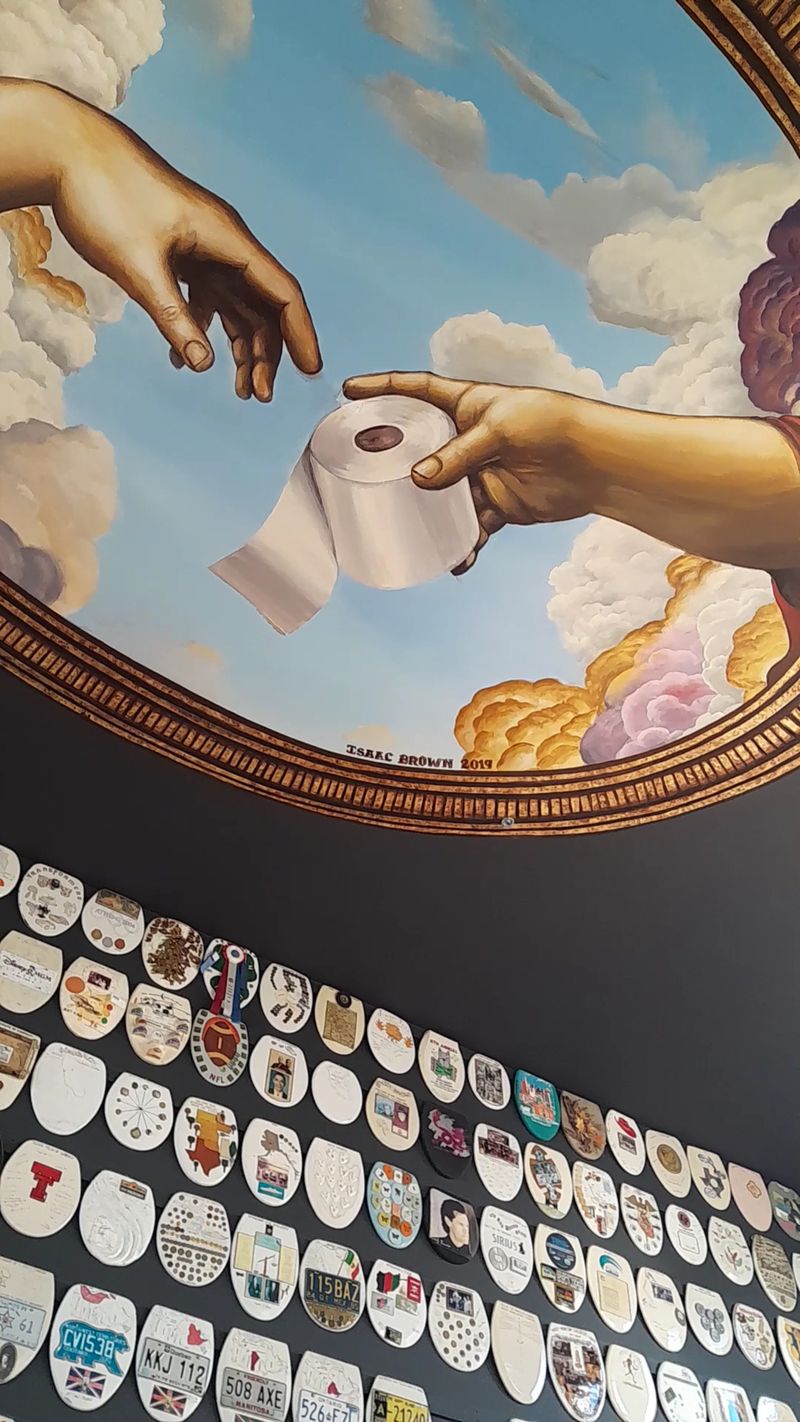
This offbeat museum transforms humor and craftsmanship into an unexpectedly meaningful experience.
Its collection reflects decades of dedication to creativity found in the most unlikely materials.
The setting reinforces the personal nature of the art on display.
Retired master plumber Barney Smith spent decades transforming ordinary toilet seats into extraordinary works of art, creating a collection that eventually numbered over 1,400 decorated lids.
His garage museum in The Colony became a pilgrimage site for curious travelers who heard whispers about the man who turned bathroom fixtures into canvases for creativity and storytelling.
Each toilet seat in the collection tells a different story, adorned with coins from distant countries, license plates from all fifty states, military insignia, sports memorabilia, and even a genuine piece of the Berlin Wall.
Barney welcomed visitors personally for many years, enthusiastically explaining the inspiration behind each creation and sharing tales from his decades as a plumber encountering the unexpected in people’s bathrooms.
The seats cover every conceivable theme: holidays, historical events, famous personalities, natural disasters, and personal milestones sent to Barney by admirers worldwide.
One seat commemorates the space shuttle Challenger, another celebrates Texas wildflowers, and yet another features authentic sand from beaches across the globe.
The museum demonstrates how everyday objects can become art when someone applies imagination, patience, and an unapologetic embrace of the absurd.
After Barney’s passing, his collection found a new home to ensure these quirky treasures would continue entertaining future generations.
Visitors consistently describe the experience as hilarious, touching, and surprisingly thought-provoking, as the toilet seats serve as time capsules documenting American culture through unconventional means.
The museum proves that art doesn’t require fancy galleries or pretentious explanations; sometimes the most memorable creativity emerges from the most unexpected places and materials.
Address: 3310 Cottonwood Springs Drive, The Colony, Texas.
3. The Texas Prison Museum – Huntsville
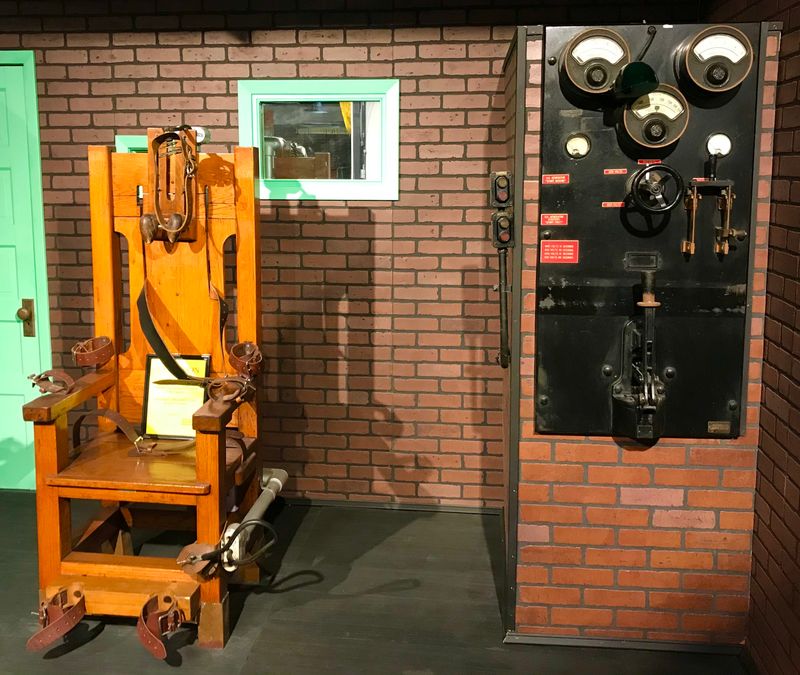
This museum confronts visitors with a raw and uncompromising chapter of state history.
Its exhibits prioritize education over comfort, encouraging serious reflection.
The setting amplifies the gravity of the stories presented inside.
Huntsville has long been known as the home of multiple Texas Department of Criminal Justice facilities, and the Texas Prison Museum offers visitors an unflinching look at the state’s complex correctional history.
The museum occupies a former prison administration building, immediately setting an authentic atmosphere that makes the exhibits feel especially real and immediate.
Displays include actual contraband weapons ingeniously crafted by inmates from everyday materials like toothbrushes, spoons, and pieces of metal, showcasing disturbing creativity born from desperation.
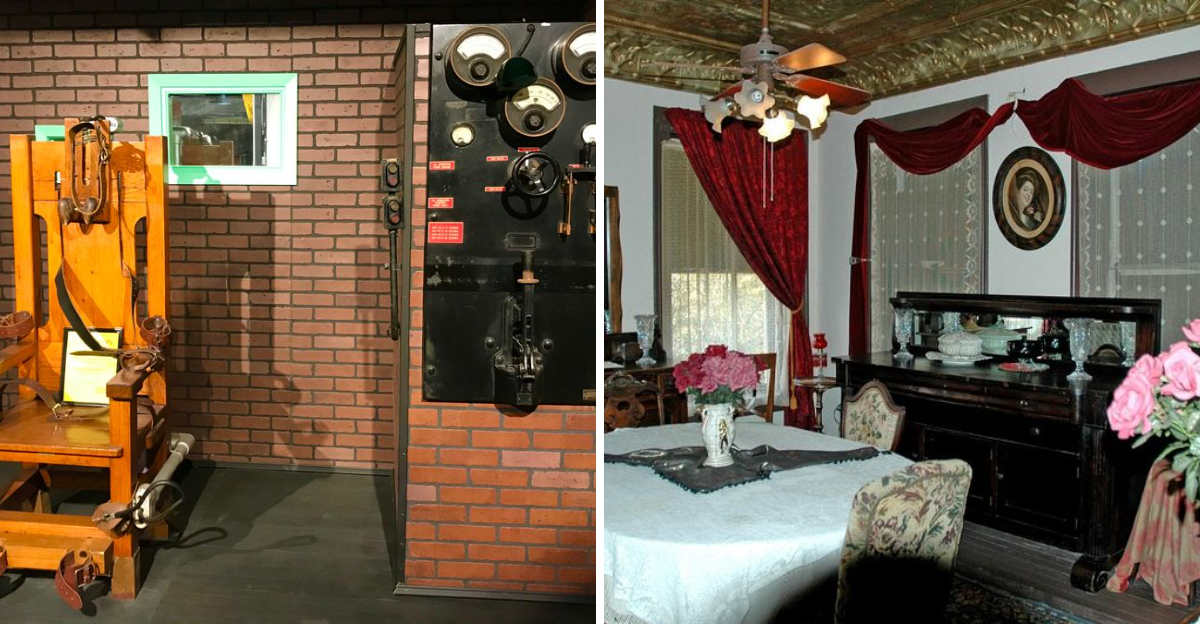
One of the most sobering exhibits features Old Sparky, the electric chair that was used for executions in Texas from 1924 until 1964, a stark reminder of capital punishment’s history in the state.
Visitors can see replica prison cells that demonstrate the cramped living conditions inmates endured throughout different eras, from 19th-century lockups to modern facilities.
The museum doesn’t shy away from difficult topics, presenting information about famous Texas criminals, prison breaks, riots, and the evolution of rehabilitation programs.
Exhibits also highlight the daily lives of correctional officers and staff, acknowledging the challenges and dangers they face while maintaining order and safety.
Historical photographs, uniforms, documents, and personal stories create a comprehensive picture of how Texas’s approach to incarceration has changed over more than 175 years.
Many visitors report feeling deeply affected by the experience, gaining new perspectives on crime, punishment, and the human capacity for both terrible acts and redemption.
The museum serves educational purposes while also functioning as a thought-provoking memorial to a difficult aspect of Texas history that continues shaping contemporary debates about justice.
Address: 491 State Highway 75 North, Huntsville, Texas.
4. Pharmacy & Medical Museum – Cuero
This carefully preserved space captures a pivotal moment in medical history.
Its displays reveal how science, commerce, and community once intersected.
The museum offers insight into everyday healthcare before modern regulation.
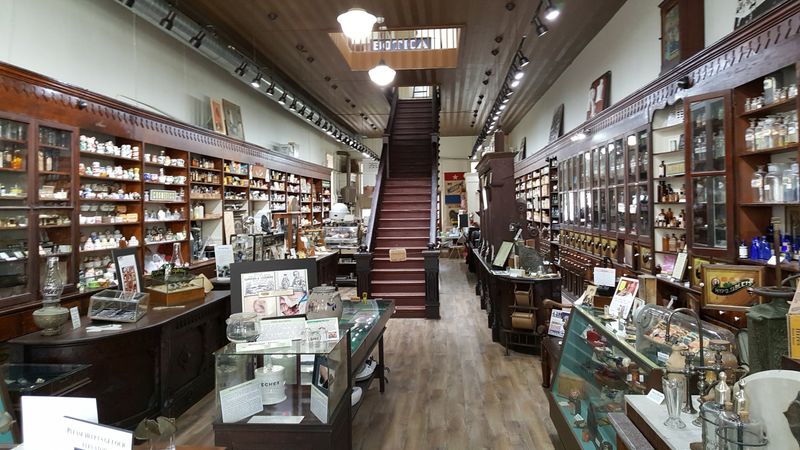
Cuero’s Pharmacy & Medical Museum preserves an authentic early 20th-century drugstore, complete with original wooden fixtures, glass display cases, and hundreds of vintage pharmaceutical products that seem frozen in time.
The museum occupies what was once Schroeder’s Drug Store, a beloved community gathering place where locals came not just for medicines but for socializing at the soda fountain counter.
Shelves are stocked with bottles of elixirs, tonics, and patent medicines that promised to cure everything from tuberculosis to female hysteria, many containing ingredients like cocaine, alcohol, and opium that would be illegal today.
The beautifully restored soda fountain still features its original marble countertop, ornate metal fixtures, and the tall stools where generations of Cuero residents sat to enjoy ice cream sodas and phosphates.
Medical equipment on display includes frightening-looking surgical instruments, early stethoscopes, bloodletting tools, and primitive dental equipment that makes modern dentistry seem positively luxurious by comparison.
Apothecary tools like mortars and pestles, pill rollers, and powder scales demonstrate how pharmacists once compounded medications by hand, carefully mixing ingredients according to doctors’ prescriptions.
The museum also features vintage advertising posters with claims so outrageous they’re unintentionally hilarious, promising miracle cures and perpetual youth through products that were often useless or downright dangerous.
Visitors gain appreciation for modern medical regulations and pharmaceutical standards while marveling at how much healthcare has advanced in just a few generations.
The nostalgic atmosphere transports guests to an era when the local pharmacist was a trusted community figure who knew every customer by name and their family’s medical histories.
This charming museum reminds us that progress in medicine has been dramatic, and what once passed for healthcare would shock contemporary sensibilities with its combination of ignorance and misplaced confidence.
Address: 301 East Main Street, Cuero, Texas.
5. Miss Hattie’s Bordello Museum – San Angelo
This preserved site offers rare insight into a hidden layer of frontier society.
Its authenticity challenges simplified narratives of Western history.
The museum prioritizes context and realism over sensationalism.
Miss Hattie’s Bordello operated openly in downtown San Angelo from 1902 until 1946, serving cowboys, ranchers, soldiers, and businessmen in an era when such establishments existed in most Texas towns.
The building remained virtually untouched after closing, preserving intact rooms that offer an authentic glimpse into the reality of frontier prostitution, far removed from romanticized Hollywood portrayals.
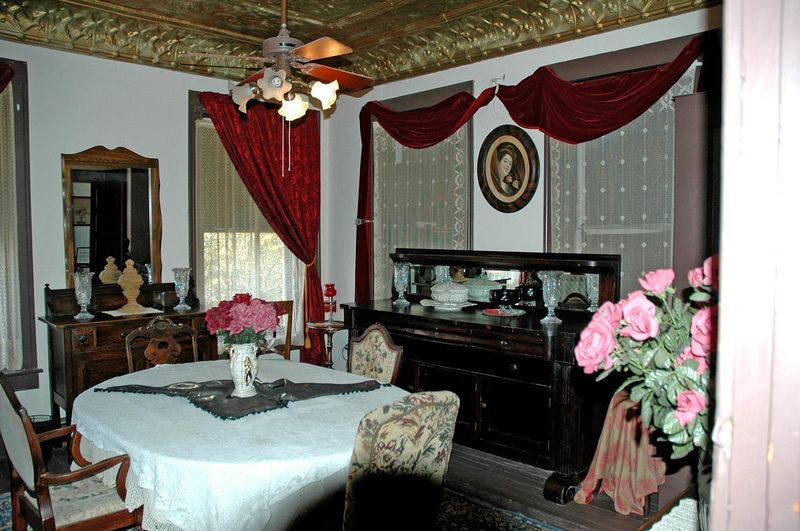
Guided tours lead visitors through the ornate parlor where clients were entertained with music and drinks, then upstairs to the small, surprisingly modest bedrooms where the working women conducted business.
Each room reflects different levels of luxury depending on the prices charged, from basic quarters for lower-paid encounters to Miss Hattie’s own elaborate suite with fine furnishings and decorative touches.
Original furniture, clothing, photographs, and personal items belonging to the women who worked there create an intimate connection to real people whose stories are often erased from official histories.
The museum doesn’t glorify or condemn the bordello but presents it as a complex social institution that provided income for women with limited options while serving a community demand.
Guides share fascinating details about daily operations, including the doctor who made weekly visits, the discrete back entrance for prominent citizens, and the relationships some women formed with regular customers.
Visitors learn about the various backgrounds of the women who worked at Miss Hattie’s, including immigrants, widows, and those escaping abusive situations, complicating simplistic judgments about their choices.
The museum also explores how attitudes toward prostitution changed over decades, leading to the establishment’s eventual closure as San Angelo grew more conservative and respectable.
This museum stands out because it treats a controversial subject with honesty and historical accuracy, acknowledging an aspect of Western history that many communities prefer to forget or sanitize beyond recognition.
Address: 18 East Concho Avenue, San Angelo, Texas.
6. The Devil’s Rope Museum – McLean
This museum transforms a utilitarian object into a compelling historical subject.
Its focus reveals how technology can reshape entire societies.
The collection reframes barbed wire as a catalyst rather than a curiosity.
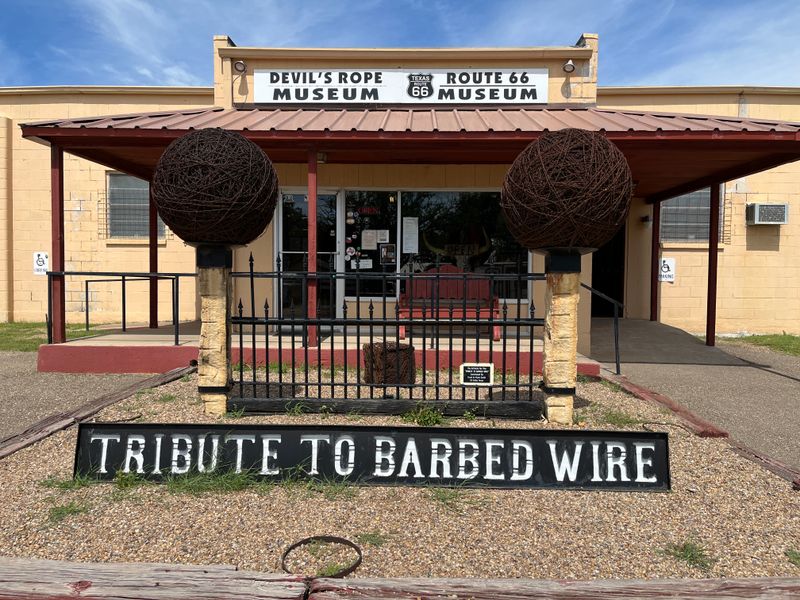
McLean might seem like just another small town along historic Route 66, but it houses the world’s most comprehensive collection dedicated to barbed wire, that humble invention that transformed the American West forever.
The Devil’s Rope Museum celebrates the prickly fencing material that cowboys despised because it ended the era of open range grazing, earning its sinister nickname from those who saw it as an evil contraption.
Display cases contain over 2,400 varieties of barbed wire, showcasing the incredible diversity of designs patented between the 1860s and early 1900s as inventors competed to create more effective livestock barriers.
Each wire variation features different barb shapes, spacing patterns, and strand configurations, and enthusiasts can actually identify specific types by sight, much like birdwatchers distinguish species.
The museum explains how barbed wire enabled farmers to protect crops from wandering cattle, allowed ranchers to control breeding, and ultimately made large-scale agriculture possible on the Great Plains.
Beyond the wire itself, exhibits include antique fencing tools, historical photographs of fence-building crews, and documentation of the violent range wars that erupted as open land was carved into private property.
Wire sculptures created by artists demonstrate that even this industrial material can become medium for creativity, with intricate designs ranging from cowboy figures to elaborate abstract pieces.
The museum also preserves Route 66 memorabilia, connecting McLean’s roadside heritage with its agricultural history in a broader narrative about American expansion and innovation.
Visitors often arrive skeptical that an entire museum could be interesting when devoted to fencing wire, but most leave genuinely fascinated by how such a simple invention reshaped landscapes, economies, and ways of life.
The Devil’s Rope Museum proves that even the most mundane objects have compelling stories when examined with curiosity and placed in proper historical context.
Address: 100 Kingsley Street, McLean, Texas.
Dear Reader: This page may contain affiliate links which may earn a commission if you click through and make a purchase. Our independent journalism is not influenced by any advertiser or commercial initiative unless it is clearly marked as sponsored content. As travel products change, please be sure to reconfirm all details and stay up to date with current events to ensure a safe and successful trip.
