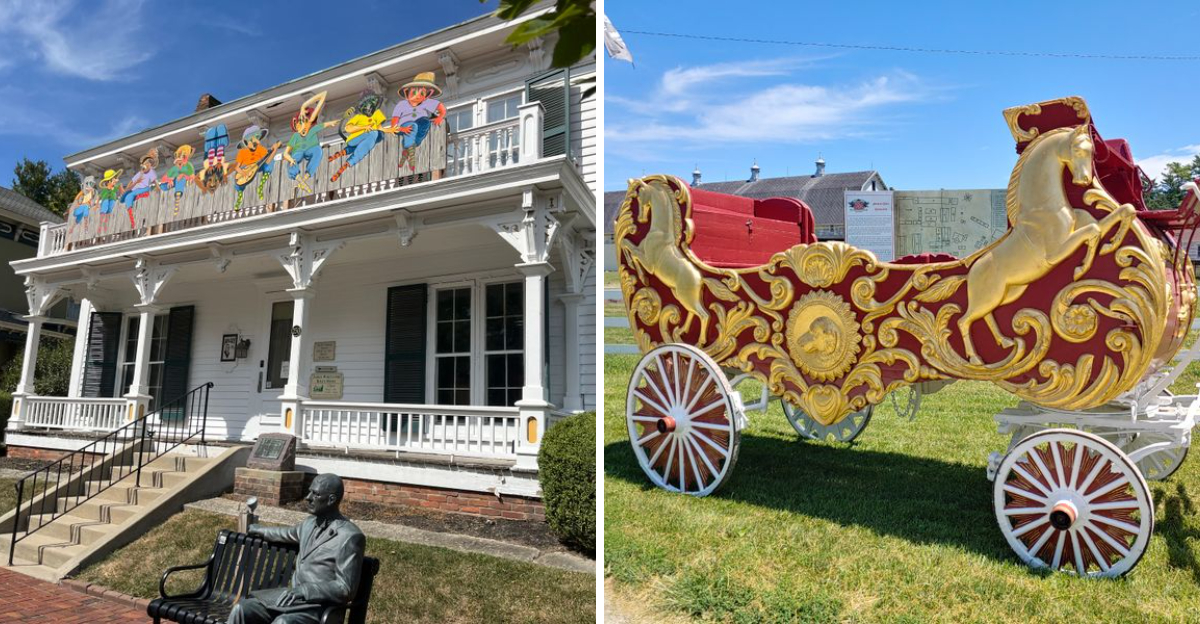
Indiana hides some of the most unusual museums you will ever visit tucked away in its charming small towns.
These quirky collections celebrate everything from vintage cooling devices to old-fashioned jails that actually rotated.
Road tripping through the Hoosier State becomes an adventure when you explore these offbeat attractions that showcase the weird and wonderful side of history.
Whether you love superheroes, ice cream, circus performers, or bizarre medical equipment, Indiana has a museum that will surprise and delight you.
Pack your bags and prepare for a journey through seven of the strangest and most fascinating museums that prove small towns hold big surprises.
Each stop offers a unique glimpse into unusual passions and forgotten stories that make Indiana truly special.
Get ready to discover museums that will make you laugh, scratch your head, and appreciate the wonderfully weird world around us.
Antique Fan Museum
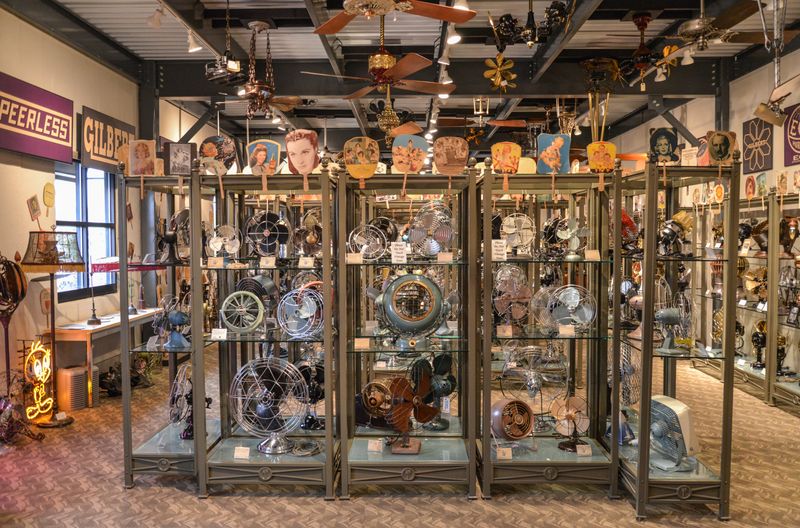
Cooling off has never been so fascinating as it is at this unique museum located at 10983 Bennett Pkwy, Zionsville, IN 46077.
While Kurt House started this journey in the 1980s, the collection is now housed within the headquarters of Fanimation, where it has grown into one of the most unusual displays in the entire Midwest.
Today, visitors can explore over 2,000 vintage fans spanning more than a century of cooling technology.
Walking through the exhibits feels like stepping back in time to see how people stayed comfortable before air conditioning became common.
You will find ornate Victorian desk fans with brass blades, early electric models from the 1900s, and even steam-powered fans from the 1800s.
The collection includes fans shaped like airplanes, art deco masterpieces, and bizarre designs that look more like sculptures than appliances.
Each piece tells a story about American ingenuity and our constant quest for comfort.
What makes this museum truly special is the access to such a vast private history.
While it was once appointment-only, as of 2026, the museum is open to the public during regular business hours (Monday–Friday, 10:00 AM – 4:00 PM).
Photography is highly encouraged, and admission is free, though donations are appreciated.
After your visit, downtown Zionsville offers charming brick streets lined with shops and restaurants perfect for lunch, making this an easy and affordable stop for any road tripper.
Hall of Heroes Superhero Museum
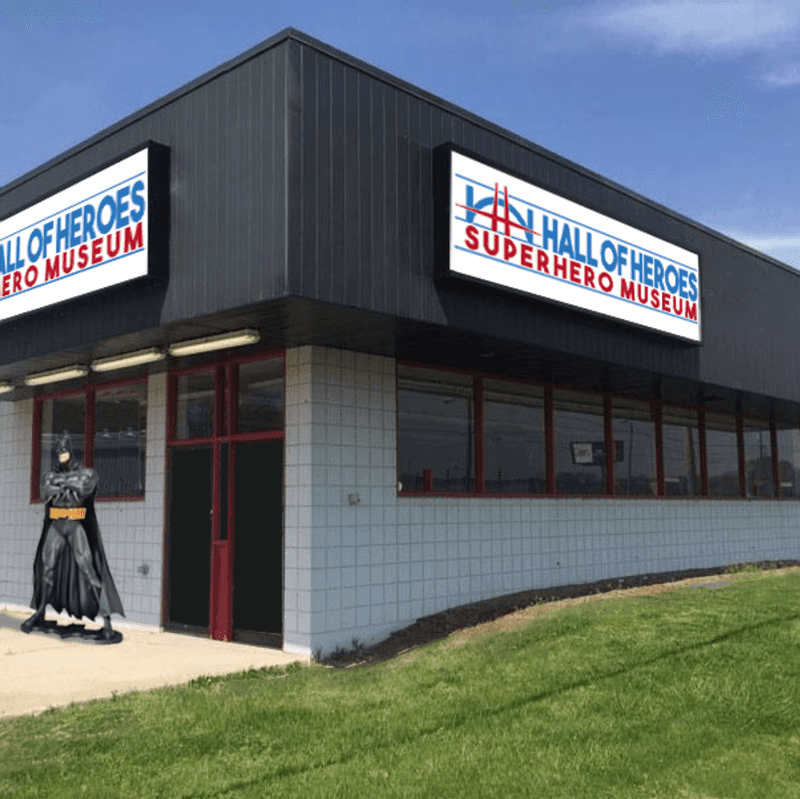
Every comic book fan dreams of a place where superheroes come alive, and that dream exists at 1915 Cassopolis St, Elkhart, IN 46514.
Allen Stewart transformed his lifelong passion into a world-class museum that celebrates the history of caped crusaders.
As of 2026, the museum remains a must-visit, especially with the Hall of Heroes Comic Con scheduled for May 30–31, 2026, which brings the entire community together.
The moment you walk through the doors, you are surrounded by life-size statues and rare treasures, including the original shield used by Captain America in the films.
Glass cases display rare comic books worth thousands of dollars, including first appearances of iconic characters.
The museum does not just focus on mainstream heroes; it dives deep into the Golden Age, featuring rare toys and original animation cels that you won’t find anywhere else in the world.
Interactive displays let kids pose with props, making this a hands-on experience rather than just looking at items behind glass.
Allen and his staff often share fascinating stories about how they acquired rare pieces, like the 1960s Batmobile replica or screen-used costumes.
Admission fees remain family-friendly, and the museum welcomes visitors of all ages who appreciate heroic adventures and the colorful storytelling that inspires imagination.
International Circus Hall of Fame
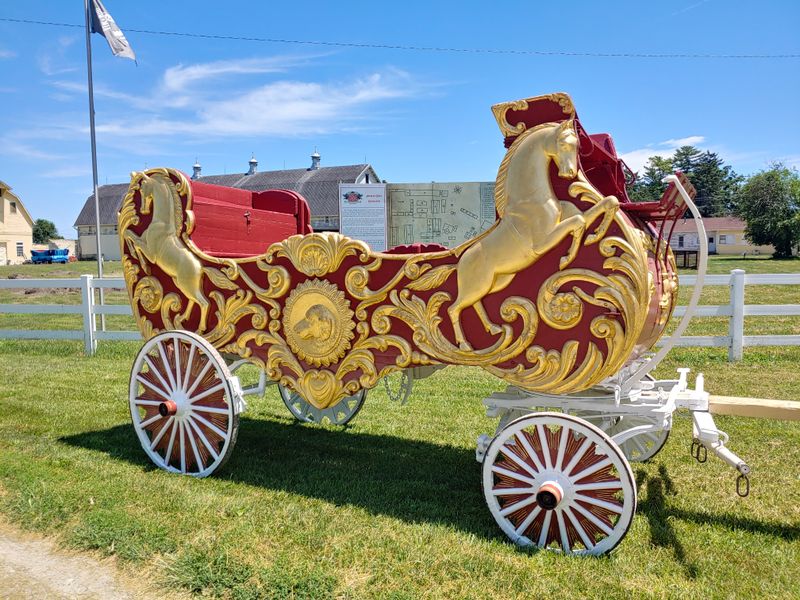
Peru, Indiana earned its nickname as the Circus Capital of the World, and you can discover why at 3076 E Circus Ln, Peru, IN 46970.
For decades during the early 1900s, multiple circus companies made Peru their winter headquarters, bringing elephants and acrobats to this small town.
For the 2026 season, the Hall of Fame is celebrating with Circus Days on June 6 and a special Circus Model Builders exhibit from July 16–18.
Vintage circus wagons painted in brilliant colors sit throughout the property, each one meticulously restored to show how performers traveled.
Inside the museum buildings, you will find sequined costumes worn by famous trapeze artists and posters advertising death-defying acts.
The collection includes equipment used by legendary tightrope walkers and items that belonged to the famous animals of the “Big Top.”
During the summer, the museum atmosphere comes alive, connecting you directly to a tradition that stretches back centuries.
The grounds also feature a circus cemetery where performers who died while wintering in Peru were laid to rest, adding a poignant reminder of the dangers of circus life.
This museum offers a nostalgic look at an entertainment form that once captivated America, preserved in the very place where the magic spent its winters.
Rotary Jail Museum
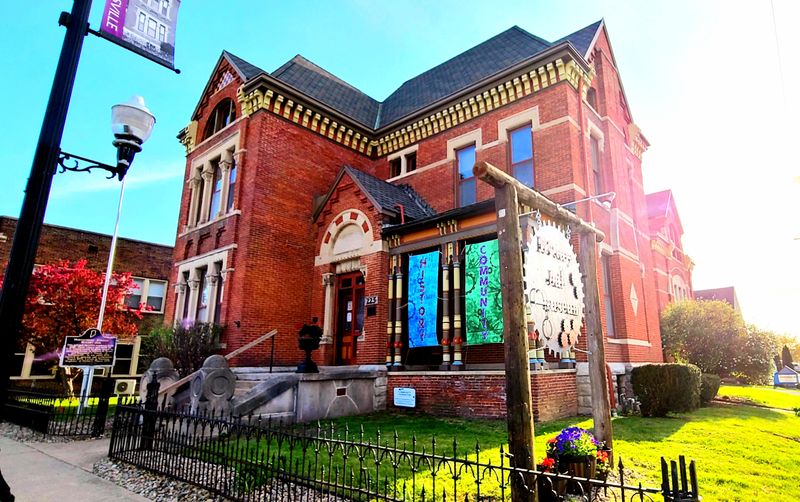
Imagine being locked in a jail cell that literally spins around like a carousel, and you will understand why this museum at 225 N Washington St, Crawfordsville, IN 47933 is so bizarre.
Built in 1882, the Rotary Jail represented a revolutionary idea in prison design that turned out to be more nightmare than innovation.
The entire cell block rotated on a central axis, allowing one jailer to control access to all cells by simply turning a crank.
As of 2026, this landmark remains the only operational rotary jail left in the country that can still spin.
While the design was intended to be efficient, it was eventually condemned because inmates’ limbs would often get caught in the bars as the structure rotated.
Today, visitors can take a guided tour and actually witness the massive steel structure move, a mechanical marvel that is both impressive and eerie.
The museum also serves as the Montgomery County Cultural Center, housing local history exhibits and art.
Walking through the wedge-shaped cells gives you a chilling sense of what life was like for the prisoners held here until the jail was decommissioned in the 1970s.
It is a rare piece of architectural history that proves sometimes the most “advanced” inventions of the past were the most terrifying.
Zaharakos Ice Cream Parlor and Museum
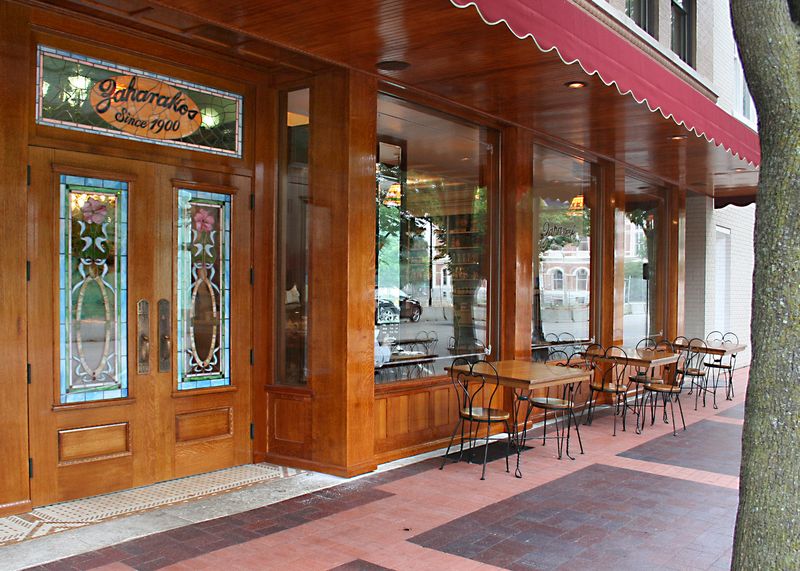
Step back to 1900 when ice cream was served in an elegant setting complete with marble counters and Tiffany glass at 329 Washington St, Columbus, IN 47201.
The Zaharakos family opened their confectionery in 1900, and remarkably, the business still operates in its original location with most of the antique fixtures intact.
This is not just a museum where you look at old things behind glass; you can actually sit at the vintage soda fountain and order treats just like customers did over a century ago.
The interior dazzles with its original Mexican onyx soda fountain, stunning stained glass windows, and an incredibly rare self-playing musical orchestrion that fills the space with mechanical music.
Only a few of these massive automated instruments still exist, and hearing one play feels like magic as drums, cymbals, pipes, and strings perform complex arrangements without any human musicians.
Antique soda dispensers line the marble counter, and the menu includes old-fashioned treats like phosphates, egg creams, and ice cream sodas made with authentic recipes from the early 1900s.
The ice cream itself is delicious, but the real treat is enjoying it while surrounded by museum-quality artifacts that are still in daily use.
The basement houses additional museum exhibits showcasing vintage candy-making equipment, advertising materials, and photographs documenting the building’s history through multiple generations.
You will learn how ice cream parlors served as important social gathering places before modern entertainment options existed.
The Zaharakos family maintained incredible attention to detail when restoring the building, even tracking down period-appropriate fixtures to replace items that had been damaged or lost over the decades.
Today, the parlor operates as both a working business and a living museum, proving that history does not have to be boring or lifeless when you can taste, hear, and experience it directly through all your senses.
James Whitcomb Riley Boyhood Home and Museum
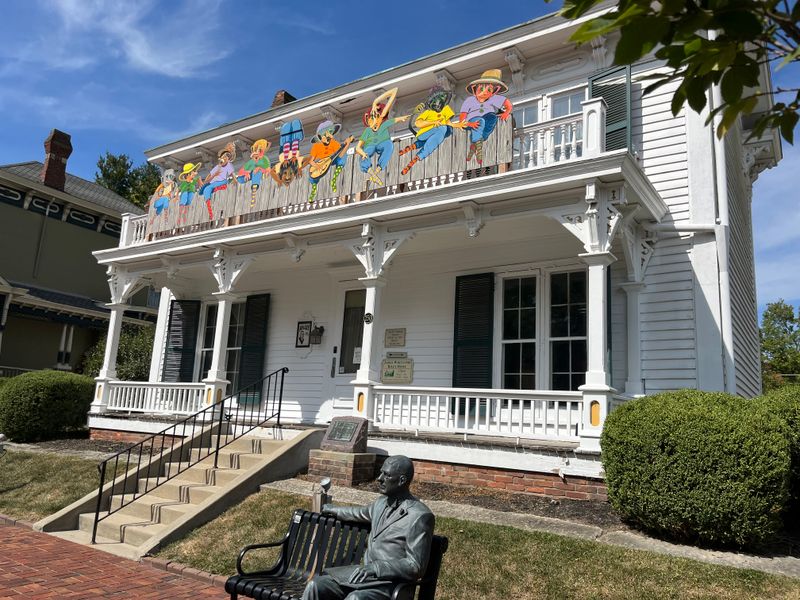
Poetry might not seem weird at first, but when you visit the childhood home of Indiana’s most famous poet at 250 W Main St, Greenfield, IN 46140, you discover the quirky world that shaped his imagination.
James Whitcomb Riley became known as the Hoosier Poet, writing verses that captured rural Indiana life in dialect that made readers laugh and cry.
His most famous poem, “Little Orphant Annie,” inspired the comic strip character and warned children that goblins would get them if they did not watch out.
The modest two-story home where Riley spent his formative years has been preserved to look exactly as it did in the 1850s and 1860s.
Period furnishings fill each room, and guides share stories about young Riley’s mischievous nature and early attempts at writing that often got him in trouble at school.
What makes this museum unusual is how it celebrates a literary figure who embraced the weird and spooky in his work.
Riley wrote extensively about ghosts, goblins, strange creatures, and supernatural events that supposedly happened around Indiana, making him an early master of Midwestern gothic storytelling.
The museum displays original manuscripts showing Riley’s distinctive handwriting and his creative process of crafting poems that mixed humor with genuine eeriness.
You will see the desk where he wrote some of his most famous works and personal items that reveal his personality beyond the published verses.
Special events throughout the year include poetry readings, writing workshops, and Halloween celebrations that honor Riley’s spooky storytelling tradition.
The museum staff does an excellent job explaining why Riley’s work mattered to American literature and how his use of dialect preserved the way ordinary Hoosiers actually spoke.
Even if you are not normally a poetry fan, this museum makes Riley’s life and work accessible and interesting by connecting his writing to the real places and people who inspired him throughout his remarkable career.
Indiana Medical History Museum
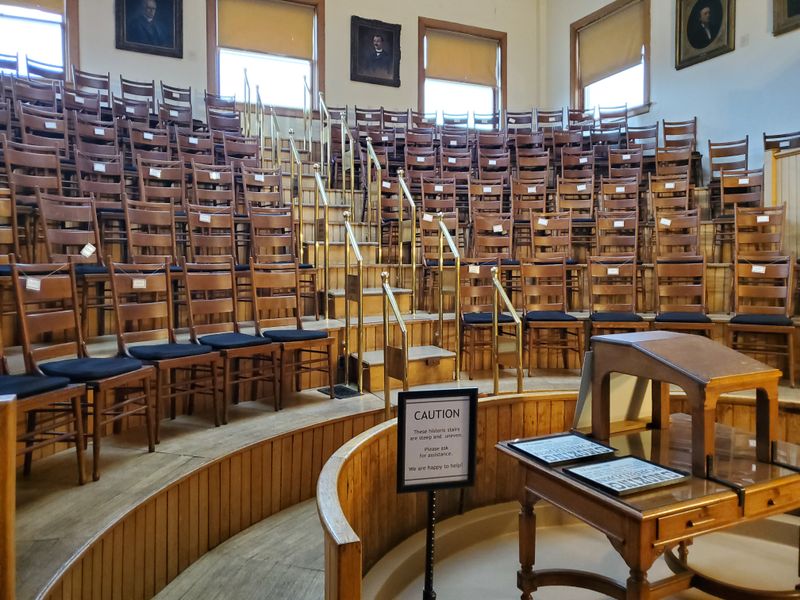
Few museums can match the genuinely unsettling atmosphere you will experience at 3270 Kirkbride Way, Indianapolis, IN 46222, located on the grounds of a former psychiatric hospital.
The Old Pathology Building served Central State Hospital from 1896 until the 1960s, and walking through its preserved rooms feels like entering a time capsule of medical practices that now seem shocking and inhumane.
This is hands-down the creepiest museum on this list, but it offers invaluable lessons about how mental health treatment has evolved.
The building contains the original autopsy room, surgical amphitheater, laboratories, and specimen collection rooms, all maintained exactly as doctors left them decades ago.
Antique medical instruments line glass cases, including devices used for now-discredited treatments like hydrotherapy and lobotomies that were once considered cutting-edge science.
Shelves hold preserved anatomical specimens in jars, brain tissue samples, and other biological materials collected during autopsies performed on hospital patients.
The collection serves important educational purposes, helping modern medical students understand the history of their profession and the mistakes previous generations made in the name of healing.
The surgical amphitheater features tiered seating where medical students once watched procedures performed on living patients, often without anesthesia or proper consent.
Standing in this space confronts you with uncomfortable truths about how society treated people with mental illness and developmental disabilities.
Tours are led by knowledgeable guides who explain the historical context behind each exhibit without glorifying or sensationalizing the disturbing aspects.
You will learn about pioneering doctors who made genuine advances in understanding the brain alongside cautionary tales about overconfidence and ethical failures.
The museum does not shy away from discussing the dark history of psychiatric institutions, including forced sterilizations and experimental treatments that harmed vulnerable patients.
This honesty makes the museum powerful and important rather than just morbidly fascinating, reminding us why patient rights and ethical oversight matter so much in modern medicine today.
Dear Reader: This page may contain affiliate links which may earn a commission if you click through and make a purchase. Our independent journalism is not influenced by any advertiser or commercial initiative unless it is clearly marked as sponsored content. As travel products change, please be sure to reconfirm all details and stay up to date with current events to ensure a safe and successful trip.
