Wisconsin has a talent for feeling charming and sensible until you stumble across a law that sounds like it was pulled from a comedy sketch. Some rules here are so oddly specific that they feel invented, yet they are still written into local codes and state lore.
Many of these laws date back to farming life, early town planning, and attempts to keep order in small communities where everyone knew each other. Over time, they stuck around, even as daily life changed and the original reasons faded into history.
Tourists often hear these rules as trivia, but a few are grounded in real ordinances that towns never bothered to erase.
From strange public behavior restrictions to niche regulations that make locals laugh, Wisconsin’s legal quirks reveal how practical concerns can turn into legendary oddities.
Knowing about them is not just entertaining. It is a fun way to understand how history, culture, and bureaucracy quietly shape everyday life in the Badger State.
1. Colored Margarine Has Weird Rules

You ever hear the one about colored margarine needing special treatment in Wisconsin? It sounds like a prank, but this place really did get particular about how anything butter-like showed up on shelves.
The gist is that the state cares how products are labeled and presented, and margarine was once the notorious stand-in that had to clear hurdles.
Picture a quiet grocery aisle in Eau Claire, and a clerk who can tell you which tub belongs where.
What sticks with me is the way a rule like this turns a routine errand into a tiny history lesson. You spot a label and think about old farm politics and why dairy terms still matter.
It is not just nostalgia, though. Retailers still mind the difference because Wisconsin takes its dairy identity seriously, and honestly, you feel that everywhere.
Walk into a market in Madison and the cooler reads like a legal document that learned to smile.
You are not confused, but you are definitely being guided.
Traveling with friends, the conversation usually becomes a game of guess the rule. We stand there comparing packaging like amateur detectives with carts.
Is this annoying or kind of charming? I vote charming, mostly because it turns a bland shelf into a story you can retell later.
So if a clerk nudges you toward the butter with a knowing grin, just roll with it. In Wisconsin, even the spread on toast has a backstory.
2. Milk Sales Have Strict Standards

Here is a rule that feels very Wisconsin the second you hear it. Milk is not just milk here, it is a promise sealed by strict standards that make inspectors nod and clipboards happy.
You notice it when you read labels in places like Appleton and everything is crisp, specific, and confident. The state wants the good stuff handled right, stored right, and sold right, and that vibe comes through in the cold air rolling off the dairy case.
I like how it makes you trust the carton you grab at sunrise before a long drive.
There is comfort in knowing someone already fought the boring battles about temps and testing.
The standards run through transport and shelves, all the way to how stores rotate stock. It keeps the rhythm steady, which is perfect when you are hopping from lakes to trailheads.
Watch a stocker line up dates with almost meditative precision. You can tell they were trained by people who treat dairy like a hometown flag.
Does it feel strict sometimes? Sure, but it also means you do not have surprises lurking behind a pretty label.
Wisconsin shows up as the adult in the room in the least flashy way possible.
Clean cases, clear rules, and milk that behaves exactly as promised.
It might sound dull until you taste the difference in your morning routine. That is when the standards stop being rules and start being a quiet gift.
3. Speed Cameras Are Not Allowed
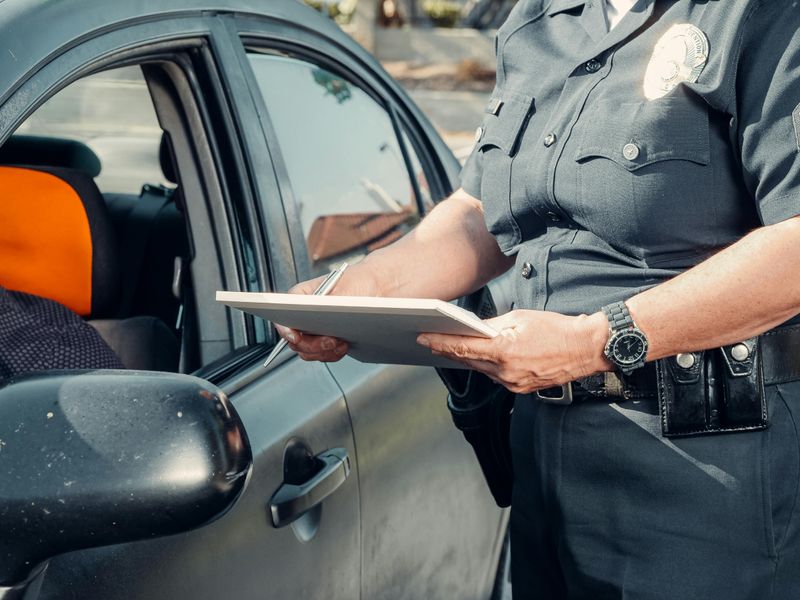
Strange but true, Wisconsin gives speed cameras the cold shoulder.
You will not see those sneaky boxes blinking at you from a pole while you roll through a lakeside town.
That does not mean you can floor it past a school crossing in La Crosse without consequences. It just means the state prefers humans with badges over a machine with a lens.
The practical angle is simple, and kind of old school. If someone is going to call you out, they want a person behind it, not a gadget.
I honestly do not mind the clarity of that. It sets a tone that road rules are a conversation, not just a printout arriving in the mail.
On long drives, it keeps your eyes on signs and your gut in check. You read the street, not the rumor of a hidden camera.
Ever get that twitchy feeling that a roadside box is judging you? Not here, and the roads feel more personal for it.
Still, slow down when the town narrows and the porches get close.
Wisconsin works best when drivers play nice with the people on the sidewalk.
So, no silent tickets from a tripod today. Just you, the limit, and a patrol car that might be around the next bend.
4. Deer Season Requires Bright Clothing

You see a sea of bright orange in the woods and know exactly what season you just walked into.
Wisconsin takes visibility seriously, and that pop of color is not a fashion choice, it is a safety rule.
Hiking near Tomahawk when the air smells like leaves, you will spot vests glowing through the trees. That is the cue to keep your path clear and your outfit loud enough to be noticed.
The rule feels protective and communal all at once. It is like everyone agrees to wave with color long before they ever meet.
I carry a small blaze cap in the trunk just for these weeks. Slip it on, and you instantly feel like part of the local rhythm.
Even if you have zero hunting plans, dress bright when trails cross common areas. The light shifts, the brush moves, and you want to pop in every frame.
Ever try taking a moody forest photo and end up thankful for the orange in the background? It adds calm to the quiet.
Wisconsin outdoors are generous, but they ask for respect.
Show up seen, use common sense, and the woods return the favor.
There is nothing fussy here, just a smart splash of color that keeps everyone breathing easy. That is my kind of rule any day.
5. Spotlighting Animals Is Restricted
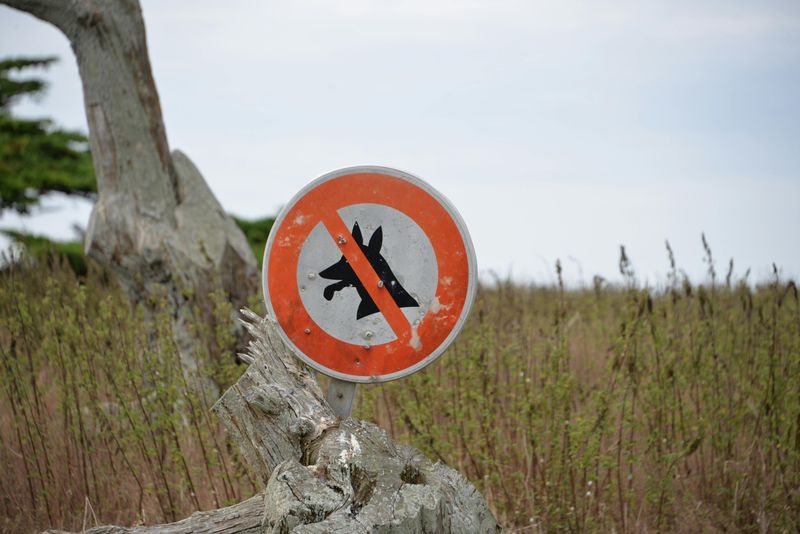
Shining a bright light at wildlife might feel like a shortcut for a cool sighting, but Wisconsin draws a line. The rules around spotlighting are tight because animals behave differently when they are lit up like a stage.
If you are cruising near Rhinelander after dark, resist that itch to sweep a field with your beams.
You are not just breaking a rule, you are changing the script for everything with ears out there.
I get the curiosity, I really do. Night makes the woods hum and the fields look like secrets waiting to spill.
But the state wants the nocturnal rhythm to stay natural. That means less stress on critters and fewer bad decisions from people chasing a quick thrill.
Think of it like dimming the house lights before a show starts. Everyone relaxes and the real story comes through.
If you need a night fix, park quietly and listen instead. The chorus will tell you more than any flashlight sweep ever could.
Wisconsin has a patient way of asking for respect.
Keep your light where it belongs and the night returns the favor.
It is not about being strict just to be strict. It is about letting the dark keep its shape so you can meet it honestly.
6. No Hunting With Aircraft
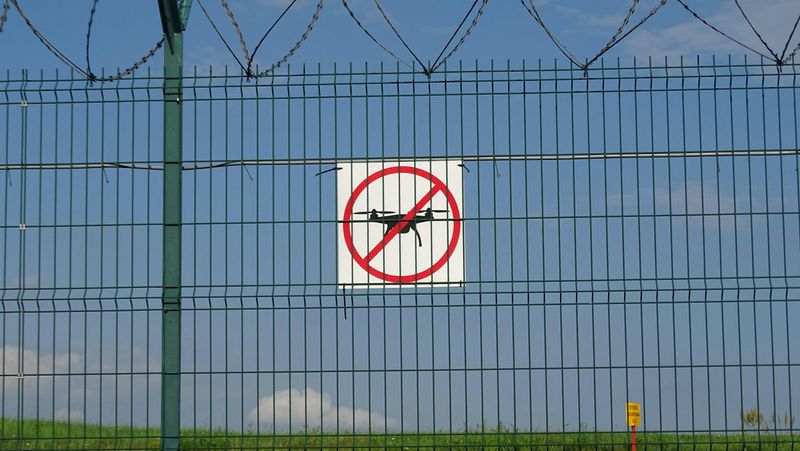
This one sounds like a tall tale until you read it in the book. Hunting with aircraft is a no-go in Wisconsin, and the mental image alone tells you why.
Imagine buzzing over fields by Waupaca trying to track movement from above.
It breaks the whole fair chase idea and turns the sky into a cheat code.
The rule is straightforward, and honestly, it keeps things grounded in the best way. You want the quiet steps, not the drone of an engine telling on every deer in the county.
I like that it protects the mood of a morning sit. The field feels honest when the only wings overhead belong to geese finding their line.
Airstrips dot the countryside, and they look peaceful when used as intended. Planes for people, woods for paws and boots.
Ever notice how silence makes details jump out? That is the point, and you lose it the second prop wash enters the story.
Wisconsin does tradition without making it stiff.
Keep the chase on the ground, breathe a little, and let the hunt feel earned.
No shortcuts from the clouds today. Just patience, tracks, and the kind of luck you cannot pilot.
7. Homing Pigeons Get Legal Protection

Here is a curveball I love bringing up on road trips. Homing pigeons have legal protection in Wisconsin, which feels oddly poetic once you think about it.
These birds are travelers with a map built into their heads.
When they launch from a loft in Kenosha and vanish into the sky, the law basically tells you to let them be.
I picture them like tiny couriers pulling invisible threads across the state. It makes every skyline feel connected by a quiet flight path you will never see.
The rule means you do not interfere, harass, or snag one just because it lands near your porch. Respect the mission, even if it looks ordinary.
There is something very Wisconsin about that gentle boundary. Give space, trust the route, and let the small work get done.
Watch a loft door open and a soft rush of wings slip past a water tower.
The moment is simple and somehow ceremonious.
Ever think about how many messages move without screens? Pigeons make that idea feel alive for a second.
If one stops on your fence, admire the calm and step back. The law agrees, and the bird likely knows the rest of the way home.
8. Falconry Has Official Regulations
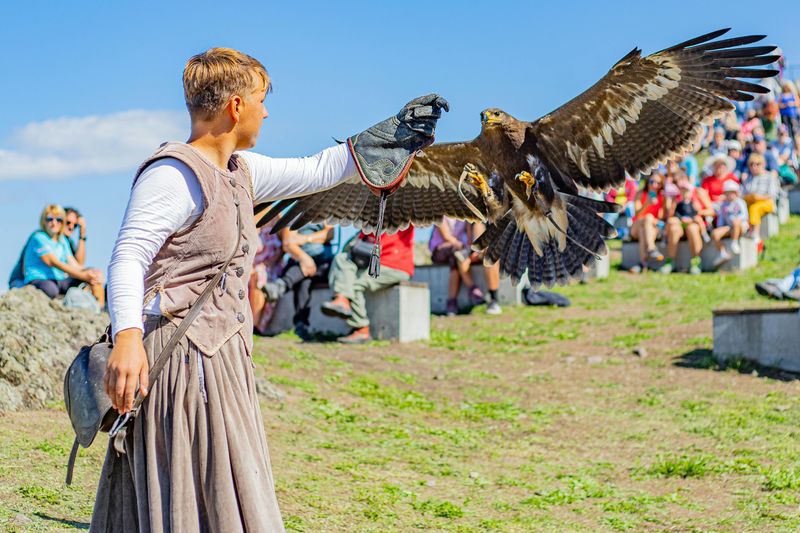
Falconry in Wisconsin is not a casual hobby you pick up on a weekend. It is a regulated practice with permits, training, and a ton of care woven into every step.
When you meet a falconer at a nature center near Baraboo, you feel the gravity right away.
The glove, the jesses, the calm way they move, it all says discipline more than spectacle.
The rules make sure raptors are treated like partners, not props. Housing, health checks, and mentorship keep both the bird and the human on a steady path.
I like that the guidelines make the whole thing slower. It turns a dramatic image into a thoughtful relationship with structure.
Stand by a perch and listen to the room settle. You hear feathers adjust and a tiny clink, and suddenly silence feels full.
Is it a lot of hoops? Sure, but the end result is respect you can see from the first lift to the final return.
Wisconsin shows its wild side with a careful hand here.
The law draws lines that make the art stronger, not smaller.
If you get a chance to watch a training session, just watch. The patience is the show, and the rules are part of the rhythm.
9. Waterfowl Ammo Types Are Regulated
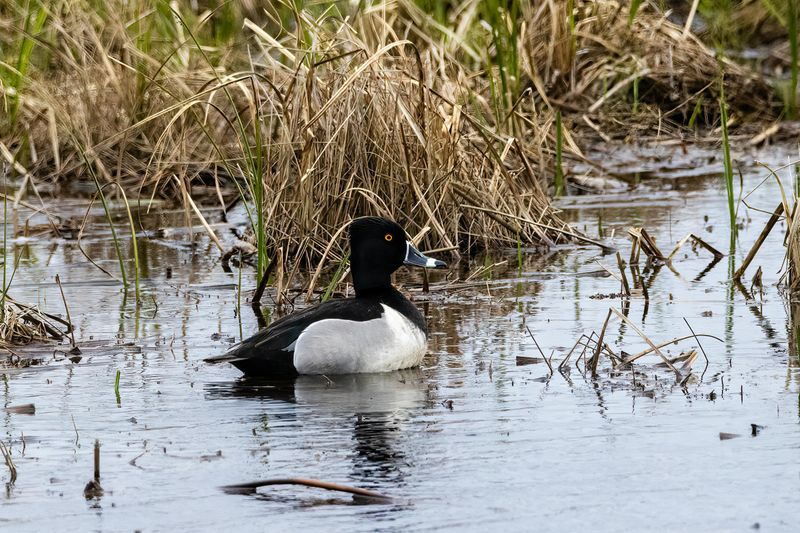
Out in the marsh, details matter more than bravado. Wisconsin regulates the type of shot you can use on waterfowl, which keeps the habitat from paying the price for a morning pursuit.
Stand at a launch near Horicon and you will probably hear someone remind a buddy about the rules. It is not nitpicking, it is long-term housekeeping for wetlands that work hard all year.
The idea is simple even if the gear talk gets nerdy. Use what will not poison the place you hope to return to when the seasons turn.
I like that it folds ethics into routine. Check your bag, check the box, and leave the cattails a little cleaner than you found them.
You can feel the calm when everyone is dialed in. Boats slide out like they have been trained to be gentle.
Ever notice how quiet water keeps a secret until you push too hard? These rules ask you to move like a guest, not a conqueror.
Wisconsin writes that into the fine print so the marsh can keep giving. Birds lift, reeds sway, and the place still feels generous after you pack up.
It is not a burden, it is a baseline. Bring the right shot and the morning will thank you without saying a word.
10. Deer Baiting Can Be Banned By County

This one sneaks up on people hopping across counties. In Wisconsin, deer baiting rules can flip at a border, with bans in some places and allowances in others depending on local factors.
That means a plan drawn in Shawano might not work in the next county over.
You have to read the map like it talks, because it kind of does.
The reasoning ties to wildlife health and management. It is about steering behavior and reducing risks that can spread when animals cluster too tightly.
I like the way it forces you to pay attention. It turns scouting into a blend of landscape and law that keeps you humble.
Trail cams do not tell the whole story if the regulations change a mile away. The rules finish the picture and save you from a bad surprise.
Ever feel that tingle crossing a quiet county line? That is your cue to double check before you settle in.
Wisconsin leans on local knowledge here, and that makes the system nimble.
What works in one forest might not suit the next.
So ask around, read the postings, and let the place teach you. The best day often starts with a question and a map.
11. Feeding Wild Animals Has Limits
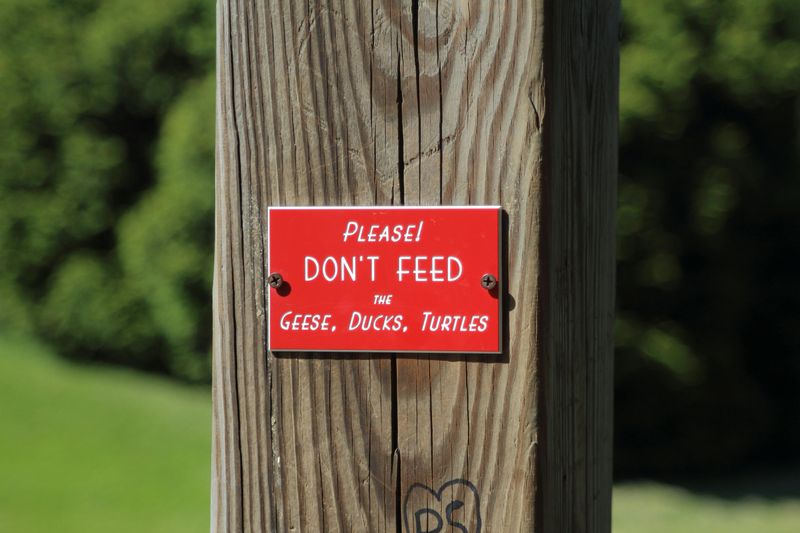
It is tempting to toss snacks to whatever furry face wanders by, but Wisconsin reins that in. Feeding wild animals has limits that keep neighborhoods from turning into midnight buffets with claws.
In places like Green Bay suburbs, you see friendly yards that still draw a line.
Bird feeders are fine within reason, but the law steps in when the buffet becomes a problem for the whole block.
The rule is really about balance. Enjoy the view, but do not invite a parade that forgets how to be wild.
I like how that protects both the animals and the sleep you were counting on. Fewer trash raids, calmer nights, and a yard that feels like habitat, not a cafeteria.
Watch how quick habits form when food appears on schedule. The limits break that loop before it turns messy.
Do you really want raccoon conferences at your back door? Probably not, and the law agrees with you quietly.
Wisconsin nudges everyone toward thoughtful coexistence.
Feed with intention or close the kitchen entirely when needed.
If in doubt, scale back and let the wild stay wild. The morning will sound better for it, and so will the neighbors.
Dear Reader: This page may contain affiliate links which may earn a commission if you click through and make a purchase. Our independent journalism is not influenced by any advertiser or commercial initiative unless it is clearly marked as sponsored content. As travel products change, please be sure to reconfirm all details and stay up to date with current events to ensure a safe and successful trip.
