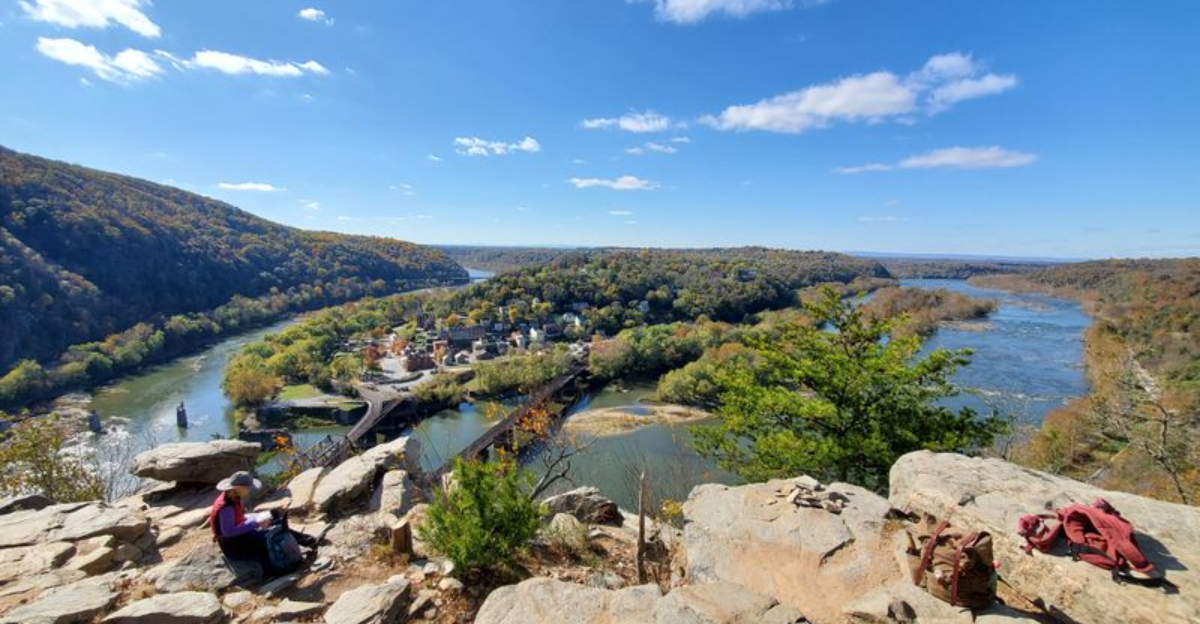
Nestled at the confluence of the Potomac and Shenandoah rivers, Harpers Ferry stands as one of West Virginia’s most captivating destinations, yet many locals prefer to keep its magic under wraps from the endless stream of travel influencers and bloggers.
This historic river hamlet offers a rare combination of dramatic natural beauty, Civil War history, and small-town charm that feels worlds away from the Instagram-ready tourist traps dominating social media feeds.
Travelers seeking authentic experiences are drawn to Harpers Ferry for its untouched hiking trails, centuries-old architecture, and the breathtaking vista where two powerful rivers collide beneath ancient mountains.
While the town welcomes visitors with open arms, there’s an unspoken understanding among residents that some places are best experienced without the fanfare of viral posts and curated content.
The Point Where Two Rivers Meet
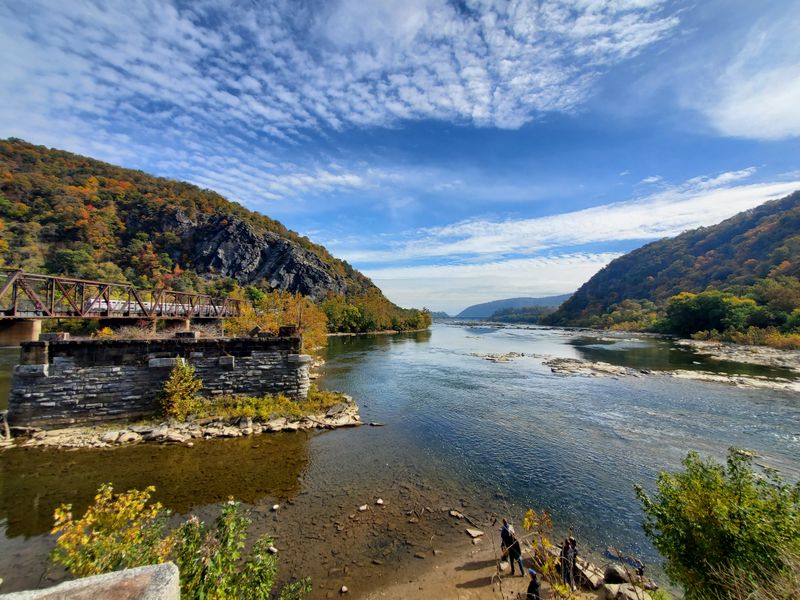
Standing at the rocky outcrop where the Potomac and Shenandoah rivers converge creates a moment that photographs simply cannot capture adequately.
The rush of water meeting water produces a sound that drowns out modern life, while the surrounding mountains create a natural amphitheater that amplifies the experience.
Local residents often visit this spot during early morning hours when mist rises from the water’s surface, creating an ethereal atmosphere that transforms the landscape into something almost otherworldly.
The Point offers views into three states simultaneously, with Maryland rising to the north, Virginia stretching eastward, and West Virginia embracing visitors from the south.
During autumn months, the surrounding hillsides explode with color as maples, oaks, and hickories paint the landscape in brilliant reds, oranges, and golds.
Spring brings a different kind of beauty when wildflowers carpet the riverbanks and migratory birds stop to rest along their journeys.
Summer visitors can wade into the shallow areas where the rivers meet, feeling the distinct temperature differences between the two waterways.
Winter transforms The Point into a stark, beautiful landscape where ice formations cling to rocks and bare trees reveal the underlying geological formations.
Locals appreciate that this natural wonder requires no admission fee, no reservation system, and no guided tour to experience its profound beauty.
The absence of guardrails and safety barriers means visitors must exercise personal responsibility, creating an authentic encounter with nature rather than a sanitized tourist experience.
Hidden Trails Beyond Appalachian Path
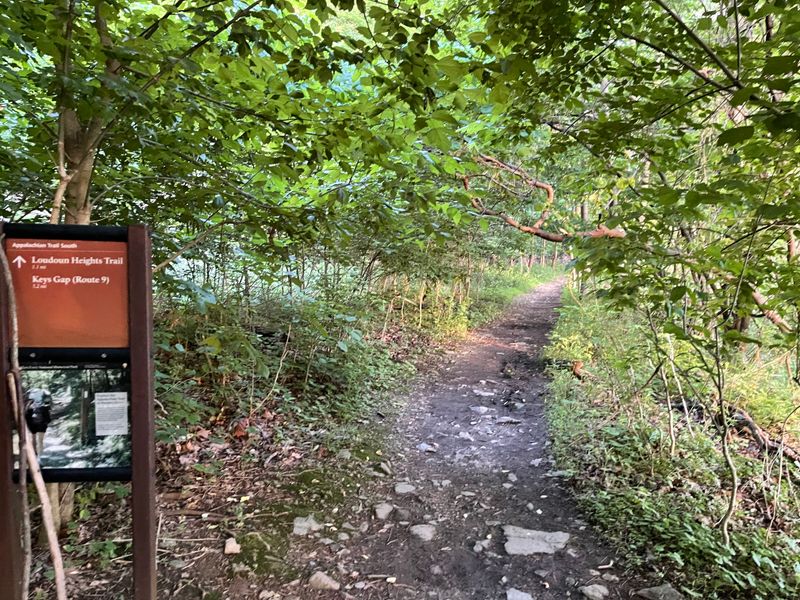
While the famous Appalachian Trail draws thousands of hikers through Harpers Ferry each year, a network of lesser-known paths winds through the surrounding hillsides and river valleys.
These quieter trails offer solitude that the main routes simply cannot provide, allowing hikers to experience the forest without encountering crowds every few minutes.
One particularly beloved path follows an old railroad grade that once carried coal and timber from the mountains, now reclaimed by nature but still walkable for those who know where to find the trailhead.
Remnants of stone walls built by Civil War soldiers still stand along certain sections, creating unexpected historical encounters during what seems like a simple nature walk.
Local hikers have discovered swimming holes accessible only by these hidden trails, where cold mountain streams collect in deep pools perfect for summer afternoon dips.
The forest canopy along these paths remains thick enough to provide shade even during the hottest months, while spring wildflowers create natural gardens that bloom in waves from March through June.
Wildlife sightings become more frequent on these quieter trails, with white-tailed deer, wild turkeys, and occasionally black bears making appearances for patient observers.
Bird watchers particularly value these secluded paths during migration seasons when warblers, thrushes, and other species pass through the river valleys.
The absence of trail markers and maintained signage means these routes require navigation skills and respect for the wilderness, qualities that tend to filter out casual visitors.
Locals guard the specific locations of these trails carefully, sharing them only with those who demonstrate genuine appreciation for wild places.
Historic Lower Town After Hours
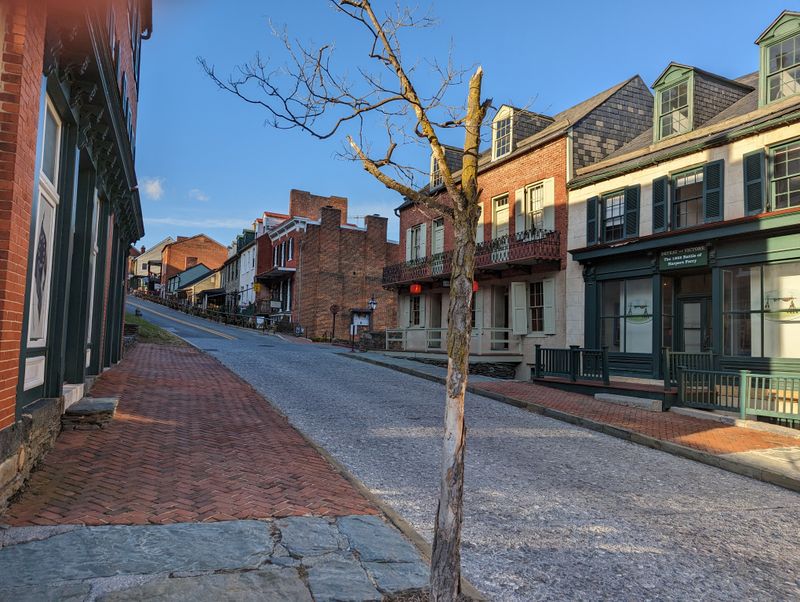
When tour buses depart and day visitors return to their hotels, Lower Town transforms into something entirely different from its daytime persona.
The restored 19th-century buildings take on new character as shadows lengthen and the sounds of the rivers become more prominent without competing with human voices.
Residents who live in the historic district emerge for evening walks, creating a living community rather than the museum-like atmosphere that prevails during peak visiting hours.
The narrow streets and old brick buildings seem to hold conversations from centuries past, with architectural details becoming more visible without crowds blocking sightlines.
Gas-style lamps illuminate the pathways just enough to navigate while preserving the historical ambiance that electric floodlights would destroy.
Certain buildings display subtle details that most visitors miss, including date stones carved into lintels, decorative ironwork on shutters, and foundation stones salvaged from even older structures.
The former armory grounds become particularly atmospheric during twilight hours when the mountains create dramatic silhouettes against the darkening sky.
Local historians sometimes conduct unofficial evening walks for small groups, sharing stories that never make it into official park service presentations.
The absence of commercial activity after dark allows visitors to imagine what the town might have felt like when residents lived and worked in these same buildings generations ago.
Photographers who brave the evening hours capture images with depth and mood impossible to achieve during the harsh midday light that most tourists prefer.
This after-hours experience requires patience and willingness to experience a place without services, shops, or structured activities.
Bolivar Heights Overlook at Dawn
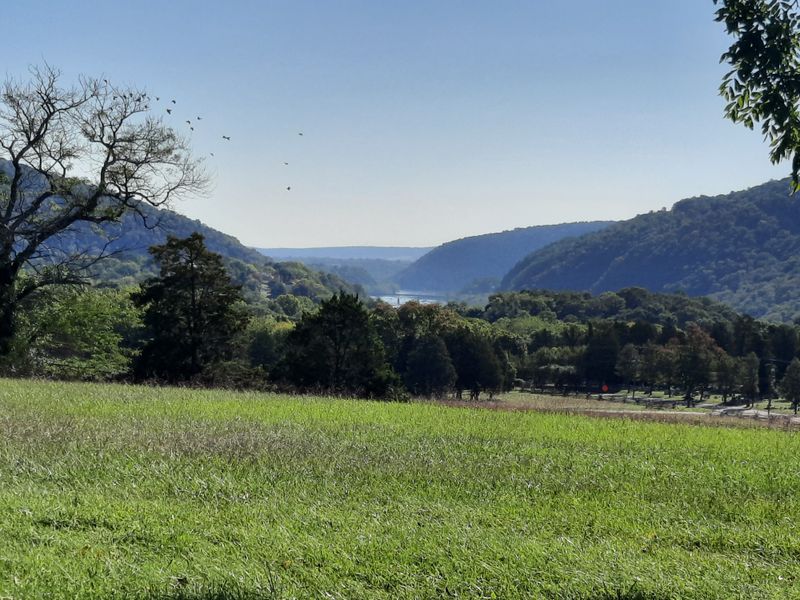
Military strategists recognized the tactical importance of Bolivar Heights during the Civil War, but modern visitors discover its value for entirely different reasons.
The elevated position provides sweeping views across the river valleys and into the heart of Harpers Ferry, with perspectives that reveal the town’s remarkable geography.
Dawn visits offer the most spectacular displays when temperature inversions trap fog in the valleys below, creating a sea of clouds with mountain peaks rising like islands.
The eastern orientation means sunrise viewers watch as light gradually illuminates the landscape, transforming colors and revealing details minute by minute.
Local photographers guard this location jealously, knowing that the combination of elevation, orientation, and natural features creates conditions found in few other places.
Historical markers dot the heights, explaining troop positions and battle movements, but these become almost invisible in the pre-dawn darkness.
The experience of watching day break over a landscape that witnessed tremendous historical events creates a connection across time that feels almost tangible.
Bird songs begin while stars still shine overhead, building to a crescendo as the sun crests the eastern ridges.
The temperature difference between valley floor and heights means visitors need extra layers even during summer months, as cool air pools at elevation overnight.
Few tourists make the effort to reach this spot before sunrise, meaning those who do often have the entire overlook to themselves.
The drive or hike required to reach Bolivar Heights filters out casual visitors, preserving the contemplative atmosphere that locals cherish.
Virginius Island Industrial Ruins
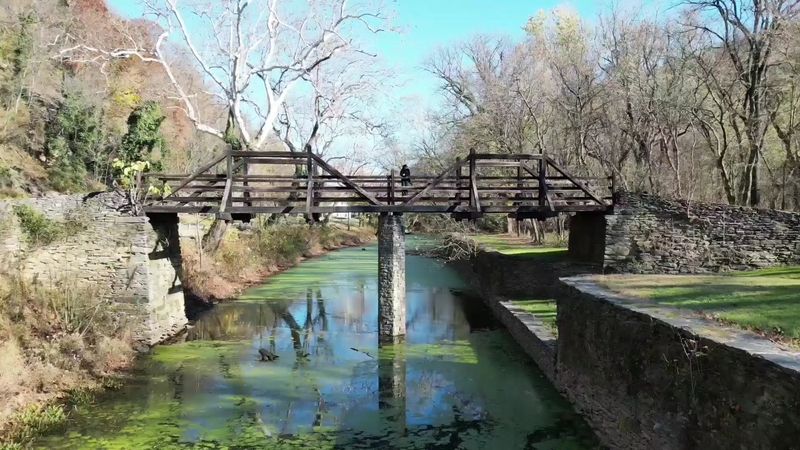
Tucked between the Shenandoah River and the Shenandoah Canal, Virginius Island preserves the remnants of a once-thriving industrial community that most visitors never discover.
Stone foundations, crumbling walls, and abandoned water channels tell stories of mills, factories, and workshops that powered Harpers Ferry’s economy before the Civil War.
Nature has reclaimed much of the island, creating a hybrid landscape where human engineering and natural processes intertwine in fascinating ways.
Trees grow from the centers of former buildings, their roots breaking apart masonry while simultaneously holding structures together.
The trail system across the island remains relatively undeveloped, with minimal signage and interpretation that requires visitors to use imagination and historical knowledge.
Water still flows through some of the original channels and sluices, creating small waterfalls and pools that attract wildlife and provide soothing background sounds.
Photographers find endless subjects among the ruins, where light filters through empty window frames and vegetation softens harsh industrial lines.
The island’s isolation from the main tourist areas means visitors often encounter only serious history enthusiasts and locals seeking quiet outdoor time.
Spring brings spectacular wildflower displays as native plants colonize the disturbed soils around ruins, creating accidental gardens of remarkable beauty.
The combination of history, nature, and solitude makes Virginius Island particularly appealing to those seeking contemplative experiences rather than entertainment.
Locals appreciate that the island requires effort to reach and explore, naturally limiting visitor numbers without artificial restrictions or permits.
Maryland Heights Challenging Ascent

Across the Potomac River from Harpers Ferry proper, Maryland Heights rises dramatically, offering what many consider the finest views in the entire region.
The trail to the summit gains over 1,000 feet in elevation through a series of switchbacks, stone steps, and steep sections that test the fitness of even experienced hikers.
This difficulty level naturally filters visitors, meaning those who reach the top have earned their views through genuine physical effort.
Civil War fortifications crown the heights, with stone walls and earthworks still visible despite more than 150 years of weathering.
From these historic positions, modern visitors gain the same commanding views that made this location so strategically valuable during the conflict.
The town of Harpers Ferry spreads below like a detailed map, with individual buildings, streets, and the river confluence all clearly visible.
Different seasons create dramatically different experiences, from the lush green canopy of summer to the bare branches and long sightlines of winter.
Local trail runners use Maryland Heights for training, attacking the steep sections with intensity while tourists pause frequently to catch their breath.
The physical challenge creates a sense of accomplishment that viewing platforms accessible by car simply cannot provide.
Wildlife encounters increase with elevation as the forest transitions from riverside lowlands to drier upland habitats with different plant and animal communities.
The summit area includes multiple overlooks, allowing visitors to find private spots away from others even on relatively busy days.
Locals recommend starting early to avoid afternoon heat and to experience the morning light that best illuminates the valley below.
Shenandoah River Quiet Waters
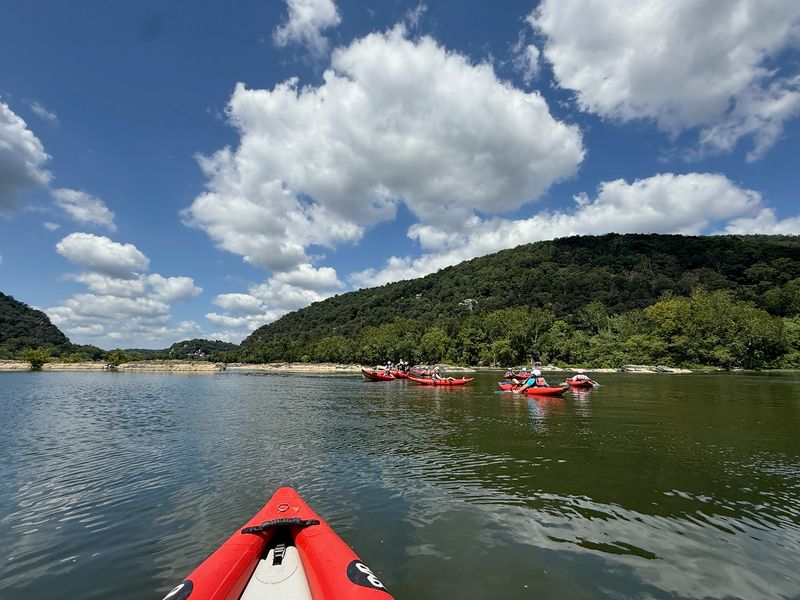
While the Potomac River gets more attention from visitors, the Shenandoah offers gentler waters and a more intimate river experience.
Local paddlers prefer the Shenandoah for its calmer currents, clearer water, and the way tree branches overhang the banks creating shaded channels.
The river’s name comes from a Native American word meaning “daughter of the stars,” a poetic description that fits the waterway’s character perfectly.
Launching from upstream access points allows for leisurely floats that end at Harpers Ferry, with the historic town appearing gradually around a final bend.
The approach by water reveals perspectives impossible to gain from land, showing how the town nestles into the landscape rather than dominating it.
Summer afternoons bring tubers and casual floaters, but early mornings belong to serious paddlers and fishermen seeking solitude.
Smallmouth bass, catfish, and sunfish populate the river, creating fishing opportunities that attract anglers willing to wade or paddle to productive spots.
The riverbanks support diverse plant communities including sycamores, willows, and river birch that provide habitat for countless bird species.
Great blue herons stalk the shallows while kingfishers dive for small fish, creating wildlife viewing opportunities that reward patient observers.
The Shenandoah’s relatively gentle nature makes it accessible to families and novice paddlers, though respect for moving water remains essential.
Locals know which sections offer the best swimming holes, where sandbars create perfect picnic spots, and which bends hide the largest fish.
The river experience provides cooling relief during hot months while offering a completely different perspective on the Harpers Ferry landscape.
Camp Hill and Upper Town Residential Areas
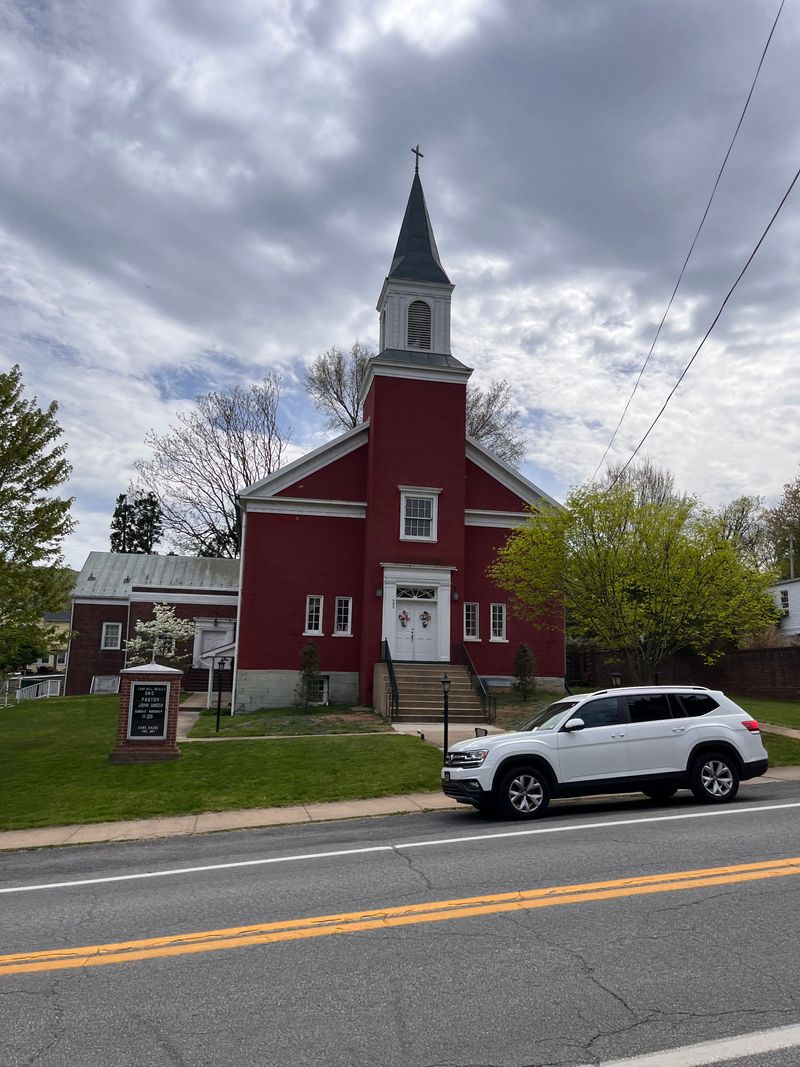
Above the commercial district and tourist zones, residential neighborhoods climb the steep hillsides where locals have lived for generations.
These areas see few tourists despite containing some of the town’s most architecturally significant buildings and best views.
The houses cling to slopes so steep that many front doors sit at street level while back doors open three stories above ground.
Gardens cascade down hillsides in terraces, taking advantage of microclimates and aspects that allow surprisingly diverse plantings.
Walking these residential streets provides insights into how real people live in a historic town, balancing preservation requirements with modern needs.
Some homes date to the early 1800s, with additions and modifications creating architectural palimpsests that reveal changing tastes and technologies.
The steep terrain means these neighborhoods remain quiet since through traffic avoids the challenging grades and tight turns.
Residents take pride in maintaining their properties while respecting the historic character that makes Harpers Ferry special.
Views from upper windows and porches rival those from official overlooks, but with the added comfort of private property and peaceful surroundings.
Local children play in yards that previous generations used for the same purpose, creating continuity across decades.
The neighborhoods host community events, yard sales, and informal gatherings that never appear in tourist publications but form the social fabric of the town.
Visitors who venture into these areas discover that Harpers Ferry remains a living community rather than merely a preserved historical site.
Abandoned Railroad Infrastructure

Railroads transformed Harpers Ferry during the 19th century, and remnants of this transportation revolution still mark the landscape.
Tunnel entrances pierce hillsides, their stone portals framing darkness that once echoed with steam whistles and the rumble of heavy trains.
Some sections of track remain in place, rusting slowly while vegetation grows between ties and rails.
Bridge abutments stand without their spans, marking where tracks once crossed valleys and streams on impressive engineering works.
These abandoned structures appeal to industrial archaeology enthusiasts and photographers seeking subjects with historical gravitas and visual drama.
The railroad infrastructure tells stories about technological ambition, economic development, and the military importance that made Harpers Ferry such a contested location.
During the Civil War, control of these rail lines meant control of supply routes and troop movements, making them targets for repeated attacks.
Modern visitors can trace old right-of-ways that now serve as informal trails, following grades that engineers carved through challenging terrain.
The juxtaposition of massive stone and ironwork slowly succumbing to natural processes creates poignant reminders about impermanence and change.
Local historians can point out features that casual observers miss, including switch stands, signal foundations, and mile markers still in place.
The abandoned infrastructure attracts fewer visitors than restored buildings, meaning explorers often have these atmospheric sites to themselves.
Safety concerns and liability issues mean some areas remain officially off-limits, though locals know which sites can be approached responsibly.
Seasonal Weather Drama
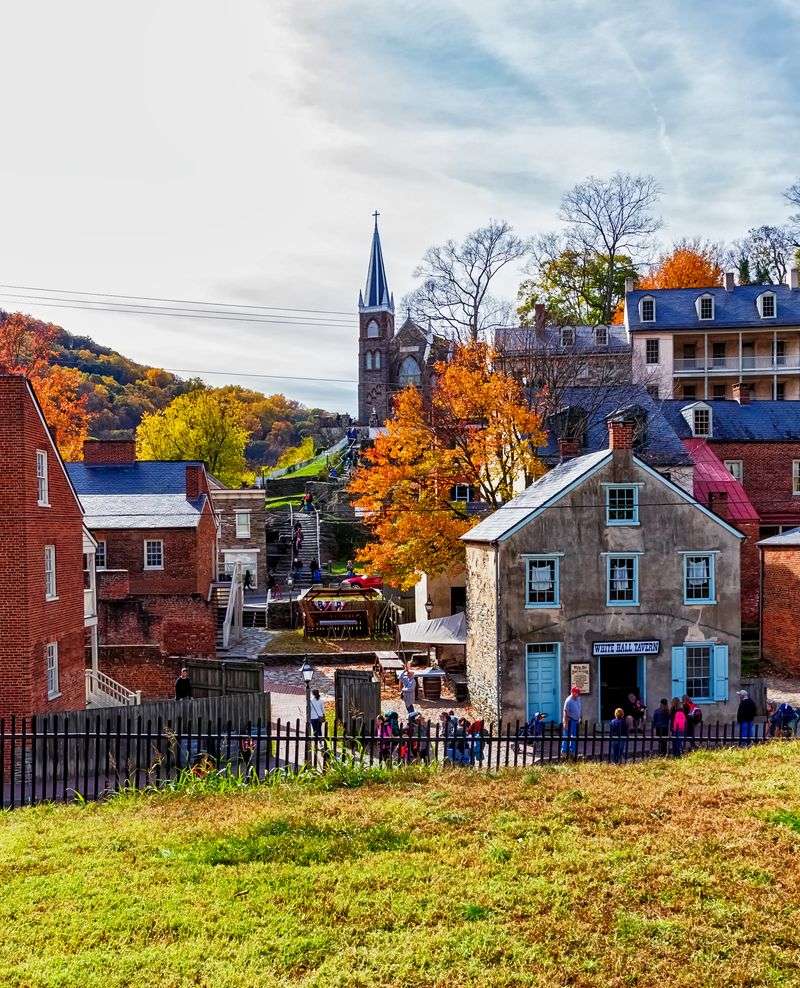
The unique geography of Harpers Ferry creates weather patterns and atmospheric effects that residents witness regularly but tourists rarely experience.
Storm systems moving through the river valleys produce spectacular lightning displays as electrical activity follows the water courses between mountain ridges.
The confluence of rivers generates persistent fog during certain conditions, particularly during autumn mornings when temperature differences between water and air reach their peak.
Winter brings its own drama when ice forms along the rivers’ edges and snow transforms the historic buildings into scenes from vintage postcards.
The surrounding mountains create microclimates where weather conditions can vary dramatically within short distances, with rain falling in town while snow accumulates at higher elevations.
Spring thunderstorms roll through the valleys with impressive power, their approach visible from overlooks as dark clouds build over western ridges.
Rainbow sightings become common during showery periods when sunlight breaks through clouds while precipitation continues, creating optical effects enhanced by the rivers’ reflective surfaces.
Summer heat combines with humidity rising from the rivers to create atmospheric haze that softens distant views and intensifies colors during golden hour.
Autumn brings crisp, clear days when visibility extends for miles and every detail of the landscape stands out with remarkable clarity.
Locals time outdoor activities around weather patterns they have learned through years of observation rather than relying solely on forecasts.
The dramatic weather contributes to the area’s character, creating ever-changing conditions that make each visit different from the last.
Photographers who return repeatedly discover that light, weather, and seasonal changes provide infinite variations on familiar subjects.
Dear Reader: This page may contain affiliate links which may earn a commission if you click through and make a purchase. Our independent journalism is not influenced by any advertiser or commercial initiative unless it is clearly marked as sponsored content. As travel products change, please be sure to reconfirm all details and stay up to date with current events to ensure a safe and successful trip.
