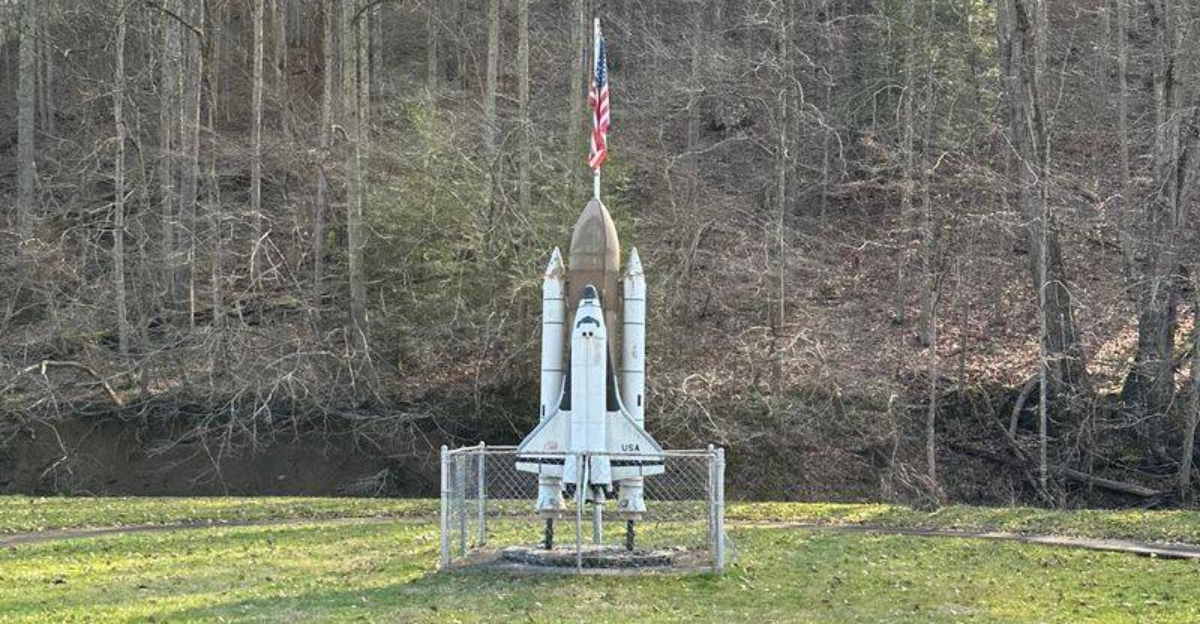
You can almost hear the whoosh of homemade rockets slicing through the West Virginia sky.
This is where a group of teenage boys launched their dreams in the late 1950s.
They were inspired by a tiny satellite glowing overhead. Armed with chemistry sets and sheer determination, they tested their creations on an abandoned coal dump.
They formed a club, competed against schools nationwide, and won the biggest science fair in the country.
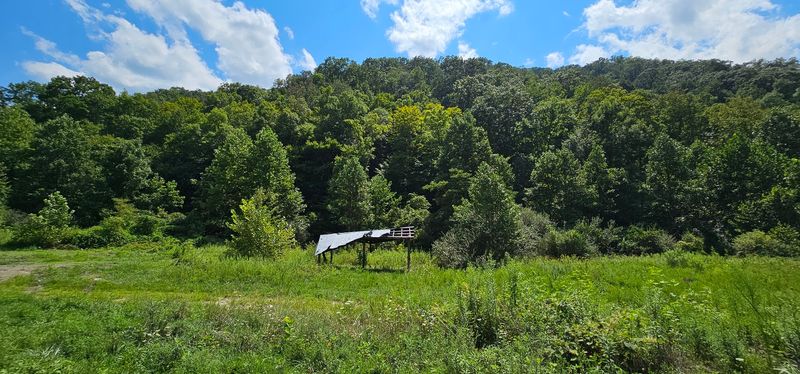
Today, you can stand on that very same ground. A replica test stand marks the spot.
It is a quiet monument to ambition, grit, and the power of a wild idea.
This is where a dream took flight. Bring your curiosity and a sense of wonder.
Where The Rocket Boys Got Their Start
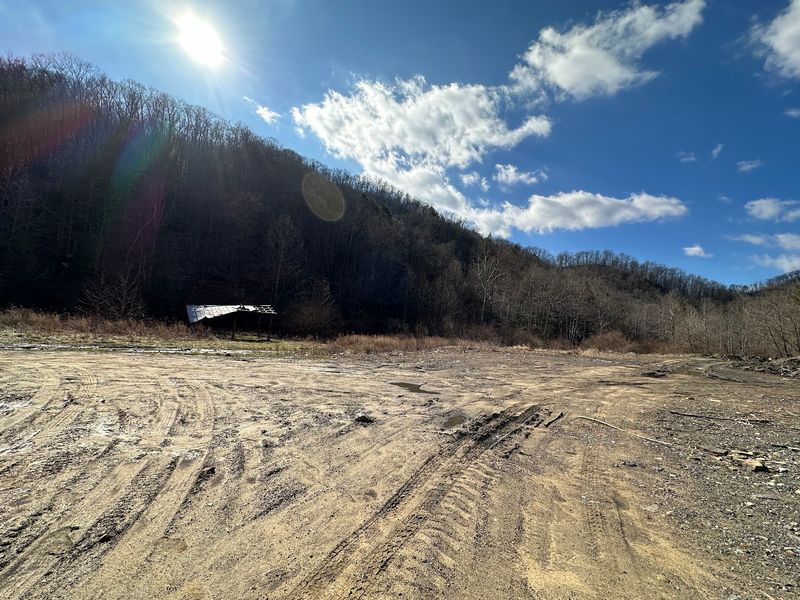
Standing on this patch of dirt, the story clicks into place fast. It started in October 1957, when the Soviet Union launched Sputnik and a teenage Homer Hickam suddenly saw the sky differently.
That single glowing dot moving overhead lit a fire in him and five friends who lived in a coal mining town where futures were usually decided underground.
They wanted something else. Instead of accepting the path already carved for them, the six buddies formed a group with a wonderfully bold name: the Big Creek Missile Agency, or BCMA.
Their mission was amateur rocketry, plain and simple, though nothing about it was simple in practice. They studied, argued, built, failed, and built again.
What makes the ground here feel special is knowing the dreaming happened first, long before any rocket actually flew. The hills around this spot heard those early conversations about thrust and fuel and escaping the mines.
Every launch that followed traced back to that curiosity sparked by one satellite in an autumn sky.
A Launch Site Born From Curiosity
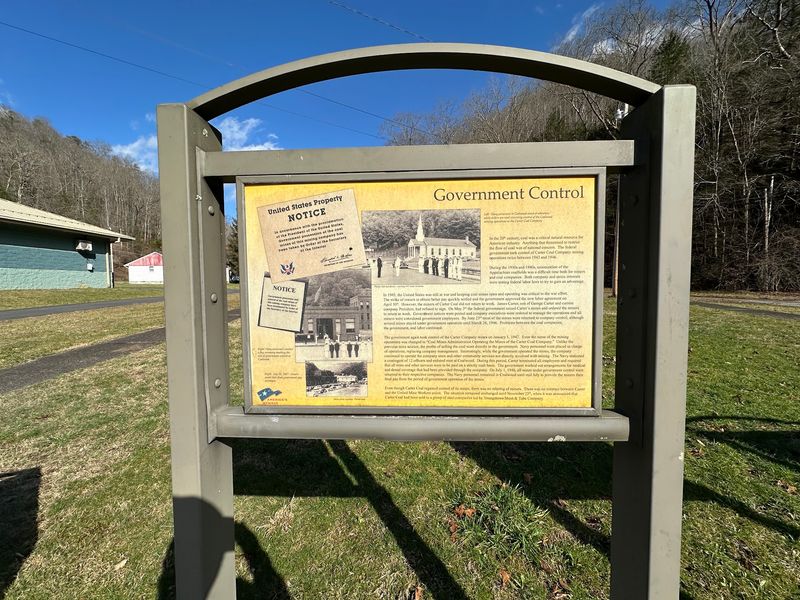
Finding the right spot was apparently harder than building the rockets. The early BCMA experiments came with plenty of noise and a few spectacular failures, so the boys needed somewhere far from houses and away from the working mine.
Their answer was an abandoned coal dump, a wide and rugged stretch of open ground tucked between the hills.
It was industrial leftovers, honestly, the kind of place nobody wanted. They looked at it and saw a spaceport.
They named it Cape Coalwood, borrowing the spirit of Cape Canaveral and stitching it onto their own hometown. That name still makes me grin a little, because it says everything about how big they were thinking.
Walking the ground today, you get a sense of scale that photos never quite capture. There is room here, room for mistakes and second attempts and long afternoons of measuring and adjusting.
The field earned its place in history not through polish but through repetition, hour after hour of teenagers turning discarded land into a laboratory under an open sky.
Homemade Rockets In Coal Country
Scrap metal, scavenged parts, and stubbornness. That was the recipe at work here, and the results ranged from beautiful to explosive.
Plenty of the early rockets blew apart instead of flying, which sounds like failure until you realize each blast taught them something concrete about pressure, welding, and nozzle design.
Fuel was its own puzzle. The boys learned to mix their own propellant, adjusting ingredients until they could get real thrust rather than a puff of smoke.
They also worked out thermal protection for the casings so their creations could survive the heat of launch.
Guiding them through the harder math and physics was their high school chemistry teacher, Freida Joy Riley, whose encouragement mattered as much as any formula.
Construction happened in an old ivy-covered brick and glass machine shop near the public swimming pool, a building where coal company mechanics once worked. That shop is where backyard ideas became actual aerodynamic hardware.
Then it all got hauled out to this field, where the sky did the grading.
The Experiments That Changed Everything
Persistence eventually paid off in the loudest possible way. After a long stretch of explosions and disappointments, one rocket finally left the pad and kept going, climbing in a clean line instead of coming apart.
That first real flight changed the mood completely.
Success bred more success. Launch after launch went up from this field, and the crowds that gathered grew from curious to genuinely impressed.
Skepticism in town slowly turned into pride, which might be the sweetest part of the whole story.
All that data became an exhibit called A Study of Amateur Rocketry Techniques, which the boys presented at the county science fair and won.
From there they went further, competing at the 1960 National Science Fair and taking home the top prize, an outcome nobody would have predicted from a coal dump launch pad.
One rocket in particular, named Miss Riley after their teacher, reportedly reached roughly 30,000 feet.
Standing where it left the ground, that number feels almost absurd. It also feels earned.
Chasing The Sky In The 1950s
Timing gave this field its electricity. The late 1950s were the opening act of the space race, a stretch of years when everyone seemed to be looking up and wondering what came next.
Homer Hickam and his friends caught that wave hard, and they had a personal reason to ride it.
Rocketry was never just a hobby for them. It was a way out of a future spent deep underground, a chance to steer their own lives instead of inheriting one.
Not everyone in town believed it would work, and a few said so plainly.
The boys kept building anyway. Each launch from this ground doubled as an argument, a small stubborn statement that ambition can grow anywhere.
You can still feel that energy in the openness of the site, the way the ridges frame a wide slice of sky.
It is easy to picture six teenagers squinting upward, tracking a homemade rocket until it vanished, then immediately talking about how to make the next one fly higher.
The Real Story Behind October Sky
Books have a way of turning local history into something universal. Homer Hickam wrote his memoir, Rocket Boys, as a personal account of growing up in Coalwood and building rockets with his friends.
Readers loved it, and the story kept spreading.
In 1999 it became the film October Sky, which carried the tale to audiences who had never heard of a coal town in southern West Virginia.
Here is the detail that always delights people: October Sky is an anagram of Rocket Boys. Someone deserves a raise for that one.
The movie brought a wave of attention to Coalwood and to the launches that happened on this ground.
Worth knowing before you visit, though, is that filming mostly took place in East Tennessee rather than here.
That gap between screen and reality is actually part of the appeal. The real field looks nothing like a movie set, and somehow that makes standing on it feel more honest and more memorable.
What Remains At The Launch Site
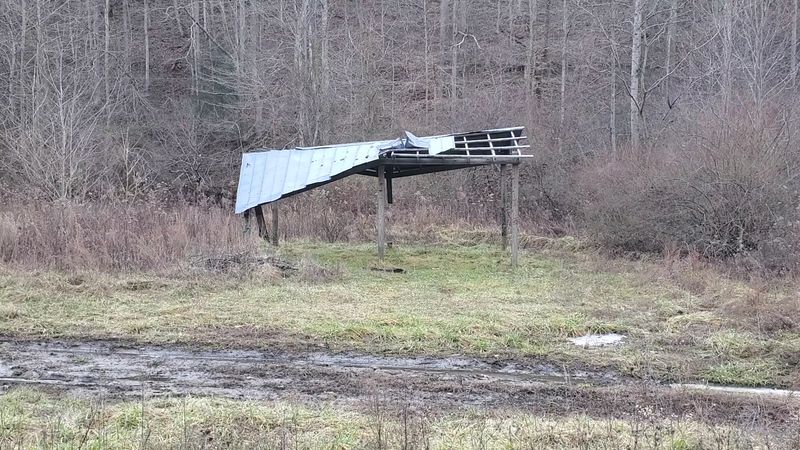
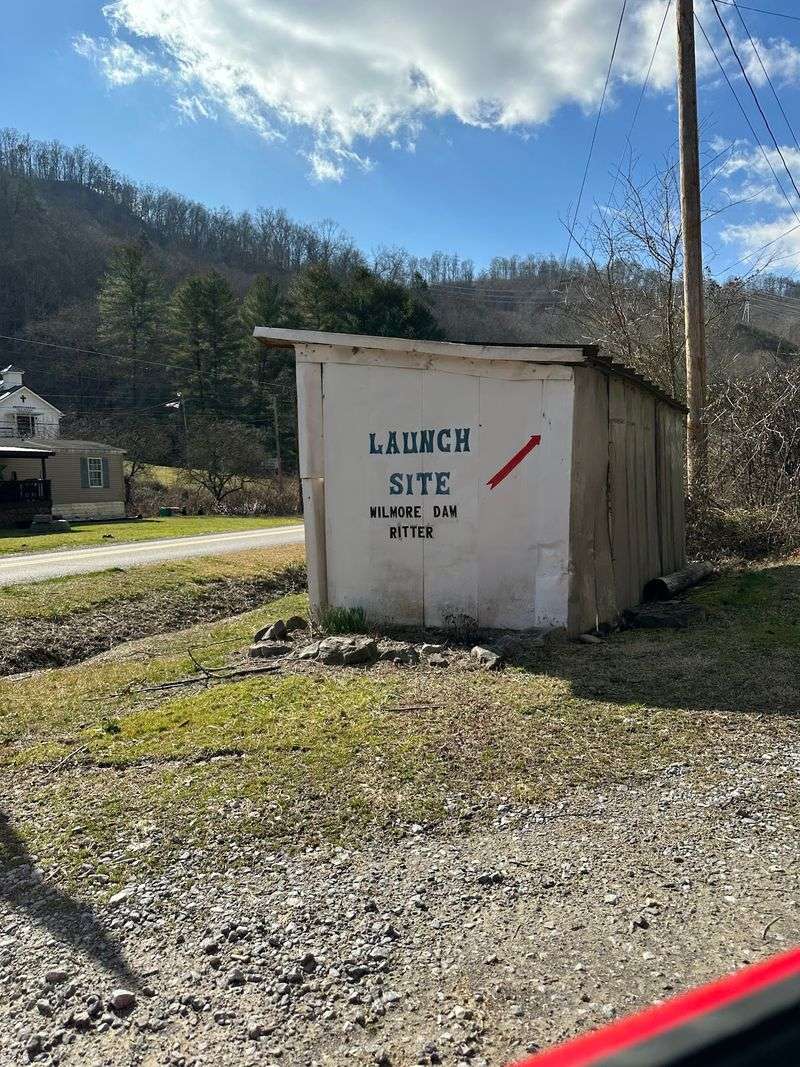
Expect raw history rather than a polished attraction. The launch site itself is basically a rugged dirt field, the old coal dump the boys claimed, reached by a narrow single lane gravel road where you may need to squeeze past passing four-wheelers.
No museum sits on the pad, and signage marking the exact spot is scarce.
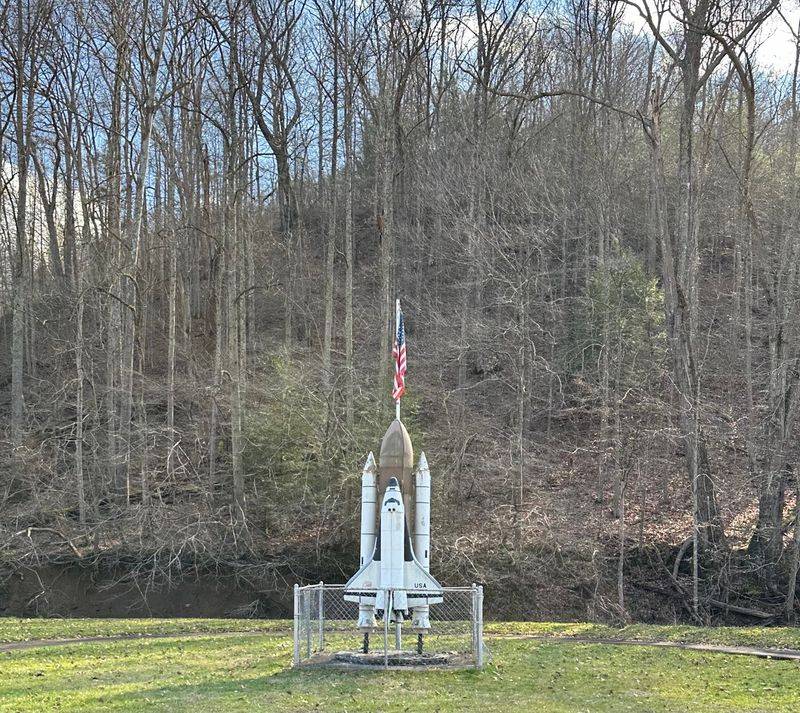
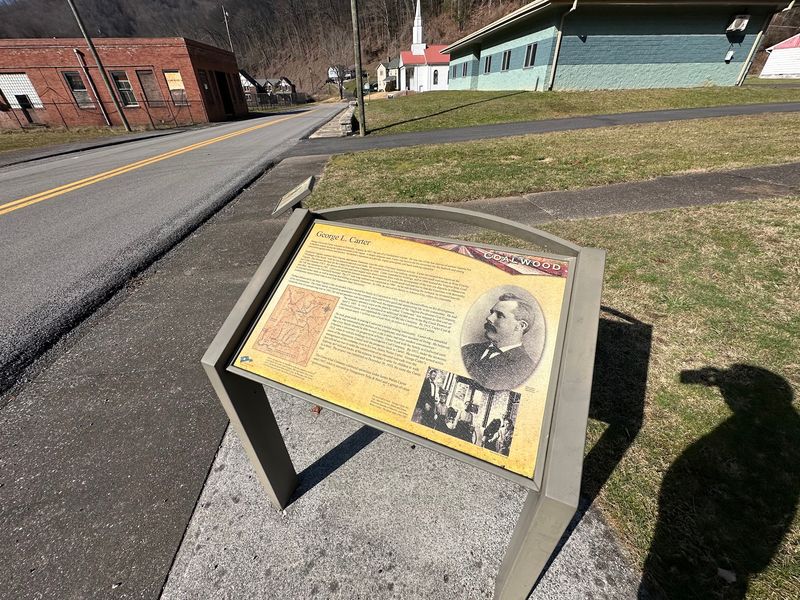
Still, the area holds reminders. Monument plaques along roads in the vicinity honor the Rocket Boys, and a rocket model displayed nearby nods to what once climbed from this ground.
Homer Hickam’s childhood home remains standing, and so does that ivy-covered brick and glass machine shop, weathered but upright.
Other Coalwood landmarks, including the high school and the Olga Tipple, have crumbled or disappeared entirely.
Visitors sometimes turn up chunks of coal in the dirt, which kids find delightful. Bring good shoes, take your time, and let the plainness of the place work on you.
Markers guide travelers toward this historically rich stretch along Frog Level Back Road.
How Coalwood Inspired A Generation
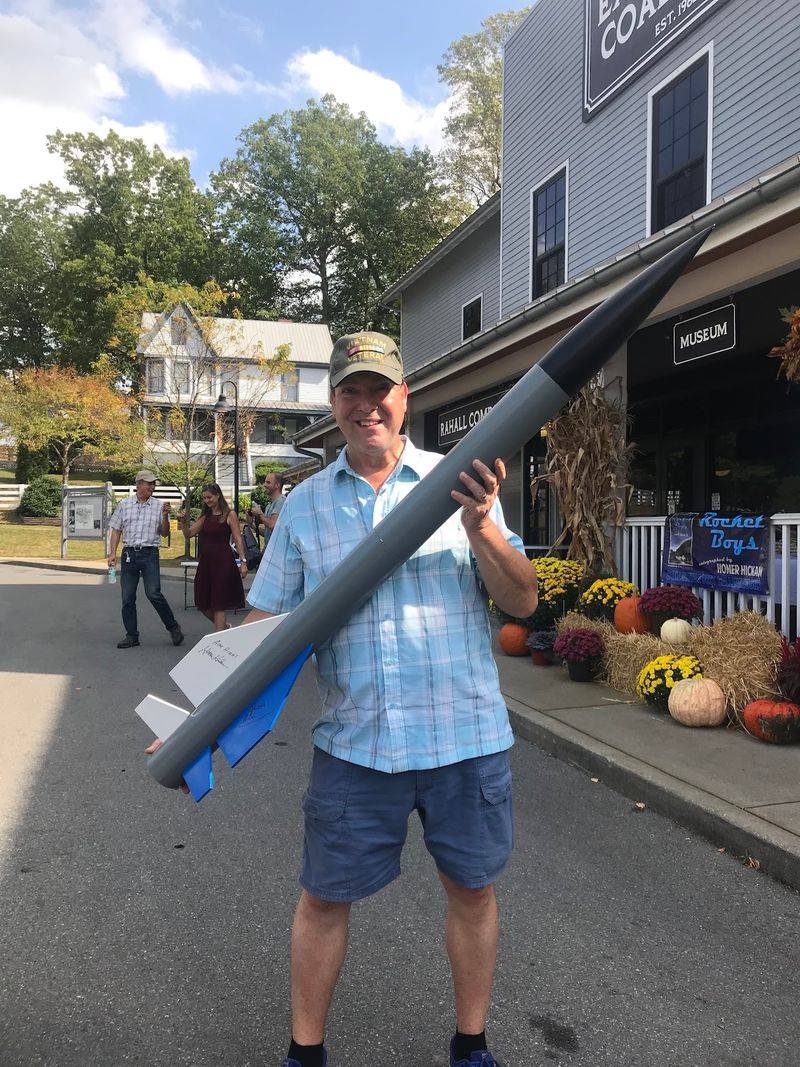
Few dirt fields have launched more careers. The Rocket Boys story spread far past county lines and became a favorite in classrooms teaching science, technology, engineering, and math.
Teachers love it because the lesson is so clear: talent shows up everywhere, including in towns facing hard economic times.
The heart of the message is about dreaming bigger than your circumstances and finding the nerve to keep going when the odds look silly.
All those failed rockets matter here, because the eventual win at the National Science Fair only meant something after so many attempts fell apart.
Homer Hickam and the others have shared their experiences at events over the years, using the spotlight to praise dedicated teachers and to nudge young people toward curiosity.
That thread runs straight back to this ground. Every kid who builds a model rocket in a backyard is echoing what happened on this old coal dump.
Small beginnings, long reach. The field keeps teaching.
A Small Place With A Huge Legacy
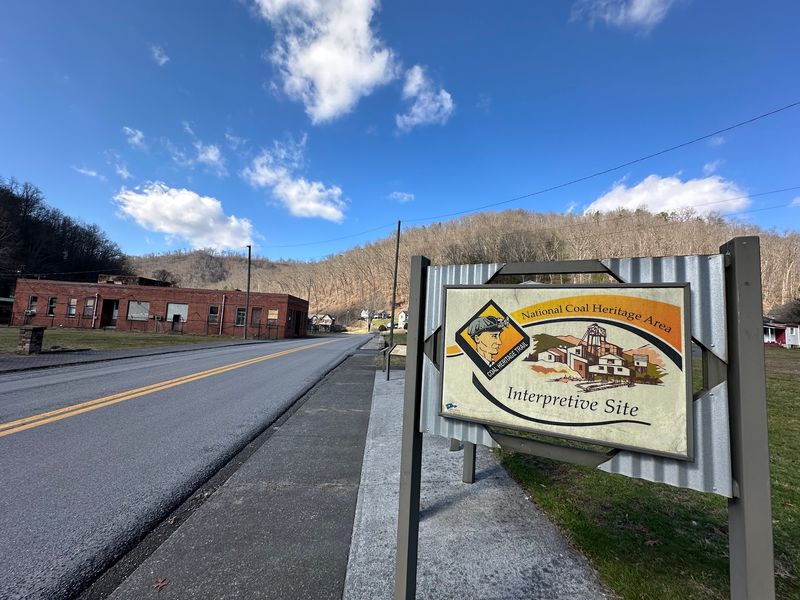
Big legacies do not always come with big landmarks. Coalwood is a modest former coal town, and yet the story that grew here reached readers and moviegoers around the world.
A memoir and a film did what no billboard ever could.
What makes the place stick with you is the contrast. Six teenagers, a discarded field, homemade fuel, and eventually a national prize.
That combination wrote Coalwood into the record of American ingenuity and turned it into shorthand for grit and resilience.
The annual Rocket Boys Festival celebrating those achievements eventually moved to Beckley to handle larger crowds, though the spirit behind it still belongs to this valley.
Cape Coalwood may look unassuming when you finally reach it, and that is exactly why it lingers in memory.
Quiet ground, enormous echo. Anyone who loves stories about curiosity winning out will find something worth the drive down that skinny road.
Address: 851 Frog Level Back Rd, Raysal, WV 24879, United States.
