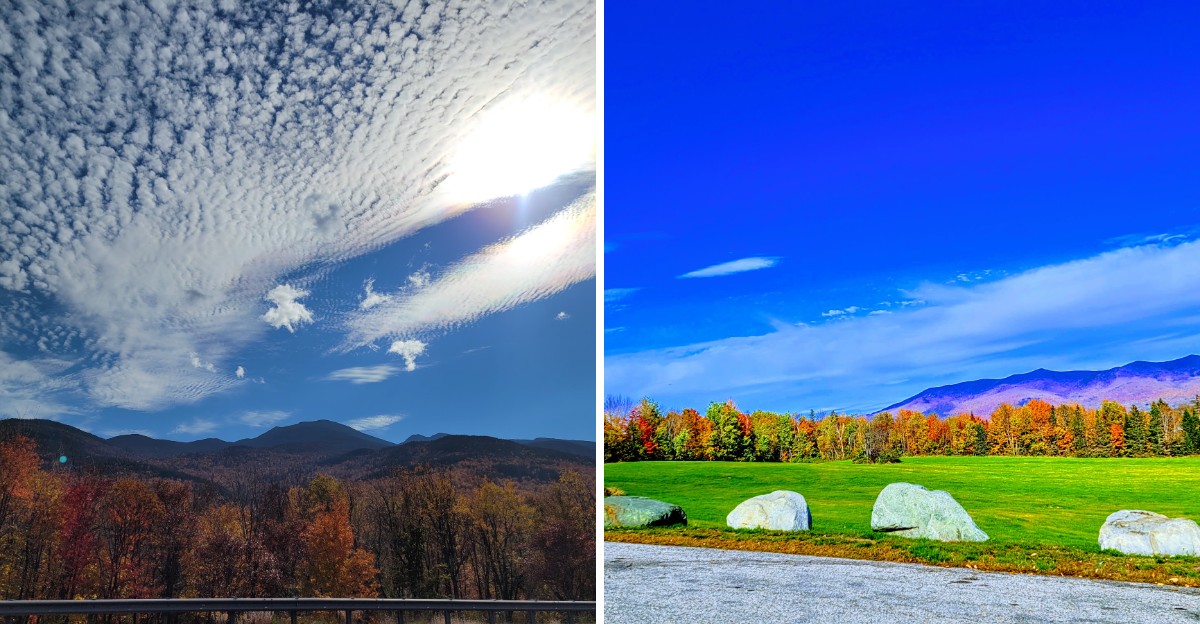
Fall in the north country brings shorter days, cooler air, and a lot more bear activity than usual. This New Hampshire county has seen a sharp increase in black bear sightings this season, and wildlife officials are paying close attention.
The reason is not complicated. Bears are bulking up for winter, and when natural food sources are thin, they wander closer to homes, roads, and campsites.
Bird feeders, unsecured trash, and pet food are easy targets. Residents are being reminded to lock things down and keep their distance.
The bears themselves are not aggressive by nature, but they are wild animals, and they deserve space. Sightings have been reported in town centers, along rural roads, and even in a few backyards.
This New Hampshire county is beautiful and wild, and this fall it is reminding everyone who really lives here. If you are visiting, keep your eyes open and your food stored properly.
Fall Hunger Turns the North Country Into an All You Can Eat Buffet
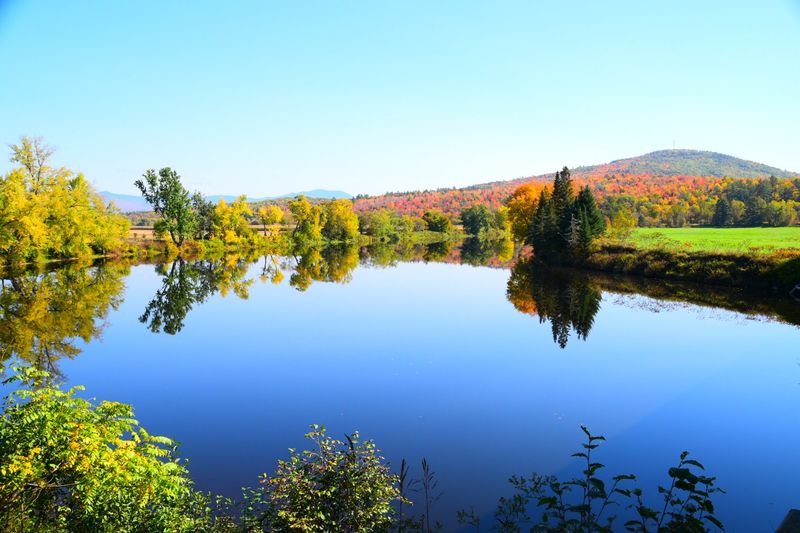
Autumn flips a switch inside every black bear roaming northern New Hampshire. Before snow arrives, they shift into a marathon feeding stretch, chewing through daylight in search of anything fatty, sweet, or easy to reach.
Beechnuts and acorns are the gold standard. When the nut crop comes up thin across the Great North Woods, bears widen their loops and drift closer to porches, orchards, and quiet back roads.
That single fact explains most of the sighting spike in Coos County once September settles in. Nothing spooky is happening here.
Hungry animals simply follow their noses toward the nearest calorie.
Around Lancaster the pattern gets obvious, because hayfields, riverbanks, and forest edges stitch together in a tidy patchwork. Bears travel those seams the way commuters use a highway.
Unpicked apple trees turn into magnets. So do berry tangles near the Israel River and old farm lots nobody bothers mowing anymore.
Timing your outings makes a difference. Scan the woodline during early morning and the last hour of afternoon light, and your odds of a real sighting climb fast.
Respect that hustle, though. A fall bear is focused, busy, and not remotely interested in company.
Backyards on the Edge of Town Where Fur Meets Fence Line
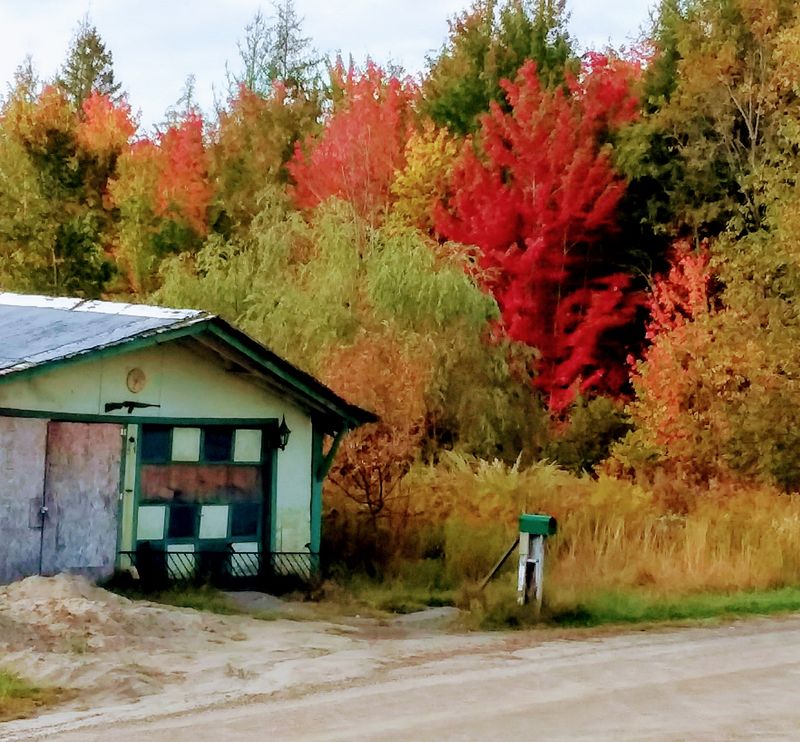
Small town living up here comes with an unusual neighbor policy. Houses sit a stone’s throw from thick timber, and the animals treat that boundary as a suggestion rather than a rule.
Lancaster sits at the meeting point of the Connecticut and Israel rivers, which means green corridors run straight through town. Bears use those corridors like hallways, popping out behind sheds and garages.
Reports climb every autumn once compost piles ripen and crab apples drop. A bear will check the same route night after night if the reward keeps showing up.
Walking the residential streets in daylight is perfectly pleasant, and the architecture alone earns the stroll. Brick storefronts, tall church steeples, and porches wide enough for rocking chairs frame the view north toward the hills.
Keep dogs leashed if you are exploring side streets near the woods. Startled bears bolt, but a barking dog can turn a quiet retreat into a tense standoff.
Should a bear cross ahead of you, stop walking and give it room. Most will vanish into cover within seconds.
Nothing about this is unusual for Coos County. It is simply life in the wildest county New Hampshire has.
Weeks State Park Serves Up Ridge Views and Prime Bear Habitat
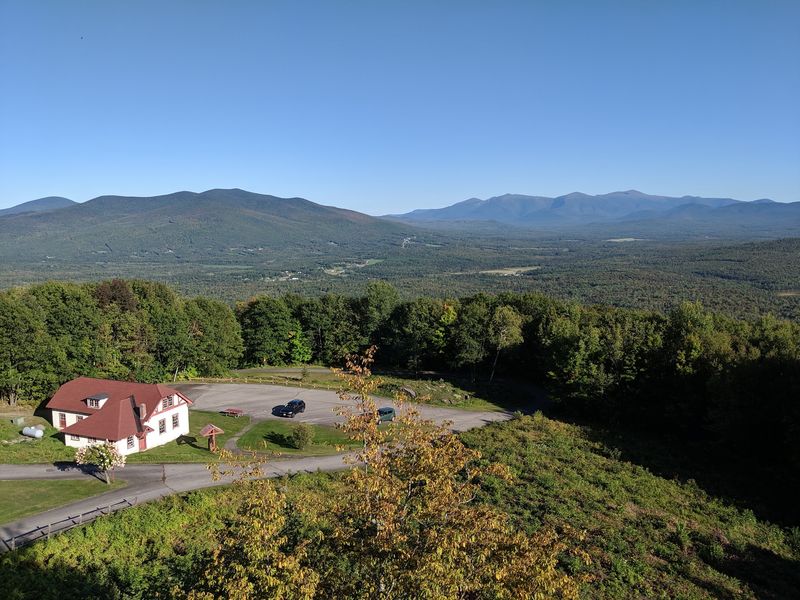
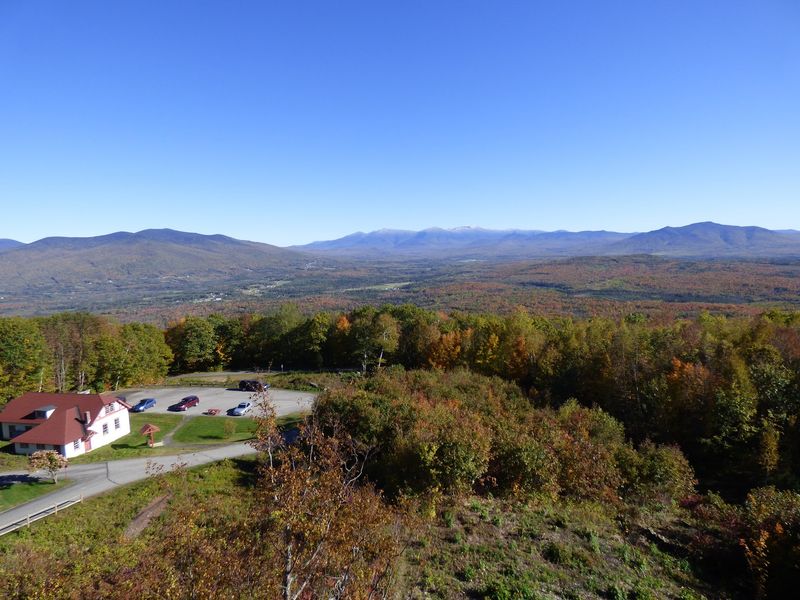
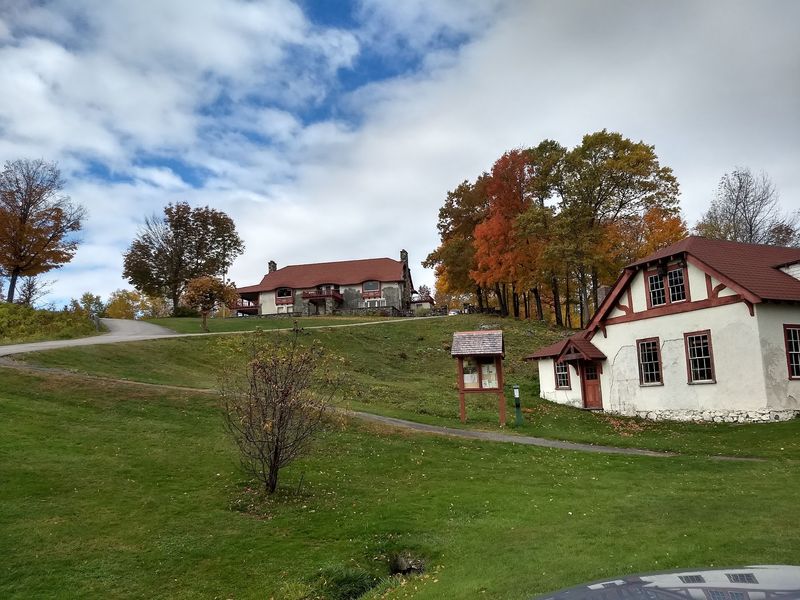
Mount Prospect rises right at the southern edge of Lancaster, and the auto road curling up its flank feels like a private balcony over the Great North Woods. Weeks State Park crowns the summit with a stone tower and a historic estate built by John Wentworth Weeks, the man behind the law that protected eastern national forests.
Panoramas stretch toward the Presidential Range on one side and the Green Mountains on the other. Autumn color here does not whisper, it shouts.
Oak and beech stands blanket the lower slopes, which is exactly the menu a fattening bear wants in October. Sightings along the road and trails climb accordingly.
Drive slowly on the way up. Sightlines are short around those curves, and wildlife steps out without warning.
Hiking the trails means making a little noise as you go. Talking, scuffing your boots, or clapping at blind corners prevents surprise encounters.
Bring binoculars rather than ambition. Scanning the slope from the tower beats chasing movement through the brush.
Few spots in New Hampshire combine conservation history, big scenery, and genuine wildlife odds this neatly.
Pondicherry Wildlife Refuge Rewards Patient Watchers
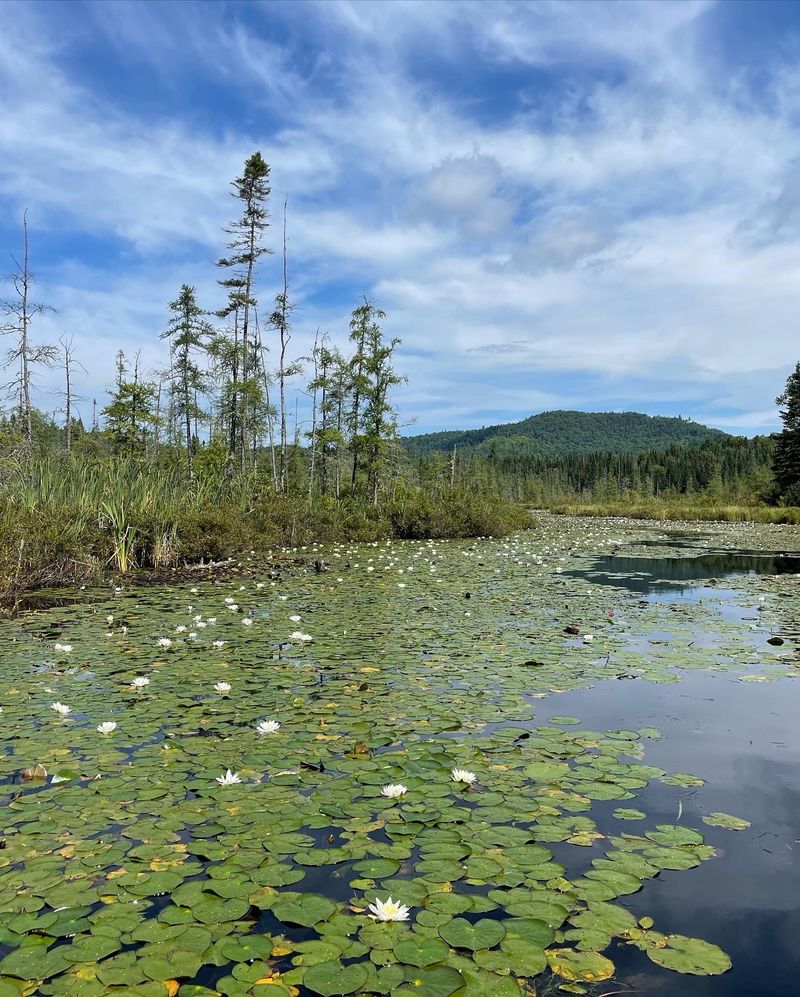
Flat, quiet, and gorgeous, the refuge spreading across Jefferson and Whitefield holds Cherry Pond and Little Cherry Pond inside a mosaic of bog, spruce, and open water. A former rail bed makes the walking easy, which is rare in this part of the state.
Views across the pond toward the Presidential Range stop people mid sentence. Mount Washington stacks up behind the cattails like a stage backdrop.
Moose, herons, and boreal birds get top billing, yet bears work these wetland edges too, hunting berries and roots before denning season.
Early morning is the sweet spot. Mist lifts off the water, birds go noisy, and the trail stays almost empty.
Stick to the boardwalk and established paths. Bog ground damages easily, and wandering off trail puts you exactly where wildlife expects privacy.
Carry bear spray if it makes you comfortable, but common sense matters more. Announce yourself on blind corners and keep food sealed inside your pack.
Pair the refuge with a drive back through Lancaster for the full Coos County experience. Wild country and a working New England town, ten minutes apart.
Bird Feeders Cause More Backyard Drama Than Anything Else
Ask any wildlife biologist in New Hampshire what draws bears into neighborhoods, and seed feeders take the blame before anything else. Sunflower seed is concentrated fat, sitting at nose height, requiring zero effort.
State guidance is refreshingly simple. Feeders come down in spring and stay down until bears have denned for winter, generally around the start of December.
Autumn is the season people get impatient. Cold mornings arrive, chickadees show up, and out comes the feeder a few weeks too early.
One bear learns the address, and the whole street starts filing reports. Bears remember reliable food sources with frustrating accuracy.
Rake up spilled seed under the hangers too, because the ground buffet works just as well as the feeder itself. Same goes for suet, hummingbird syrup, and cracked corn.
Renting a cabin or camp in the area? Look around the porch before dark and take down anything dangling from a hook.
Feeding bears on purpose is against the law in New Hampshire, and for good reason. A habituated bear rarely gets a happy ending.
Protecting the bears of Coos County starts with an empty hook and a little patience.
Garbage Cans, Chicken Coops, and the Quiet Power of Electric Fencing
Nothing travels farther on a cool autumn breeze than the smell of a trash can. Bears pick it up from remarkable distances, then follow the scent right into a driveway.
Storing bins inside a garage or sturdy shed solves most of the problem overnight. Curbside only on collection morning, never the night before.
Backyard flocks make up another big slice of complaints across the region. Chickens, ducks, and rabbits are protein, and a wooden coop door barely slows a determined bear.
Electric fencing works, and it works well. A properly charged fence teaches one quick lesson and sends the animal back to natural food.
Grills deserve attention too. Burn off the grates, wipe the drip tray, and the grease smell stops advertising dinner.
Pet dishes belong indoors after dark, and compost piles should skip meat scraps entirely.
Farms and homesteads thread through the valleys around Lancaster, so these habits are already second nature for many households here.
Doing your part keeps bears wild, keeps property intact, and keeps this stretch of New Hampshire the kind of place where wildlife and people share ground without constant conflict.
Twilight Driving on Route 2 and Route 3 Calls for Light Feet
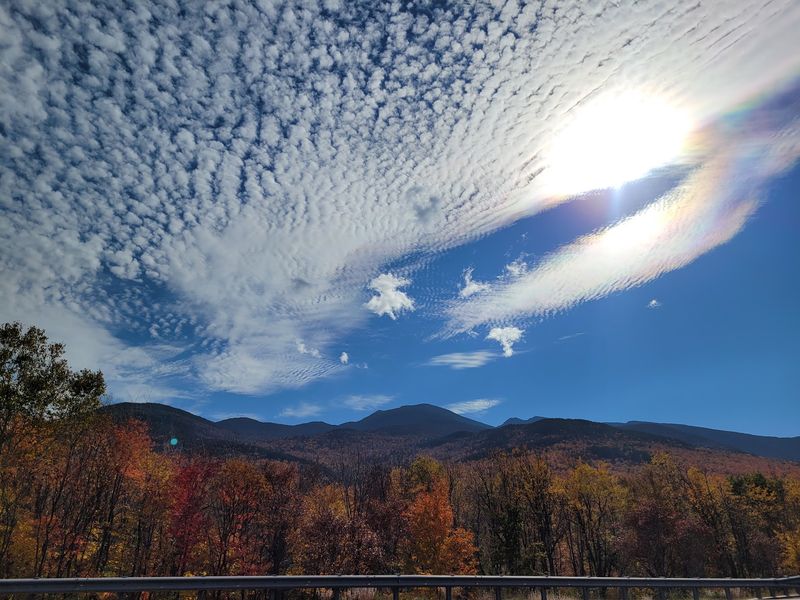
Dusk in the North Country turns the roads into a wildlife crossing. Route 2 runs east and west through the valley, Route 3 pushes north toward the Connecticut Lakes, and both slice straight through prime bear country.
Deer and moose get the headlines, yet bears cross constantly during fall feeding. A black bear against dark pavement at nightfall is nearly invisible until you are close.
Easing off the accelerator does more for your safety than any gadget. Scanning the shoulders, not just the centerline, catches movement earlier.
Cubs complicate things. Spot one crossing and assume another is still in the ditch waiting, because they rarely travel solo.
Should a bear cross ahead, brake smoothly instead of swerving. Swerving on a narrow northern road ends worse than the encounter itself.
Pull fully onto a shoulder if you want to watch, keep the engine running, and stay inside the vehicle.
Roads out of Lancaster deliver some of the finest fall scenery New Hampshire offers, with river bends, farm valleys, and mountain silhouettes stacked up ahead.
Take them slowly. The views deserve the extra minutes anyway.
Kilkenny Country Trails Belong to Hikers Who Pack Smart

North of the crowded notches sits the Kilkenny region, a rugged and lonesome corner of the White Mountain National Forest. Mount Cabot anchors the high ground, and the ridge trail linking the peaks sees a fraction of the traffic that hammers the Presidentials.
Solitude is the draw. Bear habitat is the bonus, or the caution, depending on your temperament.
Food management makes or breaks a backcountry trip here. Seal snacks in odor resistant bags, hang or properly store everything overnight, and cook well away from where you sleep.
Noise helps on the trail. Conversation, a whistle at blind bends, or simply heavy footfalls give bears the warning they need to slip away unnoticed.
If one stands its ground, back away slowly while facing it and speaking in a calm, firm voice. Running is the worst option available.
Trailheads on the Lancaster side put you within reach of a hot meal in town afterward, which beats cold trail mix every time.
Backcountry travel in Coos County asks for preparation rather than nerve. Come organized, and these trails hand you the quietest mountain days in New Hampshire.
Photographing a Bear Without Turning Into the Story
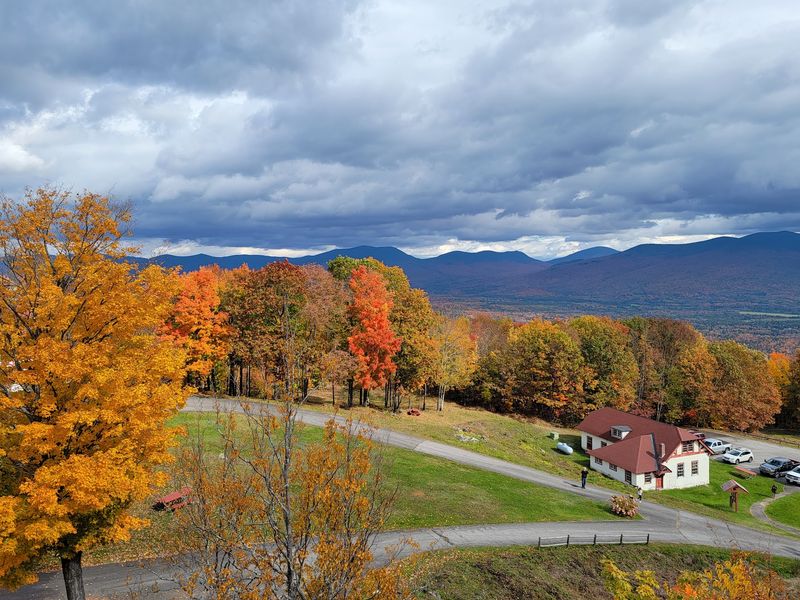
Great bear photos share one trait. The photographer stayed far enough away that the bear never changed what it was doing.
Long lenses earn their keep here. Cropping later beats creeping closer, and a zoom saves you from becoming a cautionary tale shared across the county.
Watch the body language before the viewfinder. Huffing, jaw popping, swatting the ground, or standing tall all mean the same thing, which is back off now.
Standing upright, by the way, usually signals curiosity rather than aggression. Bears rise to see and smell better, not to intimidate.
Never bait a shot with food, and never block a bear’s escape route. Cornered animals make choices nobody enjoys.
Shooting from inside a parked vehicle works beautifully on rural roads, giving you a stable rest and an instant exit.
Golden hour light along the river valleys near Lancaster flatters everything, fur and foliage alike.
Skip the drone. Low flying aircraft stress wildlife badly and are restricted in many protected areas throughout New Hampshire.
Patience produces the keeper frame. Sit still, stay quiet, and let the wildest county in the state come to you on its own schedule.
Reporting Sightings Keeps Bears Wild and Neighborhoods Calm
Data beats gossip every time. New Hampshire Fish and Game tracks bear activity statewide, and the agency’s long running Something’s Bruin campaign leans on the public to report conflicts and problem feeding situations.
Reports help biologists spot patterns, warn neighborhoods early, and target the exact attractants causing trouble.
Casual roadside sightings rarely need a call. A bear tearing into bins, raiding a coop, or returning to the same porch repeatedly absolutely does.
Spreading the word locally matters just as much. One household fixing its feeder situation protects the whole street from repeat visits.
Fall visits reward anyone willing to slow down. Fairgrounds, riverside fields, mountain lookouts, and quiet woods roads all sit within easy reach of the town center.
Base yourself in Lancaster, New Hampshire, USA, and you are positioned between the Connecticut River valley and the northern White Mountains with bear country in every direction.
Come hungry, drive gently, and store your snacks like you mean it.
Coos County does not do tame, polished, or predictable, and that is precisely the appeal. Pack the binoculars, fill the thermos, and go see what the whole north woods is talking about this autumn.
