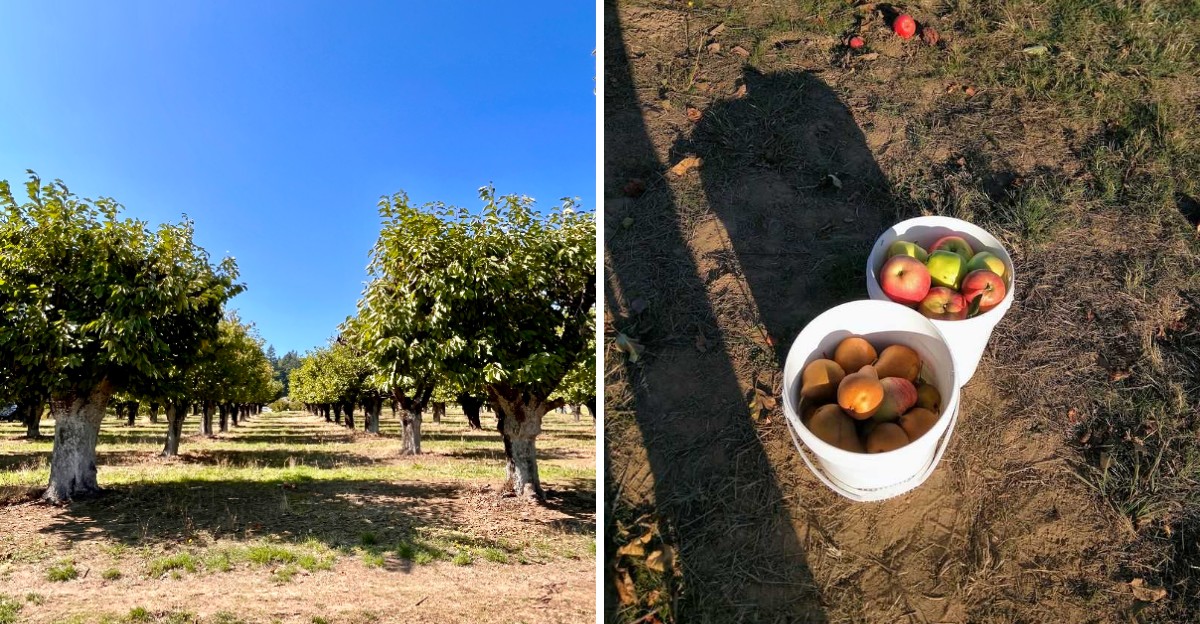
Some farms turn a quick apple run into an unplanned all-day event. This one refuses to let that happen. Rows sit close together here, no map needed to move between varieties. Baskets fill fast too, ripe fruit practically falling into hands without much searching required.
Efficiency like this rarely happens by accident at an orchard. Someone clearly designed the layout with short visits in mind, letting families arrive, pick, and leave within an hour if that’s all the time they’ve got in Oregon.
A quick stop rarely feels this satisfying elsewhere. This particular farm proves a short trip can still end with a full basket, no wasted afternoon required in Oregon.
A Hillside Orchard Hiding Right Off Highway 99W
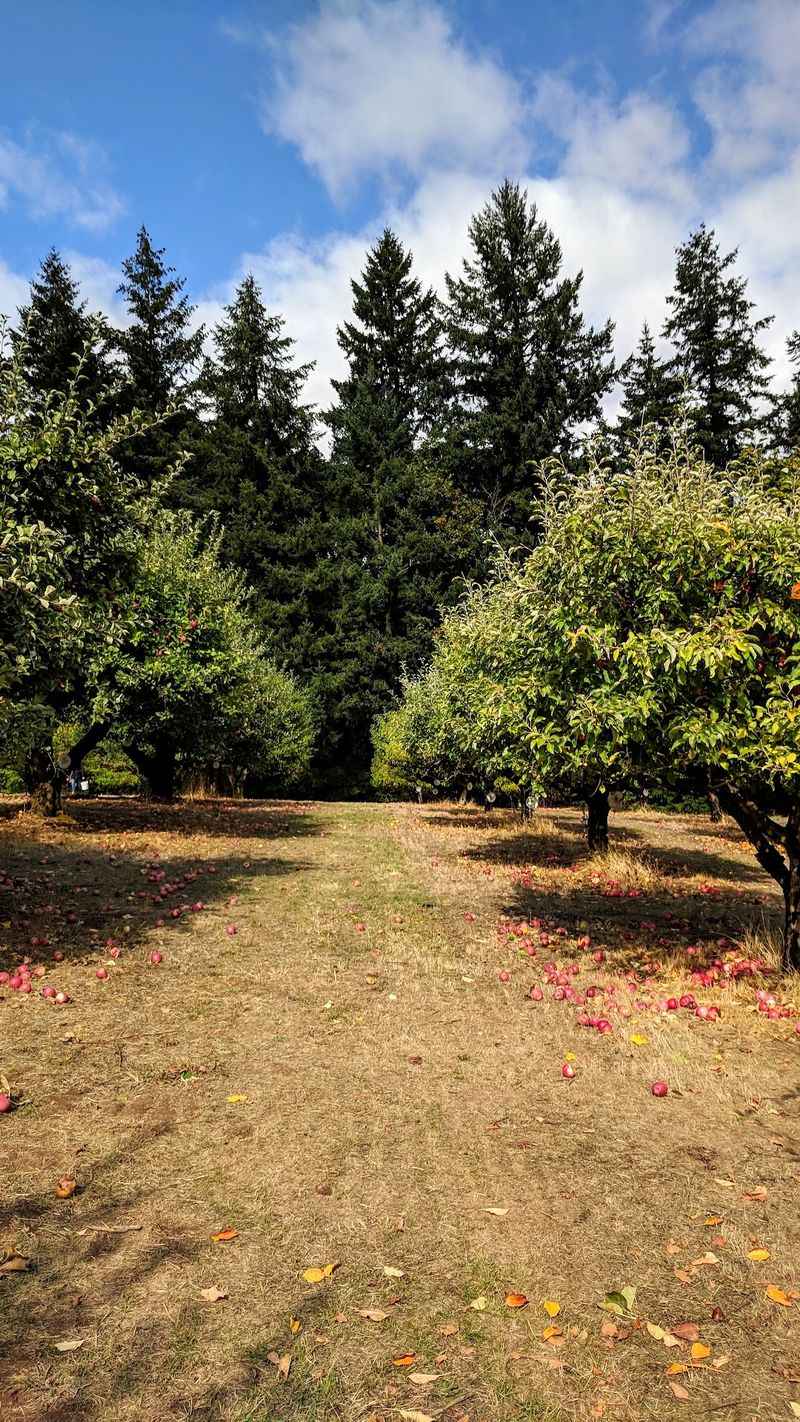
Most fruit farms make you commit to a long drive, winding country roads, and a gas station stop somewhere along the way. Sherwood Orchards skips all of that.
It sits directly along Pacific Highway, which means the trip out from Portland suburbs takes minutes rather than a chunk of the day.
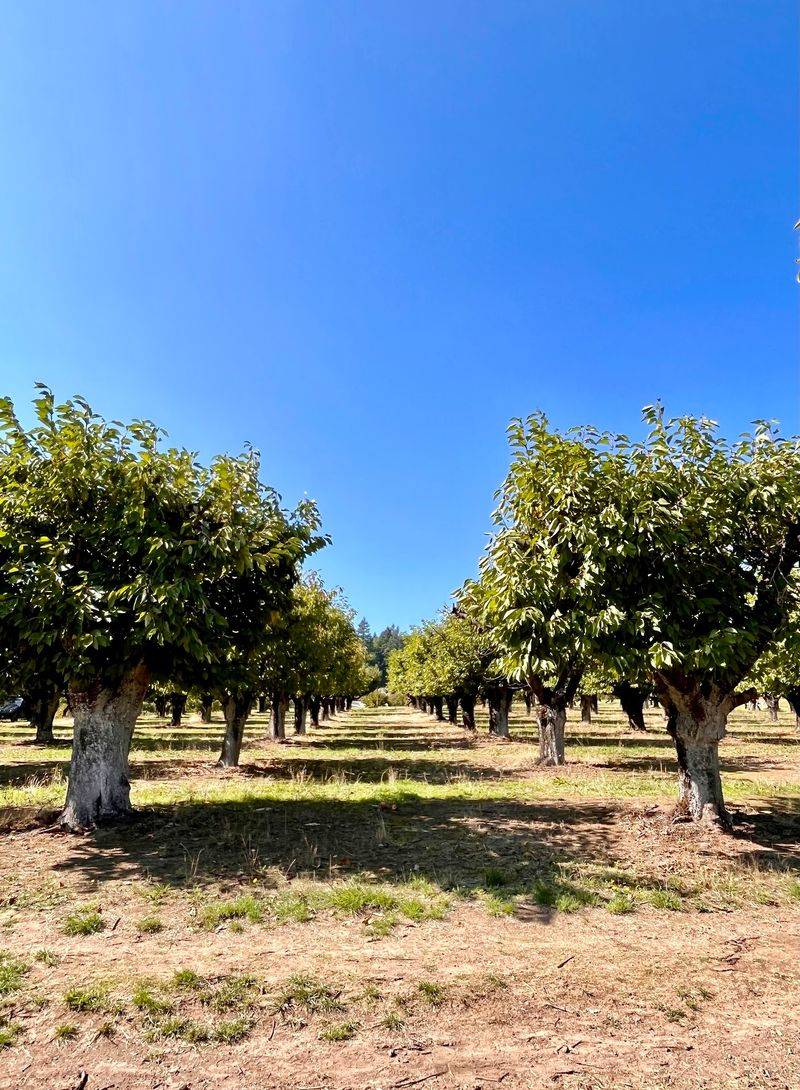
The odd part is how rural it feels once the car door shuts. Trees rise up a slope, grass grows thick between the rows, and the highway noise fades faster than expected.
The hillside gives the place a pleasant shape. Nothing steep, just enough tilt that you get a view back across the orchard while you work. Visitors often mention the same surprise, that a working orchard this size exists so close to shopping centers and neighborhoods.
For anyone weighing whether to drive toward the Columbia River Gorge instead, the math here is simple. Same fresh fruit, far less windshield time. That alone makes it worth a bookmark.
Buckets and Long Handled Pickers Handed Over at the Start
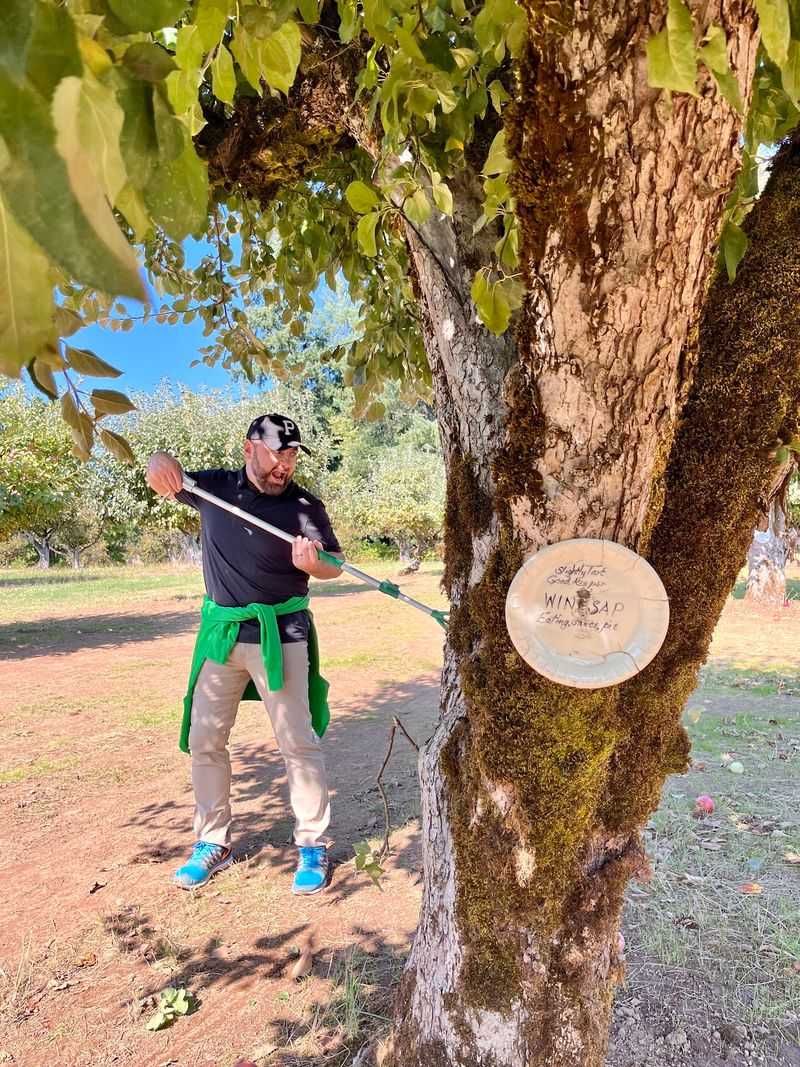
Gear tends to be the thing people forget, and that is exactly what makes the setup here so easy. Buckets come out first, then a long pole with a basket claw on the end for the apples sitting stubbornly out of reach. No rental counter, no hunting around for a ladder.
Using the picker takes about three tries to figure out. Line up the claw, give a small tug, and the apple drops into the little cage. Kids get weirdly obsessed with it.
Wagons have also been part of the routine for families hauling heavier loads across the rows. That small detail saves a lot of arm strain when the buckets fill faster than planned.
One practical tip repeated by regulars, bring your own bags or boxes for the ride home. Buckets stay at the farm. A few grocery totes in the trunk turn the transfer into a thirty second job instead of a juggling act in the parking area.
Apple Varieties You Will Not Recognize From the Grocery Store
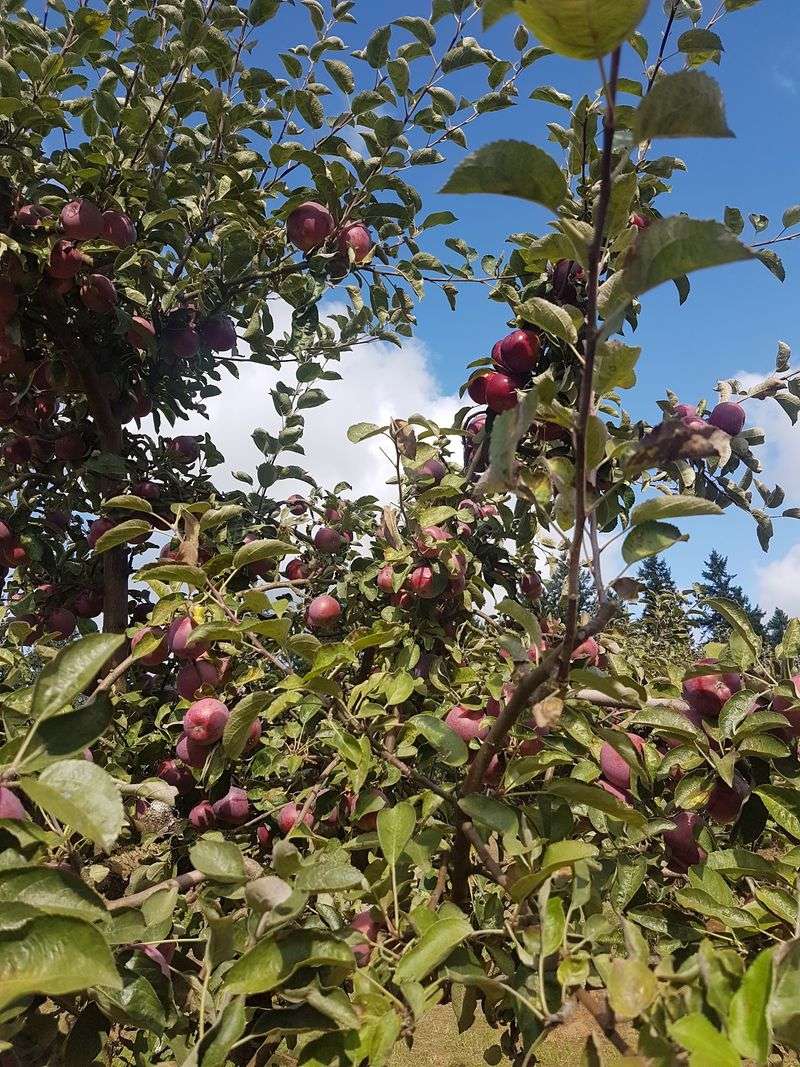
Grocery shelves mostly rotate the same handful of apples. Here the rows tell a different story, with heirloom types that never made it into big distribution because they bruise easily or ripen unevenly.
Some varieties fill entire rows. Others get just two or three trees, which makes finding them feel a little like a scavenger hunt through the grass. Flavor is the payoff. Picked-that-minute fruit snaps differently than fruit shipped and stored, and the tartness hits sharper.
People who arrive planning to grab a few pounds tend to leave with considerably more. Timing matters if variety is the goal. Certain rows get picked clean during the busiest stretch of the season, so an early-season visit opens up the widest choices.
Worth doing, and something I wish I had thought of, jot down the names of your favorites. Rows are labeled, memories are not, and next autumn you will absolutely want to find that one again.
Cherry Season Kicks Things Off in Early Summer
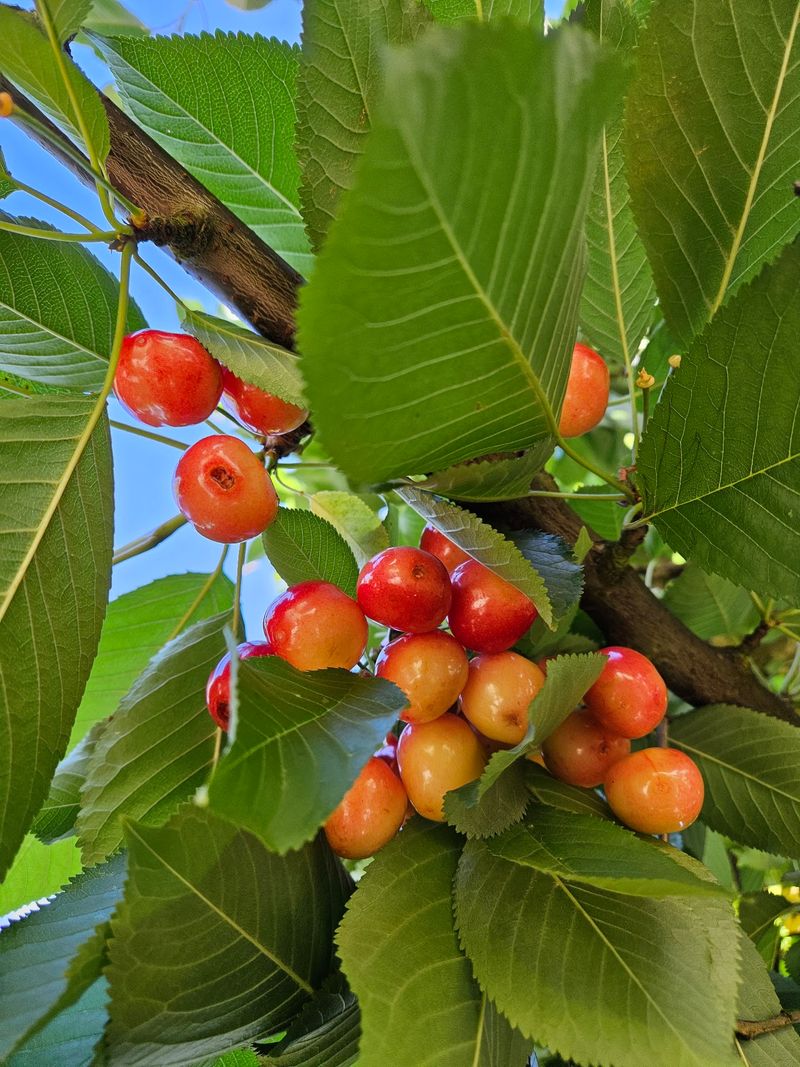
Apples get the autumn attention, but summer belongs to the cherry trees. Sweet types and tart pie cherries both grow here, including pale golden Royal Ann cherries that look almost like they have been painted.
Cherries hang high, so the pickers come in handy again. Fruit here tends toward the softer, fully ripe side, which is wonderful for eating and slightly messy for transporting.
Visitors regularly walk out with double-digit pounds between sweet and sour varieties, enough for pies, jam, and a freezer bag or two. Pie cherries especially earn praise from people who bake.
Heat is the one thing to plan around. On hot days, morning visits are far more comfortable, and the fruit holds up better in the car afterward.
Cherry picking also makes a nice low-key outing when the season for apples still feels months away. Bring a cooler. Trust me on that one, warm cherries in a hot trunk are a sad discovery.
Plums, Prunes, Pears and the Occasional Quince
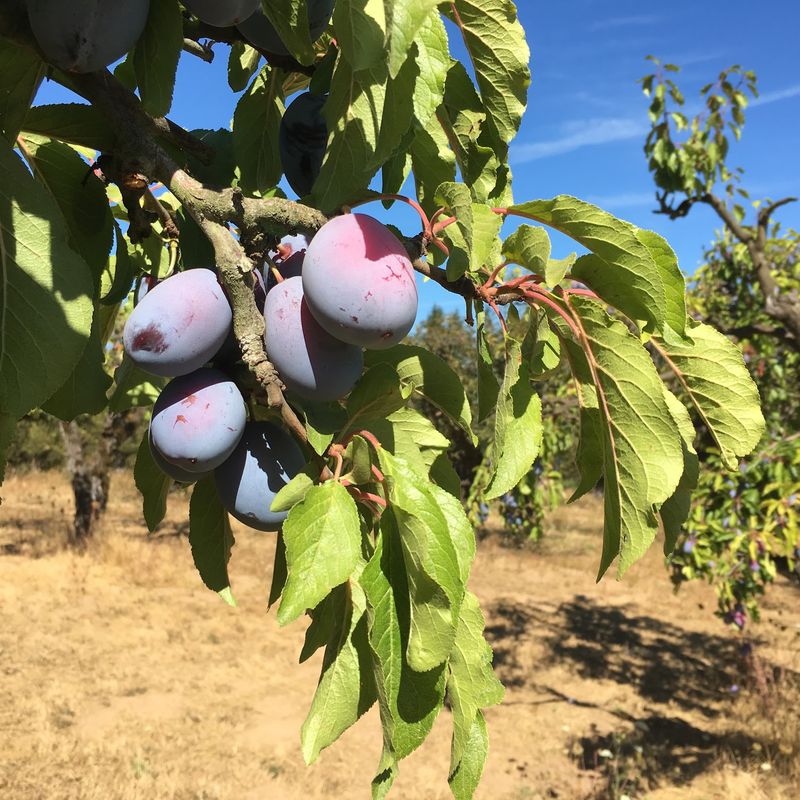
Plums show up in conversation about this farm almost as often as apples do. Italian prunes, sweet eating plums, pears that ripen into something worth the wait, all of it grows across the same hillside.
Quince makes an appearance too, which is rare at pick-your-own places. That fragrant, knobbly fruit turns into jelly and paste that tastes nothing like anything store-bought.
The staggered ripening is the real advantage. Cherries in June, plums and pears through the middle of summer, apples stretching deep into fall, meaning the farm stays worth visiting across several months instead of one narrow window.
Calling ahead or checking what is ripe saves a wasted trip, since fruit does not follow a calendar precisely each year. Pear picking rewards patience. Many pears ripen best off the tree, so firm fruit today becomes soft and juicy on the counter in a few days.
Plums, meanwhile, are best eaten standing right there in the row.
Owners Who Actually Tell You Where to Go
Something small but genuinely useful happens at the start of a visit here. Say what you plan to make, baking apples for pie, softer fruit for applesauce, and you get pointed toward the right rows instead of wandering around guessing.
That kind of guidance changes the whole experience. Fifteen minutes of aimless sampling turns into walking straight to the good stuff.
People also come away with practical calendar advice, which fruit ripens next and roughly when to return. It is the sort of information that never appears on a sign.
The atmosphere stays relaxed and unhurried. Nobody rushes you along, and questions get answered without any sales pitch attached.
Small family farms opening their land to strangers is not a given, and it shows in how the place is cared for. Staying on the paths, closing gates, and being careful with the trees goes a long way. Simple courtesy, really, and it keeps the welcome as warm as it currently is.
An Outing That Fits Into a Morning, Not a Whole Weekend
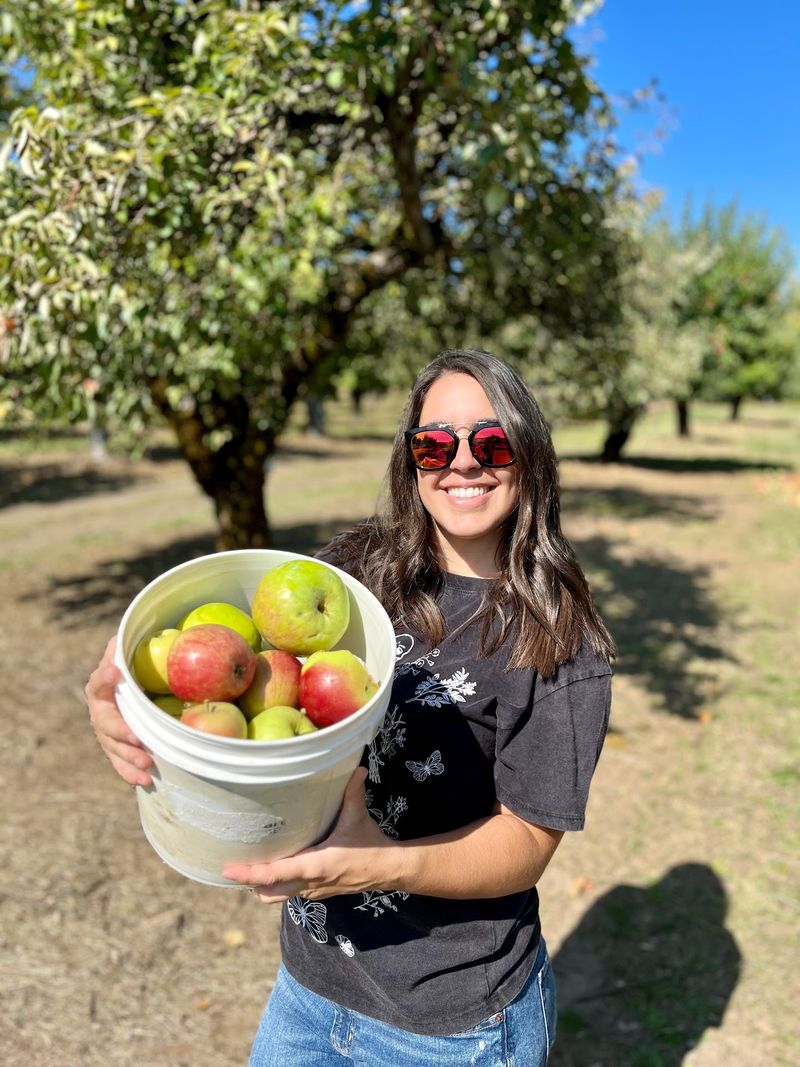
Two hours. That is honestly all it takes to park, grab a bucket, fill it, pay, and get back on the road with fruit in the trunk. Compare that to the big destination farms with corn mazes, food stands, tractor rides, and parking shuttles. Fun, sure, but they eat an entire Saturday and a lot of energy.
Here the point stays simple. Pick fruit, enjoy the quiet, go home. Perfect for a weekday off, an early morning before errands, or a spontaneous stop when the weather turns nice.
Rainy mornings turn out to be a hidden advantage. Crowds thin out, rows open up, and the orchard feels almost private under a gray Oregon sky. A short visit also means less complaining from anyone under ten who loses interest halfway through. Fill the bucket, admire the view, head out.
Low commitment outings like this are the ones that actually get repeated year after year.
Rows That Work for Little Kids and Grandparents Alike
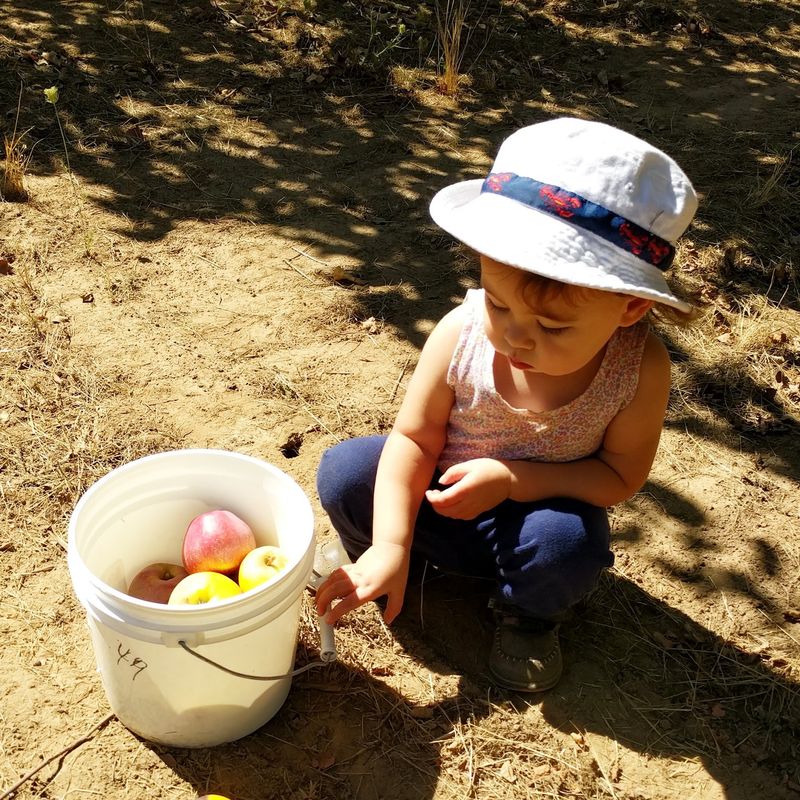
Gentle terrain does a lot of quiet work at this farm. The slope exists, but it never becomes a climb, so strollers, short legs, and slower walkers all manage fine across the grass. Lower branches hold plenty of reachable fruit, which matters enormously when a four year old wants to do it themselves.
Multigenerational visits seem common here. Grandparents, parents, and kids filling buckets together for a batch of apple butter is exactly the kind of scene the place suits. Wagons help with the hauling, and the wide rows give kids room to run without knocking into anything breakable.
Footwear deserves one note. Grass holds moisture, especially in the morning or after rain, so closed shoes beat sandals by a wide margin. What makes it click for families is the pace. Nothing is timed, nothing is crowded into a schedule, and there is no pressure to see everything.
Kids pick, snack, wander, and somehow leave genuinely proud of a bucket they filled themselves.
Baking Season Gets a Serious Head Start Here
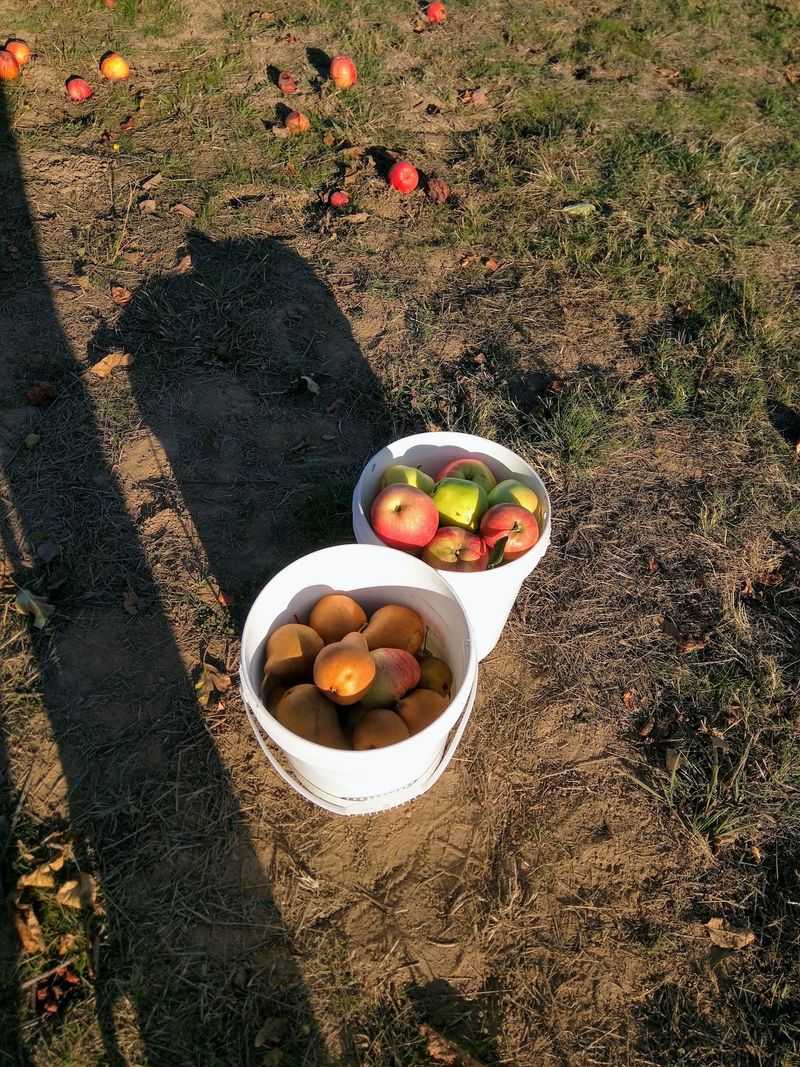
Fruit picked for cooking behaves differently than fruit bought for snacking, and this is where the trip pays off twice. Apples sorted by purpose means pie apples that hold their shape and softer ones that break down beautifully into sauce.
Apple butter comes up often among returning visitors. So do pies, crisps, and jars of sauce lined up on a counter. Tart cherries deserve their own mention for anyone who bakes. Pie cherries are hard to find fresh, and having a whole tree row available changes what is possible in the kitchen.
Freezing works well if the haul gets ambitious. Sliced apples and pitted cherries store fine and stretch the season into winter. A small suggestion from experience, decide roughly what you plan to make before arriving. Buckets fill quickly and enthusiasm runs high.
Without a plan you end up with forty pounds of fruit and a sudden, urgent need for more pie tins than any household reasonably owns.
Practical Notes Before Pointing the Car Toward Sherwood
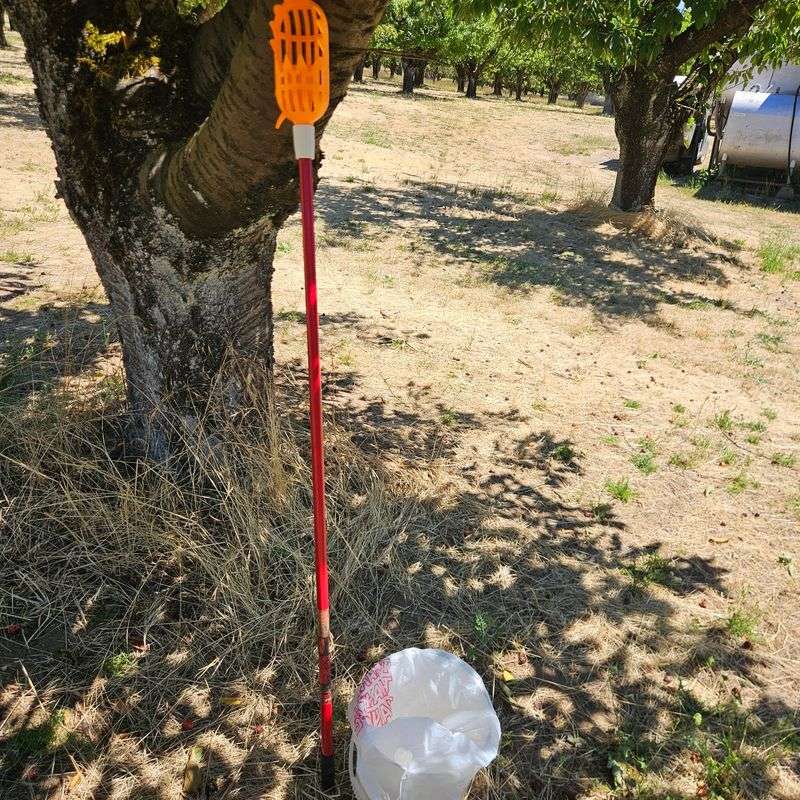
A little preparation smooths out the whole visit. Hours and available fruit shift with the season, so confirming what is ripe before leaving home prevents disappointment at the gate.
Parking is modest, which is part of the small-farm charm but worth knowing during busy weekends. Arriving earlier helps on both counts. Bags, boxes, or a cooler belong in the trunk. Buckets and pickers are provided, the transport containers are on you.
Dress for grass and sun. A hat, closed shoes, and water cover almost every scenario on the hillside. Early mornings are the sweet spot in warm weather, both for comfort and for fruit quality. Cooler picking means firmer fruit by the time it reaches the kitchen.
For anyone plugging it into a map before heading out, the orchard sits at 23995 SW Pacific Hwy, Sherwood, OR 97140, right along the highway and easy to spot. Bring an appetite, leave with more fruit than planned, and start planning the next season’s return.
