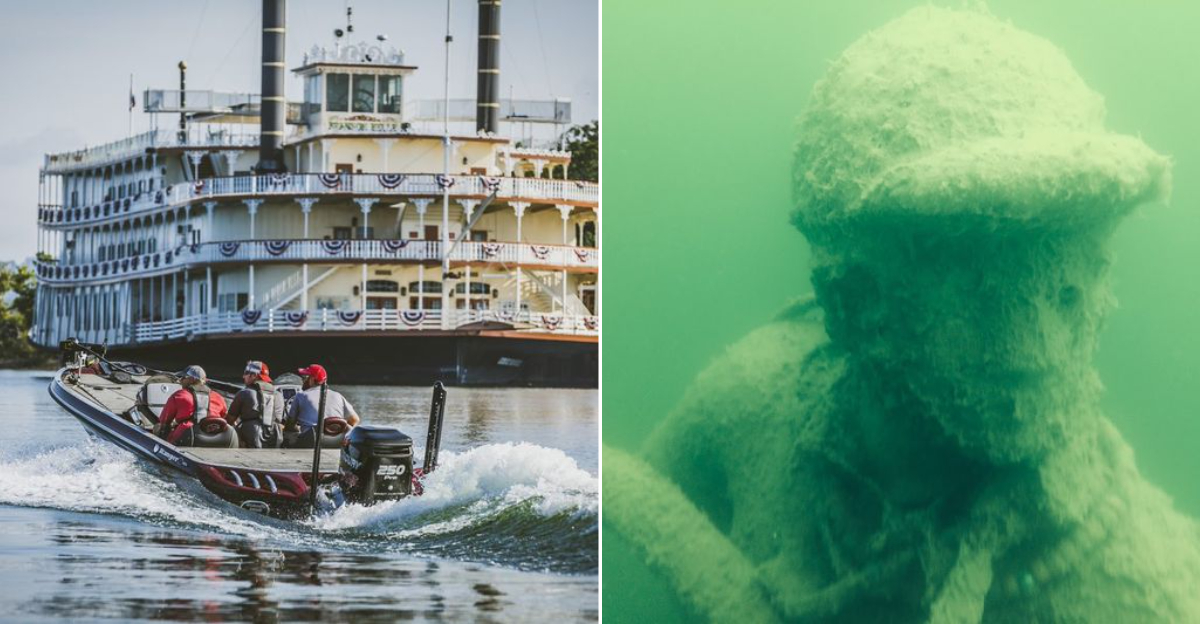
A drowned town rests at the bottom of a Missouri lake, its streets still visible to those who know where to look.
The town was once a thriving community on the White River, with homes, businesses, and a railroad that carried goods and passengers through the Ozarks.
When the government built a dam in the nineteen fifties, the town was evacuated, and the rising water swallowed everything in its path. Today, the ruins sit beneath the surface of Table Rock Lake, a quiet reminder of what was lost.
On calm days, when the water is clear enough, divers have explored the remains of old buildings and roads that still hold their shape.
The lake is now a popular destination for boaters and fishermen, but few realize what lies beneath their hulls.
The story of the drowned town has become a local legend, passed down through generations. It is a strange and haunting chapter in Missouri history that refuses to be forgotten.
Where The Lost Town Still Waits
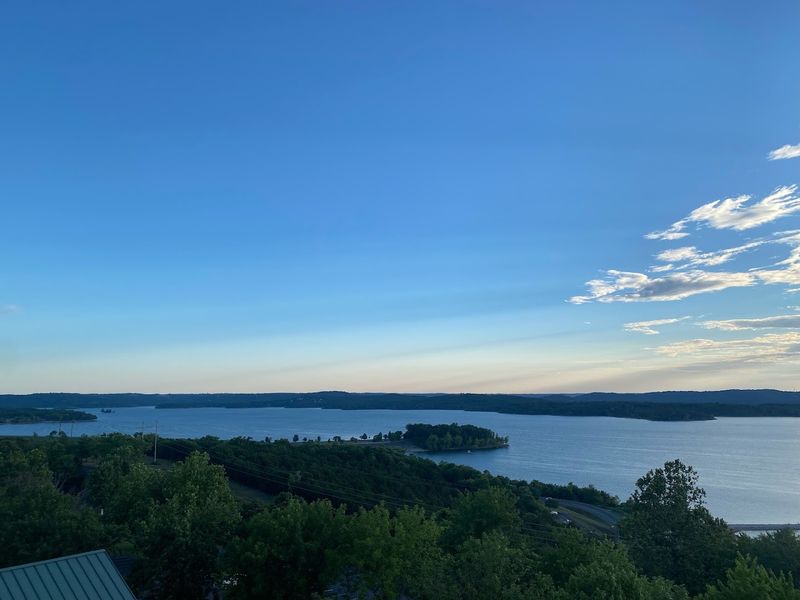
Here is the part that really gets me: one of the best known lost places under Table Rock Lake is Oasis, a tiny Ozark settlement that once sat along Long Creek in Taney County, south of where Big Cedar Lodge stands now. Before the water came, it was a real community with dirt roads, a mill, a store, and neighbors who knew exactly whose wagon was coming up the road.
It had also been called Cedar Valley, which somehow makes the whole thing feel even older and more personal.
What stays with you is how small and ordinary it was, because that is what makes the story hit harder. This was not some grand city with brick blocks and train depots, but a handful of buildings tucked into the folds of southern Missouri where daily life moved at the pace of weather, work, and family routines.
When you picture it that way, the lake starts feeling less like scenery and more like a lid placed over memory.
Even now, divers still talk about foundations, traces of a church, a bridge, and the line of the old street below the surface. You cannot stand there and see it clearly from above, of course, but once you know it is there, the water feels strangely full.
That is the wild part, because the town is gone and somehow not gone at all.
The Valley Before The Water Rose
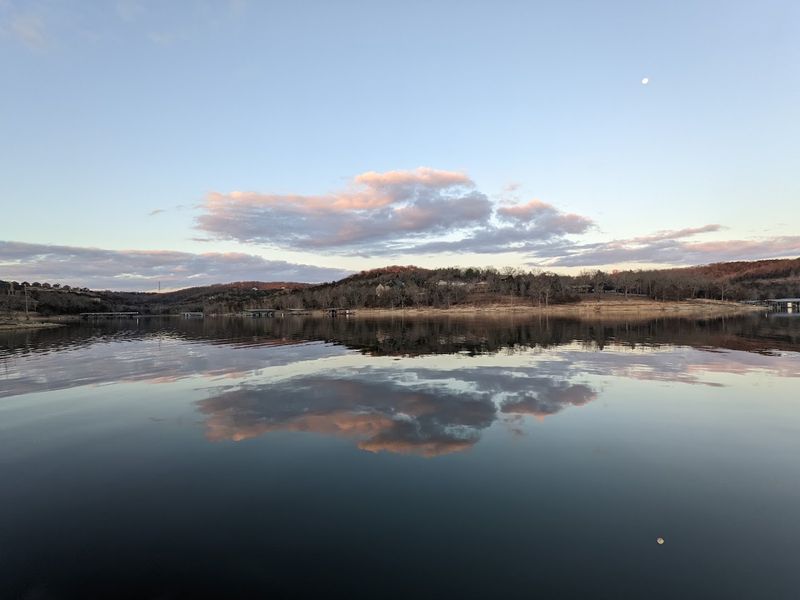
If you want the story to feel real, it helps to picture the valley before it became lake water. Oasis was nestled in an Ozark hollow where farms, foot traffic, and small local business made up the whole rhythm of the place, and from everything preserved by local historians, it sounds quiet in the way only a working rural community can be.
Nothing about it was flashy, which is exactly why it feels so haunting now.
People there were living ordinary lives in southern Missouri, not waiting to become a mystery for future visitors with pontoon boats and sunscreen. The settlement had fewer than ten buildings, yet those buildings mattered deeply because one held the general store, another served practical needs, and the three story mill was the kind of landmark people oriented themselves around.
The store also functioned as the polling place, which tells you a lot about how closely daily life and civic life were tied together.
That detail always lands with me, because it means this was not just a cluster of houses. It was a place where people bought supplies, heard local news, argued a little, and showed up to take part in the wider world beyond their valley.
Then the wider world changed the valley forever, and the valley disappeared under Table Rock Lake.
Why Table Rock Lake Exists At All
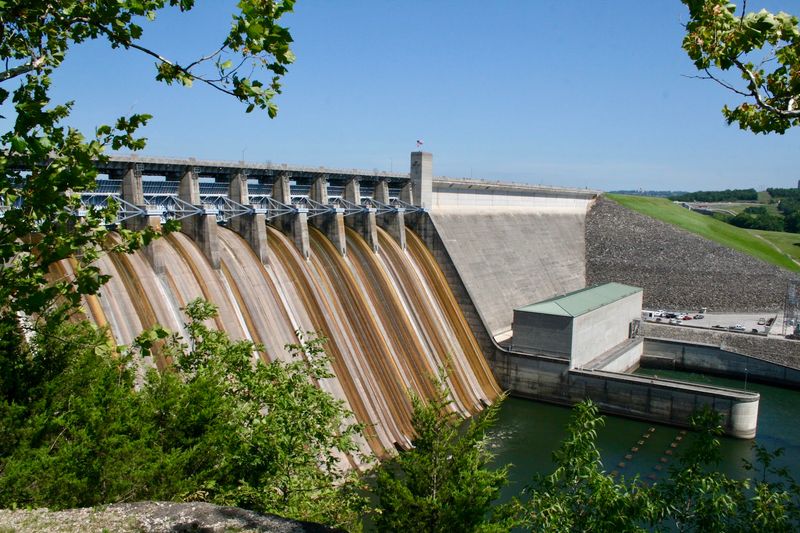
This whole story makes more sense once you remember that Table Rock Lake was not created for spooky legend or scenic boating. The dam was built mainly for flood control on the White River, which had a long history of causing destructive flooding across southern Missouri and northern Arkansas, and it also brought hydroelectric power into the picture.
That practical reason sits right beside the emotional cost, and honestly, that tension is what gives the place its strange energy.
The U.S. Army Corps of Engineers designed, built, and still operates Table Rock Dam, and the lake formed as the river valley filled behind it.
When you drive through the Branson area today, it is easy to treat the lake as if it has always belonged here, because it looks so natural against the hills. But it is still a manmade lake covering roads, homesites, farms, and landmarks that once made perfect sense on dry ground.
I think that is why the story sticks, because nobody is really wrong in how they see it. The lake helped solve serious flooding problems, and it became a defining part of the region, yet it also erased visible traces of entire communities.
You are looking at beauty and loss at the same time, which is not something most places show so plainly.
The Spot Near Long Creek Feels Different
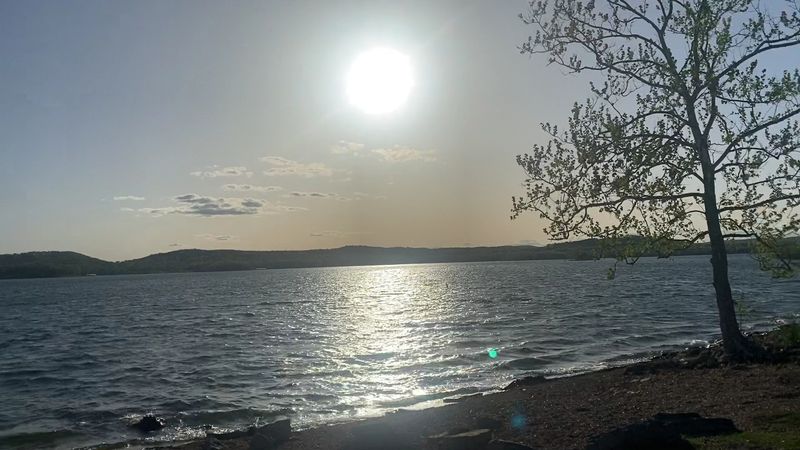
I am not saying the Long Creek area is automatically spooky every time you pass through, but it does carry a weight once you know what used to be there. Oasis stood south of today’s Big Cedar Lodge area and north of the present Long Creek Bridge, so this is not some vague legend floating around without a map.
There is an actual place beneath the water, and that makes your imagination work overtime.
When a location has that much documented history under it, even normal lake sounds start landing differently. Ripples hit the bank, a boat wake rolls through, and suddenly you are thinking about an old road line, a church trace, or a one lane bridge sitting far below where the sun is flashing on the surface.
You are still in present day Missouri, but the past feels close enough to brush your sleeve.
That is probably why so many people talk about a hush in certain coves, especially when traffic dies down and the water goes glassy. It is not proof of anything supernatural, and I would not pretend otherwise, yet it feels undeniably charged in the way old places often do.
If you are the kind of person who notices atmosphere, this part of Table Rock gets under your skin fast.
Ragtown Adds Another Layer
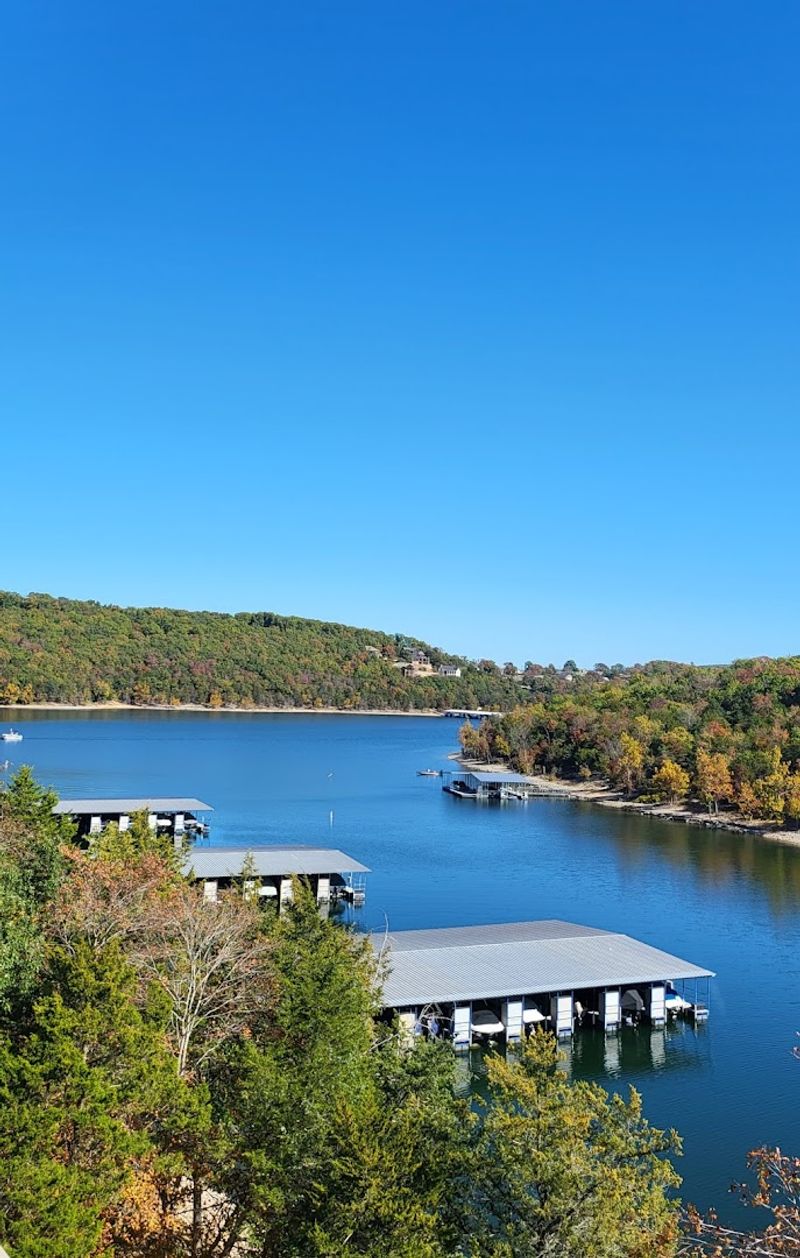
Just when you think the story begins and ends with Oasis, Ragtown comes in and adds another layer. This former settlement near what is now Kimberling City was also swallowed by the making of Table Rock Lake, and unlike the tiny farming feel of Oasis, Ragtown had more of a rough, active stopover energy in local memory.
It served traders, workers, and people moving through the region while Missouri itself was changing around them.
That difference matters, because it reminds you the lake did not cover one single kind of place. It covered a mix of communities, from small agricultural pockets to more bustling local stops where supplies, lodging, and conversation all crossed paths in one spot.
Some residents were able to relocate homes and move on, but a lot was still left behind when the water rose.
I always find that detail especially unsettling, because it means pieces of daily life were not neatly packed away and preserved somewhere else. They were simply overtaken, which is a much messier ending than people tend to imagine.
So when someone talks about a ghost town under this Missouri lake, they are really talking about more than one lost place, and that makes the story feel wider and sadder than a single legend.
Divers Know It Is Not Just A Story
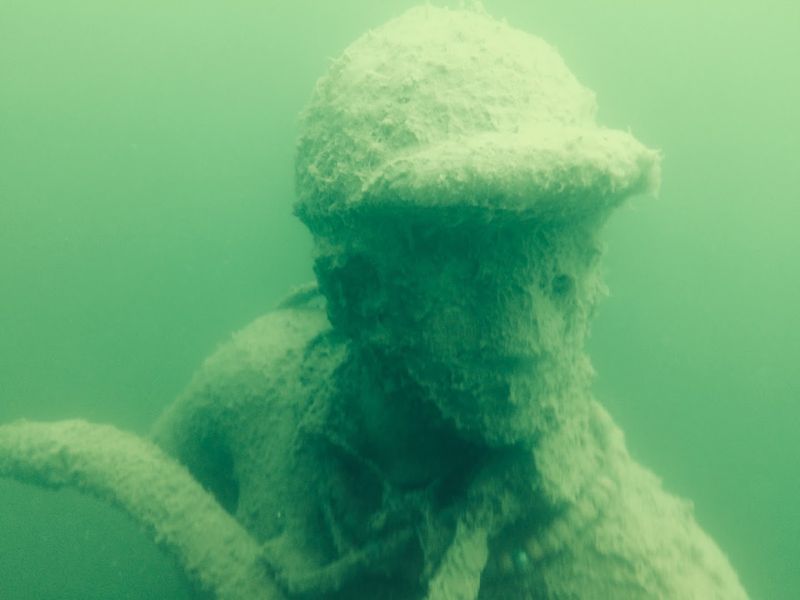
What pushes this beyond campfire talk is that divers have reported seeing real remains below the lake. Accounts tied to Oasis describe submerged foundations, parts of an old church, the main street, and even a one lane bridge, all resting deep enough that the place stays mostly in the realm of imagination for anyone above the surface.
Still, the fact that physical traces remain changes the whole mood.
Wooden structures have naturally broken down over time, which makes sense after decades underwater, but foundations can preserve the shape of what once stood there. That means the town is not visible in the way people probably hope when they hear the phrase ghost town, yet it is not invented either.
It survives in fragments, and sometimes fragments are even more haunting because your mind fills in everything that is missing.
I think that is why this story keeps circulating around Branson and the wider lake region. People are drawn to places where history has not vanished cleanly, where the outline still exists just enough to make you wonder what a day there sounded like before the valley flooded.
You do not need to believe in ghosts to feel something while thinking about an old street lying under all that blue water.
The School That Made It Out
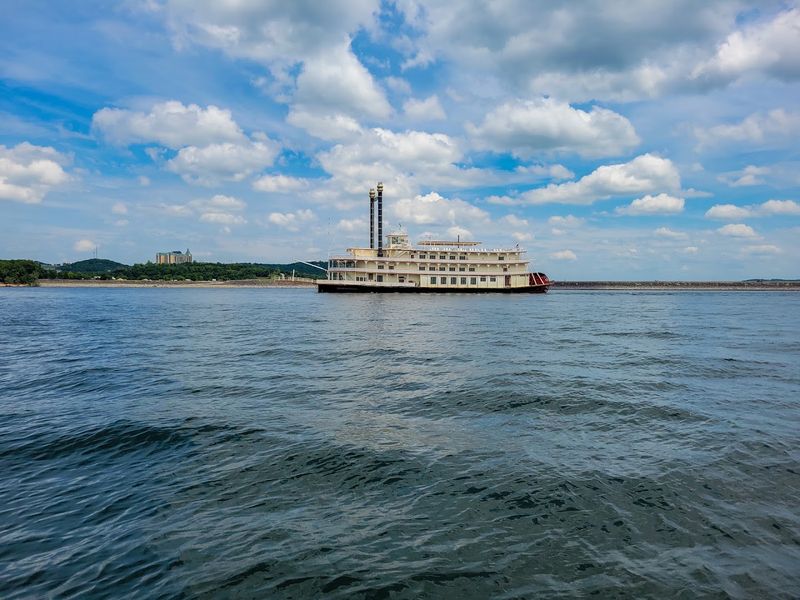
One of the most human details in this whole story is that not everything was simply abandoned to the lake. Cedar Valley School, a known landmark connected to the area’s local history, was relocated to higher ground before the water fully claimed the valley, which means at least one piece of that world was physically carried forward.
I love that detail because it interrupts the sadness just enough to remind you people fought to save what they could.
There is something deeply moving about a community deciding that a school mattered enough to lift out of danger and keep. Schools hold more than lessons, after all, because they collect routines, weather memories, family stories, and the feeling of a place trying to build a future for its children.
In a story full of submersion and loss, that one preserved landmark feels like a hand reaching back through time.
It also adds perspective to the ghost town angle, which can sometimes flatten everything into one eerie headline. Real people made hard choices here, and those choices were practical, emotional, and shaped by what could actually be moved before Table Rock Lake changed the map for good.
When you know that, the region feels less like a legend and more like a lived history that still quietly asks to be remembered.
Why People Call It Haunted
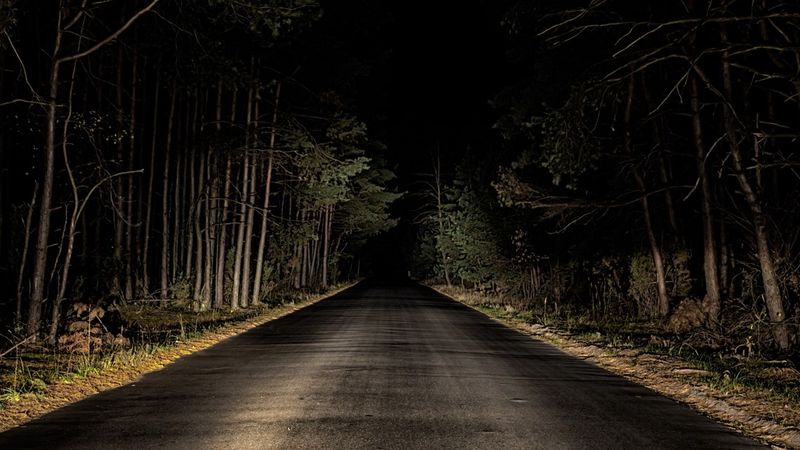
Now for the part everybody leans in for, because yes, people absolutely call this area haunted. Around Table Rock Lake, local stories mention strange noises, sudden movements in the water, and an odd stillness over certain submerged locations, as if the lake remembers more than it should.
That kind of lore grows naturally anywhere history, grief, and landscape overlap, and here the ingredients are almost too perfect.
I do not think you have to treat every story as hard evidence to understand why they endure. If families know ancestors lived in these lost communities, then boating across those waters is not just recreation, because it can feel like passing over a resting place for part of their own story.
That emotional connection gives the lake a different charge than an ordinary vacation backdrop.
There is also broader Branson area folklore, including stories tied to places like Marvel Cave and the legend of Virgin Bluff near Cape Fair where the James River enters the lake. Those tales are separate from Oasis, but they feed the sense that this corner of Missouri has always collected stories people tell a little softer after sunset.
Haunted might not mean ghosts to everyone, yet it definitely means the past still lingers here.
What It Feels Like On The Water Today
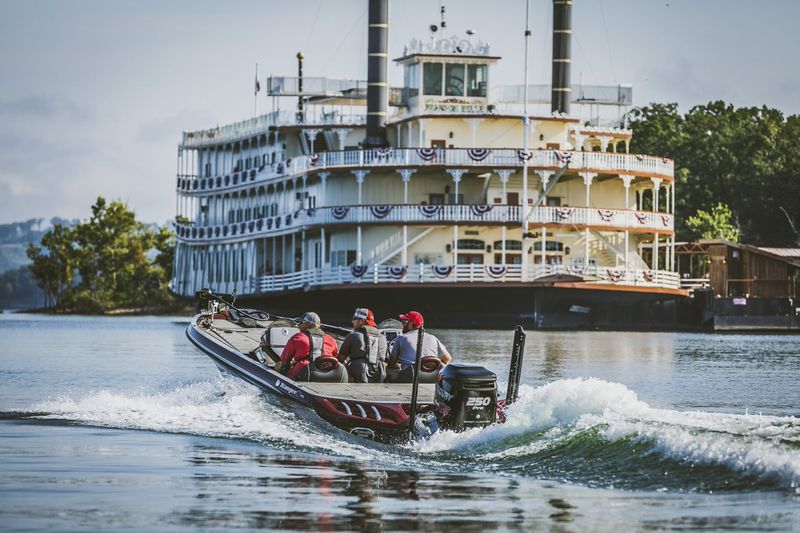
Being out on Table Rock Lake today is what really scrambles your brain in the best way. You are surrounded by coves, marinas, wooded slopes, and that familiar Branson area brightness, yet under all of it are places where people once handled ordinary things like voting, hauling grain, crossing bridges, and walking home before supper.
The contrast is so sharp that it almost feels unreal while you are sitting there in open sun.
That is probably why the story sticks with visitors who normally would not go searching for local history. A lake can look cheerful and calm, but once you know what lies below, the whole surface takes on this second meaning that never quite leaves your mind.
You start scanning shorelines differently, wondering which valley folds once held houses and which quiet stretch covered somebody’s road.
I think that layered feeling is what makes this place memorable in a way a standard scenic stop never could. It is beautiful, obviously, but the beauty comes with a backstory that keeps nudging at you long after you leave the water.
Even if you never see a single trace below the surface, you still come away with the sense that Table Rock is carrying much more than fish, boats, and reflected sky.
