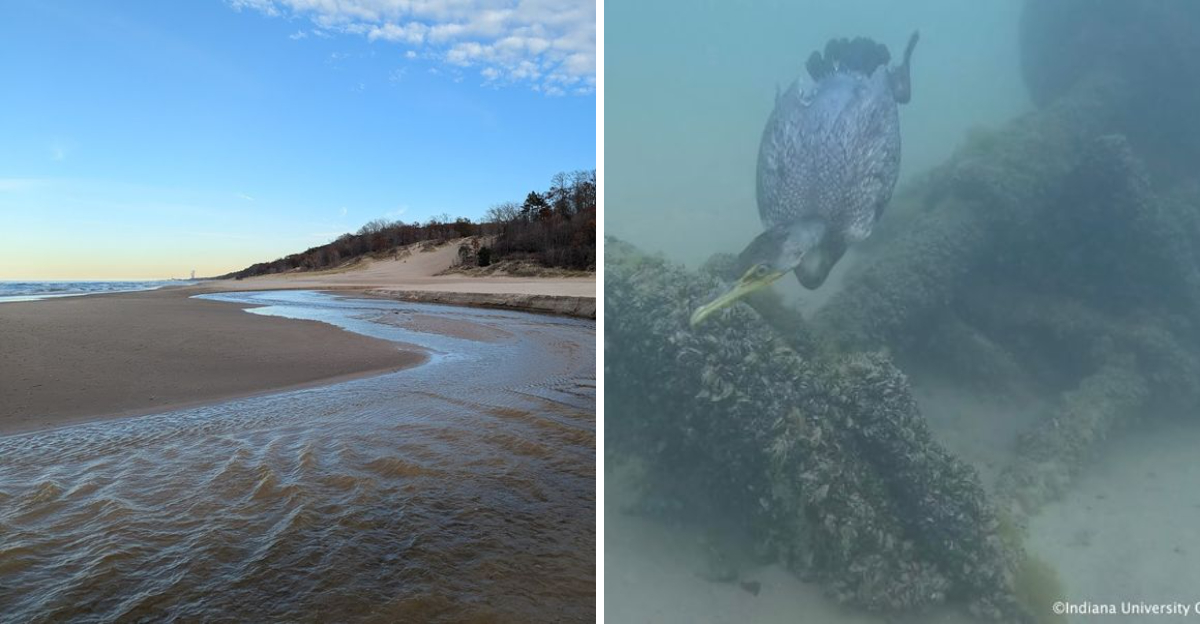
Beneath the sparkling surface of Lake Michigan, just off the shoreline near Indiana Dunes State Park, rests a 154-foot wooden steamship that has been sitting on the lake floor for over a century. The J.D.
Marshall sank in the early 1900s during a violent storm, taking crew members with it and leaving behind one of the most haunting maritime stories tied to the region. Today, the wreck is protected as an underwater preserve, safeguarding both its fragile remains and the surrounding aquatic ecosystem.
Resting in clear but often shifting waters, it has become a fascinating site for divers and historians who study Great Lakes shipping history. The combination of natural reclamation and preserved structure makes it feel almost frozen in time.
Whether you are drawn to history, underwater exploration, or the mysteries of shipwrecks, this submerged landmark offers a powerful glimpse into a lost era of lake travel in Indiana.
A Storm That Changed Everything on Lake Michigan
June 11, 1911, started like any other working day on Lake Michigan. The J.D.
Marshall, a 154.5-foot open-hulled wooden steamer, was loaded with sand and pig iron and headed out as usual. Then the storm hit, the ship sprung a leak, and within a short time, the vessel flipped completely upside down and sank in about 25 to 30 feet of water.
What makes this sinking so eerie is the way it happened. The ship “turned turtle,” meaning it flipped belly-up and went down nearly intact.
Four crewmen lost their lives that day, making it one of the largest maritime disasters ever recorded in Indiana waters. Seven others survived, and their accounts of the chaos have been passed down through generations.
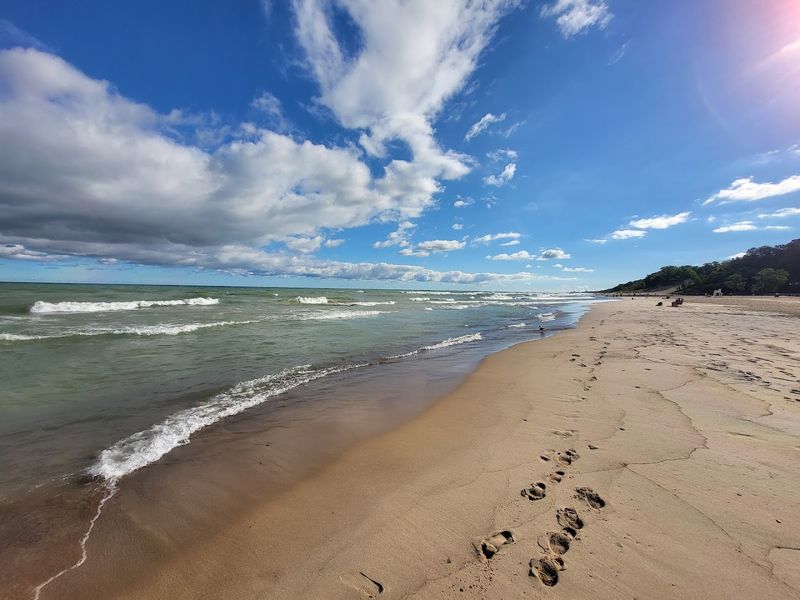
Standing on the beach at Indiana Dunes State Park today, it is almost impossible to imagine that kind of tragedy unfolding just offshore. The water looks calm and blue.
But knowing what happened out there adds a layer of weight to every wave. The storm that took the J.D.
Marshall was sudden and unforgiving, a reminder that the Great Lakes can turn dangerous fast. That contrast between the peaceful beach and the dark history beneath the surface is exactly what makes visiting this spot so powerful and unforgettable.
You Should Know What Cargo the Ship Was Carrying
Not every shipwreck story comes with this kind of detail. The J.D.
Marshall was not just carrying any ordinary load when it went down. It was hauling a full cargo of sand and pig iron, which is a heavy, crude form of iron used in early industrial manufacturing.
That weight played a direct role in how fast the ship sank and why it went down so completely.
The ship itself had a layered history before that final voyage. Built in 1891, it originally worked in the Great Lakes lumber trade, hauling timber across the water during a booming era of American industry.
In 1910, it was purchased by the Independent Sand and Gravel Company and refitted for gravel and sand hauling. Parts of the ship were even salvaged from another vessel called the Muskegon, making the J.D.
Marshall a kind of patchwork ship held together by necessity and ingenuity.
Learning about the cargo and the ship’s background gives visitors a richer understanding of what life and work looked like on the Great Lakes in the early 1900s. These were not luxury vessels.
They were working ships, pushed hard and sometimes past their limits. The J.D.
Marshall’s final load tells a story about labor, industry, and the risks that everyday workers took just to earn a living on the open water.
Plan to Visit the Propeller Display Near the Visitor Center
You do not have to be a scuba diver to get up close with a real piece of the J.D. Marshall.
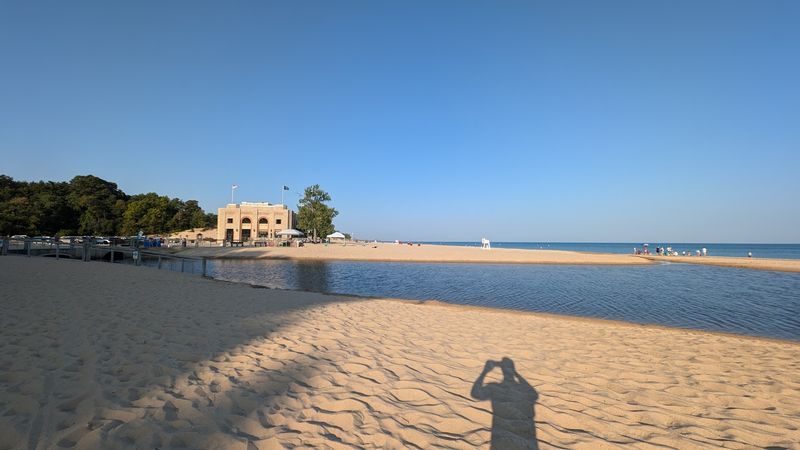
A large, four-bladed metal propeller recovered from the shipwreck is on display in the sand just a short walk from the Indiana Dunes State Park Visitor Center. It sits right out in the open, and the size of it alone is enough to stop most people in their tracks.
Seeing the propeller in person makes the story feel real in a way that reading about it simply cannot. This was part of an actual working steamship.
It spun through Lake Michigan water for years before the storm of 1911 ended everything. Now it rests on dry land, weathered and worn, a physical connection to a ship that most people will never see with their own eyes.
The Nature Center at the park also holds artifacts and information related to the J.D. Marshall, giving visitors a fuller picture of the ship’s life and death.
Staff at the Nature Center regularly offer interpretive programs and lectures on the shipwreck and Indiana’s broader maritime history. There is even a guided 1.5-mile hike to the beach where the story of the ship is shared along the way.
For families visiting with kids, this kind of hands-on history is the kind that actually sticks and sparks real curiosity long after the trip is over.
Come See Indiana’s First Underwater Nature Preserve
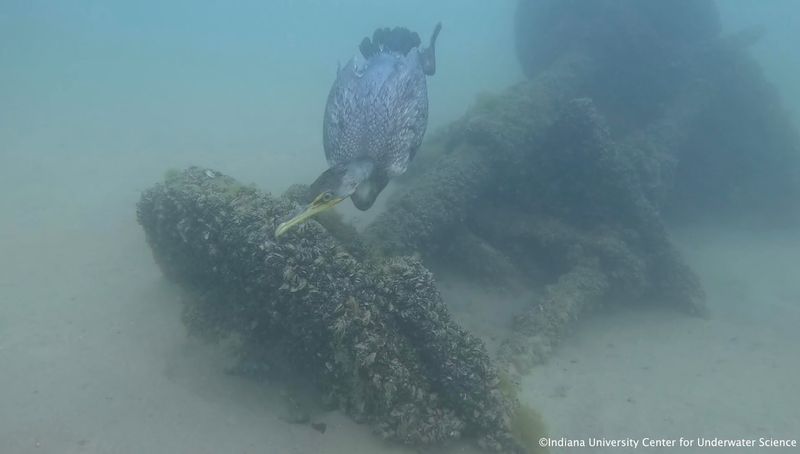
On September 17, 2013, the J.D. Marshall shipwreck site earned a title that no other site in Indiana had ever held before.
It became Indiana’s first officially designated underwater nature preserve. The protected area covers 100 acres of Lake Michigan and was created to shield the wreck from damage while welcoming curious visitors to experience it responsibly.
Before this protection was put in place, the site had already faced threats. In 1982, illegal salvagers attempted to remove pieces of the wreck, causing real damage to a site that had rested mostly undisturbed since 1911.
The state stepped in and took control, and eventually the formal preserve status was established to make sure nothing like that could happen again. Today, it is illegal to remove any items from the wreck or the surrounding area.
The preserve is anchored in Lake Michigan just off the shore at Indiana Dunes State Park, located at 1600 N 25 E, Chesterton, IN 46304. Mooring buoys are provided so dive boats and fishing boats can tie off safely without dropping anchors that could disturb the site.
Seasonal historic marker buoys also float above the wreck during summer months, so even visitors who stay on the beach can look out and know exactly where the J.D. Marshall rests below the surface.
It is a rare chance to connect with living history in Indiana.
Try Diving the Wreck in Shallow, Accessible Water
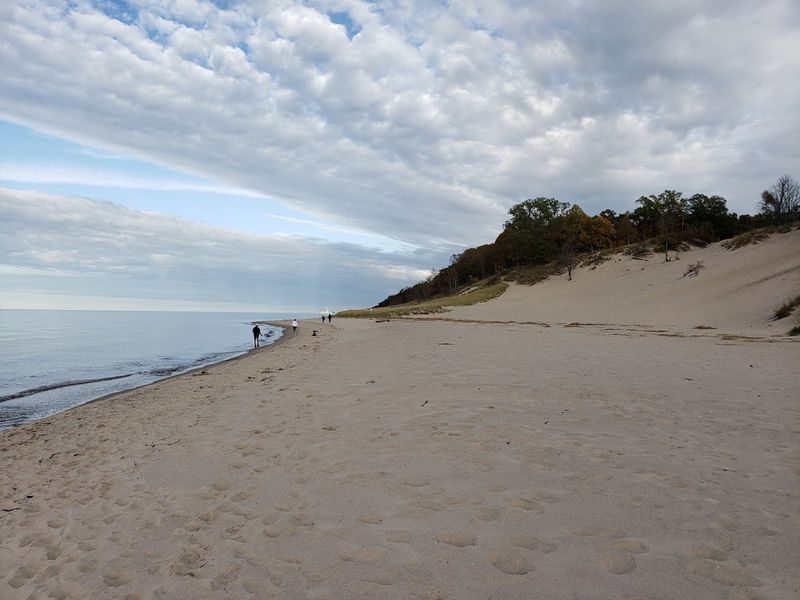
Most shipwreck dives require serious experience and deep water. The J.D.
Marshall is different. Resting upside down in just 25 to 30 feet of water, it sits at a depth that is accessible to divers at many skill levels.
The ship went down intact when it flipped, so the structure is still largely in place, making it one of the most visually striking freshwater dive sites in the entire Midwest.
Mooring buoys mark the site so dive boats can tie off without disturbing the wreck or the lake floor around it. Anchoring inside the preserve is strictly prohibited, which helps protect the site for every diver who comes after you.
The wreck itself is covered in zebra mussels and lake growth, giving it an otherworldly look that feels both ancient and alive at the same time.
For those who want to get a preview before suiting up, a virtual tour of the J.D. Marshall is available online.
It gives a solid sense of what divers actually see when they descend to the hull. The Great Lakes are home to some of the best-preserved shipwrecks in the world because the cold, fresh water slows decay significantly.
The J.D. Marshall benefits from that same preservation, meaning the details of the ship are still visible and hauntingly clear beneath the surface of Lake Michigan in Indiana.
Make Time for the Maritime History This Wreck Preserves
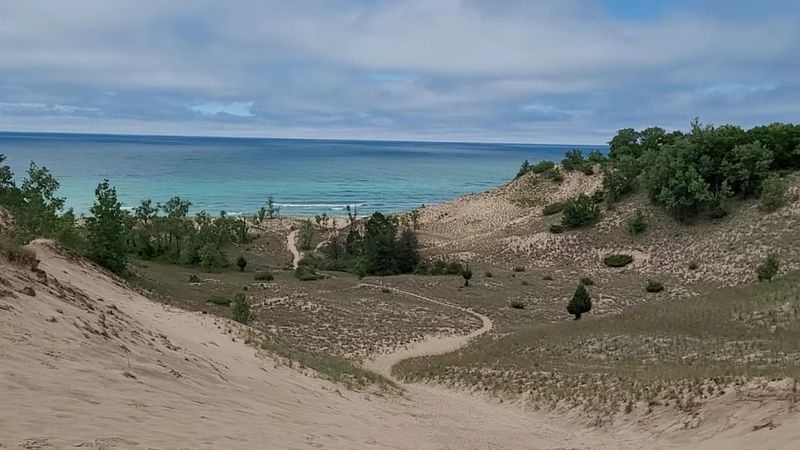
The J.D. Marshall is not just a sunken ship.
It is a well-preserved snapshot of an entire era in American industrial history. Built in 1891, it represents the peak of Great Lakes steam-powered lumber hooker technology, a class of vessel that was absolutely essential to moving raw materials across the Midwest during the late 1800s and early 1900s.
Without ships like this one, the region’s booming lumber and construction industries could not have functioned.
Out of roughly 50 shipwrecks believed to rest in Indiana’s portion of Lake Michigan, only 14 have been officially documented. The J.D.
Marshall is one of them, which makes it an especially significant piece of the puzzle when it comes to understanding the full scope of Great Lakes maritime history. Each wreck tells a different story about trade routes, technology, weather, and human ambition during a time when the lakes were the highways of industry.
Visiting the site or even just learning about it through the Nature Center programs gives people a window into economic and cultural history that is often overlooked. The Great Lakes shaped the American Midwest in ways that go far beyond geography.
The people who worked on ships like the J.D. Marshall were ordinary laborers doing extraordinary and dangerous work.
Their stories deserve to be remembered, and this preserve makes sure they are not forgotten anytime soon.
Skip Nothing and Explore the Full Haunted Legacy Here
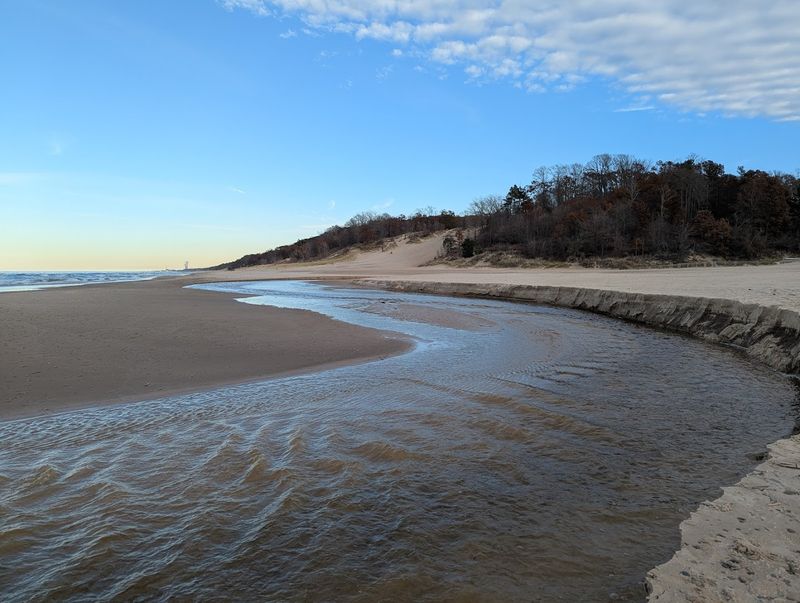
There is a reason people call this wreck haunted. Four men died when the J.D.
Marshall went down, and their loss has never really faded from the local memory. The ship has been resting just offshore for over 110 years, and stories about strange feelings, unexplained sightings, and an eerie stillness near the buoy markers have circulated among divers and beachgoers for decades.
Whether you believe in ghosts or not, the atmosphere around this site carries a weight that is hard to shake.
The wreck was discovered in 1979 by a diver named Gene Turner, and from that point on, the site took on a new life. Divers who explored it described the experience as quietly unsettling, partly because of how intact the ship remains after so many years.
The hull is upside down, the structure is largely preserved, and the silence underwater near the wreck is different from anywhere else in the lake. That combination of history, tragedy, and physical presence creates something that feels genuinely haunted, even in broad daylight.
Visiting Indiana Dunes State Park with this story in mind transforms a regular beach trip into something much more layered. You walk the same sand, look out at the same water, and know that just beneath the surface, a 154-foot ghost ship waits.
That feeling is exactly why the J.D. Marshall keeps drawing people back year after year.
