Let’s be real. There is “creepy,” and then there is “the locals bricked up the windows and people still see faces.” That is a whole different level of nope.
Down in Virginia, there is an abandoned asylum that feels wrong even when the sun is directly overhead. The building is crumbling, the hallways are dead silent, and the history is genuinely disturbing.
We aren’t talking about made up ghost stories. We are talking about a real doctor with terrifying beliefs and a legacy that Virginia is still trying to process.
A Dark Past Built Into Every Brick
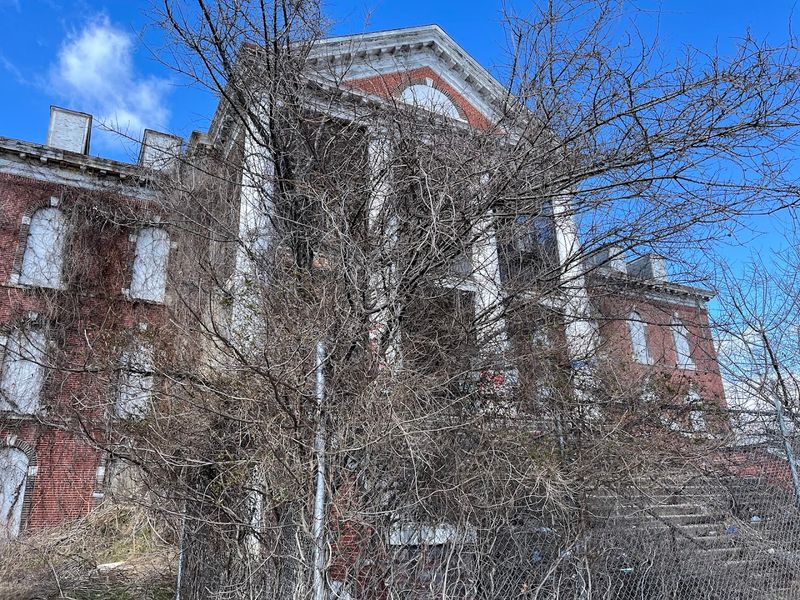
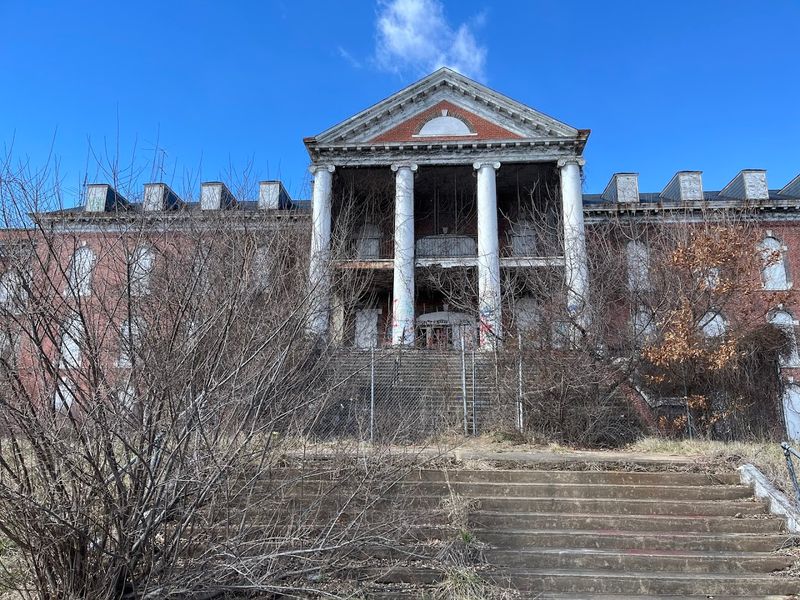
Few buildings carry their history as visibly as this one does. The moment you lay eyes on the deteriorating facade of the Former DeJarnette Sanitorium, something shifts in your chest.
The architecture itself feels heavy, as if the walls absorbed decades of suffering and never quite let go.
Established in the early twentieth century, the facility was tied directly to Dr. Joseph DeJarnette, a physician who became one of Virginia’s loudest voices for the eugenics movement. He believed certain people should be prevented from having children, and he used his position to push those beliefs into horrifying practice.
Patients were subjected to forced sterilizations under policies he championed.
Dr. DeJarnette even publicly praised Nazi Germany’s approach to eugenics, a chilling endorsement that reveals just how extreme his ideology had become. The sanitorium operated under his influence for decades, leaving behind a legacy that Virginia still grapples with today.
Walking past this site, even from a distance, feels like standing at the edge of a wound that never fully healed. The building does not just look abandoned.
It looks haunted by choices that should never have been made.
Bricked-Up Windows and the Stories They Spark
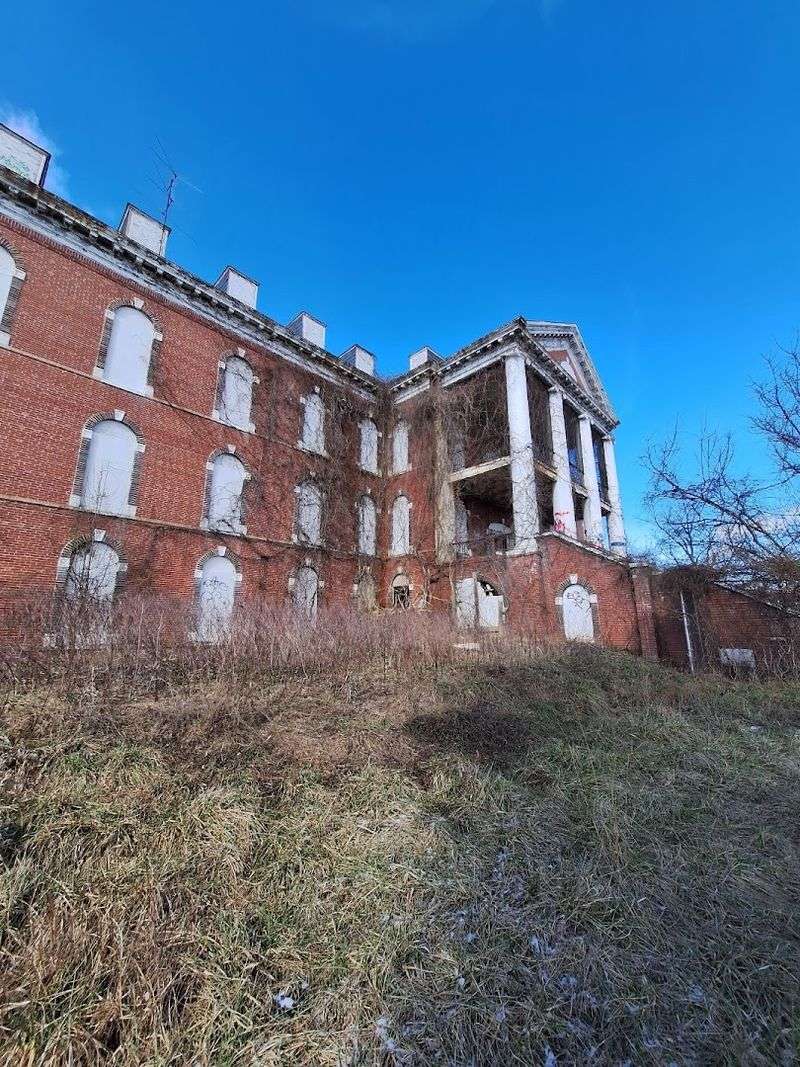
Sealed windows on an abandoned building might sound like a simple safety measure, but at the Former DeJarnette Sanitorium, they have taken on a life of their own. Locals in Staunton, Virginia have long circulated stories about faces appearing at those very windows after nightfall, peering out from spaces that should be completely dark and empty.
The windows were bricked up primarily to deter urban explorers and prevent further structural damage to the already fragile building. It is a practical decision, but one that ended up feeding the mythology surrounding the site rather than quieting it.
People standing outside at dusk have described shapes forming in the gaps between bricks, or shadows that seem to shift and press forward from behind the sealed openings. Cameras have captured blurry images that spark fierce debate online.
Skeptics point to tricks of light and shadow. Others are not so easily convinced.
What makes these accounts so persistent is the emotional weight of what happened inside those walls. When a place carries genuine trauma, the imagination tends to fill in the gaps.
And at this location, the gaps are quite literally built into the architecture.
Dr. DeJarnette and His Troubling Legacy
Dr. Joseph DeJarnette was not a fringe character operating in secret. He was a respected, prominent physician in Virginia who used his platform to advocate for policies that caused real, lasting harm to vulnerable people.
Understanding him is key to understanding why this building feels so loaded with unease.
His support for eugenics went far beyond academic theory. He wrote poetry promoting forced sterilization and pushed for legislation that would expand the practice across Virginia.
His admiration for Nazi Germany’s sterilization programs, which he expressed openly, places him among the most troubling figures in the state’s medical history.
Patients at the sanitorium who were deemed unfit by whatever arbitrary standards were applied at the time had no real recourse. The power imbalance was total.
The institution held all the authority, and the people inside had almost none.
His name still clings to this site like smoke. Every time someone mentions the Former DeJarnette Sanitorium, they are also, whether they realize it or not, invoking that history.
Virginia has made efforts to reckon with the eugenics era, but the physical presence of this building keeps the conversation alive and uncomfortably immediate.
Urban Explorers and the Irresistible Pull of Decay
There is a whole community of people who seek out places exactly like this one. Urban explorers, sometimes called urbex enthusiasts, are drawn to abandoned structures the way moths are drawn to a flame.
The Former DeJarnette Sanitorium sits near the top of many Virginia urbex bucket lists.
The building is massive, which means there is a lot to discover even in its current state of disrepair. Long corridors stretch into darkness.
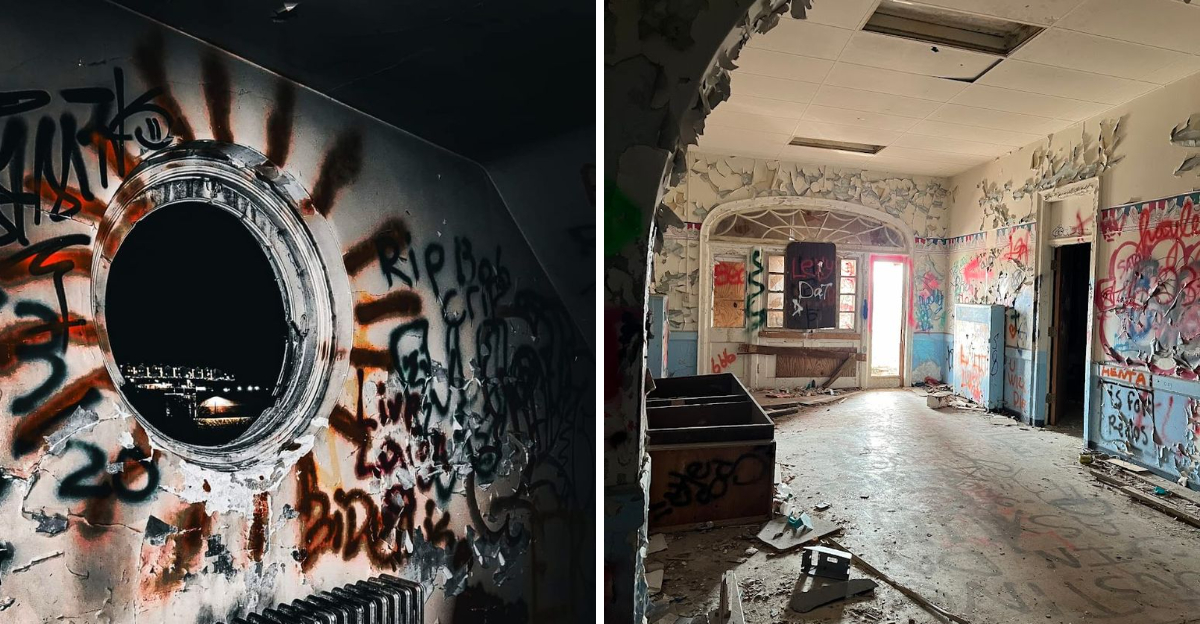
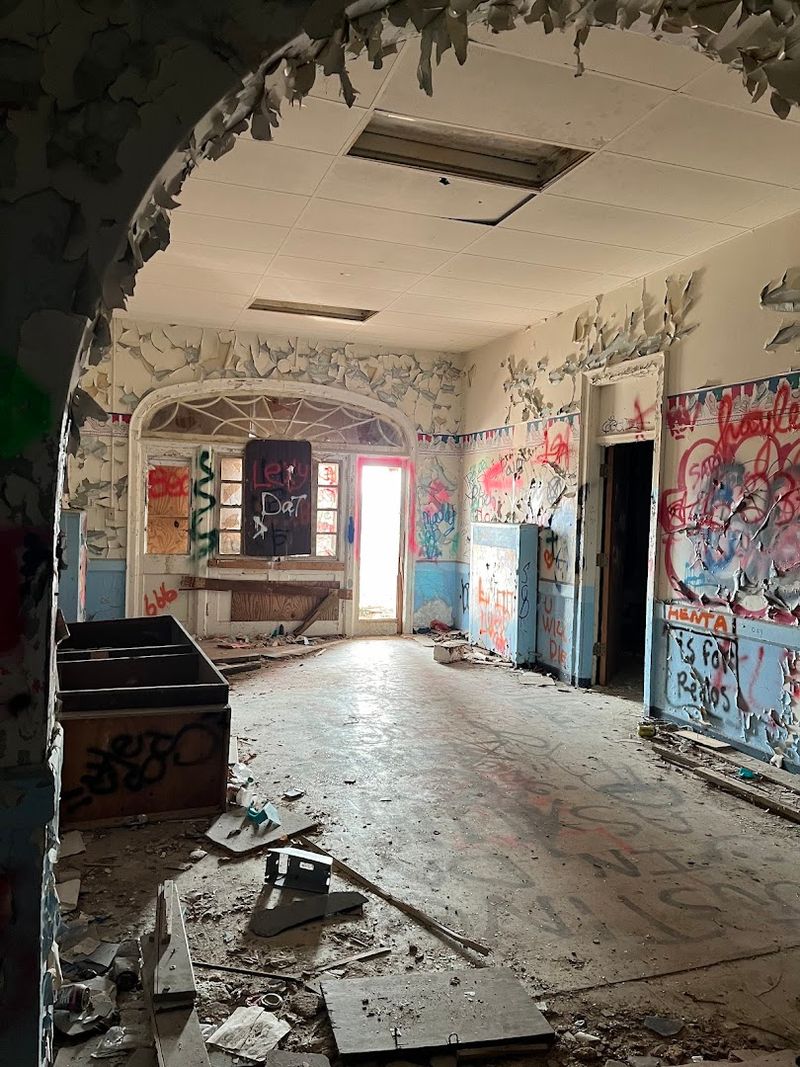
Rooms that once held patients now hold only graffiti, broken furniture, and the occasional unsettling find left behind by previous visitors. Every corner seems to hide another layer of the facility’s complicated past.
Videos of the location have circulated widely on YouTube and social media, bringing the site to audiences far beyond Staunton. People who grew up hours away have made the trip specifically because of footage they watched online, and many of them came away with their own strange stories to share.
Accessing the building is not straightforward, and the structure poses genuine safety risks. The floors are unstable, the ceilings are compromised, and the general condition is what you would expect from a facility that has sat empty for decades.
Curiosity is understandable, but caution is absolutely warranted here.
The Graffiti That Covered the Grief
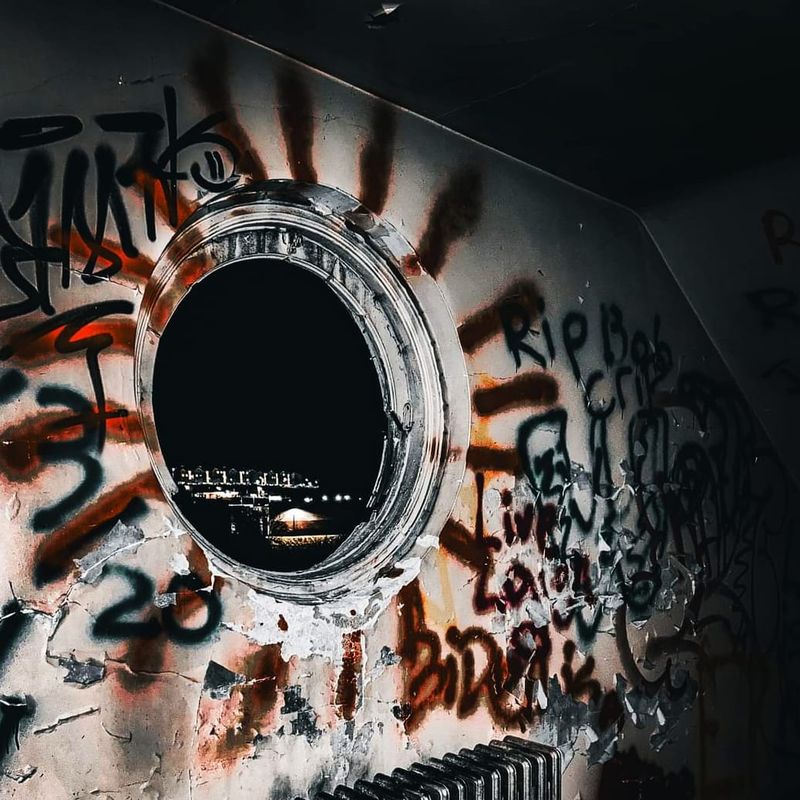
Graffiti and abandoned buildings tend to find each other eventually, and the Former DeJarnette Sanitorium is no exception. The interior walls are layered with spray paint, tags, murals, and messages from the many people who have passed through over the years.
Some of it is purely decorative. Some of it is clearly a response to the building’s history.
A few pieces of graffiti directly reference the eugenics program, the forced sterilizations, and the suffering of former patients. These messages, scrawled in paint on crumbling plaster, function almost like informal memorials.
They are raw and unpolished, but they carry a weight that a formal historical marker might not fully capture.
The sheer volume of graffiti also speaks to how many people have made their way inside despite the risks and the legal issues involved. Each layer of paint represents another visit, another set of eyes moving through spaces that most people will only ever see in photographs.
It is a shame, as many point out, that the building has been damaged and disrespected in the process. The history here deserves more careful treatment.
Still, the graffiti has become part of the site’s current identity, a chaotic visual record of how the public has processed a very difficult legacy.
Paranormal Reports That Keep Piling Up
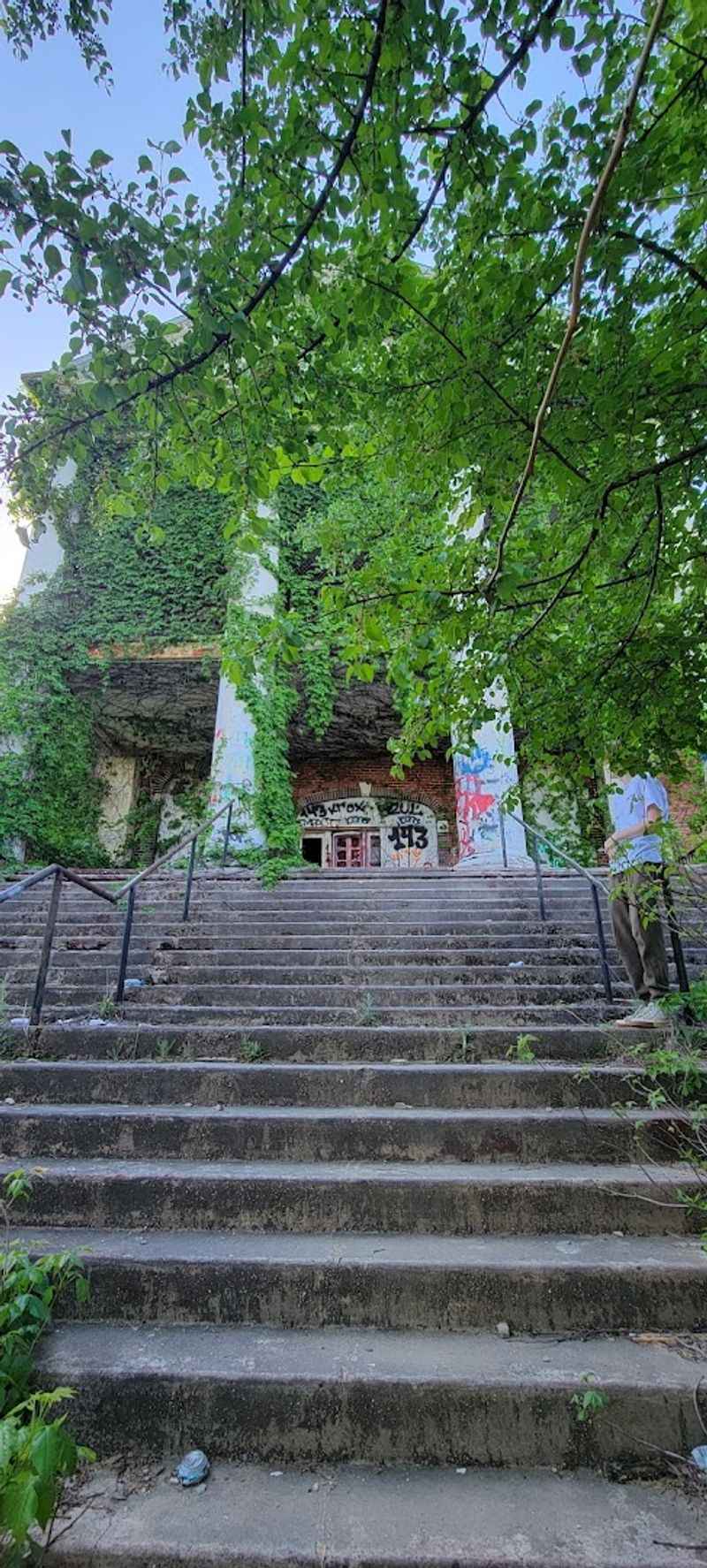
Paranormal activity reports connected to the Former DeJarnette Sanitorium read like a catalog of classic haunted location experiences. Disembodied screams echoing through empty hallways.
A pervasive sense of being watched even when no one else is present. Cold spots in rooms that should not be cold.
Shadows moving against the logic of available light sources.
Some accounts go further, describing full apparitions. The figure of Dr. DeJarnette himself has reportedly been spotted by people exploring the facility, described as a tall, stern presence that appears at the end of corridors and then vanishes.
Whether these sightings are genuine, psychological responses to an emotionally charged environment, or pure invention is a question no one has definitively answered.
The paranormal community in Virginia has embraced the sanitorium as a top-tier investigation site. Ghost hunting groups have attempted to document activity using audio recorders, thermal cameras, and electromagnetic field detectors.
The results are predictably contested, with believers pointing to anomalies and skeptics offering rational explanations for each one.
What is undeniable is that the stories keep coming. New accounts surface regularly, each one adding another thread to the already dense mythology surrounding this location.
The building seems to generate stories simply by existing.
The Eugenics Program Virginia Would Rather Forget
Virginia has a complicated relationship with its eugenics history, and the Former DeJarnette Sanitorium sits right at the center of that discomfort. The state’s forced sterilization program, which was supported and expanded by figures like Dr. DeJarnette, affected thousands of people who had no meaningful way to resist or appeal the decisions made about their bodies.
The U.S. Supreme Court case Buck v.
Bell, decided in 1927, actually upheld Virginia’s sterilization law, providing legal cover for the program to continue and expand. That ruling has never been formally overturned, a fact that still generates significant discussion among legal scholars and historians.
The sanitorium was one of the facilities where these sterilizations were carried out. For the people who experienced that, the building is not a curiosity or a ghost hunting destination.
It is a site of profound personal trauma, and that reality deserves acknowledgment every time the location is discussed.
Virginia has issued formal apologies for the eugenics program in more recent years, and various historical preservation efforts have worked to document survivor stories. The physical building remains as a stark, unavoidable reminder that these events were not abstract.
They happened here, in these rooms, to real people.
What Happens When a Hospital Closes and Nobody Cleans Up
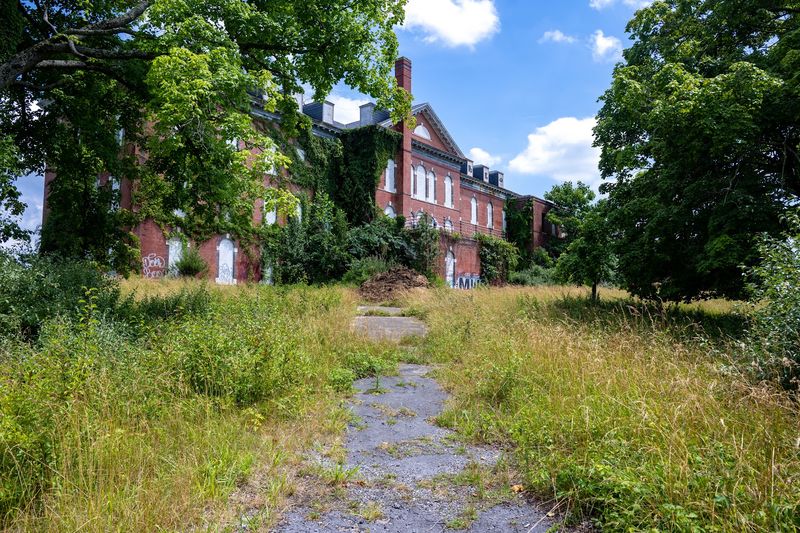
The sanitorium stopped operating in 1996, which means it has been sitting empty for roughly three decades now. That is a long time for any building to go without maintenance, and the results are exactly what you would expect.
The structure has deteriorated significantly, with sections of ceiling collapsed, floors weakened, and the general integrity of the building compromised throughout.
What makes this particular case notable is the scale of the facility. This was not a small clinic.
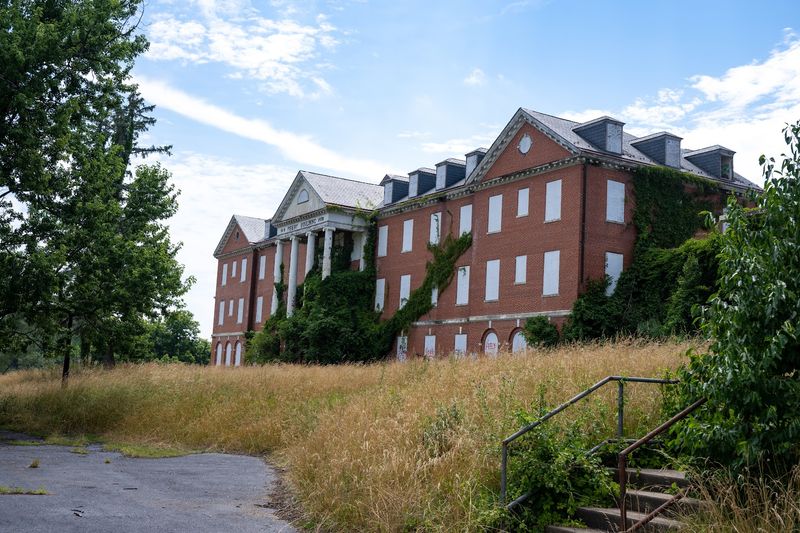
The Former DeJarnette Sanitorium was a substantial institutional complex, and allowing something that size to simply decay creates both practical and symbolic problems. The practical issues are obvious: the building is dangerous and attracts trespassers.
The symbolic issues run deeper.
Leaving a site like this to rot sends a message, intentional or not, about how much the suffering that occurred inside is valued by the broader community. Preservation advocates have argued that the building deserves proper documentation and potentially adaptive reuse, transforming it into something that honors the history rather than letting it crumble into obscurity.
Staunton is a city with a genuine appreciation for its architectural heritage. The contrast between its carefully maintained historic downtown and this deteriorating structure on the outskirts is striking and worth sitting with.
Staunton, Virginia and Its Unexpected Haunted Reputation
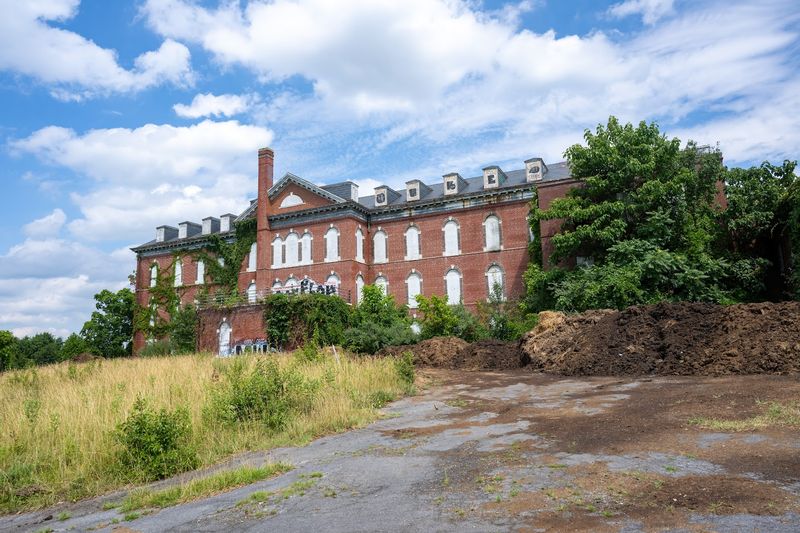
Most people who visit Staunton, Virginia come for the charming downtown, the Blackfriars Playhouse, or the stunning Shenandoah Valley scenery. Not everyone realizes that this picturesque city also harbors one of the most talked-about haunted locations on the East Coast, sitting quietly on Frontier Drive just outside the main commercial area.
The city itself has a rich and layered history that extends well beyond the sanitorium. Staunton was a significant Civil War location, the birthplace of President Woodrow Wilson, and a hub of Shenandoah Valley commerce for centuries.
That depth of history creates fertile ground for ghost stories and paranormal tourism.
The Former DeJarnette Sanitorium has become an unofficial anchor for Virginia’s haunted travel circuit. People planning dark tourism itineraries through the state frequently include Staunton as a stop specifically because of the sanitorium’s reputation.
The city’s other attractions make it easy to build a full trip around.
Local attitudes toward the site are mixed, as you might expect. Some residents see it as an embarrassing blight.
Others recognize its historical significance and want it treated with appropriate seriousness. A smaller group actively embraces the paranormal angle, which keeps the legends circulating and the curious visitors arriving.
Visiting Responsibly: What You Need to Know Before You Go
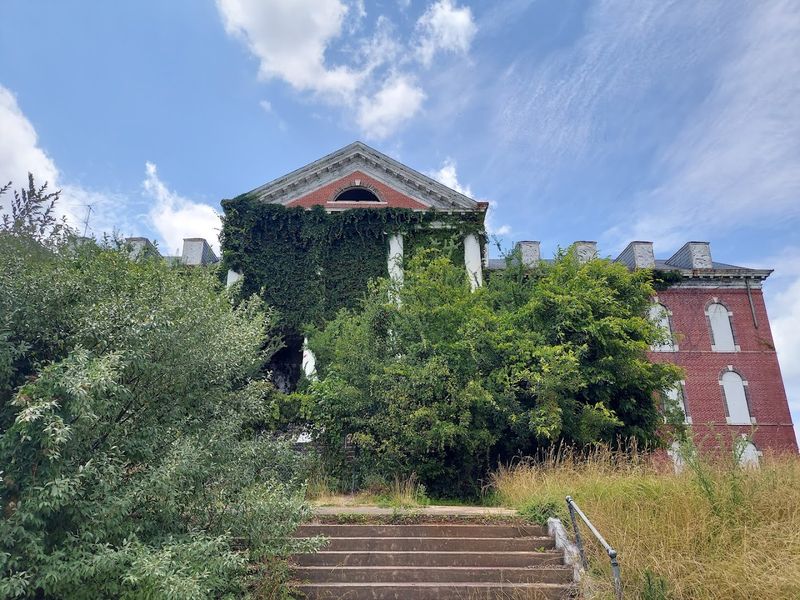
The allure of the Former DeJarnette Sanitorium is real, and the impulse to see it up close is completely understandable. My strong advice, though, is to respect the boundaries that exist around this site.
The building is private property, and trespassing is illegal. Local authorities in Staunton, Virginia actively enforce anti-trespassing measures, and the consequences of ignoring those rules are not worth the risk.
Beyond the legal issues, the structural condition of the building makes unauthorized entry genuinely dangerous. Floors that appear solid may not support weight.
Ceilings that look stable have been known to give way. The graffiti-covered rooms that look so compelling in photographs are surrounded by hazards that photographs rarely capture accurately.
The good news is that the exterior of the facility is visible from the road, and the surrounding area offers a sense of the building’s scale and atmosphere without requiring anyone to put themselves in danger or legal jeopardy. Plenty of compelling photography has been taken from publicly accessible vantage points.
The address is Frontier Dr, Staunton, VA 24401, for those who want to pay their respects from a safe and legal distance. Approaching this site with thoughtfulness honors both its history and the people whose lives were shaped by what happened within its walls.
