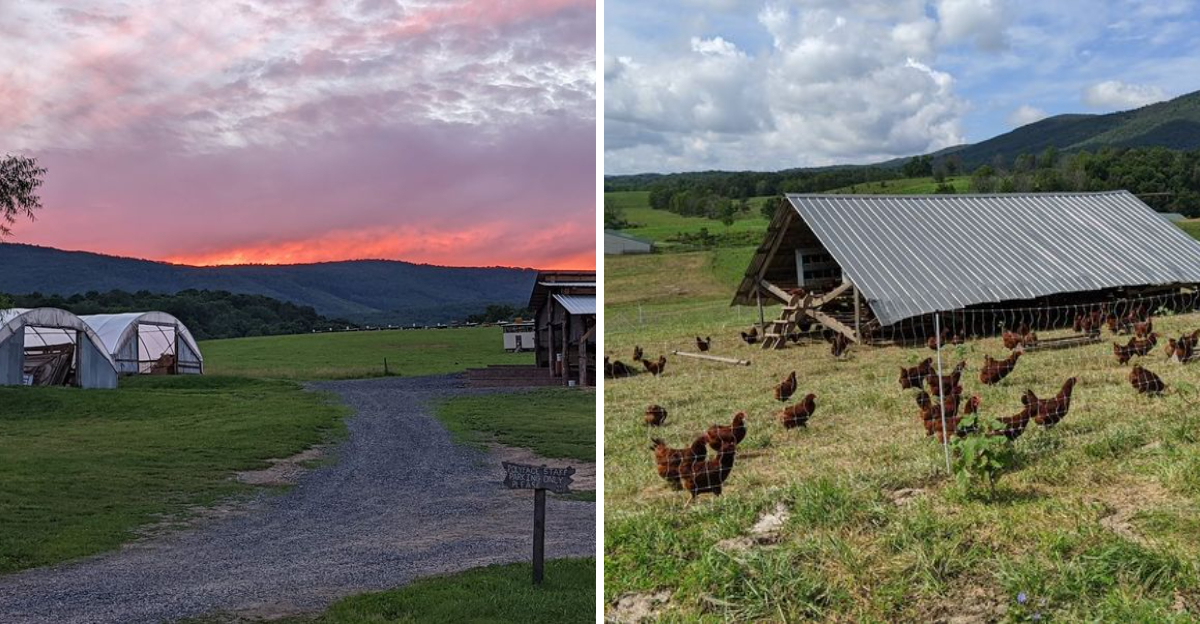
The cows graze on green pastures, the chickens follow behind, and the whole farm operates in a rhythm that has been perfected over decades.
This world-renowned Virginia homestead is a model of sustainable farming, a place where you can buy fresh goods straight from the pasture and taste the difference that careful stewardship makes.
I visited on a sunny morning and walked the fields with a guide who explained the principles behind the farm, rotational grazing, soil health, and the belief that food should be produced with care. The farm store sells meat, eggs, and other products that are raised humanely and harvested with respect.
Virginia has plenty of farms, but this one is a destination for anyone who cares about where their food comes from. Go for the education, stay for the flavor.
The Farm That Changed How America Thinks About Food
Long before regenerative agriculture became a buzzword on trendy restaurant menus, one family in rural Swoope, Virginia was already doing it. Joel Salatin and the Salatin family built Polyface Farm into something so remarkable that TIME Magazine once called Joel “the world’s most innovative farmer.” That is not a title handed out lightly.
Michael Pollan featured the farm prominently in his groundbreaking book “The Omnivore’s Dilemma,” and the documentary “Food, Inc.” brought its practices to a global audience.
Suddenly, millions of people who had never thought twice about where their chicken came from were paying very close attention.
What makes Polyface Farm so culturally significant is not just the farming methods. It’s the philosophy.
Every decision made on these thousand-plus acres is rooted in a mission to emotionally, economically, and environmentally enhance agriculture. Virginia has no shortage of beautiful farms, but this one carries a different kind of weight.
It carries a story that genuinely matters, and that story keeps drawing curious minds from across the country straight to Swoope.
Rotational Grazing and the Salad Bar Pasture System
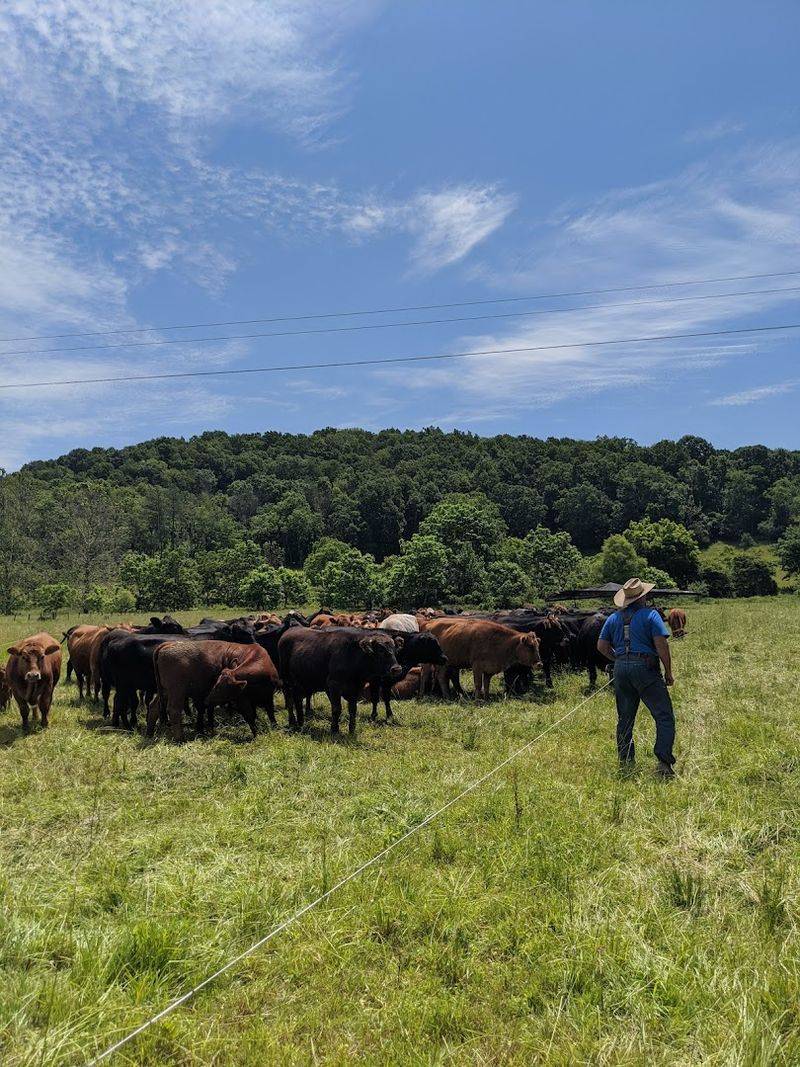
Forget everything you think you know about how cows spend their days. At Polyface Farm, cattle are moved constantly to fresh sections of pasture, a practice the Salatins affectionately call “salad bar” grazing.
The idea is beautifully simple: animals move, grass recovers, soil thrives.
This rotational approach mimics how wild herds naturally move across landscapes. By never letting any single patch of ground get overgrazed, the farm builds soil health year after year without relying on synthetic fertilizers or chemicals.
The grass stays vibrant, the cattle stay healthy, and the whole system feeds itself.
What I find genuinely fascinating is how interconnected every part of the operation becomes. Cattle graze an area, then laying hens follow behind in their mobile “eggmobiles,” scratching through the manure to eat insects and larvae.
This natural pest control also fertilizes the field in the most organic way imaginable. Virginia’s rich farmland provides the perfect backdrop for this elegant ecological dance, and watching it unfold in real time is honestly one of the most satisfying agricultural sights I have ever encountered.
Eggmobiles and the Brilliant Hen-Follows-Cattle Strategy
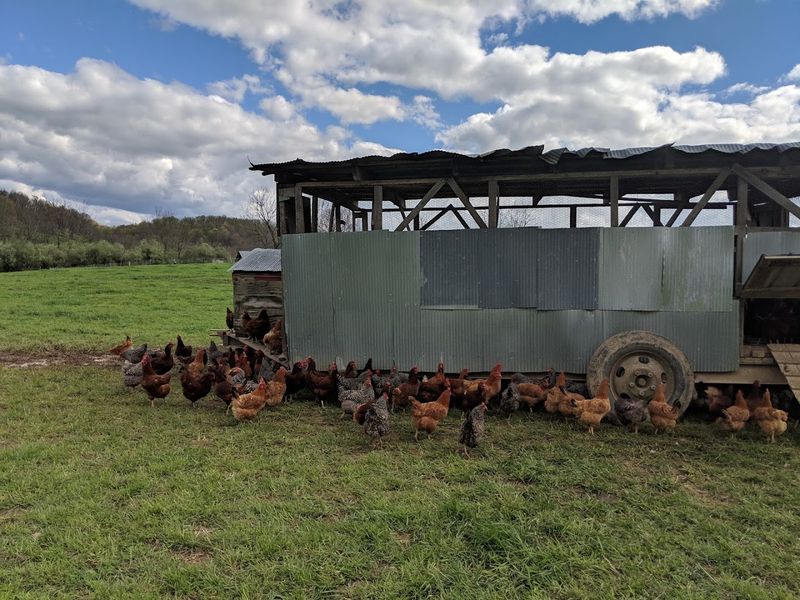
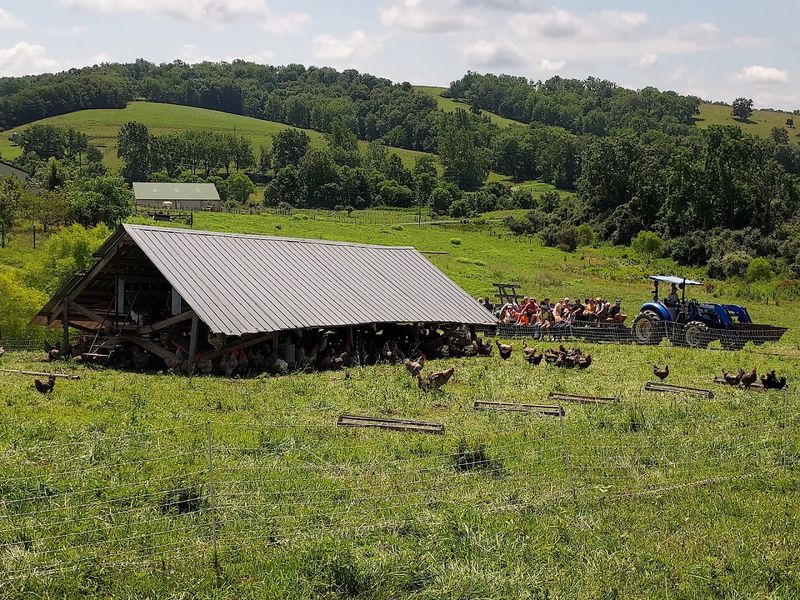
Honestly, the eggmobile might be the most ingenious contraption I have ever seen on a farm. Picture a mobile chicken coop on wheels, housing a flock of happy laying hens, rolling across the pasture a few days behind the cattle herd.
It sounds quirky until you understand exactly why it works so brilliantly.
Cattle manure attracts fly larvae and other insects. Left alone, those insects become a parasite problem for the herd.
But when the hens arrive a few days later, they scratch through the manure, devour the larvae, and break the parasite cycle naturally. No chemicals, no sprays, just chickens doing what chickens love to do.
The hens also deposit their own manure as they roam, adding another layer of natural fertilizer to the soil. By the time a pasture section gets its next rotation of cattle, it’s genuinely healthier than before.
Polyface Farm has turned what most people see as a waste product into a core component of a thriving ecosystem. Every time I think about this system, I am reminded that the most elegant solutions are often the most obvious ones, once someone brilliant points them out.
Pigaerators and the Art of Natural Composting
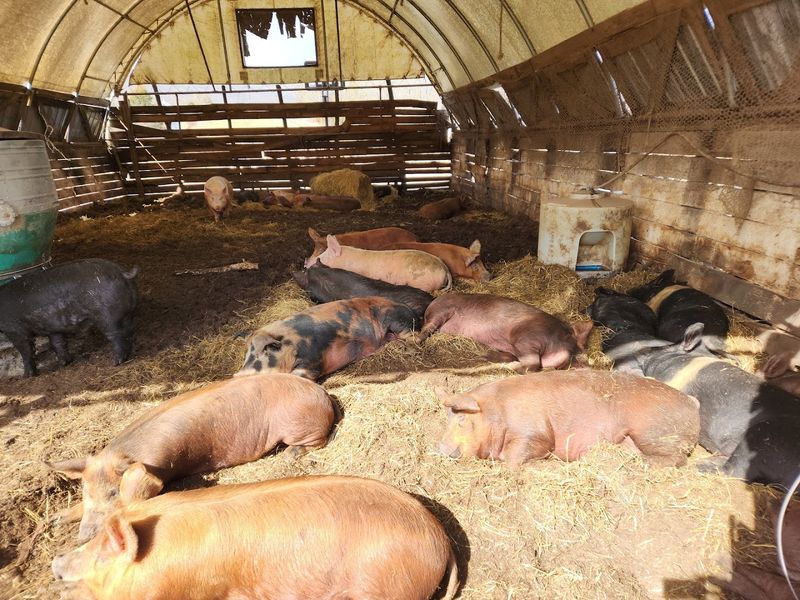
Pigs at Polyface Farm do not just live on the property. They work it.
Known lovingly as “pigaerators,” the farm’s pigs are put to work in the cattle barn during winter, where deep bedding made of wood chips and straw accumulates over months. Corn is buried in the layers to entice the pigs to root through everything.
The result is a naturally aerated, deeply turned compost pile that requires zero mechanical intervention. The pigs are doing what pigs instinctively love, and the farm gets a rich, ready-to-use compost that goes back into the soil.
It’s a closed-loop system that would make any environmental engineer jealous.
What I appreciate most about this approach is how it reframes the pig’s role on the farm entirely. Rather than being a passive resident, the pig becomes an active contributor to the health of the whole operation.
Polyface Farm has a remarkable talent for looking at an animal’s natural behaviors and asking, “How can this serve the land?” The answer always seems to be: more than you’d expect. Virginia agriculture has rarely looked this clever or this satisfying to witness up close.
The On-Site Farm Store Where Fresh Goods Meet Real Transparency
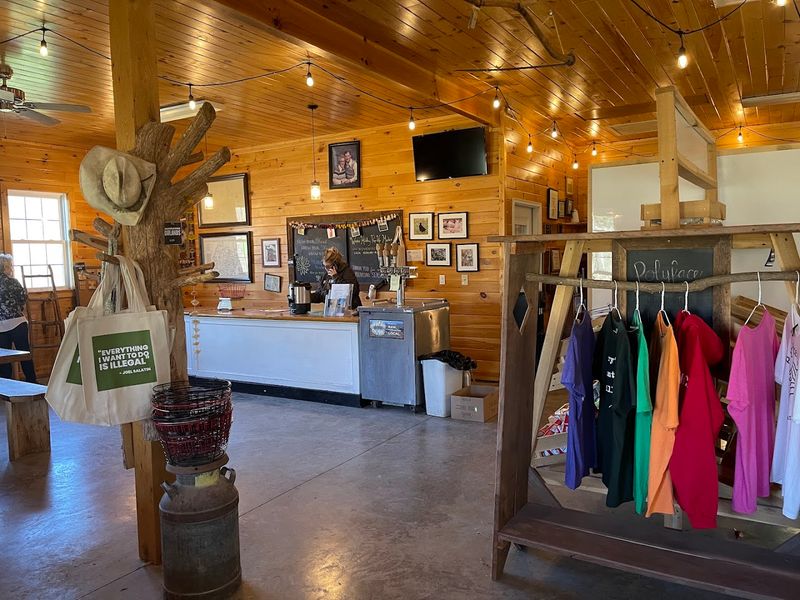
Walking into the Polyface Farm store feels like stepping into the most honest retail experience imaginable. Everything on those shelves came from the land you can literally see through the window.
Grass-fed beef, pastured pork, free-range chicken, turkey, eggs, and rabbit are all available for purchase directly from the source.
The store operates six days a week during most of the year, with Saturday-only hours during the quieter winter months. Thursday through Wednesday, doors open at nine in the morning and close at one in the afternoon, while Saturdays stretch until four.
Planning your visit around those hours is well worth the effort.
There’s something deeply satisfying about buying meat and eggs from a place where you can ask exactly how the animal was raised and get a real, detailed answer. No marketing spin, no vague labels.
The staff are knowledgeable, warm, and genuinely enthusiastic about what the farm produces. I noticed the shop also carries Joel Salatin’s books and farm merchandise, which makes it a surprisingly rich destination even for those who come purely out of curiosity.
Swoope may be a small dot on the Virginia map, but this store punches far above its weight.
Guided Farm Tours That Give You the Full Picture
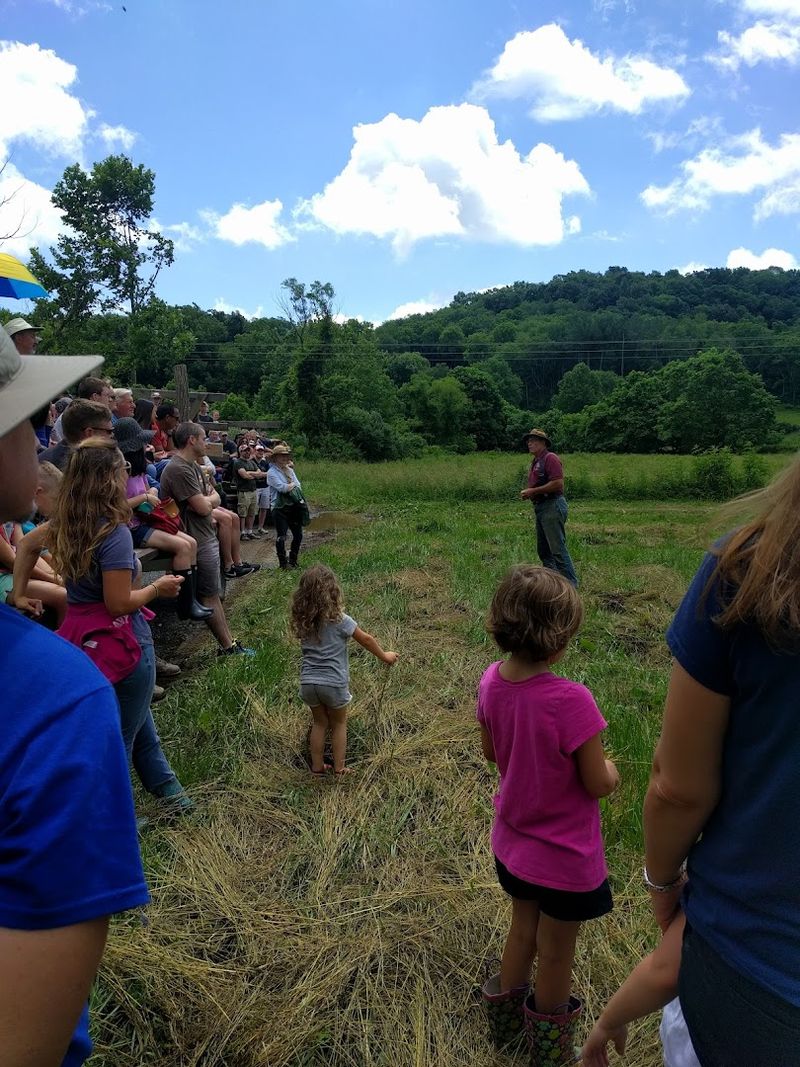
A thousand acres is a lot of ground to cover, and the farm’s own signage will cheerfully remind you of that fact. Polyface Farm offers guided tours that transform what could be an overwhelming visit into a genuinely illuminating experience.
The walking tours are packed with practical knowledge and delivered with the kind of enthusiasm that only comes from people who truly believe in what they do.
Hayride options are also available for those who prefer a more relaxed pace, which is a smart move given the scale of the property. Tour guides walk guests through the rotational grazing system, introduce the various animal operations, and explain the reasoning behind every farming decision made on the land.
It’s part farm tour, part philosophy lecture, and completely engaging from start to finish.
Booking in advance through the farm’s website is strongly recommended, as tours fill up quickly, especially during warmer months. Joel Salatin himself has been known to speak during farm events, and catching one of those moments is something visitors describe as genuinely memorable.
For anyone curious about where their food comes from, a visit to this Virginia landmark offers answers that no documentary or book can fully replicate. You simply have to stand there and see it yourself.
Grass-Fed Beef That Tastes Completely Different From Store-Bought
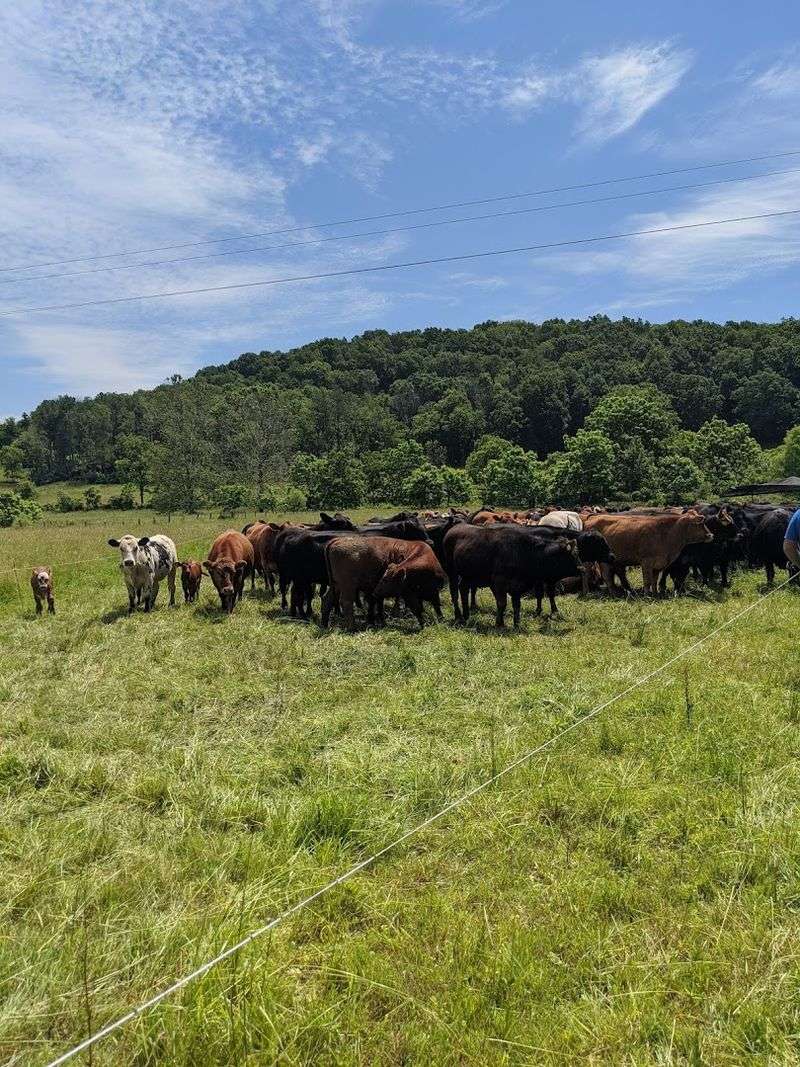
There’s a moment when you taste truly grass-fed and grass-finished beef for the first time that genuinely resets your expectations. The flavor is richer, more complex, and somehow more satisfying than anything that came from a conventional feedlot operation.
Polyface Farm’s beef delivers exactly that kind of reset, and it’s one I find myself thinking about long after the meal is over.
The cattle at Polyface live entirely on pasture, moving through the farm’s signature rotational system without ever being finished on grain. This produces beef with a different fat composition, a deeper color, and a taste that reflects the variety of grasses the animals consumed throughout their lives.
It’s agricultural terroir, much like wine reflects its vineyard.
Ordering online through the farm’s shipping program, launched in 2020, makes this quality accessible nationwide. Products arrive frozen solid in thoughtfully designed packaging, and the care taken in shipping reflects the same standards applied to every stage of the farming process.
Virginia-raised, pasture-finished, and delivered to your door. For anyone who has ever wondered whether the source of your beef actually matters to the final flavor, Polyface Farm provides the most convincing possible answer.
Pastured Poultry Raised the Way Chickens Were Meant to Live
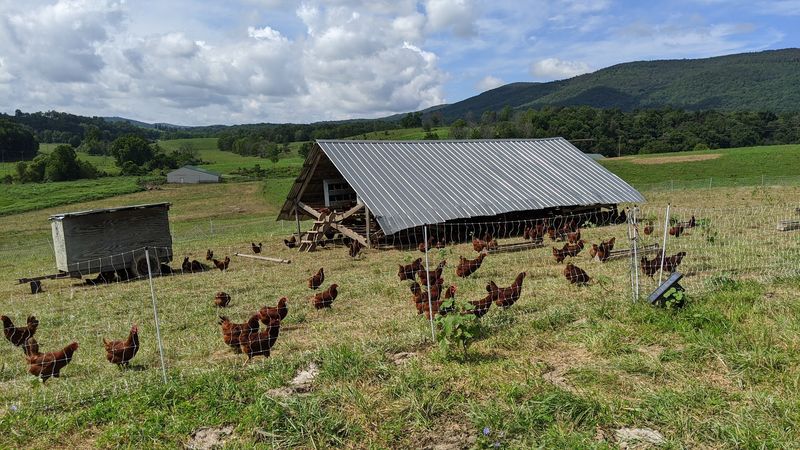
Pastured poultry at Polyface Farm operates on a model that looks almost nothing like conventional chicken farming. Birds are raised in portable shelters moved daily across fresh pasture, giving them constant access to grass, insects, and open air.
The result is a chicken that actually behaves like a chicken, and tastes remarkably better for it.
The difference in flavor between a Polyface chicken and a supermarket bird is the kind of gap that makes you pause mid-bite. The texture is firmer, the taste is more pronounced, and the overall eating experience carries a quality that feels genuinely earned.
It’s not a subtle difference. It’s the kind that makes you reconsider every chicken purchase you’ve made before.
The farm’s poultry operation also includes turkeys, and both are available through the on-site store and the nationwide shipping program.
Processing is handled transparently, and the farm has welcomed visitors during processing days with a refreshing openness that speaks to their confidence in every step of their operation.
For anyone building a more intentional relationship with the food they eat, starting with a Polyface chicken is one of the most straightforward and delicious places to begin that journey in all of Virginia.
Buying Clubs, Shipping, and Getting Polyface Products Near You
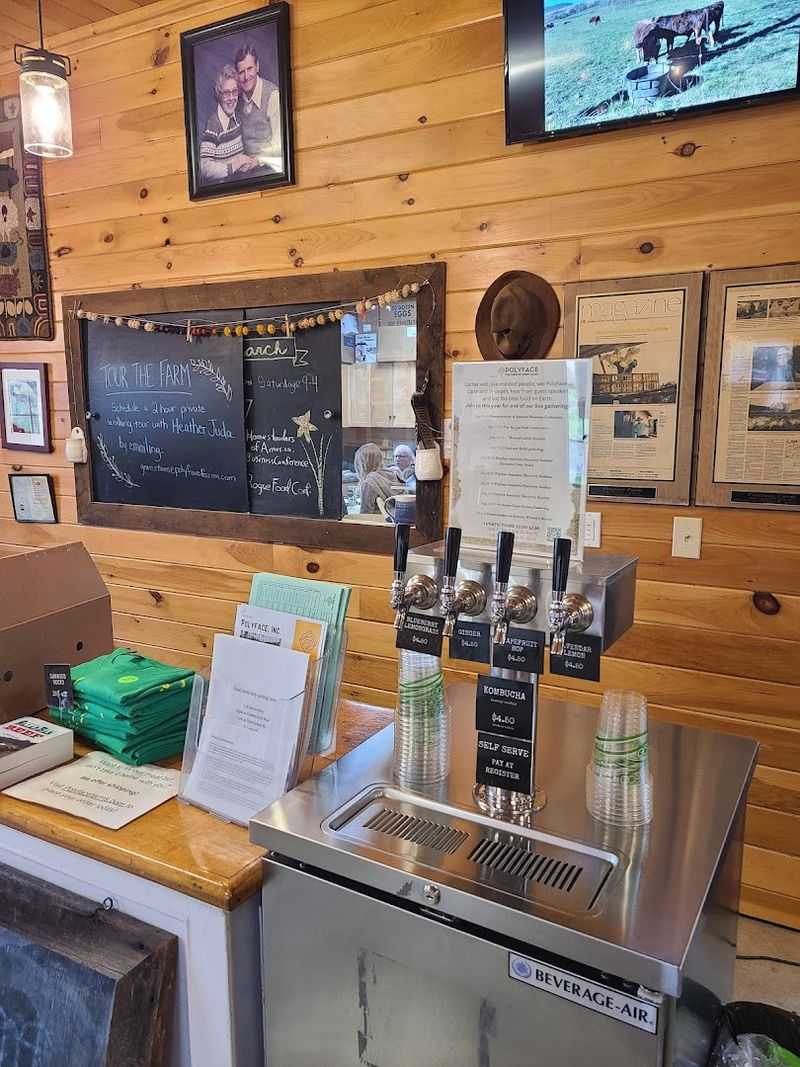
Not everyone can make the drive to Swoope, Virginia, and Polyface Farm understands that completely. The farm has built an impressive network of buying clubs spanning Virginia, Maryland, and Washington D.C..
It’s giving customers in those regions regular access to fresh farm products without needing to visit in person.
There are currently more than thirty active buying clubs across that region.
The shipping program launched in 2020 expanded that reach dramatically, making Polyface products available to customers across the entire country.
Orders arrive frozen solid, packaged with obvious care, and the farm’s communication throughout the ordering process is consistently described as responsive and clear.
Placing an order is straightforward through the farm’s website, and subscription options allow regular customers to set up recurring deliveries.
Products available through both channels include beef, pork, chicken, turkey, eggs, rabbit, and even pet food options. The farm also connects customers to partner vendors on its website, extending the reach of the regenerative agriculture network it has helped build.
Whether you live down the road from the farm or across the country, Polyface has created genuine pathways to bring its Virginia-raised, pasture-based goods directly to your kitchen. That accessibility is a big part of what keeps the mission growing.
Plan Your Visit to 43 Pure Meadows Lane, Swoope
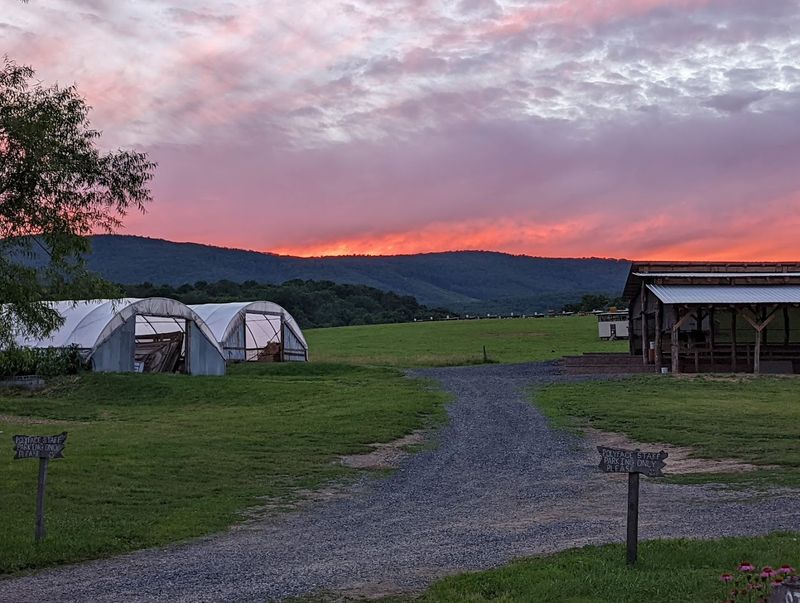
Getting to Polyface Farm is part of the experience. The drive through the Shenandoah Valley countryside is genuinely beautiful, with mountain views and open farmland framing the road as you approach Swoope.
Virginia’s rural landscape feels especially alive out here, and arriving at the farm feels like a natural conclusion to a scenic journey.
The farm is located at 43 Pure Meadows Lane, Swoope, VA 24479, and can be reached by phone at 540-885-3590. The website at polyfacefarm.com is the best place to browse current product availability, book tours, and set up shipping orders before your visit.
Checking hours before heading out is always a good idea, as seasonal schedules do shift.
A cooler in the car is an absolute must if you’re planning to stock up from the store. The farm sits on over a thousand acres, so comfortable walking shoes are equally important if you’re joining a tour.
Parking is available on site, and the staff are genuinely welcoming to curious newcomers and longtime regulars alike. Polyface Farm has earned its reputation as one of the most important agricultural destinations in the entire country.
A visit to this remarkable Virginia homestead is something that stays with you for a very long time.
