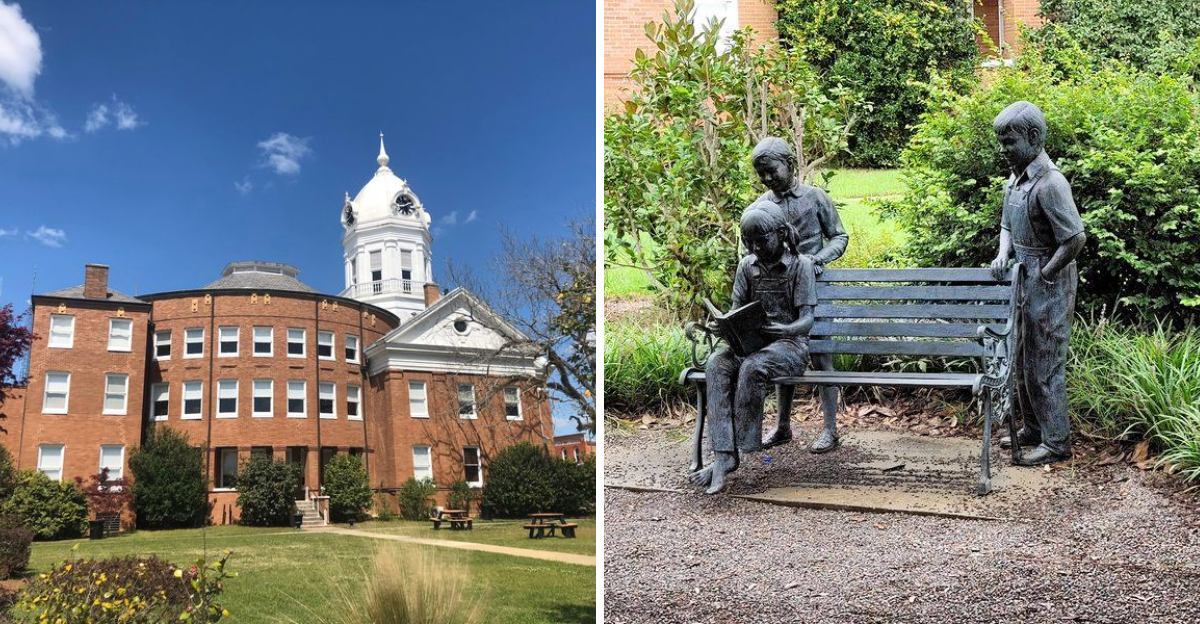
The car is unnecessary here, which is probably the nicest thing a town can say about itself. Park it once.
Forget where you left it. The rest can happen at walking speed.
This Alabama downtown packs literary history, murals, bronze sculptures, a historic courthouse square, and a rose garden with more than 90 varieties into an area small enough to explore without constantly checking directions. Even the local drive-in carries a piece of the town’s past.
It is not a town built around one giant attraction. It is a town where ordinary corners keep turning out to be interesting.
The Old Courthouse That Started A Thousand Book Clubs
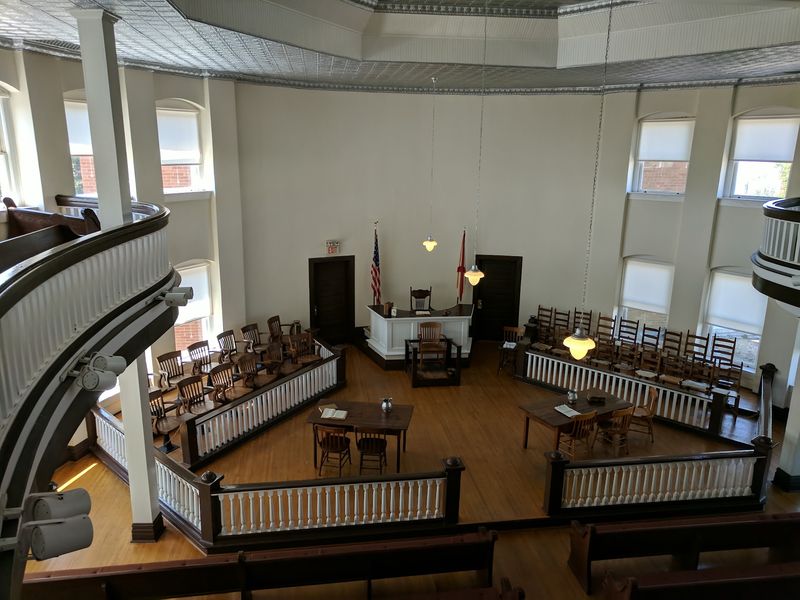
Few buildings in Alabama carry as much weight as the Old Monroe County Courthouse, built between 1903 and 1904 and designed by architect Andrew Bryan. Its Romanesque frame anchors the square at 31 N Alabama Ave in Monroeville.
Inside sits the fully restored courtroom that inspired the trial scenes in To Kill a Mockingbird, right down to the balcony seating and the wooden rail. Readers who grew up with the novel tend to go quiet when they climb those stairs.
The building now operates as the Monroe County Museum, with permanent exhibits titled Harper Lee: In Her Own Words and Truman Capote: A Childhood in Monroeville. Photographs, letters, and personal items fill the rooms, offering a look at two writers before the world knew their names.
Recognition came from beyond the county line. The courthouse holds National Historic Landmark status and appears as a stop on the Alabama Civil Rights Trail, which adds another layer to every visit.
Plan for at least an hour indoors, longer if the courtroom pulls you in. Ceiling fans, high windows, and worn wood floors make the space feel paused in time.
Most walking routes through town begin right here, so it doubles as a natural starting point. Grab a map, get your bearings, then head outside where the rest of Monroeville waits just steps away.
A Self Guided Walking Tour Built For Curious Feet
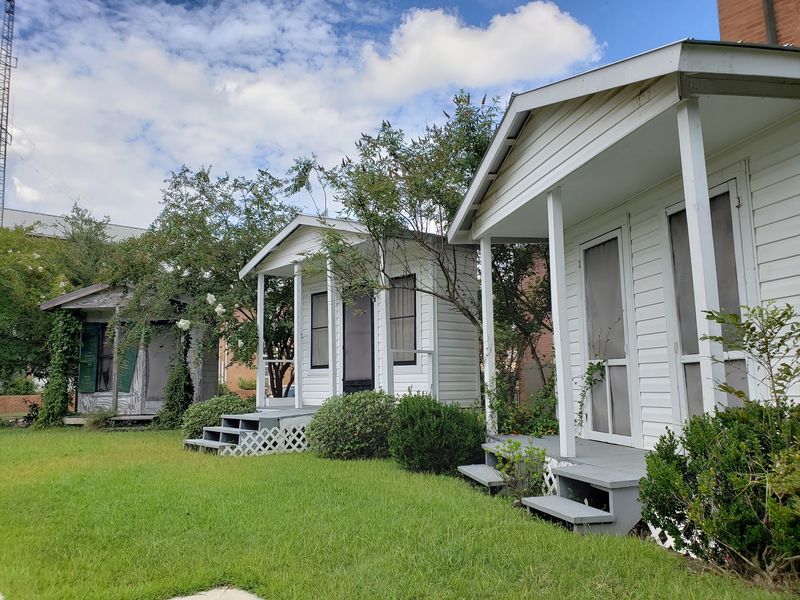
An hour is all it takes to cover the heart of Monroeville on foot, and the Historic Walking Tour operated by the Monroe County Heritage Museums makes that hour count. Departure happens at the Old Courthouse Museum, where the route begins.
The path traces the town roughly as Harper Lee and Truman Capote would have known it in the 1930s. Old storefronts, side streets, and quiet corners all get their moment.
Those who want more can follow the Walk Monroeville Self Guided Tour, which stretches across dozens of historic sites including the original county jail and City Hall. Signage and printed guides keep the route simple to follow, even for first timers with no sense of direction.
Each April, the Alabama Tourism Department includes Monroeville in its statewide walking tour program, with guided groups meeting at the southeast entrance of the Monroe County Museum. Local guides fill in details that plaques cannot.
The terrain stays flat and the sidewalks are in good shape, which makes the whole thing friendly for kids and grandparents alike. Shade comes and goes, so a hat helps in summer.
Serious walkers have another option in the Monroeville Walk, a 6-mile Volkswalk route that loops through historic neighborhoods and out toward Whitey Lee Park and Lake. Pick your distance and go.
Bronze Writers Scattered Along Main Street
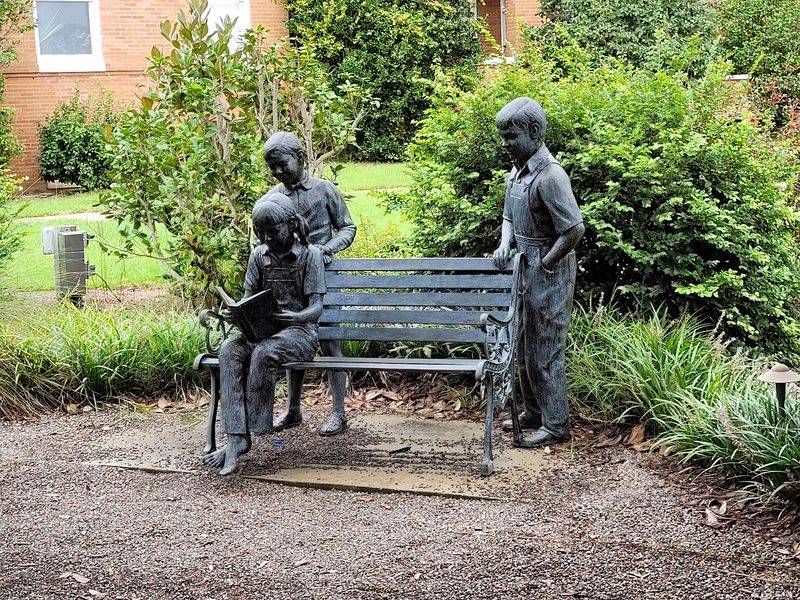
Bronze figures keep appearing as you round corners downtown, and that is entirely on purpose. The Literary Capital Sculpture Trail runs along Monroeville Main Street with 14 bronze sculptures placed close to the Monroe County Courthouse Museum.
Students from the University of Alabama created the pieces, which honor ten different writers connected to the state. Harper Lee, Truman Capote, and Cynthia Tucker each receive their own dedicated sculpture, and one piece represents the Pulitzer Prize itself.
Because everything sits within a short radius, the entire trail works as a casual stroll rather than a hike. Kids treat it like a scavenger hunt, adults treat it like a photo op, and everyone wins.
Monroeville earned its title of Literary Capital of Alabama from the State Legislature back in 1997, and the sculptures make that designation feel physical instead of ceremonial. Reading the small plaques adds context that a quick glance misses.
Mornings tend to bring softer light for pictures, while late afternoon gives the metal a warm glow. Either works.
Nearby, the Atticus Finch Monument stands as a landmark for book lovers who came a long way to see it. Between the sculptures, the monument, and the courthouse just steps off, this stretch of Main Street packs more literature per block than most cities manage.
Mel’s Dairy Dream And A Slice Of 1950s Alabama
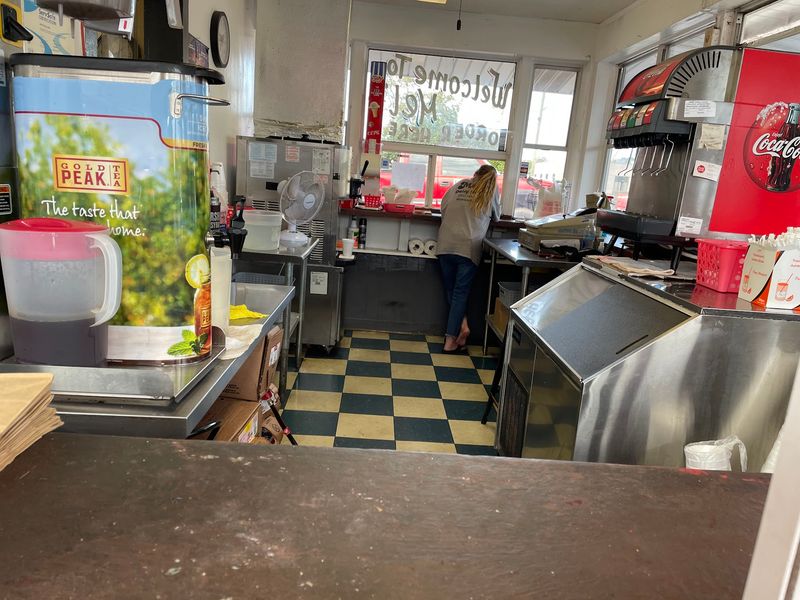
Order at the window, wait outside, eat standing up or at a table. That is the whole system at Mel’s Dairy Dream, and nobody has ever complained about it.
The little drive-in operates the way roadside stands did in the 1950s, with soft serve, quick service, and zero fuss about atmosphere. The atmosphere shows up anyway.
What makes the spot genuinely remarkable is the ground it occupies. Harper Lee’s childhood home once stood on this exact site, meaning the author of To Kill a Mockingbird grew up where visitors now line up for cones.
A stone marker notes the connection, and next door sits the property once tied to the Faulk family, where Truman Capote spent his summers with relatives. The two children who would reshape American literature lived side by side, right here.
Timing works out nicely for walkers. The stand sits close enough to the courthouse square that it makes an easy reward stop midway through a downtown loop.
Sweet, cold, and cheap on effort, it breaks up the history with something a little more immediate. Kids who have run out of patience with plaques usually perk right back up.
Sit for a few minutes, look around the neighborhood, and the literary geography of the town suddenly makes a lot more sense than any museum panel could explain.
Murals, Birdhouses And Small Surprises On Every Block
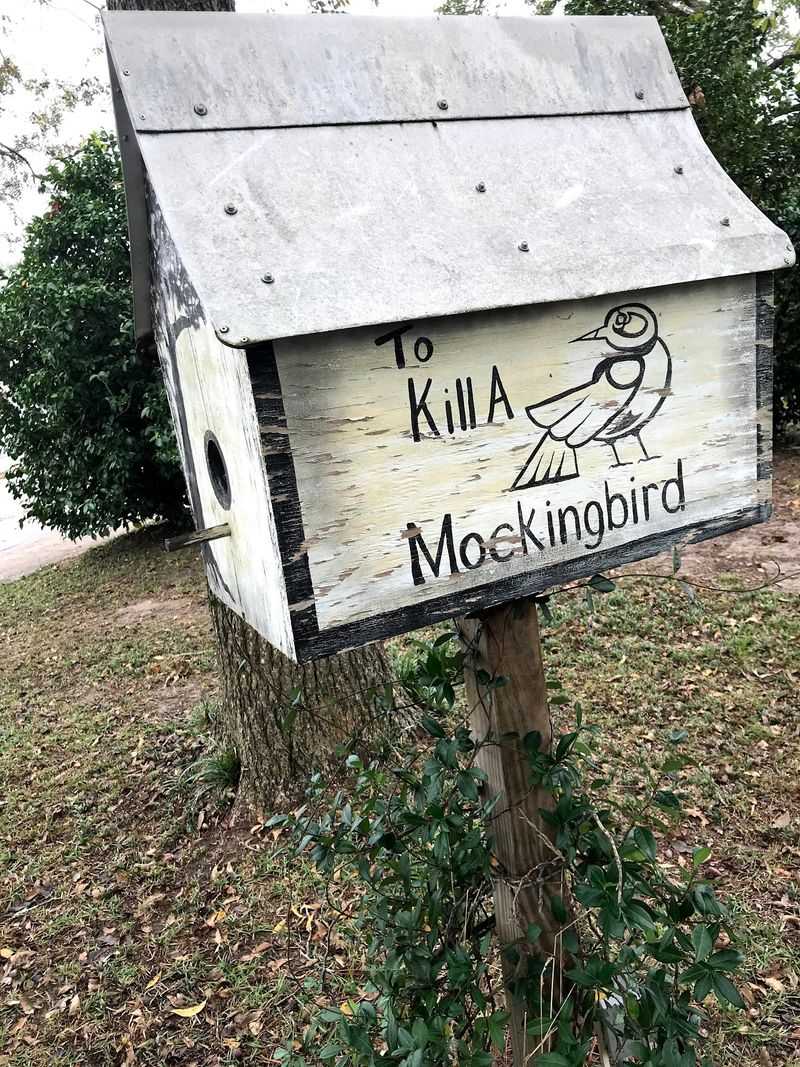
Public art in Monroeville does not announce itself with fanfare. It simply shows up on brick walls and wooden posts, waiting for someone to notice.
Several large wall murals around town depict scenes from To Kill a Mockingbird and A Christmas Memory, turning blank facades into storytelling surfaces.
Lyle Salter Park downtown holds a historic marker plus murals painted by a Semmes artist, which makes it a natural pause point on any walking route.
Then there are the birdhouses. The Birdhouse Trail winds through the downtown area with 25 unique birdhouses, each one designed by local artists and created in tribute to Harper Lee and her novel.
Some perch at eye level, others sit higher, and spotting all 25 turns an ordinary walk into a genuine game. Families with restless kids find this especially handy.
Credit for much of downtown’s polished look goes to the Monroeville Main Street program, which tackled a district once struggling with empty storefronts. Branded pedestrian banners, cleaned sidewalks, and self-watering planters all came out of that work.
The result feels cared for rather than staged. Flowers actually bloom, benches actually get used, and the sidewalks stay clean enough to enjoy.
Monthly Second Saturdays events add games and cultural activities on the Square, giving the streets an extra pulse for anyone lucky enough to time a visit right.
Roses, Gazebos And Green Space Within Walking Distance
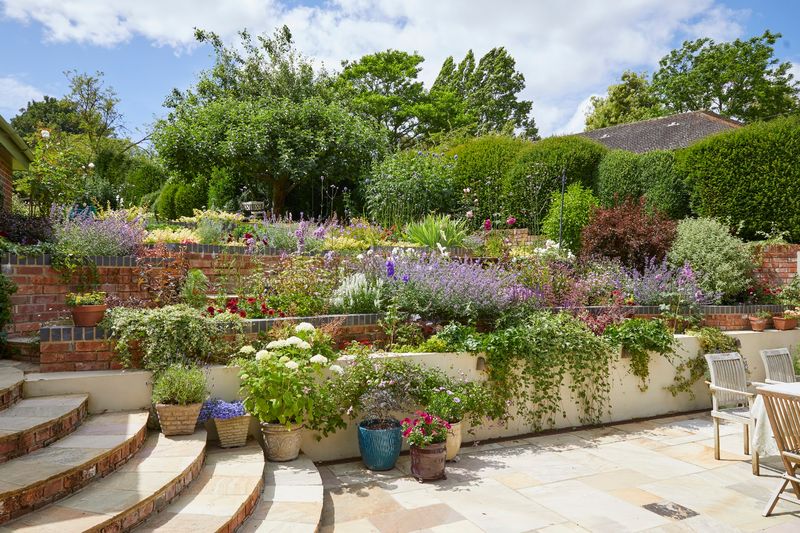
More than 90 rose varieties grow at the Katherine Lee Rose Garden, found at 65 N. Alabama Ave in Monroeville, right alongside the War Memorial Gazebo.
Peak bloom turns the whole corner into a color show.
Benches invite a genuine sit-down rather than a quick lap, and the gazebo provides shade when the Alabama sun means business. Being just up the street from the courthouse, the garden fits into a walking loop without any planning at all.
Those wanting a longer stretch of green have options nearby. Whitey Lee Park covers 20 acres with a lake for fishing, picnic areas, ducks that expect to be fed, and walking trails that circle the water.
Another quiet choice is the Coastal Alabama Walking Trail, a paved and lighted path just over a mile long tucked behind Nettles Auditorium on the Coastal Alabama campus. Trees crowd the route, keeping it cool and calm even when town is busy.
Lighting means evening walks stay comfortable, which is a nice detail in a town where sunset comes with cicadas and warm air.
Between formal gardens and wooded paths, Monroeville balances its heavy literary reputation with plenty of open sky. Sometimes the best part of a history trip is the twenty minutes spent doing absolutely nothing under a gazebo roof.
Old Architecture, A Hotel Library And A Grist Mill Down The Road
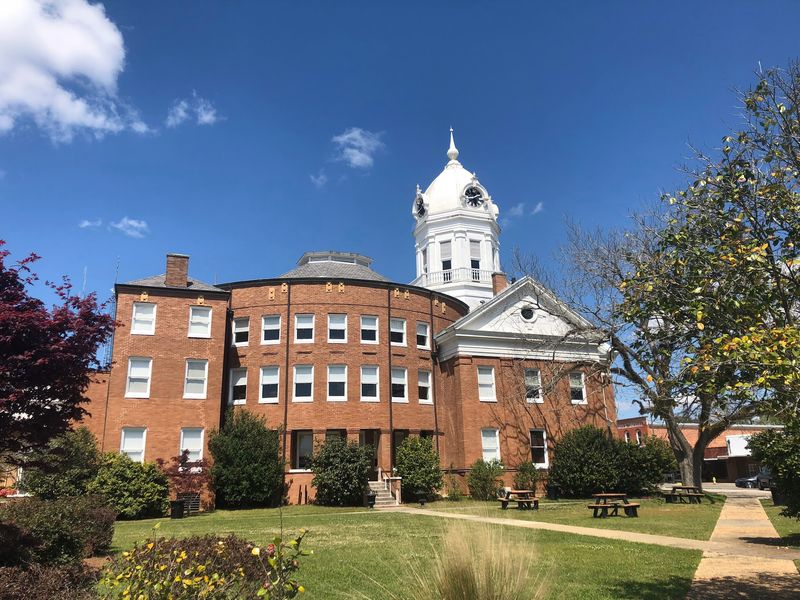
Architecture buffs get plenty to study here. The Monroeville Downtown Historic District joined the National Register of Historic Places on September 16, 2009, and includes 63 structures, 51 of them counted as contributing buildings.
Styles range from Classical Revival to American Craftsman to Moderne, all sitting comfortably along Claiborne Street, Alabama Avenue, Pineville Road, and Mount Pleasant Avenue. Standouts include the F.
Metts Store dating to around 1873, the Stallworth-Hare House built between 1901 and 1904, and the Hybart-Hendrix Home from the 1906 to 1920 period.
One building carries a Hollywood footnote. The Monroe County Public Library occupies the restored LaSalle Hotel, where actor Gregory Peck reportedly stayed while preparing for his Academy Award winning role as Atticus Finch.
Nearby, the Old Monroe County Jail is often linked to Truman Capote’s In Cold Blood, adding another layer of literary weight to an otherwise plain brick structure.
Summer visitors should note the Otha Lee Biggs Amphitheater, home to the annual local production of To Kill a Mockingbird with sets built to resemble Boo Radley’s house and the Finch home.
For a short drive beyond town, Rikard’s Mill Historical Park at 4116 Hwy. 265 North in Beatrice runs a water-powered grist mill built in 1845. Watching corn become cornmeal and grits is oddly hypnotic, and worth the detour.
