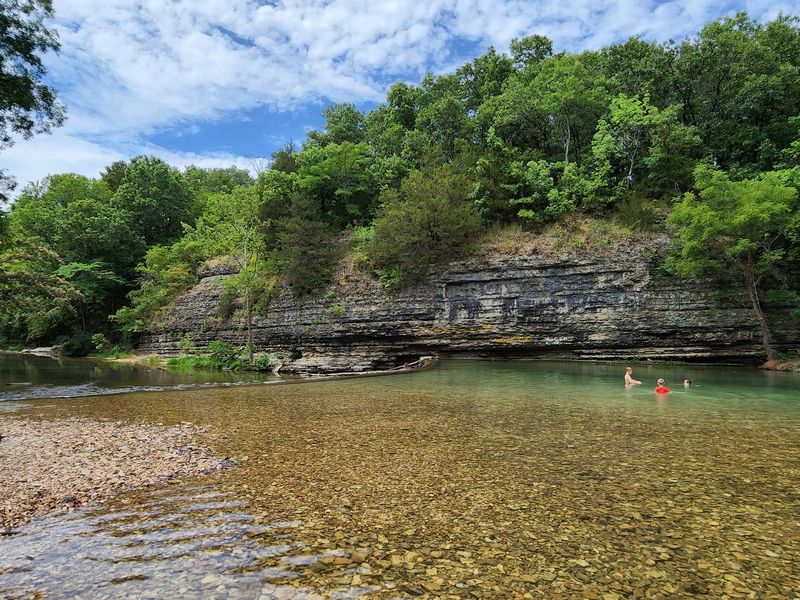
Some of the best places in Oklahoma do not announce themselves with billboards or gift shops. I pulled off a two-lane highway expecting a quick leg stretch, maybe a snack from a cooler, and instead found spring-cold water running clear over pale rock, kids shrieking at the temperature, and pickup trucks lined up under shade trees.
Nobody charges you a dollar to stand in it. That is the part I still think about on hot afternoons.
A Creek Called Little Blue, East Of The Pensacola Dam
Northeastern Oklahoma keeps its scenery in the corner of the state folks call Green Country, and tucked along the eastern shore of Grand Lake O’ the Cherokees sits Little Blue State Park in the town of Disney.
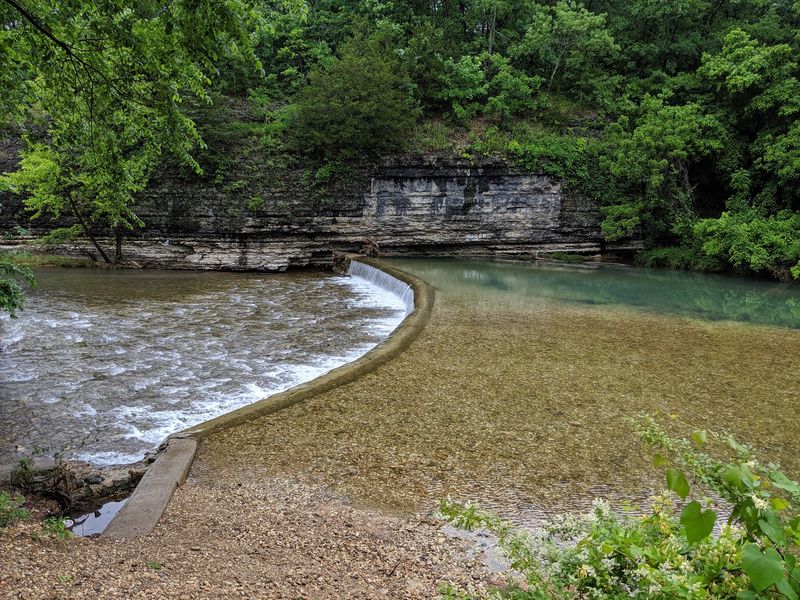
The park wraps around Little Blue Creek, a shallow spring-fed run of water just a couple of blocks off State Highway 28, near the east spillway of the Pensacola Dam. Address listings simply read little blue hole park, Disney, OK 74340, which tells you how plainly this place presents itself.
What draws people is the water itself. It runs cold nearly year-round, and it is clear enough that visitors regularly mention watching fish and crawfish move across the creek bed beneath them.
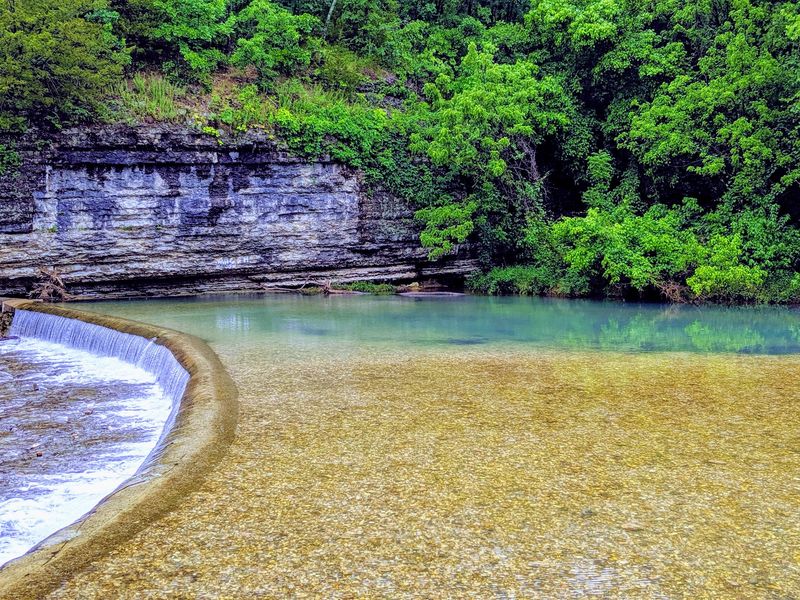
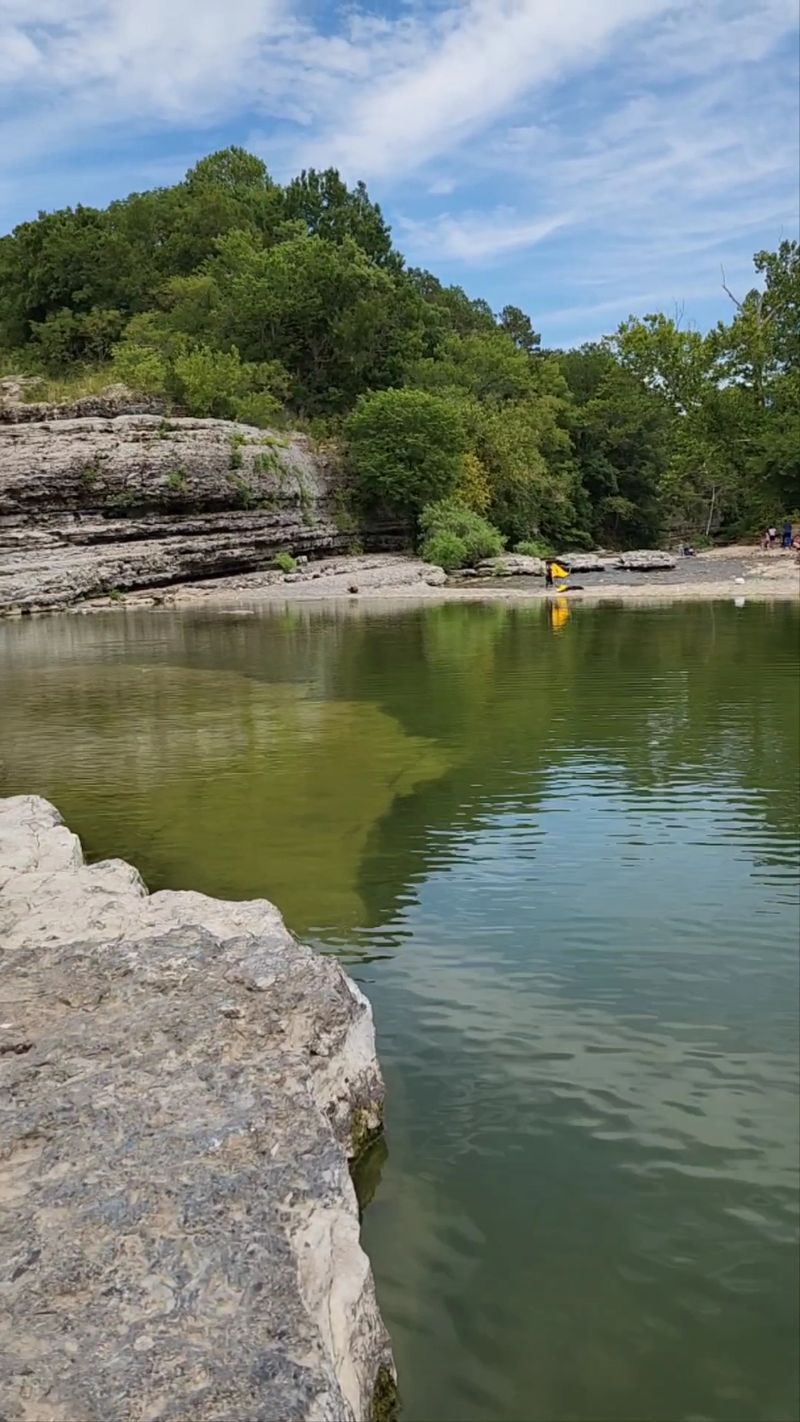
Rock ledges, a small waterfall, shade trees, and a scattering of picnic tables round out the setting. Parts of the creek stay ankle-deep, while other stretches drop off into pockets deep enough for an actual swim.
It is a state park run in cooperation with the Grand River Dam Authority, and it feels less like a manicured attraction than a well-loved local swimming hole that happens to be on the map.
How A Congressman Ended Up Naming An Oklahoma Town
No, the mouse had nothing to do with it. Disney, Oklahoma, borrowed its name from Wesley E.
Disney, a U.S. Congressman who represented the state during the 1930s and helped push the projects that reshaped this stretch of the Grand River.
Founded in the mid-to-late 1930s, the town got its start as a settlement for the crews building the massive Pensacola Dam, plus a recreation spot for everybody working out here.
When the dam was finished, the workers moved on, but the recreation part stuck. The population today stays modest, though it can balloon to roughly ten times its normal size when an event rolls into town.
That dam history still shapes the creek. Water releases and flow conditions can change how much is moving through the rocks on any given day, which is why one visitor might find a lively little waterfall and another finds calm shallow pools.
Longtime Oklahomans have been coming here for generations. Several visitors describe being carried down to the water as toddlers by grandparents, then bringing their own kids decades later.
Water So Clear It Feels Like Looking Through Glass
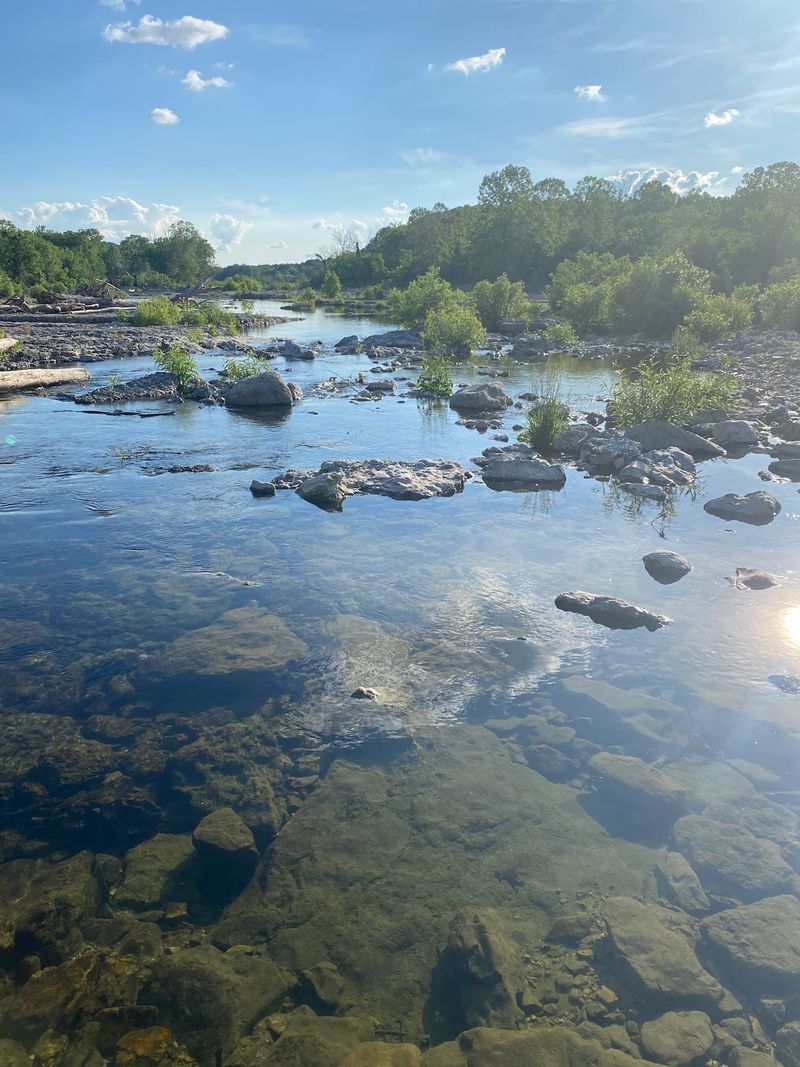
Thirty-three separate mentions of clear water in visitor comments tell you which feature people cannot stop talking about. Stand knee-deep here and the rocks below look magnified rather than hidden.
The spring-fed source is why. Groundwater emerges cool and filtered, giving the creek that blue-green cast against pale stone, and keeping the temperature bracing even in the thick of an Oklahoma August.
Cold is the other word that comes up constantly, with more than thirty visitors flagging it. Expect a sharp gasp on the first step in, then that wonderful moment about ninety seconds later when your body decides it is fine.
Families with small children tend to park themselves in the ankle-to-knee sections, where the current is gentle and the bottom is visible the whole time. Teenagers and stronger swimmers drift toward the deeper pockets.
One caution worth repeating: depth changes without warning. Regulars advise scouting your spot before anyone cannonballs, since a shallow shelf can drop off quickly.
Bring an inner tube if you have one. Floating in water this transparent, watching crawfish go about their business underneath you, is the whole reason people drive out here.
The Small Waterfall And The Rock Ledges Around It
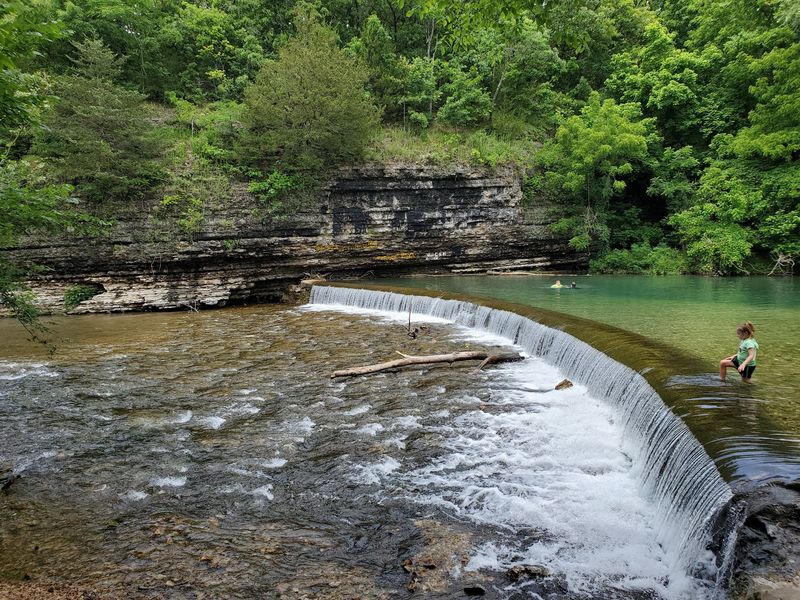
Roughly fifteen visitors single out the waterfall, and while nobody would confuse it with something in a national park brochure, it is genuinely fun to stand beside.
Water spills over layered stone into pools below, and the flat ledges on top let you walk right along the lip when flow is low. Kids treat the whole formation like a natural staircase.
Rocks are the defining texture of this park, mentioned around thirty times by people who have been here. They form the creek bed, the banks, the climbing spots, and the reason your ankles will thank you for proper footwear.
There are small caves on site too. A few visitors describe walking through the river bottom and poking into them during periods when the flow is way down, calling it one of the more memorable parts of the trip.
Scrambling around wet limestone requires a little common sense. Surfaces get slick, edges are uneven, and there are not signs posted at every drop-off.
Take it slow, hold a little hand or two, and the rock playground becomes the part of the day everybody photographs.
Rock Crawling, Side-By-Sides, And The Off-Road Crowd
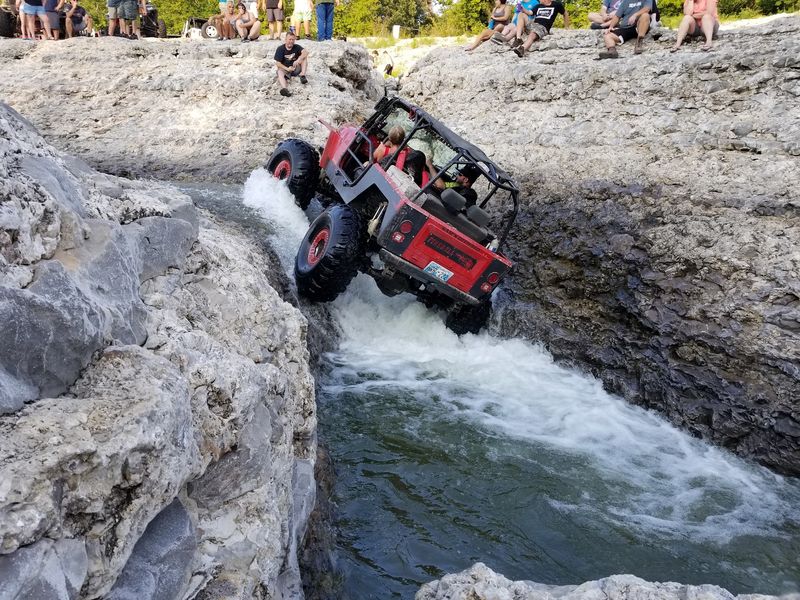
Here is the twist nobody expects at a swimming hole: Disney is a nationally known off-roading destination, and the rocks near the creek attract rock crawlers the way the water attracts swimmers.
Watching a modified Jeep pick its way up a rock face is free entertainment, and plenty of visitors say the spectacle is half the appeal for their kids. Rock crawling comes up in about nine visitor comments.
Much of the surrounding trail terrain is managed by the Grand River Dam Authority, and Hogan’s Off-Road Park, roughly a mile outside town, offers five square miles of ATV and ORV trails across a range of skill levels.
Disney’s city streets are also friendly to UTVs and golf carts, so buzzing between town and the water is part of the local rhythm. Outfitters on Main Street rent off-road vehicles, pontoons, and jet skis.
Be aware the machines get loud, especially on holiday weekends, and some visitors mention vehicles moving through the water and parking areas. If you want a peaceful afternoon, aim for a weekday.
Otherwise, pull up a chair and enjoy the show.
Fishing Lines, Picnic Tables, And Slow Afternoons
Bring a rod. People fish the lakeside stretch below the creek where it meets Grand Lake’s eastern shore, casting for largemouth bass, crappie, channel catfish, and walleye.
That eastern shore tends to be quieter than the busier sections of Grand Lake, and a public boat ramp gives access if you have trailered something behind you.
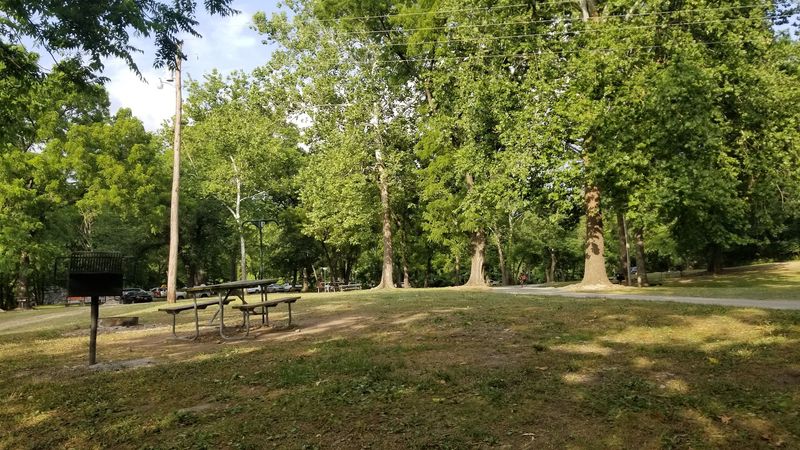
Back up at the creek, picnic tables sit scattered among the trees, with about eleven visitors mentioning them specifically. Shade is decent in most spots, which matters enormously when Oklahoma heat settles in around mid-afternoon.
Parking is close to the water, a detail several visitors appreciate because it means hauling coolers and chairs only a short distance rather than across a long lot.
Leashed pets are welcome, so the family dog gets a cool creek to wade in too.
The move most regulars recommend is simple: pack a real picnic, claim a shady table early, and settle in for hours rather than treating the place as a quick stop. There is no concession stand, so whatever you want to eat comes with you.
And haul your trash back out, please. Dumpsters are on site.
Primitive Camping Under The Trees
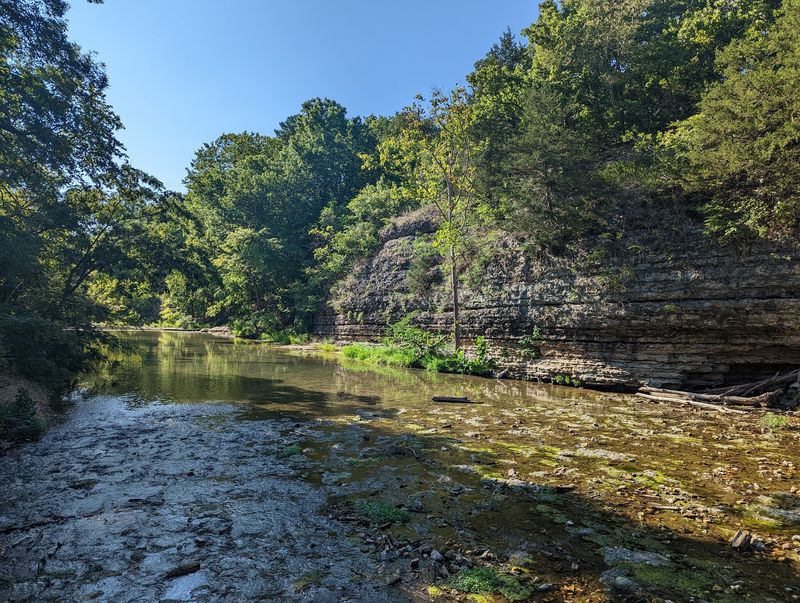
Sleeping over changes the experience entirely. Primitive tent sites sit tucked among the trees near the creek, and rates for tent camping in this area of Grand Lake State Park typically run somewhere in the fifteen to twenty-five dollars a night range, though rates can shift.
Sites are limited and campers say they book out well in advance, especially for summer holiday weekends. Plan early if a Saturday is your target.
Practical notes from people who have pitched tents here: the ground is rocky enough that stakes fight back, so pack a hammer or mallet. Firewood is not something to count on finding, so bring your own.
There are no showers at the site, and lighting is minimal, which some campers actually prefer. A modest string of lights and a couple of lanterns handle it.
Wildlife shows up after dark, raccoons included, so secure food and keep your area clean.
Nights can be lively when off-road groups are around, with music and engines running late on busy weekends. Midweek stays tend to be far quieter, and a few campers describe them as genuinely restful.
Who Feels At Home Here, And Who Might Not
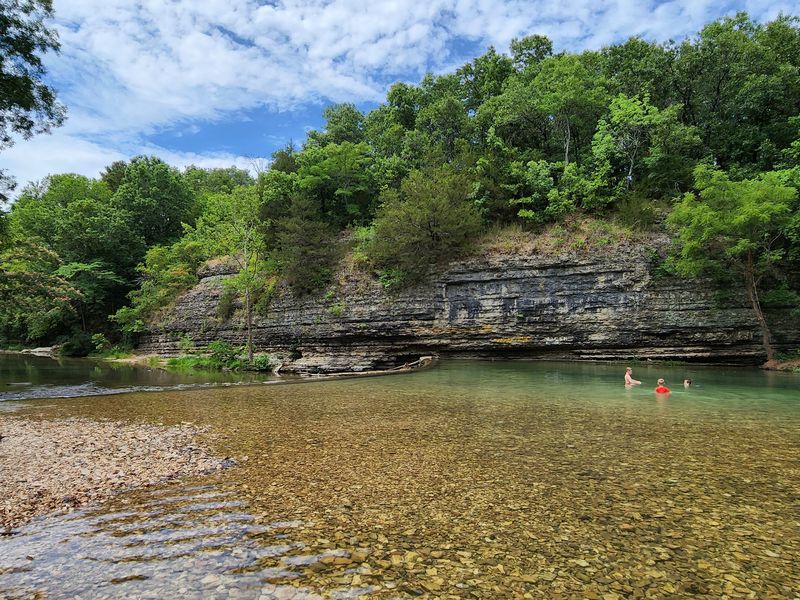
Families with little ones do well in the shallow stretches, where the water rarely rises past a toddler’s knees and the bottom stays in plain view. Several parents say their kids stayed entertained all day without a single complaint of boredom.
Nature lovers get fish-watching, rock scrambling, small caves, and a waterfall within a short walk of the car. Photographers show up for the light on clear water.
Not everyone will love it, and that is worth saying plainly. The terrain is uneven and rocky throughout, and visitors caution that it is not an accessible site for anyone with mobility limitations.
Folks hoping for silence should know the off-road scene can dominate on holidays, with engines and music carrying through the creek bottom late into the night.
Snakes have been spotted, which is normal for an Oklahoma creek but worth watching for as you step between rocks.
Restroom facilities are basic vault toilets, and a few visitors note trash cans overflowing after big weekends. Go in with realistic expectations and the beauty far outweighs the rough edges.
The Best Part: It Costs Nothing To Get In
Free. That is the entry price, and visitors mention it repeatedly with a kind of disbelief that a spot this pretty asks nothing at the gate.
No admission fee, no parking charge, no wristband. You drive in, find a spot near the water, and unload.
For a family of five looking at a cheap summer day, that is hard to beat anywhere in the state.
The park is listed as open 24 hours, seven days a week, which gives flexibility for early arrivals and late fishing. Calling ahead at 918-435-8066 is smart if you want current conditions or camping availability.
Camping does carry a fee, generally in that fifteen to twenty-five dollar nightly range for primitive tent sites, but day use stays free.
Facilities match the price. Vault toilets only at Little Blue, though comfort stations with hot showers are available nearby at the Cherokee Area of Grand Lake State Park if you need them during a longer stay.
Budget the rest of your money on gas, groceries, and maybe barbecue in town. The swimming hole itself asks nothing.
Getting There, Timing It Right, And What To Pack
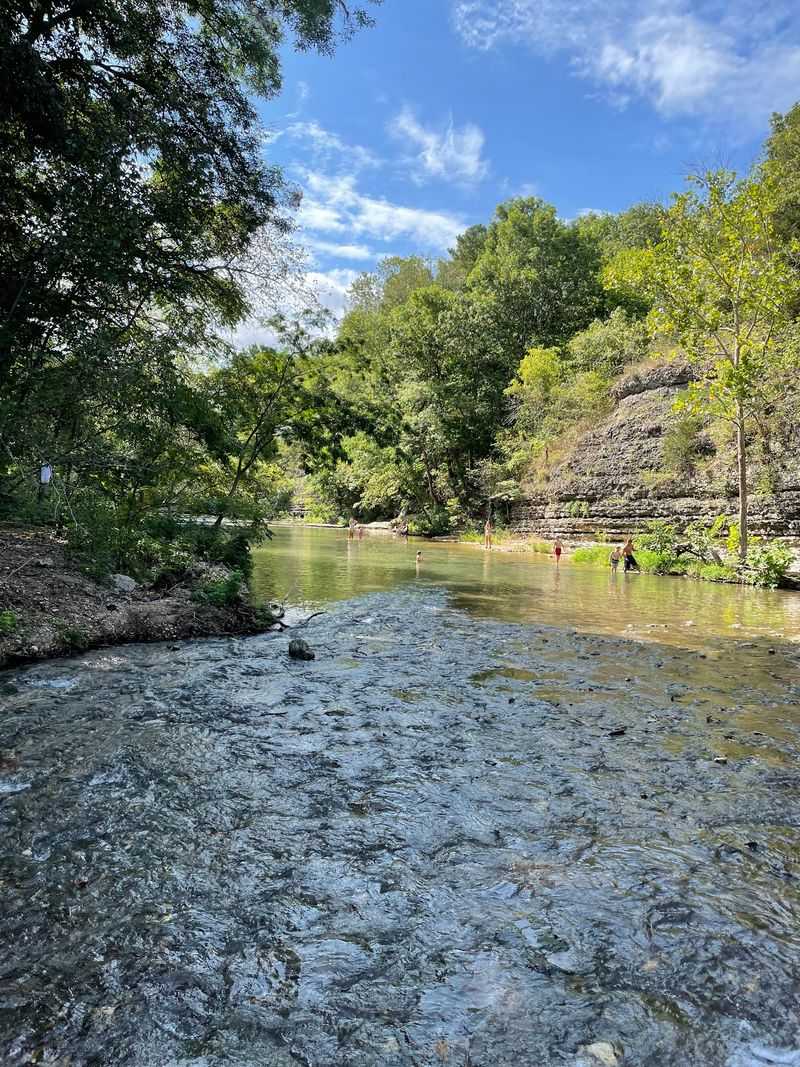
From Tulsa, figure on roughly an hour of driving, which puts this comfortably inside easy-day-trip range. From Oklahoma City it is a longer haul, more like a half-day each way, so many OKC families pair it with a weekend on Grand Lake.
Directions are straightforward. Head for Disney on State Highway 28, then look for the turn a couple of blocks off the highway toward the east spillway of the Pensacola Dam.
Timing matters more than route. Weekends and summer holidays pack the place, with vehicles parking wherever space allows and the lot filling early.
Weekdays, by contrast, can feel nearly private.
Water shoes are the single most recommended item, mentioned again and again, because the creek bed is all rock. Add a tube or float, chairs, a cooler, sunscreen, and trash bags.
Since Oklahoma weather swings hard, check the forecast for heat advisories and storm chances before committing, and remember that recent rainfall or dam operations can change how much water is flowing.
One more tip from a frequent visitor: check whether any event is happening in Disney first.
Worth The Drive, Rough Edges And All
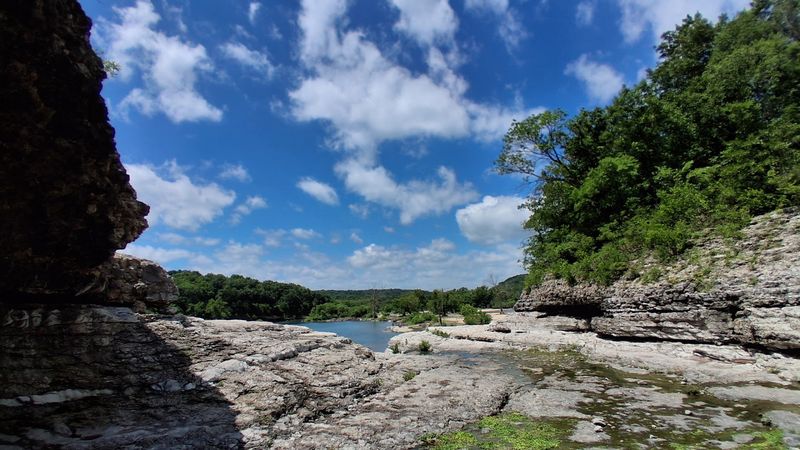
Hold this one to the right standard and it shines. Little Blue is not a resort, not a water park, and not somewhere you go for polished amenities.
It is a cold, clear Oklahoma creek in a small town with a famous-sounding name.
Judged that way, it delivers plenty: transparent water, a small waterfall, rocks to climb, fishing within walking distance, shade, picnic tables, and a free gate.
Pair it with the rest of Disney and you have a full day. Local spots serve barbecue and ice cream, one with a menu printed in both English and Cherokee, reflecting the area’s tribal heritage.
The GRDA Ecosystems and Education Center offers interactive exhibits about Grand Lake and the Pensacola Dam, and the Picture in Scripture Amphitheater runs gospel singing and live plays on Friday and Saturday nights.
Go on a Tuesday if you can. Bring water shoes, a float, and more snacks than you think you need.
Then carry your trash back out so the next family who stumbles onto this place finds it exactly as good as you did.
