Picture rolling hills and a winding river in West Virginia, where an ordinary-looking spot hides a story most folks never expect. Long before coal ruled these valleys, one humble industry quietly turned a small community into a place of surprising wealth.
What started with animals licking salt from the earth grew into something that fed a young nation and put this river valley on the map. Come along as we uncover a treasure that’s still being harvested by hand today.
A Riverside Salt Works Just Outside Charleston
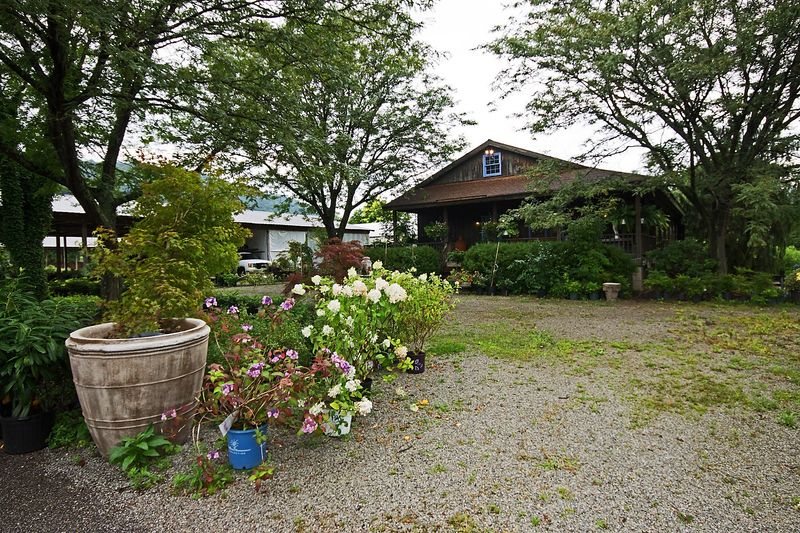
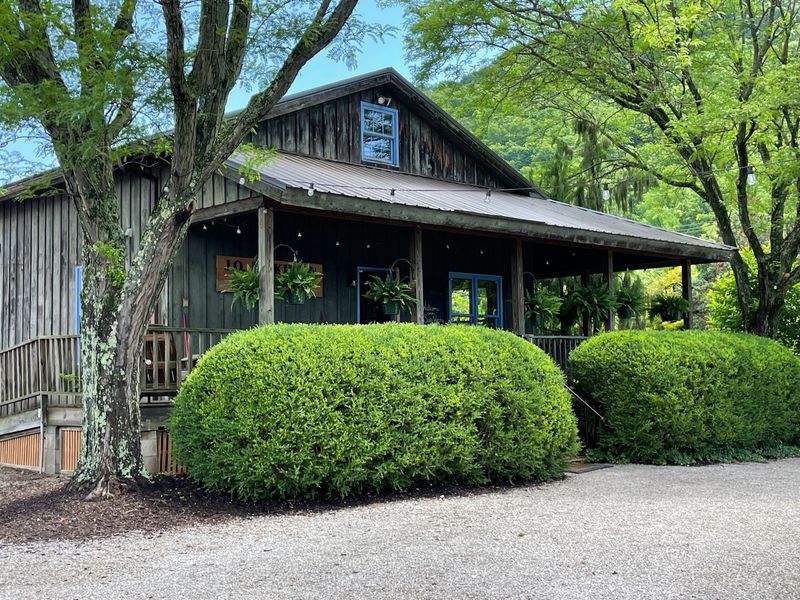
Tucked along Midland Drive in the Malden area east of Charleston, this working salt farm sits where the Kanawha River carved out one of America’s oldest industrial stories. It’s not a museum behind glass.
It’s a living food producer where salt is still made the slow, old-fashioned way.
Run by seventh-generation descendants of the original salt-making Dickinson family, the place blends history with a modern gift shop full of Appalachian goods. Visitors wander the grounds, peek into greenhouse sun-houses, and browse shelves stacked with local honey, wood crafts, and flavored salts.
The setting feels secluded even though a road runs nearby, thanks to thoughtful landscaping and open lawns. People describe stumbling onto it during a road trip and leaving amazed that such a gem exists.
What makes it special isn’t flashiness. It’s the sense that you’ve found something authentic, a family business carrying forward centuries of West Virginia know-how.
For anyone curious about where their food comes from, or simply hungry for a genuine local story, this quiet stop delivers far more than its modest appearance suggests.
The Ancient Buffalo Lick That Started It All
Long before anyone dreamed of factories, deer and buffalo trekked to a spot along the Kanawha River to satisfy their craving for salt. Known as the Great Buffalo Lick, this natural magnet drew animals from every direction, and their well-worn trails eventually guided people to the same precious resource.
Native Americans recognized the value bubbling up from the ground and perfected the art of boiling brine in kettles over centuries. Records suggest that as early as 1755, a captive pioneer woman named Mary Ingles watched Indigenous people expertly extract salt this way.
The land itself was doing the advertising, calling life toward a resource that would one day build fortunes. It’s a humbling reminder that the region’s wealth began with something as simple as thirsty animals following instinct.
Standing on this ground today, you can almost sense how deep the history runs beneath your feet. The salt Dickinson harvests now flows from that same ancient source, tying the modern operation directly to a story that predates any town, road, or coal seam in the area.
How a Pioneer Family Struck Briny Gold
Grit and a stubborn hunch turned a modest salt spring into a booming industry. In 1808, the Ruffner brothers, David and Joseph, drilled down 59 feet and tapped a strong flow of concentrated brine, dramatically boosting how much salt they could produce.
That breakthrough wasn’t the end. A younger brother, Tobias, suspected richer brine waited deeper, and his determination paid off when he reached an astonishing 410 feet, unlocking an even more powerful source.
Word spread fast, sparking what old accounts call a frenzy of drilling across the valley. Within seven years, by 1815, some 52 furnaces were roaring away, transforming a sleepy riverbank into a hive of industry.
The commercial story actually began a bit earlier, in 1797, when Elisha Brooks built the first salt furnace near Campbell’s Creek, producing around 150 bushels a day for settlers curing meats and butter.
The J.Q. Dickinson operation traces its roots to this pioneering era, and touring the property gives you a real feel for the ingenuity that turned humble brine into a briny fortune long before anyone expected.
When This Valley Made the Best Salt in the World
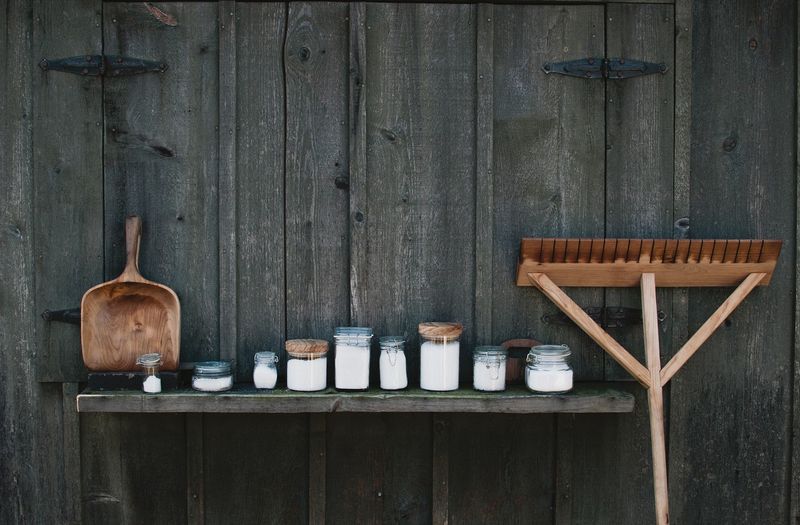
Hard to imagine now, but this quiet stretch of West Virginia once led the entire United States in salt production. By 1810, the Kanawha Valley was churning out an astounding 30 million pounds a year, and it kept climbing.
The industry hit its peak in 1846 with more than 3.2 million bushels produced in a single year. This famous Red Salt from Kanawha, tinted by natural iron, became essential for preserving meats across a growing nation, feeding the westward push and the meatpacking cities beyond.
The quality earned worldwide fame, reportedly taking top honors at World’s Fairs in London in 1851 and Paris in 1867. Locals still speak with pride about salt once judged the best on earth.
Prosperity built grand mansions in nearby Charleston and turned the surrounding community into a bustling commercial center. In 1817, saltmakers even formed the Kanawha Salt Company, considered by some historians the earliest known output pool in the country.
Visiting Dickinson today, you’re standing in the heart of that once-mighty empire, where a single mineral quietly made a small valley remarkably rich.
The Surprising Link Between Salt and Coal
Here’s a twist most folks never hear: the salt industry actually helped give birth to West Virginia’s coal legacy. At first, the countless salt furnaces burned local timber to boil down the brine, but growing operations soon needed a steadier, more powerful fuel.
David Ruffner, one of the same brothers who pioneered deep drilling, made a pivotal move around 1817 by experimenting with coal to fire his furnaces. Other saltmakers quickly followed, and before long the whole salt district had switched from wood to coal.
That hunger for fuel jump-started organized coal mining in the region, decades before coal became the state’s defining industry. By 1840, the valley’s 90 salt furnaces were reportedly burning 200,000 tons of coal a year to make a million bushels of salt.
So the resource everyone associates with West Virginia today owes an early debt to salt. It’s the kind of overlooked connection that makes touring Dickinson so rewarding.
Guides here love sharing how one industry quietly seeded another, reshaping the entire economic landscape of the mountains for generations to come.
Floods, War, and the Slow Fade of an Empire
Every great boom eventually meets its challenges, and the valley’s salt empire was no exception. After decades of dominance, the industry started slipping after the 1830s as newer salt fields in New York and cheaper imports chipped away at its market.
The nation’s expanding railroads made it easier to ship salt from elsewhere, and the meat-preserving farm belt gradually drifted west, away from Kanawha’s customer base.
Then came harder blows. In September 1861, a major flood swept through the valley, with the river cresting nearly 17 feet above flood stage in Charleston and damaging the works.
The Civil War brought further trouble, and by the late 1800s only the Dickinson furnace in Malden remained standing.
Commercial salt production in the valley finally wound down around 1945, leaving behind a landscape of faded glory. Yet that fade is exactly what makes the surviving story so touching.
The Dickinson name endured every setback, and today the family’s revived works stands as living proof that this remarkable heritage never fully disappeared, only waited patiently for someone to bring it back to life.
A Seventh Generation Brings the Brine Back
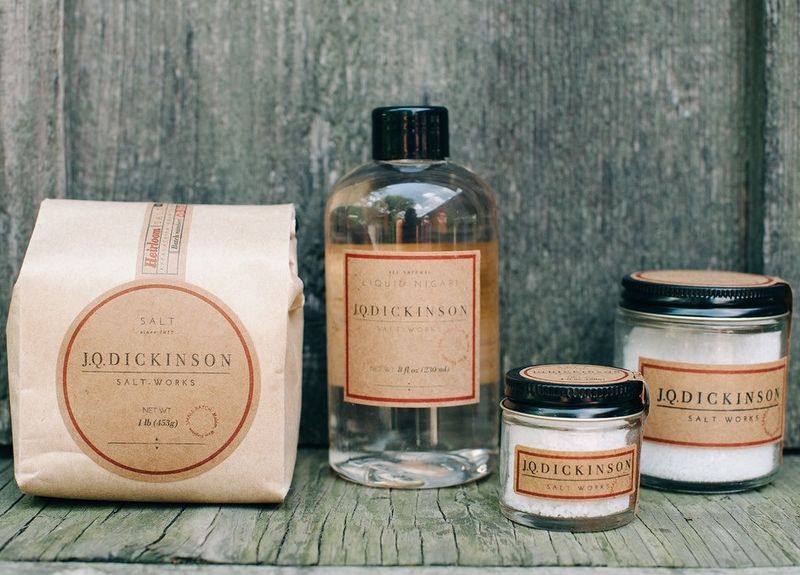
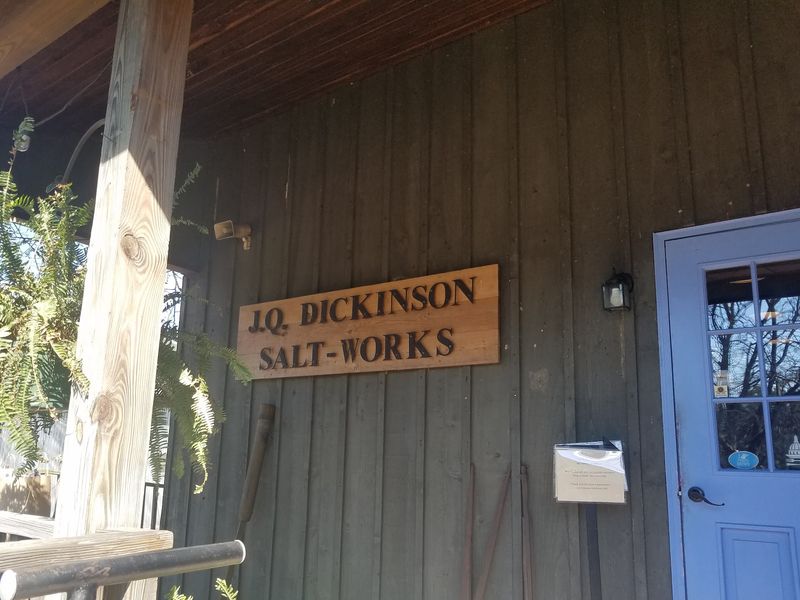
Some family stories refuse to end, and this one got a beautiful second chapter. In 2013, seventh-generation descendants Nancy Bruns and Lewis Payne revived their family’s historic salt business under the name J.Q.
Dickinson Salt-Works.
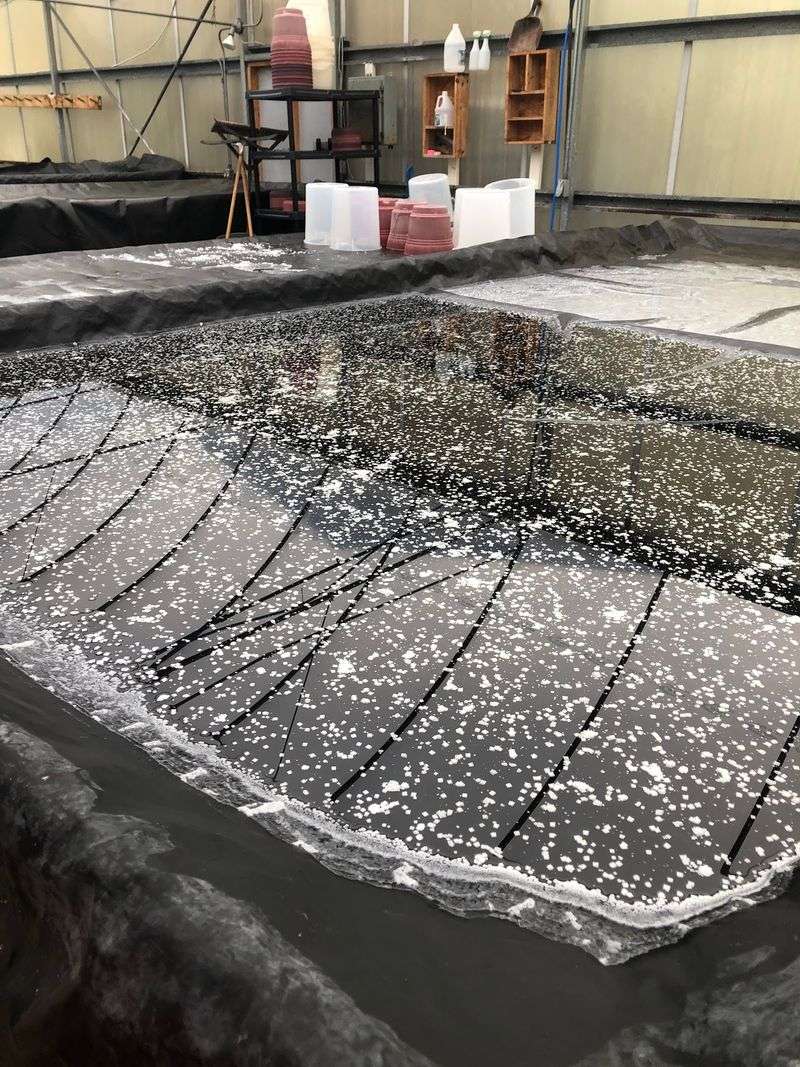
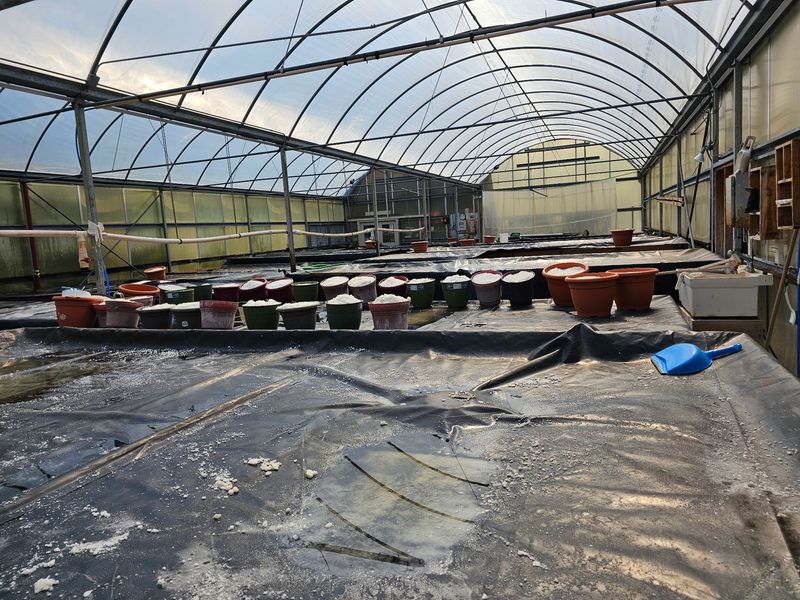
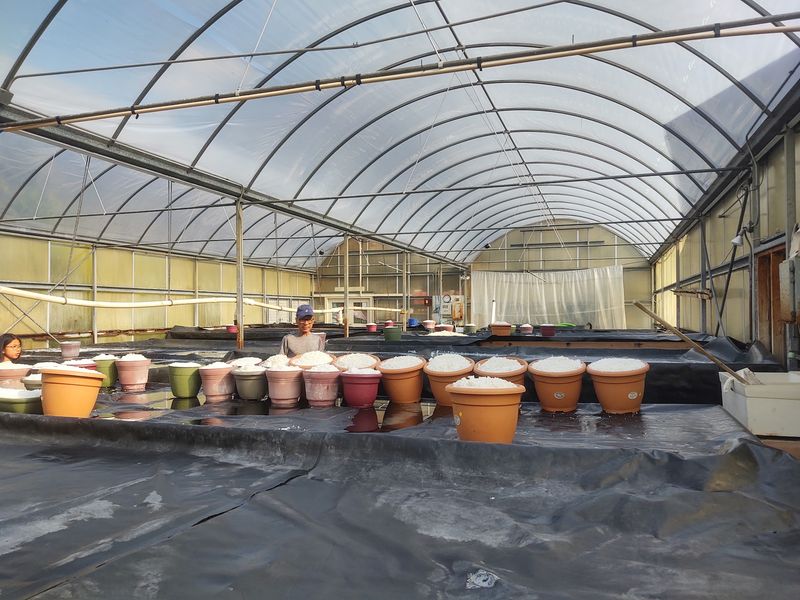
The brine here comes from a well 350 feet deep, drawn from the ancient Iapetus Ocean that covered this land millions of years ago. Instead of coal-fired furnaces, the modern process relies mostly on gentle solar evaporation.
Brine flows into greenhouse sun-houses, where sunshine and mountain air slowly concentrate the salinity until crystals form. Workers then hand-rake the salt using custom wooden tools and dry it carefully on cotton cloths.
Because the method leans on sun and warmth, harvests only happen in the spring, summer, and fall. Visitors marvel at seeing tiny square salt granules up close and often take a pinch home themselves.
The result is a clean, mineral-rich finishing salt free of additives, now cherished in kitchens and restaurants far beyond the state. It’s a heartwarming blend of old-fashioned patience and modern sustainability, proving a family legacy can shine again after generations.
The Town of Malden, Built on Salt and Memory
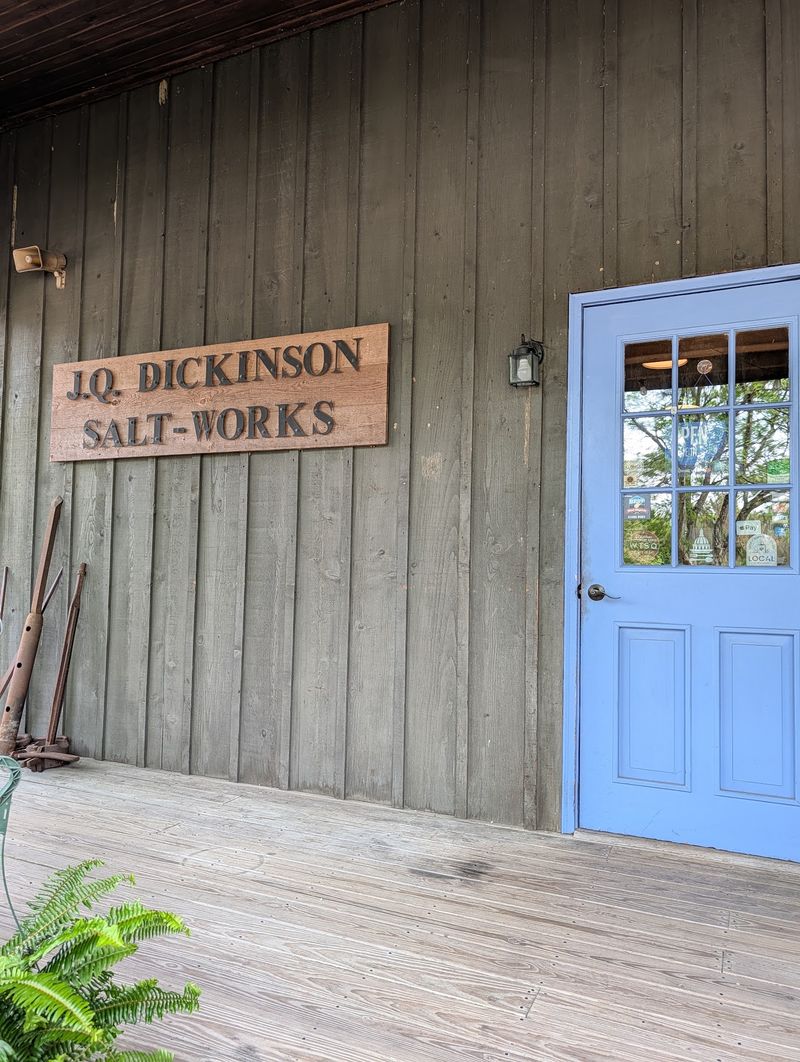
To really feel this history, you head to Malden, a community woven together entirely by the salt beneath its soil. Once called Terra Salis and then Kanawha Salines, it officially became Malden in 1831 when David Ruffner laid out its streets.
At the height of the boom, Malden bustled with hotels, a bank, and homes ranging from fine residences to modest workers’ quarters. The workforce was notably diverse for its time, and folks often labored side by side.
One of the town’s most famous residents was Booker T. Washington, who arrived here as a boy after gaining his freedom and worked in the salt furnaces and local mines.
The African Zion Baptist Church, organized by Black families in 1852, still stands as a cherished landmark, with Washington himself once serving as its secretary.
Malden’s importance is officially recognized on the National Register of Historic Places, and in 2017 the area was named the Kanawha Salines Historic Salt District.
Walking these streets after visiting the salt works ties the whole story together, a hometown shaped by an industry few remember but everyone here still honors.
The Free Tour and Friendly Faces Visitors Rave About
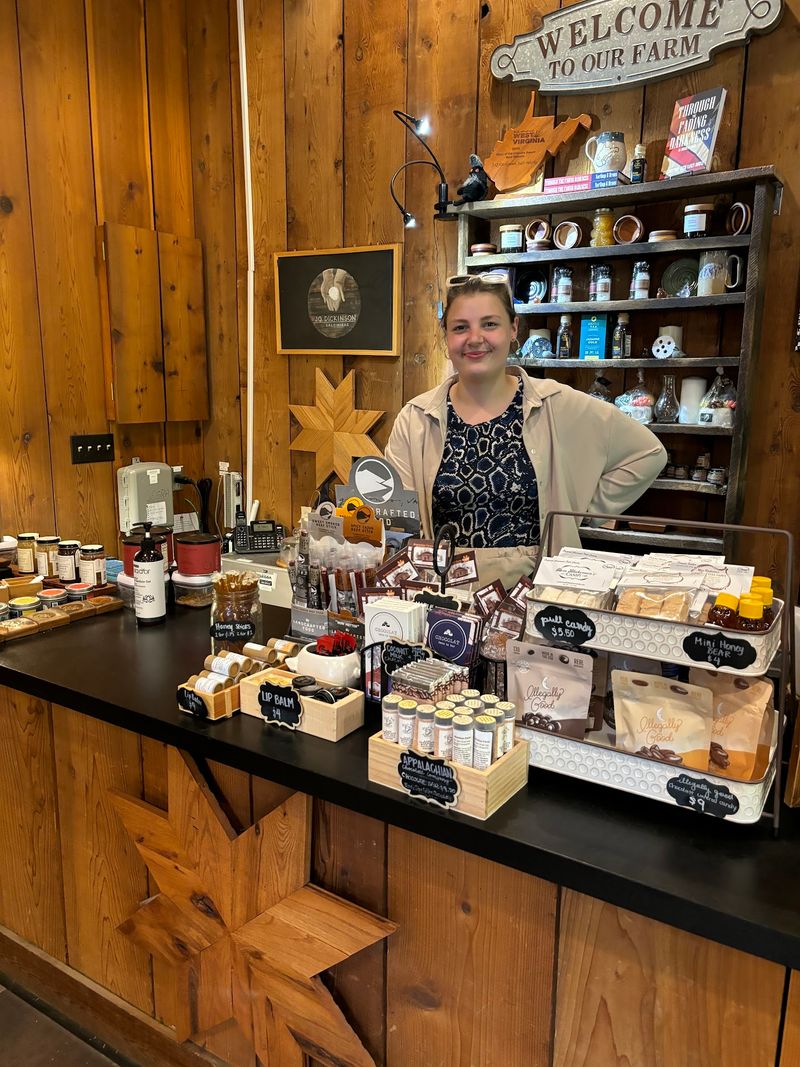
Warm welcomes seem to be the standard here, and that friendliness comes up again and again. Visitors describe knowledgeable guides who share the history and the hands-on process with genuine enthusiasm, often letting guests help harvest and clean the salt.
The tour is free and runs about 15 minutes, ending with a tasting of different flavored salts. People mention there’s no pressure to buy anything, yet most walk out with a treasure or two anyway.
Regulars love the smoked salt, ramp salt, bourbon caramel, and burnt caramel sauce. The gift shop brims with Appalachian goods like honey, jerky, soaps, chocolate, hot sauce, and wood crafts, making it a favorite spot for gift baskets.
One home cook raved that a finishing salt gave his brownies a serious glow up. Others enjoyed learning why salt from here isn’t the same as the generic stuff off the shelf.
The property also hosts private parties, events, and even weddings on its scenic lawn. Whether you’re a history buff or simply curious, the welcoming staff and unique experience make this a stop worth planning around.
Planning Your Visit to This Hidden Gem
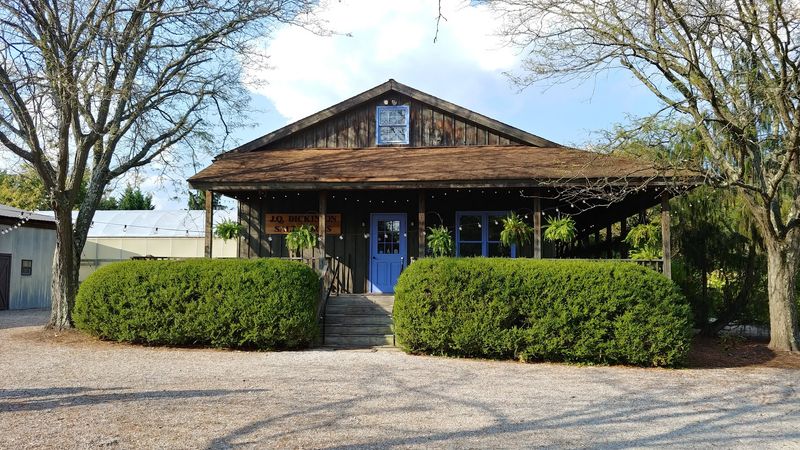
Ready to go see it for yourself? The salt works sits at 4797 Midland Dr, Charleston, WV 25306, an easy trip from the Charleston area and a rewarding detour off any road trip through the region.
The shop welcomes visitors Tuesday through Saturday from 10 a.m. to 4 p.m., and it’s closed on Sunday and Monday. Keep in mind that guided tours run seasonally, roughly late April into early November, since salt harvesting depends on the sun and warmer weather.
If you stop by outside tour season, the gift shop and friendly staff still make the trip worthwhile, and they happily answer questions.
Try to time a visit around the annual Salt Festival if you can, when vendors, live music, and extra tours turn the grounds into a lively celebration of local history and food.
With a strong reputation among the folks who make the drive, this is exactly the kind of affordable, memory-making outing that suits families and curious travelers alike. For anyone who loves West Virginia’s deep roots, discovering the salt that made a town rich long before coal is time well spent.
