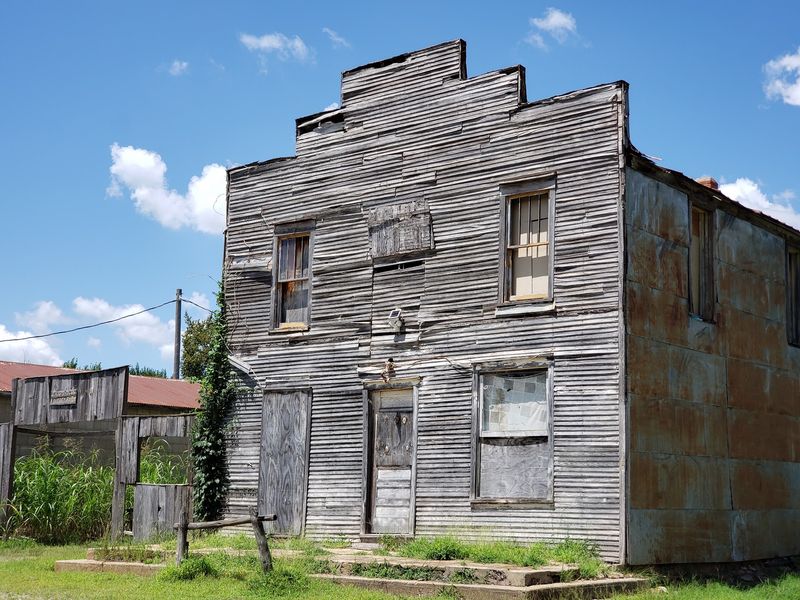
Some of the best stops in Oklahoma never show up on a billboard. You turn off the highway, the pavement gets thin, and suddenly a stone wall or rusty tower appears out of nowhere with a story to tell.
These quiet places hold pieces of our state’s past, from outlaw days to mining booms to Route 66 road trips. Pack some snacks, fill the tank, and get ready for a drive that feels like flipping through an old family photo album.
1. One Room Jail, Texola, OK
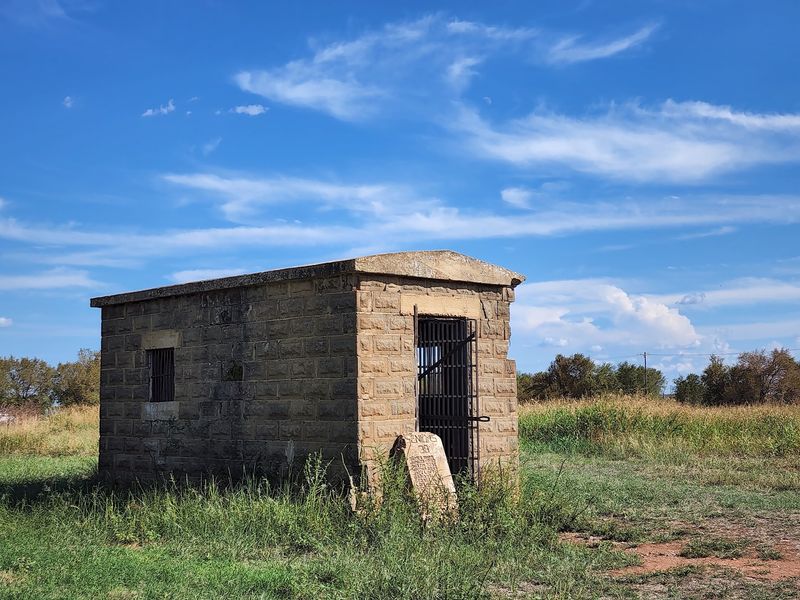
Cicadas buzz louder than traffic in Texola, a near-empty hamlet sitting right on the Oklahoma-Texas line. Along Main Avenue, a tiny stone building waits for anyone curious enough to stop.
It is the town’s old one-room jail, and it dates back to the wild days before Route 66 even existed.
Step inside and the walls do the talking. Old photos show the folks who were good, bad, or somewhere in between, and printed articles explain how the little lockup came to be.
The stone walls are thick, so it is easy to picture why nobody planned an escape.
Texola itself is part of the charm. Once a busy farm town and Mother Road stop, it slowly emptied after Interstate 40 passed it by in the early 1970s.
Now the quiet streets feel a little spooky, though mostly they just feel peaceful.
Good news for budget travelers: there is no ticket and no gate, and the site is listed as open around the clock. Kids tend to love peeking into the cell and snapping silly mugshot photos.
Plan for western Oklahoma heat in summer and bring water, since services nearby are slim.
2. Ingalls Hotel, Stillwater, OK
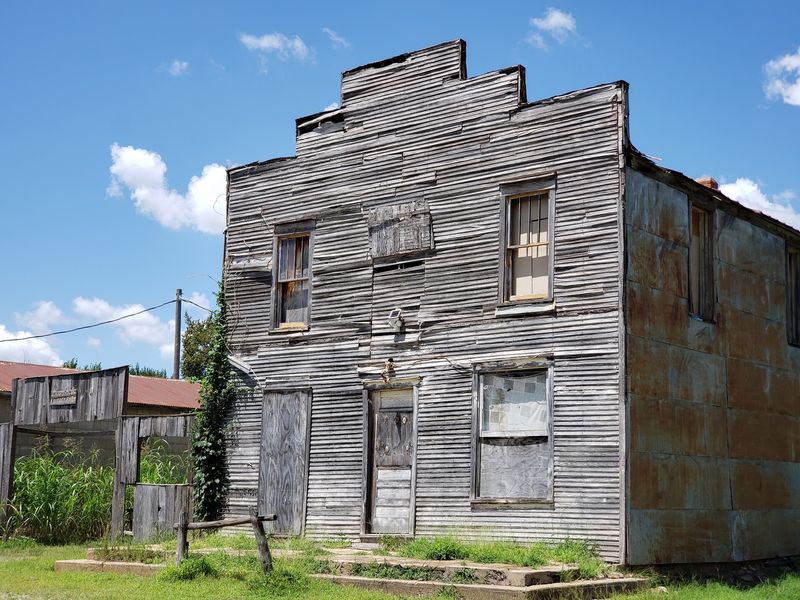
Picture 1893 on a dusty Oklahoma street. U.S. marshals rode into the tiny town of Ingalls looking for the famous Doolin-Dalton gang, and the standoff that followed became one of the wildest chapters in territorial history.
The old hotel and saloon tied to that day is the reason travelers still bump down East 19th Avenue.
Ingalls sprang up after the 1889 Land Run and briefly thrived on cotton and grain. When the railroad skipped it, residents packed up, many hauling away lumber from their own homes.
What remains is a scattering of houses, foundations, and replica buildings that hint at the bustle that once filled the place.
Getting there is half the adventure. The roads east of Stillwater turn rural and partly unpaved, so take it slow, especially after rain.
A monument in town marks the famous clash and the people caught up in it.
Since it is only a short drive from Stillwater, Ingalls pairs nicely with a game-day weekend or a family lunch in town. The site is listed as open daily, and visiting costs nothing.
Bring a camera and a good imagination.
3. The Collings Castle, Davis, OK
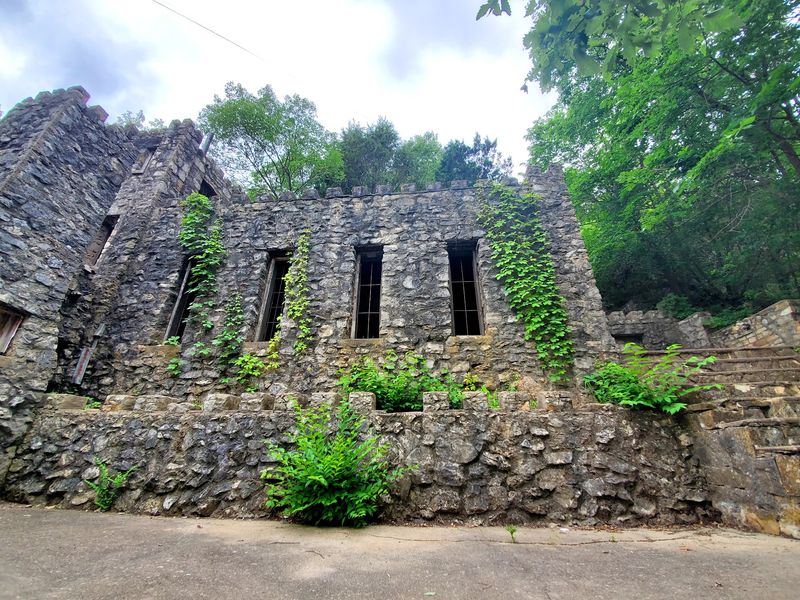
Yes, Oklahoma has a castle. Tucked into the rugged Arbuckle Mountains off US-77 near Davis, the Collings Castle rises from the hillside like something from a storybook that wandered too far west.
Ruins are the main event here. Crumbling stone walls, arched openings, and towers peek through the trees, and a waterfall adds a soft splashing soundtrack.
Few spots on this list feel this green and scenic, which makes it a favorite for families who want history and nature in the same stop.
Fair warning, though. Reaching the castle means climbing a lot of stairs, so wear sturdy shoes and pace yourself if anyone in the group has tired knees.
The payoff at the top is worth every step, with views across the hills.
The grounds are open to visitors as a tourist stop, and kids usually treat the place like a giant playground for the imagination. Spring is a sweet time to go, when the Arbuckle area turns lush and the waterfall runs strong.
Since Turner Falls and other attractions sit in the same area, it makes an easy add-on to a day trip from OKC, roughly 90 minutes away.
4. Fort Washita Historic Site, Durant, OK
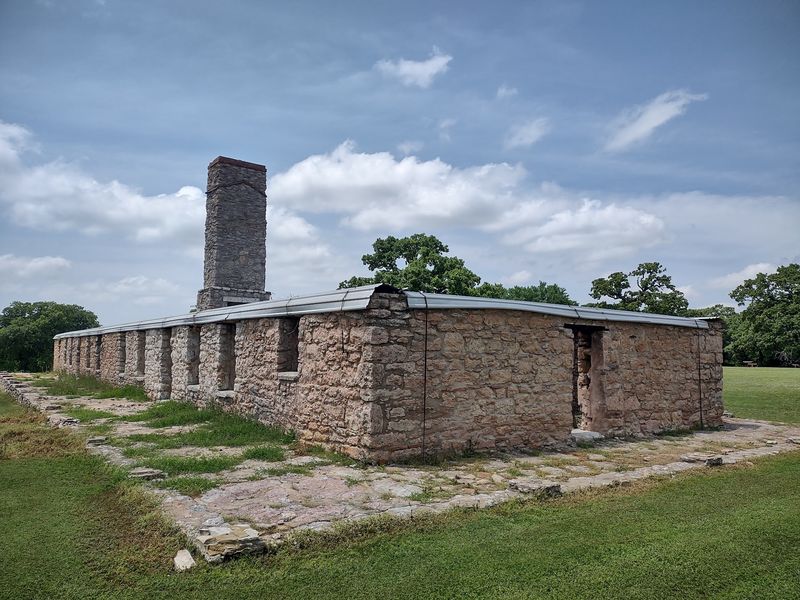
Long before Oklahoma was a state, soldiers kept watch from a frontier post in what was then the Chickasaw Nation. Fort Washita now sits along OK-199 in rural Bryan County, and its stone ruins stand quiet in open fields.
Unlike the other spots on this list, Fort Washita is a staffed historic site, so you get more than walls and weeds. Exhibits share Chickasaw history with respect and real detail, helping visitors see the fort as part of a living culture, not just an old army story.
The grounds are well kept, and the silent ruins left from the Civil War era still carry plenty of feeling.
Timing matters here. Hours run roughly 9 a.m. to 4:30 p.m.
Tuesday through Saturday, with Sundays and Mondays closed, so call 580-924-6502 before you head out since schedules can shift. Parking is free and right on site.
Families should watch for special events. Reenactments with vendor displays are a big highlight, and ghost tours often pop up around Halloween.
A campground on the property makes it easy to stretch the visit into a cheap overnight getaway near Lake Texoma.
5. Picher Water Tower, Picher, OK
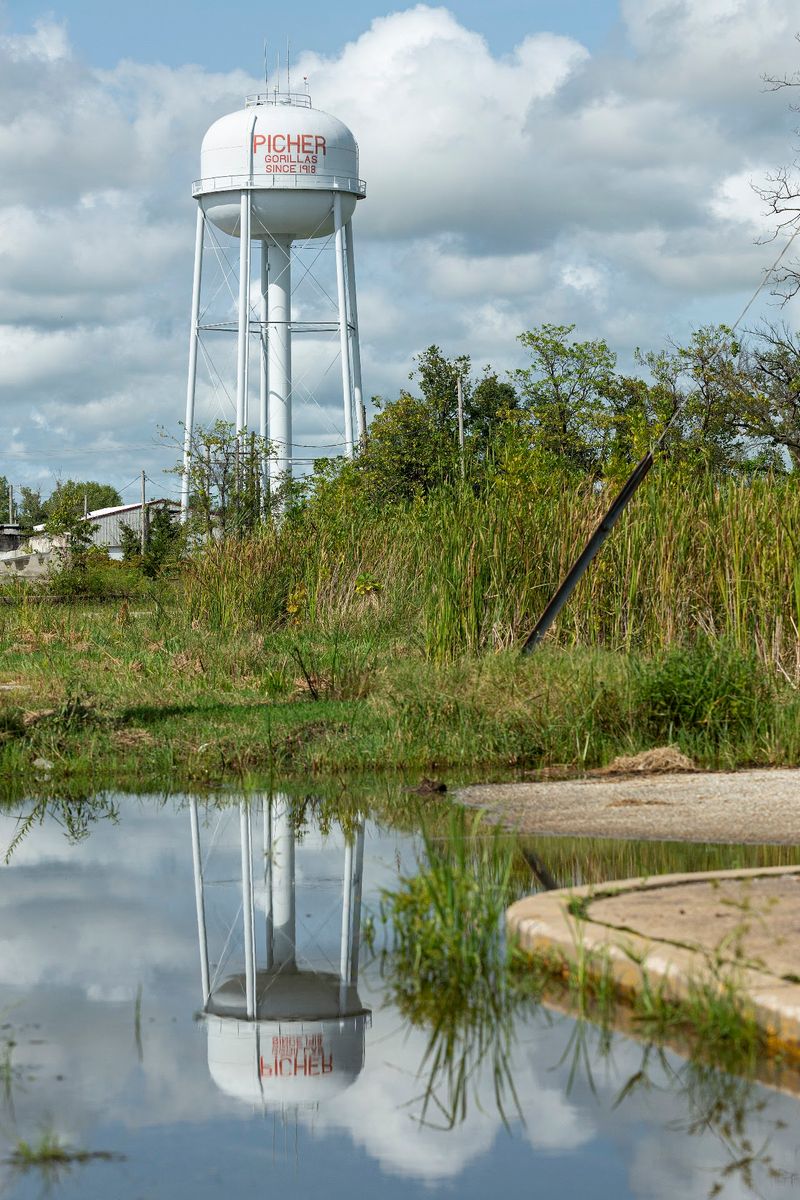
Forty miles of empty road could not prepare you for the sight of Picher. Once a booming lead and zinc mining town in Ottawa County, it is now one of the most famous ghost towns in the country, and its water tower rises above everything like a lonely lighthouse.
Mining built Picher fast and big, supplying metal during both world wars. Over time, though, environmental problems from decades of digging forced families to move away, and the town was officially closed in the late 2000s.
Giant gray piles of mining waste called chat still dot the horizon.
Along North Connell Avenue, the tower is the most noticeable thing still standing. Around it, quiet streets, cracked pavement, and empty lots let you roam and take in how much was once here.
Many Oklahomans with northeast roots have parents or grandparents who remember Picher in its busy days.
The area is listed as open at all hours, and there is no cost to look. Stay on public roads, respect any posted signs, and skip climbing anything.
It is an easy detour from Miami or Route 66 travel in the Commerce area.
6. Red Bird Jail, Redbird, OK
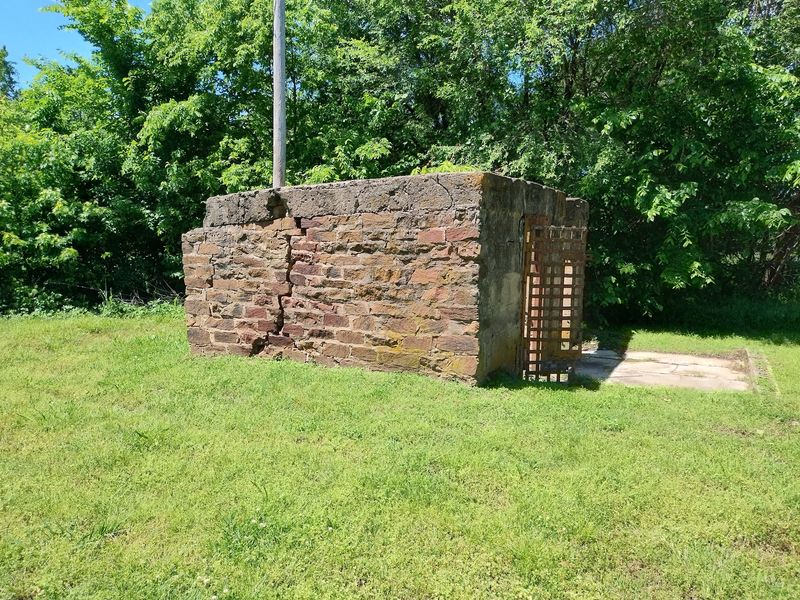
Small is an understatement. The Red Bird Jail on North 4th Street West could fit inside most backyard sheds, yet this stone calaboose has outlasted more than a century of Oklahoma weather.
Redbird sits quietly in Wagoner County, a short drive from Tulsa and Muskogee. It holds a special place in state history as one of Oklahoma’s historic all-Black towns, founded in the early 1900s by families building new lives and communities.
The little jail is one of the sturdy reminders of that era.
Walk up and you will find a plaque that tells the building’s story, so take a minute to read it. Peek at the thick stone walls and simple design, then look around at the peaceful town that has kept this piece of its past standing.
Visiting takes just a few minutes, which makes it a perfect bonus stop on a Green Country road trip. The site is listed as open daily at all hours, with no fee to enjoy it.
Grab lunch at a hometown café in nearby Coweta or Wagoner, and you have an easy, affordable afternoon full of history.
