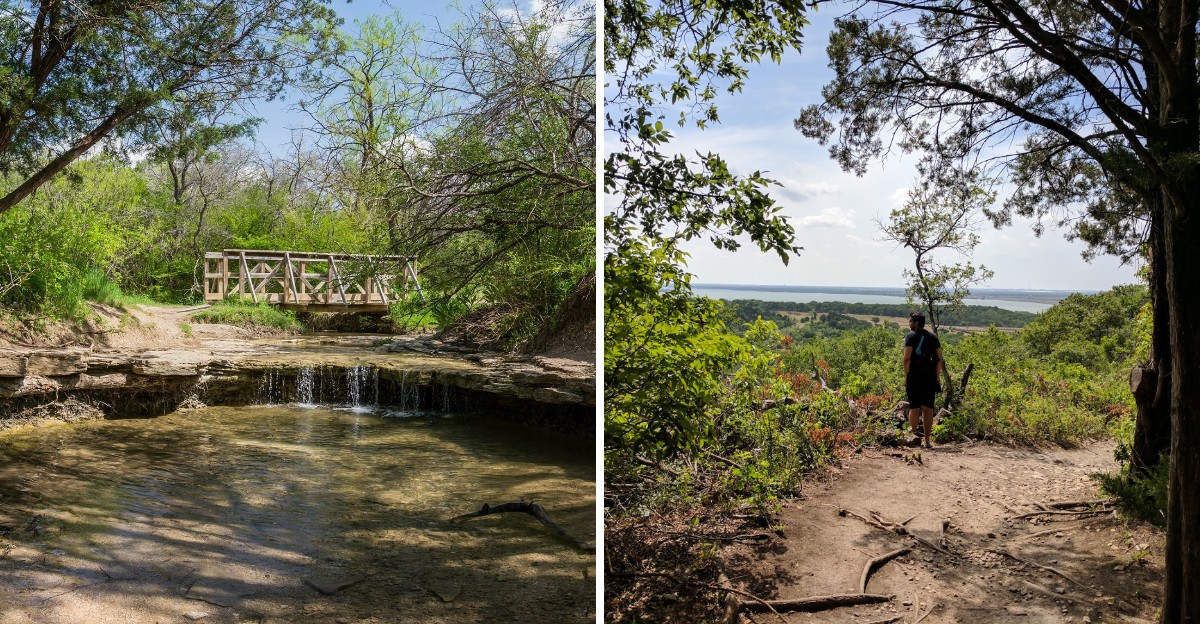
Some hikes stick with you long after the soreness fades, and this easy Texas trail has a way of lodging itself in your memory with scenery that keeps replaying in your head days later.
The path is gentle enough for beginners and families, but the views along the way feel earned, with open stretches, shaded sections, and a payoff at the end that makes the whole walk worth it.
It is the kind of hike where you keep pulling out your phone to take photos, then realize the pictures never quite capture what you are seeing. No technical skills required, no steep climbs to conquer, just a beautiful stretch of Texas that rewards anyone willing to lace up their shoes.
Whether you are a casual walker or a seasoned hiker looking for something relaxed, this trail delivers. Bring water, bring a camera, and prepare to plan your next visit before you even leave.
A Slice of Hill Country Near Downtown
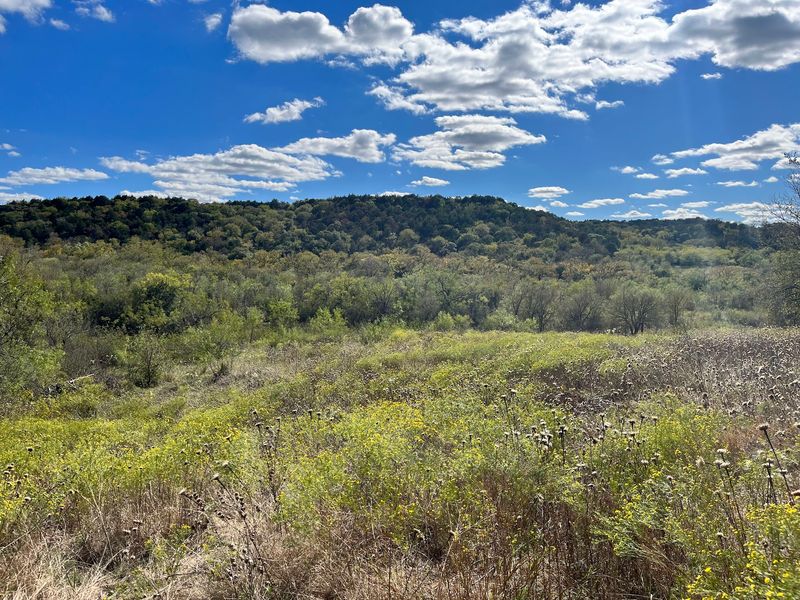
Most folks expect strip malls and highways this close to Dallas, so the first glimpse of real hills comes as a happy shock. Cedar Ridge Preserve covers roughly 600 acres on an escarpment that tops out around 755 feet.
That height changes everything about how the land looks and feels.
Limestone peeks out from the slopes like old bones of the earth. Juniper and oak trees wrap the hillsides in a deep green blanket, while grassy openings let the sunlight pour in.
The mix creates a scene that honestly resembles the Texas Hill Country more than anything else in the metro area.
Here is a fun bit of trivia. The preserve sits only a short drive from downtown, yet the shape of the land makes the skyline vanish once the trail curves into the trees.
It is a strange and lovely kind of magic.
For first-time visitors, the best move is to slow down and notice the changes in the ground underfoot. Packed dirt turns to rock, then to soft cedar mulch, then back again.
Each shift hints at a new habitat just ahead.
Bring a curious attitude and good shoes. The hills are not huge, but they are real, and they reward anyone willing to climb a little.
Even a short loop gives a taste of what makes this place special.
Think of it as a mini road trip without the long drive. The Hill Country vibe arrives in minutes, and the peace lasts all day.
Nine Miles of Trails for Every Pace
Choosing a trail here is a bit like picking ice cream flavors. There are about nine miles of paths, and each one has its own mood.
Color-coded signposts keep everyone on track, which is a relief for anyone who tends to get turned around.
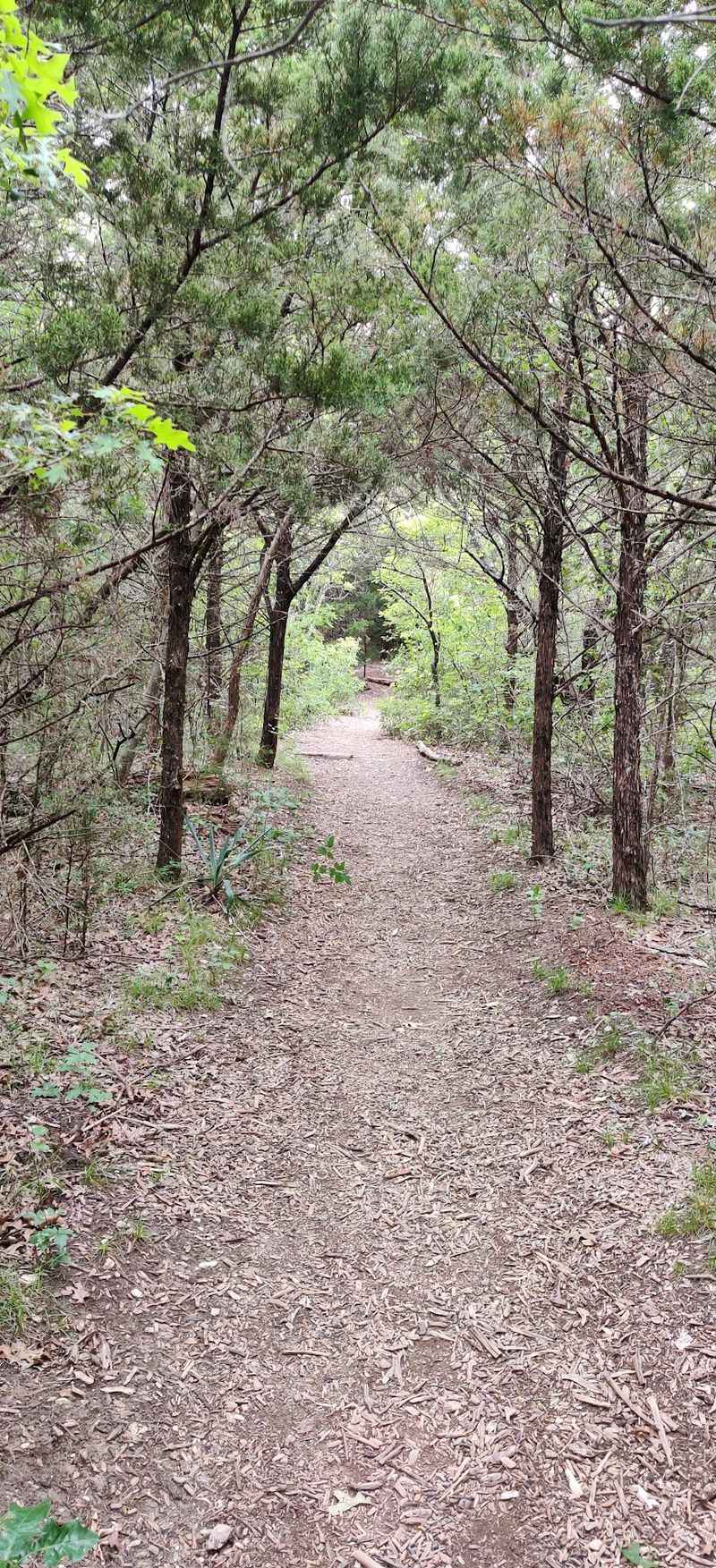
The Bluebonnet Trail is the easygoing pick. It is a one-mile loop with a soft cedar bark floor and only modest climbs through wooded single track.
Families with younger kids usually love it.
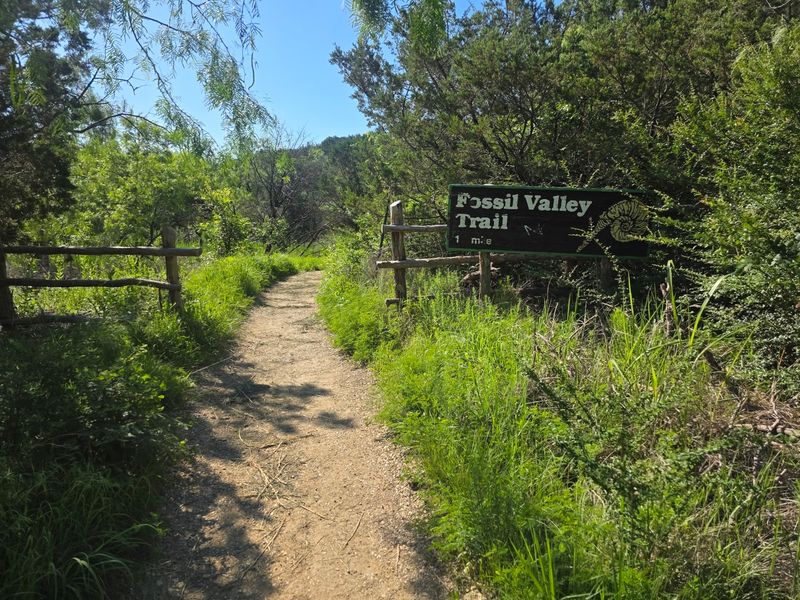
Craving more of a challenge? The Fossil Valley Trail brings steep pitches and rock stairways that will get the heart pumping fast.
The payoff includes views that stretch toward Joe Pool Lake.
The Escarpment Trail sits somewhere in the middle. It drops about 170 feet, which feels breezy on the way down and a little sweaty on the climb back up.
Sunrise and sunset make it extra pretty.
Accessibility matters too. The Little Bluestem Trail and the butterfly garden area are ADA accessible, so more people can enjoy the outdoors here.
That thoughtful touch says a lot about how the preserve is run.
Other routes like Cedar Brake and Trout Lily add variety, with rolling ground and ridge views. A smart plan is to start with an easy loop, then add a tougher trail if the legs still feel fresh.
No rush. Every trail connects to the next adventure, and coming back to try a new color is half the fun.
Quiet Moments at Cattail Pond
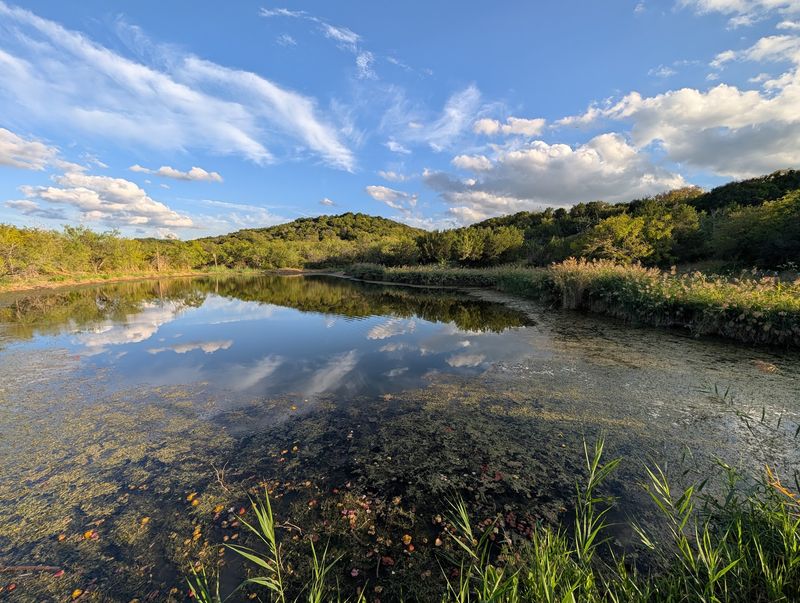
Some spots just ask people to sit down for a minute, and Cattail Pond is one of them. The Cattail Pond Trail leads straight to this calm little pool hidden among native plants.
It is a favorite pause point for good reason.
On a still day, the water turns into a mirror. Trees, clouds, and blue sky all float on the surface like a painting that keeps changing.
Wildflowers often line the edges, adding pops of purple and yellow.
Sound plays a big role here. Leaves rustle, insects hum, and now and then a frog makes a surprisingly loud announcement.
It is the kind of soundtrack that makes phones feel unnecessary.
Herons sometimes visit the water, so keep eyes open near the edges. Moving slowly and speaking softly gives the best chance of a sighting.
Patience pays off.
Creeks also wind through the low spots between the hills. They bring life to the whole preserve, giving animals a place to drink and keeping certain areas a bit cooler.
After rain, the trickling water adds even more charm.
A simple tip makes this stop better. Pack a small snack and a refillable water bottle, then take a quiet break before heading back onto the trail.
Just remember to carry out every wrapper.
Plenty of visitors say the pond is where their shoulders finally drop and the busy week melts away. It is not flashy.
It is peaceful, and that is exactly the point.
Wildflowers That Paint the Prairie
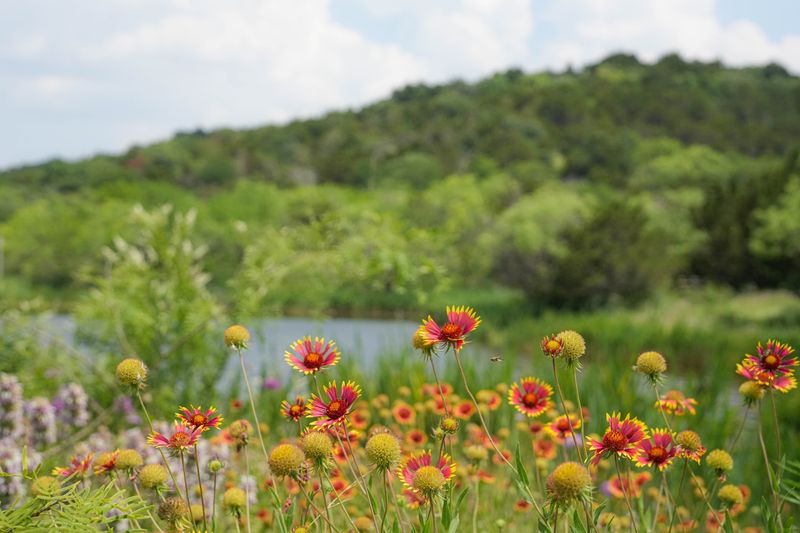
Spring turns the prairies here into a giant box of crayons. Purple wild geraniums, yellow golden alexander, ragwort, and tiny starflowers pop up along the trails.
It happens fast, so timing a visit right feels like winning a small prize.
Later in the year, goldenrod and milkweed take over. Milkweed matters a lot because monarch butterflies depend on it to raise their young.
Spotting one on a leaf is a real treat.
Trees deserve credit too. Juniper and oak form the main canopy, while cedar, shagbark, and maple add even more texture to the woods.
Shade from these trees makes summer hikes much more bearable.
A closer look at the understory reveals hidden gems. Eastern redbud shows off pink blooms in early spring, and coral honeysuckle twists through branches with bright red flowers.
Rusty blackhaw viburnum produces clusters of white blossoms.
Plant fans will enjoy some rarer finds. Fringed puccoon has two bloom cycles, and New Jersey tea feeds the caterpillars of the Mottled Duskywing.
Mexican buckeye clings to limestone breaks like it has something to prove.
Trout lilies are the shy ones. Their bloom window is so short that many visitors miss them entirely, which makes catching them all the sweeter.
Bring a phone with a plant app or a small field guide. Naming flowers turns a simple walk into a fun scavenger hunt.
Just keep hands off and leave every bloom where it grows.
Birdsong Overhead and Critters Underfoot
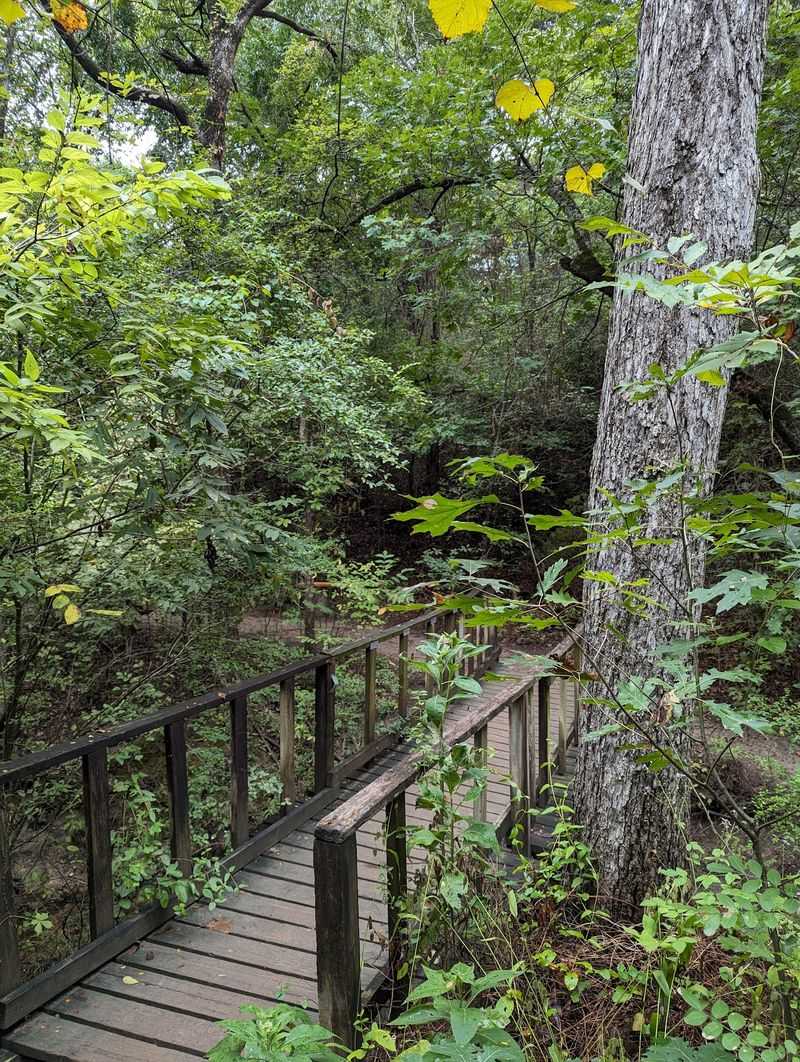
Bring binoculars. Seriously, this preserve is a birdwatcher’s playground, and even beginners can spot something exciting within minutes.
The Painted Bunting is the showstopper, wearing blue, red, and green feathers like it dressed for a party. Scissor-tailed Flycatchers swoop with long tail feathers trailing behind them.
Mississippi Kites glide high above the ridges.
Rare visitors make the place even more special. The endangered Black-capped Vireo has nesting habitat protected in the area, so keep ears tuned for its busy song.
Woodpeckers drum on trunks, and Blue-grey Gnatcatchers flit through branches.
Hummingbirds love the flowers here. Ruby-throated and Black-chinned hummingbirds zip around like tiny helicopters, especially when blooms are at their peak.
Near the water, Great Blue Herons and cattle egrets may stand perfectly still.
Not every creature has wings. Armadillos shuffle through leaf litter, squirrels chase each other up trunks, and coyote or raccoon tracks sometimes show up in soft dirt.
Butterflies fill the gardens with fluttering color.
Snakes live here too, which is normal for wild Texas land. Stay on the trail, watch where feet land, and give any animal plenty of space.
That keeps both hikers and wildlife safe.
Mornings tend to be the liveliest time for birds. Arrive early, walk quietly, and pause often to listen.
The Cedar Brake Trail is a favorite for birding thanks to its rolling ground and thick cover.
Count the species seen on each visit. The list grows quickly.
Ridge Views of Joe Pool Lake
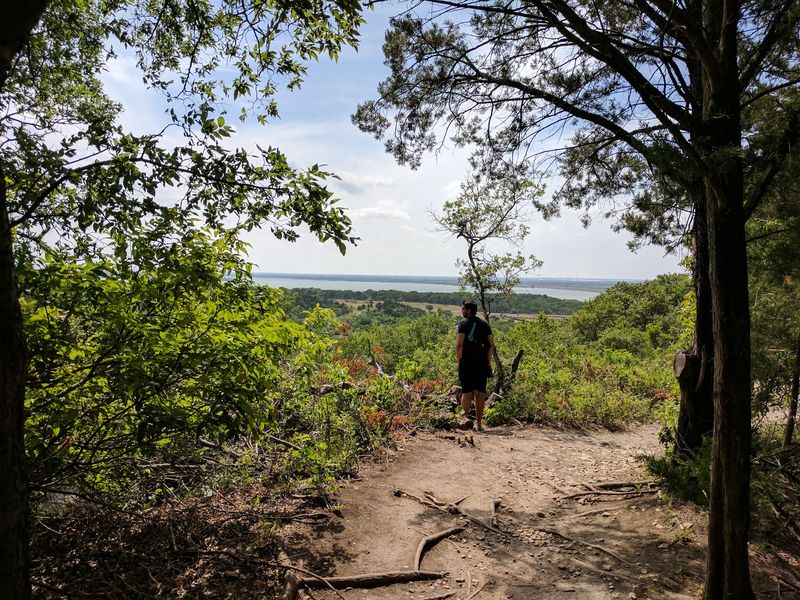
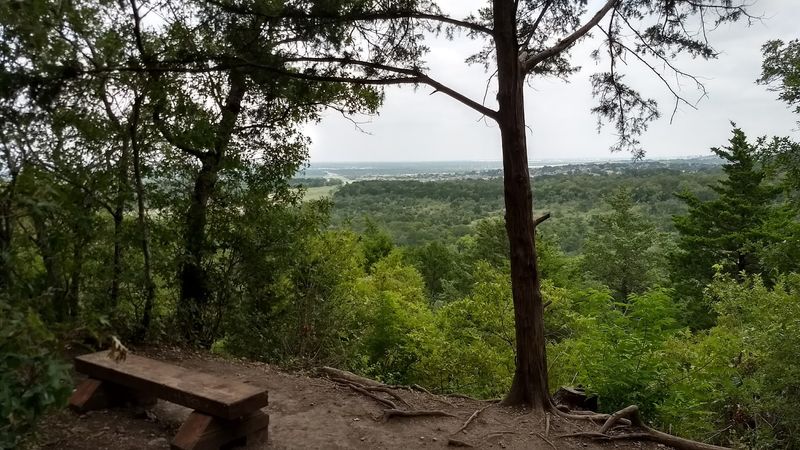
Few things beat reaching the top of a climb and seeing the world open up below. The escarpment at Cedar Ridge gives exactly that moment.
Trees part, the land falls away, and suddenly the horizon feels enormous.
On clear days, Joe Pool Lake shimmers in the distance. It looks like a strip of silver laid across the green.
The Trout Lily Trail and Fossil Valley Trail both offer chances to catch this sight.
Timing makes a huge difference. Sunrise brings soft pink and orange light that slowly warms the hills, while sunset bathes everything in gold.
Photographers tend to fall hard for this place.
The Escarpment Trail earns its name with wide panoramas. Going down is easy and kind of fun.
Coming back up is a different story, but the burning legs fade quickly once the view sinks in.
A few easy tips help. Check the sunset time before heading out, since the preserve closes around dusk.
Leave enough time to walk back to the parking lot before dark.
Wind can pick up on the higher spots, so a light jacket is handy in cooler months. A charged phone or camera is a must.
These views deserve more than a quick blurry snapshot.
Standing still for a few minutes might be the best advice of all. Breathe slowly and watch the light move across the hills.
That calm feeling is what keeps people thinking about this hike long after it ends.
Four Seasons, Four Different Hikes
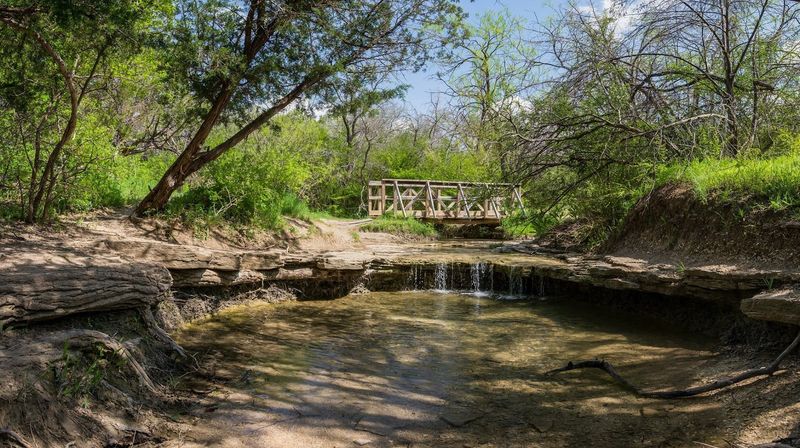
Returning to the same trail in a new season can feel like visiting a whole new park. Cedar Ridge changes its outfit four times a year, and each look has its own charm.
Spring is loud and colorful. Wildflowers burst open, migrating birds pass through, and the air smells fresh and green.
It is easily the busiest time for good reason.
Summer gets hot, no surprise there. Still, the shaded woodlands stay surprisingly comfortable, especially early in the morning.
Water coolers placed along the trails are a lifesaver, though carrying a personal bottle is still smart.
Fall might be the sneaky favorite. Shrubs like rusty blackhaw viburnum turn orange and yellow, and the crisp air makes climbing hills much easier.
Light slants low through the trees in a cozy, golden way.
Winter brings a quieter side. Bare branches show off the shape of the land, while evergreen junipers keep the hills from looking empty.
Fewer people means more solitude on the trails.
Each season also shifts which animals and plants take center stage. Hummingbirds rule the warm months, while winter birding brings its own surprises.
Paying attention to these changes makes every trip feel fresh.
A fun challenge is to hike one favorite trail in all four seasons. Snap a photo from the same spot each time and compare them later.
The difference can be amazing.
No matter the month, dress in layers and check the weather first. Texas likes to keep everyone guessing.
Decades of Care Behind Every Trail
Back in 1975, this land was just 26 acres bought by the Greenhills Foundation. That small start became the Dallas Nature Center, a place for outdoor learning.
From there, the story only grew.
Dallas County began buying more land in 1985. By 2003, the Dallas Audubon Society, now called Audubon Dallas, took over daily management and education.
Today, Dallas County and the City of Dallas both own portions of the preserve.
Conservation work happens all year. Prairie restoration and post-oak forest restoration mean pulling out invasive plants and bringing native ones back.
It is slow, steady work that pays off in healthier land.
Workshops teach people how to grow pollinator gardens and milkweed. Volunteers help with monarch tagging, emerald ash borer monitoring, and Bioblitz events where people count as many species as possible.
These efforts give scientists real data.
A big milestone arrived in 2025. Audubon Dallas bought a 60-acre tract west of the preserve called the Songbird Sanctuary.
The goal is to protect nesting habitat for the endangered Golden-cheeked Warbler and keep those lake views safe from development.
Knowing this history adds meaning to every step. The trails, gardens, and quiet spots exist because people chose to protect them.
Visitors can help too. Stay on marked paths, pack out trash, and consider joining a volunteer day.
Even small actions keep this green treasure thriving for the next generation of hikers.
Smart Tips Before Heading Out
A little planning turns a good hike into a great one. Cedar Ridge Preserve sits at 7171 Mountain Creek Parkway, Dallas, TX 75249, and it is open Tuesday through Sunday.
Hours usually run from 6:30 in the morning until sunset or dusk.
Mondays are closed, so skip that day. Plenty of people learn this the hard way, standing at a locked gate with laced-up boots.
Parking fills up fast, especially on weekends and holidays. Arriving early is the easiest fix.
Overflow parking is sometimes available at the nearby Park in the Woods Recreation Center.
Footwear matters more than many expect. Closed-toe shoes with good grip handle rocks, roots, and steep sections much better than sandals.
Ankles will say thank you.
Water is a must, especially in warm months. Coolers sometimes sit along the trails, but carrying a full bottle is the safer bet.
Restrooms are located near the main parking lot at the entrance.
Dogs are welcome on a physical leash at all times. Bikes, horses, and motorized vehicles are not allowed, since the trails are only for walking.
That keeps things calm and safe for everyone.
Entry is free, and the preserve depends on donations and volunteers to stay beautiful. Chipping in helps keep the trails in great shape.
One last tip. Check the Audubon Dallas website or social media before leaving home.
Heavy rain, heat warnings, or maintenance can cause temporary closures, and a quick check saves a wasted trip.
