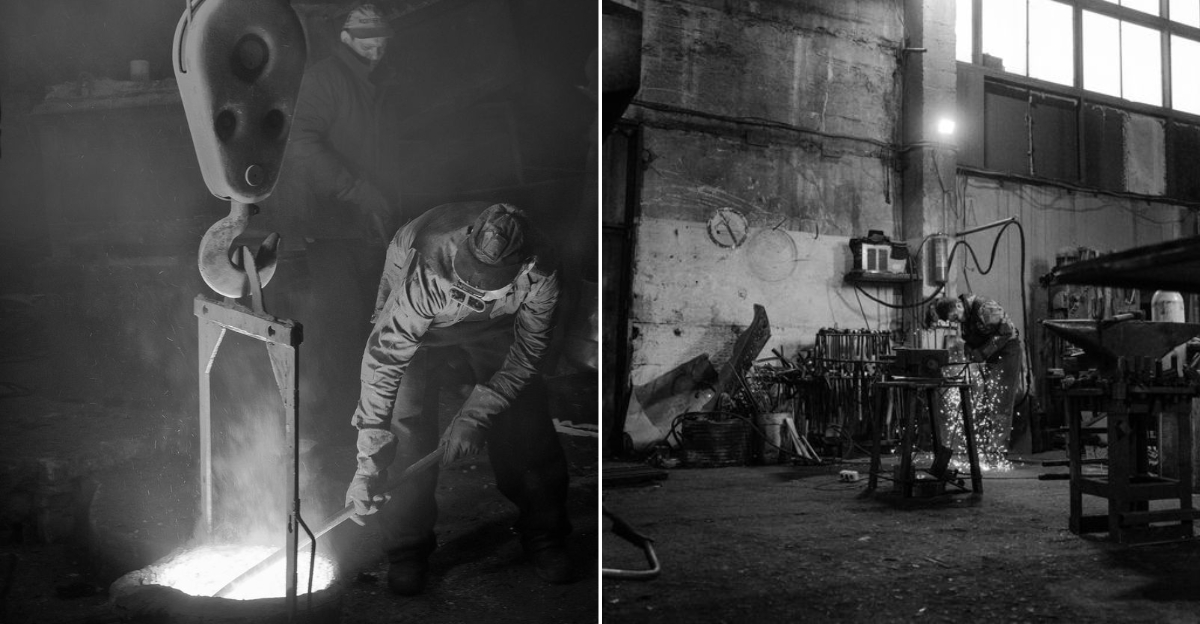
Ohio’s old steel belt still carries stories in the bones of its mills, even long after the furnaces went cold.
These rusted frames and silent stacks hold a scale that hits immediately, reminders of work, grit, and the rise and fall of entire communities.
Even in stillness, the structures speak loudly, shaping how surrounding towns grew, adapted, or faded. What makes these places compelling is how openly time has moved through them.
Light slips through broken windows, grass pushes into paths once cleared for molten metal, and weather finishes jobs industry left behind. There is no need to rush through these sites or over-explain them.
Their presence does most of the work. Seen together, they offer a different way to understand Ohio, not as a single story of decline, but as a landscape layered with labor, resilience, and quiet transformation.
1. Youngstown Sheet And Tube Works
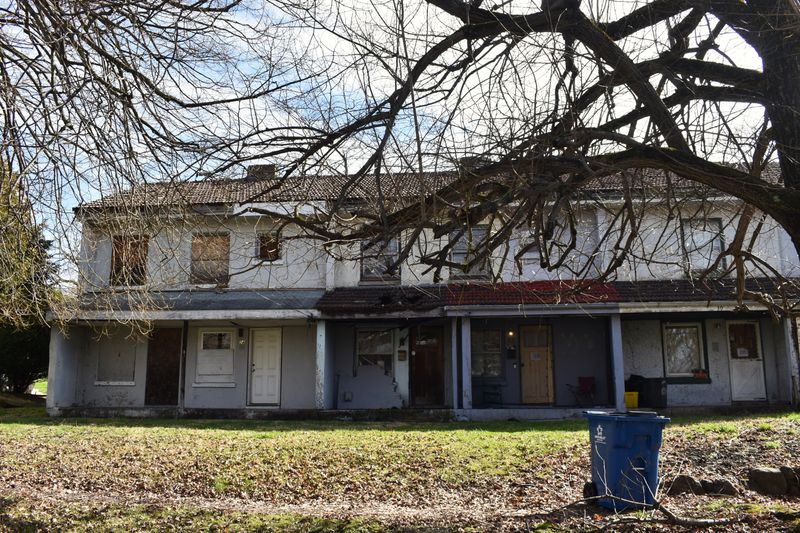
You ready to start big at the Youngstown Sheet and Tube Works around Poland Avenue and Center Street, Youngstown?
Pull in slow, because the old rail beds and cracked concrete hide ankle snags, and the scale hits like a wave.
The walls feel like a cathedral built for heat and noise, and you can almost hear the shift whistle lingering in the air.
I like standing by the skeletal conveyors where weeds push through ballast, because the small green insists on being seen. This place once sprawled across the Mahoning valley edges, and the bones still map the city’s pulse.
Look at those gantry tracks overhead, how they frame sky into long rectangles, like film strips of weather rolling by.
It is wild to picture furnaces blazing where now only wind threads through blown glass and faded safety signs.
If you close your eyes, can you trace the rhythm of ladles and cranes, like ghost choreography guided by habit?
I keep thinking about families who measured time by shift changes, not calendars, and how that tempo set dinner and sleep. Keep your distance from unsafe spots, but still read the story written in rust and rail.
2. Republic Steel Youngstown Works
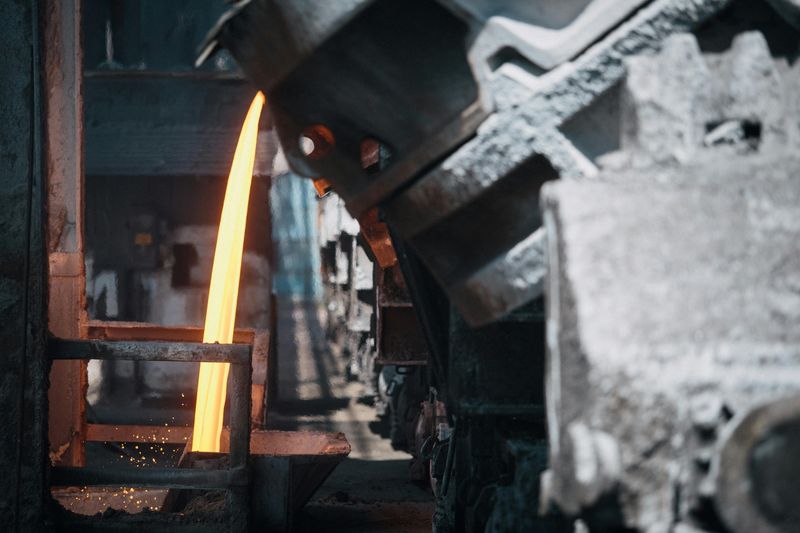
Let’s drift over to the old Republic Steel Youngstown Works near Logan Avenue and Liberty Road, Youngstown.
The footprint still sprawls across blocks like a sleeping ship, and the silence carries a heavy kind of respect.
You can see where the rolling lines once threaded the buildings, long sightlines that pull your eye straight through shadow and light. I always pause by the loading doors because the paint flakes off in curled chips that look like paper maps.
The address grid here meets the Mahoning River bends, and the plant hugs those bends like it never wanted to move.
There are catwalks that end in midair, and that gap says more about change than any museum placard could manage.
If the air feels colder along the river, it might be the draft through broken panes nudging old steel smells loose.
You want to step under that stack and listen to your voice bounce around, like a tiny echo bouncing through a canyon? Youngstown wears these ruins like honest wrinkles, not trying to hide the grind that built half the streets we drive.
Mark the corners, take a slow lap, and let the scale explain why the shifts meant everything around here.
3. U.S. Steel Ohio Works
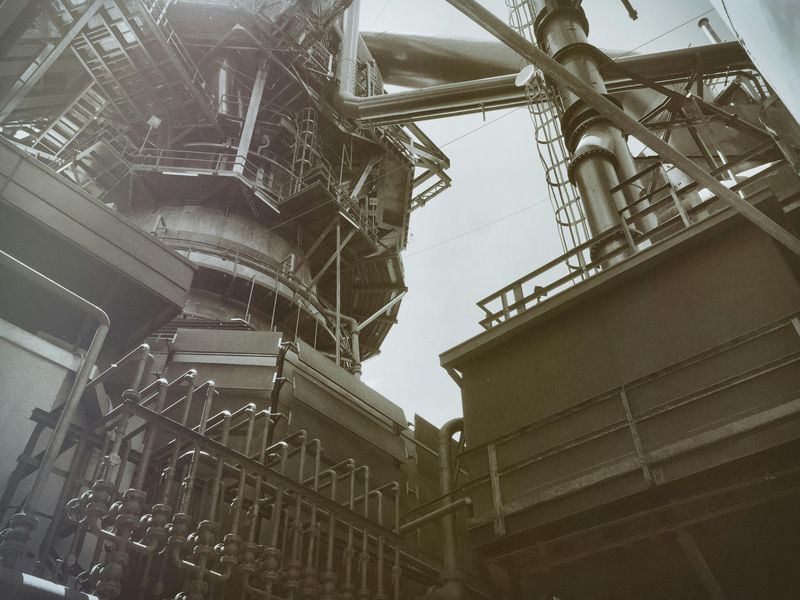
Next up, the old U.S. Steel Ohio Works stretched along Division Street by the Mahoning River in Youngstown.
The river keeps sliding by like nothing happened, while the mill frames hold their breath and wait for weather to finish the story.
I like the way the pipe racks stitch buildings together, thin lines against stubborn walls, almost delicate for something built to carry heat. You can spot anchor bolts where machines sat, little circles of absence that make the floor feel like a timeline of muscle.
Down by Division Street, the road hum makes a quiet soundtrack, and you start matching that hum to the river’s shuffle.
Look at the rooflines, how the skylight ribs pull long stripes across dust, letting you read afternoon like a sundial indoors.
If you trace the fence line, you will notice how the city keeps nudging up against the site, like neighbors leaning in.
Ohio history is loud here, but it is also gentle, tucked into rivets and chalk marks and the tilt of a ladder. You can take a few photos, keep moving, and let this place set the tone for the rest of the drive.
4. Campbell Works
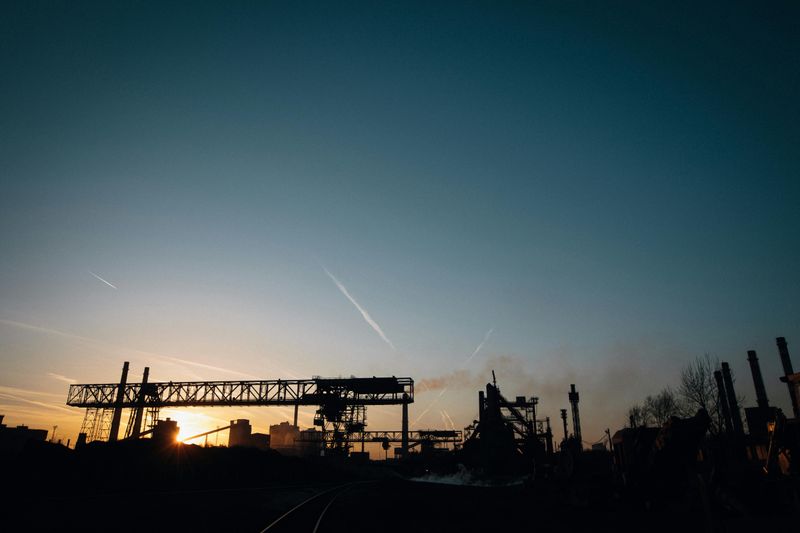
Slide east to Campbell Works around Wilson Avenue and Robinson Road, Campbell, where the mill once anchored whole routines.
The streets still feel like shift roads, made for steady traffic and easy turns, even though the horns have gone quiet. Look at those brick offices with boarded windows, how the trim tries to hold a straight line while the walls breathe out.
I like tracing stair treads with my eyes, imagining boots, oil stains, and the way winter grit would crunch underfoot.
Campbell sits close to Youngstown, and you can sense the shared backbone, like cousins who borrowed tools and recipes for survival.
The rail spurs hide in tall grass, running on faith to gravel lots where coil cars used to wait for assignment.
Do you want to walk the perimeter first or dive right toward the main shed where the cranes once swung overhead? Either way, the place keeps handing you clues, little tags on doors, padlocks stuck open, and chalk arrows fading into dust.
Ohio’s steel story lives here without ceremony, just beams, bolts, and the stubborn shape of work that does not vanish.
5. Wheeling-Pittsburgh Steel Steubenville Plant
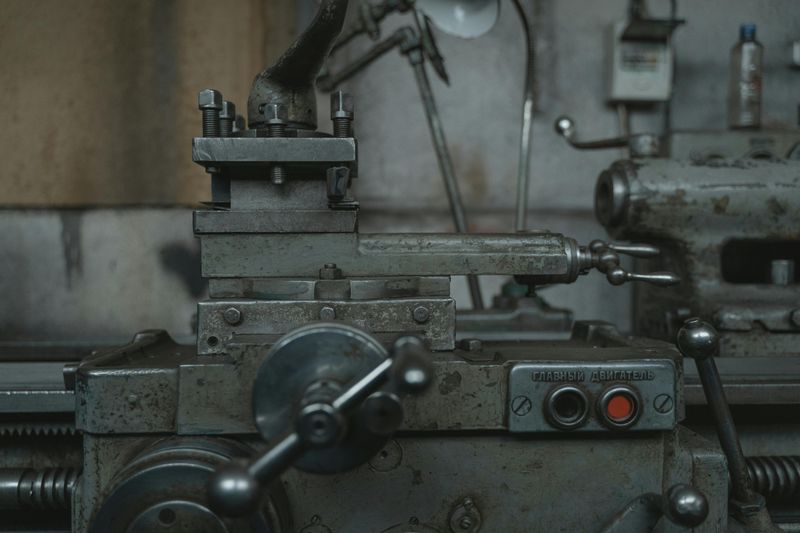
Roll down to the Wheeling-Pittsburgh Steel site along South Third Street by the riverfront in Steubenville.
The Ohio River moves like a big slow clock here, ticking past sheds and stacks that remember every whistle and flood mark.
I always check how the mist catches on catwalks, because it turns steel edges soft and makes the whole yard feel hushed. You can stand by the old sidings and picture barges gliding in with raw promise and pushing out with finished weight.
Third Street threads along the complex, and the blocks carry the same straight-backed posture as the mill walls themselves.
See those long roof runs, how every seam tells you about leaks, snow loads, and a thousand small fixes done on instinct.
Would you rather walk close to the fence for detail or climb higher up the public overlook and read the whole diagram? Either way, the river keeps writing the margins, leaving damp notes on girders and a metallic scent that never really fades.
It is a steady reminder that Ohio industry and river geometry grew up together, sharing current, cargo, and weather moods.
6. AK Steel Middletown Works
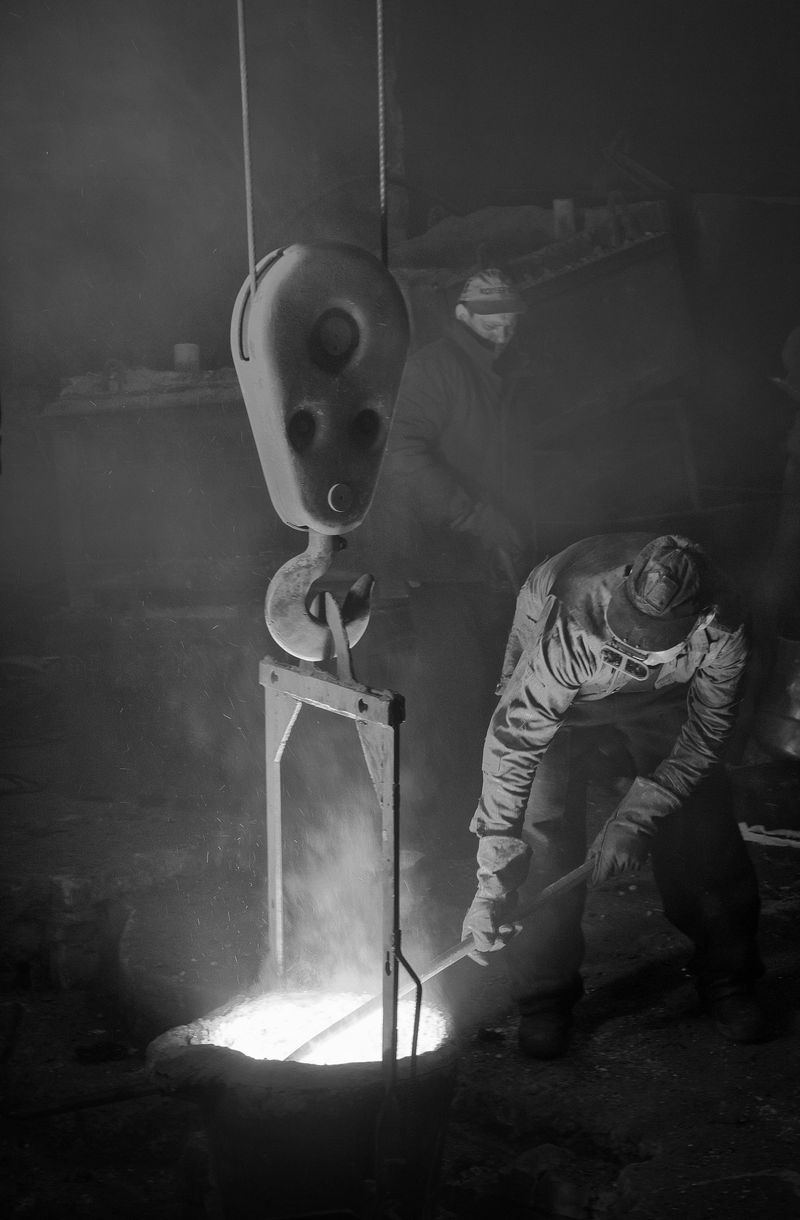
Next stop, Middletown, where older AK Steel sections around Curtis Street and Crawford Street, Middletown, Ohio, sit quiet beside active zones.
The contrast hits fast, because some buildings hum while retired sheds stare back across chain link like old teammates on the bench.
I like how the cleared pads tell stories, bolt circles and pipe cuts marking where heat, noise, and repetition once lived daily. Stand by the service road and you can feel the echo of trucks that used to parcel the day into neat deliveries.
Middletown folds industrial and neighborhood life together, and the street grid pulls you close without losing track of boundaries.
Watch for those tall stacks that anchor the skyline, because they make navigation easy even when signage is spotty or faded.
Do you want to sketch a quick map or just follow the long shadows that show where equipment once traced its routes? Either way, a steady wind cuts across the flats and lifts a dry rattle from loose tin and tired siding.
Ohio keeps reinventing, and this site shows reinvention is not tidy, it is layers, edits, and pauses you can actually see.
7. Lorain Works Steel Mill
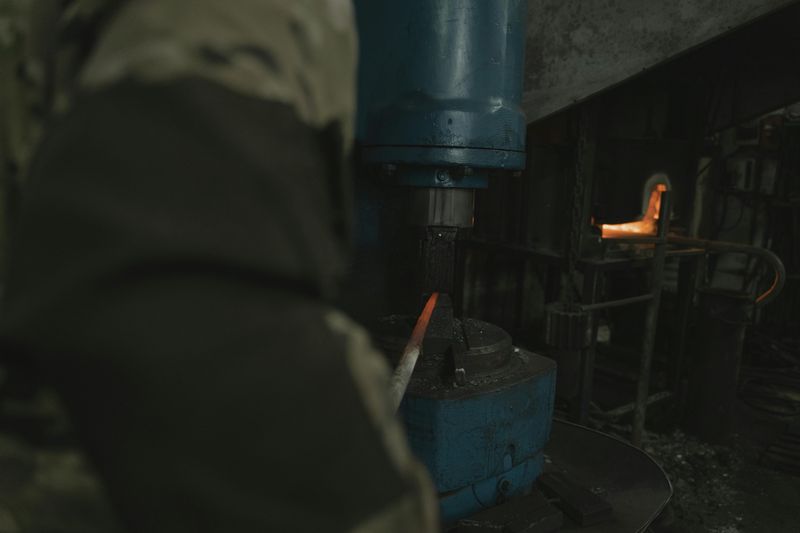
Trace the shoreline to the Lorain Works around East 28th Street and Oberlin Avenue near the Black River, Lorain, Ohio.
The ore bridges still look like giant insects, legs planted wide over silence, and the lake wind keeps their steel talking softly.
I like how the river bends make the site feel staged, like every building was placed for a reason you can still sense.
Stand by the old ore docks and the smell of wet iron wraps around you, half memory, half lake weather doing its thing. From East 28th, the lines run straight toward Lake Erie, and the sky opens in big sheets that make rust seem bright.
Check the rail beds where driftwood nests with ballast, because the mix tells you these routes served water and land in one breath.
Want to follow the fence to the bend and count how many bridges notch the horizon, or just watch gulls ride the gusts? Either choice works, since the soundscape hums with water slap, flag rattle, and the small clink of metal easing into rest.
Ohio’s lake edge holds a special kind of gravity, and this mill leaned on that pull for most of its working life.
We will let the river steer us out, windows cracked, and carry that cool air to the next inland stop.
8. Republic Steel Cleveland Plant
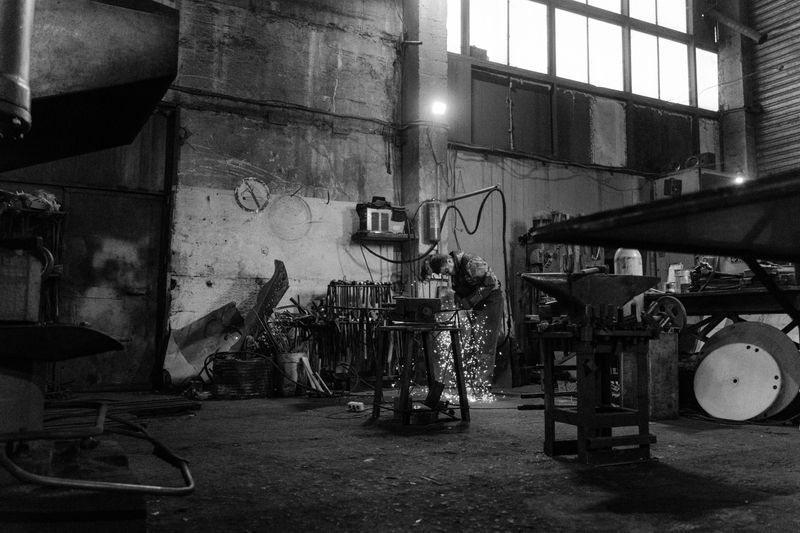
Back into the city grid, the Republic Steel Cleveland Plant hung around East 45th Street and Independence Road, Cleveland.
The skyline peeks through gaps in the frames, and that mix of downtown glass and old brick feels like a conversation.
I like scouting the corners where spur tracks dive between walls, because the angles make pocket worlds of shadow, grit, and echo.
Stand still and you will hear freight in the distance, a reminder that the industrial rhythm never fully leaves Cleveland’s bones.
Driving Independence Road, you can track how the plant stitched into neighborhoods, storefronts, and side streets without a clean dividing line.
Look for the faded logos on brick, soft as chalk, holding on like a handshake that never quite let go.
A loop under the viaduct and see how the light stripes the pavement, or cut across and circle the old yard?Either way, every view lines up steel geometry with city energy, and the overlap makes the story feel stubborn and alive.
Ohio keeps teaching patience here, because change arrives in layers, like paint coats you only notice when a corner peels.
9. Interlake Iron Corporation Toledo Plant
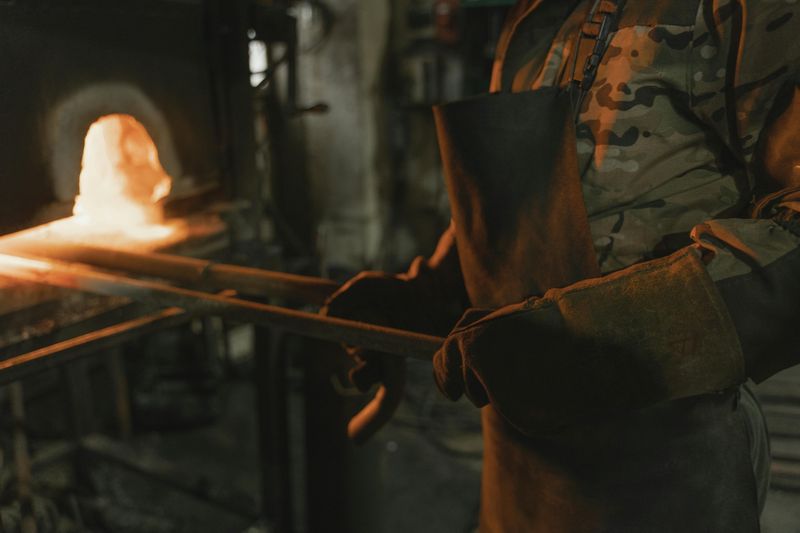
How about the Interlake Iron site along Front Street by the Maumee River channels in Toledo?
The water sits glassy on calm days, and the plant’s outlines double themselves like a faded blueprint laid over the river.
I like walking where the conveyors once arched, because you can feel the logic of flow, raw to finished, water to rail. Down at the fence, listen for gulls and the creak of dock lines tapping a rhythm into the quiet steel grammar.
Front Street carries trucks and history side by side, and every curb scar looks like a footnote to freight and weather.
Watch how the wind pushes ripples under beams, turning a little harbor into a mirror that edits the rust kindly.
Want to follow the shoreline path or cut inland where switchbacks once split trains like careful handwriting on lined paper? Either route shows how ports teach patience, because cargo and rivers move on schedules that shrug at hurry and noise.
Ohio’s port towns wear work clothes even on weekends, and the habit suits these mill bones better than polish ever could.
