
Arizona holds more secrets than most visitors ever discover.
While millions flock to the Grand Canyon each year, countless other natural treasures remain wonderfully undiscovered.
These hidden gems offer the same breathtaking beauty without the selfie sticks and tour buses.
From volcanic rock forests to chocolate waterfalls, the state rewards those willing to venture beyond the typical tourist trail.
Local adventurers have kept these spots quiet for years, enjoying peaceful hikes and pristine landscapes.
Each location tells its own story through unique geological formations and rare desert ecosystems.
Whether you seek cascading springs in unexpected canyons or mysterious cave systems beneath your feet, Arizona delivers.
Pack your sense of adventure and prepare to explore natural wonders that most guidebooks overlook.
These ten incredible destinations prove that sometimes the best experiences happen far from the crowded attractions.
1. Chiricahua National Monument

Volcanic eruptions millions of years ago created something absolutely extraordinary in southeast Arizona.
Massive rock spires rise like ancient sentinels across a landscape that feels more fantasy than reality.
The formations twist and balance in ways that seem to defy physics, earning this place the nickname of a giant’s stone forest.
Weathering and erosion carved these rhyolite towers into shapes that spark imagination with every turn.
The Heart of Rocks Loop trail winds through the most spectacular sections without requiring expert hiking skills.
You can spend hours exploring narrow passages between towering columns that create natural hallways.
Wildlife thrives here too, with coatimundis and rare birds making appearances along the trails.
Unlike crowded national parks, you might have entire sections to yourself on weekdays.
The remote location at 12856 East Rhyolite Creek Road near Willcox keeps casual tourists away.
Sunrise and sunset paint these rocks in colors that photographers dream about capturing.
Camping facilities nearby let you experience the star-filled desert sky after dark.
This monument proves that some of Arizona’s most impressive geology hides in unexpected corners.
Bring plenty of water and a camera with extra memory cards.
The bizarre beauty here demands documentation even though words struggle to capture it properly.
2. Tonto Natural Bridge State Park
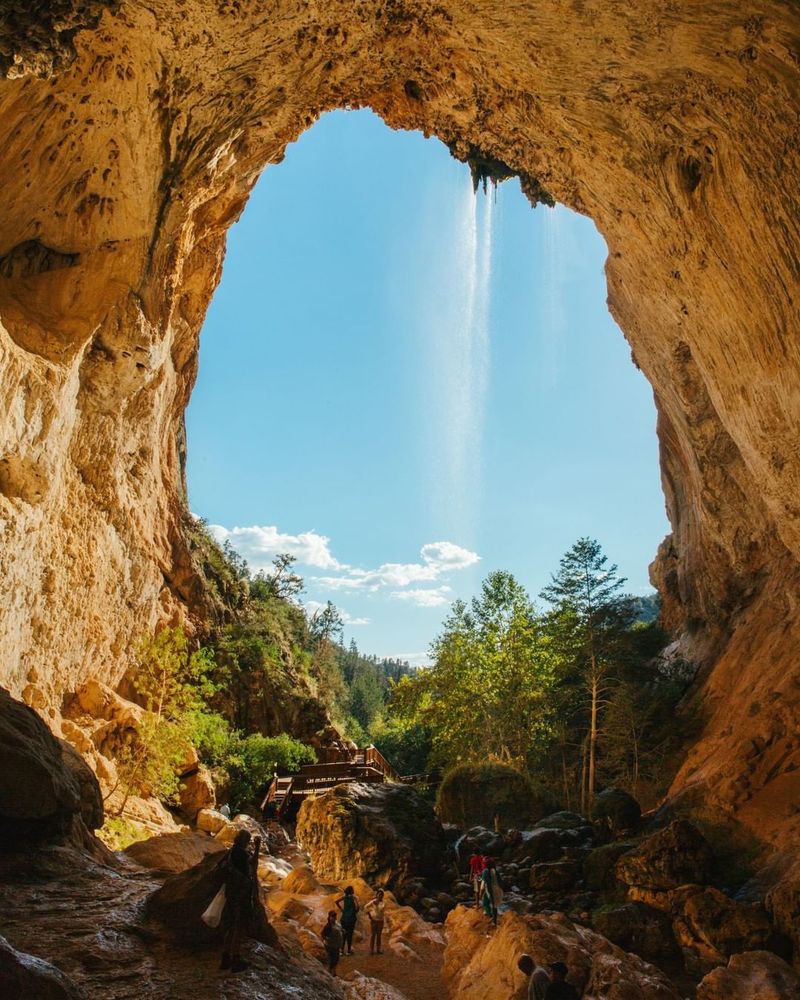
Imagine walking beneath the largest natural travertine bridge on the entire planet.
This geological marvel towers nearly two hundred feet above a tunnel stretching over four hundred feet long.
Mineral-rich water flowing over thousands of years built this incredible structure layer by layer.
The bridge creates a microclimate underneath where ferns and moss thrive in surprising abundance.
Multiple trails descend into the canyon, each offering different perspectives of this natural architecture.
Cool air rises from below even on scorching summer days, providing welcome relief.
Spring water trickles through the formation, feeding the lush vegetation that seems out of place in Arizona.
The hike down requires careful footing but rewards you with views that few tourists ever witness.
Located off Highway 87 near Payson, the park sits conveniently between Phoenix and higher elevations.
Early morning visits offer the best lighting for photography and the most peaceful experience.
Picnic areas above the bridge provide spots to relax while contemplating geological timescales.
The contrast between the arid surroundings and the oasis below creates an almost surreal experience.
Families enjoy the shorter observation trails while adventurous souls tackle the steeper descents.
This natural wonder proves that Arizona holds surprises beyond cacti and red rocks.
The bridge continues growing imperceptibly, adding microscopic layers with each passing year.
3. Kartchner Caverns State Park
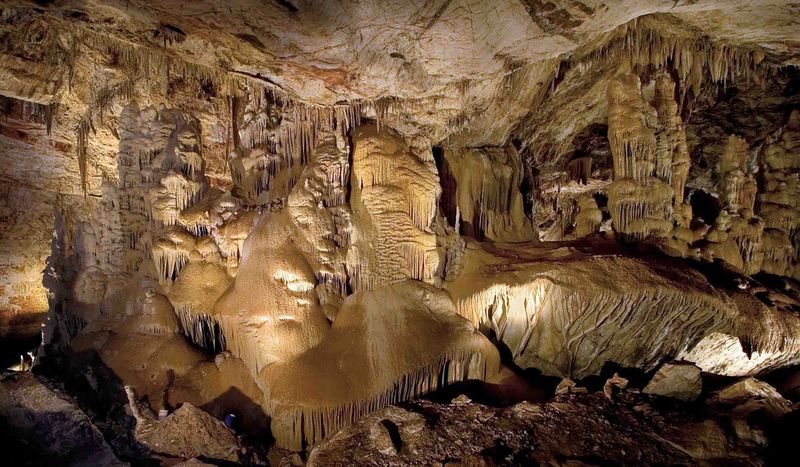
Two amateur cavers stumbled upon an untouched underground palace and kept it secret for years.
Their dedication to preservation led to one of the most carefully protected cave systems in America.
These living caves continue growing, with water still actively depositing minerals on ancient formations.
Stalactites hang like frozen waterfalls while stalagmites reach upward in a geological embrace.
The caverns maintain near-perfect humidity and temperature, creating ideal conditions for delicate formations.
Guided tours take visitors through chambers that rival anything found in more famous cave systems.
The Big Room tour showcases massive formations including a column taller than a five-story building.
Strict environmental controls protect these fragile wonders from the damage that plagues other caves.
Located at 2980 State Route 90 near Benson, the park offers a cool escape from desert heat.
Reservations are strongly recommended since tour sizes stay small to minimize impact.
The Rotunda Room features delicate soda straw formations that look impossibly thin and fragile.
Educational displays explain how these caves formed and why preservation matters so much.
Bat populations use certain sections seasonally, adding another layer of ecological importance.
The state of Arizona invested heavily in protecting this treasure for future generations.
Photography restrictions exist to preserve the environment, but memories formed here last forever.
4. West Clear Creek Hanging Gardens
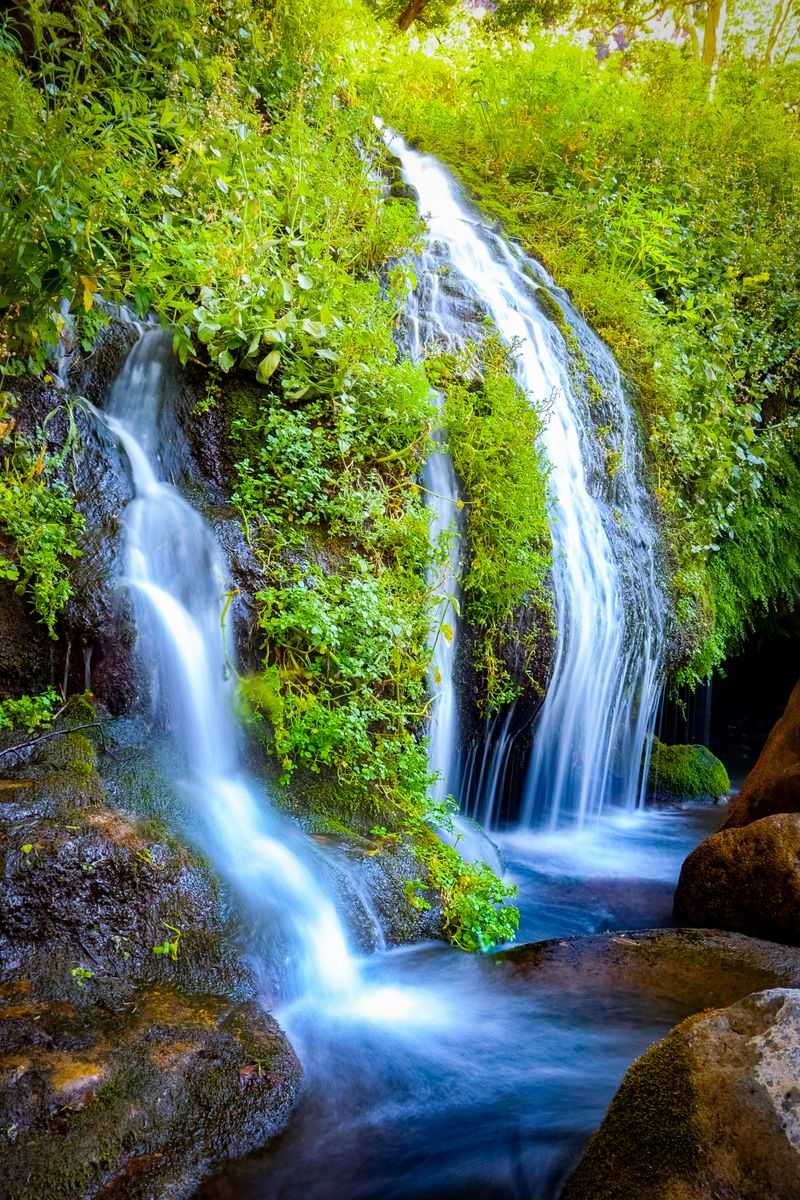
A challenging trek through wilderness rewards determined hikers with an unexpected tropical paradise.
The three-mile journey into West Clear Creek Wilderness tests your endurance and navigation skills.
Then suddenly, desert surroundings give way to cascading springs and vibrant greenery.
Water tumbles over moss-covered rocks into crystal-clear pools perfect for swimming.
The hanging gardens create a microclimate that supports plants rarely seen in Arizona.
Ferns drape from canyon walls while wildflowers add splashes of color to the scene.
Kayakers sometimes paddle through the creek, exploring sections inaccessible by foot.
The remote location near Happy Jack means you might encounter more wildlife than people.
Creek crossings require careful footing, especially during spring runoff when water levels rise.
Bring waterproof bags for electronics and extra clothing since getting wet becomes inevitable.
The serenity here feels worlds away from anything resembling typical tourist attractions.
Sunlight filtering through the canyon creates magical lighting conditions for photography.
Local adventurers guard this secret jealously, preferring to keep crowds away.
The challenging access ensures that only committed explorers reach this hidden oasis.
Pack out everything you bring in to preserve this fragile ecosystem for future visitors.
The combination of desert hiking and lush water features makes this uniquely Arizona.
5. Grand Falls

Most waterfalls flow clear and blue, but this one churns with rich chocolate-colored water.
The Little Colorado River transforms into a dramatic cascade only during specific seasons.
Snowmelt from distant mountains or monsoon rains trigger the spectacular flow.
Ancient lava formations create the cliff over which thousands of gallons plunge.
The muddy, sediment-rich water gives the falls their distinctive appearance and local nickname.
When active, the roar of falling water echoes across the surrounding Navajo Nation land.
Timing your visit requires checking recent weather and river conditions carefully.
The falls can go from bone-dry to raging torrent within days of heavy precipitation.
Located near Leupp, the site sits far enough off main roads to discourage casual visitors.
The rough dirt access road adds to the adventure but requires suitable vehicles.
Viewing areas along the rim provide safe vantage points for photographs and observation.
The contrast between the chocolate water and dark volcanic rock creates striking visual drama.
Spring typically offers the best chances of seeing the falls in full glory.
Summer monsoons can trigger sudden flows that surprise even local residents.
Respect posted signs and boundaries since the falls sit on tribal land.
This ephemeral wonder reminds us that some natural beauty appears only for the patient.
6. Saguaro National Park East
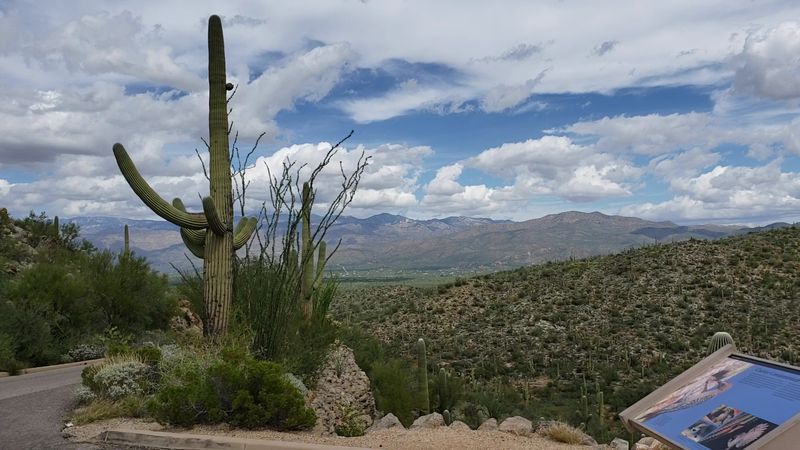
Everyone knows about the western district, but the eastern section offers something even better.
Thousands of iconic saguaro cacti stand like silent guardians across rolling desert hills.
The Rincon Mountain District provides more extensive trail networks with significantly fewer crowds.
Backpacking opportunities here let you camp among these magnificent desert giants overnight.
The Cactus Forest Drive winds through prime saguaro habitat without requiring strenuous hiking.
Sunset turns the cacti into dramatic silhouettes against painted skies that photographers adore.
These ancient plants can live for centuries, with the largest specimens predating modern Arizona.
Spring brings spectacular blooms to the saguaros and countless other desert plant species.
Wildlife sightings include roadrunners, javelinas, and occasionally even bobcats or coyotes.
The eastern district sits conveniently near Tucson but feels wonderfully remote once inside.
Trail difficulty ranges from easy nature walks to challenging mountain ascents for experienced hikers.
Early morning visits offer cooler temperatures and better chances of spotting active wildlife.
The saguaro forests here rival anything found in the more popular western section.
Educational displays explain the unique adaptations that let these cacti thrive in harsh conditions.
Locals appreciate that most tourists stick to the western district, leaving this area peaceful.
The sense of solitude here feels increasingly rare in our connected, crowded world.
7. Organ Pipe Cactus National Monument

Only one place in the entire United States lets you see these magnificent cacti growing wild.
The organ pipe cactus rises with multiple arms reaching skyward like natural pipe organs.
This remote monument along the Mexican border near Ajo feels like another planet.
Rugged mountains frame vast expanses of pristine Sonoran Desert landscape.
The isolation here means light pollution stays minimal, creating phenomenal stargazing opportunities.
Night skies reveal the Milky Way in stunning detail that urban dwellers never witness.
Scenic drives wind through cactus forests where biodiversity reaches surprising levels.
Over two dozen cactus species thrive here alongside countless other desert-adapted plants.
The monument protects ecosystems that extend across the international border into Mexico.
Summer temperatures soar to extreme levels, making winter the preferred visiting season.
Hiking trails range from short nature walks to challenging backcountry routes.
The visitor center at 10 Organ Pipe Drive provides essential information and safety guidelines.
Border proximity means occasional encounters with Border Patrol agents conducting routine operations.
Despite its ecological importance, this monument receives a fraction of typical park visitation.
The quiet solitude appeals to those seeking genuine wilderness experiences.
Camping under stars surrounded by unique cacti creates memories that last lifetimes.
This corner of Arizona showcases desert beauty in its most unspoiled form.
8. Willcox Playa
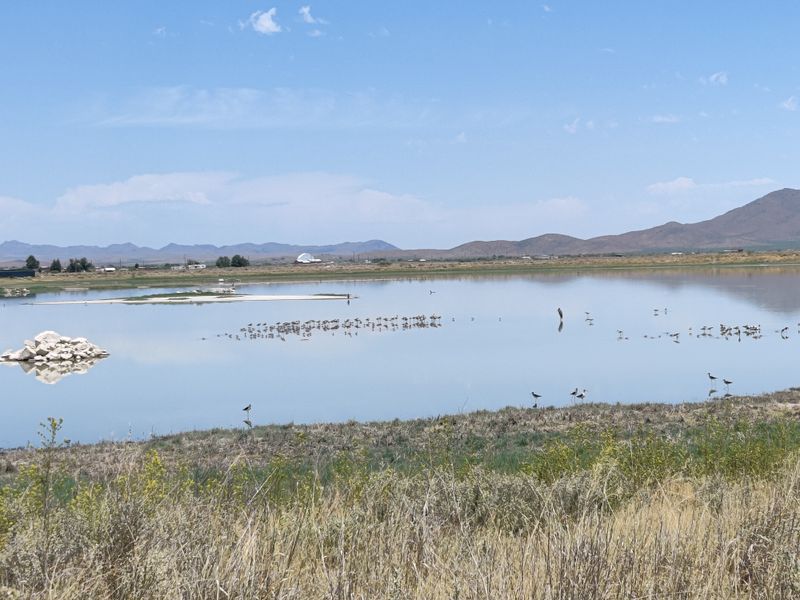
A massive dry lakebed stretches across the landscape like a blank canvas awaiting nature’s art.
Heavy rains transform this dusty expanse into a shallow mirror reflecting endless sky.
The temporary lake attracts thousands of sandhill cranes during winter migration periods.
Photographers gather at dawn to capture these elegant birds against dramatic sunrise colors.
When dry, the playa displays intricate patterns of cracked earth that mesmerize observers.
The geometric shapes formed by drying mud create natural abstract artwork underfoot.
This geological feature near Willcox demonstrates the dramatic seasonal changes possible in Arizona.
The vast openness provides perspective on the true scale of desert landscapes.
Dust devils sometimes dance across the playa during hot afternoons, creating swirling columns.
The flat terrain extends to distant mountains, offering unobstructed horizon views.
Local wildlife adapts to the changing conditions, thriving during wet periods and retreating during dry spells.
The ephemeral nature of the lake makes each wet season feel like a special event.
Birdwatchers consider this a premier location for observing migrating species.
The cranes’ distinctive calls echo across the water when conditions align perfectly.
Sunrise and sunset transform the playa into a photographer’s paradise of light and reflection.
This dynamic landscape reminds visitors that deserts contain more diversity than stereotypes suggest.
The playa remains largely unknown outside local communities who treasure its seasonal transformations.
9. Blue Ridge Reservoir
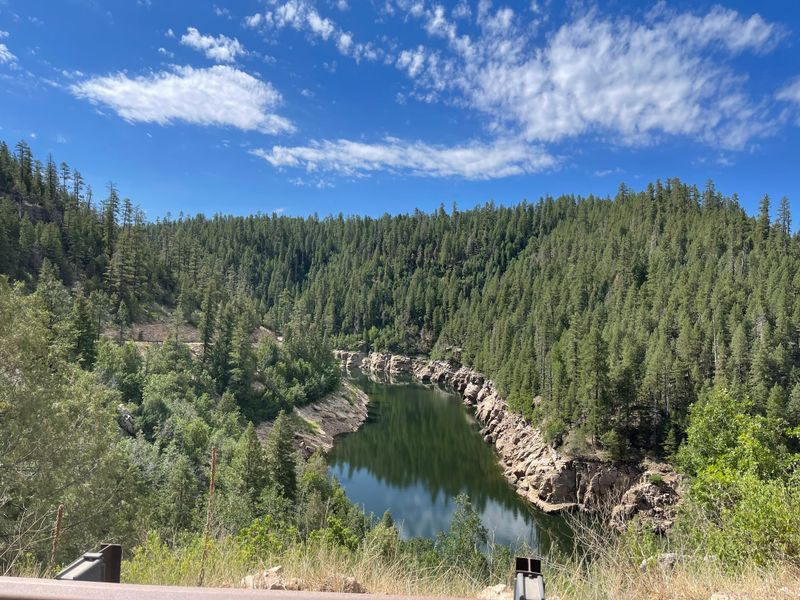
A slender ribbon of water winds between towering cliffs covered in dense pine forests.
Blue Ridge Reservoir feels more like a mountain fjord than a typical Arizona lake.
The steep terrain surrounding the water creates a sense of intimate seclusion.
Kayakers love exploring the narrow passages and hidden coves along the shoreline.
Fishing here yields catches that surprise anglers accustomed to more pressured waters.
The remote location within Coconino National Forest near Happy Jack keeps crowds minimal.
Pine-scented air and cool mountain temperatures contrast sharply with desert lowlands.
Wildlife sightings include elk, deer, and numerous bird species thriving in forest habitat.
The reservoir stretches for miles, offering plenty of space for peaceful paddling.
Camping areas nearby provide base camps for extended outdoor adventures.
Fall colors paint the surrounding forests in golds and reds that rival more famous locations.
The water’s blue-green hue against dark cliffs creates stunning photographic compositions.
Access roads wind through beautiful forest scenery that enhances the journey.
This reservoir proves that the state contains diverse landscapes beyond desert stereotypes.
Quiet mornings on the water offer meditation-like peace rarely found near busy lakes.
The combination of water recreation and forest hiking satisfies varied outdoor interests.
Local anglers guard this secret spot, preferring to keep it off mainstream radar.
10. Elves Chasm
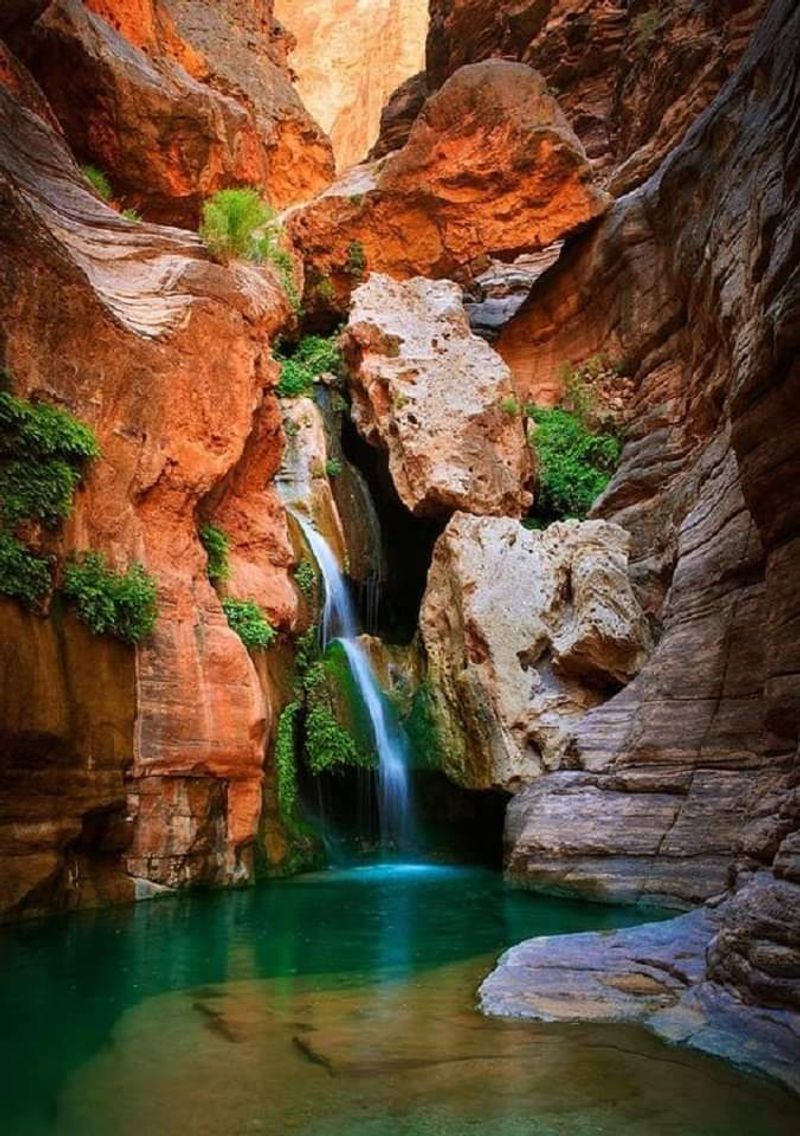
Deep within the most famous canyon on Earth hides a secret that few ever witness.
A spring-fed waterfall tumbles into a grotto that seems designed by mythical creatures.
Elves Chasm lives up to its magical name with ethereal beauty beyond description.
Reaching this spot requires either guided whitewater rafting trips or extremely challenging backpacking.
The Colorado River journey provides the most common access route for fortunate adventurers.
Permits and planning make visiting here a significant undertaking rather than casual day trip.
The effort required ensures that this remains among the Grand Canyon’s most secluded treasures.
Ferns and moss drape the grotto walls, thriving in constant moisture and shade.
The pool beneath the waterfall invites swimming in water that stays refreshingly cool.
Light filtering through the narrow canyon creates constantly changing illumination patterns.
Rafting groups often schedule stops here, but the chasm never feels crowded.
The juxtaposition of lush greenery against red canyon walls creates striking visual contrast.
Photographers struggle to capture the true atmosphere of this enchanted place.
The sound of falling water echoes off stone walls in a natural symphony.
This hidden gem reminds us that even well-known places contain undiscovered corners.
The Grand Canyon continues revealing secrets to those willing to venture beyond viewpoints.
Elves Chasm represents the ultimate reward for committed adventurers seeking Arizona’s hidden wonders.
Dear Reader: This page may contain affiliate links which may earn a commission if you click through and make a purchase. Our independent journalism is not influenced by any advertiser or commercial initiative unless it is clearly marked as sponsored content. As travel products change, please be sure to reconfirm all details and stay up to date with current events to ensure a safe and successful trip.
