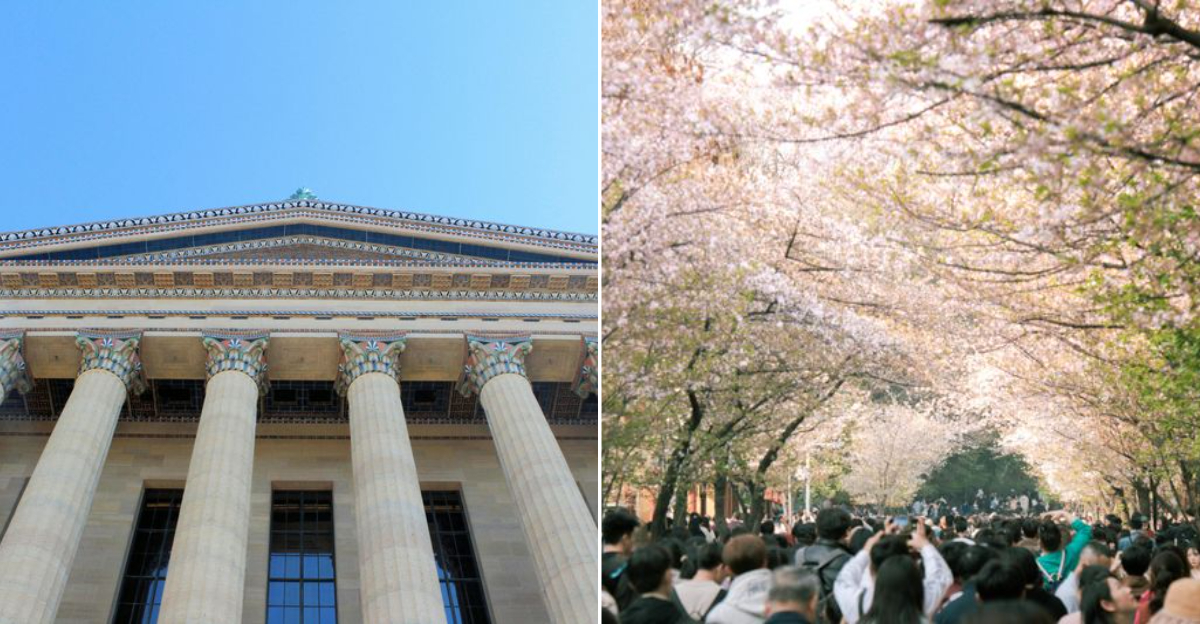
Have you ever thought about what makes Pennsylvania such a fascinating place to explore?
It’s one of those states that surprises you at every turn, whether you’re wandering through bustling cities, hiking scenic trails, or stepping into history that feels alive.
I’ve had my fair share of adventures there, and trust me, it’s not just about cheesesteaks and the Liberty Bell.
Pennsylvania has a mix of highlights that can make your trip unforgettable, but it also comes with a couple of pitfalls you’ll want to keep in mind.
From the charm of small towns to the energy of Philadelphia, from Amish country to the rolling hills that seem endless, there’s a lot to love. But like any destination, not everything is picture-perfect.
Some experiences might test your patience or leave you wishing you’d planned differently. So, if you’re curious about the best parts of Pennsylvania, and the few things that might trip you up, let’s dive in.
You’ll walk away with a clearer idea of what’s worth your time and what’s better skipped. Ready to explore?
1. Small Towns That Still Feel Lived-In
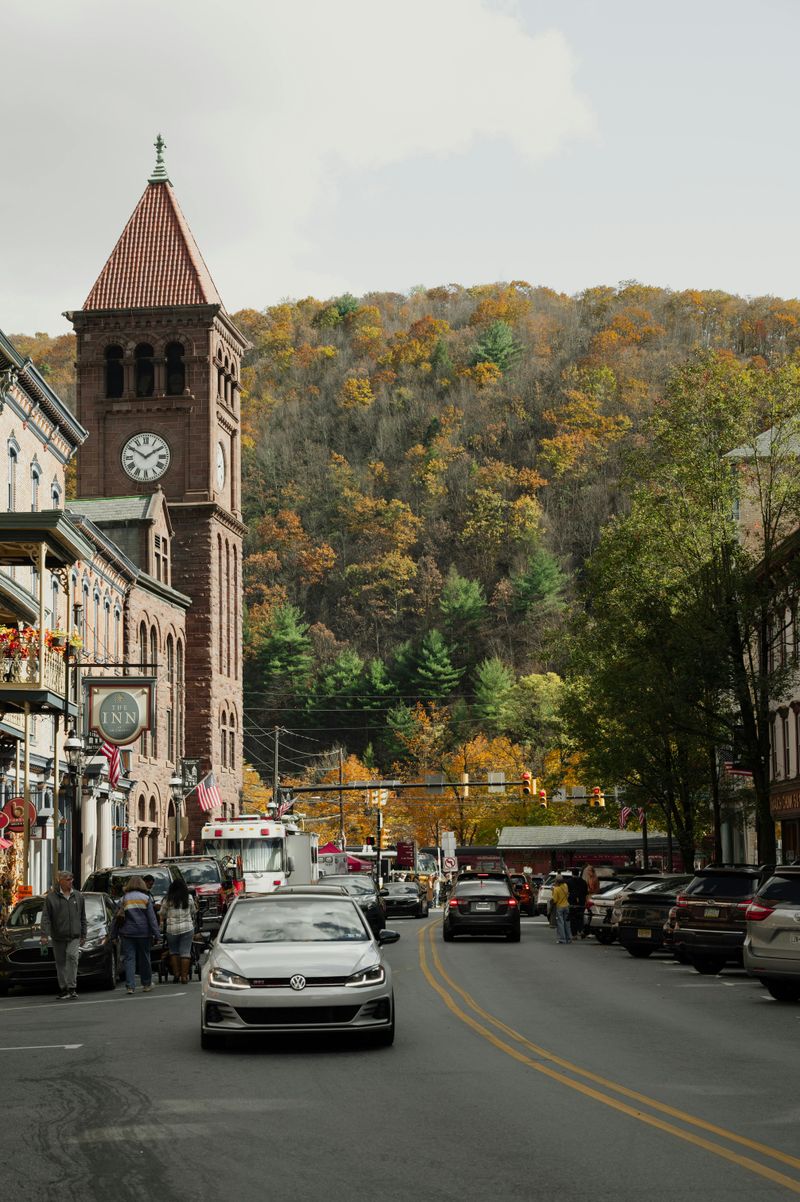
You know that moment when a town actually feels like a town? Lititz and Wellsboro hit that sweet spot.
Main streets are practical, with locals ducking into the hardware store while kids pedal past the bakery.
You get an atmosphere without any museum vibe. It feels comfortable to park, stroll, and just see what shows up around the corner.
Lititz has tidy blocks, working storefronts, and a pace that makes you slow your steps.
Wellsboro adds those classic lamps and a woodsy backdrop that reminds you this is still Pennsylvania, not a stage set.
The rhythm is local first, visitor second, and you can feel it in the way conversations spill onto the sidewalk. It never tips into spectacle.
Here’s how I treat towns like this. I arrive without a checklist and follow the small cues.
If the barber shop is buzzing, I linger nearby and people watch. If the bookstore window is hand lettered, I step inside and ask about a map.
You end up with real conversation and real suggestions, not slogans. That is why these places stick with you later.
2. A State Park System That Rivals National Parks
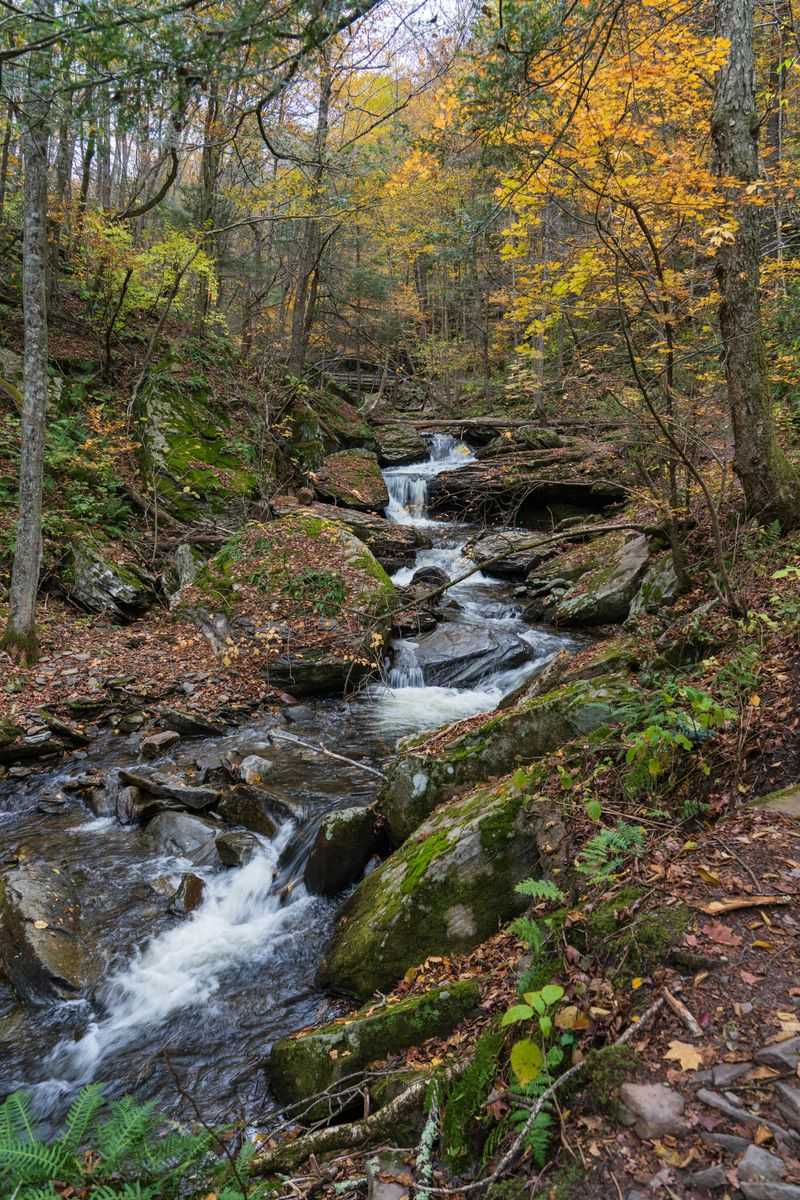
Ricketts Glen and Ohiopyle are the headliners, and they earn it. At Ricketts Glen, waterfalls stack through the woods like a stairway, each with its own character.
Trails are well maintained, signed clearly, and easy to follow even when your mind wanders. Ohiopyle brings a roaring river, a broad overlook, and that crisp Laurel Highlands air.
You do not need a huge itinerary to feel it.
What makes Pennsylvania’s state parks shine is access without fuss. Parking is straightforward, maps are dependable, and trails range from mellow to sweat-worthy.
You can go big or keep it casual, then switch plans mid day if clouds roll in. The scenery feels serious, but the logistics stay friendly.
That combination keeps me coming back.
I like to start early, when the woods are still cool and the light is soft. You hear water before you see it, and that little suspense is half the fun.
3. Amish Country That Is Still Actively Working Land
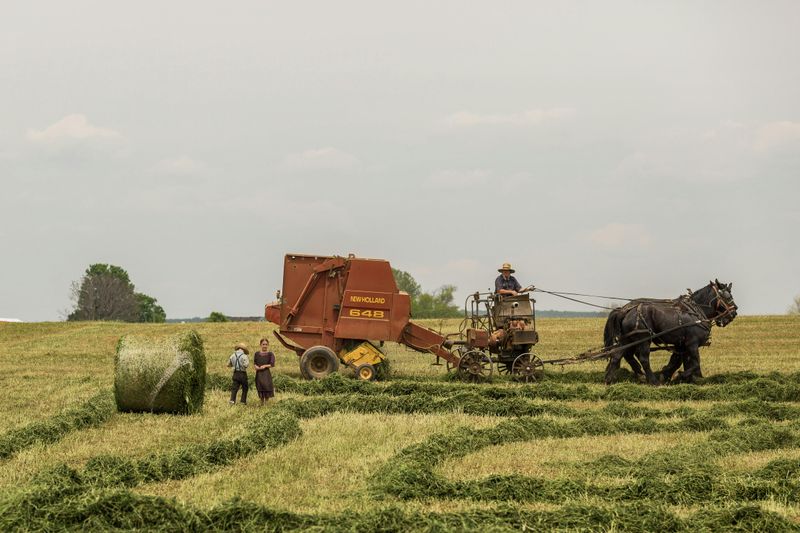
Lancaster County is not a reenactment. Fields are planted, barns hum, and markets are for neighbors as much as visitors.
If you slow down and keep to the back roads, the daily rhythm becomes clear. You see laundry lines, tidy gardens, and steady work that keeps the landscape shaped.
It is lived tradition, plain and simple.
I keep my pace respectful and my camera tucked away unless I am looking at scenery. Markets feel grounded, with practical goods and tools that speak to a life well organized.
Roadside stands often run on trust. That tells you a lot about this corner of Pennsylvania.
When I am unsure, I ask a polite question and keep my footprint light.
The draw here is quiet detail. You just notice and keep moving, letting the route choose itself.
4. Cities With Deep, Walkable History
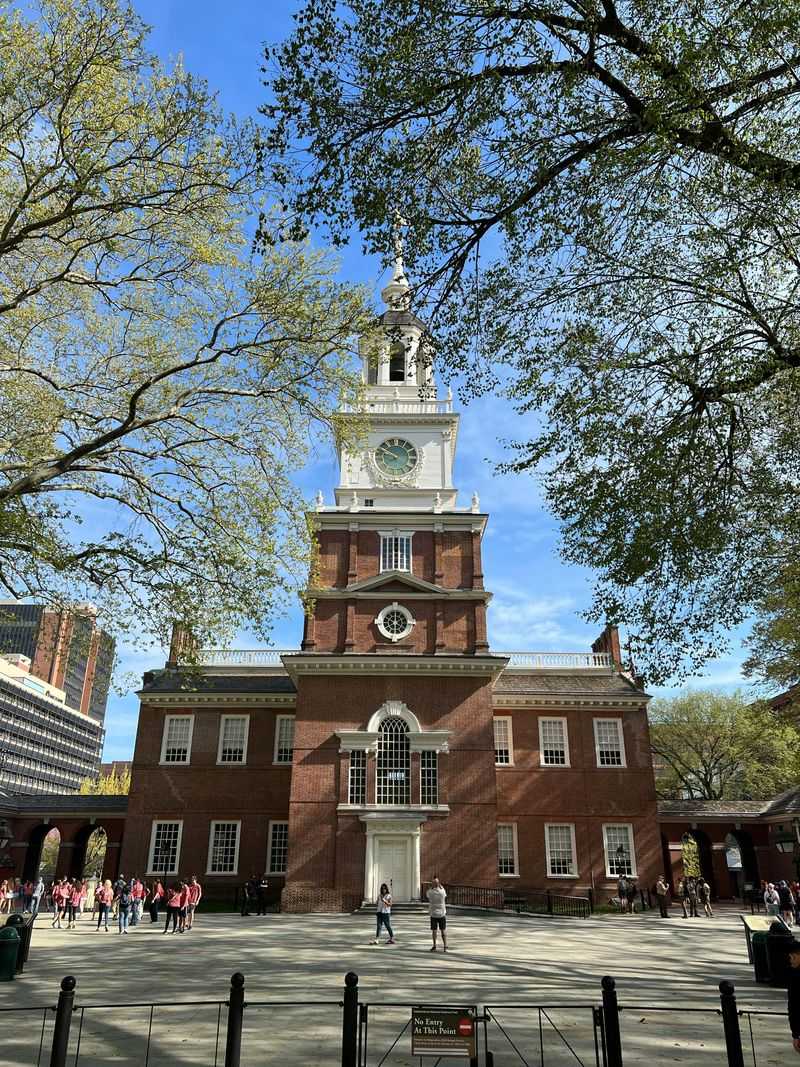
Philadelphia rewards wandering, trust me. Block to block, the architecture shifts from colonial brick to quiet rows that feel sturdy and lived-in.
The history is right there in the brickwork and alleys. You do not need a ticket line to feel it.
Walk slowly and the layers start to stack.
I like to string together neighborhoods on foot. A few turns bring you from narrow historic lanes to a modern market hall buzz.
I feel like the mix makes the city feel both grounded and current. You can chase plaques if you want, but the street itself does most of the talking.
Corners open to small squares, and the skyline peeks through.
What stands out is how everyday life sits beside the old bones. Stoops, bikes, and leafy blocks soften the formal bits.
You sense how the city carried forward without freezing itself. That is a rare line to walk, and Philly walks it well.
Give yourself room to detour, and the day fills up naturally.
5. Four Distinct Regions In One State
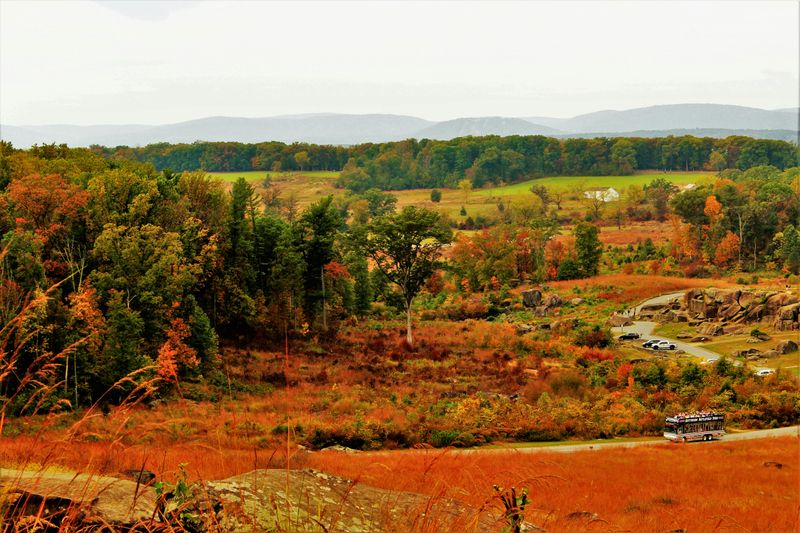
Pennsylvania splits into clear personalities, and a short drive makes the shift obvious. Up north, the Appalachians soften into long ridges and quiet valleys.
Out west, bridges and industry frame the day and give the skyline a beautiful look.
The southeast brings dense neighborhoods and quick transit, while the center rolls farm to ridge to farm again. It keeps the road trip fresh.
I love how the accent changes along with the terrain. Small towns swap out brick for clapboard, and murals replace mill stacks or the other way around.
Foodways tilt too, even if we are not talking menus here. It is the conversation, the pace, the way stores stock different tools.
You end up reading the state like a patchwork quilt.
The best move is to plan a loop. Start in a city, cut south or north into hills, push west for a different skyline, then drift back through farmland.
Each piece adds context to the last one. Nothing repeats, but everything connects.
That balance is rare in a single state trip.
6. Seasonal Travel Actually Changes The Experience
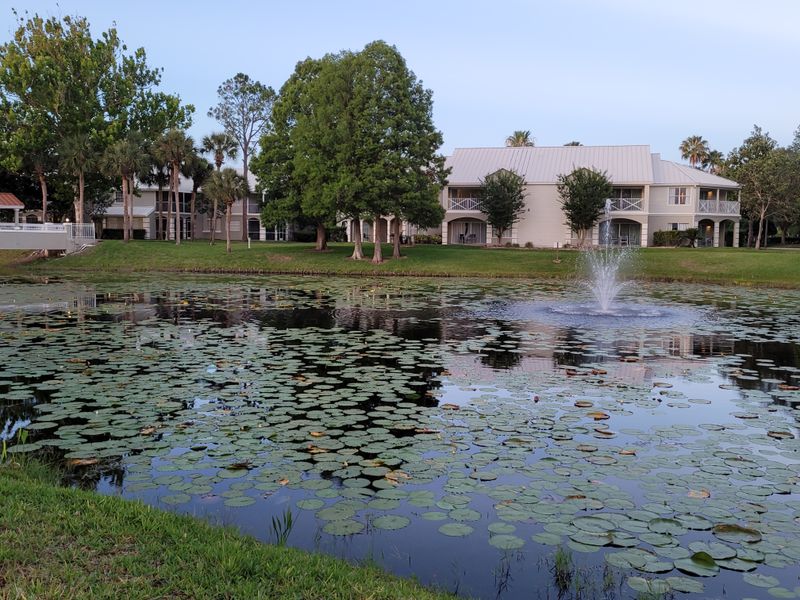
Seasons in Pennsylvania are not a backdrop. They flip the script on where you go and how the day feels.
Fall paints the ridges and makes every overlook dramatic. Winter turns towns crisp and quiet, with clean lines and softer sound.
Spring sends water over rocks and down gullies with real energy. Summer leans into lakes, shade, and long evenings.
I plan trips around that swing.
If it is fall, I chase ridge roads and trail overlooks. When snow lands, I pick a town with sturdy sidewalks and an easy morning stroll.
Spring means waterfalls and mossy corners that wake up fast. Summer is all about breezes and stretching the day from a late start to a starry finish.
I feel like the trick is to match expectations to the season. Trails that feel gentle in summer might run slick in shoulder months.
Back roads ride differently after rain. None of that is a deal breaker if you ask me.
It is part of the fun and keeps you honest with your plan.
I keep a small list by season and rotate through it. That way I am not forcing a summer plan on a spring weekend.
It keeps the trip relaxed and responsive. You end up seeing Pennsylvania in slices rather than one big gulp.
Over time those slices add up to a full picture, and the state starts to feel like a friend you know in all moods.
7. Old-School Food Traditions Still Thrive
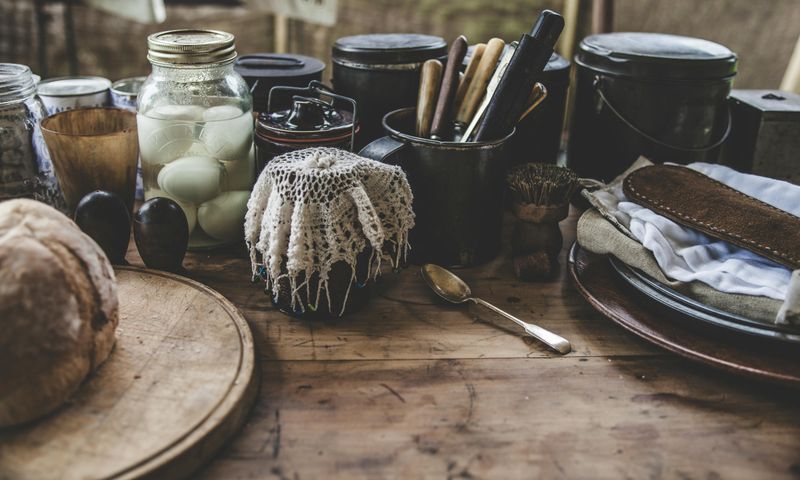
What I love about Pennsylvania’s food culture is how sturdy it feels. Diners, bakeries, and meat markets do not try to be anything else.
They show up early, serve locals first, and pass down methods that still make sense. You can taste the history without a label on it.
I check in on places that look unhurried and steady. The counter might be nicked, the floor well worn, and the stories even better.
Regional recipes stick around because they are part of daily life. You see it in the way regulars greet each other and how the line moves at a calm clip.
These spots also anchor small towns. They hold the morning chatter and the late afternoon pause.
When I am road tripping, I time my stops to catch that slice of community life. It is the best window into a place without needing any big attraction.
Stand quietly, listen, and you learn what matters here.
Even if you are just grabbing a seat for a minute, the tradition comes through. It is the layout, the smell of fresh work, the old sign that never changed.
8. Scenic Drives That Feel Untouched
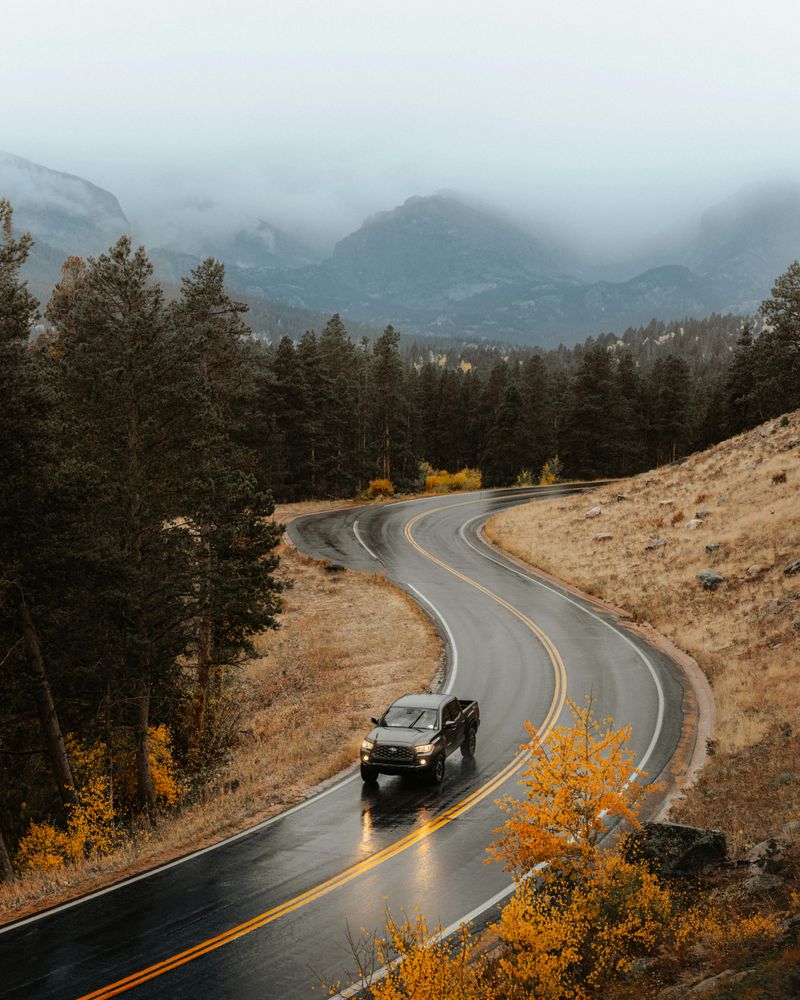
Some roads in Pennsylvania feel like they were built for thinking. The Endless Mountains roll out view after view, and you can drive a long stretch without a single distraction.
In the Laurel Highlands, ridges fold into each other and the light slides across the hills. It is quiet in the best way.
You find your pace and let the route handle the rest.
I like to pick a loose corridor and ignore the clock. If a turnout appears, I use it.
If the map suggests a smaller road, I try it. Those choices string together an easy loop through valleys, barns, and forest blocks that look untouched.
You end up with calm shoulders and a clearer head.
The absence of clutter matters. No big billboards, no heavy resort sprawl, just a simple center line and views that keep changing.
Pullouts show up right when you need them. Old bridges add texture without slowing things down.
It all feels oddly considerate.
Road trips here reward patience. Stop for a short walk at a wayside trail, then roll on.
By the time you reach your stop, you realize the drive itself was the highlight.
9. Museums That Go Beyond The Obvious

Pennsylvania museums dig into how towns actually worked. Industrial halls and railroad collections show gears, tools, and the bones of daily life.
You come away understanding the why, not just the what. It gives context to the mills you pass and the tracks you cross.
The stories are grounded and specific.
I am a fan of places that smell faintly of oil and old wood. You stand beside a locomotive or a machine line and sense the weight of it.
Exhibits explain the process without drowning you. The tone is clear and unpretentious.
You learn fast because the objects do the talking.
What sticks with me is how these museums link to the streets outside. A photo of a shop floor lines up with a brick building you saw earlier.
A map of a rail junction makes sense once you drive past the old yard. Suddenly the town grid becomes a story you can read.
That shift is worth the ticket alone.
10. Easy Weekend Accessibility From Major Cities
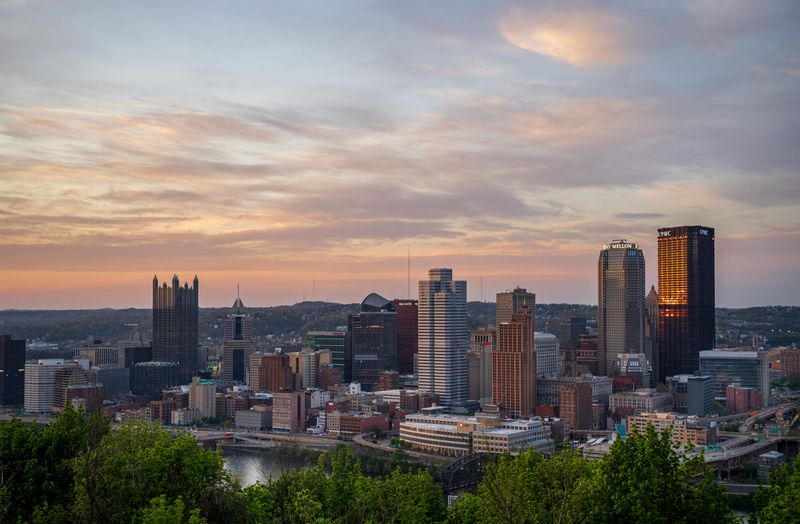
Here is the best part for quick trips. Pennsylvania sits close to a lot of big metros, so a weekend plan can be spontaneous.
You can leave late, arrive in time for a stroll, and still feel like you traveled. That proximity makes short itineraries feel satisfying.
I keep a small rotation of spots within an easy drive. City one weekend, hills the next, and a lakeside town after that.
Because the distances are friendly, you can pivot the plan mid route if weather shifts. It removes pressure and adds room for detours.
That is road trip freedom in a nutshell.
The state also plays nice with varied travel styles. Solo days feel safe and straightforward.
Pair trips stay low stress. Group plans do not need elaborate schedules because you can break off and rejoin without trouble.
The logistics fade into the background, which is exactly how I like it.
11. Pitfall: Back Roads Can Be Slower Than Expected
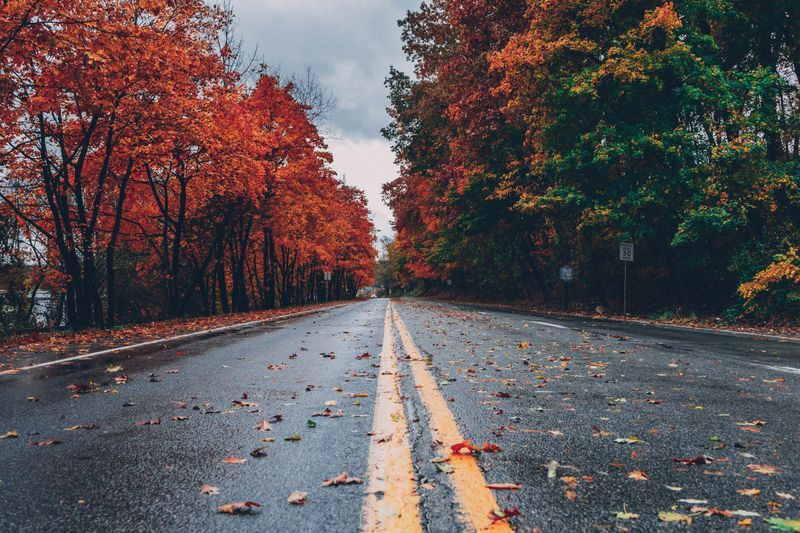
Back roads in Pennsylvania look friendly until the clock starts to slip. Curves stack up, hills appear, and a slow vehicle can lock you in for a while.
Passing zones vanish right when you want them. GPS estimates turn optimistic fast once you leave the main corridor.
None of it is scary, just slower than your city brain expects.
I handle it by padding the schedule. If I need to be somewhere by afternoon, I leave earlier than feels necessary.
That buffer takes the edge off and opens space for a turnout or quick photo stop. It also keeps the trip from feeling like a race.
The drive can stay pleasant, even when the pace dips.
Watch for farm equipment and school zones. Stay patient on blind curves.
Those are basic moves, but they matter more here.
The landscape is lovely, which helps, but you cannot rush it. When the road asks for time, give it.
12. Pitfall: Popular Seasons Bring Parking And Crowd Stress
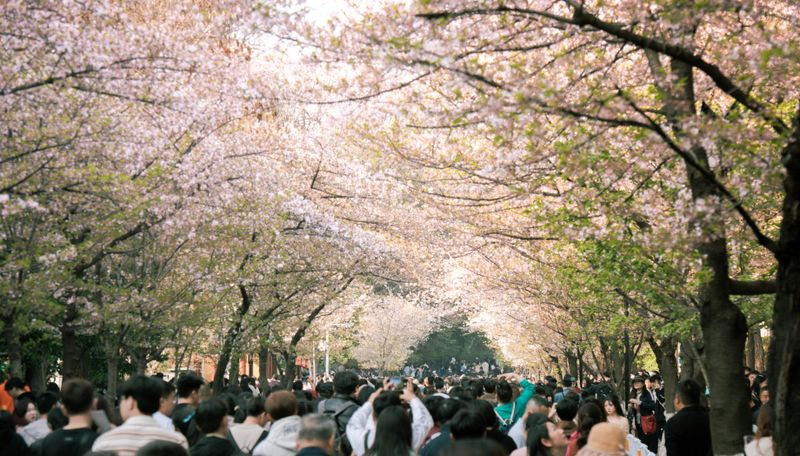
Certain weekends in Pennsylvania pull big numbers, and parking goes fast. Fall color peaks fill small towns quickly.
Summer lake areas tighten up too. Streets that feel calm on a weekday can turn snug by mid morning.
It is not a reason to stay home, just a nudge to plan smarter.
I aim for early starts and shoulder times. Roll in before the first wave or show up late and enjoy the evening calm.
Midday can be the squeeze point. If the main lot is full, nearby side streets often stack up.
A backup plan helps, even if it is just a different trailhead or a second town on your loop.
Give yourself time to circle once without frustration. If it feels packed, shift your target rather than forcing it.
Good views and quiet blocks exist just beyond the hot zone. Take a breath, adjust, and the trip stays easy.
One more tip: check local calendars before you drive. A festival can double the crowd without warning.
With a tiny tweak in timing, you can keep the day relaxed. Pennsylvania shines brightest when you are not wrestling the schedule.
Dear Reader: This page may contain affiliate links which may earn a commission if you click through and make a purchase. Our independent journalism is not influenced by any advertiser or commercial initiative unless it is clearly marked as sponsored content. As travel products change, please be sure to reconfirm all details and stay up to date with current events to ensure a safe and successful trip.
