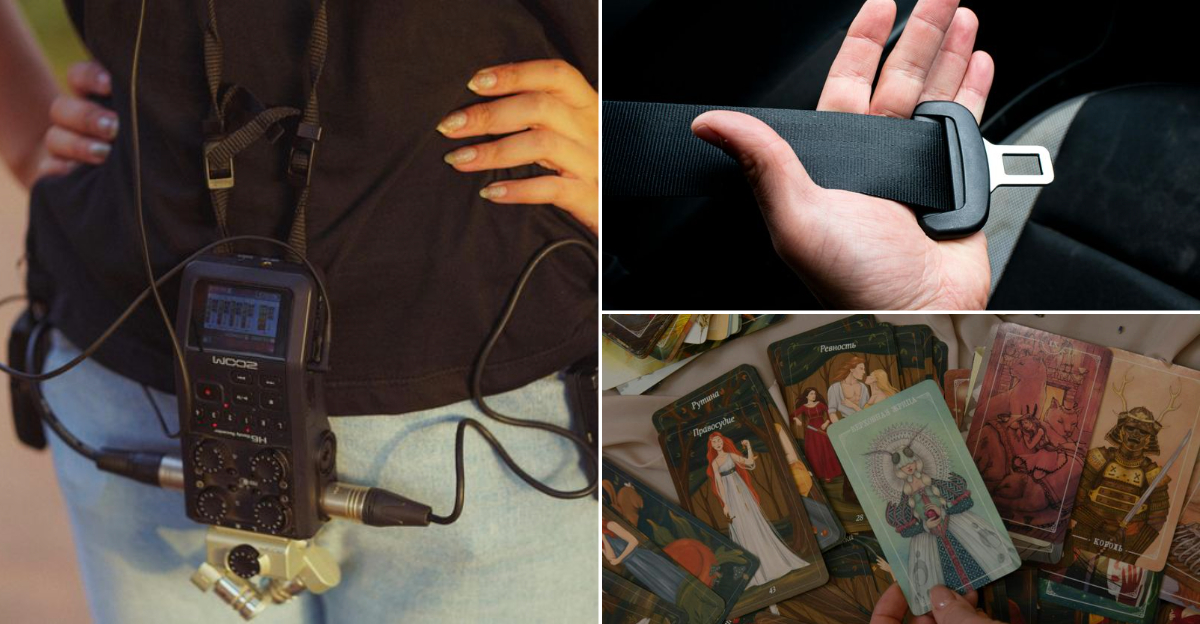
How many tiny rules can you stumble over in one stroll through Massachusetts? More than you think.
You might be sipping a coffee by the harbor, taking in the historic streets, and suddenly a small detail makes everyone pause. Tourists break these unwritten expectations first and figure them out later.
From where you stand to how you move through a square, local quirks quietly steer every step. Some are practical, some are just odd, but all shape the way towns keep order and charm intact.
Knowing them ahead of time lets you slide past surprises and enjoy the streets, shops, and piers without awkward pauses. Massachusetts has a rhythm to it.
Learn the beats, and your trip becomes smoother, funnier, and full of moments worth remembering.
1. Consumer Fireworks Are Prohibited To Possess Or Use

You know that moment when someone suggests a quick sparkler on the beach, just for a photo? In Massachusetts, even the little stuff is a no go without exceptions, so stash the fireworks fantasy.
The law bans possession and use statewide, and officers take it seriously in coastal towns and suburbs.
People are surprised that even small novelty fireworks are treated the same way.
If you hear pops in the distance near Cape Ann or along the South Shore, do not copy the neighbors. They might be breaking the law, or it might be an authorized display with permits and fire crews.
Here is the move if you want the spectacle. Look for municipal shows run by the city and view from a public vantage point where crowds gather safely.
Private rentals and backyard lawns are not where you test the rule. Fire departments in places like Salem and Plymouth are used to fielding calls from tourists who did not know.
Keep your trunk clear of any fireworks you bought in another state.
Crossing into Massachusetts with them can be enough to create a headache.
On beaches from Revere to Provincetown, rangers patrol for this exact thing. The same goes for lakeside parks and popular overlooks.
Save the photo for a licensed show and enjoy the skyline instead. Your trip stays calm, and your camera roll still looks great.
2. Hands-Free Phone Use Is Required While Driving
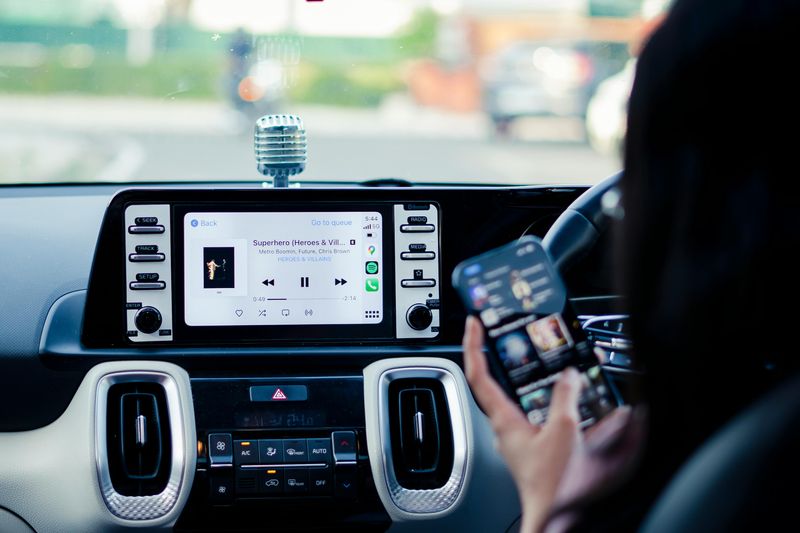
Seen those drivers with phones tucked under a chin at a light? In Massachusetts, that quick peek can still count as handheld use, and the rule covers calls, texts, and swipes.
Mount the phone, tap once or twice, and keep your eyes forward.
If you are dialing, use voice commands or pull over safely.
State police watch for heads angled down near the Pike and Route One. City departments do the same in Boston and Cambridge.
Navigation is fine on a mount with minimal touches. If a notification pops up, ignore it until you stop.
The vibe here is very hands on the wheel and attention on the road. Locals expect steady driving through rotaries and tight merges.
Rental cars often hide a simple mount in the glove box.
Ask if you do not see one, or grab a basic clip before you roll.
If you are filming a scenic drive past the Charles, hand the phone to a passenger. Better yet, park at a riverside lot and grab clean video.
It feels strict, but the roads are busy and narrow in older towns. Keep it simple, and the drive stays smooth.
3. Open Containers Aren’t Allowed In The Passenger Area
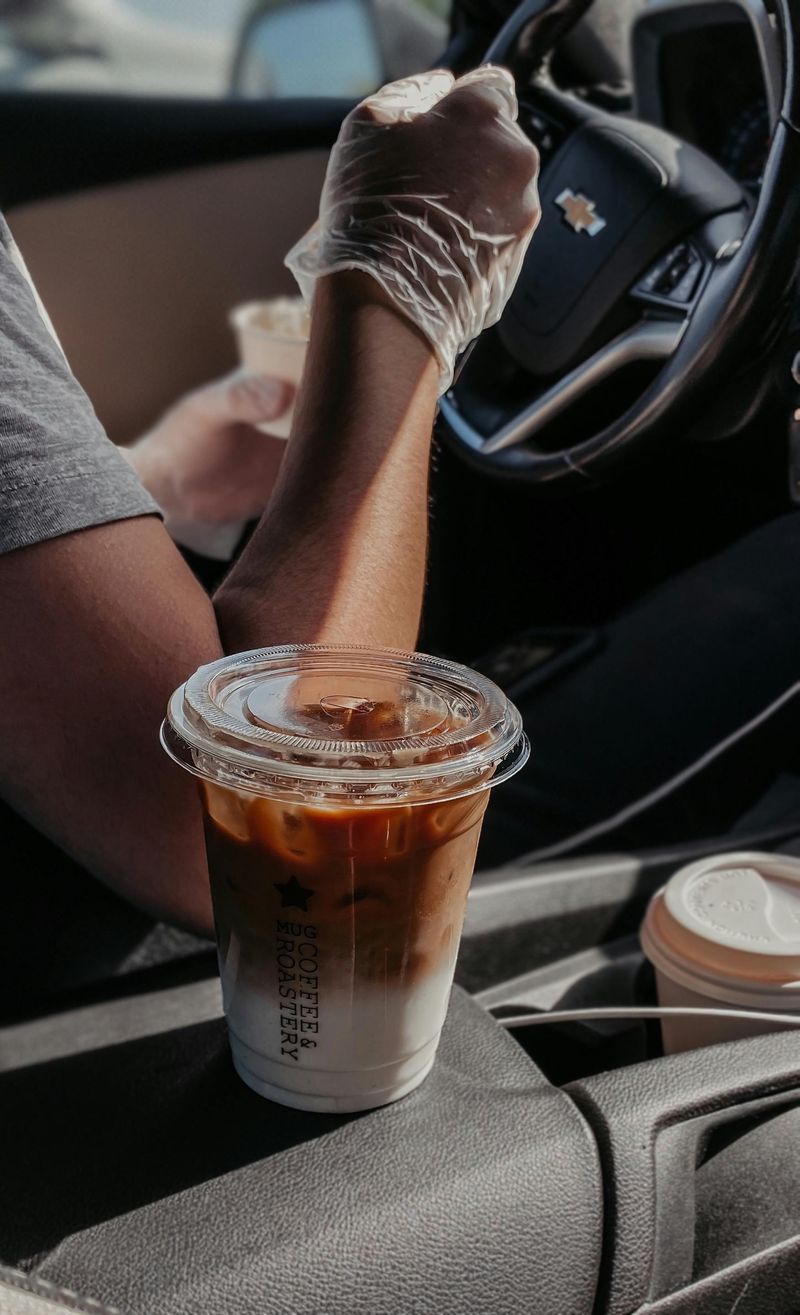
This one trips people up because they think it is only about the driver. In Massachusetts, any open container in the passenger area can draw attention fast.
The rule covers the whole seating zone, including the back.
Trunks and locked containers change the equation, but the cabin is a firm no.
Ride shares and tour vans follow the same expectation. Out on Route Six or heading into the Berkshires, it still applies.
If something was opened earlier, seal it and stash it out of reach. Better yet, keep the cabin as boring as a rental agreement.
Police see this a lot with festival weekends and seaside day trips. It is usually a misunderstanding, not mischief.
The cleanest habit is to pack everything you do not need behind the last row.
If there is no trunk, use a closed bin.
Snacks up front, anything questionable in the back, and you are golden. The focus stays on driving and scenery.
New England roads are charming and tight, and you do not need extra drama. Keep the passenger area tidy and stress free.
4. Seat Belts Are Required For Drivers And Passengers
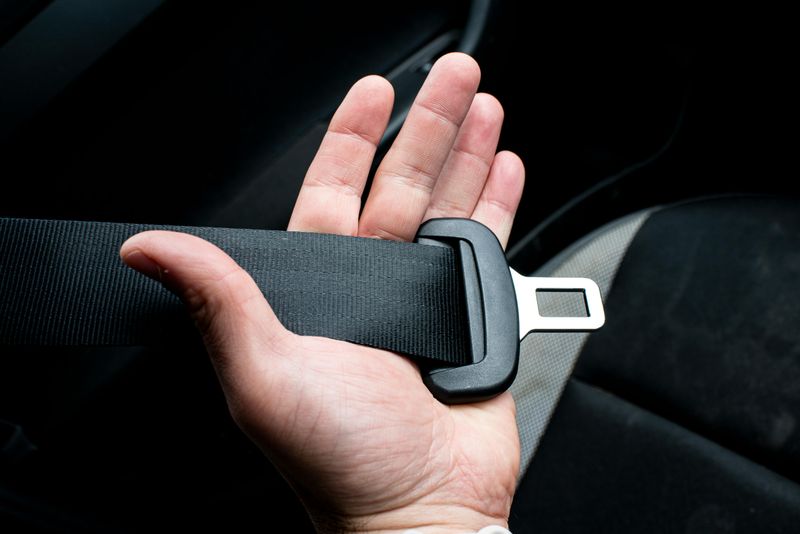
Hop in, click, done. Massachusetts expects belts on for everyone in the car, and officers notice the shoulder strap immediately.
The rule feels obvious until you are piling into a ride share after a long museum day.
Rear seat passengers sometimes forget, and that is where slips happen.
From Worcester to Lowell, enforcement is steady and polite. Nobody wants a lecture, especially on vacation.
Belting up makes rotary traffic easier because you move with the car. Sudden stops at short lights do not become a scramble.
Families tend to handle this well with boosters and clips. Adults should mirror that energy and set the tone.
Rental fleets usually mark latch points clearly. If anything seems odd, staff will show you the anchor spots without fuss.
On highway ramps and downtown merges, you will feel the difference.
The car feels tight and predictable, which helps a lot.
Click first, then start the engine. It becomes a simple rhythm that follows you across the state.
5. You Must Move Over Or Slow For Stopped Emergency And Tow Vehicles

Flashing lights on the shoulder mean you do something right away. In Massachusetts, that means move over a lane if you can or slow way down if you cannot.
It is not just police and fire. The rule covers maintenance crews and tow operators doing tough work inches from traffic.
On the Pike, that extra lane change can feel tight. Signal early, check mirrors twice, and glide across cleanly.
If the lane is blocked, ease off the gas and pass with space.
You are showing the crew you see them and respect the zone.
Daytime or night, the expectation is the same. Weather does not cancel courtesy or the statute.
Tourists often worry they reacted late. Just make a safe, clear move and keep your line steady.
Locals will often create tiny gaps to invite you over. Take the invitation and avoid sudden brake taps.
By the time the sirens fade in the mirror, your pulse will settle. The habit sticks quickly across Massachusetts highways.
6. Drivers Must Yield In Marked Crosswalks And Can’t Pass A Stopped Car
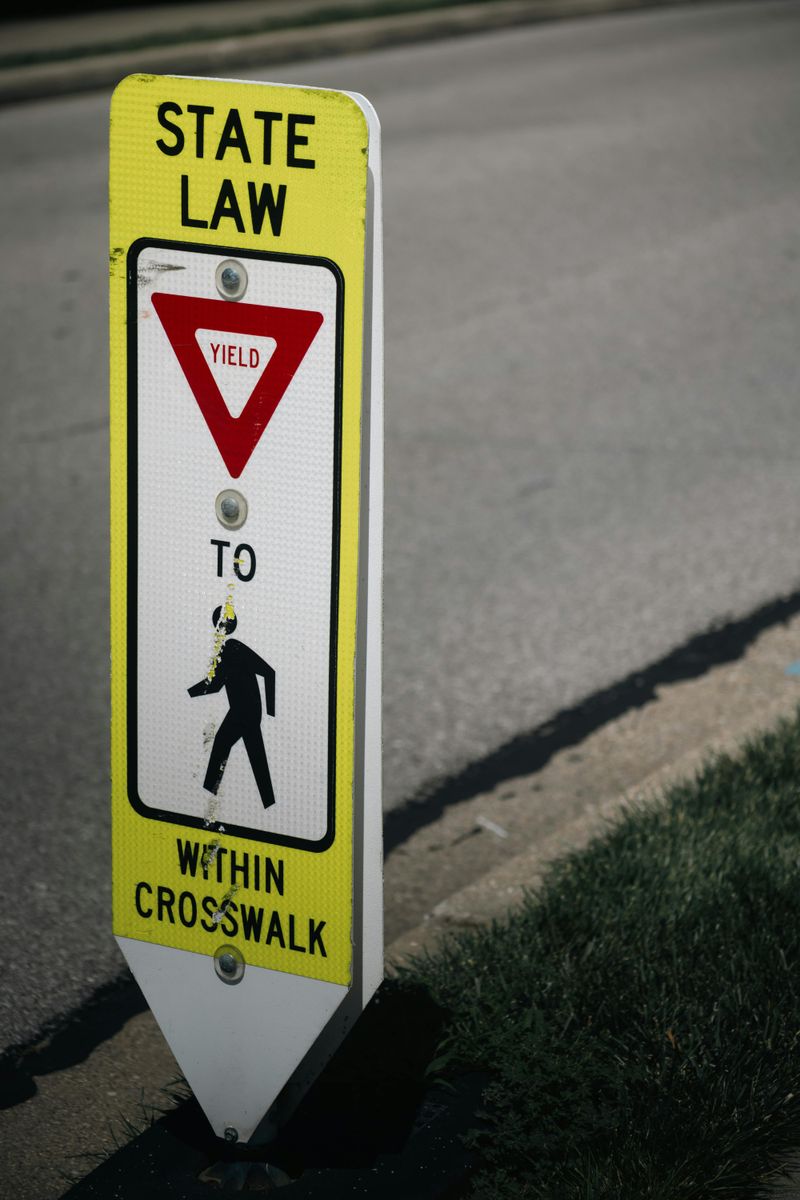
See a car stopped at a crosswalk for no obvious reason? Do not swing around it, because a pedestrian is probably stepping out where you cannot see.
Massachusetts leans hard on crosswalk courtesy, especially in college towns.
Drivers are expected to yield and to stay put while someone crosses.
Marked stripes tell the story, but so do curb ramps and blinking beacons. Watch for small gestures from walkers indicating intent.
Downtown Boston can feel chaotic with short blocks. Take a breath, scan both edges, and let people move first.
Two lane roads are where people mess up. Passing a stopped car near a crosswalk is a fast way to make it dangerous.
In places like Northampton or Brookline, enforcement is culture and law.
You will feel the norm within a few blocks.
If someone waves you through while they stand on the curb, confirm eye contact. Then roll slowly and keep the crosswalk clear.
Pedestrian first is not just a slogan here. It is a shared rhythm you will catch by the second day.
7. “Keep Back 100 Feet” From A School Bus Is In State Law
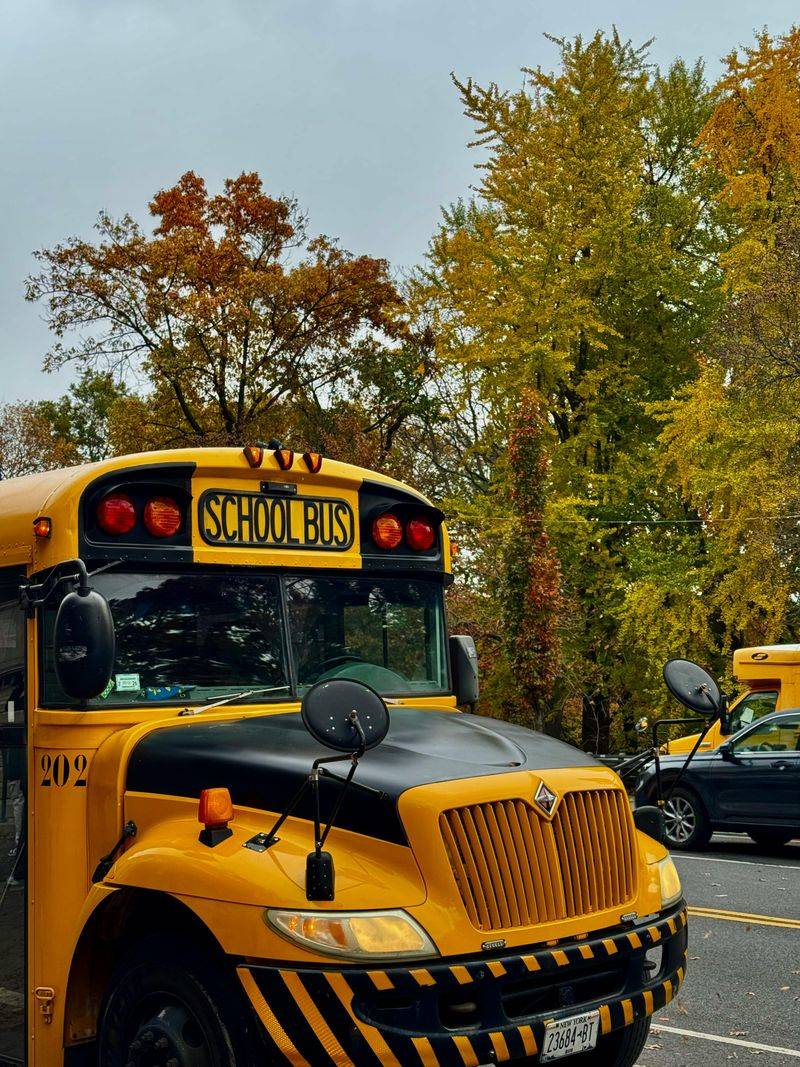
That big stencil on the back of the bus is not a suggestion. Massachusetts puts space around school buses, and drivers are expected to hang back.
When the red lights flash and the stop arm swings out, everything stops. Both directions on most roads will wait until the scene is clear.
Morning routes can snake through tight neighborhoods.
Give yourself time so you are not tempted to tail or pass.
If you lose track of the distance, use car lengths as a gut check. The key is leaving real breathing room and staying patient.
On highways with divided barriers, rules can shift. Still, whenever you see kids boarding, silence the rush and settle in.
Buses also make wide turns into school lots. Do not try to slide alongside because the rear swings wider than you think.
Massachusetts takes kids on foot and curb edges seriously.
Crossing guards amplify that energy with clear hand signals.
Once the bus folds the sign and rolls, restart gently. You will get where you are going with calmer shoulders.
8. Fortune Telling For Money Requires A Local License

Spot a palm in a window and think about popping in for a quick reading? In Massachusetts, paid fortune telling usually needs a local license displayed inside.
Towns handle this permit at the municipal level with interviews and checks.
It is a quirky slice of regulation that tourists tend to learn later.
If the shop is legit, the certificate is often framed near the desk. Ask kindly if you do not see it, because many readers are proud of the approval.
Street fairs sometimes host readers under tents. The same rule can apply, depending on the town and setup.
This is less about spoiling the fun and more about consumer protection. Massachusetts loves paper trails and tidy records.
In Salem, the standard is well known around October.
You will find plenty of licensed spots with calm, candlelit rooms.
Licensing also helps set expectations for time and scope. If anything feels off, you can step out with no drama.
Snap a photo of the posted license for memory and clarity. It becomes part of the story you will tell later.
9. Littering Near Roads Or Into Coastal/Inland Waters Is Illegal

New England pride shows up in how clean the beaches and trails look. Massachusetts puts teeth behind that feeling with a firm anti littering rule near roads and waters.
It covers bottles, wrappers, and anything tossed from a window.
Coastal spots and lake towns treat it as a community promise.
On the Cape, small bins pop up along boardwalks and parking edges. Use them, or carry a tiny bag and empty it later.
Inland, the same vibe holds on the rail trails. Keep your pockets clear and your backpack simple.
Storm drains lead straight to ponds and harbors. That is why signs feel a little stern in sensitive areas.
Cleanups happen after big weekends, and locals notice who helps.
You can join for an hour and feel like part of the place.
If wind picks up, secure anything that could fly. Hats, receipts, and tags become unplanned travelers.
It is a small habit that earns silent nods on the path. Massachusetts runs on those quiet nods.
10. Secretly Recording Audio Conversations Is Restricted
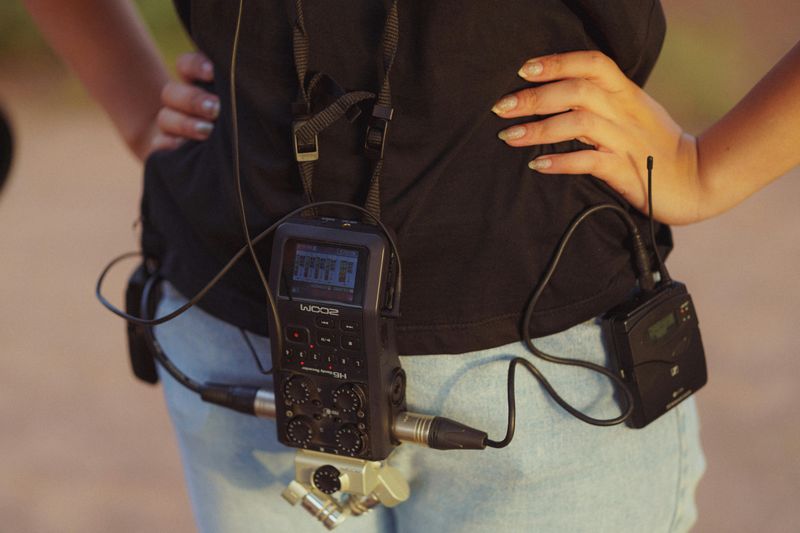
Thinking about recording a lively chat for memories? Massachusetts treats secret audio very carefully, and all parties generally need to consent.
That means no sneaky voice memos at a cafe or in a rideshare.
Openly asking is the simple shortcut that keeps everything clean.
Public spaces can feel fair game, but audio privacy rides with the person. If you want ambient sounds, capture wide room noise without targeting people.
Journalists follow strict steps here as well. The line sits firmly on consent rather than location.
Video without sound is a different conversation.
Still, a posted sign or a friendly heads up can save confusion.
If someone says no, that is the end of it. There is no social penalty for respecting the rule.
When in doubt, write notes after the moment. Your memory plus a few details will carry the story.
Massachusetts leans toward courtesy baked into law. Treat voices like personal space and you will be fine.
11. Right-On-Red And Intersection Right-Of-Way Rules Are Codified
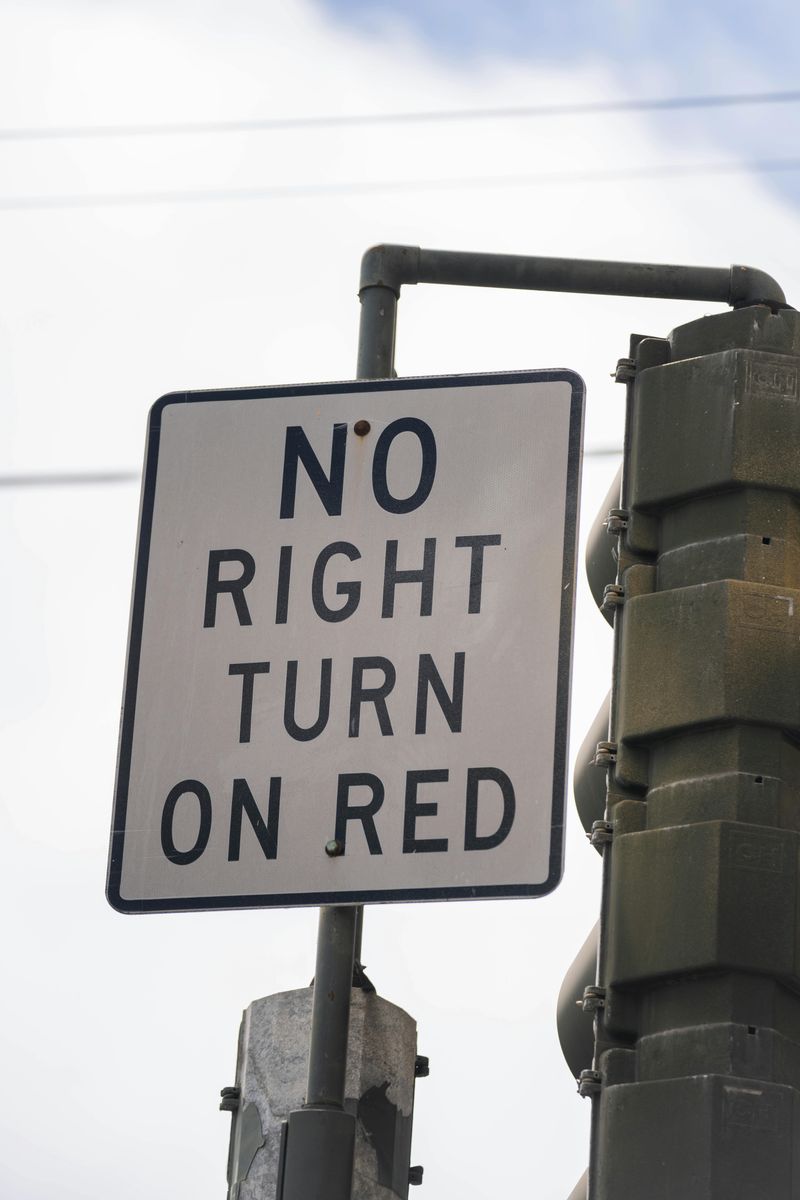
Right on red is not a blanket permission here. In Massachusetts, you must stop fully and also watch for posted signs that ban the turn.
Downtown areas love those exceptions. The sign might sit next to a tree or halfway down the pole.
Right of way gets nuanced at short blocks and odd angles.
Yield to whoever is already in the intersection and roll only when it is undeniably clear.
Rotaries are their own tiny world. Enter after traffic passes and exit with blinker discipline.
Cross traffic can appear fast from side streets. That full stop buys time to scan and breathe.
If someone honks, do not rush the turn. Locals would rather you be smooth than bold.
At night, light glare can hide the no turn sign. Creep forward a foot and look again before deciding.
Once you catch the pattern, Massachusetts intersections feel orderly. The trick is patience at the line.
Dear Reader: This page may contain affiliate links which may earn a commission if you click through and make a purchase. Our independent journalism is not influenced by any advertiser or commercial initiative unless it is clearly marked as sponsored content. As travel products change, please be sure to reconfirm all details and stay up to date with current events to ensure a safe and successful trip.
