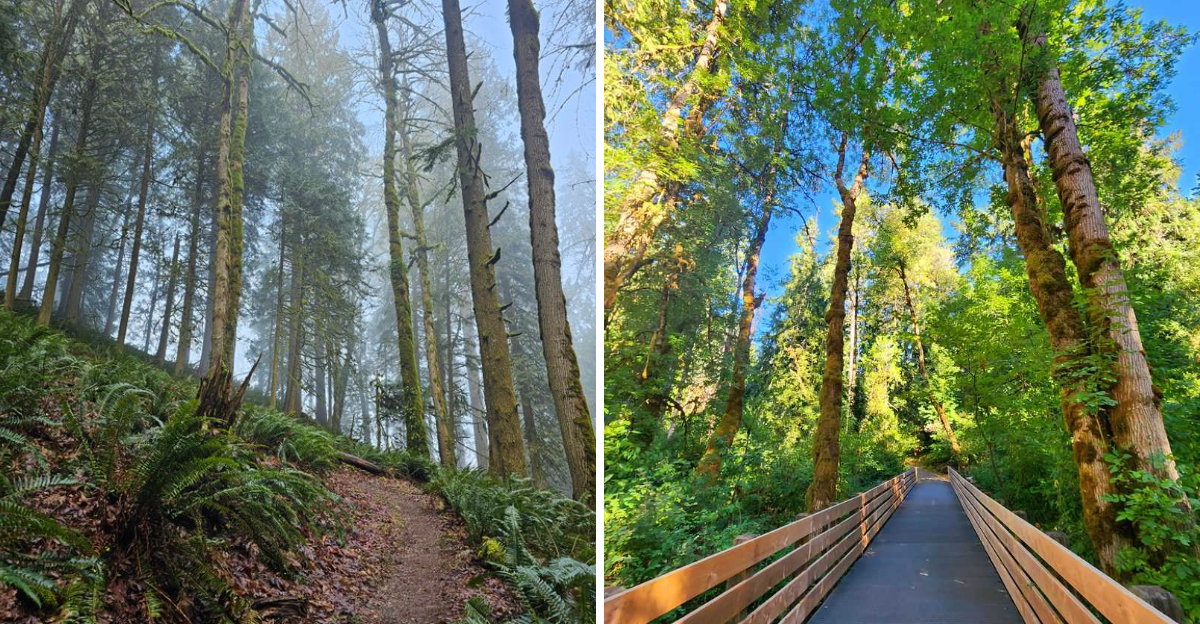
You feel it the moment you cross into Oregon, a pull toward places where rivers run clear and mountains hold the horizon.
Locals do more than admire the scenery, they roll up their sleeves to protect it because daily life depends on healthy forests, rivers, and coasts.
Travel here and you will see how stewardship shows up in trail crews, urban tree canopies, and science based restoration that keeps communities thriving.
Keep reading to discover ten grounded reasons Oregonians defend nature, and where you can experience that spirit on the ground.
1. Clean Water And Air Begin In The Forests
Oregon communities rally for forests because clean water starts with healthy canopies and intact soils.
Hike the Wildwood Trail at Forest Park, 4099 NW Thurman St, Portland, OR 97210, and you notice how mossy roots hold rain where it falls.
That quiet sponge effect keeps sediments out of taps from the Bull Run watershed, which locals defend through strict protection and careful access.
You feel the air shift on shaded switchbacks, a reminder that trees filter particulates and cool neighborhoods.
Visitors often arrive for views, then stay longer once they realize the city’s green edges literally safeguard lungs.
This is not scenery alone, it is public health infrastructure that is living, layered, and resilient.
Volunteer days across Oregon focus on trail repair, invasive pullouts, and replanting, simple acts that multiply downstream benefits.
Stand by a culvert replaced to let a creek meander and you hear quiet water that once rushed brown after storms.
The difference shows up as clarity, as salmon returns, as fewer boil notices after heavy rain.
Travelers can support this work by sticking to designated paths and packing out every scrap.
Small choices protect root systems that bind slopes and keep dust out of summer air.
When fog lifts over Douglas fir, the link between forest care and household faucets becomes obvious.
Oregon proves that climate comfort and clean breath are not accidents, they are outcomes of steady stewardship.
Walk slowly, notice the filtered light, and you will understand why locals guard the watershed like family.
2. Nature Powers A Thriving Recreation Economy
Tourism in Oregon flourishes because landscapes invite year round adventures that feed local livelihoods.
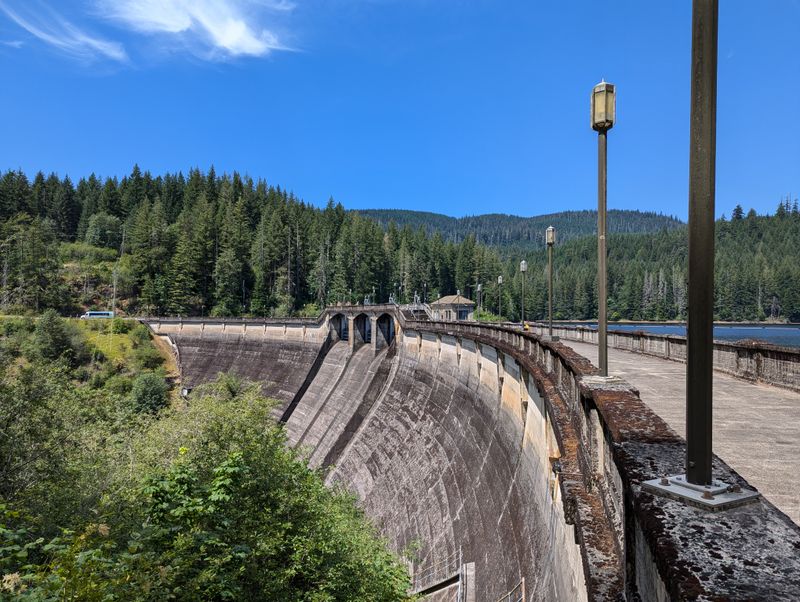
Start at Mount Hood National Forest, Zigzag Ranger Station, 70220 E Highway 26, Zigzag, OR 97049, where trail maps guide hikers, bikers, and skiers to well loved routes.
Shops in nearby communities rent gear, fix boots, and offer beta that keeps visitors safe and respectful of terrain.
When you pay for a shuttle or a campsite, your dollars circulate through family businesses and seasonal jobs.
Guides teach Leave No Trace, trail crews keep paths open, and outfitters back conservation that protects the very draw.
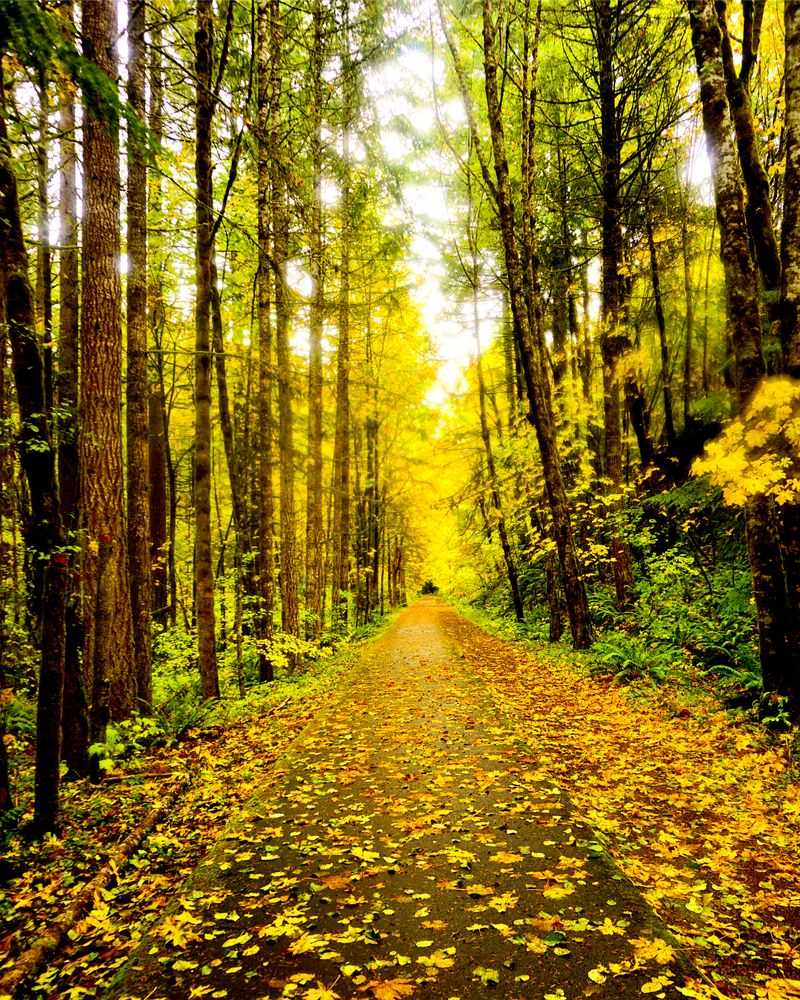
You see this connection clearly on the Banks Vernonia State Trail, 18272 NW Sellers Rd, Banks, OR 97106.
Cyclists glide through cedar shade, then stop in town centers that showcase restored storefronts and parklets.
Coastal towns from Astoria to Brookings welcome storm watchers who fill lodging during winter’s dramatic surf.
This dependable shoulder season brings stability, which in turn funds beach access improvements and dune restoration.
Visitors win with better amenities, locals benefit from resilient business plans, and habitats get room to recover.
Oregon’s recreation economy grows strongest when landscapes stay healthy, accessible, and inclusive.
That is why permits, trail quotas, and parking reservations appear in popular places, balancing demand with care.
Respect these systems, arrive prepared, and you help keep the experience smooth for everyone.
The state shows how adventure can pay the bills while protecting the source of wonder.
3. Climate Solutions Grow In Old Forests And Wetlands
Oregonians champion mature forests and coastal wetlands because these living systems store carbon naturally.
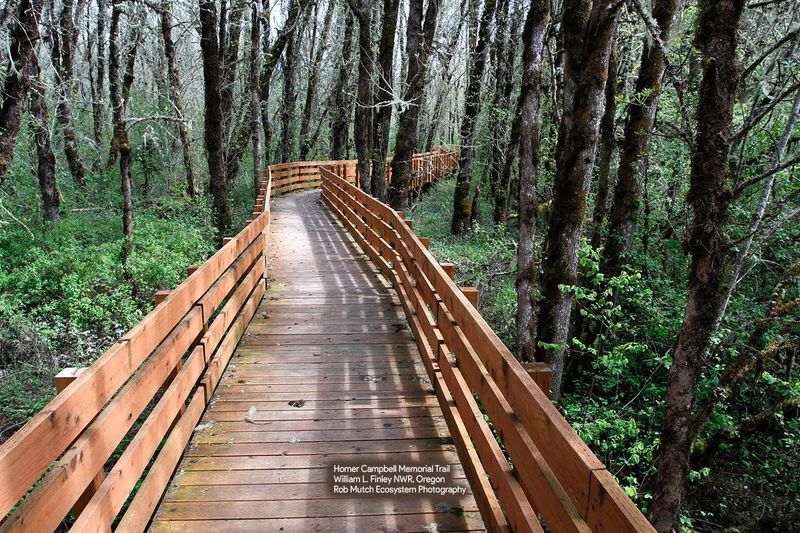
Walk the boardwalk at William L. Finley National Wildlife Refuge, 26208 Finley Refuge Rd, Corvallis, OR 97333, and watch willow shadows ripple across still water.
Peat rich soils and root networks quietly bank greenhouse gases for generations if left intact and hydrated.
On the coast, the South Slough National Estuarine Research Reserve, 61907 Seven Devils Rd, Charleston, OR 97420, pairs science with trails.
Here, visitors learn how eelgrass meadows cradle young fish while marsh plants slow storm surges.
Standing on an overlook, you can feel how wind, tide, and grass knit a buffer that protects inland towns.
Old growth stands play a similar role up in the Coast Range and Cascades, where canopy layers keep air cool and damp.
These microclimates reduce wildfire intensity, shelter species, and secure year round moisture.
In Oregon, climate action shows up as culvert removals, beaver friendly strategies, and careful thinning near communities.
Every project is tuned to a place, using local knowledge and monitoring to guide the next step.
Travelers can support by staying on boardwalks, respecting closures, and sharing observations with rangers.
Small notes about birds or water levels help scientists track seasonal changes that matter.
When you leave, the memory that lingers is the hush of layered green above tidal silver.
That quiet is the sound of carbon staying put, which is why Oregon treats mature ecosystems as climate allies.
4. Biodiversity Thrives From Deserts To Rainforests
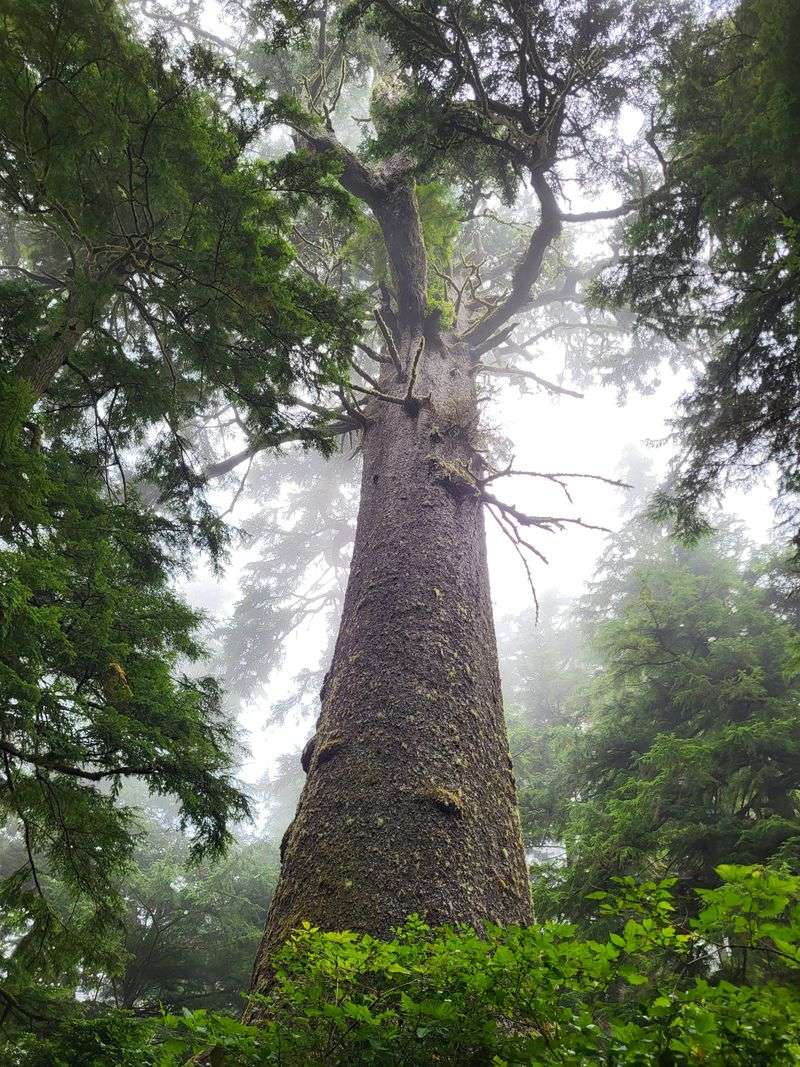
Oregon stretches from sagebrush steppe to dripping rainforest, and that range supports astonishing life.
At Smith Rock State Park, 9241 NE Crooked River Dr, Terrebonne, OR 97760, cliffs rise above a looping river favored by raptors.
The trail skirts switchbacks where native bunchgrasses hold the soil and wildflowers draw pollinators in spring.
Shift west to Cape Meares State Scenic Viewpoint, 3500 Cape Meares Loop, Tillamook, OR 97141, and the air smells like ocean spray and spruce.
Here, seabird colonies nest on offshore rocks while Sitka trunks frame viewpoints along safe railings.
The contrast is real and immediate, a lesson in how many homes nature builds within one state.
Up north, the Sandy River Delta, 4100 NE 223rd Ave, Troutdale, OR 97060, restores meadow, forest, and wetland mosaics.
Artful wayfinding meets dog friendly paths that connect people to habitats without stressing wildlife.
Conservation groups partner with tribes and agencies to remove barriers and replant with regionally sourced seedlings.
You witness biodiversity as motion, as textures, as layers of shade and open space.
Each stop reveals how careful access can protect nesting areas and rare plants.
Look for interpretive signs that explain closures and seasonal shifts before you wander further.
Oregon’s variety invites patience because every bend reveals another ecological niche.
Travel with respect, and the state rewards you with living classrooms that deserve a lifetime of return visits.
5. Well Being Blossoms In Accessible Green Spaces
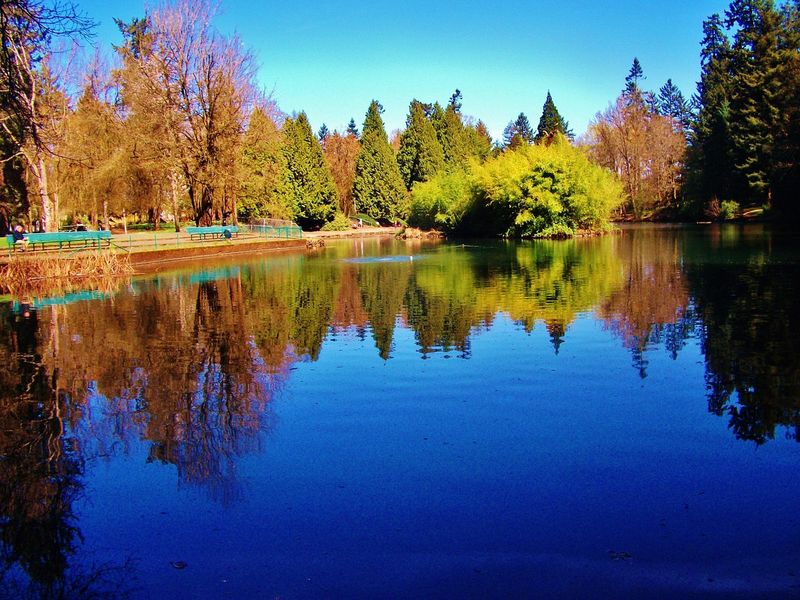
Nature time in Oregon is not a luxury, it is daily care for body and mind.
In Portland, Laurelhurst Park, SE Cesar E Chavez Blvd and SE Stark St, Portland, OR 97214, offers shaded loops where morning walkers find quiet.
You can hear crows, wind in maple leaves, and the soft creak of park benches settling.
Spaces like Alton Baker Park, 100 Day Island Rd, Eugene, OR 97401, thread paths beside the river so families can move at their own pace.
Bridges cross water that mirrors sky, creating steady rhythms that lower shoulders and lengthen breaths.
Even brief visits reduce stress when phone notifications stay tucked away.
Oregon cities invest in trees, trails, and river access because health data supports what locals already know.
Greenery cools heat pockets, encourages gentle movement, and builds social connection in public places.
Travelers feel included through clear signs, open restrooms, and accessible routes that welcome mobility aids.
When planning a day, look for shade, drinking fountains, and transit links to avoid parking strain.
Take breaks, keep voices soft near herons, and greet volunteers who prune, mulch, and pick up litter.
You leave calmer, which is the best souvenir and the safest way to travel well.
Oregon proves that urban nature belongs to everyone when it is maintained with care and patience.
Peace becomes portable when parks are easy to reach, easy to love, and easy to protect.
6. Heritage And Identity Rooted In Landscapes
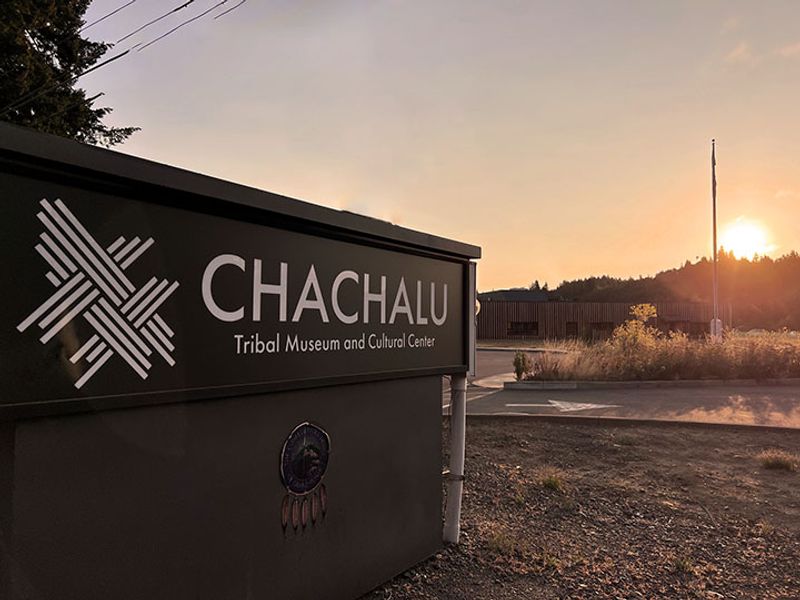
Oregon’s identity is braided with rivers, forests, and headlands that shape how communities gather and celebrate.
At the Confederated Tribes of Grand Ronde’s Chachalu Museum, 8720 Grand Ronde Rd, Grand Ronde, OR 97347, exhibits honor ancestral ties to place.
Respectful visits begin with reading signs, learning protocols, and moving with quiet attention.
In The Dalles, Columbia Gorge Discovery Center, 5000 Discovery Dr, The Dalles, OR 97058, traces stories of trade, migration, and stewardship.
Large windows frame grasslands and river bends so history stays linked to living landscapes.
You feel continuity where cultural teachings guide the care of salmon, camas, and cedar.
Festivals, markets, and volunteer days across Oregon echo these values without turning them into souvenirs.
Travelers contribute by supporting tribally led programs and choosing guides who consult with local partners.
Interpretive trails invite people to slow down and read the land like a book with many authors.
Thoughtful design avoids trampling sensitive plants while still welcoming families and school groups.
In heritage spaces, the best photo is often a viewline preserved for elders and youth to share.
Listen first, then step lightly, and gratitude will follow naturally.
Oregon’s culture remains vibrant when landscapes are respected not as backdrops but as relatives.
That is why you will see stewardship woven through museums, trail signs, and community calendars statewide.
7. Community Stewardship You Can Join
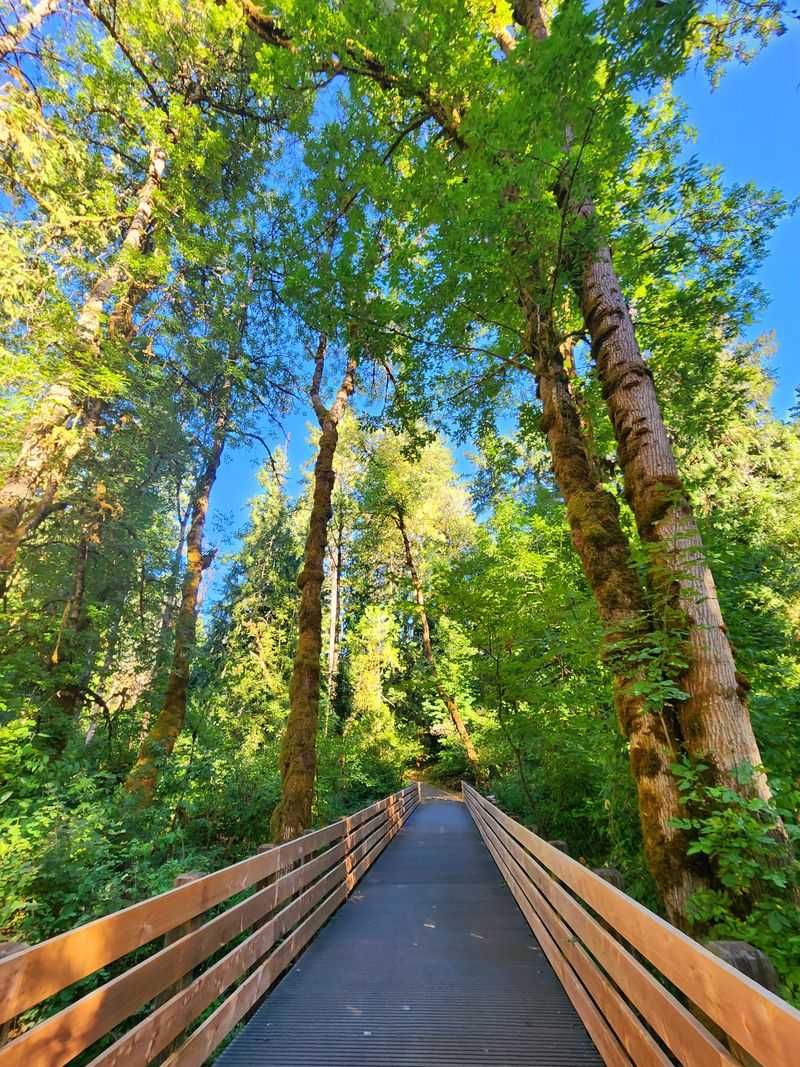
Across Oregon, neighbors organize work parties that turn care into visible change on the ground.
Check the calendar at Tualatin Hills Nature Park, 15655 SW Millikan Way, Beaverton, OR 97003, for habitat restoration days.
Staff set out gloves and tools, then guide volunteers through invasive pulls and native plantings.
On the coast, Sitka Sedge State Natural Area, 4985 Clay Myers State Natural Area Rd, Cloverdale, OR 97112, hosts tidy boardwalk projects.
These sessions keep feet on durable surfaces while letting marsh grasses spread uncrushed.
Each hour adds up to healthier trails, safer viewing platforms, and better wildlife corridors.
Stewardship also looks like community science, where photos and notes feed regional databases.
Rangers appreciate precise trail names, dates, and weather details, which make reports useful.
Bring water, closed shoes, and curiosity, and respect any closures that protect nesting seasons.
Kids are welcome at many events because learning starts with hands in the soil.
Oregon builds pride by inviting visitors to show up like locals, patient, practical, and kind.
Afterward, you will notice more, from seedlings along a verge to new signage at a junction.
Stewardship becomes a habit that travels home with you and grows roots there.
That is the quiet power behind Oregon’s lasting love for nature.
8. Sustainable Resource Management In Working Forests
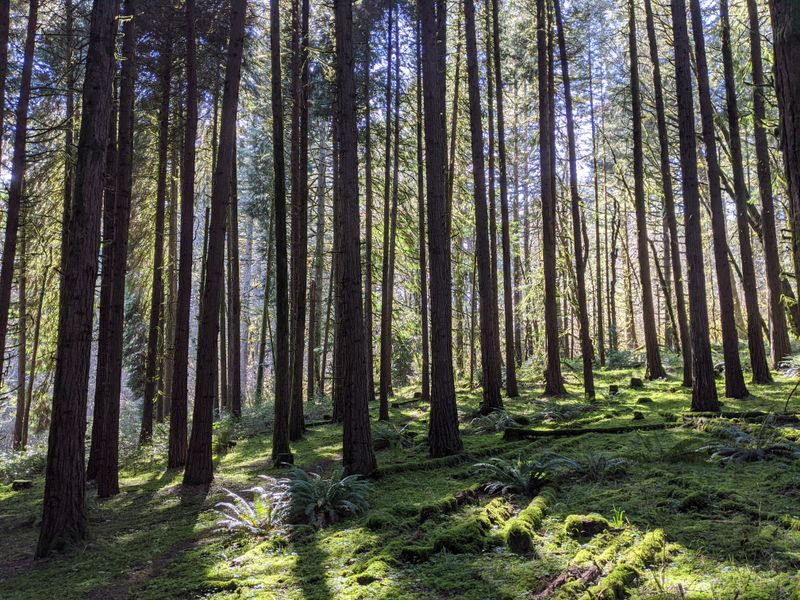
Oregon promotes modern forest practices that balance timber, habitat, and water protections.
In Corvallis, the OSU Research Forests Peavy Arboretum, 8692 NW Peavy Arboretum Rd, Corvallis, OR 97330, showcases mixed age stands and demonstration plots.
Visitors can walk loops that explain thinning near communities and wider buffers along fish bearing streams.
Signs outline how road design, culverts, and slash management keep sediment out of creeks during storms.
These details matter because downstream neighborhoods depend on clean water and steady slopes.
Working lands also host recreation where it is compatible with wildlife and restoration schedules.
Trails open and close seasonally, a reminder that safety and habitat come first.
In the Tillamook State Forest, 45500 Wilson River Hwy, Tillamook, OR 97141, the Forest Center helps visitors understand the mosaic.
Fire history, regeneration, and habitat features appear as living lessons outside the exhibit hall.
When people see the full cycle, debates feel more grounded and collaborative.
Oregon’s approach evolves with research, modeling, and community input, not one size fits all rules.
Support the system by checking alerts, staying on signed roads, and yielding to work crews.
You enjoy quiet trails today because careful planning protects tomorrow’s shade and streams.
That reciprocity defines how Oregon manages shared forests for generations.
9. Healthy Forests Reduce Disasters Before They Start
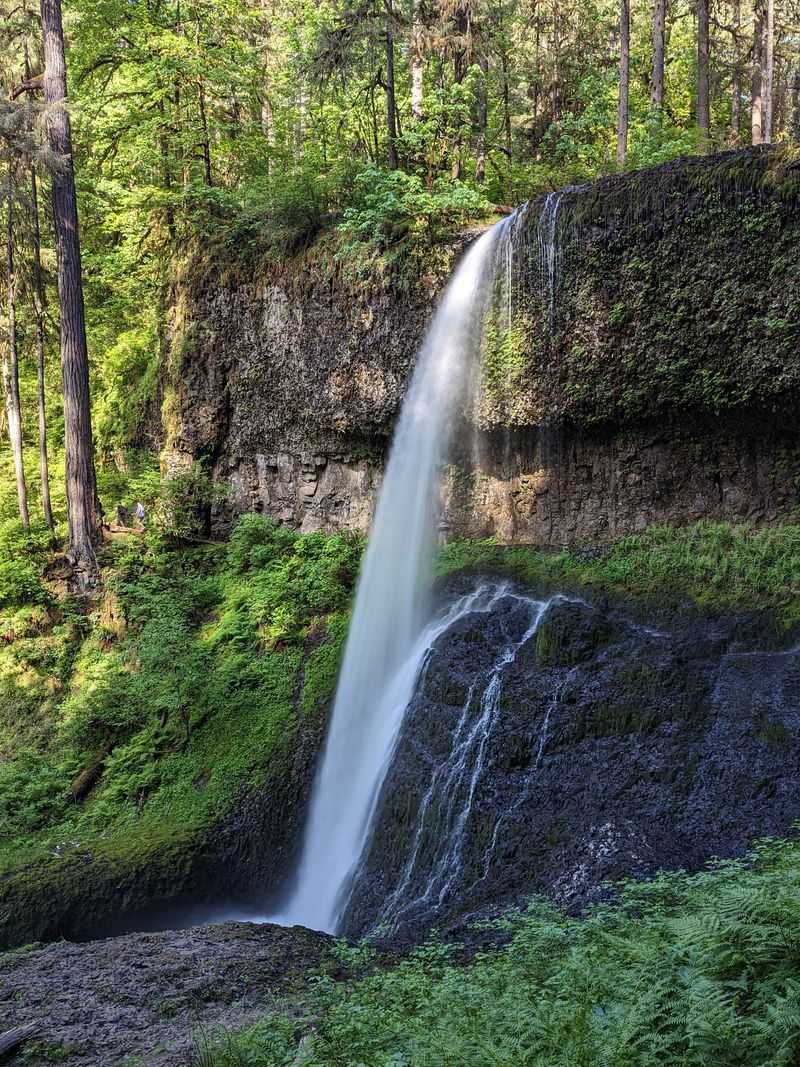
Intact forests protect communities by holding soil in place and slowing stormwater before it surges.
At Silver Falls State Park, 20024 Silver Falls Hwy SE, Sublimity, OR 97385, trails wind through canyons where roots knit steep walls.
Look closely at switchbacks and you will see drainage features that keep paths from rutting during heavy rain.
Those same principles scale up across watersheds where woody debris disperses energy and reduces damage.
Oregon invests in culvert upgrades, slope stabilization, and riparian buffers that keep roads open and bridges safe.
Healthy vegetation acts like a living dam that releases water gradually after storms.
On the coast, Oswald West State Park, Oregon Coast Hwy, Arch Cape, OR 97102, shows how forested headlands resist slides.
Trail closures protect fragile areas until roots and duff rebuild their grip on thin soils.
Visitors help by honoring signs, stepping over water bars, and staying centered on tread.
Simple choices limit erosion that would otherwise choke fish habitat downstream.
Oregon’s mix of steep terrain and seasonal rains demands this constant care.
Land managers monitor trouble spots and move quickly when weather shifts.
As a traveler, you can report downed limbs or blocked drains at trailheads with posted numbers.
Shared vigilance keeps landscapes and towns safer, one careful step at a time.
10. Wild Salmon And Bald Eagles Need Functional Habitat
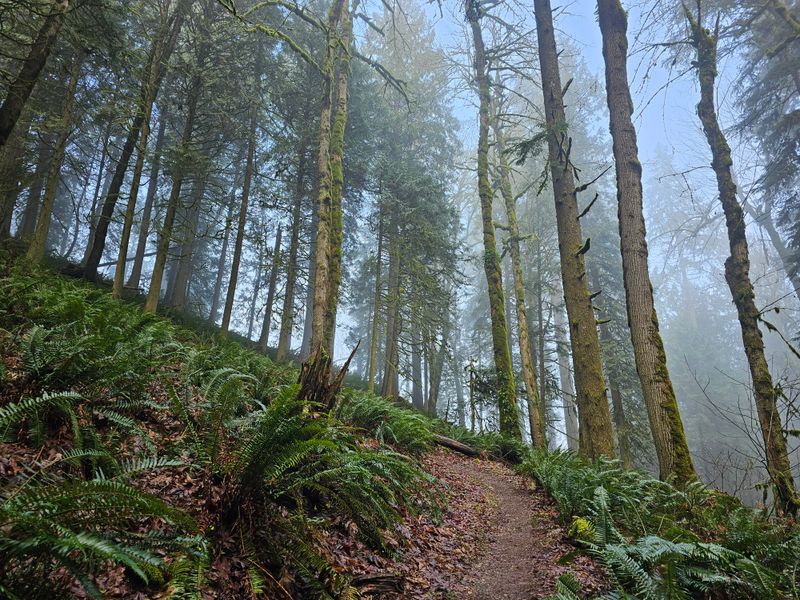
Species that define Oregon rely on rivers and forests that move and breathe naturally.
At Oxbow Regional Park, 3010 SE Oxbow Pkwy, Gresham, OR 97080, side channels weave through cottonwood groves that shelter young salmon.
You can stand on a bend and watch water split around anchored logs that create calm pools.
Upstream, the Sandy River Basin has benefited from dam removals and restoration that reconnects gravel and shade.
Bald eagles nest near reliable food where river health persists through drought and heat.
Read the kiosk before you walk so you know which paths skirt sensitive shoreline.
On the Rogue River at TouVelle State Recreation Site, 8601 Table Rock Rd, Central Point, OR 97502, broad riffles shimmer beside basalt cliffs.
Restoration plantings here reduce bank erosion and protect cool microhabitats.
Anglers and paddlers share space by yielding at launches and packing out line and straps.
Your choices write the next chapter for salmon runs and raptors overhead.
Oregon treats fish passage, riparian shade, and gravel recruitment as non negotiable basics.
When those pieces click, the whole river web tightens and grows more resilient.
Visitors can help by respecting seasonal closures and giving nests a wide berth.
Healthy habitat invites wildlife to stay, which is the best sign a river is healing.
11. A Living Legacy For Future Generations
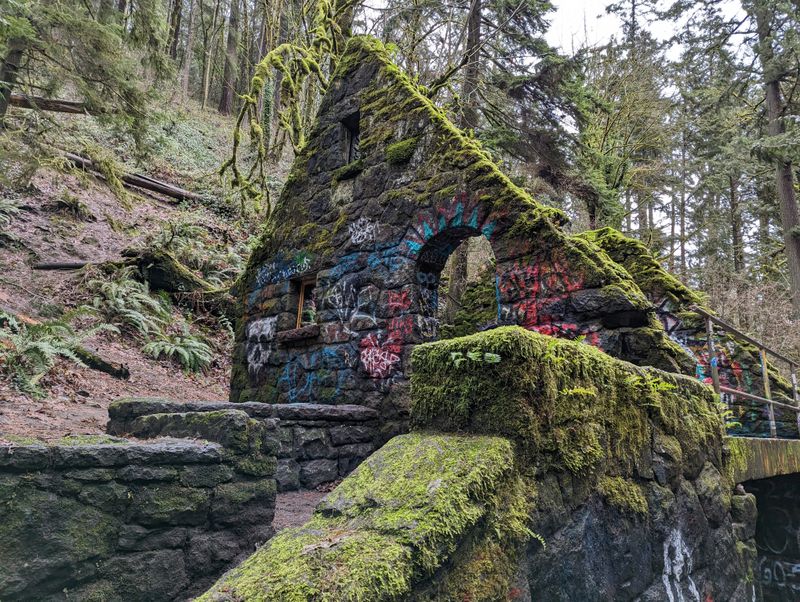
People in Oregon speak about legacy because decisions today shape landscapes kids will inherit tomorrow.
Climb to the Stone House overlook in Portland’s Forest Park, Lower Macleay Trailhead, 2960 NW Upshur St, Portland, OR 97210, and you sense time layered in moss.
The city around you stays livable when green corridors persist and creeks run clear.
Farther south at Spencer Butte Park, 2450 Spencer Butte Rd, Eugene, OR 97405, a short climb leads to sweeping valley views.
Trail work here protects rare plants while opening routes that welcome a wide range of abilities.
These details make outdoor culture inclusive, resilient, and rooted in care.
Legacy is not a plaque, it is a path that stays open because people show up.
Volunteer crews, educators, and students weave stewardship into school projects and weekend plans.
As a traveler, you can mirror that by choosing transit, sharing rides, and avoiding muddy trails after storms.
Those choices add up to fewer ruts, quieter wildlife, and smoother visits for everyone.
Oregon’s promise to the future is visible in restored overlooks and thoughtful trail design.
Interpretive panels describe what changed, what returned, and what still needs care.
Reading these signs connects your steps to a larger story of patience and hope.
Carry that feeling home, and the legacy grows beyond state lines.
Dear Reader: This page may contain affiliate links which may earn a commission if you click through and make a purchase. Our independent journalism is not influenced by any advertiser or commercial initiative unless it is clearly marked as sponsored content. As travel products change, please be sure to reconfirm all details and stay up to date with current events to ensure a safe and successful trip.
