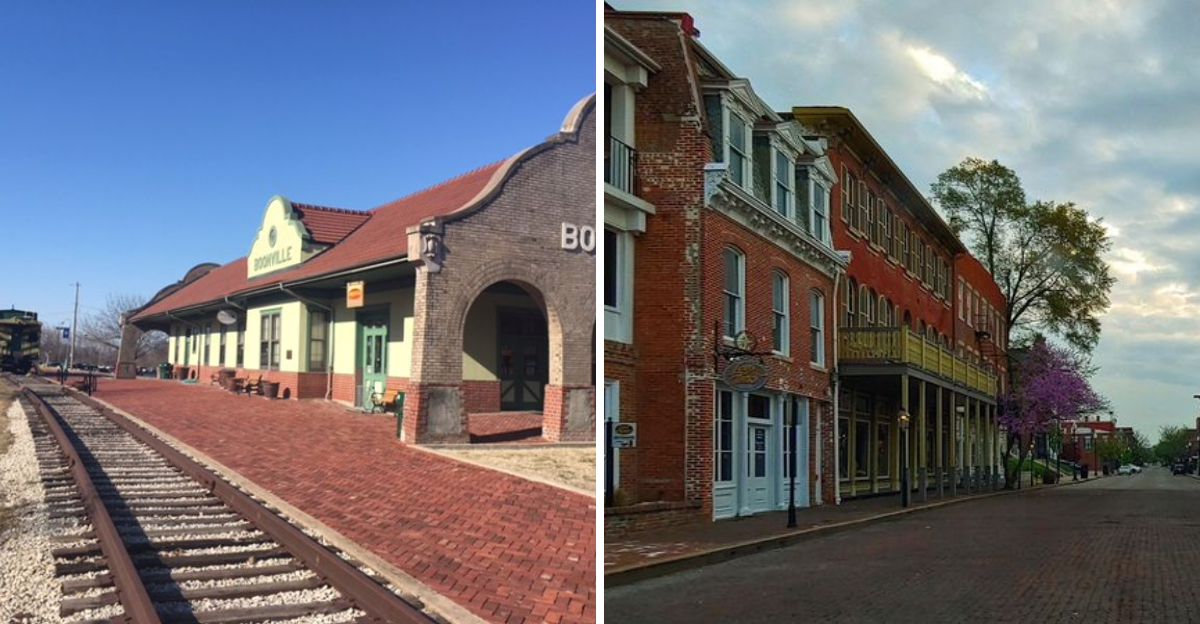
Missouri has a way of preserving things. Not in museums, not behind glass cases, but right out in the open where you can walk down Main Street and feel like you have slipped through a crack in time.
Eleven towns across the Show Me State have managed to keep their calendars stuck somewhere around 1955, offering a rare glimpse of what America looked like before the interstates and the strip malls and the rush of modern life.
The hardware stores still sell nails by the scoop. The five and dimes still stock toys in cardboard bins.
The diners still serve pie on heavy white plates, and the waitresses still call you honey without a trace of irony. Movie theaters with single screens and vintage marquees show matinees on Saturday afternoons.
Drugstores still have soda fountains, and the pharmacist might have known your grandparents by name.
These towns are not reenactments or tourist traps dressed up for photo opportunities. They are real places where real people live, work, and raise families, just at a slightly slower speed than the rest of the country.
1. Ste. Genevieve
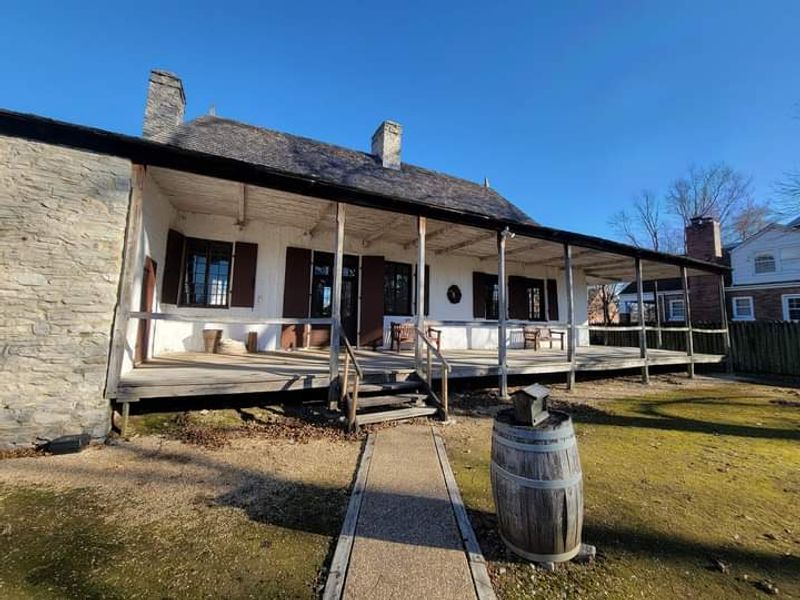
Founded in the 1730s, Ste. Genevieve is the oldest permanent European settlement in Missouri, and walking its streets honestly feels like stepping into a French colonial painting.
The Ste. Genevieve National Historical Park anchors the entire experience.
The park is located at 280 Market St, Ste. Genevieve, MO 63670, and it protects some of the best-preserved French Creole architecture in the entire country.
I spent a morning just standing in front of the Bolduc House, a vertical-log structure from the 1780s, completely stunned that it still exists in such good shape. The town itself is compact and deeply walkable.
Every block seems to hold another surprise, from a 200-year-old stone church to a general store that looks unchanged since the Civil War era. The Mississippi River sits just a short drive away, adding a moody, scenic backdrop to the whole visit.
Spring and fall are the best times to come, when the humidity backs off and the light turns golden in the late afternoon. Local festivals celebrating the town’s French heritage pop up regularly throughout the year.
One thing I did not expect was how personal the history feels here. There are no giant theme park crowds, no loud souvenir shops drowning out the atmosphere.
Just quiet streets, old trees, and buildings that have genuinely outlasted centuries.
Ste. Genevieve sits about 60 miles south of St. Louis, making it an easy day trip or a relaxed weekend escape for anyone craving a real connection to Missouri’s deep past.
2. Hermann
There is something wonderfully stubborn about Hermann, Missouri. German immigrants settled here in the 1830s specifically to preserve their culture, and nearly two centuries later, the town is still doing exactly that.
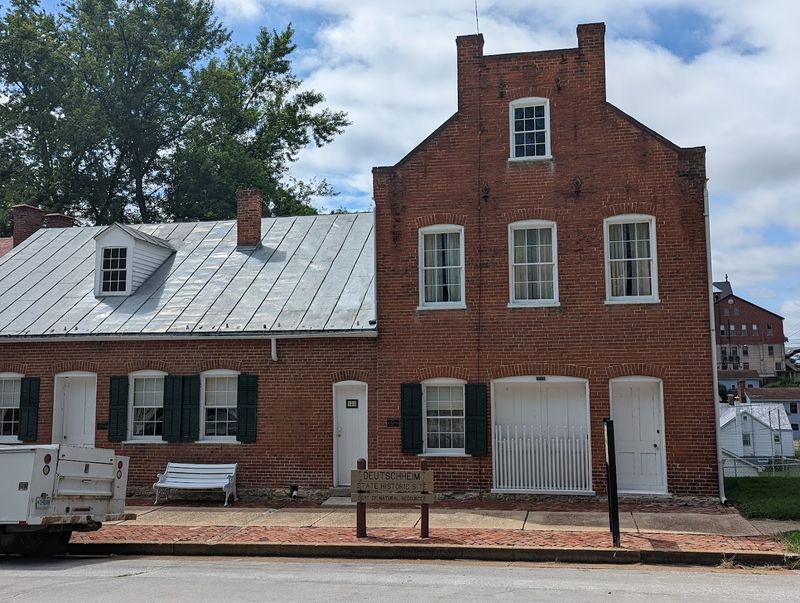
The Deutschheim State Historic Site at 101 W 2nd St, Hermann, MO 65041 is a fantastic starting point. It preserves two historic properties filled with original German immigrant furnishings, tools, and personal belongings that paint a vivid picture of 19th-century life on the Missouri frontier.
Hermann sits in the Missouri River Valley, about 75 miles west of St. Louis, tucked between limestone bluffs and rolling hills that somehow look both wild and tended at the same time.
The town’s brick-paved streets and well-maintained Victorian storefronts give it a storybook quality that feels genuinely earned rather than manufactured.
I wandered through downtown on a quiet Tuesday morning and had most of it to myself. The old opera house, the stone churches, and the hand-painted shop signs all contribute to an atmosphere that rewards slow, unhurried exploration.
Hermann’s historic district features dozens of buildings listed on the National Register of Historic Places. Architecture lovers will find themselves stopping every few steps to examine cornices, ironwork, and carved wooden details.
The best time to visit is during the shoulder seasons of April through May or September through October, when the surrounding hills are either blooming or turning brilliant shades of amber and red.
Hermann is a town that rewards patience, curiosity, and a willingness to simply wander without a strict agenda.
3. Arrow Rock
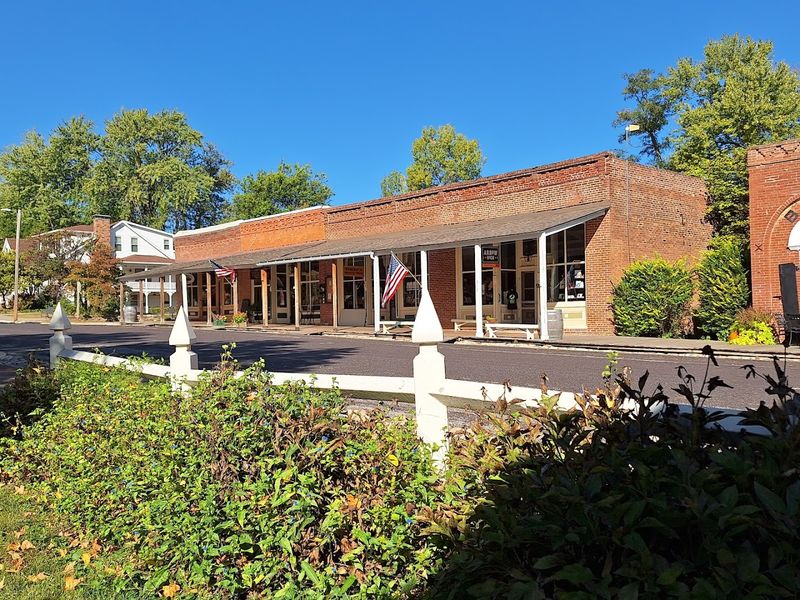
Arrow Rock is one of those places that feels genuinely frozen in time, and I mean that as the highest possible compliment. The entire village is a state historic site, with a population of fewer than 60 people and a main street that looks almost identical to how it appeared in the mid-1800s.
The J. Huston Tavern at 305 Main St, Arrow Rock, MO 65320 is one of the oldest continuously operating restaurants west of the Mississippi River.
Sitting down for a meal there is a surprisingly moving experience, knowing that travelers and traders have been doing the same thing since 1834.
Arrow Rock sits in Saline County in central Missouri, perched above the Missouri River on a bluff that made it a critical stopping point along the Santa Fe Trail. The town’s strategic position meant it was once a thriving hub of commerce and political activity, and the buildings left behind tell that story clearly.
I spent an afternoon walking the entire village in about two hours, which sounds short but felt incredibly full. The old stone jail, the print shop, and the doctor’s office are all preserved and open for exploration.
The Friends of Arrow Rock organization does extraordinary work maintaining the town’s authenticity. Nothing here feels staged or artificially polished, which is rarer than you might think in heritage tourism.
Fall is the most atmospheric season to visit, when the surrounding forests put on a color show and the historic buildings look especially striking against the golden light. Arrow Rock rewards visitors who arrive with curiosity and leave their rushing instincts at home.
4. Carthage
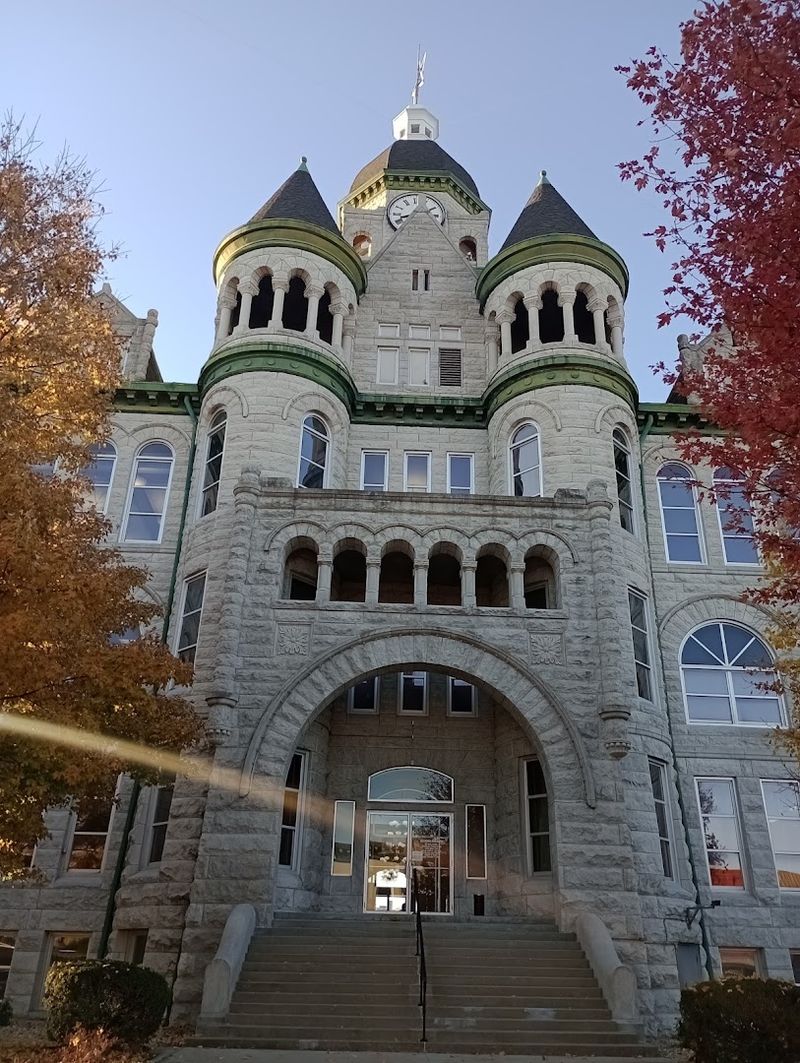
Carthage, Missouri wears its Victorian heritage like a perfectly preserved Sunday suit. The town square is anchored by the jaw-dropping 1894 Jasper County Courthouse, built from locally quarried gray marble and looking every bit as grand as it did when it was new.
The Jasper County Courthouse Square is located at 302 S Main St, Carthage, MO 64836, and it serves as the undeniable centerpiece of a town that takes historic preservation seriously.
The surrounding residential neighborhoods are filled with intact Queen Anne and Italianate homes that line shaded streets in a way that makes every block feel like a postcard.
Carthage sits in the southwestern corner of Missouri, just off historic Route 66, which adds another layer of nostalgic texture to the whole experience. The Mother Road connection means you will also find vintage roadside architecture and classic Americana alongside the Victorian grandeur.
I spent a morning just driving slowly through the residential districts, stopping frequently to photograph porches, turrets, and decorative woodwork. The scale of preservation here is genuinely remarkable for a town of this size.
Carthage has a population of around 15,000, which means it has enough infrastructure to be comfortable without losing the intimate, small-town feel that makes it special. Local shops, diners, and the historic Boots Court motel on Route 66 all contribute to an atmosphere that feels lived-in and real.
October is a wonderful time to visit, when the mature trees along the residential streets turn and the courthouse looks especially dramatic under cooler skies. Carthage is a town that rewards slow drives and unhurried afternoons.
5. Kimmswick
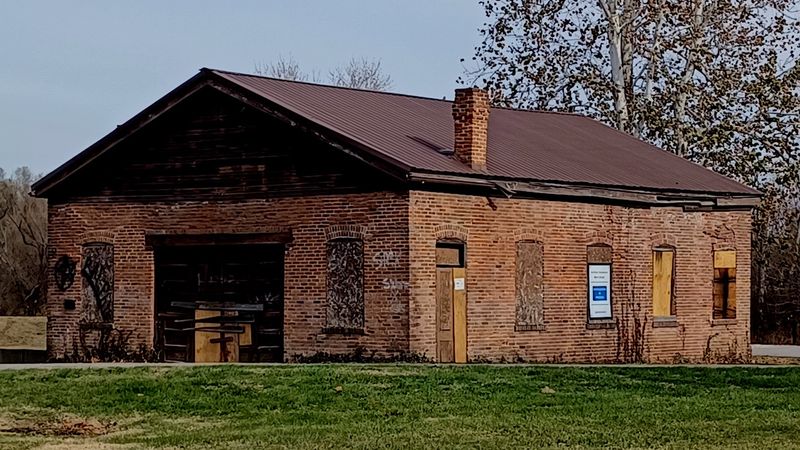
Kimmswick is the kind of place that makes you want to slow your car down the moment you spot it from the road.
Nestled along the Mississippi River in Jefferson County, about 20 miles south of St. Louis, this tiny village of fewer than 200 residents operates at a pace that the modern world seems to have completely forgotten.
The Blue Owl Restaurant and Bakery at 6116 Second St, Kimmswick, MO 63053 is one of the town’s most beloved landmarks. It occupies a Victorian-era building and serves homemade baked goods that have drawn visitors from across the region for decades.
The town itself was platted in 1859 and still has the layout, scale, and architectural character of that era. Brick-paved paths, antique shops housed in original 19th-century buildings, and a general store that looks like it belongs in a history textbook all create an atmosphere of genuine, unhurried nostalgia.
I arrived on a weekday morning and had the streets almost entirely to myself. The quiet was striking, the kind that makes you notice birdsong and creaking wooden floors in old shops.
Kimmswick also sits near Mastodon State Historic Site, where real mastodon bones were discovered, adding a prehistoric dimension to the town’s already layered history. That combination of deep natural history and 19th-century village charm is hard to find anywhere else.
Spring is arguably the most beautiful time to visit, when the town’s flower boxes burst with color and the Mississippi River nearby runs high and dramatic. Kimmswick is small, but it delivers an outsized sense of stepping back in time.
6. Weston
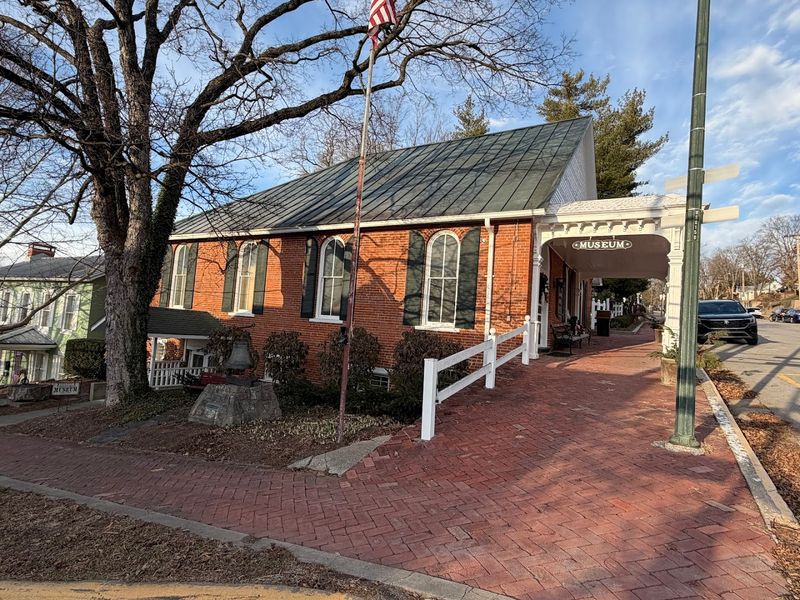
Perched on a bluff in Platte County in northwestern Missouri, Weston is a town that punches well above its weight when it comes to historic charm. It was one of the most prosperous river towns in the state during the mid-1800s, and that prosperity left behind an architectural legacy that still dazzles today.
Hurricane Hill Road, Weston, MO 64098 is one of the most scenic approaches to any town in Missouri, winding through wooded hillsides before revealing the town’s redbrick streets below. The drive alone sets the mood for everything that follows.
Weston’s downtown is compact but packed with beautifully maintained 19th-century commercial buildings, many of which house locally owned shops and restaurants that have been operating for generations.
The historic district includes over 100 buildings listed on the National Register of Historic Places.
I spent an afternoon wandering from the old tobacco warehouse district down to the main commercial strip, and every block offered something new to look at. The scale of the town feels genuinely human, designed for walking and lingering rather than rushing.
One of the most striking things about Weston is how the surrounding landscape plays into the experience. Rolling hills, old orchards, and dense forest surround the town on nearly every side, creating a sense of being pleasantly enclosed in another era.
Fall is the undisputed peak season here, when the hills surrounding Weston erupt in color and the town’s brick streets take on a warm amber glow in the afternoon light. Weston is the kind of place that stays with you long after you have driven back down the hill and rejoined the modern world.
7. Hannibal
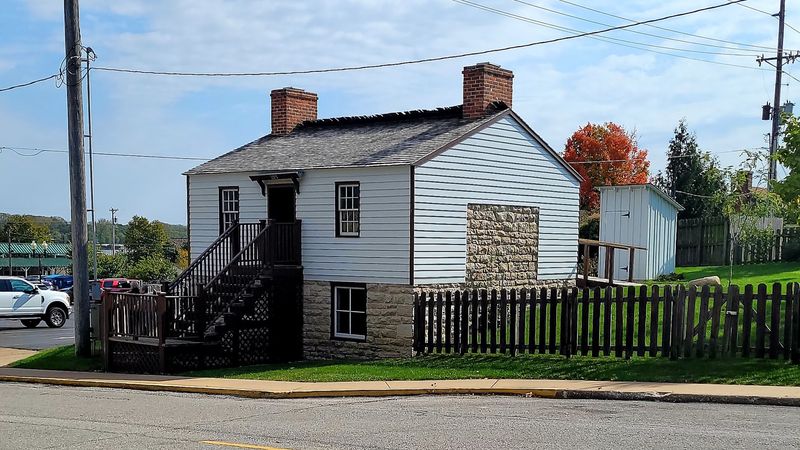
Mark Twain called Hannibal home during his boyhood years, and the town has honored that connection in the most straightforward way possible: by keeping as much of the original 19th-century fabric intact as it can.
Walking through Hannibal’s historic districts feels less like visiting a museum and more like wandering through the actual setting of American literary history.
The Mark Twain Boyhood Home and Museum at 120 N Main St, Hannibal, MO 63401 is the undeniable anchor of any visit.
The white clapboard house where Samuel Clemens grew up still stands on a quiet street, looking remarkably similar to how it appeared when the future author was climbing its fence and dreaming up adventures.
Hannibal sits along the Mississippi River in northeastern Missouri, and the river itself is a crucial part of the town’s identity. The bluffs above the water offer sweeping views that help explain why this stretch of the Mississippi fired the imagination of one of America’s greatest writers.
I took the Cardiff Hill climb on a clear morning and stood at the top watching a barge push slowly upstream. The view has not changed in any meaningful way since Twain described it in his books.
Beyond the Twain connection, Hannibal has a genuinely walkable historic downtown with Victorian commercial buildings, a historic lighthouse, and a riverfront park that invites long, unhurried afternoons. The town is unpretentious and proud in equal measure.
Summer brings the most activity, with river festivals and outdoor events filling the calendar. But spring and fall offer a quieter, more contemplative version of Hannibal that I personally prefer for soaking up the literary and historical atmosphere.
8. St. Charles
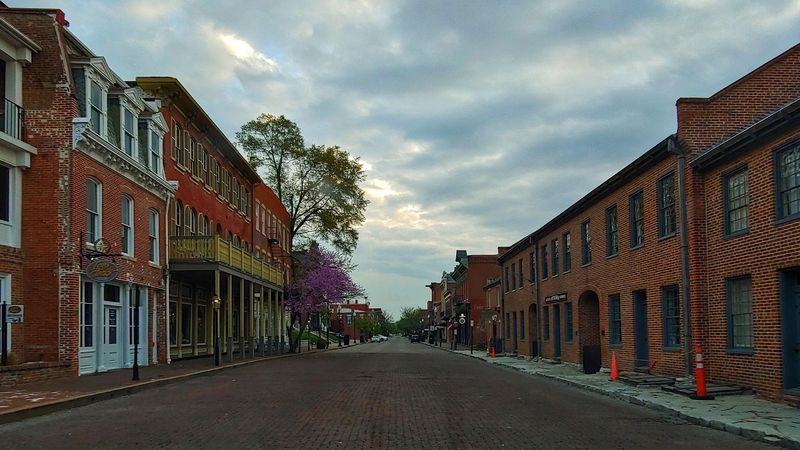
St. Charles holds a distinction that very few American towns can claim: it served as the first state capital of Missouri, from 1821 to 1826, while the permanent capital in Jefferson City was still being built.
That foundational role in Missouri’s history is preserved in a way that feels both accessible and genuinely moving.
The First Missouri State Capitol State Historic Site at 200 S Main St, St Charles, MO 63301 occupies a row of Federal-style brick buildings that still look much as they did when legislators were debating the future of a brand-new state inside them. The scale is surprisingly intimate and human.
St. Charles sits along the Missouri River just west of St. Louis, and its historic Main Street district stretches for several blocks along the river bluff.
The brick-paved street, gas-style lamp posts, and densely packed 19th-century storefronts create one of the most photogenic historic streetscapes in the entire state.
I visited on a crisp October morning and found the street quiet enough to hear my own footsteps on the old brick. The combination of Federal, Greek Revival, and Victorian commercial architecture along a single street is genuinely rare and worth taking time to appreciate.
Beyond the state capitol site, St. Charles has a thriving historic district with independent shops, restaurants in restored buildings, and a riverfront trail that connects to the Katy Trail, one of the longest rail-to-trail conversions in the country.
Any season works for St. Charles, but the holiday season brings an especially warm atmosphere when the historic district lights up and the river air turns cold and crisp. It is a town that earns its place on any Missouri history itinerary.
9. Lexington
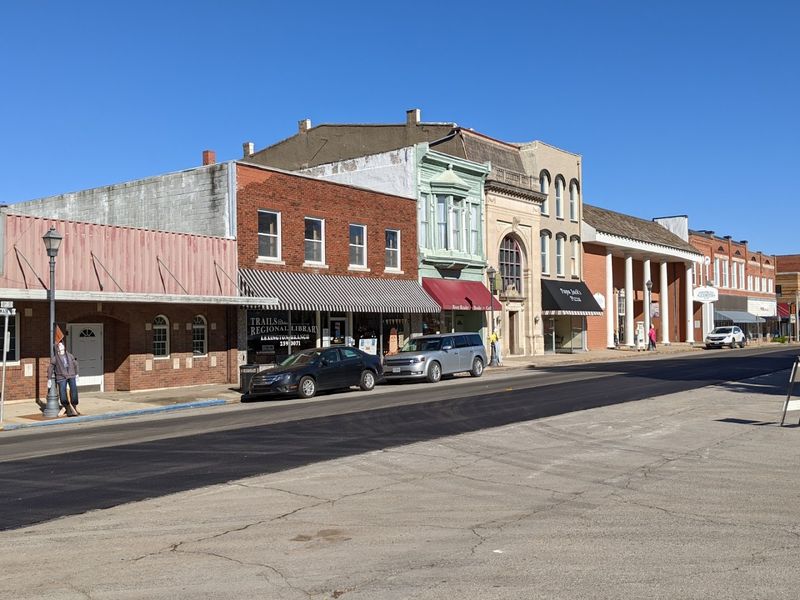
Civil War history runs deep in Missouri, but few towns wear that history as visibly as Lexington.
Sitting on a bluff above the Missouri River in Lafayette County, Lexington was the site of a significant three-day Civil War battle in September 1861, and the landscape still bears the marks of that conflict in ways that are quietly extraordinary.
The Battle of Lexington State Historic Site at 1101 Delaware St, Lexington, MO 64067 preserves the Anderson House, an antebellum mansion that served as a field hospital during the battle. A cannonball is still lodged in one of its columns, frozen in place as a permanent reminder of what happened here.
The town itself sits about 40 miles east of Kansas City and has a historic district filled with pre-Civil War commercial buildings, churches, and homes that survived the conflict and the decades that followed.
The courthouse square and surrounding blocks have a weathered, genuine quality that is distinct from more polished heritage towns.
I spent a full afternoon at the battlefield site and found it unexpectedly affecting. The combination of the preserved house, the earthworks still visible in the landscape, and the sweeping river views creates an atmosphere that is hard to shake.
Lexington also has one of Missouri’s finest collections of antebellum architecture outside of Ste. Genevieve, with entire residential blocks that look remarkably unchanged from the 1850s.
That density of preserved architecture is rare anywhere in the Midwest.
Spring and fall are the ideal seasons to visit, when the surrounding river valley landscape is at its most dramatic and the town’s historic character feels most vivid against the seasonal backdrop.
10. Boonville
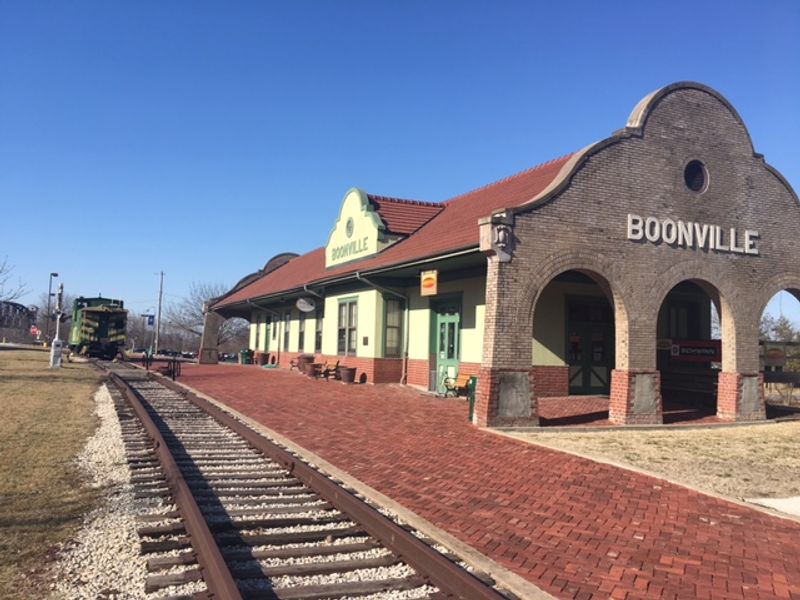
Boonville sits at a bend in the Missouri River in Cooper County, and its position made it one of the most strategically and commercially important towns in 19th-century Missouri. That importance left behind an architectural legacy that is staggering in scale for a small town.
The Historic Katy Train Depot at 320 First St, Boonville, MO 65233 anchors the waterfront end of town and serves as the gateway to the Katy Trail, a 240-mile rail-to-trail path that stretches across nearly the entire width of Missouri.
The depot itself is a beautifully restored structure that captures the energy of the river-boating era perfectly.
Boonville has over 400 properties listed on the National Register of Historic Places, a number that is almost difficult to process until you start walking the streets and realize that nearly every block holds something significant. Federal, Greek Revival, and Italianate architecture appear on nearly every corner.
I arrived in late September and spent two days barely scratching the surface of what the town has to offer. The historic Thespian Hall, built in 1857 and one of the oldest surviving theaters west of the Allegheny Mountains, alone justifies the trip.
The rolling hills that surround Boonville on three sides give the town a dramatic setting that changes with every season. In fall, the bluffs above the river turn brilliant shades of orange and yellow, framing the historic rooftops in a way that feels almost cinematic.
Boonville rewards visitors who are willing to look past the surface and explore deeply. The layers of history here, from the Civil War to the river trade era, are genuinely inexhaustible.
11. Rocheport
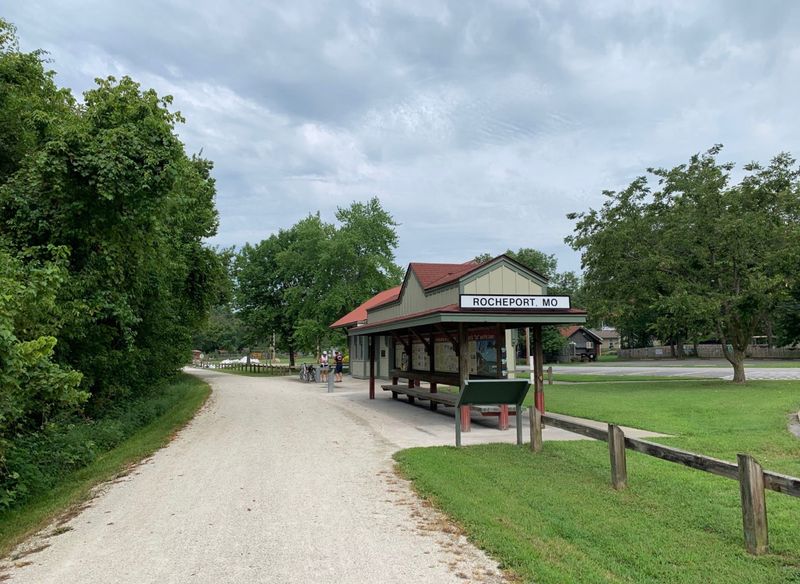
Rocheport is one of those rare places where natural beauty and human history stack so perfectly on top of each other that the result feels almost unreal.
Tucked into the limestone bluffs along the Missouri River in Boone County, this tiny town of fewer than 300 residents operates at a pace that genuinely feels like it belongs to another century.
Les Bourgeois Vineyards at 14020 W Hwy BB, Rocheport, MO 65279 sits on a bluff above the river and offers one of the most dramatic views in all of central Missouri.
The overlook alone is worth the drive, with the river bending through forested bluffs in a scene that looks essentially unchanged from the Lewis and Clark expedition era.
Rocheport’s downtown is a single compact historic district of limestone and brick buildings dating from the mid-1800s. The Katy Trail runs directly through town, bringing cyclists and hikers through regularly, but the village never feels overrun or commercialized.
I spent a slow Sunday morning walking from the trail tunnel, carved through a limestone bluff, down to the main street and back. The tunnel alone is a remarkable piece of 19th-century engineering that most people outside Missouri have never heard of.
The town has a handful of independent shops, a historic bed and breakfast, and a general quietness that feels increasingly rare in the modern world. Every building in the historic district has a story, and several have interpretive markers that reward curious walkers.
Fall is the undisputed best time to visit Rocheport, when the river bluffs turn gold and the low-angle light makes the old limestone buildings glow in a way that no camera fully captures.
