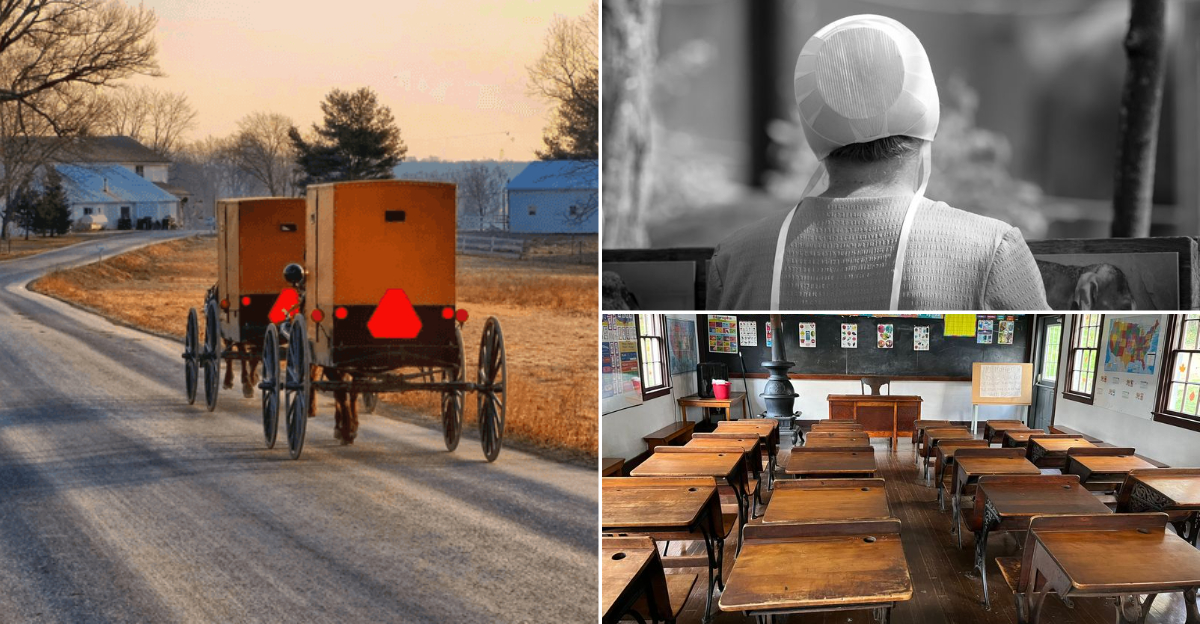
You want the real story before we roll into Lancaster County, right? Let’s clear the air so we can relax and enjoy the road without repeating rumors that get passed around way too casually.
I have run into these myths in Pennsylvania more times than I can count, usually spoken with confidence but missing the quieter context locals tend to offer. What you hear at souvenir stops or online rarely lines up with how life actually works once you slow down and listen.
Read these with an open mind, and you’ll start spotting the difference between assumption and reality almost immediately. The trip feels calmer after that, the interactions feel more natural, and respect stops being a rule you memorize and starts being something that just makes sense.
Myth: The Amish Are Anti-Technology
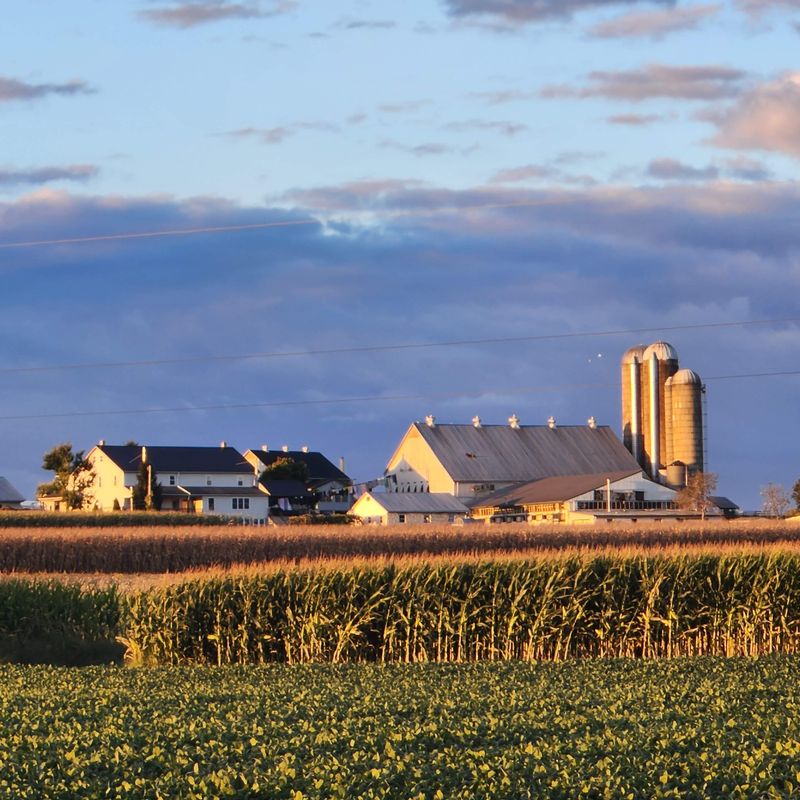
Let’s start with the one people repeat on every tour bus.
The Amish are not allergic to technology. They just weigh it carefully against community life and decide what fits.
You will notice things that surprise you in Pennsylvania.
A payphone tucked by a barn. Maybe LED lights on a buggy for visibility on a dark country road.
It is not gadget envy or gadget fear.
It is about whether a tool weakens family ties or church life. If it does not, some districts allow it with guardrails.
Think compressors, solar panels, or shared phones.
You might see a driver hired for long trips to places like Strasburg. That is practical, not rebellious.
One district may allow a diesel engine for shop tools. Another says no but approves battery power.
The logic is consistent once you listen.
So when you pass farms near 226 Gap Rd, Kinzers, do not assume uniform rules.
Conversations shape those choices. Bit by bit, they settle on what helps their people.
Phones are a good example. Kept outside the home, they reduce distraction.
Yet they let a business return calls and keep orders straight.
Same with the internet. Some use filtered access through a non-Amish neighbor or a business kiosk.
It is selective, not secret.
Driving through Pennsylvania farm roads, you will see the balance in small details.
Safety lighting on buggies. Tools that work without tying a family to a power grid.
It is careful, not anti. It is slower, not stubborn.
And honestly, it makes sense once you are there.
Myth: The Amish Reject The Modern World Entirely

It feels dramatic to say the Amish reject everything modern.
That is just not how it works in practice. They move through the modern world with boundaries.
You will see that around 501 Greenfield Rd, Lancaster. Businesses interact with vendors and customers.
The line is not isolation, it is intention.
Hiring drivers is common for longer trips. Hospital visits, specialized services, meetings.
They use what is needed without pulling the whole modern world into the home.
Electricity from the grid is usually avoided. But power still shows up through generators or batteries.
The goal is control, not novelty.
They read the news and weather in practical ways. Radios might be off limits, but information still travels.
Neighbors and community networks do plenty.
Walk into towns near 225 N Strasburg Ave, Strasburg, and you will sense the connection.
Amish workers, non-Amish partners, steady transactions. It is a living relationship.
School boards and township meetings sometimes include quiet representation. Needs are discussed, roads maintained, services arranged.
Cooperation beats detachment.
They will buy materials, sell goods, and keep appointments. That means calendars, phones at a distance, and simple systems.
No one is hiding from the century. They just set filters before adopting anything.
That filter protects their culture from drift.
When we drive across Pennsylvania, the mix of old and new sits side by side.
Horse traffic signs and delivery trucks share the lane. It works because everyone gives space.
So no, not a rejection.
More like a careful handshake. And it holds up day to day.
Myth: Amish Businesses Exist For Tourists
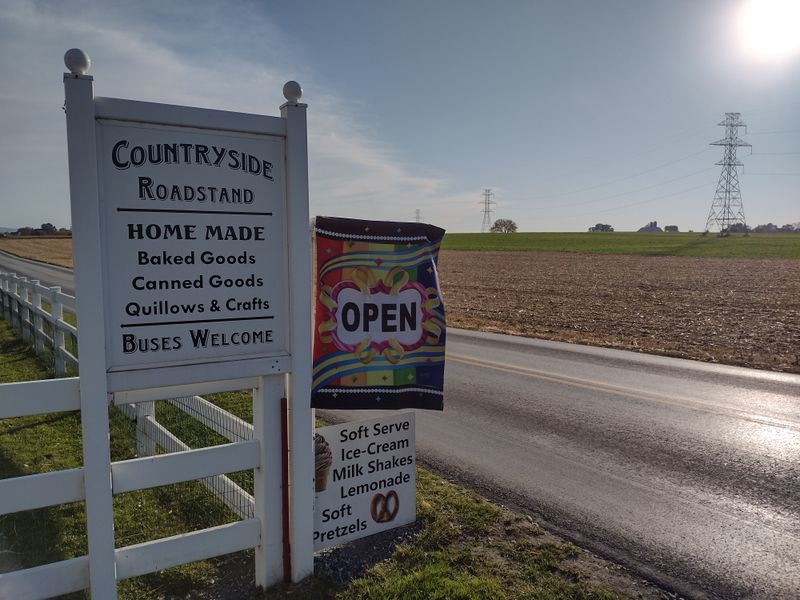
Let me guess, you picture every shop made for bus tours.
Most Amish businesses are built for family livelihood. Tourism is a side wave that sometimes rolls through.
Think sawmills, construction crews, metal shops, greenhouses. These serve neighbors across Pennsylvania.
Tourists show up mostly where retail makes sense.
When we swing past 2705 Old Philadelphia Pike, Bird in Hand, you will see a bus or two.
Keep driving to farm lanes and you will find quiet shops. Those places are working, not performing.
Businesses are often extensions of home life.
A workshop next to a farmhouse. Hours shaped around church days and family rhythms.
Orders come from contractors, markets, and local partners.
Systems are simple but reliable. Phones might be in a shed or shared elsewhere.
Cash and checks still keep things tidy.
Some districts allow card processing through third parties. The point remains: stable income without lifestyle creep.
Visitors sometimes get welcomed, sometimes not. It depends on the shop and the day.
Privacy matters when work is steady.
Marketing is mostly word of mouth.
A neighbor recommends a builder. Next thing you know, a whole road hires the same crew.
We can stop in towns like Intercourse and Strasburg for storefront variety. Then we can give space on the backroads.
Tourism is real in Pennsylvania, and yes, it helps some places. But it does not define the whole economy.
That story is much bigger than souvenirs.
Myth: The Amish Don’t Pay Taxes

This one always gets tossed around at gas stations. The Amish do pay taxes.
Property, income, sales, all the usual lanes are there.
What they opt out of is Social Security participation. That exemption ties to religious beliefs about mutual care.
It is a narrow lane, not a free pass.
If you stop near 150 N Queen St, Lancaster, you are in county offices territory. Paperwork happens like anywhere else.
Businesses register, properties get assessed, the whole routine.
Work crews still file what needs filing. Vendors send forms as required.
The flow is steady and quiet, not flashy.
You will not hear much chatter about it on the roadside. Most of this lives on desks and in mailboxes.
It does not make for dramatic stories.
Still, it matters for understanding daily life.
Taxes support roads where buggies and trucks share space. They support schools and services that neighbors use.
The mutual aid piece runs alongside.
Church funds and community care fill gaps. That system is old and steady.
When people claim zero taxes, they are skipping details.
The reality is measured and documented. It is just not shouted from porches.
Driving through Pennsylvania, you feel how the structure holds the region together.
Markets work, roads get plowed, signs get replaced. Everybody contributes somehow.
So yes, taxes get paid. The exception is specific and long standing.
The overall picture is pretty straightforward.
Myth: Amish Life Is Frozen In The Past
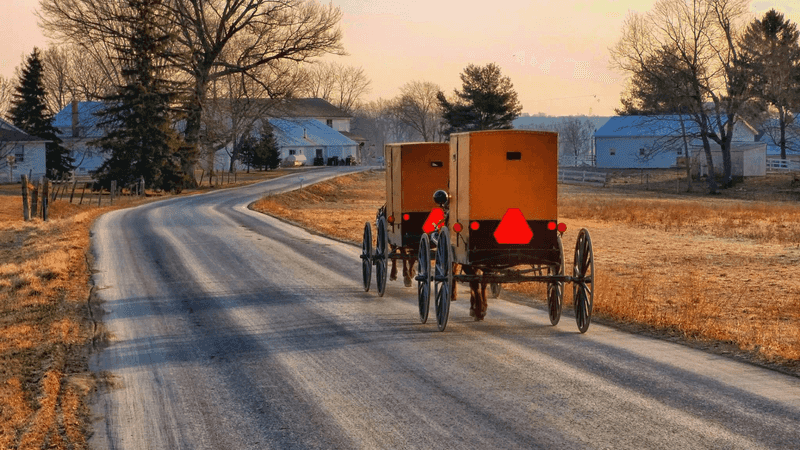
I hear this one a lot from folks seeing their first buggy.
Life is not stuck. It is paced on purpose.
Change happens through church discussion and careful steps.
A new tool gets tested, then reviewed. Community agreement steers the outcome.
You notice it when shops add safer lighting or better reflectors. Or when a schoolhouse updates materials within its standards.
Slowly, quietly, but clearly forward.
If we drive by 38 Penn Square, Lancaster, the city hums nearby.
The countryside adjusts in smaller increments. Both worlds keep talking.
A business may adopt solar to stay independent of the grid. Another tries a different buggy windshield for weather and safety.
None of it looks flashy from the road.
The rhythm is patient.
It guards against a rush that could shake the culture. That patience is the point.
People sometimes want a dramatic yes or no.
The Amish work with maybes and trials. They let time sort the noise from the need.
So no, not frozen, just deliberate. Like setting a steady walking pace.
You get there without losing the group.
Pennsylvania gives them room to do that.
Towns respect the cadence. Neighbors learn the cues.
Next time you spot a small change, see it as a vote. It passed through many conversations.
That is a living culture, not a museum.
Myth: Amish Children Are Uneducated
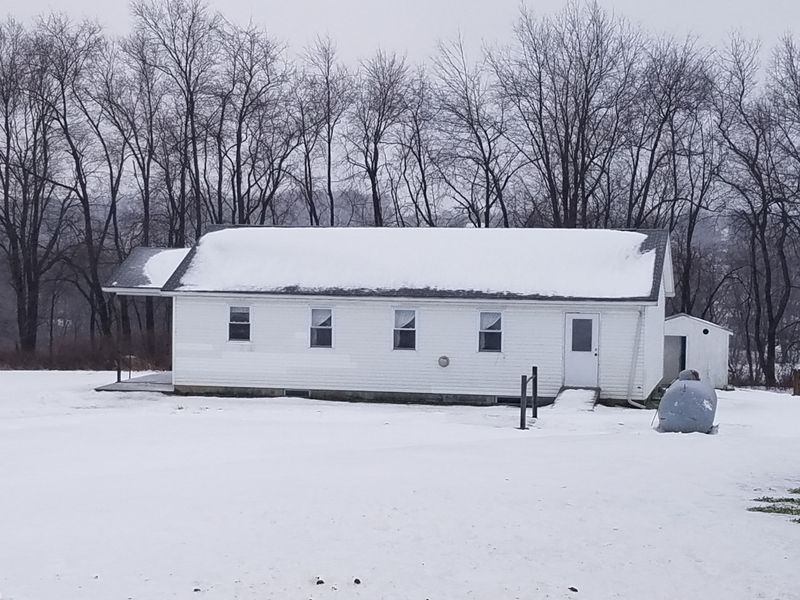
This one misses the target by a mile.
Formal schooling stops earlier by design. Learning keeps going through work and mentorship.
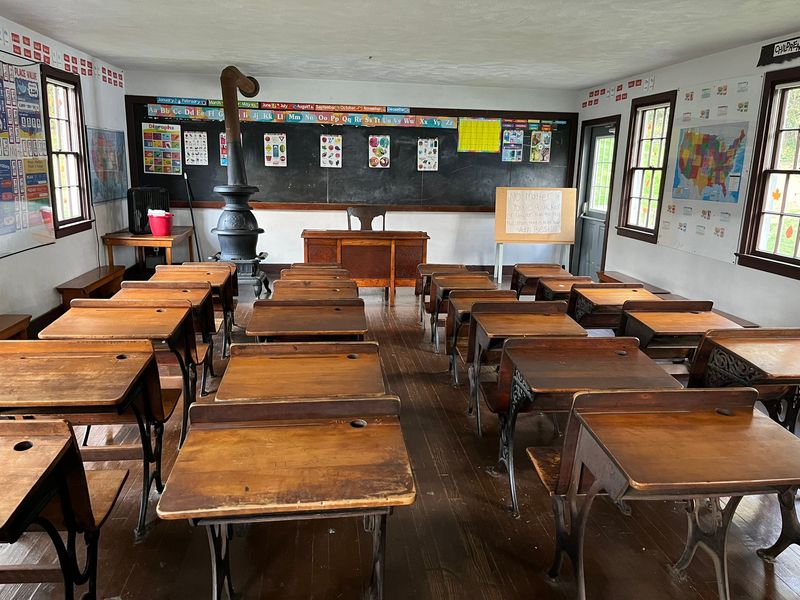
One room schoolhouses focus on practical literacy and numeracy. The style is consistent within each district.
After that, skills grow through daily life.
You can see schoolhouses near 216 E Main St, Leola.
Clean, simple buildings with tidy yards. Bells, chalkboards, and long desks.
After school years end, training shifts to farms and shops.
A teen might learn carpentry, greenhouse care, or quilting. The approach is hands on and constant.
Business math shows up at the bench. Reading contracts happens at the kitchen table.
Problem solving unfolds on a worksite.
You will hear quiet competence in every exchange.
Orders recorded neatly. Schedules managed without fuss.
The goal is not college prep. It is community readiness.
That shapes the curriculum and the rhythm.
When we pass 101 S Market St, Ephrata, you can feel the wider educational network.
Libraries, neighbors, stores. Knowledge flows anyway.
Respect looks like not judging by outside markers.
Different does not mean less. It means aligned with their way of life.
So yes, kids stop formal school earlier. But their education keeps moving.
It is simply built into everyday tasks and responsibilities.
Myth: Silence Means Unfriendliness
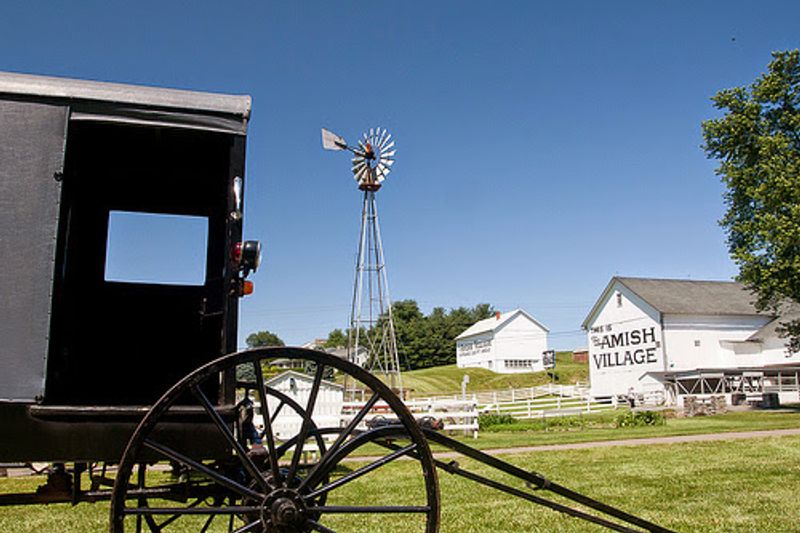
It is easy to misread quiet as cold.
With the Amish, silence leans toward humility. They keep attention off themselves on purpose.
Friendly does not always mean chatty.
A small nod or a simple hello can be the whole exchange. That is still kindness.
When we walk near 11 E Main St, Lititz, the vibe stays calm.
People move with a steady pace. Noise is not the point.
Many avoid being photographed, which can make encounters brief.
That is about faith and modesty, not distance. A little space goes a long way.
You might see quick practical help if you look lost. Directions offered short and clear.
Then everyone gets back to their day.
They value listening over talking.
It keeps pride in check. And it leaves room for neighborly action.
We can match that tone. Speak gently, do not crowd, and keep plans simple.
The day becomes easier for everyone.
Pennsylvania towns understand this rhythm well.
Streets carry both tourists and locals. It works when folks read the room.
So do not mistake fewer words for a closed door. You are still welcome in a respectful way.
Meet quiet with quiet.
It is a peaceful style, not a warning sign. Once you feel it, you stop expecting chatter.
The silence starts to feel like grace.
Myth: Amish People Don’t Use Money

The cashless rumor floats around like fog. The Amish use money every day.
Commerce is woven into farm life and small business.
Farm supplies, lumber, hardware, fabric.
Bills get paid like anywhere else. Paper trails exist, just tidy and minimal.
Drive near 1000 New Holland Ave, Lancaster, and you will see industrial suppliers.
Orders come and go. Receipts stack quietly.
Local markets and shops handle steady transactions.
Checks remain common. Cash keeps things simple.
Some districts allow basic banking tools through third parties. Others keep it even simpler.
The principle is stewardship, not avoidance.
Workers get paid for construction and craft work.
Rates are discussed straightforwardly. Pride stays low, skill stays high.
When you stand in line behind a buggy, it feels timeless.
But the numbers are modern and precise. Ledgers, notebooks, and clear totals.
On the road through Pennsylvania, you can spot this flow in small hints.
A delivery truck at a lane. A clipboard on a porch.
Tourist areas might add a card machine run by someone outside the church.
Non-tourist shops stay manual. Both routes can fit local rules.
So yes, money moves every day. It just does not show off.
The whole system favors modesty.
Myth: Photography Is Always Allowed
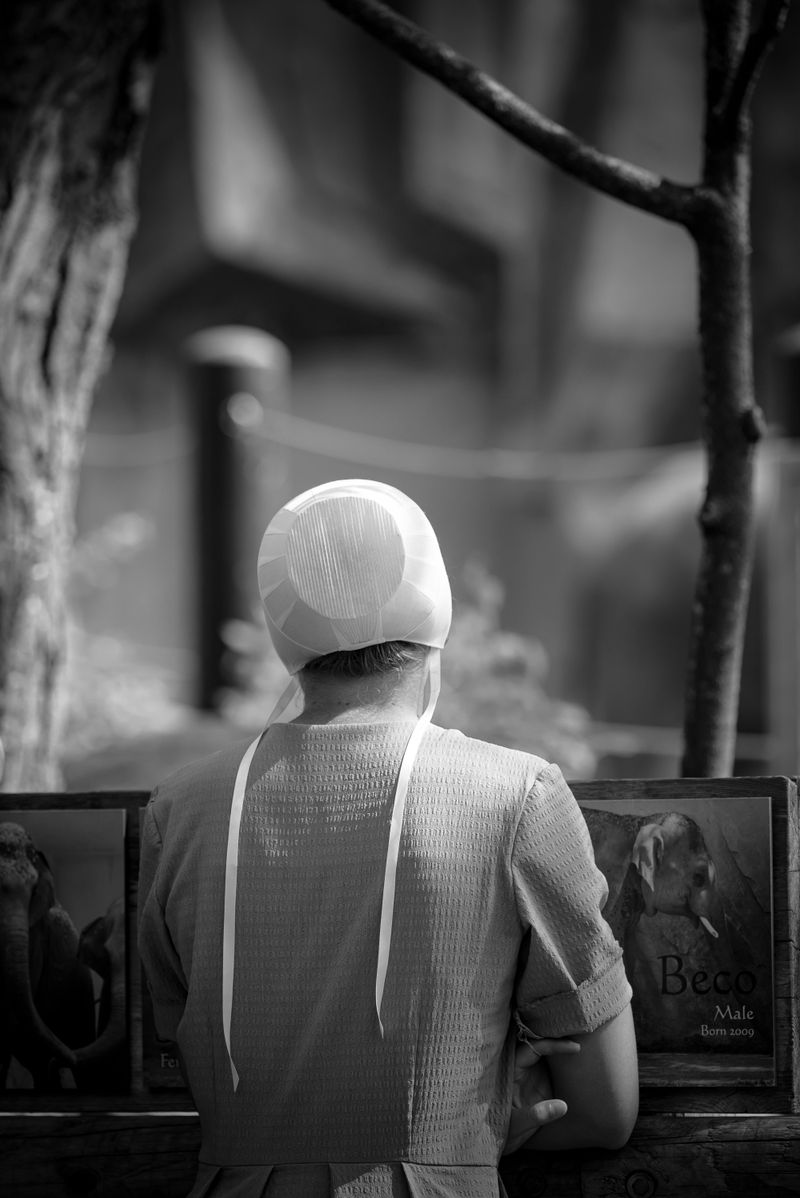
This is where good manners matter.
Many Amish avoid being photographed because of religious beliefs about images and humility. Consent is essential, even on public roads.
If you see a nice scene near 3121 Lincoln Hwy E, Paradise, take a landscape. Skip faces and close shots.
That small choice shows respect.
Some families are more flexible than others. You cannot assume uniform comfort.
Better to ask a shopkeeper than to guess.
Workers do not want cameras in their faces while they concentrate. It is distracting and personal.
A wide shot of a barn keeps it simple.
Tour areas sometimes post reminders.
You may spot a sign near popular pull offs. Those signs reflect real feelings, not formality.
Photography laws can be complicated. But courtesy is not.
Keep people out of the frame unless invited.
Across Pennsylvania, this guideline makes everyone’s day smoother.
Visitors still leave with beautiful scenes. Locals keep their privacy.
Think barns, lanes, fields, and skylines.
Think silhouettes from a distance. Think moments without faces.
If someone turns away or shields a child, that is your cue.
Lower the camera and nod. Then enjoy the view without the shot.
Once you practice this, the trip gets calmer.
You stop chasing photos. You start noticing the place itself.
Myth: The Amish Are Isolated From Society
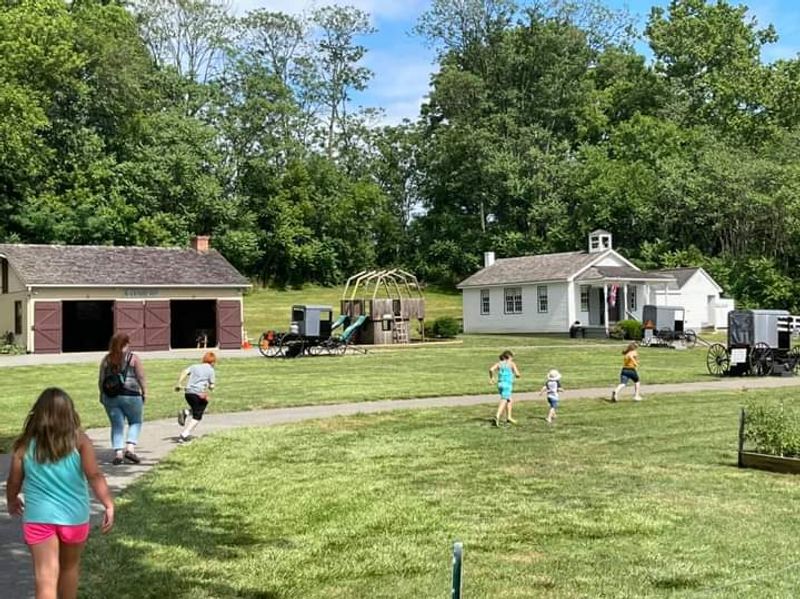
From a distance, it can look like two worlds that never meet. In daily life, they meet all the time.
Boundaries exist, cooperation does too.
Neighbors trade services across the fence.
A builder helps a homeowner in town. A township grader improves a gravel lane.
Stop near 1240 Harrisburg Pike, Lancaster, and watch the flow.
Deliveries, appointments, handshakes. It is everyday connection.
Hospitals and clinics provide care when needed.
Non-Amish drivers handle longer transport. Courteous systems bridge the gap.
Schools coordinate on roads and safety signs. Public events set shared guidelines.
People find practical solutions.
The line that stays firm is cultural pace.
Home life remains protected. Public encounters stay straightforward.
You will see buggies tied near libraries and hardware stores. People keeping to themselves while handling business.
It is not chilly, just focused.
In Pennsylvania, respect for that focus runs deep.
Towns learn when to wave and when to give space. That is a skill like any other.
Isolation is not the word I would use. Intentional separation fits better.
And even that has doors for necessary things.
So when we drive the backroads today, watch the overlaps. They are subtle but steady.
Two rhythms sharing one region.
Myth: Amish Businesses Are Just Attractions
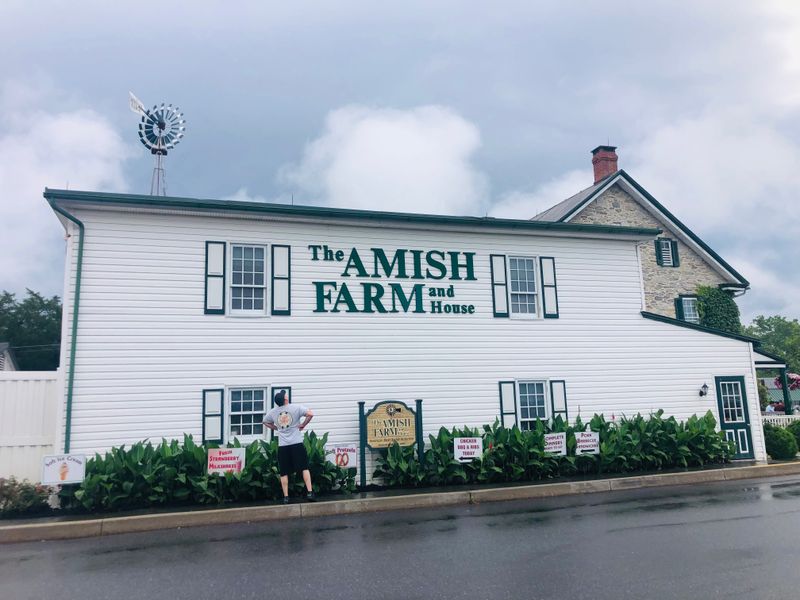
You will see a crowd near certain storefronts and think it is a show.
Most Amish businesses are straightforward workplaces. They exist to support families and communities.
Shops might have simple signs and gravel lanes.
Inside, tools hum and schedules stay tight. Visitors are a bonus, not the mission.
Drive past 6 S Decatur St, Strasburg, and watch the rhythm.
Deliveries, quick conversations, then back to the bench. It runs like any small town operation.
On backroads, shops can be almost invisible from the lane.
Orders arrive by note or call. Finished work leaves as quietly as it came.
People get curious, which is human. Just keep your distance unless a sign invites you in.
That keeps work days smooth.
Tourist heavy areas carry brochures and maps. Out here, it is word of mouth.
The best endorsement is a neighbor’s repeat order.
Payment is simple and honest.
Clear totals written on paper. A handshake and you are on your way.
Across Pennsylvania, that practicality stands out.
No hype, no big pitch, just steady craft. It is refreshing once you settle into it.
Attractions exist, sure, and they can be fun. But do not confuse them with every shop you pass.
Most places are just working hours.
So we will enjoy the ones open to browsing. And we will roll by the rest with a wave.
That is the respectful route.
Myth: The Amish Are One Community Everywhere
This is the easiest shortcut to avoid. The Amish are many communities with related roots.
Lancaster is not identical to Chester or Berks.
Dress details can shift. Buggy tops too.
Even school approaches have their own touch.
Near 100 W Gay St, West Chester, you are in a different county heartbeat.
The farms and lanes feel similar at first glance. Then the local rhythm shows itself.
Leadership styles shape how rules land. Conversations ripple within each district.
Change follows those ripples slowly.
Some groups are stricter, some more flexible.
You will not decode that from one driveway. It takes time and listening.
Business links run across county lines.
Families visit, trades happen, news travels. Still, each area holds its own center.
Pennsylvania’s patchwork makes this possible.
Towns and fields lend their character. The communities grow around that soil.
So when someone says the Amish do one specific thing, ask where. The answer shifts with the district.
Context matters here more than slogans.
We can treat each stop with fresh eyes. Notice what is the same and what is not.
It keeps us honest as visitors.
Many communities, one faith family. That is a better picture.
Dear Reader: This page may contain affiliate links which may earn a commission if you click through and make a purchase. Our independent journalism is not influenced by any advertiser or commercial initiative unless it is clearly marked as sponsored content. As travel products change, please be sure to reconfirm all details and stay up to date with current events to ensure a safe and successful trip.
