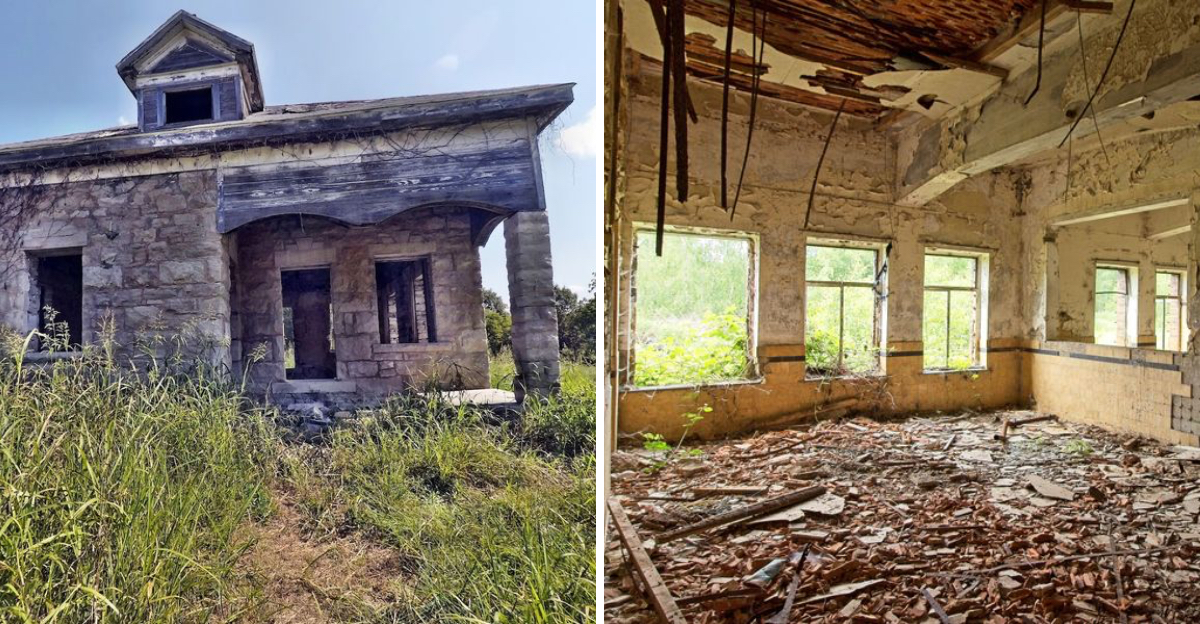
Some towns fade slowly, their buildings emptying one by one until only the ghosts remain. Others are abandoned suddenly, frozen in time like a photograph that never developed.
Eight Missouri ghost towns fall somewhere in between, places where time stands still and the past feels close enough to touch.
The streets are quiet now, lined with crumbling storefronts and empty homes that once held families. Rusted machinery sits where it was left, and the only sounds are the wind and the creak of old wood.
Some of these towns were mining hubs, others railroad stops, and a few were simply bypassed by progress. Each one has a story to tell.
These are not tourist attractions with gift shops and guided tours. They are real places, slowly being reclaimed by nature.
Bring a camera, bring a sense of respect, and bring a willingness to imagine what life was like when these streets were full of people.
1. Spencer
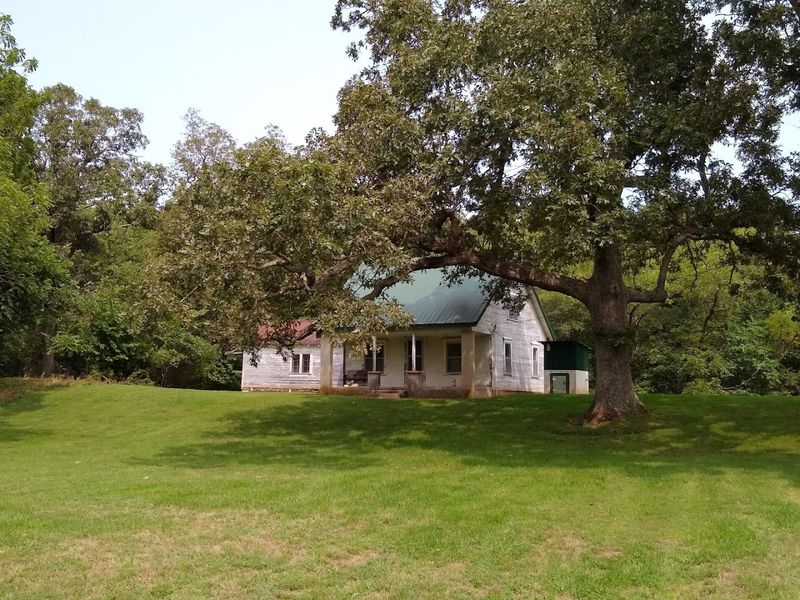
Stepping onto the cracked pavement of Spencer feels like walking into a photograph from 1928. This tiny Jasper County settlement sits along the original path of Route 66, and it once buzzed with travelers stopping for fuel and a cold drink on their way west.
When Interstate 44 bypassed Spencer entirely, the town did not just slow down. It stopped almost overnight.
What makes Spencer so remarkable today is how well it has been preserved. The vintage Phillips 66 gas station still stands with its original canopy and pump islands, looking eerily ready for a customer who will never arrive.
Old barbershop storefronts and general store facades line the short stretch of road, their painted signs faded but still readable. You can actually make out the lettering if you look closely enough.
I wandered through Spencer on a quiet Tuesday morning, and the silence there is something I still think about. No traffic noise, no crowds, just wind moving through broken window frames and the occasional creak of old wood.
Spencer sits just off Route 66 near Carthage in southwest Missouri. It is easy to reach and completely open to explore on foot.
The best time to visit is early morning or late afternoon when the golden light hits those old storefronts just right. Bring a camera, because every angle here is a shot worth keeping.
Spencer is proof that a town does not need to be large to leave a lasting impression. Sometimes the smallest places carry the biggest stories.
2. Jollification (Jolly Mill), Newton County
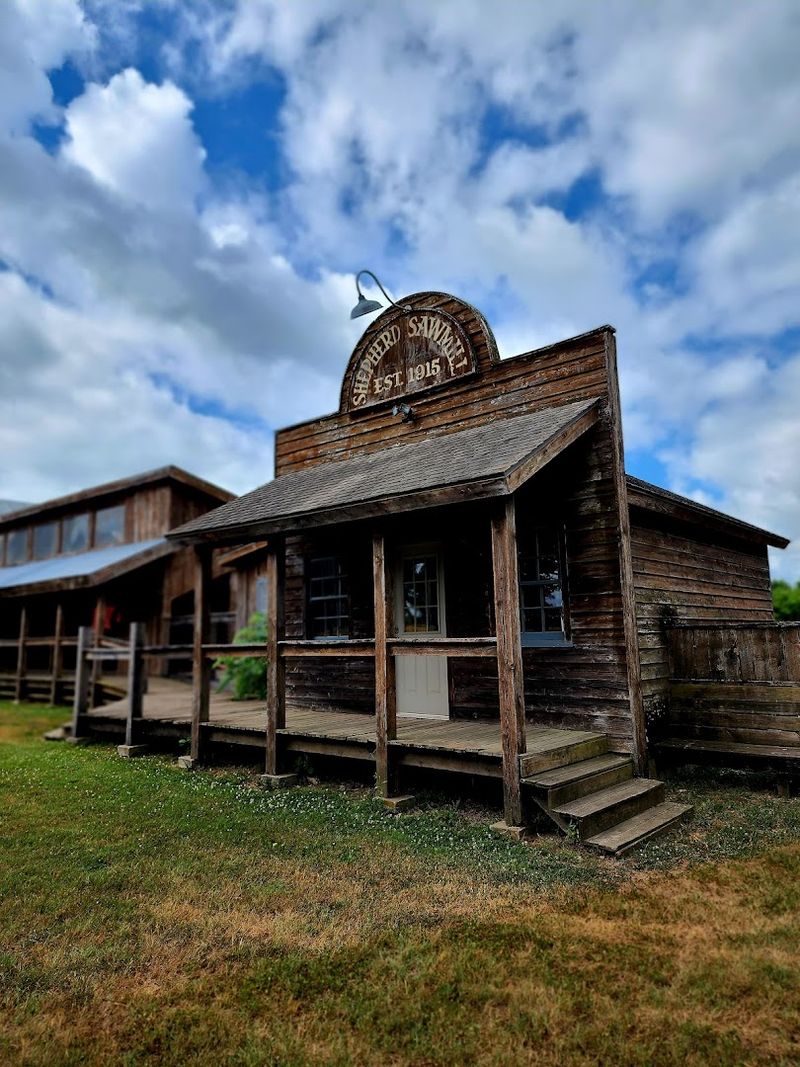
Few ghost towns in Missouri come with a name as cheerful as Jollification, which locals simply call Jolly. Founded in 1848 around a whiskey distillery and a grist mill, this Newton County settlement had real energy in its early years.
That energy was cut short during the Civil War, when much of the town was destroyed in the fighting that swept through southwest Missouri.
What survived is genuinely stunning. The original 1848 Jolly Mill still stands along Little Shoal Creek, its massive stone walls holding firm after nearly 180 years of Missouri weather.
The mill is the centerpiece of Jolly Mill Park, a preserved green space that surrounds the site with walking trails, wooden footbridges, and quiet creek crossings. Archaeological remnants of the old town peek through the soil in places if you know where to look.
I visited on a cool October afternoon and had the whole park nearly to myself. The sound of the creek running under those old footbridges made it easy to imagine what life here once looked like.
Jolly Mill Park is located near Ritchey in Newton County, roughly 20 miles south of Joplin. The park is publicly accessible and free to enter, which makes it an easy add to any southwest Missouri road trip.
Spring and fall are the best seasons, when the surrounding trees frame the old mill in color.
Jollification is one of those places that rewards slow exploration. Walk the trails, read the historical markers, and let the old mill do the talking.
3. Times Beach, St. Louis County
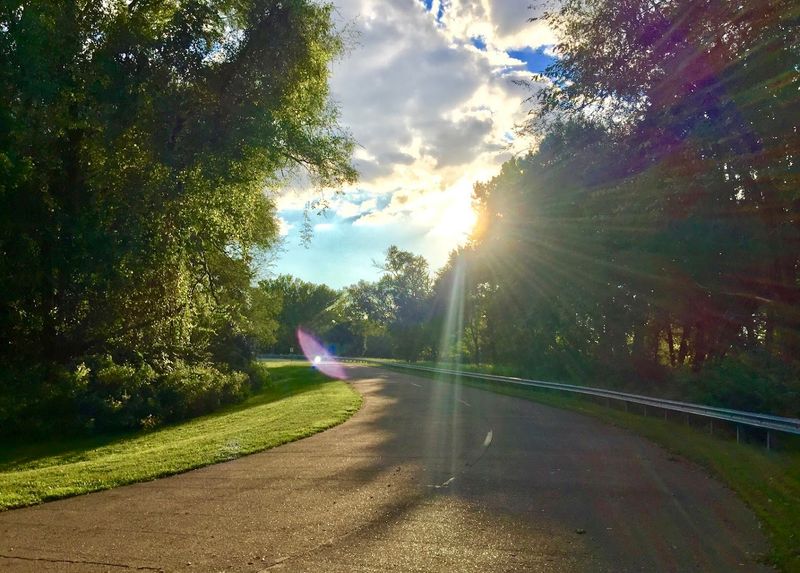
Times Beach started as a resort community in the 1920s, built along the Meramec River as a weekend escape for St. Louis families. At its peak, around 2,000 people called it home year-round.
Then came one of the most alarming environmental events in American history.
During the 1970s, a waste hauler was hired to spray the town’s dirt roads to keep the dust down. What he sprayed contained dioxin-contaminated oil from a nearby chemical plant.
The contamination was not discovered until years later, and by then the damage was done.
The EPA stepped in and evacuated every resident. The entire town was demolished, building by building, until nothing remained.
Today, the site has been reborn as Route 66 State Park, located along State Highway 141 near Eureka in St. Louis County. The park features hiking trails, river access, and a visitor center housed in a historic building that once served as a roadhouse.
Standing at the old road grids, which are still faintly visible in the landscape, gives you a strange feeling. You are walking through a neighborhood that existed and then simply did not.
I found the visitor center especially moving, with its displays documenting the town’s rise, its crisis, and the long cleanup process that followed. It is thorough and honest about what happened here.
Times Beach is a reminder that history is not always comfortable. Sometimes the most important places to visit are the ones that ask hard questions.
4. Hamburg, St. Charles County

Hamburg was a quiet farming community tucked into the hills of St. Charles County, and its residents had no idea their town was about to disappear forever. In 1941, the United States government seized the land to build the Weldon Spring Ordnance Works, a facility needed for TNT production during World War II.
Families were given just weeks to pack up and leave. There was no negotiation.
What they left behind has slowly been swallowed by the forest. Today, the Hamburg area is part of the Weldon Spring Conservation Area, a sprawling natural space where hikers can find the ghost of a community if they look carefully enough.
Hidden stone staircases rise out of the leaf litter, leading nowhere. Concrete foundations sit half-buried in the soil.
Old cemetery plots rest quietly under canopies of oak and hickory.
I spent a morning hiking through this area and the experience was unlike anything else I have done in Missouri. Every turn of the trail brought something unexpected, a crumbling wall here, a sunken outline there.
The Weldon Spring Conservation Area is located off Highway 94 near the town of Weldon Spring, roughly 30 miles west of St. Louis. Trails are well-marked and free to access.
Go in late fall or early spring when the leaves are off the trees. That is when the old foundations and structures are easiest to spot through the brush.
Hamburg is a place where the land remembers what people were forced to forget.
5. Arlington, Gasconade County
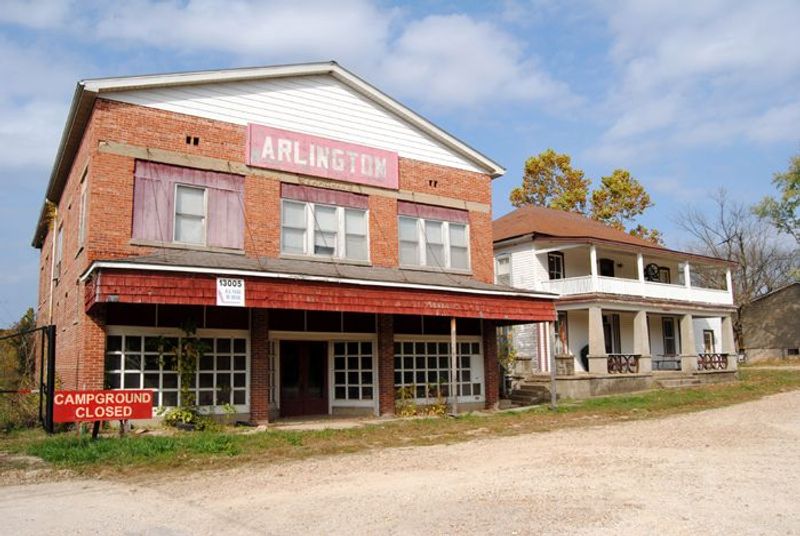
Back in the late 1800s, Arlington was the kind of place people traveled to on purpose. Perched along the Gasconade River in what is now Gasconade County, it thrived as a railroad resort destination, drawing visitors who came for the scenery and the fresh air.
The railroad eventually moved on, and Arlington went with it.
Today the town is little more than fragments, but what fragments they are. A handful of weathered frame houses still stand along the old roadbed, their porches sagging and their windows long gone.
They lean into the hillside like they are trying to hold on just a little longer.
The real draw for many explorers is the old Stony Dell Resort ruins, which sit quietly rotting right along the original path of Route 66. Stone walls, archways, and the outline of a pool are still visible beneath years of creeping vegetation.
I found Arlington by following a faded reference in an old road atlas, and the discovery felt genuinely rewarding. There are no signs pointing you here, no parking lot, no information board.
Arlington sits along a rural stretch of old Route 66 near the town of Hazelgreen in Gasconade County. Access requires some navigation on gravel roads, so a reliable vehicle is helpful.
Visit in late spring before the vegetation gets too thick. That is when the ruins are most visible and most photogenic.
Arlington rewards the curious traveler who is willing to go a little off script and look for what the maps no longer show.
6. Phenix, Laclede County
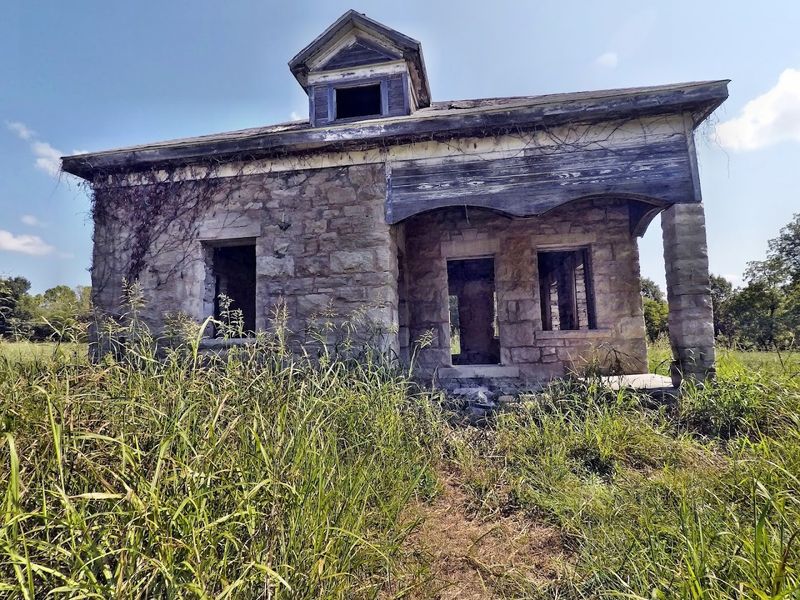
Phenix was not just a town. It was a company operation built entirely around the Phenix Marble Company, which opened in 1888 and began producing some of the finest stone in the country.
The marble cut here went into capital buildings across America, which makes the silence of this place today feel especially striking.
Located in Laclede County in central Missouri, Phenix was a self-contained world. Workers lived there, their families lived there, and the whole community revolved around the quarry and the cutting facility.
When the Great Depression hit and the company shut its doors, that world collapsed almost instantly.
What remains is hidden deep in the woods and takes some effort to find. Enormous hand-cut limestone walls rise out of the forest floor, their scale almost hard to process when you first see them.
Old foundations dot the area, and the quarry pits themselves are still visible, now filled with decades of leaf fall and rainwater.
I spent an afternoon poking around the Phenix site and kept having to stop just to take it all in. The craftsmanship in those old walls is remarkable, even after nearly a century of neglect.
The site is located off rural roads near Stoutland in Laclede County. It is not well-marked, so downloading offline maps before you go is a smart move.
Wear long sleeves and sturdy boots, especially in summer when the vegetation is dense.
Phenix is the kind of place that makes you wonder how something so impressive could be so completely forgotten.
7. Arno, Douglas County
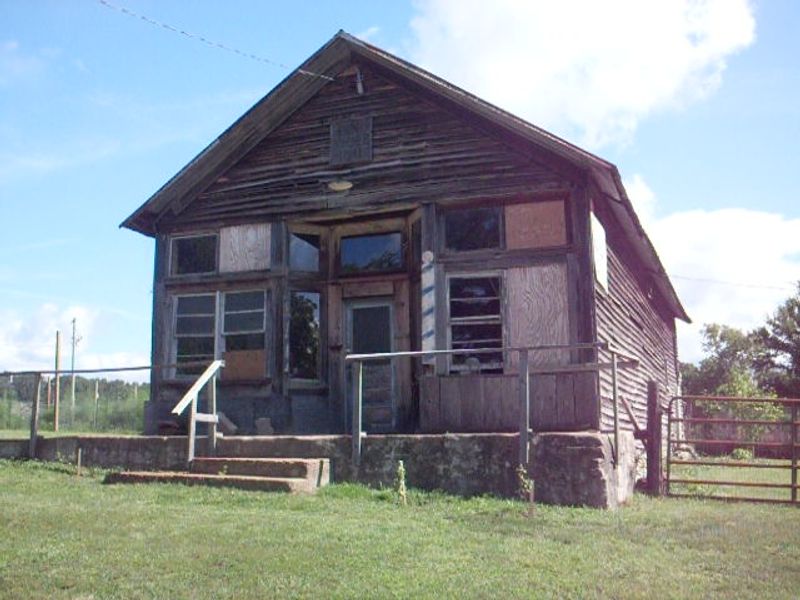
There is something about an abandoned schoolhouse that hits differently than any other kind of ruin. Arno, a forgotten settlement in Douglas County in southern Missouri, has one of the most striking examples I have ever come across.
The old wooden schoolhouse sits alone in an open field, its rusting metal roof catching the light on clear days.
Arno was founded in 1857 and briefly held the distinction of being the county seat of Douglas County after the Civil War. That was a meaningful position in those years, and the town had real ambitions.
When the county seat was moved to Ava, those ambitions quietly faded. Businesses followed the government offices, families followed the businesses, and Arno slowly emptied out over the following decades.
The schoolhouse is the last real evidence that a community once existed here. It has no windows left, its floor has partially collapsed, and the whole structure leans slightly to one side as if exhausted from standing so long.
I visited on a bright spring morning and walked a slow circle around the building, trying to picture the children who once sat inside on wooden benches. It is a simple image, but it carries real weight.
Arno is located along rural roads near the town of Ava in Douglas County. The drive out is scenic in its own right, rolling through the Ozark hills on two-lane roads with almost no traffic.
Pack a lunch, take your time getting there, and let the quiet of the Ozarks settle around you once you arrive.
8. Old Pattonsburg, Daviess County
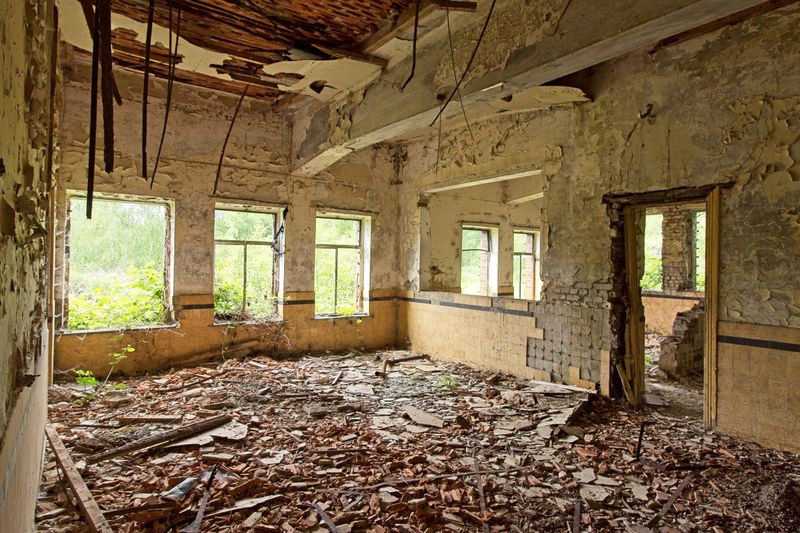
Old Pattonsburg holds a record that no town wants. It flooded 30 separate times over the course of a century, and each time the community rebuilt, patched up, and carried on.
The Great Flood of 1993 finally changed that calculation.
After that catastrophic event, the entire town made an official decision to relocate. Not a few families, not a handful of businesses.
The whole town packed up and moved miles away to higher ground in Daviess County.
What they left behind is a genuinely eerie landscape. The old town site sits silent and mostly empty now, with overgrown lots where homes once stood and cracked streets that lead to nothing.
Some concrete slabs and foundation outlines are still visible if you explore the area carefully.
I drove out to Old Pattonsburg on a gray November afternoon, and the atmosphere was something I was not fully prepared for. It is not dramatic in the way a collapsed building is dramatic.
It is quiet in a way that feels heavy.
The new town of Pattonsburg is just a short drive away on Highway 6 in Daviess County, and locals there are happy to share the story of the relocation if you stop to ask.
Old Pattonsburg is best visited in dry weather since the area can still get muddy and wet after rain. Wear boots and bring a map.
This is one of those places that makes you think about what it means to start over, and what gets left behind when a community walks away from its own past.
