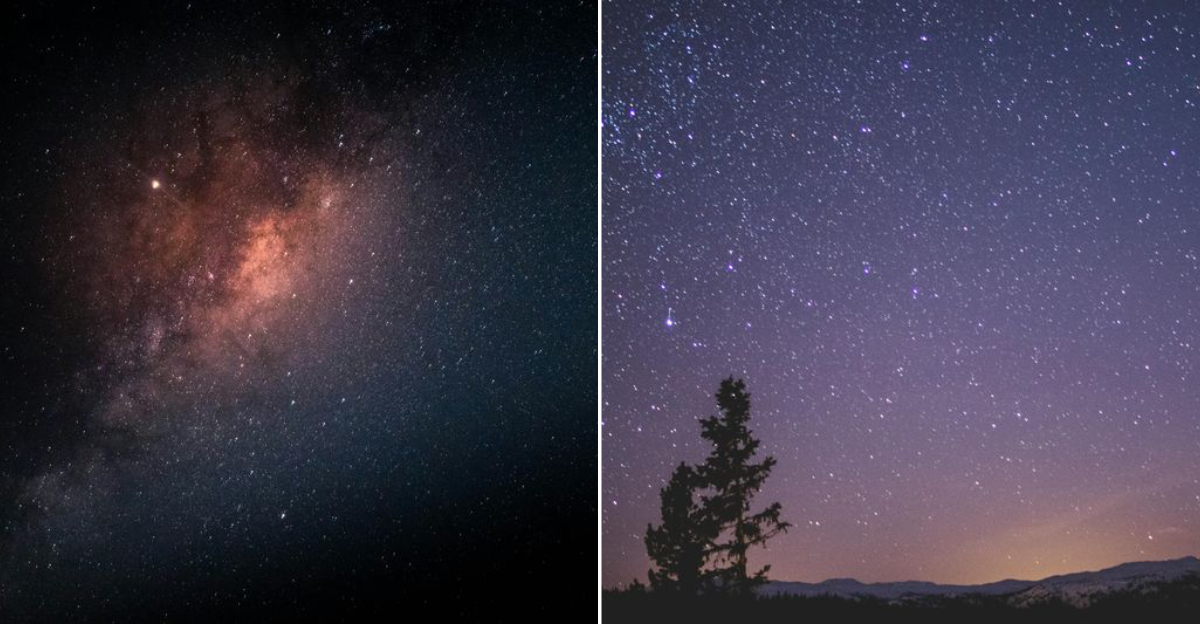
Ever looked up at the night sky and thought, “I wish I could see this better”? California is one of the best places to make that happen, especially when a September supermoon lights things up and planets are visible without fancy equipment.
The state’s wide-open spaces, coastal cliffs, and mountain ranges give you plenty of options for stargazing.
You don’t have to be an astronomy expert, just finding a quiet spot away from city lights makes the experience unforgettable.
On one trip, I stopped along the coast and was surprised at how clear the sky looked; seeing the moon rise over the water felt like a scene you’d want to freeze in time. That’s the kind of moment these adventures deliver.
From family-friendly parks to scenic overlooks, California makes stargazing easy and exciting. Whether you’re chasing the supermoon or hoping to catch a glimpse of Saturn, the views are worth the late night.
Here’s where California makes stargazing unforgettable!
1. Joshua Tree National Park Supermoon Rise
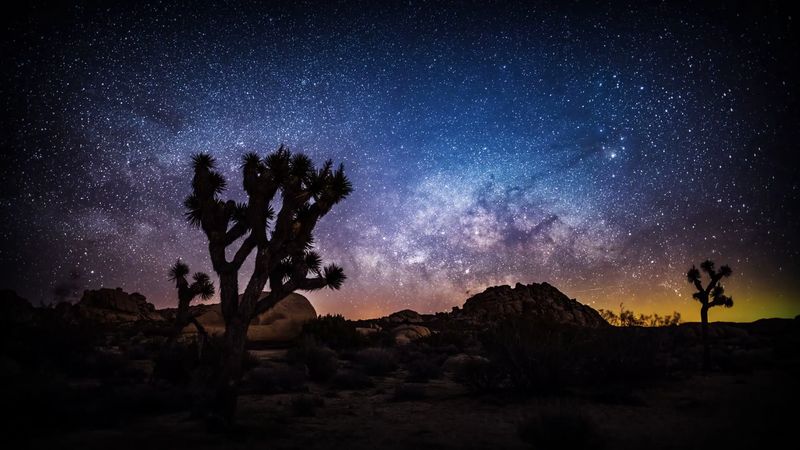
Start here if you want that big moon rising feeling that makes you laugh a little at how huge it looks.
September’s supermoon looks bigger to the naked eye when it hugs the horizon, and California’s wide open desert makes that illusion pop.
You can pull off near the west entrance at 6554 Park Boulevard, Joshua Tree, CA 92252, and wander out among the boulders.
Dry air reduces atmospheric distortion here, so the Moon’s edges feel crisp and the planets hold steady.
Jupiter and Saturn often sit nearby, and their steady reflected sunlight cuts through bright moonlight.
Even if you are new to this, you will spot them fast without needing charts.
I feel like earlier darkness helps, so you will not be staying up late or pushing our luck.
The park’s granite and spiky silhouettes catch natural moonlight, which makes photos look balanced without extra lights.
If a light marine layer sneaks inland, it can add a soft halo around the Moon without covering the sky.
Keep the night simple, and let the desert do the heavy lifting while you relax and look up.
2. Anza Borrego Desert State Park Planets
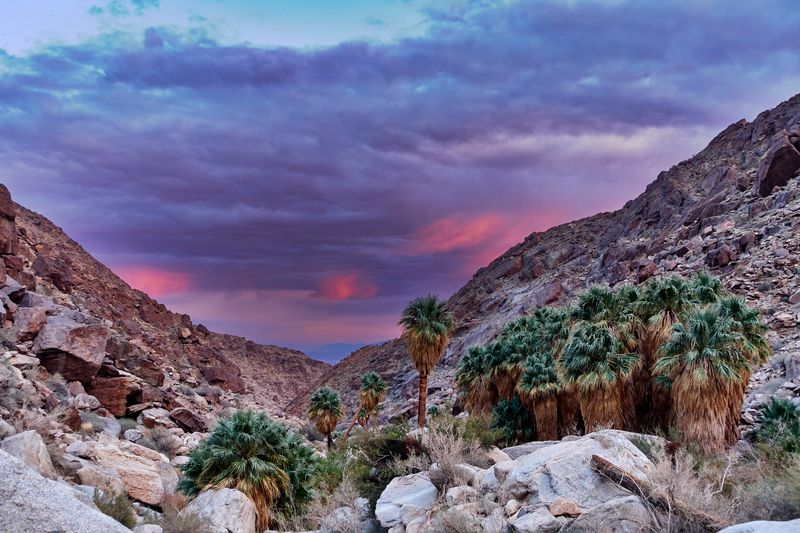
I like the calm that rolls over Anza Borrego when the Moon starts to glow.
You can cruise to the visitor center area at 200 Palm Canyon Drive, Borrego Springs, CA 92004, and fan out toward the badlands.
Dry air here means less haze, so the Moon’s surface and planet detail come through sharply.
Planet viewing peaks alongside the supermoon because Jupiter and Saturn remain bright and steady.
They appear more defined than most stars, and that makes spotting them feel easy and fun.
You will notice color hints on Jupiter’s bands and a golden tone on Saturn, even with a small scope.
The desert’s quiet lets you focus without distractions, and patience pays off with crisp views.
Natural moonlight paints the ridges and washes, which sets up surprisingly balanced night photos.
Make sure to bring layers, breathe slowly, and let the steady air do its thing while the sky unfolds.
3. Griffith Observatory City Night Check
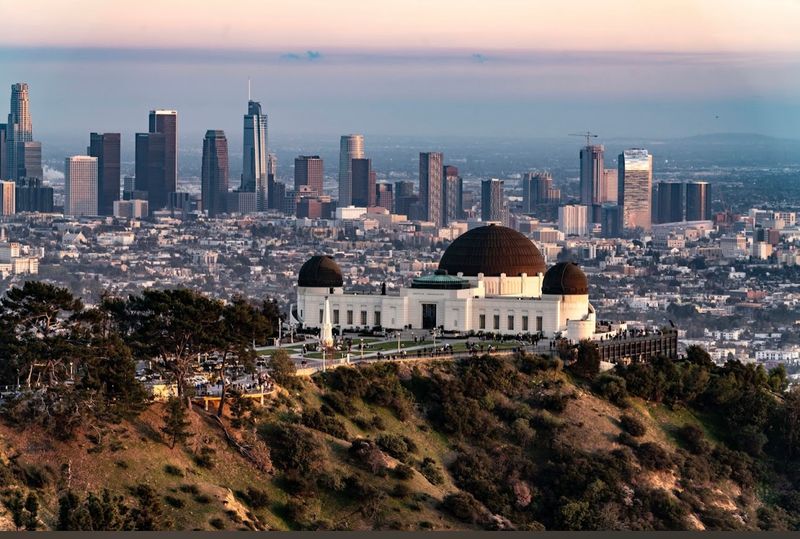
If you want to keep it easy, check out Griffith Observatory and let the city be your backdrop.
Aim for 2800 East Observatory Road, Los Angeles, CA 90027, and take a relaxed stroll to the lawn.
You do not need total darkness to enjoy the supermoon or the bright planets here.
Urban stargazers still see major highlights because Jupiter and Saturn punch through city glow.
Earlier darkness helps you wrap up at a reasonable hour without missing the show.
Sometimes the coastal fog sits low and the Moon climbs above it, throwing soft halos over the skyline.
Planet colors show more clearly in steadier air, and September often brings calmer nights.
I like how the city lights actually make silhouettes for photos, and the Moon fills in the foreground naturally.
Bring patience, breathe, and enjoy how Los Angeles feels gentle for a minute under that big sky.
4. Zabriskie Point Clarity
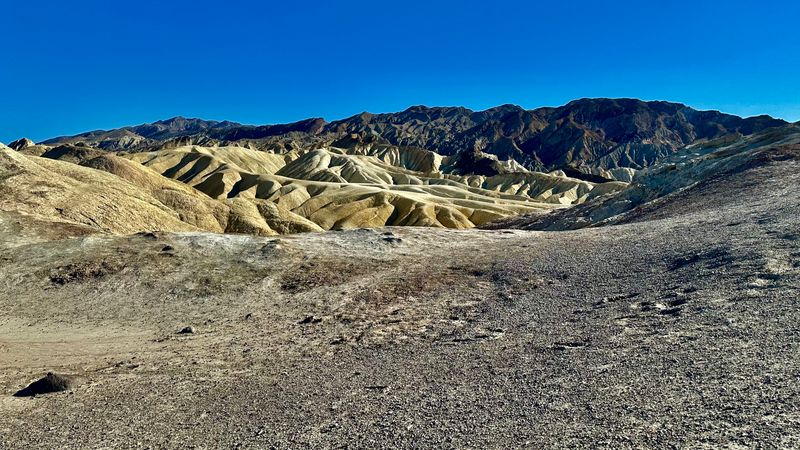
This one feels like stepping onto a quiet stage with nobody watching but the sky, and I love it.
Roll to Zabriskie Point at CA-190, Death Valley, CA 92328, and walk the short path to the overlook.
California’s deserts offer ideal clarity because dry air reduces distortion and haze.
The Moon shows crisp shadows, and planets look steady instead of wobbling around.
September conditions are calmer than other seasons out here, and that makes the air feel friendly.
I like to set the tripod low and let ridgelines glow with natural moonlight for balanced frames.
Jupiter’s cream and rust tones pop, and Saturn’s golden color stands out without straining.
The Milky Way can linger early in the month if we start before moonrise for a quick peek.
You can linger quietly, listen for the breeze, and watch the night grow patient and clear.
5. Mount Pinos High Elevation Detail
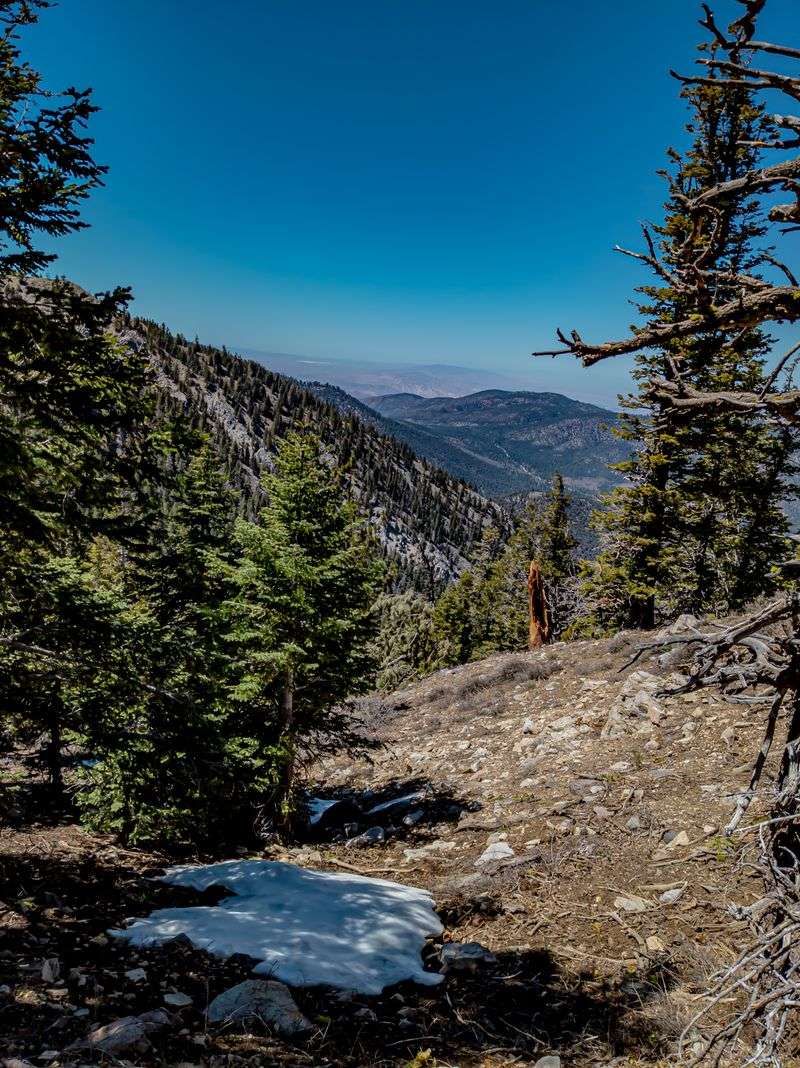
This is where elevation really flexes, and the details jump out like they were waiting for you.
Park near the Nordic Base off 34500 Lockwood Valley Road, Frazier Park, CA 93225, and walk to the lot edges.
Higher elevations mean less atmosphere, so Saturn’s rings and Jupiter’s bands look cleaner.
September weather steadies out, which helps colors sit still instead of smearing.
Earlier darkness makes the whole plan feel doable after work without a long haul.
Planet viewing peaks alongside the Moon because they stay bright even in the glow.
Short binocular sessions are fun here, and small scopes really shine.
The forest catches moonlight, so paths and clearings feel calm and easy to navigate.
Make sure to keep voices low, let our eyes adjust, and enjoy that cool mountain stillness.
It is simple, friendly, and surprisingly intimate for a quick California night drive.
6. Malibu Overlooks And Marine Layer Glow
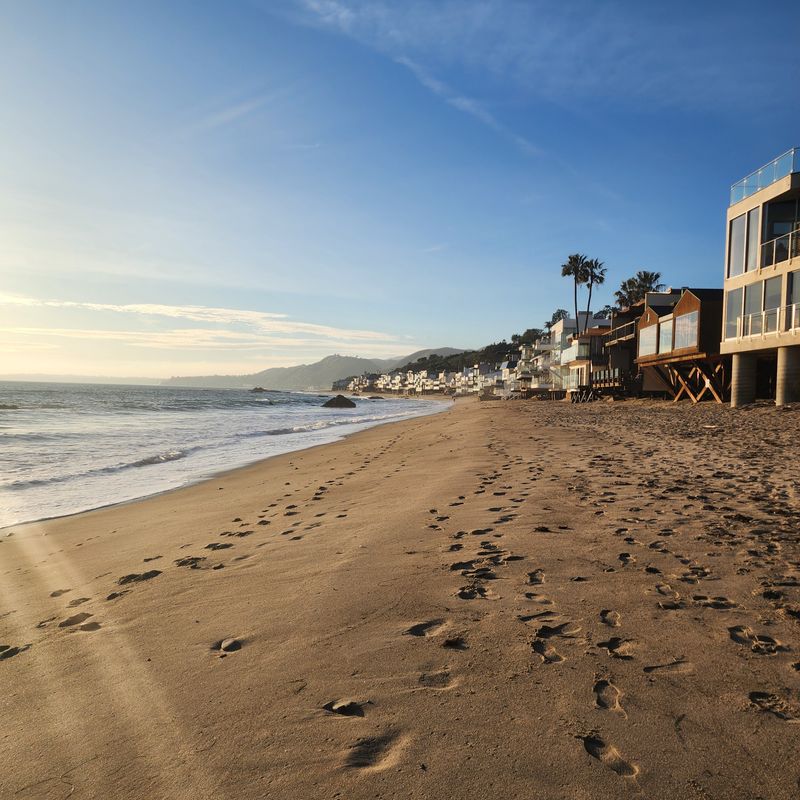
Coast nights feel different, and I like how the fog plays with the light here.
Pull off near Malibu Bluffs Park at 24250 Pacific Coast Highway, Malibu, CA 90265, and walk to the overlooks.
Coastal fog can enhance moonrise drama by throwing warm halos and soft color shifts.
It adds mood without blocking the sky completely, especially when the layer stays low.
Planets still cut through the glow because their light is steady and bright.
California’s shoreline gives the Moon room to look oversized and theatrical near the horizon.
You can frame the cliffs and scrub and let natural light fill the foreground.
If the air steadies, Jupiter’s color bands and Saturn’s golden tint show nicely in small optics.
Keep it relaxed and just let the ocean lift the mood while the Moon climbs.
7. Mount Tamalpais North Bay Night
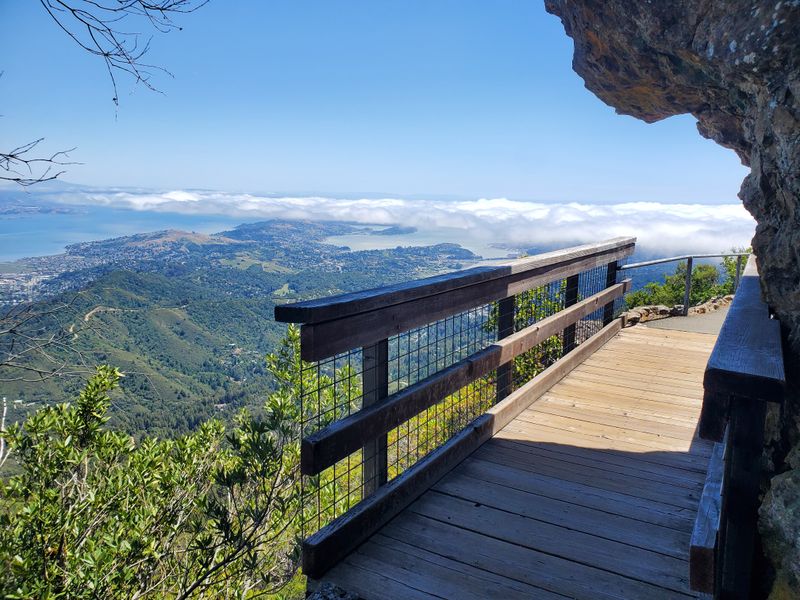
If you want a Bay view plus clean sky, Mount Tamalpais hits the sweet spot!
Aim for the East Peak area near 3801 Panoramic Highway, Mill Valley, CA 94941, and walk a short trail.
Mountain elevation improves planet detail because there is less air between you and the view.
September’s stability helps Saturn’s rings and Jupiter’s bands stand out.
Earlier darkness keeps the timeline friendly for weeknights, which I appreciate.
Coastal fog sometimes stays low, and the Moon pops above it with a soft glow.
Planet viewing peaks alongside the supermoon, so you can point and share quickly.
Natural moonlight will outline the ridges and trees without extra gear.
If you time it early in the month, a quick Milky Way check before moonrise can happen.
Make sure to bring a light layer, breathe the pine, and watch the Bay settle under that bright disc.
8. Pinnacles National Park Quiet Valleys
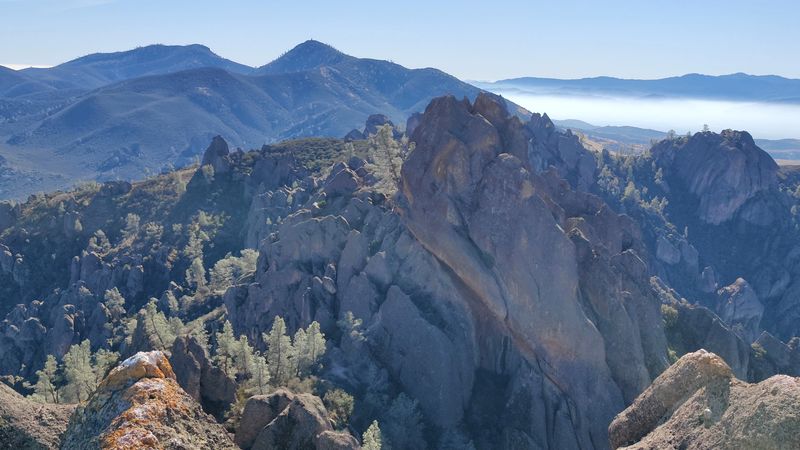
This park feels tucked in, and the rock spires make the moonlight look theatrical.
Start at the east entrance area at 5000 California 146, Paicines, CA 95043, and pick a calm turnout.
September skies feel calm and intentional here, with fewer crowds and gentle wind.
Dry air keeps the planets sharp, and colors stay true in smaller scopes.
The Moon lights up the crags and trees, which helps with easy night walking and photos.
Early month timing can still reveal a slice of the Milky Way before the Moon takes over.
I think it’s nice to pause, listen to the quiet, and let the landscape balance the bright sky.
It is a mellow California stop that feels personal and unhurried.
9. Mount Laguna Turnouts And Pines
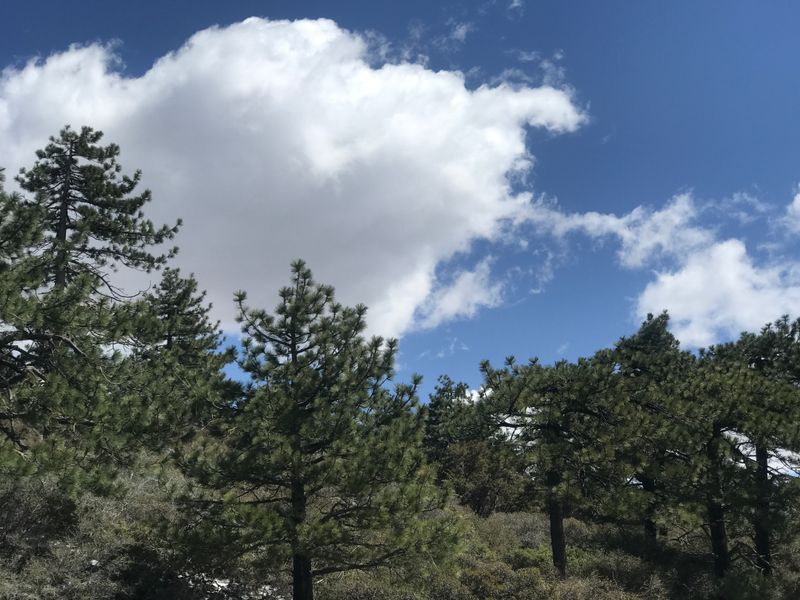
This is a classic quick hop from the city with real mountain air.
Aim for the Sunrise Highway corridor near 10678 Sunrise Highway, Mount Laguna, CA 91948 and use a safe turnout.
Higher elevation trims the atmosphere and helps planet detail stand out.
September weather usually steadies, so views feel crisp and reliable.
Earlier darkness makes it easy to squeeze in a weeknight sky session in my opinion.
I love how planets show color more clearly, with Jupiter’s bands and Saturn’s warm tone visible.
The pines frame the Moon and add soft texture for photos without extra lights.
If you arrive early in the month, a quick Milky Way peek can still happen before moonrise.
Keep headlights low, step quietly, and enjoy the hush between the trees; simple, close, and very California from start to finish.
10. Lake Tahoe East Shore Moonpaths
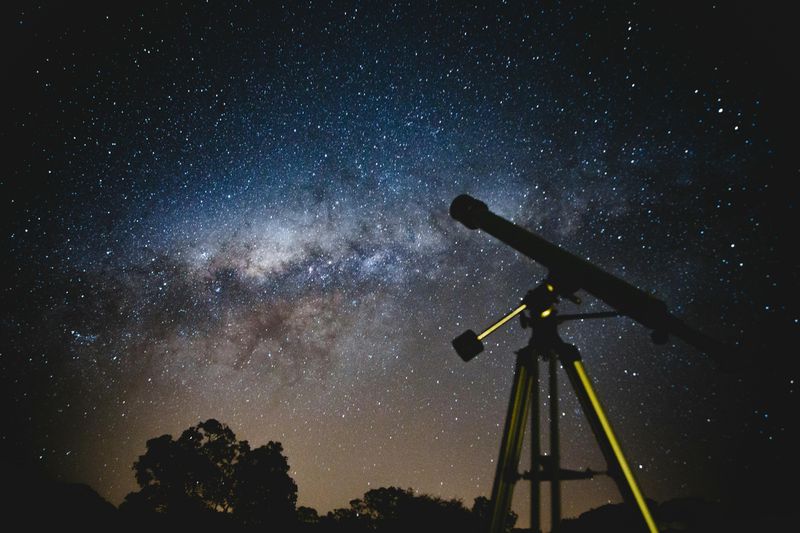
I love the way the Moon paints a path across the water here.
You can start near Sand Harbor at 2005 Nevada 28, Incline Village, NV 89452 and work the east shore angles from the California side drives.
Mountain elevation improves detail, and September’s stability keeps the view steady.
Planets remain bright next to the Moon, so pointing them out feels natural.
Earlier darkness helps keep the night mellow and easygoing.
Natural moonlight makes the granite and pines glow, which helps with simple compositions.
If the air is steady, Jupiter’s cream tones and Saturn’s gold show even in small gear.
You can linger on a boulder and just watch the reflection slide with the breeze.
It is quiet, friendly, and a touch nostalgic when the lake settles under that silver light.
Bring a warm layer and a smile, and let the Sierra night slow everything down.
11. Red Rock Canyon State Park Ridges
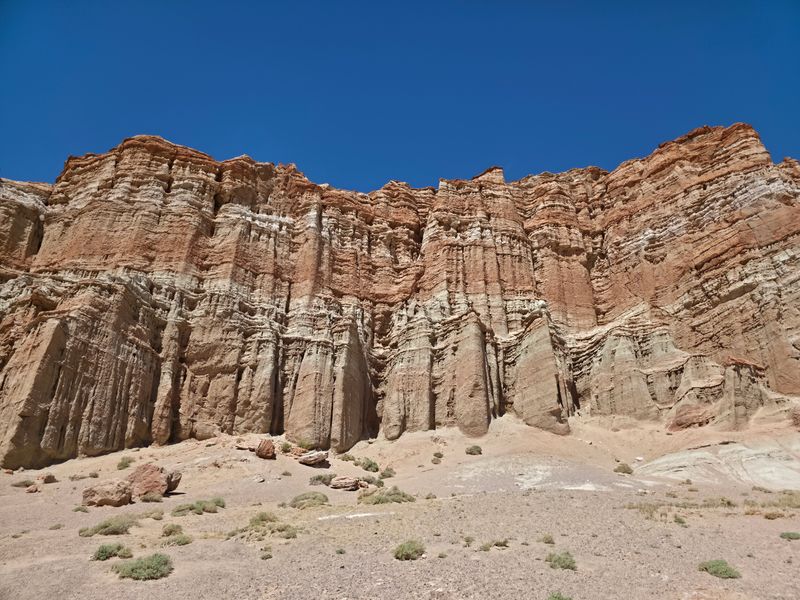
These striped cliffs look incredible when the Moon slides up and throws long shadows.
Point to 37749 Abbott Drive, Cantil, CA 93519, and find a pullout along the park roads.
Dry desert air keeps the view sharp and pleasant for long looks.
Planet viewing is easy here because their steady light survives the Moon’s brightness.
Earlier darkness means we can linger without staying out forever.
Colors on Jupiter and the soft gold of Saturn are easier to see in calmer September air.
The formations glow under natural moonlight, which makes photos look balanced and gentle.
Early month timing can still sneak in a short Milky Way moment before the Moon rises.
Make sure to keep it simple and safe, watch for wildlife, and enjoy the quiet.
It feels like the desert decided to put on a slow, thoughtful show just for you.
12. Point Reyes Moon Over Dunes
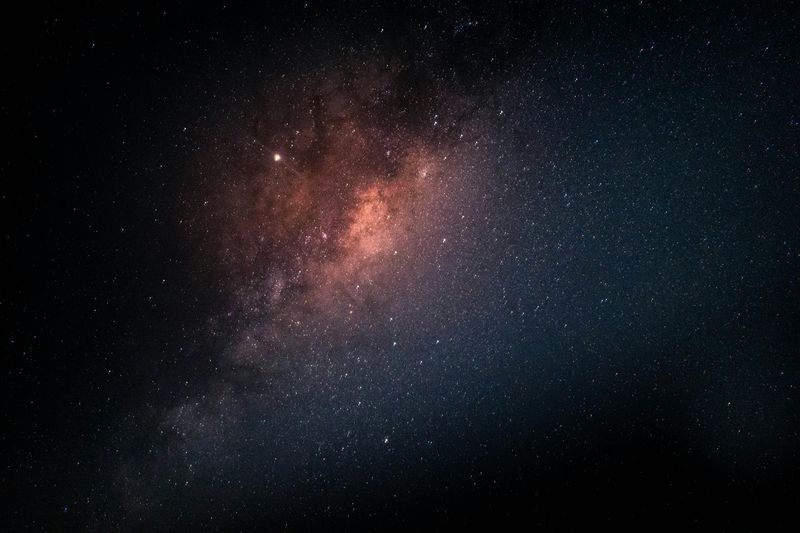
When the fog behaves here, the Moon looks like it is floating on a soft blanket.
Aim for the lighthouse area at 27000 Sir Francis Drake Boulevard, Inverness, CA 94937, and walk the dunes nearby.
Coastal fog can enhance the drama by adding halos and gentle color shifts around the Moon.
Planets remain obvious because their light is steady and bright even in glow.
September skies feel calm in my opinion, and that silence makes the moment land a little deeper.
Natural moonlight shapes the grasses and fences, which helps for simple night photos.
If you start before moonrise early in the month, the Milky Way can still peek through.
You can let the ocean sound guide the pacing and keep the lights minimal, which I really like.
It is a gentle California night that feels spacious without being far from town.
13. Carrizo Plain Wide Horizon
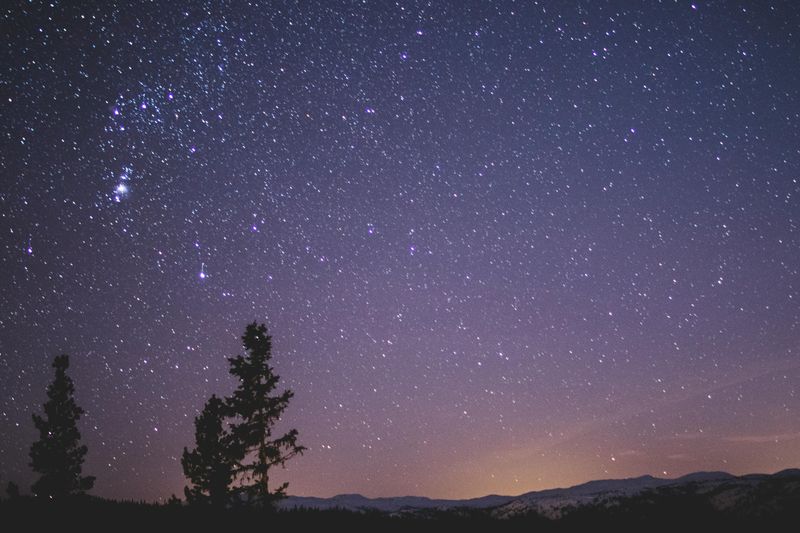
If you want a giant horizon and nothing in the way, this is the right move!
Head for the Carrizo Plain visitor area at 17495 Soda Lake Road, Santa Margarita, CA 93453, and scout a pullout.
California’s wide open landscapes amplify the supermoon illusion near the horizon.
The Moon looks oversized and dramatic even to folks who rarely stargaze.
Dry air reduces distortion, so edges feel neat and steady.
Earlier darkness in September makes the schedule easy and relaxed.
I like how planets remain bright and more defined than most stars, which helps newcomers pick them out.
Natural moonlight keeps the plain visible without extra lighting, which feels calm and clean.
If the wind stays light, colors on Jupiter and the soft gold of Saturn come through.
You can keep it unhurried, let the plain breathe, and enjoy the sky doing simple, beautiful things.
Dear Reader: This page may contain affiliate links which may earn a commission if you click through and make a purchase. Our independent journalism is not influenced by any advertiser or commercial initiative unless it is clearly marked as sponsored content. As travel products change, please be sure to reconfirm all details and stay up to date with current events to ensure a safe and successful trip.
