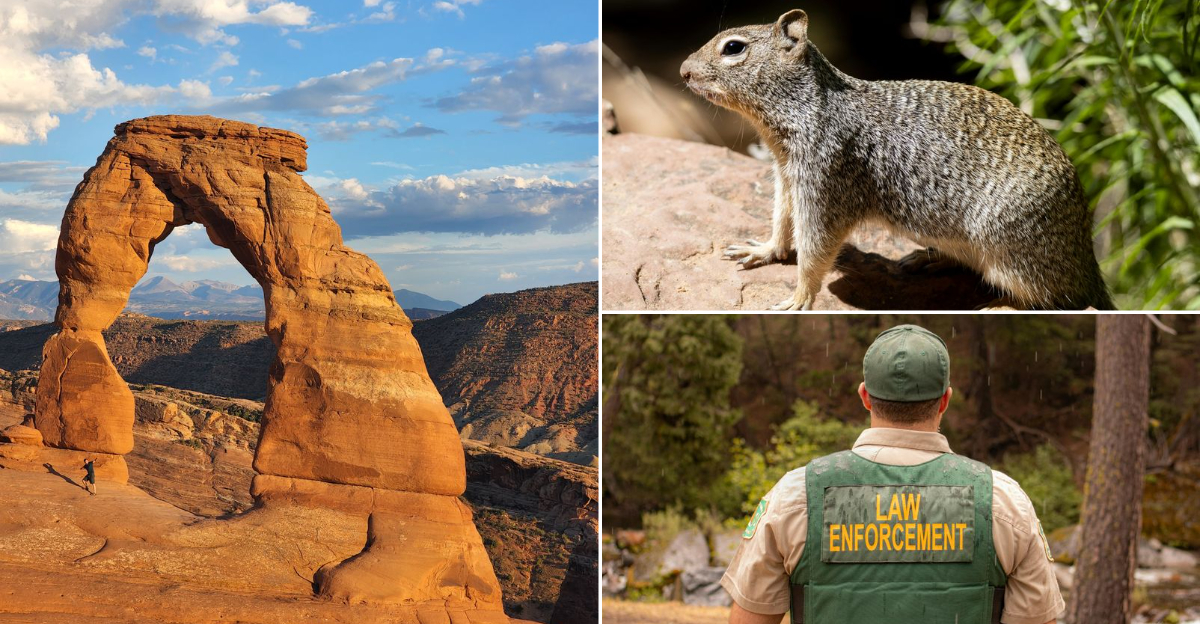
Once, walking into Utah’s national parks felt like stepping into a world untouched, where sandstone spires and desert canyons could swallow you whole and leave only your own footsteps behind. Today, the trails hum with constant motion.
Tour buses spool along narrow roads, shuttle lines gather at trailheads, and selfie-seekers cluster at every iconic view. The wild still exists, but it now shares space with cell phones, guide maps, and the ever-present shuffle of other visitors.
Sunrise holds its magic, when the light hits the cliffs and the crowds are still scattered, but by mid-morning the rhythm changes, and patience becomes part of the experience.
Rangers, parking signs, and well-trodden shortcuts smooth the flow, yet that sense of solitude has to be hunted.
If you arrive early, linger at less obvious viewpoints, or take side trails, you can still glimpse the quiet heartbeat that made these parks feel boundless.
1. Timed Entry And Reservation Systems Replaced Spontaneity
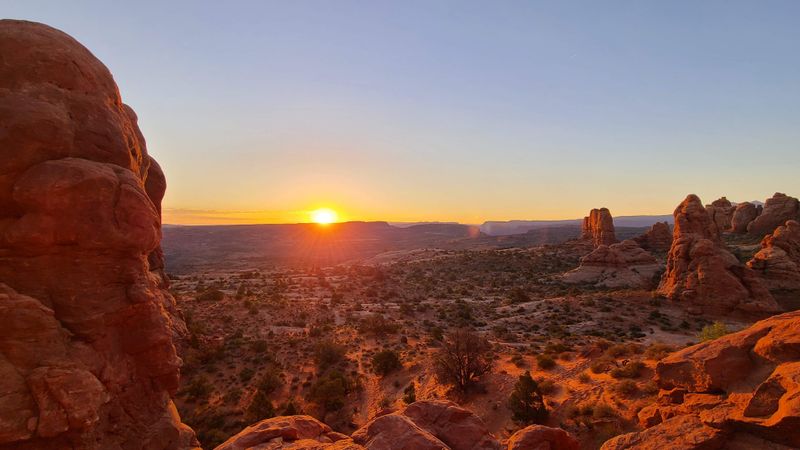
Remember when you could just pull off the highway, roll into Arches, and wander wherever your shoes pointed? Those days in Utah slowed you down in a good way because there was room for a last minute hunch.
Now it is a calendar game with browser tabs and alarms, and the mood shifts before you even pass the entrance booth.
The timed entry system helps, sure, but it also trims away the serendipity that made a quick detour feel like a story waiting to happen.
Miss your window and the whole day kinks sideways. You are stuck deciding whether to circle, bail, or burn the afternoon outside the gate.
There is a tiny relief in knowing it will not be utter gridlock, yet the tradeoff is that you move on rails. You are not really exploring so much as sliding into a slot someone else assigned.
It is not the ranger’s fault, and it is not yours either. It is the math of too many people, not enough space, and a landscape that cannot be widened without losing what makes it special.
So you learn to plan like a local, which is fine until a storm blows in and the plan becomes useless.
The old Utah rhythm loved those surprises, and that is what feels thin now.
2. Iconic Trails Feel Like Single-File Lines
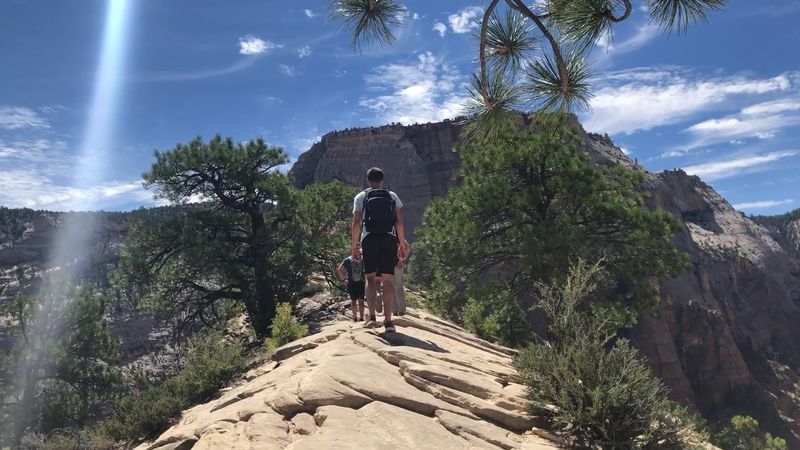
Head up to Angels Landing or The Narrows and tell me it does not feel like a polite human conveyor belt. You are moving, but it is more choreography than hiking.
Every pause becomes a negotiation of who goes, who waits, who snaps the photo, and who gets the railing.
Good vibes, lots of patience, but the rhythm of a trail turns into the rhythm of a hallway.
Utah still feels huge from the overlooks, yet the footpath experience compresses it into inches. Your breath syncs with the person ahead whether you want it to or not.
I get why people come because that first view slaps, no question. Still, the pulse of it all makes the rock feel less like wild country and more like a famous staircase.
You watch feet more than clouds, stare at backpacks more than cliffs.
The soundtrack becomes zipper pulls, chain clinks, and quick apologies.
If you step aside to breathe, the stream closes the gap. The trail keeps flowing like a river, and you float along because there is nowhere else to stand.
3. Shuttle Systems Changed The Sense Of Scale
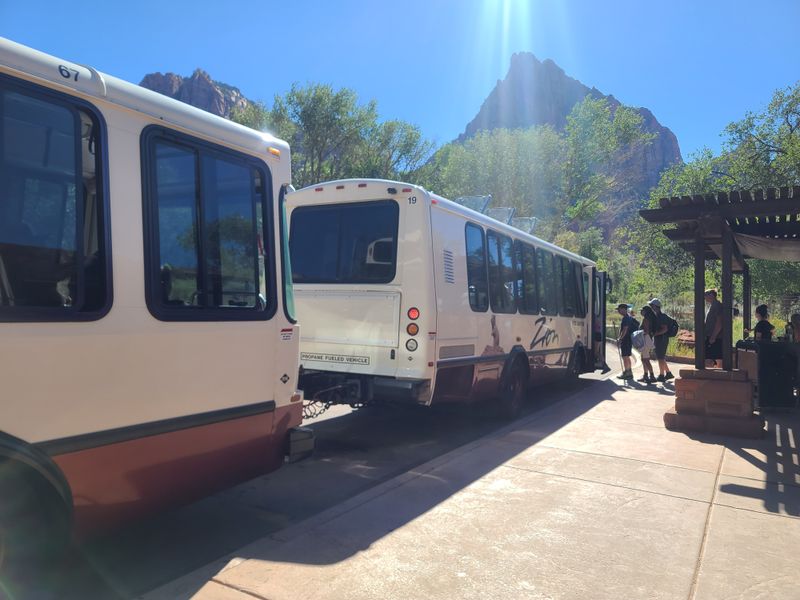
The shuttle is useful, no argument there. It keeps the canyon breathing when traffic would choke it out completely.
But sitting in a bus with a stop list in your lap shrinks a massive place into a handful of addresses.
The story of the day is told in overhead announcements and beeps instead of wind and footfall.
Utah’s canyons look like cathedrals, yet you are moving pew to pew on a schedule. It is tidy and efficient, and a little too tidy for what the cliffs are saying.
Listen long enough and you start planning your hike in segments between pick ups. That is travel by timetable, not by curiosity.
You can still slip past the crowd if you hop off early and walk the extra stretch.
The hush returns, but it takes intention now.
By evening, the last shuttle sets your end time, not the sky. You might want to linger, yet the route has the final word.
4. Parking Chaos Dominates Mornings And Evenings
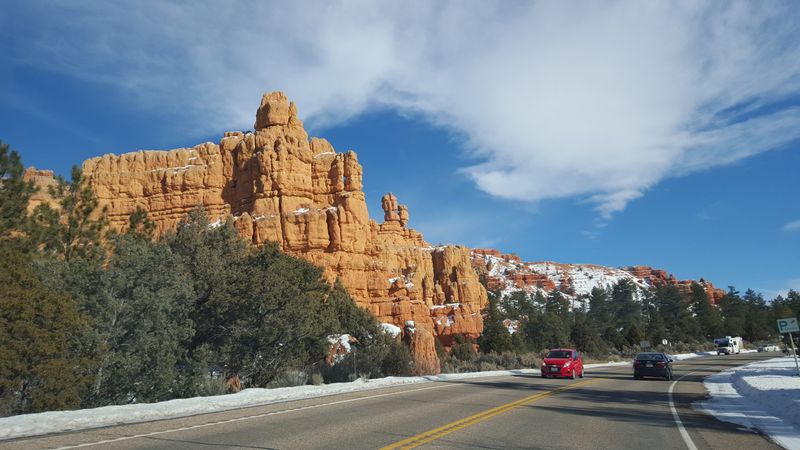
These days, sunrise is less about color and more about where to stash the car legally. You roll in early hoping for quiet, and instead you play musical chairs with headlights.
Evening is not calmer, just different, with everyone timing their exit around the same soft light.
Utah sunsets are still ridiculous, but the parking lot sets the mood before the sky does.
When a ranger waves you onward, your plan flips, and that tiny stress leaks into the hike. You hike faster than you wanted because the dashboard clock is now part of the view.
Trailhead overflow turns shoulders into surprise sidewalks. It is not what the plants or soil signed up for.
Some folks bail to less famous pullouts and win back a little breathing room. That move helps, though it trades wow-factor for sanity.
On the best mornings, you land a spot and forget the scramble by the first bend. On the worst, the lot is the whole story.
5. Social Media Turned Landmarks Into Checklists
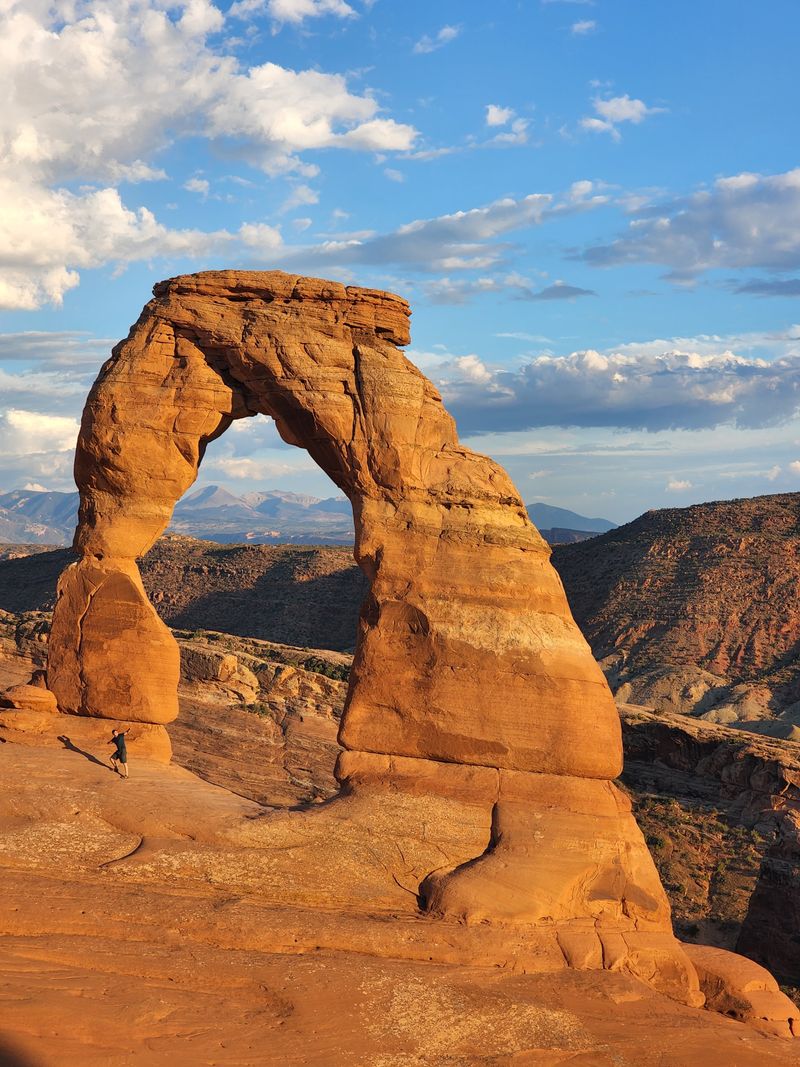
Tell me you have not seen the queue under Delicate Arch and felt the itch to rush. It is like the internet is standing there with a stopwatch.
Utah’s big names became tasks to complete, quick proof that you were there.
People jog between viewpoints because the grid needs filling before the battery dies.
You can still slow it down by skipping a viral angle and wandering a side wash. The arch will not mind if you let it be a shape in the distance.
Friends ask if you got the shot, not what you heard or where the wind changed. That is how the wild turns into homework, one caption at a time.
I am not judging because I have done it too. The pull is real, and the light can knock sense out of anyone.
Maybe the fix is to pick one thing and actually stay with it.
Let the second thing wait for another trip.
6. Noise Replaced Natural Soundscapes
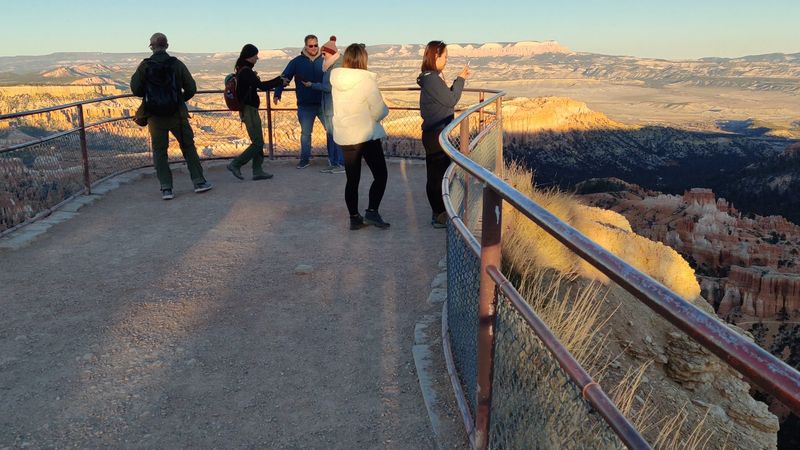
Stand at the rim in Bryce and you will hear voices ping around the amphitheater like marbles. The hoodoos hold sound better than most theaters.
What used to be wind and a distant raven now competes with notifications, tour chatter, and laughter bouncing across stone. None of it is mean, just loud in a place that used to be shy.
Utah still has pockets where your ears unclench, but you have to walk farther to find them.
A half mile from the rim, the canyon finally lowers its voice.
Even boots can feel noisy when the dust is dry. You start stepping softer without thinking about it.
It is funny how silence makes colors richer. After ten quiet minutes, the orange looks like it is breathing.
Then a group arrives and the chorus returns. You smile, share the moment, and keep moving until the echoes fall behind.
7. Infrastructure Keeps Expanding Into Fragile Areas
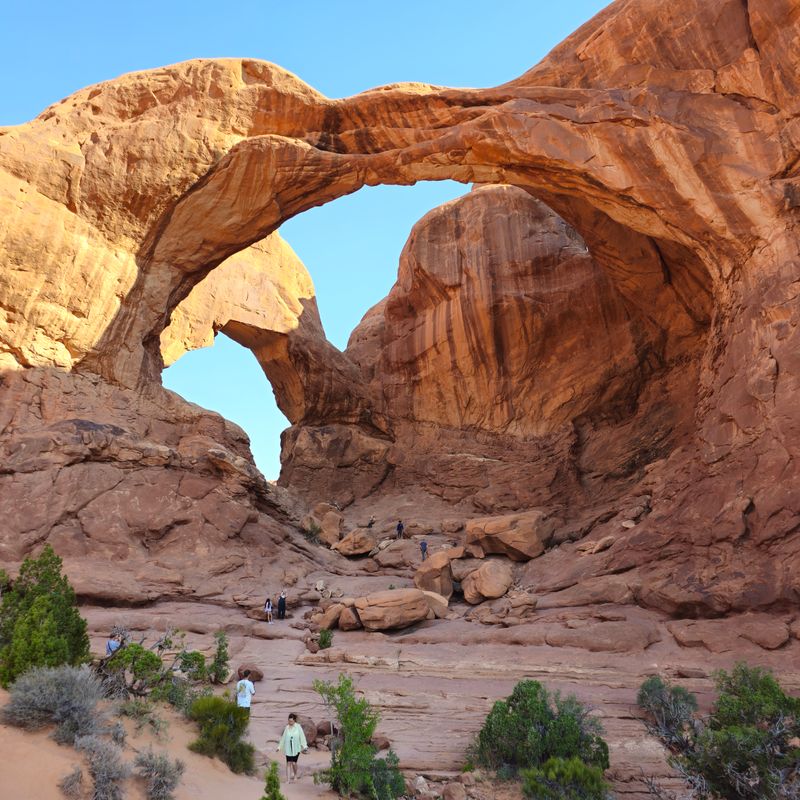
Fresh railings, wider paths, more fencing, and another restroom appear like helpful breadcrumbs. They are helpful, and they also tug the place toward park-with-a-capital-P.
Utah’s slickrock handles feet, but cryptobiotic soil does not, so managers harden edges to protect the soft stuff.
The fix saves the landscape while shifting how the day feels underfoot.
When a viewpoint grows a platform, you stand where everyone else stands. The photograph gets cleaner and the edges of risk fade.
I like not dodging mud or guessing where to step, yet the clean lines nudge the brain into museum mode. You are observing, not wandering.
There is a quiet loss in that, small but steady.
You notice it when an old scramble becomes a staircase.
The intent is good, and the resource needs it. Still, each new rail draws a boundary that used to be felt, not seen.
8. Local Access Feels More Restricted Than Ever
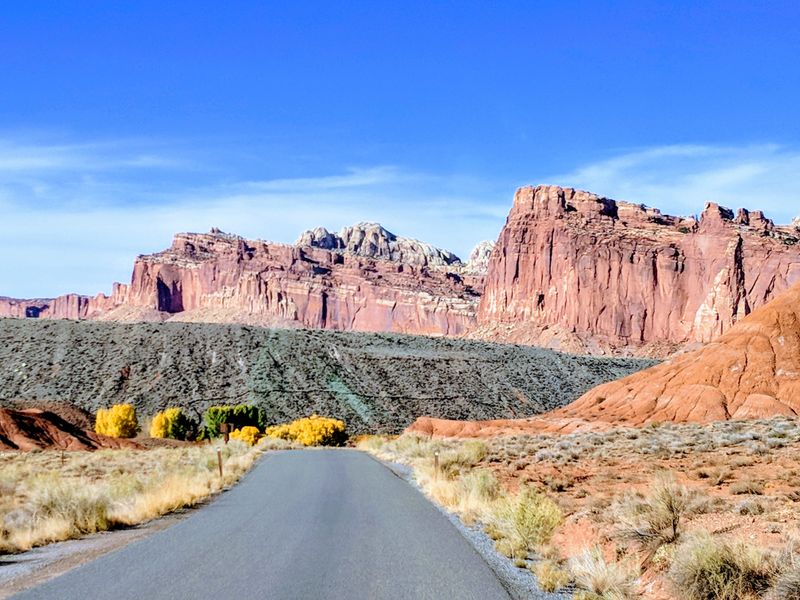
Talk to folks near Capitol Reef and you will hear the same sigh. Peak season turns simple errands into tactical maneuvers.
When the road to the park loads up, locals pivot schedules or skip town errands entirely.
Homes sit close to big views, yet the freedom to use them freely keeps shrinking.
Utah pride runs deep in these towns, and the love for the land is real. Still, a crowded trailhead can feel like a door that will not open for its own neighborhood.
Some families time visits for shoulder weeks or quick late day loops. That is not resentment, just adaptation.
The parks are for everyone, and it is good they are loved. It is also true that living next to beloved things comes with weird tradeoffs.
You start learning back roads the way people memorize recipes. That knowledge becomes the new version of access.
9. Wildlife Behavior Is Changing Around Visitors

Watch the mule deer slide off the trail the instant voices rise. They know the script now and duck sooner than they used to.
Ravens still work the overlooks, bold as ever, but the shy animals read the room and vanish.
Utah’s critters have learned our calendar and stay two moves ahead.
It is not just about fear. Habits shift when people show up daily instead of occasionally.
Tracks move deeper into side canyons, and watering spots go quiet when they should be busy. You can see it in how still the brush goes when a group walks by.
That distance keeps both sides safe, and I am glad for that. It also makes sightings rarer, which is its own quiet loss for kids and first timers.
Give them space, slow your step, and let your presence fade.
The reward is a softer moment that belongs to the place, not the camera.
10. Rangers Spend More Time Managing People Than Protecting Land
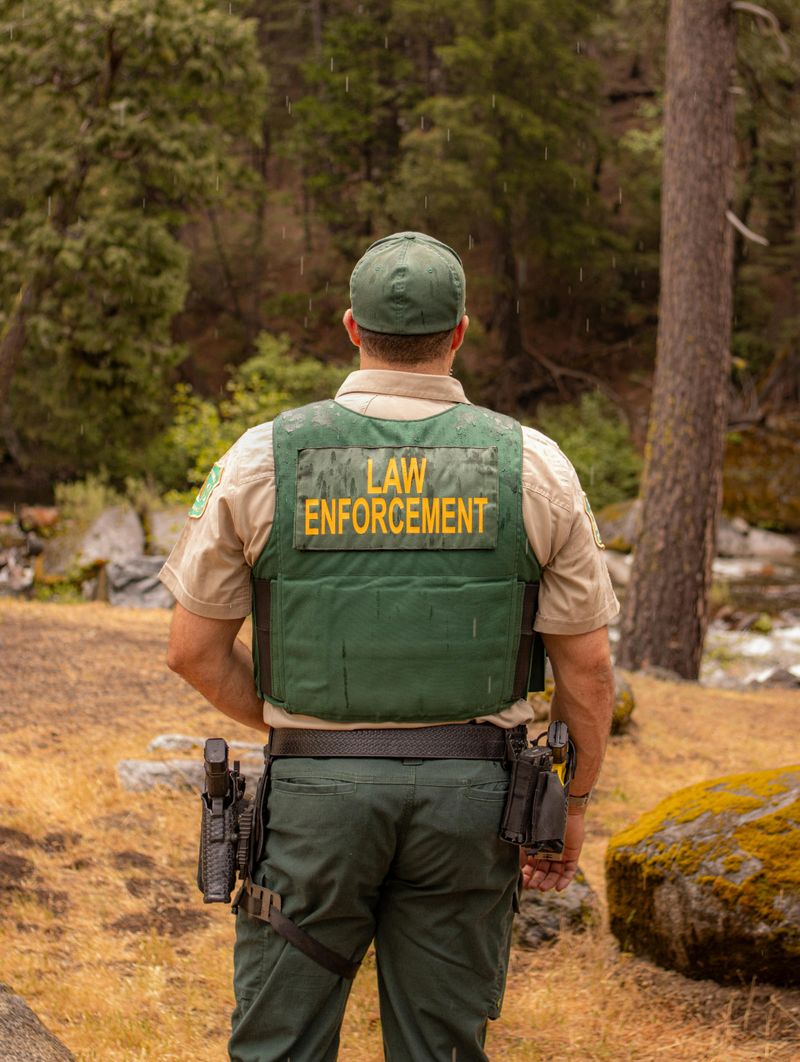
Hang near a trailhead for ten minutes and watch a ranger’s day unfold. It is questions, safety chats, redirecting, and untangling tiny crises.
Paperwork stacks up because permits keep the system fair, but the face time is mostly triage.
Utah’s wild needs guardians, and the guardians are running a small city most mornings.
You can hear the patience in their voices. You can also hear the fatigue when the same warning gets repeated for the hundredth time.
None of this is dramatic, just steady and relentless. The job skews toward people more than plants now.
On a quiet afternoon off the main loop, you might spot an actual resource check happening.
Those moments feel rare and precious, like a return to the original assignment.
A thank you goes a long way, even if it sounds small. They are carrying a lot so the rest of us can wander a little.
11. Popular Seasons Are Stretching Longer Each Year
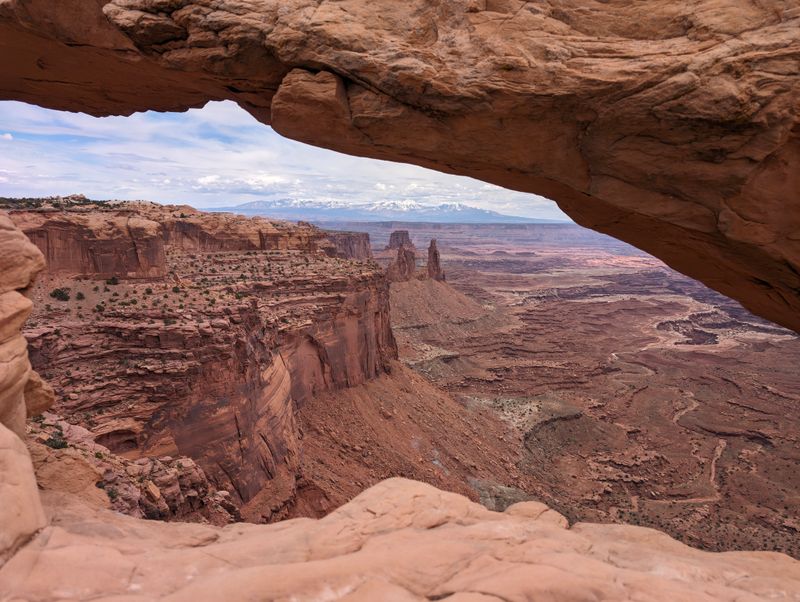
Remember when there was a clear off season and you could bank on quiet? Now the edges blur, and busy keeps leaking outward.
Utah stays on travel lists, and flexible work means more midweek trips.
The result is a season that breathes, but never fully exhales.
Even shoulder months stack full trail registers. Campgrounds feel like they forgot to take a breath.
The land notices when there are fewer pauses. Recovery is not just about rain and sun, it is about rest.
To find stillness, you chase weather that used to scare you off. That gamble can pay with a hush that feels almost old-school.
Then a clear forecast returns and the hum rises again. It is not a wave anymore so much as a tide that never fully goes out.
12. Nearby Gateway Towns Absorb The Overflow
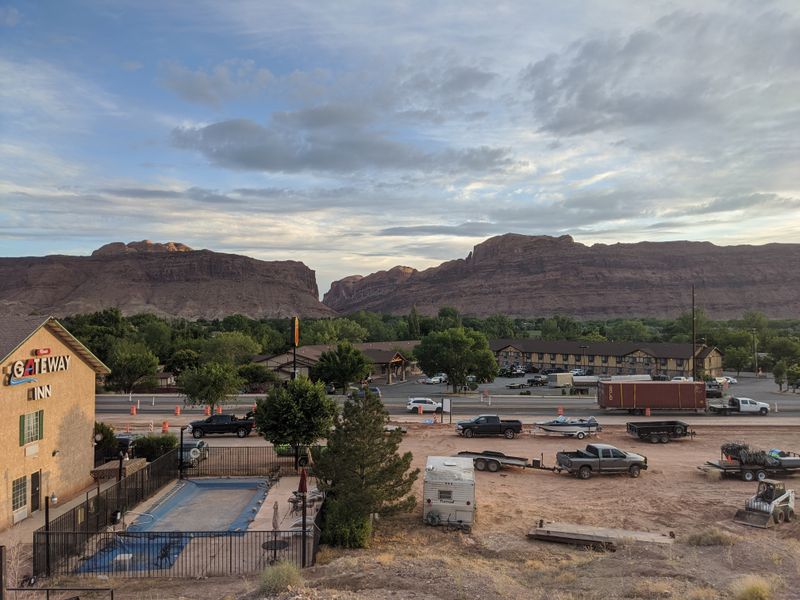
Moab and the small towns near Canyonlands carry a lot of weight now. Traffic slides from the parks straight into neighborhoods and back lots.
Housing tightens, parking spills over, and the calendar feels crowded even on random weekdays.
Utah hospitality holds steady, but the gears grind.
You feel it most when you try to do something simple like swing by a shop. The line says everyone had the same idea at the same time.
Locals swap tips on back ways and quiet hours, then guard them like heirlooms. That is how balance survives when the map lights up.
Some visitors slow down and spend time beyond the headline spots.
That eases pressure and turns the day into a real visit instead of a sprint.
The towns keep smiling, but you can hear the tired in that smile sometimes. It is the sound of holding a door open all day.
13. The Feeling Of Discovery Is Harder To Find
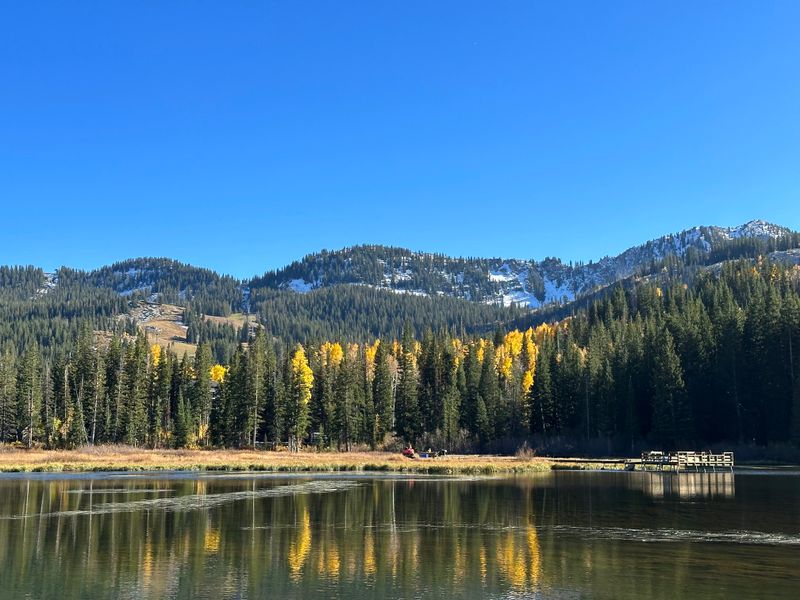
I still chase that moment when a bend turns and the world goes quiet. It shows up, just less often than it used to.
Discovery now takes strategy instead of luck, and maybe that is okay.
You study maps, pick odd hours, and protect a sliver of Utah that still feels unprogrammed.
When it clicks, the hush lands like a blanket. You notice tiny things again, like lichen colors and the smell after sun on stone.
The big parks are still stunning, and they are still worth your time. They just do not hand out solitude like they once did.
So you trade breadth for depth and let one wash or ridge be the whole day. That swap turns noise down and attention up.
It is not the old wild, but it is a real one. And it belongs to whoever is willing to move a little slower.
Dear Reader: This page may contain affiliate links which may earn a commission if you click through and make a purchase. Our independent journalism is not influenced by any advertiser or commercial initiative unless it is clearly marked as sponsored content. As travel products change, please be sure to reconfirm all details and stay up to date with current events to ensure a safe and successful trip.
