Chicago loves travelers who arrive curious, confident, and a little informed. This is a city that runs on rhythm, neighborhoods, and everyday routines, and knowing a few safety basics helps you experience it the way locals do.
Most visits are smooth and uneventful, but like any major city, Chicago asks you to pay attention to your surroundings and move with intention.
Understanding how transit works, where crowds thin out, and how neighborhoods change block by block makes a noticeable difference.
These are not fear-based tips or overreactions, just practical habits that help you stay comfortable while you explore. From walking near the lakefront to navigating late-night food runs, small choices add up quickly here.
Learn the basics, trust your instincts, and you will find that Chicago opens up in a way that feels welcoming, energetic, and easy to enjoy without second guessing every step.
1. Safety Varies Strongly By Neighborhood
Chicago is a big patchwork, and that’s the part folks forget when they lump it into one vibe. You can feel the switch from busy, bright blocks to quieter pockets in a couple of turns.
When you’re near Millennium Park at 201 E Randolph St, the rhythm is crowds, officers, and cameras.
Swing a few blocks to a calm street at night, and the energy shifts fast.
You do not need to be scared, just tuned in. Think of it like reading the room, street by street.
Lincoln Park around 2045 N Lincoln Park W feels relaxed and jogger friendly during the day. After dark, it still works, but you’ll want the main routes and company when possible.
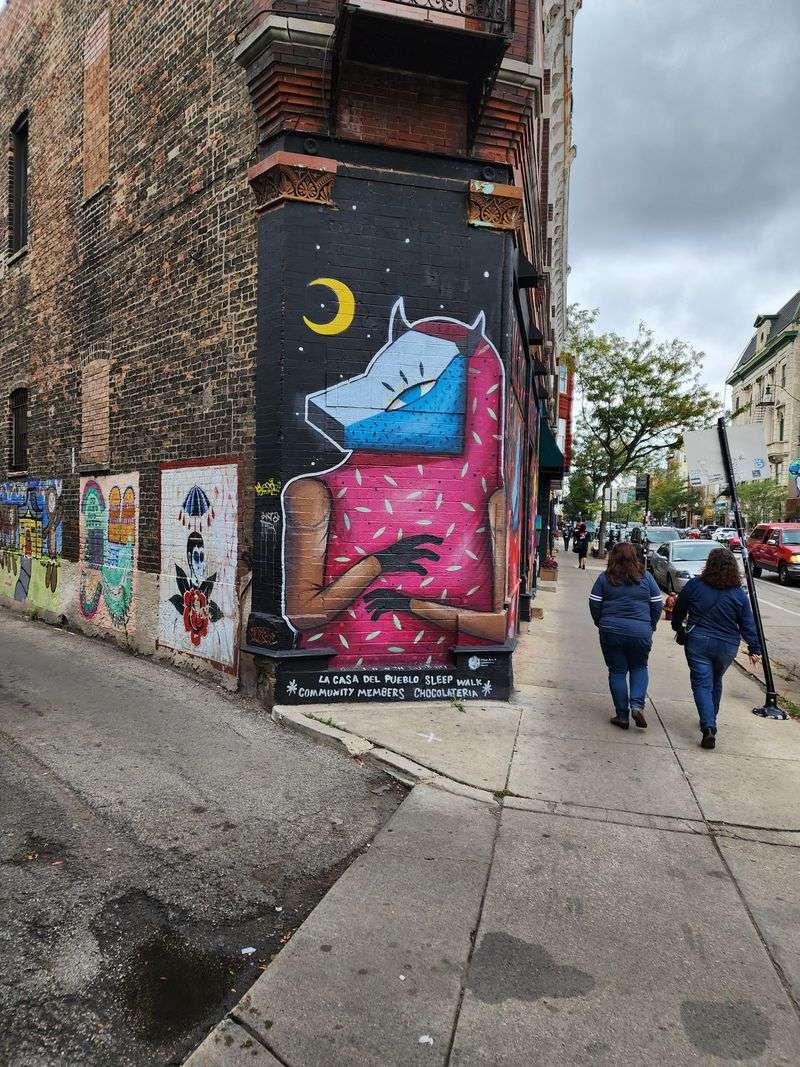
In Pilsen near 1800 W 18th St, murals and galleries are the draw. You’ll enjoy it more if you keep your bag zipped and your phone pocketed at crossings.
Hyde Park by 5801 S Ellis Ave, anchored by the university, has steady foot traffic in daylight.
Late nights thin out, so plan your path instead of meandering.
If something feels off, trust that gut and adjust with zero drama. There is no prize for sticking to a route that stopped feeling right.
Use well lit arteries, not shortcuts that look empty. Your future self will thank you for the boring, safe choice.
Illinois weather can change your read on a block.
Snow piles and fog can make quiet streets feel isolated fast.
Bottom line, treat neighborhoods like different rooms in the same house. Walk in with respect, look around, and you’ll navigate smoothly.
2. Public Transit Is Safe, But Awareness Matters
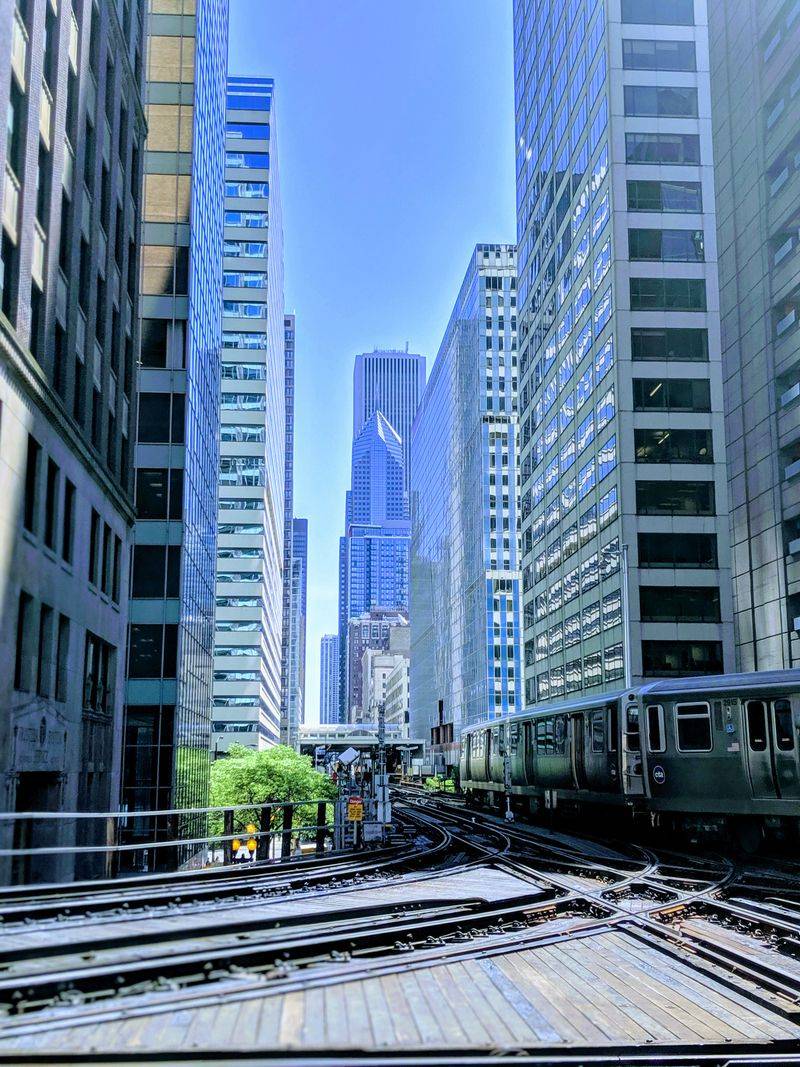
The L moves the whole city, and you’ll use it without fuss if you play it smart. Think daytime rides, clear routes, and a close hold on your bag.
Major hubs like Clark and Lake at 100 W Lake St keep you in the middle of everything. If you get turned around, step by the station booth and ask for the simplest transfer.
Navy Pier and the Magnificent Mile are simple from here.
You can pair a short walk with a quick train or bus hop.
Union Station at 225 S Canal St is your rail anchor for regional trips. Inside, find bright concourses and posted schedules that are easy to read.
If the car is sparse late at night, move toward the operator’s car. That tiny shift adds line of sight and peace of mind.
On platforms, wait near other riders and stand back from the edge.
You’ll see locals doing the same without overthinking it.
Keep earbuds low so you can hear announcements. Situational awareness beats speed every time.
Buses along Michigan Ave cluster at clear stops with digital signs. If a stop looks empty and dim, you can walk one block to a brighter one.
Tapping in and out with a transit card keeps you smooth. It also shortens the time your wallet is visible.
End of day, public transit is a tool you can trust with basic care. Plan your route, aim for well lit transfers, and you’re golden.
3. Late Nights Change The Dynamic Quickly
Daytime Chicago hums with commuters and museum lines, then the switch flips late. The same street can feel empty and echoey in a blink.
If you finish a show near the Chicago Theatre at 175 N State St, take the bright routes toward your hotel. Skip the tempting shortcut that ducks behind buildings.
In the West Loop around 800 W Randolph St, crowds thin after the rush.
You’ll want to stick to main drags and move with intention.
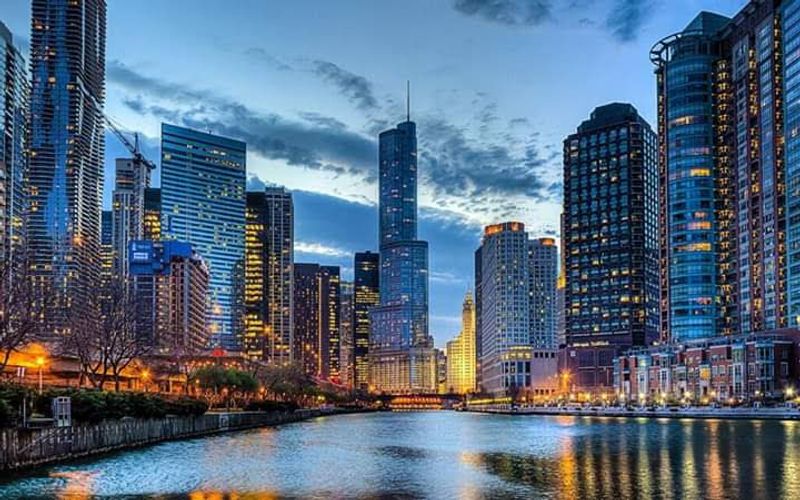
Riverwalk sections can go from festive to sparse. When the lights feel far apart, head up to Wacker and rejoin the flow.
Set your rideshare pickup on a main corner with visibility. If the app chooses a side alley, nudge it to a better spot.
Your energy matters here. Calm and purposeful beats fast and scattered every time.
Make a tiny plan before you step out of the venue. Where are you walking, and what’s Plan B if it looks empty?
If someone trails a little too closely, cross at the next light and watch the reflection in windows.
You’ll know within seconds if they were just matching pace.
Illinois nights can get windy and loud, which messes with your hearing. Stay present and give yourself extra seconds to read the block.
Wrap the night with the same care you started it. Nothing about caution ruins the fun, it just delivers you home intact.
4. Ride Share Is Often Safer Than Walking Long Distances
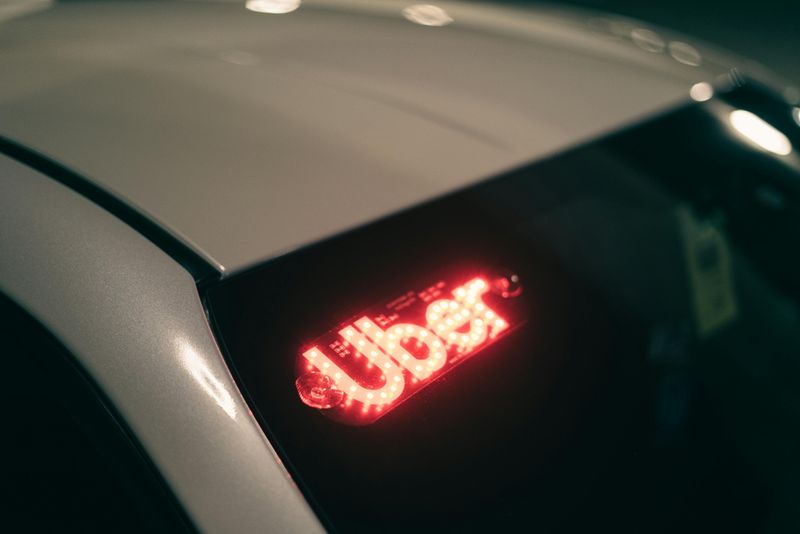
When the map says it’s a long walk and the street looks quiet, call the car. Locals do this without a second thought.
Choose a pickup point that’s bright and obvious, like 108 N State St by Block 37.
You can wait near security and step out when the car arrives.
At Union Station, 225 S Canal St, follow signs to the main rideshare zone. It keeps traffic flowing and keeps you visible.
Confirm the plate before you open the door. Then sit behind the driver so you have sight lines and space.
End of night in River North around 505 N Michigan Ave, you’ll see cars stacking up.
Patience is safer than wandering around to chase a faster pickup.
If the driver suggests a weird meeting spot, offer an alternative on the main road. Clear curbs beat alleys every time.
Share the trip with a friend even if you’re feeling fine. It’s cheap insurance and takes seconds.
If the route looks off, ask a quick, friendly question. There’s no need for drama, just clarity.
Weather in Illinois throws curveballs, and a car keeps you out of icy sidewalks. It also shortens the window where phones and bags are exposed.
Use rideshare like a bridge across the empty parts of the map. You’ll arrive with energy to spare and none of the stress.
5. Busy Streets Are Better Than Empty Ones
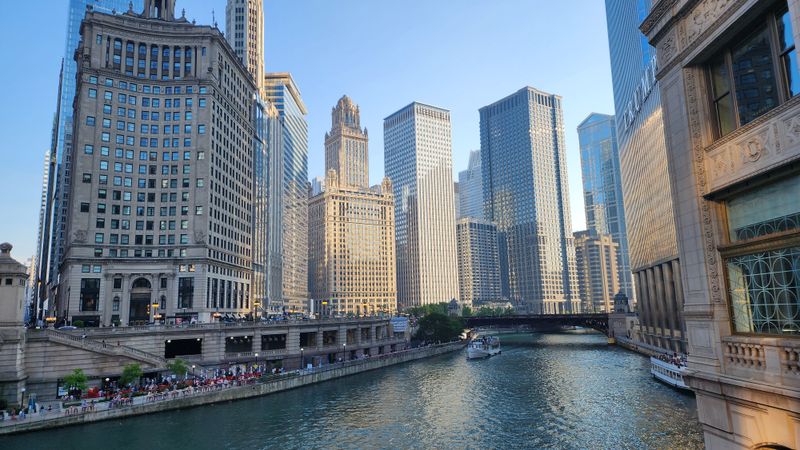
Here’s a simple rule that never fails. Pick the busy street over the lonely shortcut, especially when the sun drops.
Michigan Ave around 401 N Michigan Ave keeps eyes on the street.
If a cross street looks dim, take the long way and stay where the lights are.
State St near 36 S State St has steady foot traffic and transit stops. That activity gives you cover and quicker help if something goes sideways.
On the Riverwalk, a lively stretch feels fine. When it thins, climb the stairs and continue at street level.
Wabash Ave often flies under the radar but stays active. It’s a good alternate when Michigan gets clogged.
Lincoln Park’s main corridors at 2460 N Clark St feel friendly during the day.
Evening plans should follow the same busy spines.
Headphones low helps you read the sidewalk. You’ll catch footsteps, bikes, and the tone of the block.
If a block turns quiet in a hurry, pivot at the next corner. No reason to push through a stretch that feels off.
For photos, step back to a wall and scan first. Take the shot, zip the phone, and blend back into the flow.
Go where the people are, and you’ll feel the difference immediately.
6. Hotel Location Matters More Than Hotel Price
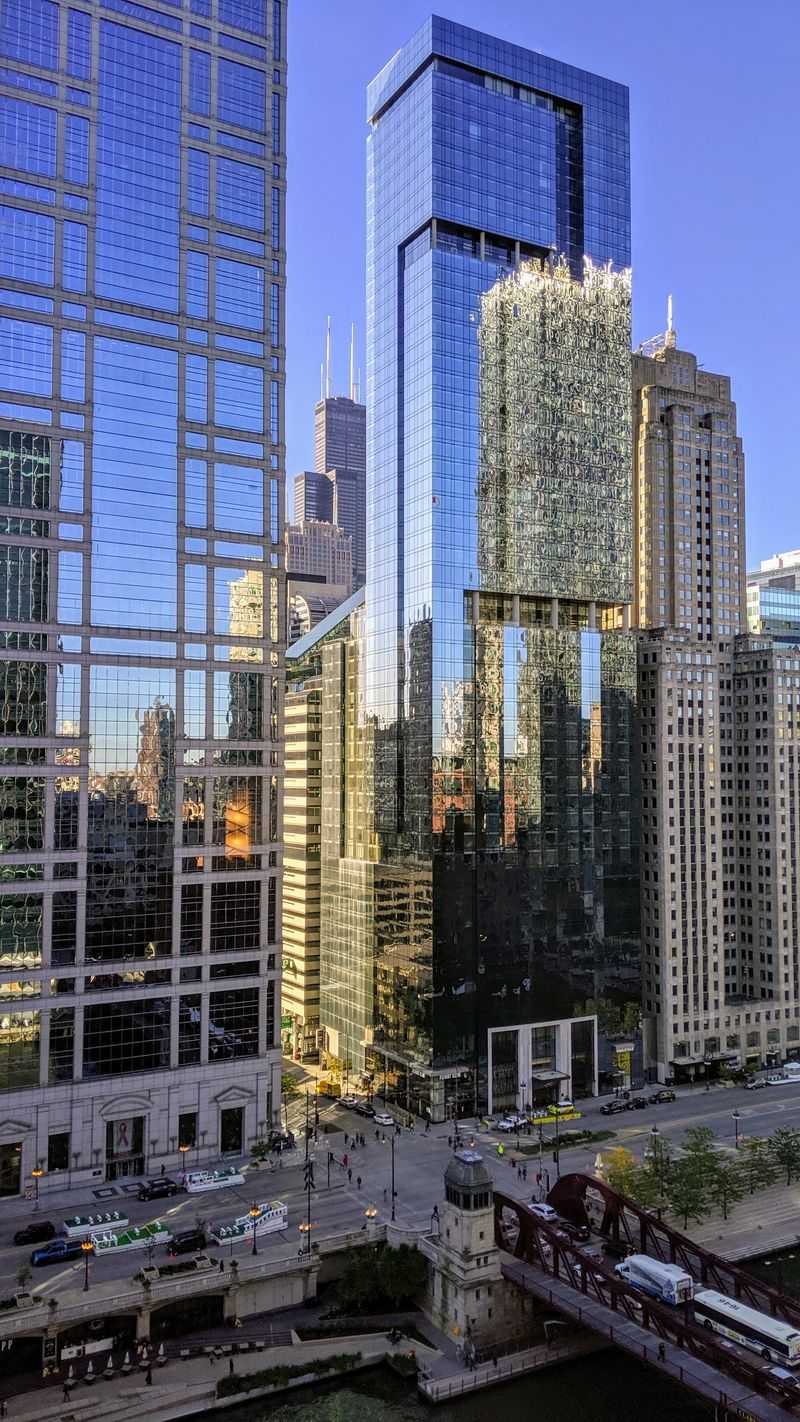
If you’re deciding between a cheap spot far out and a solid place near the loop, pick location. Your feet and your nerves will thank you.
A hotel around 151 W Adams St puts you near CTA lines and busy corridors. That means brighter walks and faster rides late at night.
River North addresses like 20 W Kinzie St shrink the distance to attractions.
Less transit time equals fewer chances to get turned around.
Near Millennium Park at 201 E Randolph St, you can reset easily between plans. Daytime crowds add a layer of comfort, even on quick errands.
Read recent reviews for safety mentions and staff visibility. Those notes tell you way more than polished photos.
Ask the front desk which exit to use after dark. They’ll point you to the lit corner and the steady traffic.
Lobby staff see daily patterns. Their five second guidance beats an outdated internet thread.
In winter, being central shortens your time in wind tunnels.
Illinois gusts have a personality, and it is not gentle.
When you arrive, clock the nearest CTA stop and a rideshare pickup zone. Future you will appreciate that little recon at midnight.
Paying a bit more for a safer, central base is a stress tax you will not miss. The whole trip runs smoother when home base is smart.
7. Events Increase Crowds And Loss Incidents
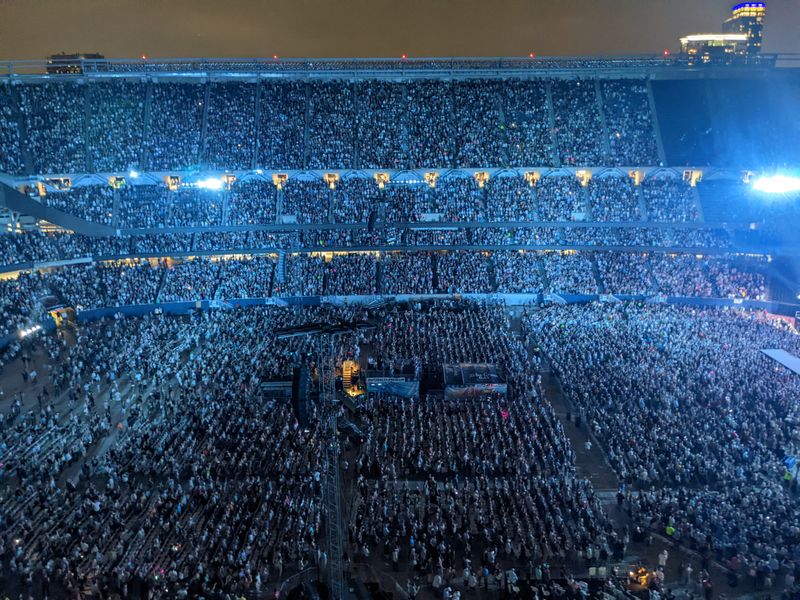
Big events crank up the energy and the pickpocket risk at the same time. It’s not personal, it’s math.
Grant Park at 337 E Randolph St pulls huge crowds during concerts and festivals. That many people means more distractions and more hands near bags.
Soldier Field at 1410 Museum Campus Dr runs packed event days. Keep your essentials in a front pocket or a crossbody that stays zipped.
Over by the United Center at 1901 W Madison St, plan your exit before the encore.
You’ll avoid the crush and the chaos outside the gates.
When a festival ends, phones come out and attention drops. That’s exactly when a quick snatch happens on the curb.
Pick a meet point that is obvious and bright. You’ll spend less time wandering with your screen up.
Use a slim wallet with only what you need. Back pockets are a souvenir stall for someone else.
If someone presses into your space while you’re standing still, shift your bag to the front. A small move sends a clear message.
Transit after a game is fine, just aim for the busiest station entrance.
Stick with the flow, not the empty shortcut.
Chicago loves a big day out, and you can, too. Just keep your hands on your gear and your eyes up when the crowd surges.
8. Weather Can Affect Safety Decisions
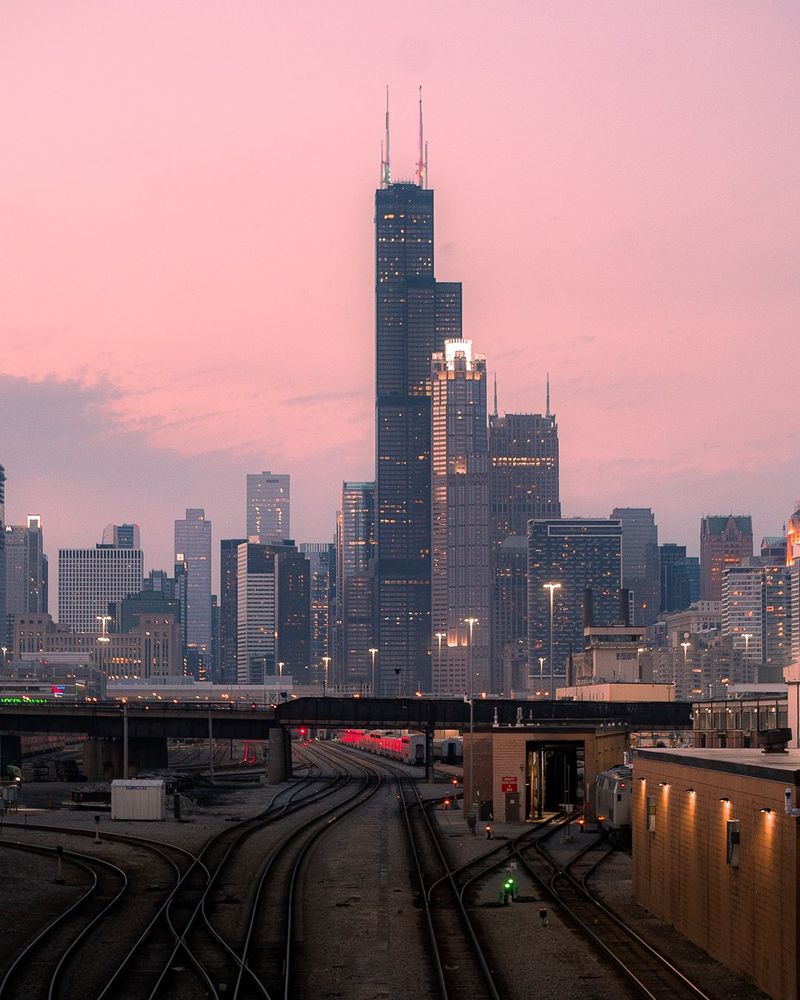
Illinois weather changes the playbook faster than any headline. Wind, snow, or heat can empty a street that felt busy an hour ago.
On cold days, cluster your plans around the Loop and River North. Shorter walks and indoor handoffs keep your energy up.
Pedestrian bridges near the river get slick.
Take the stairs slowly and use the rail with your phone zipped away.
When storms roll over Millennium Park at 201 E Randolph St, shelters fill. Ride it out inside a staffed building instead of under a random awning.
Summer heat pushes folks into shade, making some blocks look deserted. That’s your cue to move on the wider, breezier streets.
Bus shelters and train stations offer cover and people. If visibility drops, wait it out where the lights are.
Wet sidewalks are a wallet trap. If you slip, it’s easy to drop cards and not notice for a block.
Gloves with phone tips keep you from fumbling while you walk.
Fewer stops mean fewer chances to be distracted.
Snow piles can screen corners and alley mouths. Take an extra glance before you turn onto a quiet stretch.
Build the day around the forecast and you’ll move smarter. The city remains friendly when you let the weather set the pace.
9. Trust Local Advice Over Online Fear
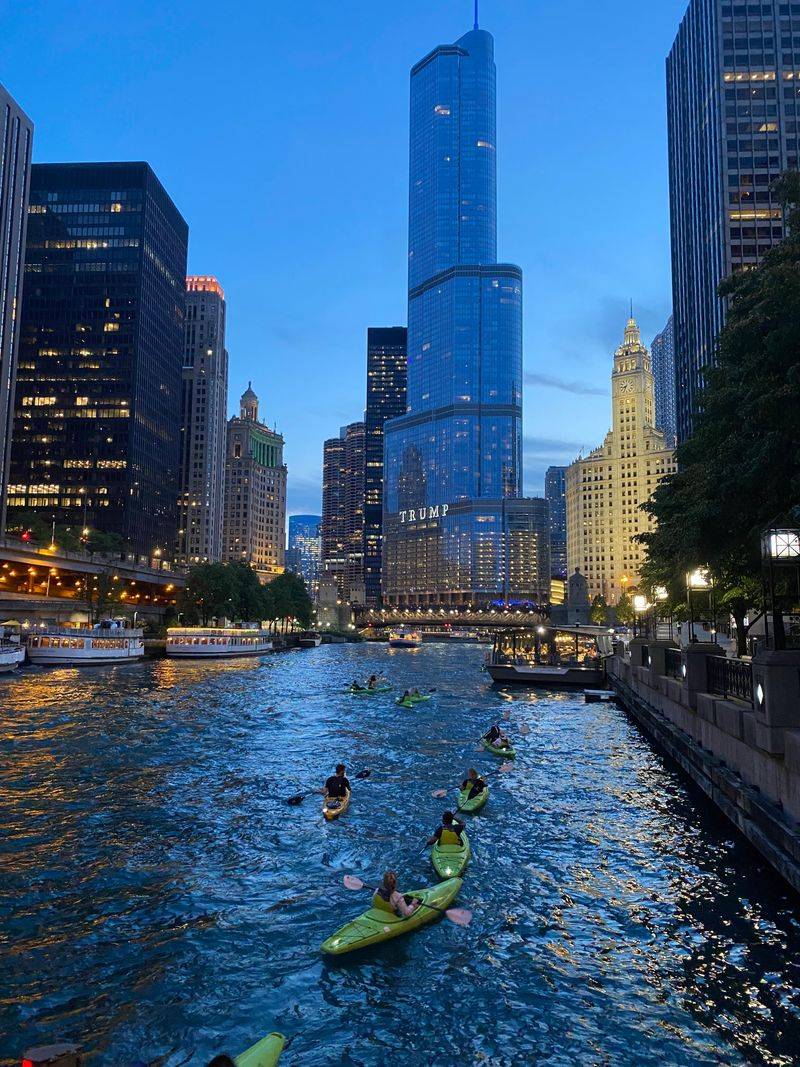
The fastest way to read a block is to ask someone who stands on it every day. Front desk staff and security teams see the real patterns.
Walk up and say, hey, which way would you take back from the Riverwalk tonight? You’ll get a straight, current answer.
If you’re staying near 75 E Wacker Dr, they’ll likely steer you toward the brighter corners.
Tiny adjustments like that lower your worry by half.
Concierges know which stations feel lively and which exits are quiet. Even a simple, use the south exit can change the vibe.
Local workers at museums and theaters are gold for micro tips. Ask the usher which side street empties first and safest.
Online chatter freezes moments in time. Cities move, and Chicago is no exception.
Illinois travelers rotate in and out with seasonal events.
Staff know when the schedule bumps foot traffic in your favor.
If your plan takes you to a new neighborhood, ask for the best block to call a car. They’ll pick a corner with light and eyes.
Trust does not mean blind faith. It means you weigh the advice that comes from people who live the rhythm.
Let real local intel smooth the edges of your day. It’s the difference between guessing and really knowing.
10. Chicago Is Lived In, Not Just Visited
You’ll feel it the second you step into the morning rush. This city isn’t a set piece, it’s a commute in motion.
People are walking with coffee and purpose along 400 N State St. You fit in best when you match the pace and keep your gear tight.
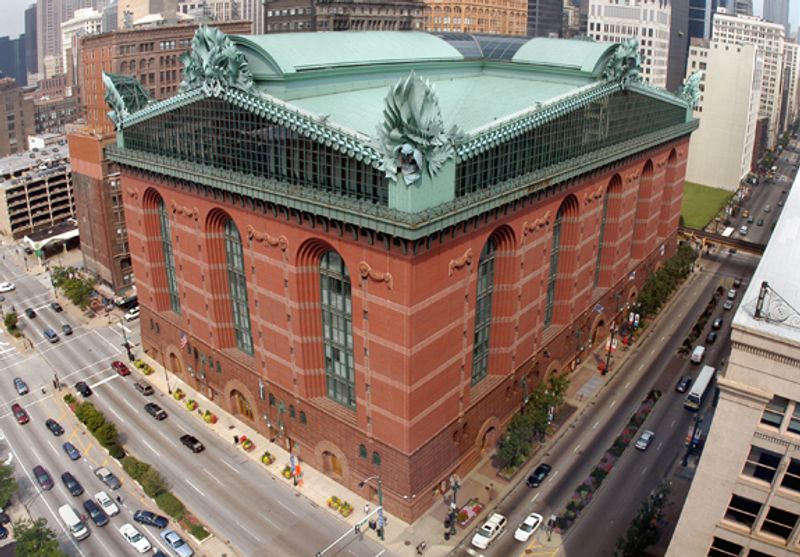
At Harold Washington Library, 400 S State St, the lobby buzz is all locals. It’s a good place to catch your breath or double check directions without standing in the middle of the sidewalk.
On the lakefront near 1600 N Lake Shore Dr, runners and cyclists rule sunrise.
Stay predictable, and you’ll slide right into the flow.
The Field Museum at 1400 S Lake Shore Dr feels like a community anchor midday. You’ll see families, students, and visitors all mixing naturally.
Blend with that rhythm and you’ll avoid drawing extra attention. Phone goes away while you move, then comes out when you stop safely.
Wave, nod, ask short questions. Chicagoans tend to answer straight without fluff.
If a block feels off, pivot with zero theater. Being adaptable is just being local for a minute.
Illinois cities run on routine, and you can ride that current.
The less you look lost, the less anyone looks at you.
Travel feels better when you act like you belong. In Chicago, that simply means moving with intention and basic courtesy.
11. Backup Plans Beat Brave Faces
You do not need to be fearless, you need a plan you can use when you’re tired. That plan is what keeps the night easy.
Save hotel details and a trusted contact in your favorites. Screenshots help when your signal dips in the train tunnel.
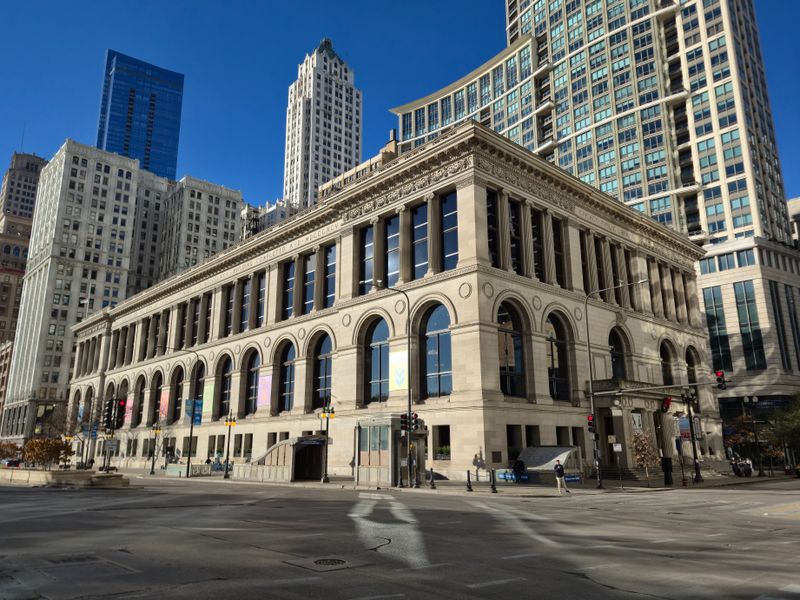
Pick a central meet spot like the Chicago Cultural Center at 78 E Washington St if you get separated. It’s bright, staffed, and memorable.
Carry a small battery so your phone stays alive.
Dead phone equals guesswork, and guesswork burns energy.
If a route looks weird, fall back to State St or Michigan Ave, where the foot traffic is steady. You can reorient without feeling exposed.
Mark the nearest CTA stations and a rideshare corner by your hotel. Those anchors turn a confusing night into a simple one.
Keep a note with emergency info and allergies. It belongs in the same pocket every time.
If something rattles you, take five in a lobby with staff. Resetting is not weakness, it’s the move.
Illinois trips run smoother when you build tiny safety nets. They cost nothing and save you hours of worry.
Brave faces look cool until they don’t.
Real confidence is knowing you can pivot without drama.
