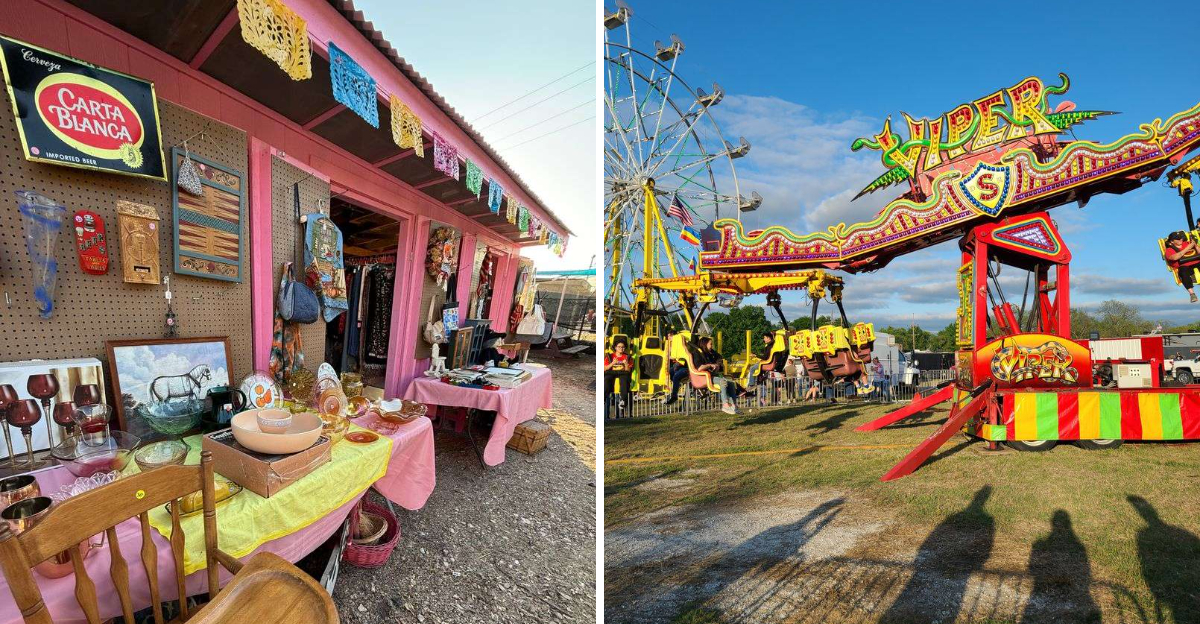
Texas is a land of wide-open spaces, proud traditions, and communities that treasure their unique cultural celebrations.
Scattered across the Lone Star State, small towns host festivals that have been local secrets for decades, drawing neighbors together for authentic experiences rooted in heritage, agriculture, and regional pride.
Yet as social media spreads word of these charming gatherings, some residents worry that viral fame could transform their intimate festivals into overcrowded tourist spectacles.
Here are eight Texas small town festivals that locals hope stay under the radar just a little while longer.
1. Luling Watermelon Thump
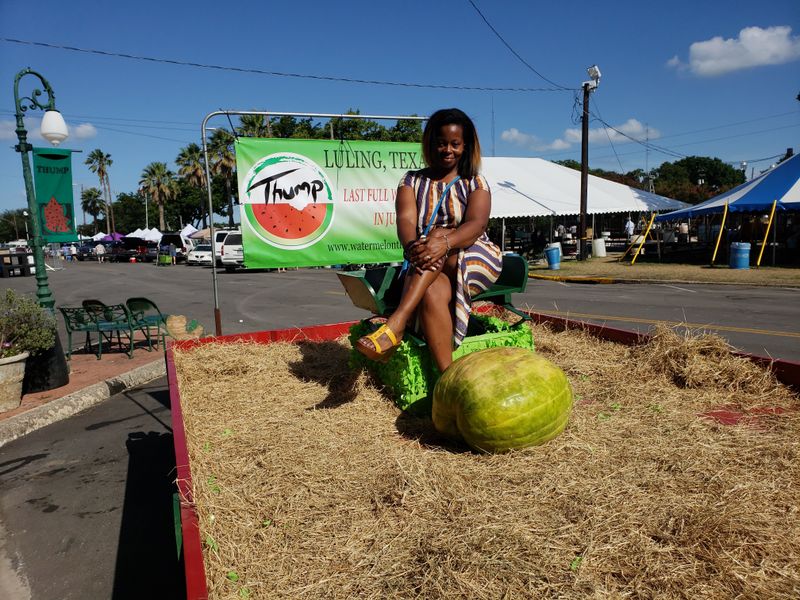
Since 1954, the town of Luling has celebrated its agricultural roots with a festival that turns a simple summer fruit into four days of pure joy.
The Watermelon Thump draws thousands of visitors who come for seed-spitting contests, championship melon judging, and live music that echoes through the streets long after sunset.
Carnival rides light up the night while vendors sell everything from fresh watermelon slices to handmade crafts that reflect the spirit of rural Texas.
For locals, this event represents more than entertainment.
It connects generations who have gathered on the same streets for over seventy years, sharing stories and strengthening bonds that define small-town life.
But as social media posts showcase the quirky charm of seed-spitting competitions and the photogenic appeal of giant watermelons, residents express concerns about losing the intimate atmosphere that makes their celebration special.
Traffic already increases dramatically during festival weekend, and parking becomes scarce as out-of-town visitors fill every available space.
The fear is not about welcoming strangers but about preserving the balance between growth and tradition.
When festivals go viral, they often attract crowds that overwhelm local infrastructure and change the character of events that were designed for community connection rather than mass tourism.
Luling residents want their Watermelon Thump to remain a place where neighbors recognize each other, where children can roam safely, and where the focus stays on celebrating their agricultural heritage rather than becoming another Instagram backdrop.
The challenge lies in sharing their pride without sacrificing the authenticity that makes the festival worth protecting.
2. Floydada Pumpkin Festival
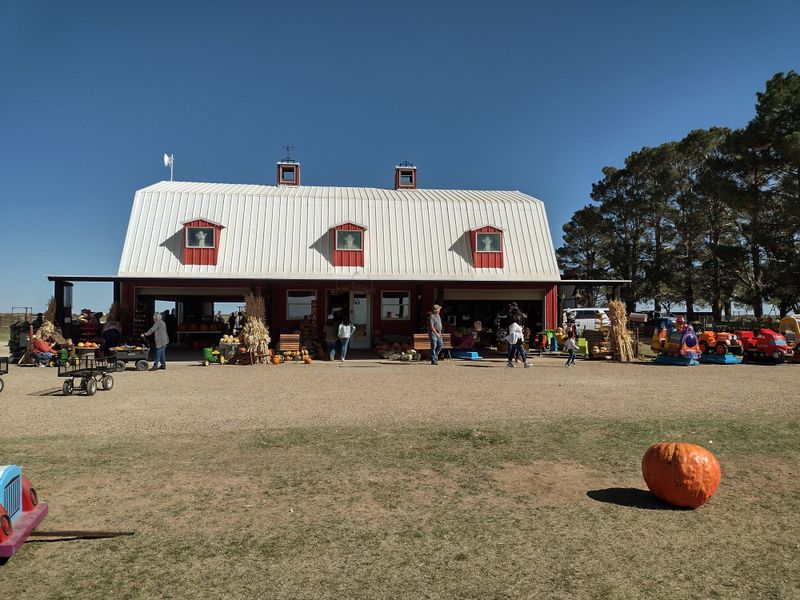
Nicknamed the Pumpkin Capital of the United States, Floydada sits on the high plains where October brings a harvest that paints the landscape in shades of orange and gold.
The annual pumpkin festival celebrates an industry that ships millions of pounds of pumpkins across the nation each fall.
Visitors wander through fields that seem to stretch endlessly, selecting the perfect pumpkin while enjoying hayrides, face painting, and local food vendors who serve up everything from pumpkin pie to roasted seeds.
The festival started as a modest community gathering but has grown steadily as word spread about the sheer scale of pumpkin production in this remote corner of Texas.
Families drive hours to experience authentic farm life and capture photos among the pumpkin patches that look almost too perfect to be real.
Local residents take pride in their agricultural accomplishments, yet they worry about the pressures that come with increased attention.
Small towns like Floydada lack the hotels, restaurants, and public facilities needed to accommodate massive crowds.
When festivals gain viral status, the influx of visitors can strain resources and create frustration for both tourists and residents.
The charm of Floydada lies in its quiet authenticity and the genuine connection visitors can make with farming families who work the land.
If social media transforms the pumpkin festival into a must-see destination, the experience risks becoming commercialized and impersonal.
Residents hope to maintain the balance that allows them to share their harvest pride while preserving the small-town atmosphere that makes the festival meaningful.
3. Muenster Germanfest
German heritage runs deep in Muenster, where generations of families have maintained traditions brought over by immigrants who settled the North Texas prairie in the late 1800s.
Germanfest celebrates this cultural legacy with polka music, traditional dance performances, and authentic German cuisine that fills the air with the aroma of bratwurst and sauerkraut.
Beer gardens buzz with conversation while children play games that have entertained young people in this community for decades.
The festival represents more than cultural pride for Muenster residents.
It serves as an annual reunion where families reconnect and newcomers are welcomed into a tight-knit community that values its roots.
However, recent years have brought unexpected challenges as the festival gained attention beyond the local area.
In 2024, a contract dispute emerged when a new group attempted to organize a competing event called Party in the Park, highlighting tensions that can arise when small-town traditions attract outside interest.
The situation revealed how vulnerable community celebrations can be when their popularity grows beyond what locals anticipated.
Residents worry that viral social media posts could bring crowds that change the festival from a cultural celebration into a generic entertainment event.
The intimate atmosphere that allows strangers to become friends over shared plates of schnitzel and glasses of German beer could disappear under the weight of mass tourism.
Muenster locals want visitors who appreciate the cultural significance of their traditions rather than tourists seeking only photo opportunities and party experiences.
Protecting Germanfest means preserving the authenticity that makes it special while managing growth in ways that respect both heritage and community capacity.
4. Dentonpalooza Festival

Denton has earned a reputation as one of North Texas’s most creative communities, and Dentonpalooza captures that spirit in a festival that defies easy categorization.
The annual event showcases the quirky, artistic, and unconventional aspects of local culture through performances that range from experimental music to comedy acts that push boundaries.
Local artists display their work while food vendors offer creative takes on Texas cuisine that reflect the town’s independent spirit.
What started as a small gathering to raise money for local charities has grown into an event that attracts attention from across the region.
The festival’s success demonstrates Denton’s vibrant arts scene and the community’s commitment to supporting creative expression.
Yet with growth comes concern about whether the festival can maintain its authentic character.
Denton residents value the alternative culture that sets their town apart from more conventional suburban communities.
They worry that viral fame could attract crowds who come for spectacle rather than genuine appreciation of the artistic vision that makes Dentonpalooza unique.
The festival works because it reflects the true personality of Denton rather than trying to appeal to mainstream tastes.
If social media transforms it into a trendy destination, the pressure to accommodate larger crowds might force organizers to dilute the experimental and unconventional elements that define the event.
Locals fear losing the intimate venues where artists and audiences connect directly, replaced by stages designed for maximum capacity rather than meaningful interaction.
The challenge is preserving Dentonpalooza as a celebration of authentic local culture rather than letting it become another generic arts festival that could happen anywhere.
5. Little Elm Indian Festival
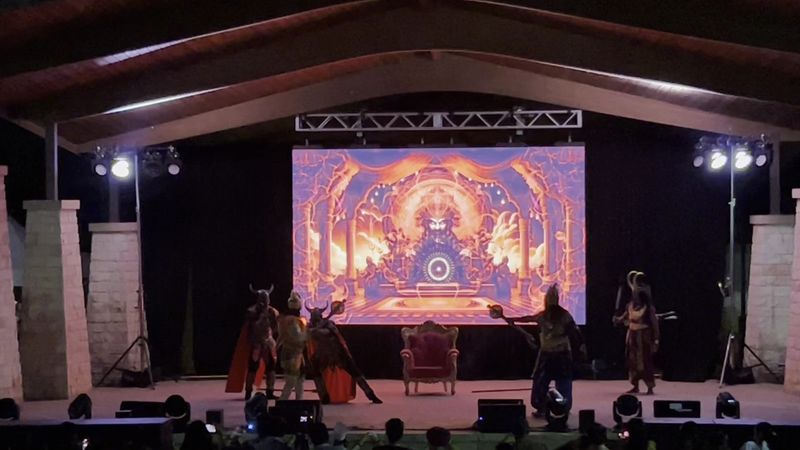
Cultural diversity has transformed many Texas communities, and Little Elm’s Indian Festival reflects the growing South Asian population that has made this Dallas suburb home.
The celebration brings together families for traditional music, dance performances, and food that connects participants to their heritage while sharing their culture with neighbors.
Streets close to accommodate the festival, creating a temporary transformation of suburban neighborhoods into vibrant cultural spaces filled with color, sound, and the aromas of authentic Indian cuisine.
For many participants, these festivals provide crucial connections to cultural identity and community in a country far from their ancestral homes.
However, the event gained unwanted viral attention in September 2025 when a local business owner posted a video showing the festival blocking streets in his neighborhood.
The video sparked intense controversy and backlash that highlighted tensions around cultural celebrations in changing communities.
The incident demonstrated how quickly local events can become flashpoints when social media amplifies them beyond their original context.
What should have remained a neighborhood discussion about logistics and communication became a viral moment that brought harassment and negative attention to the community.
The situation illustrates why some residents fear their local celebrations going viral.
When festivals attract attention from people with no connection to the community, the focus shifts from cultural celebration to controversy and conflict.
Organizers of cultural events walk a fine line between sharing their traditions and protecting participants from unwanted scrutiny or hostility.
The Little Elm incident serves as a cautionary tale about the risks that come with viral fame, especially for celebrations that involve immigrant communities navigating complex cultural dynamics in their adopted hometowns.
6. Terlingua Chili Cook-Off
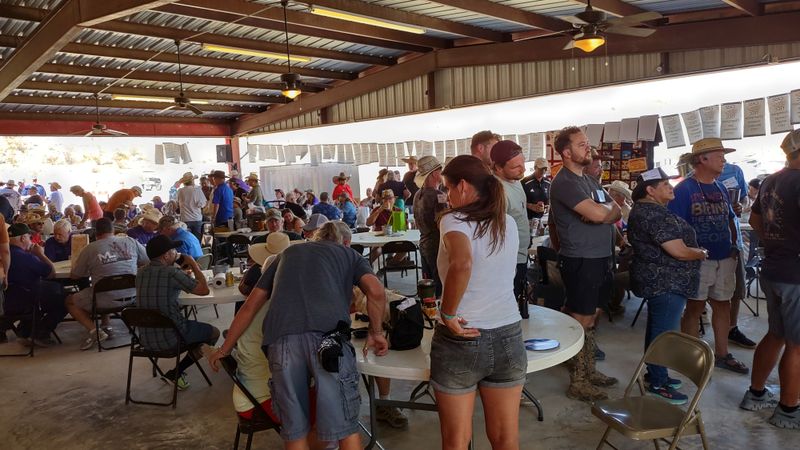
Deep in the Chihuahuan Desert near Big Bend National Park, the ghost town of Terlingua comes alive each November for a chili cook-off that has achieved legendary status among Texas food enthusiasts.
What began in 1967 as a publicity stunt has evolved into an annual pilgrimage for chili lovers who travel to one of the most remote locations in Texas to sample recipes and celebrate the state’s culinary heritage.
The festival embraces the rugged character of its desert setting, with competitions held among abandoned mining buildings that add atmosphere to the already unique event.
Terlingua’s remoteness has always been part of its appeal.
Getting there requires commitment, and the lack of modern amenities means visitors must come prepared for basic conditions.
This self-selecting process has historically attracted people who appreciate authenticity and adventure over comfort and convenience.
But as social media spreads images of the photogenic ghost town and stories of the legendary chili competition, attendance has grown beyond what the tiny community can easily accommodate.
Locals who live in Terlingua year-round worry about the environmental impact of thousands of visitors descending on a fragile desert ecosystem.
The area lacks infrastructure for waste management, and increased traffic damages the landscape that makes the location special.
There’s also concern that viral fame attracts people seeking Instagram content rather than genuine appreciation for chili culture and desert beauty.
The festival’s charm depends on maintaining the rough-around-the-edges character that reflects Terlingua’s history and geography.
If it becomes too popular, organizers might face pressure to add amenities that would fundamentally change the experience and compromise the authentic frontier atmosphere that makes the event memorable.
7. Hico Billy the Kid Festival
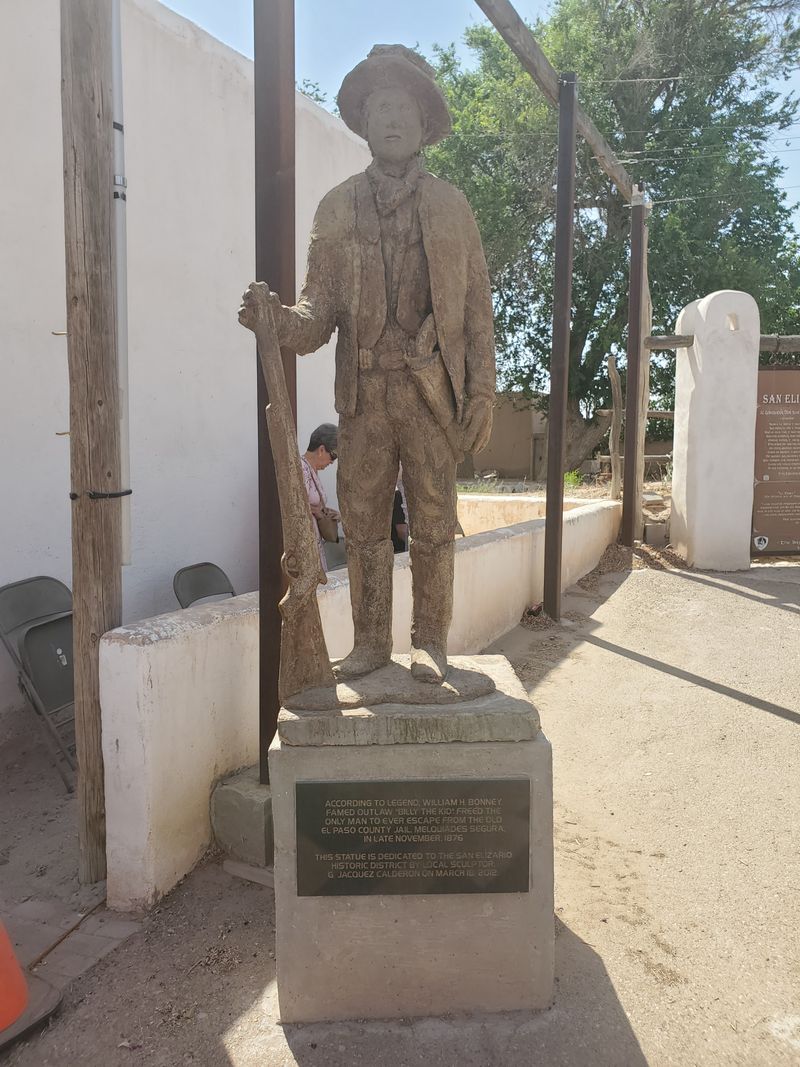
The tiny town of Hico has built a festival around one of history’s most controversial claims.
According to local legend, the outlaw Billy the Kid didn’t die in New Mexico in 1881 but instead escaped to Texas and lived out his days in Hico under the name Brushy Bill Roberts.
Whether you believe the story or not, the Billy the Kid Festival celebrates Old West heritage with gunfight reenactments, live music, and vendors selling everything from cowboy boots to handmade leather goods.
Historic downtown Hico provides the perfect backdrop for a festival that transports visitors to the frontier era.
The event draws history buffs and western enthusiasts who appreciate the town’s commitment to preserving its past, whether the Billy the Kid connection is fact or folklore.
For Hico residents, the festival represents an important economic boost for a community that struggles like many rural Texas towns to maintain population and prosperity.
Tourism provides vital revenue for local businesses that depend on events like this to survive.
Yet there’s anxiety about what would happen if the festival went viral and brought crowds that overwhelm the town’s capacity.
Hico’s charm lies in its authenticity as a genuine small town where historic buildings house real businesses rather than tourist traps.
If viral fame brought massive crowds, the pressure to commercialize could transform downtown into something that serves tourists but loses the character that makes it worth visiting.
Residents want sustainable growth that supports local businesses without destroying the small-town atmosphere that attracts visitors in the first place.
The challenge is finding the sweet spot where tourism benefits the community without changing it beyond recognition.
8. Wimberley Market Days
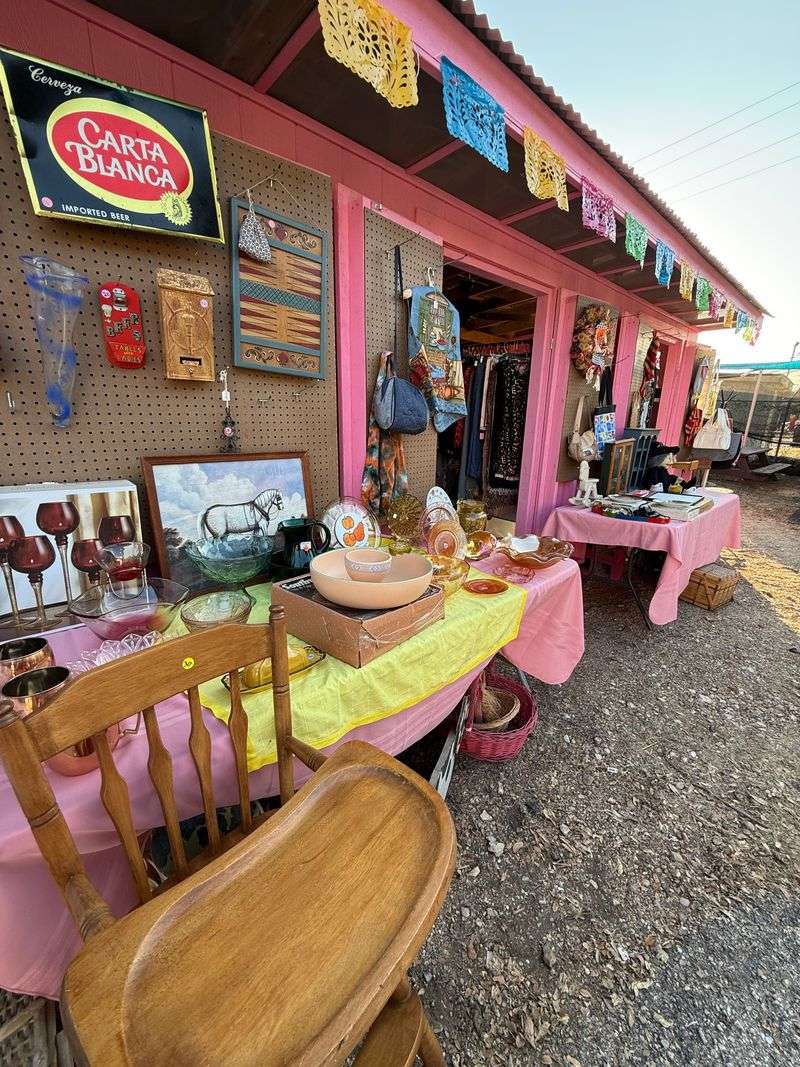
On the first Saturday of each month from March through December, the Hill Country town of Wimberley transforms into a sprawling outdoor marketplace where vendors sell handmade crafts, vintage treasures, and artisan goods.
Market Days has operated since 1991, growing from a small gathering into one of the largest outdoor markets in Texas.
Shoppers wander tree-shaded paths browsing everything from handcrafted jewelry to reclaimed wood furniture, while food vendors offer sustenance for marathon shopping sessions.
The scenic Hill Country setting adds to the appeal, with Cypress Creek running through town and limestone cliffs providing a backdrop that makes even shopping feel like a nature experience.
Wimberley has maintained its artistic character despite growing pressure from Austin’s expansion into surrounding areas.
Market Days reflects the community’s commitment to supporting local artisans and preserving the creative culture that defines the town.
However, the event’s success has brought challenges as attendance has grown beyond what the small town can comfortably handle.
Traffic backs up for miles on market Saturdays, and parking becomes nearly impossible for both visitors and residents trying to go about their daily business.
Local business owners appreciate the revenue that Market Days brings, but many residents express frustration about the disruption to their community one weekend each month.
If social media posts turned Market Days into a viral sensation, the already difficult situation could become unmanageable.
The event works best when it attracts serious shoppers and craft enthusiasts rather than casual tourists seeking trendy experiences.
Wimberley residents fear that viral fame would bring crowds more interested in posting photos than supporting local artisans, fundamentally changing the market’s character and making it less appealing to the vendors and serious shoppers who built its reputation.
Dear Reader: This page may contain affiliate links which may earn a commission if you click through and make a purchase. Our independent journalism is not influenced by any advertiser or commercial initiative unless it is clearly marked as sponsored content. As travel products change, please be sure to reconfirm all details and stay up to date with current events to ensure a safe and successful trip.
