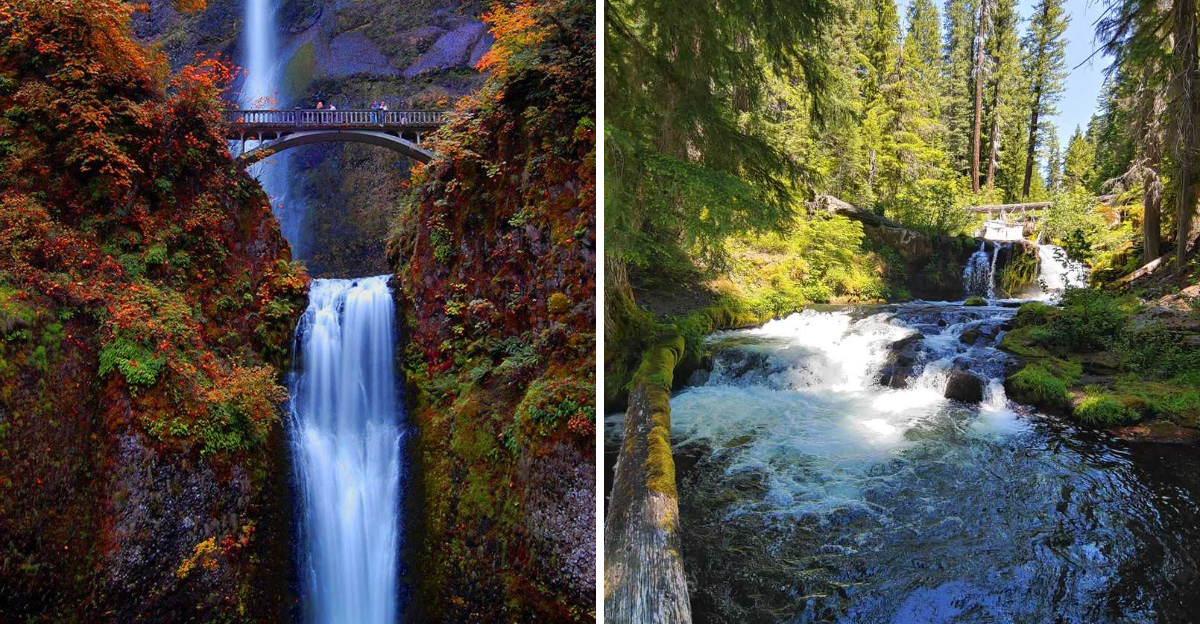
Oregon sits proudly in the Pacific Northwest, bordered by Washington to the north, Idaho to the east, California and Nevada to the south, and the vast Pacific Ocean to the west.
Travelers flock here for the dramatic coastline, the towering forests, the high desert landscapes, and the vibrant city culture that blends creativity with outdoor adventure.
But beyond the postcard views and tourist brochures, spending real time in Oregon reveals truths that only locals and long-term visitors come to understand.
From weather surprises to cultural quirks, these are the insights that transform a casual trip into a deep appreciation for this remarkable state.
Rain Doesn’t Stop Life Here
Newcomers often arrive expecting the rain to be a temporary inconvenience, something to wait out indoors.
After a few weeks in Oregon, you quickly realize that if you stayed inside every time it drizzled, you would miss most of your life.
The rain here is not the dramatic downpour of tropical storms but rather a persistent, gentle mist that becomes part of the daily rhythm.
Locals embrace it without complaint, heading out for hikes, bike rides, and farmers market visits regardless of the clouds overhead.
You learn to layer clothing strategically, investing in quality rain jackets that breathe and boots that can handle puddles without sacrificing style.
The rain nourishes the lush forests and keeps everything impossibly green, a trade-off that begins to feel worth it after you witness your first spring bloom.
Coffee shops stay packed even during downpours, their windows steamed from the warmth inside while patrons sip lattes and chat comfortably.
Outdoor concerts, street festivals, and weekend markets continue through light rain, with vendors and attendees simply pulling up hoods and carrying on.
You stop checking the weather forecast obsessively because it almost always predicts some chance of rain, and that knowledge becomes liberating rather than limiting.
Eventually, the sound of rain on the roof becomes comforting, a soundtrack to cozy evenings and productive mornings.
The culture here teaches resilience and adaptability, showing that weather is just weather, not an excuse to put life on hold.
The Coast Is Nothing Like California Beaches
Many visitors arrive at the Oregon coast expecting warm sand, sunny skies, and water temperatures suitable for swimming.
Reality sets in quickly when you dip your toes into the frigid Pacific and feel the bite of water that rarely climbs above sixty degrees even in summer.
The beaches here are wild and rugged, lined with massive driftwood logs bleached silver by salt and sun, scattered like giant bones along the shore.
Towering sea stacks rise from the surf, sculptural remnants of ancient cliffs now surrounded by crashing waves and tidal pools teeming with starfish and anemones.
The coast stretches for over three hundred sixty miles, much of it accessible thanks to Oregon’s beach bill, which guarantees public access to the entire shoreline.
Towns like Cannon Beach, Bandon, and Yachats offer charming downtowns with galleries, seafood restaurants, and cozy inns, but the real attraction is always the raw beauty of the ocean itself.
Fog rolls in without warning, transforming sunny afternoons into atmospheric landscapes where the horizon disappears and the world feels mysterious and ancient.
You learn to bring layers, windbreakers, and thermoses of hot coffee rather than sunscreen and beach towels.
Beachcombing becomes a meditative practice as you search for agates, sand dollars, and unique pieces of driftwood shaped by years of tide and weather.
The coast demands respect, with sneaker waves that can surprise the unprepared and currents too strong for casual swimming.
But this wildness is precisely what makes it unforgettable, a coastline that feels alive and untamed.
Seasons Actually Exist Here
Coming from places where seasons blur together or barely change, Oregon’s distinct seasonal shifts feel almost theatrical in their transformation.
Spring arrives with an explosion of color as cherry blossoms blanket Portland neighborhoods, tulips burst forth in the Willamette Valley, and wildflowers carpet mountain meadows.
The air smells fresh and alive, carrying hints of wet earth and blooming jasmine, while daylight stretches longer each evening.
Summer brings genuine warmth, especially east of the Cascades, where high desert towns bask in dry heat and endless blue skies.
Portlanders flock to swimming holes, rivers, and lakes, making up for the cooler months with enthusiastic outdoor recreation and rooftop gatherings.
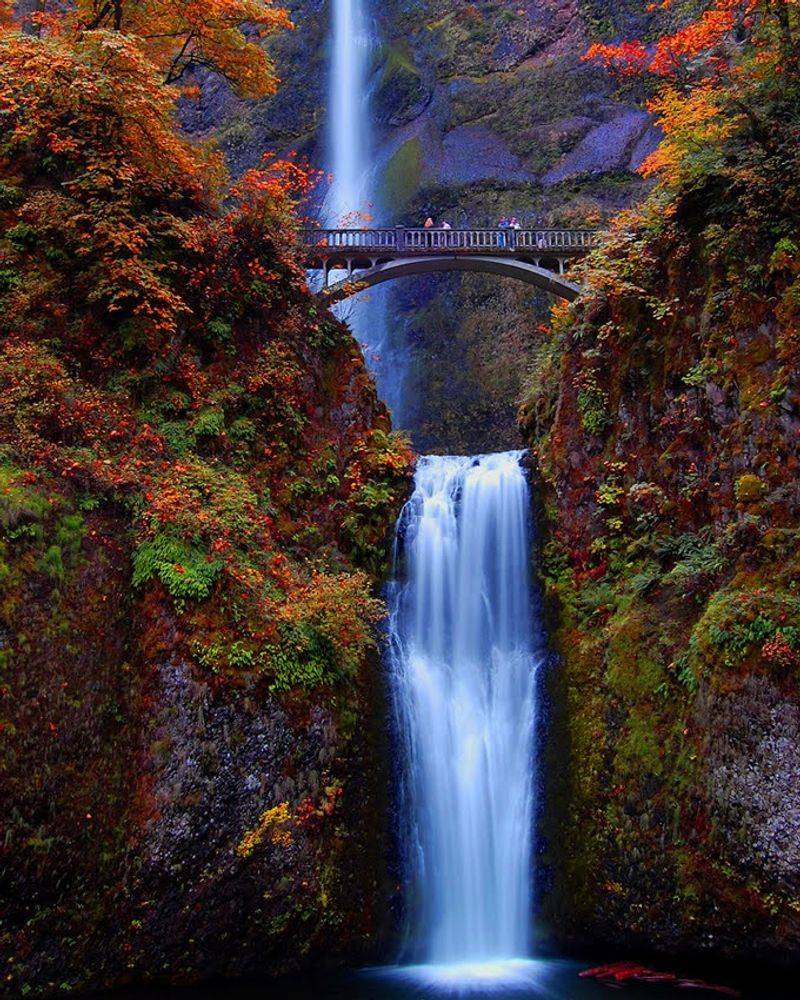
Autumn transforms the landscape into a patchwork of gold, orange, and crimson as maples and oaks change color, while vineyards in wine country prepare for harvest.
The smell of woodsmoke drifts through neighborhoods as people fire up their fireplaces, and farmers markets overflow with squash, apples, and pumpkins.
Winter settles in with shorter days and longer nights, rain giving way to occasional snow in the valleys and substantial snowpack in the mountains.
Ski resorts like Mount Hood Meadows and Timberline Lodge come alive with skiers and snowboarders, while lower elevations stay green and relatively mild.
Each season demands different wardrobes, activities, and mindsets, teaching you to appreciate the rhythm of natural cycles,
You find yourself planning life around seasonal festivals, harvest times, and weather patterns in ways that feel connected to something larger than modern convenience.
Portland Is Weird, And That’s The Point
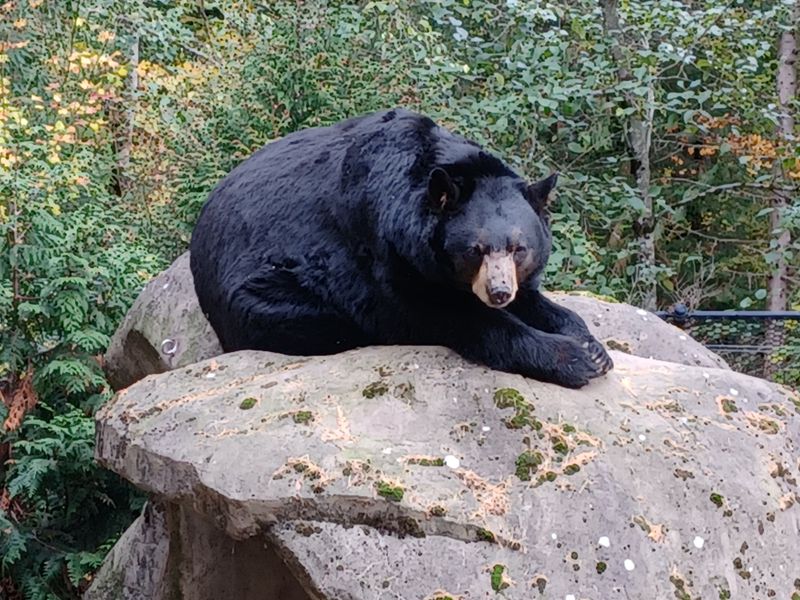
The city’s unofficial motto, Keep Portland Weird, initially seems like clever marketing, but time reveals it as an accurate description of local values.
Portland celebrates individuality and creativity in ways that can feel jarring if you come from more conventional cities where conformity is quietly encouraged.
Food cart pods dot the city, offering everything from authentic Thai cuisine to vegan comfort food, Korean fusion tacos, and artisanal ice cream made with local ingredients.
Street performers, buskers, and artists claim their spots downtown, creating spontaneous entertainment that changes daily and keeps sidewalks lively.
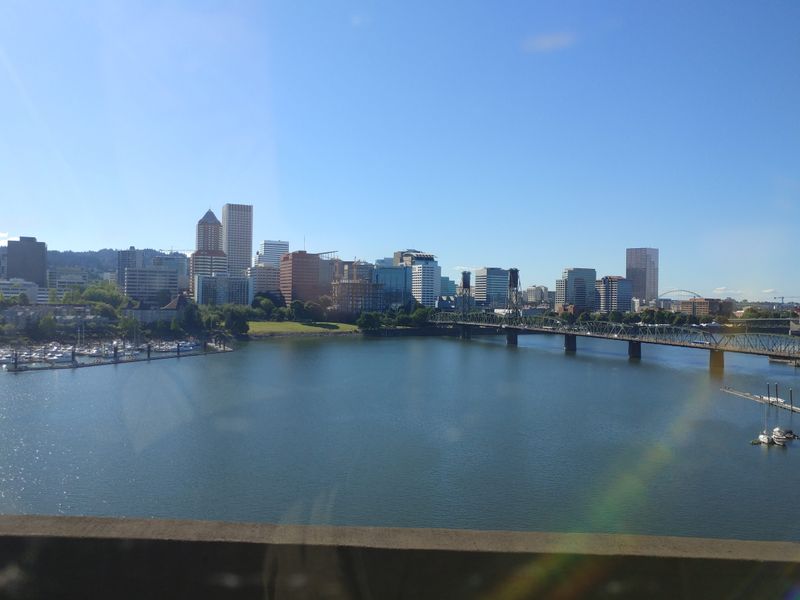
Neighborhoods develop distinct personalities, from the hipster havens of Southeast Division to the family-friendly vibe of Sellwood and the trendy restaurants of the Pearl District.
Independent bookstores like Powell’s City of Books occupy entire city blocks, their shelves stacked floor to ceiling with new and used titles that attract readers for hours.
The city embraces environmental consciousness with extensive bike lanes, composting programs, and a culture that values sustainability over convenience.
Brewery culture thrives here, with dozens of craft breweries producing innovative beers that have influenced the industry nationwide.
Public art installations appear in unexpected places, from painted utility boxes to massive murals covering building facades, adding color and conversation to everyday commutes.
Portlanders defend their local businesses fiercely, preferring independent coffee roasters, bakeries, and shops over national chains whenever possible.
The weirdness is not performative but genuine, a community agreement that different is good and creativity deserves space to flourish.
Nature Is Always Minutes Away
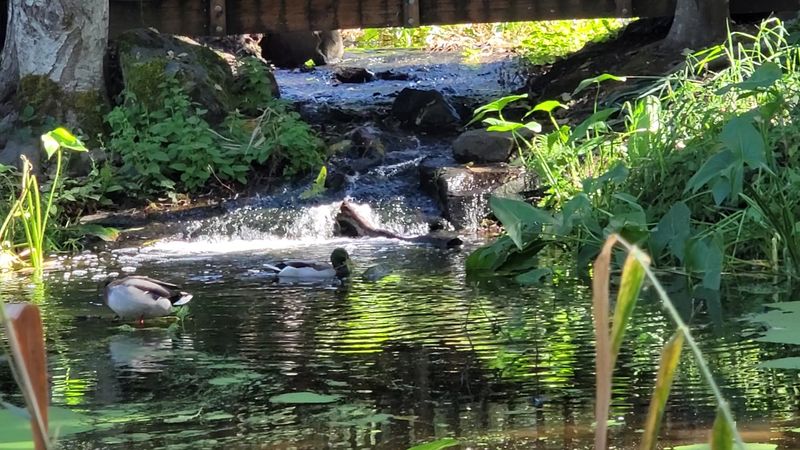
Urban and wilderness coexist here in ways that seem impossible until you experience them firsthand.
Forest Park stretches across more than five thousand acres within Portland city limits, offering over eighty miles of trails where you can hike beneath towering Douglas firs and forget you are in a major city.
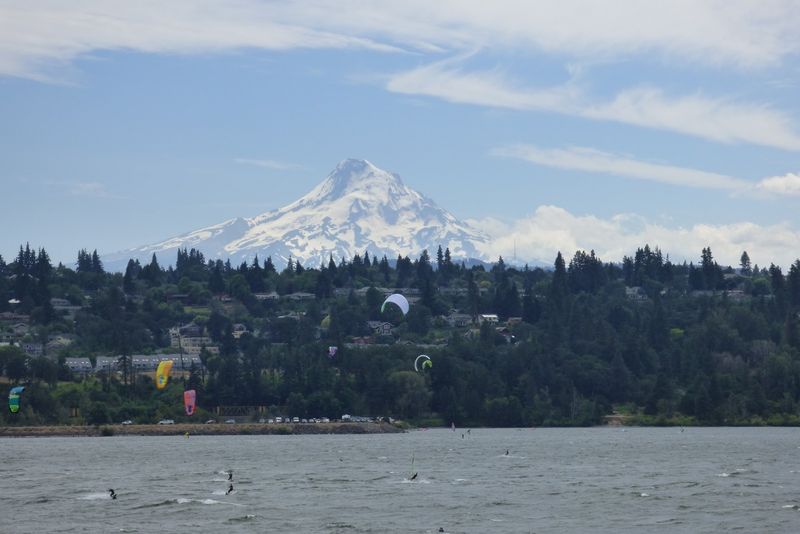
Mount Hood rises majestically just sixty miles east of Portland, visible on clear days from downtown streets and accessible for skiing, hiking, or scenic drives within an hour.
The Columbia River Gorge begins at the edge of the metro area, its waterfalls, hiking trails, and windsurfing spots providing endless recreation opportunities without requiring a weekend getaway.
Even smaller cities like Eugene, Bend, and Salem sit nestled against forests, rivers, or mountains that offer immediate access to outdoor adventure.
You can finish a workday in an office, then be on a trail watching the sunset over the Cascade Range before dinner.
This proximity shapes the culture, creating a population that values outdoor gear, understands trail etiquette, and plans social activities around hikes, bike rides, and camping trips.
Weekend warriors become serious adventurers simply because the barriers to entry are so low when wilderness sits on your doorstep.
Rivers like the Willamette, Deschutes, and Rogue offer kayaking, fishing, and riverside picnics that require minimal planning or travel time.
The accessibility of nature means children grow up hiking, skiing, and exploring rather than viewing the outdoors as something exotic or distant.
This relationship with the land fosters environmental awareness and conservation ethics that permeate local politics and daily choices.
No Sales Tax Feels Like A Superpower
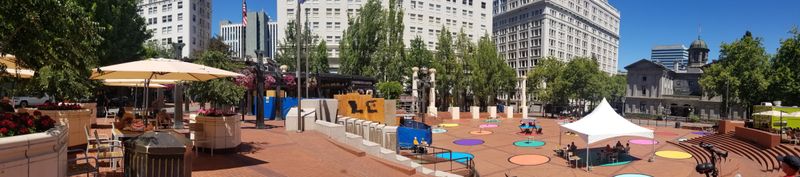
The first time you make a purchase in Oregon and the price on the tag is exactly what you pay, it feels almost too good to be true.
Oregon is one of only five states in the nation without a general sales tax, a policy that saves residents and visitors money on every transaction.
Budgeting becomes simpler when you know that a twenty-dollar item costs exactly twenty dollars, with no mental math required to calculate the final price.
Shoppers from neighboring Washington often cross the Columbia River specifically to make large purchases in Oregon, saving hundreds on electronics, furniture, and appliances.
The lack of sales tax means price tags reflect true costs, eliminating the small shock that comes at checkout in other states when taxes inflate the total.
Restaurants, retail stores, and service providers all benefit from the simplicity, and customers appreciate the transparency in pricing.
Of course, the state funds services through income taxes and property taxes instead, which are notably higher than in some neighboring states.
But for daily purchases, groceries, dining out, and shopping, the absence of sales tax feels like a consistent discount that adds up over time.
Visitors often express surprise and delight when they realize they are saving money simply by shopping in Oregon rather than across state lines.
The policy reflects Oregon’s unique approach to taxation and revenue, prioritizing progressive income taxes over regressive sales taxes that impact lower-income residents disproportionately.
Once you get used to this system, shopping in other states feels frustrating as you watch unexpected percentages added to your carefully calculated purchases.
Coffee Culture Runs Deep
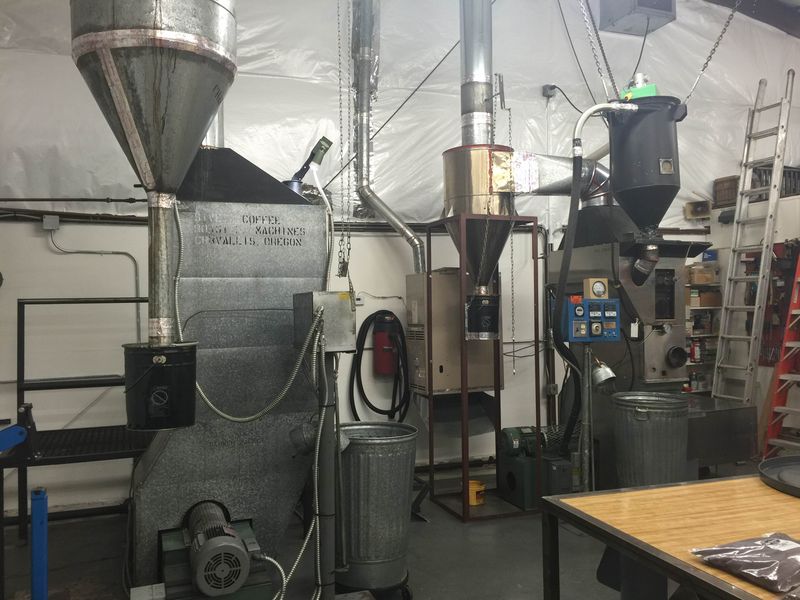
Oregon takes its coffee seriously in ways that go far beyond the morning caffeine fix.
Local roasters like Stumptown, Heart, and Coava pioneered the third-wave coffee movement, emphasizing quality beans, precise brewing methods, and direct relationships with farmers.
Walk into any neighborhood coffee shop and you will find knowledgeable baristas who can discuss bean origins, roast profiles, and brewing techniques with genuine enthusiasm.
Pour-over bars, siphon brewers, and espresso machines that cost more than used cars are standard equipment, not showpieces.
Coffee shops function as community hubs where people work remotely, meet friends, hold book clubs, and linger for hours without pressure to leave.
The culture values craftsmanship and quality over speed, so do not expect your drink in thirty seconds like at a drive-through chain.
Many shops roast their own beans on-site, filling the air with rich aromas and offering transparency about sourcing and roasting processes.
Latte art is not just decoration but a point of pride, with baristas creating intricate designs that demonstrate their skill and attention to detail.
Even small towns throughout Oregon boast excellent coffee shops where locals gather and tourists discover surprisingly sophisticated brews.
The emphasis on quality has raised standards across the board, making mediocre coffee increasingly rare and excellent coffee the expected norm.
You learn to distinguish between bright, fruity Ethiopian beans and rich, chocolatey Colombian roasts, developing a palate you never knew you had.
Coffee becomes more than a beverage but a daily ritual that connects you to a larger culture of appreciation and craftsmanship.
The Desert Side Is A Different World
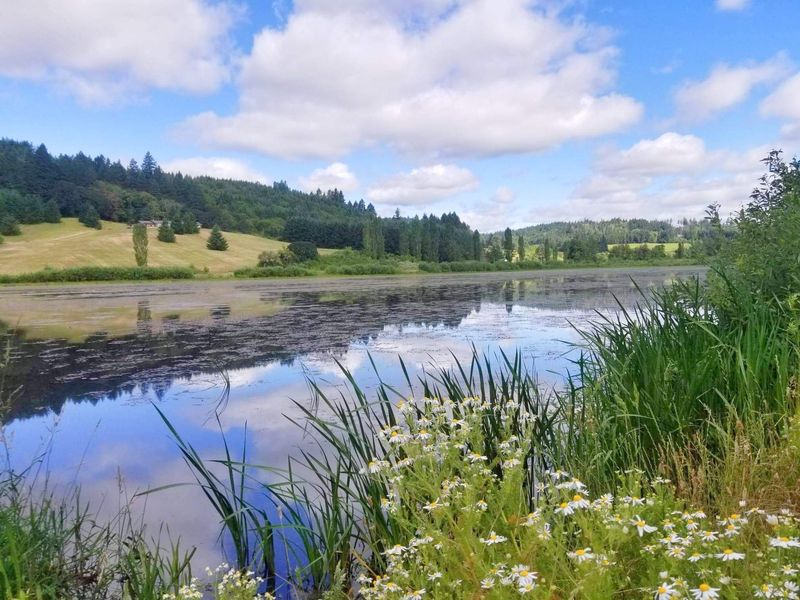
Most people picture Oregon as a land of rain, forests, and green valleys, never imagining that two-thirds of the state is actually high desert.
Cross the Cascade Range heading east and the landscape transforms dramatically within miles, trading lush forests for wide-open spaces dotted with sagebrush and juniper.
Towns like Bend, Redmond, and Prineville enjoy over three hundred days of sunshine annually, a stark contrast to the cloudy Willamette Valley just a few hours west.
The Painted Hills near Mitchell showcase layers of rust, gold, and black sediment that shift colors throughout the day as sunlight changes angle and intensity.
Smith Rock State Park rises abruptly from the desert floor, its volcanic cliffs attracting rock climbers from around the world who scale routes with names like Monkey Face and Misery Ridge.
Temperatures swing dramatically between day and night, with summer afternoons reaching ninety degrees before plummeting to the fifties after sunset.
The air feels different here, dry and clear, carrying scents of sage and dust rather than the damp earthiness of western Oregon.
Wildlife adapts to the harsh conditions, with pronghorn antelope, golden eagles, and rattlesnakes thriving in environments that seem inhospitable at first glance.
Small towns spread far apart across the landscape, their populations numbered in hundreds rather than thousands, creating a frontier feeling that persists into modern times.
The desert reveals Oregon’s geographic diversity, proving the state contains multitudes beyond its famous green reputation.
Spending time here shifts your understanding completely, showing you an Oregon that feels more like Nevada or Arizona than the Pacific Northwest of popular imagination.
Local Food Means Actually Local
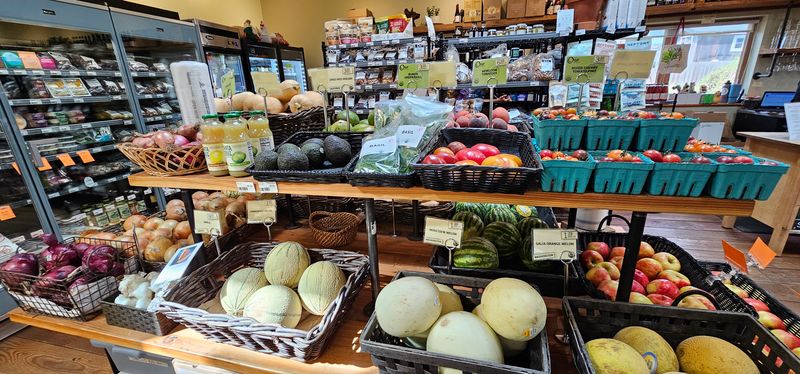
The farm-to-table movement is not a trendy marketing phrase here but a genuine way of life supported by geography and culture.
The Willamette Valley produces an incredible variety of crops, from hazelnuts and berries to wine grapes and vegetables, all grown within an hour of major population centers.
Restaurants proudly list their suppliers on menus, name-checking specific farms and ranches that provide ingredients for that evening’s dishes.
Farmers markets operate year-round in many cities, adapting their offerings to seasonal availability rather than importing out-of-season produce from distant locations.
Spring brings asparagus, rhubarb, and tender greens, while summer overflows with berries, stone fruits, tomatoes, and sweet corn that tastes nothing like grocery store varieties.
Fall markets showcase squash, apples, pears, and root vegetables, and winter offerings include hardy greens, storage crops, and preserved goods like jams and pickles.
Chefs build menus around what is available locally rather than importing ingredients to match predetermined recipes, creating cuisine that shifts with the seasons.
Oregon’s agricultural diversity means you can find grass-fed beef, wild-caught salmon, artisan cheeses, and organic produce all sourced within the state.
This commitment to local sourcing supports small farmers and ranchers while reducing transportation costs and environmental impact.
You develop relationships with farmers at weekly markets, learning their stories and understanding exactly where your food originates.
The quality difference becomes obvious once you taste tomatoes picked that morning or eggs from chickens raised on pasture rather than in industrial facilities.
Eating locally transforms from a conscious choice into a preferred lifestyle that enhances flavor while supporting community resilience.
Oregonians Are Quietly Passionate About Their State
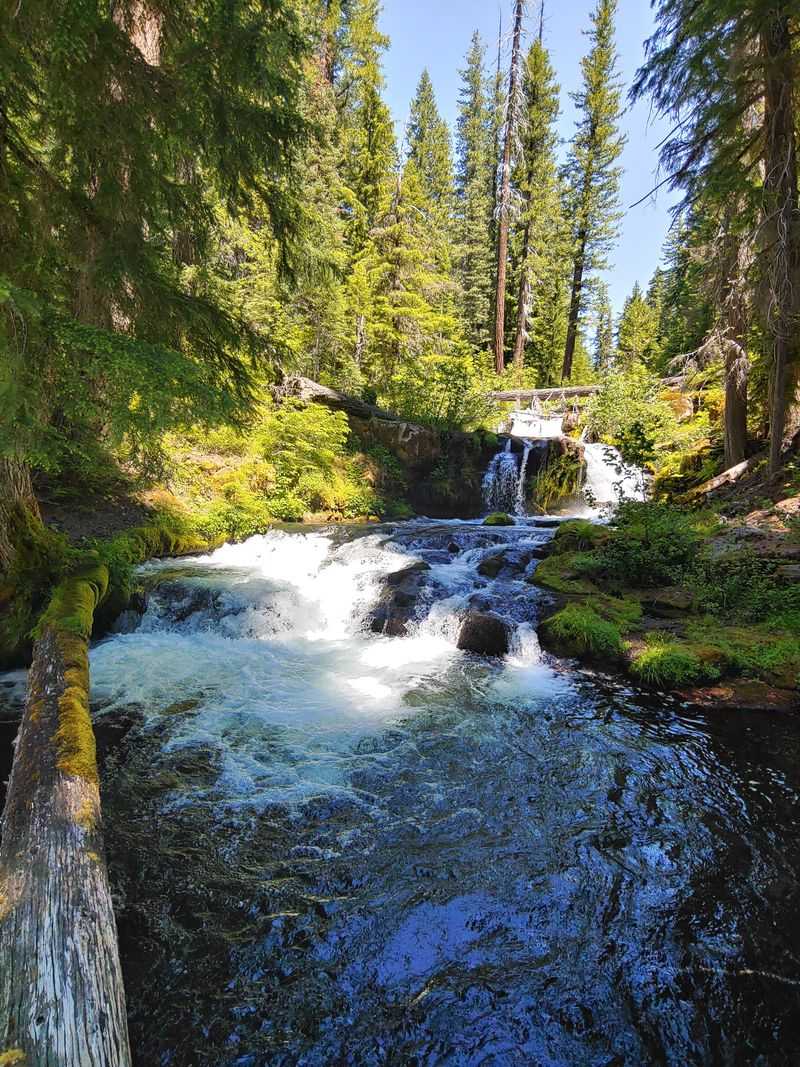
Residents here display a fierce but understated pride in their state that reveals itself gradually through actions rather than loud proclamations.
Oregonians will casually mention that they have no interest in ever leaving, not in a boastful way but as a simple statement of contentment.
They defend Oregon’s quirks and imperfections with the loyalty usually reserved for family members, acknowledging flaws while maintaining that nowhere else compares.
Bumper stickers and t-shirts featuring the Oregon flag, state outline, or clever local references appear everywhere, worn with genuine affection rather than ironic detachment.
Conversations about other states often end with comparisons that favor Oregon, whether discussing craft beer, environmental policies, outdoor recreation, or quality of life.
This pride extends to fierce protection of natural spaces, with residents actively supporting conservation efforts and holding politicians accountable for environmental decisions.
Newcomers sometimes encounter a subtle coolness, not hostility exactly, but a wait-and-see attitude that tests whether you truly appreciate Oregon or just see it as another place to live.
Once you prove your commitment by learning to embrace the rain, supporting local businesses, and respecting the outdoors, you are welcomed into the fold.
Oregonians love sharing hidden gems with those who earn their trust, revealing secret swimming holes, quiet trails, and beloved local spots.
The passion is contagious, gradually transforming visitors into advocates who find themselves defending Oregon to friends back home and considering what it would take to move here permanently.
Eventually you understand that this quiet pride stems from genuine love for a place that offers beauty, community, and quality of life worth protecting and celebrating.
Dear Reader: This page may contain affiliate links which may earn a commission if you click through and make a purchase. Our independent journalism is not influenced by any advertiser or commercial initiative unless it is clearly marked as sponsored content. As travel products change, please be sure to reconfirm all details and stay up to date with current events to ensure a safe and successful trip.
