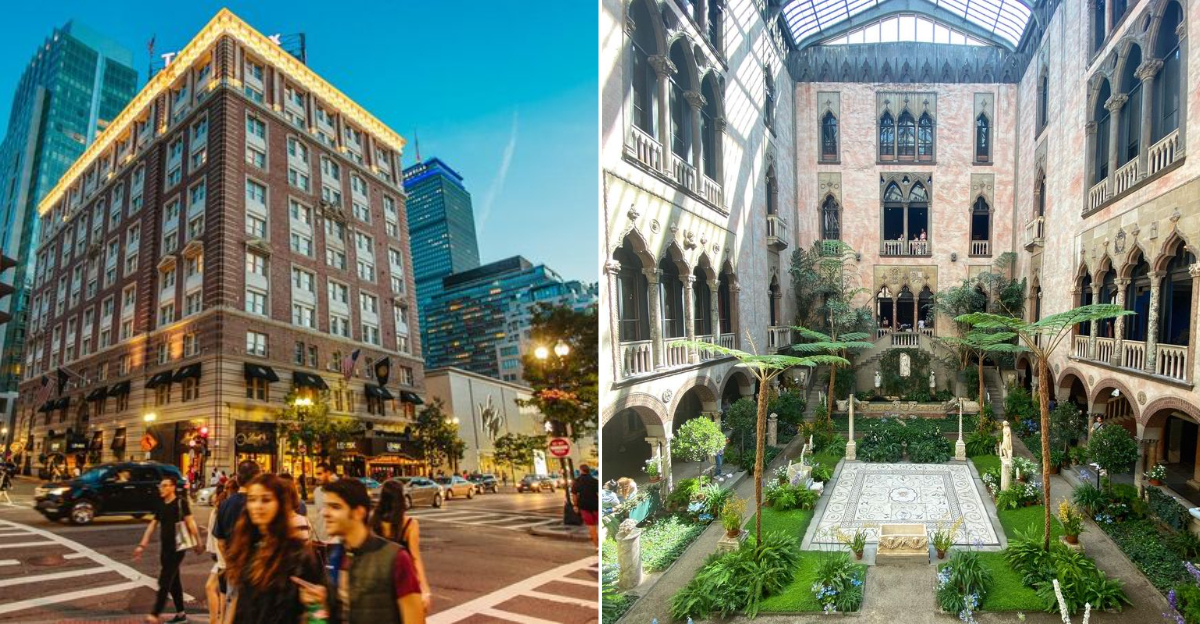
Massachusetts has a way of charming you and testing you almost immediately, sometimes in the same afternoon.
One minute you’re strolling a postcard-perfect street or staring out at the ocean thinking: yeah, I get the hype, and the next you’re stuck in traffic wondering who designed this road system and why it feels personal.
Then come the curveballs. Weather that flips without warning, local habits that take a minute to read, and a pace that can feel both relaxed and oddly intense.
You might swear you’re done with it by the end of the trip, and somehow still start planning a return before you’re home.
So what is it about Massachusetts that makes people fall hard while rolling their eyes the whole time? This list breaks down the parts travelers love, the parts they struggle with, and why the mix keeps pulling people back anyway.
1. Historic Towns Feel Deeply Lived In And Authentic (Good)
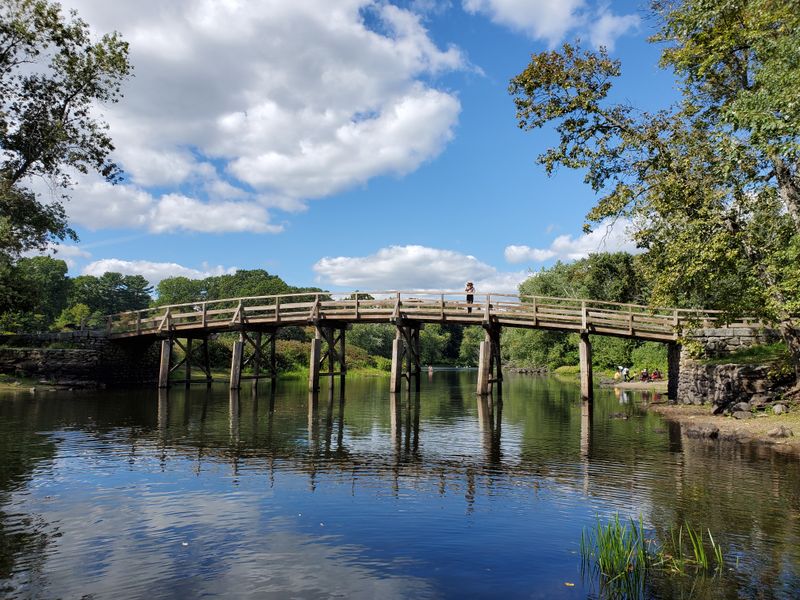
You know that moment when a street just feels like it remembers everything that ever happened on it? That hits fast in places like Concord, with its calm, tree lined blocks and homes that look like they have quietly watched a thousand stories pass.
Salem leans a little more theatrical in October, sure, but walk around Chestnut Street and you get that lived in texture that does not need a sign to explain itself.
Over in New Bedford, the New Bedford Whaling National Historical Park holds brick streets that once moved entire industries.
I like how daily life keeps going around all this, like kids cutting through a square on their way home and a contractor hauling lumber down a narrow lane.
If you want a city dose, Beacon Hill in Boston feels intimate on foot and bigger than expected in memory. It is not sterile, which is what makes it work.
You will notice small things first, like ironwork that repeats from house to house and a doorway with scuffed paint where hands land the same way every morning and night.
These towns do not ask you to perform being a traveler. They just give you streets that breathe, and if you move slowly, they kind of let you in.
2. Traffic Can Disrupt Even Short Distances (Downside)
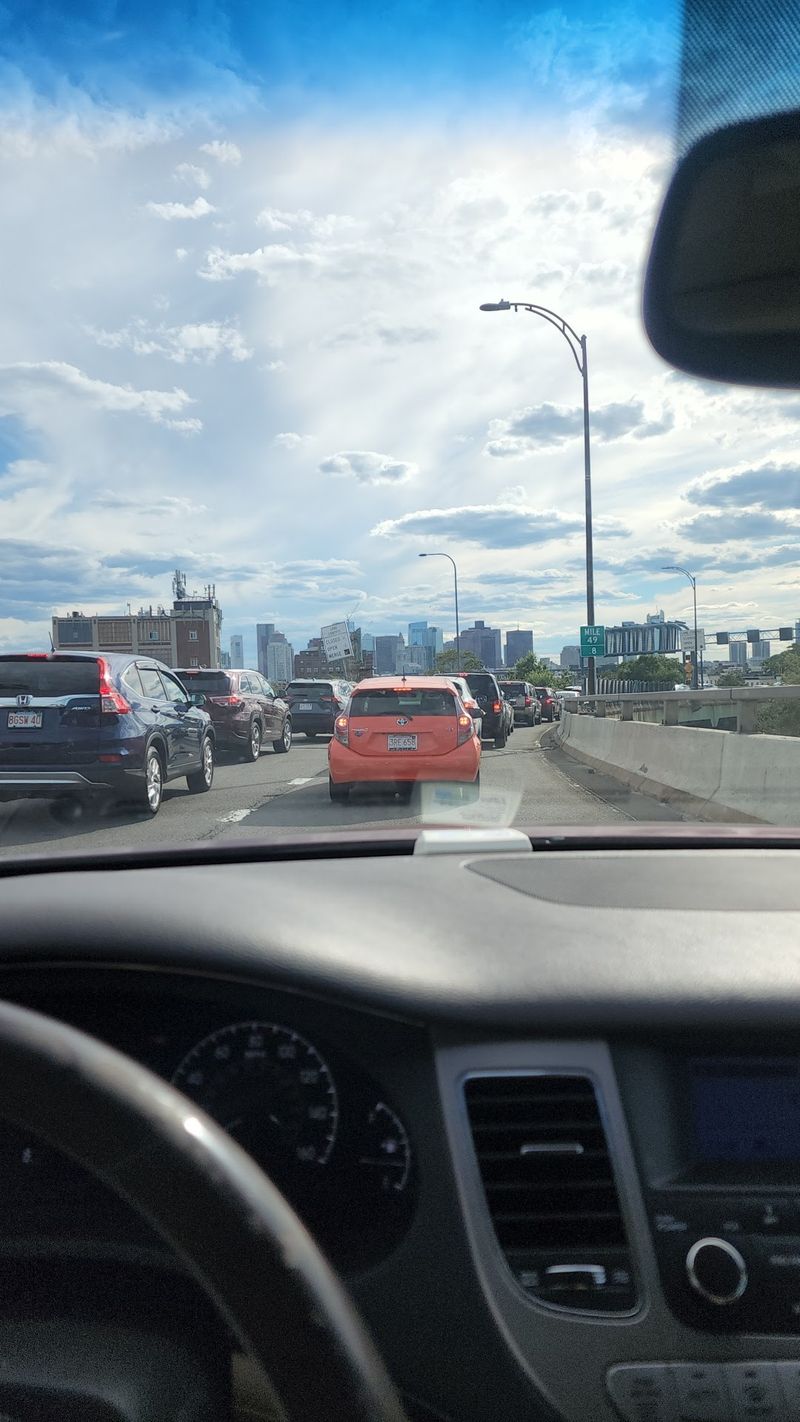
I am just going to say it, the map will promise a quick hop and the roads will laugh right back at you. The stretch into Boston on I 93 or the Sumner Tunnel approaches can slow to a crawl, and you will question every decision that led to that left merge.
When you head for Cape Ann, Route 128 around Peabody stacks up even on random weekdays, and you watch the same exit sign for a small eternity.
If you are aiming for downtown Boston, be ready to buffer your day like it is a delicate recipe. Cambridge street grids add another twist, with Massachusetts Ave near Harvard Square pulsing between bikes, buses, and drivers figuring out their lane.
It is not doom, though, just rhythm, and once you accept the tempo, stress drops a notch and plans feel less brittle.
I like parking outside core zones and switching to feet or transit. The Red Line from Alewife saves patience and delivers you to the middle of what you want to see without a steering wheel clenched in your hands.
For the North Shore, I time drives against rush hours and make peace with a detour if the apps start shouting.
Short distance does not equal short time here, so leave early, breathe, and let the day stretch a little.
3. Public History Is Easy To Access Without Tours (Good)
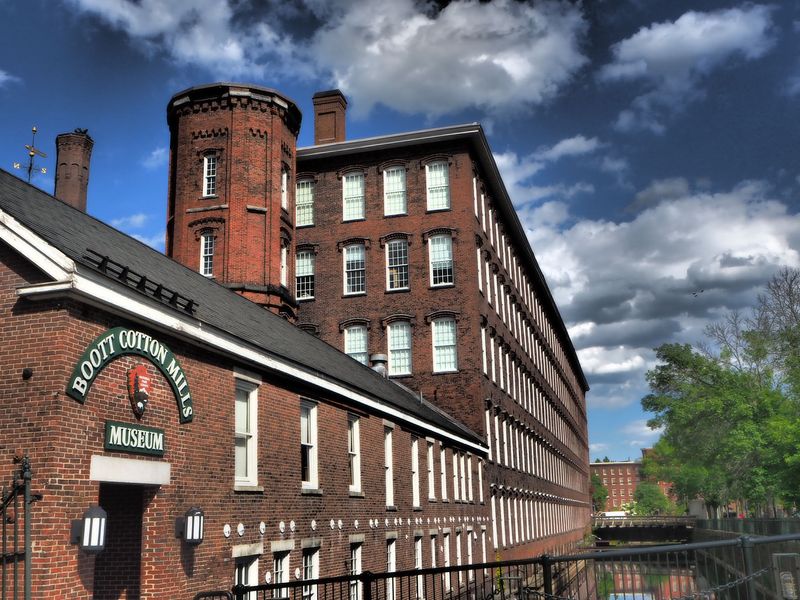
You can learn a lot here without signing up for anything or syncing with a group flag.
The Freedom Trail starts at Boston Common and you just follow the red brick line like breadcrumbs from one story to the next.
In Lowell, the Lowell National Historical Park spreads mills and canals that read like a giant open air textbook you wander at your own pace.
Concord stacks it deeper than expected, with the Old Manse sitting close to the river where big ideas once felt small and possible.
I like poking into side streets for plaques that nobody is photographing, because the quiet ones sometimes land hardest.
In Plymouth, Pilgrim Memorial State Park frames a waterfront that is both ordinary and loaded, and that contrast gets under your skin in a useful way.
Even tiny town commons tell you more than they intend, like Lexington Common where daily life and memory overlap without ceremony. You do not need scripts here, just shoes and a little curiosity that does not mind getting distracted.
Grab a simple map from a visitor center and build your own loop that hits what you care about and skips what you do not.
Massachusetts makes history conversational if you give it an hour and a decent walk.
4. Weather Can Shift Without Much Warning (Downside)
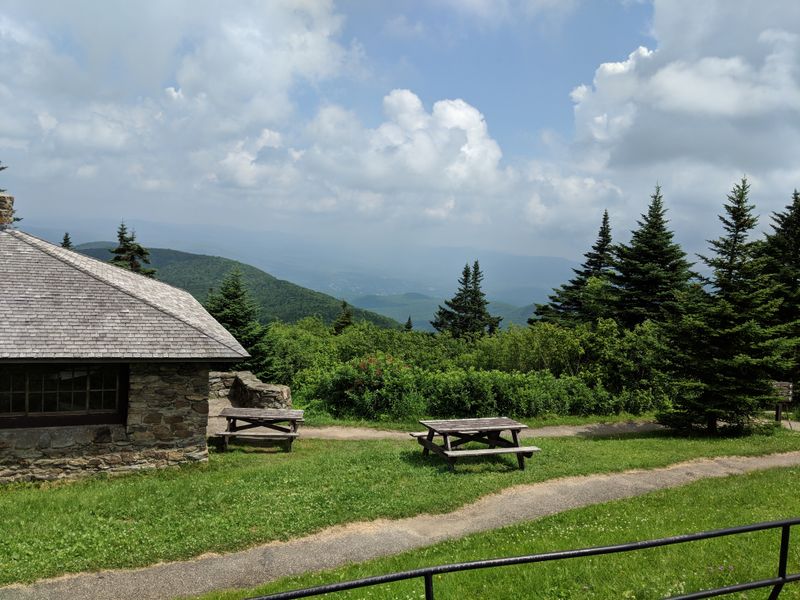
The sky here likes drama, and it will pivot on you while you are still tying your shoes. One minute you are on the Charles River Esplanade and the breeze is friendly, then a wall of clouds jogs in like it owns the place.
Coastal spots exaggerate it, especially around Good Harbor Beach, where fog slides in and edits the whole scene without asking.
Western Massachusetts shifts differently, rolling over the Berkshire ridges like a slow curtain drop that takes the temperature with it.
I pack layers, which sounds obvious until you are the person shivering in the shade of an old brick alley while your friend looks smug in a light jacket.
Rain can be a cameo or a whole act, and sidewalks turn glassy pretty quickly in the city. When it turns, do not fight it.
Duck into the Boston Public Library or a museum lobby, breathe for a bit, and then head back out when the streets start steaming again.
Sun returns fast here, which is part of the fun and part of the trap.
Check the sky, not just the forecast, and let the plan flex like a good shoulder.
5. Walkable Town Centers Make Exploring Simple (Good)
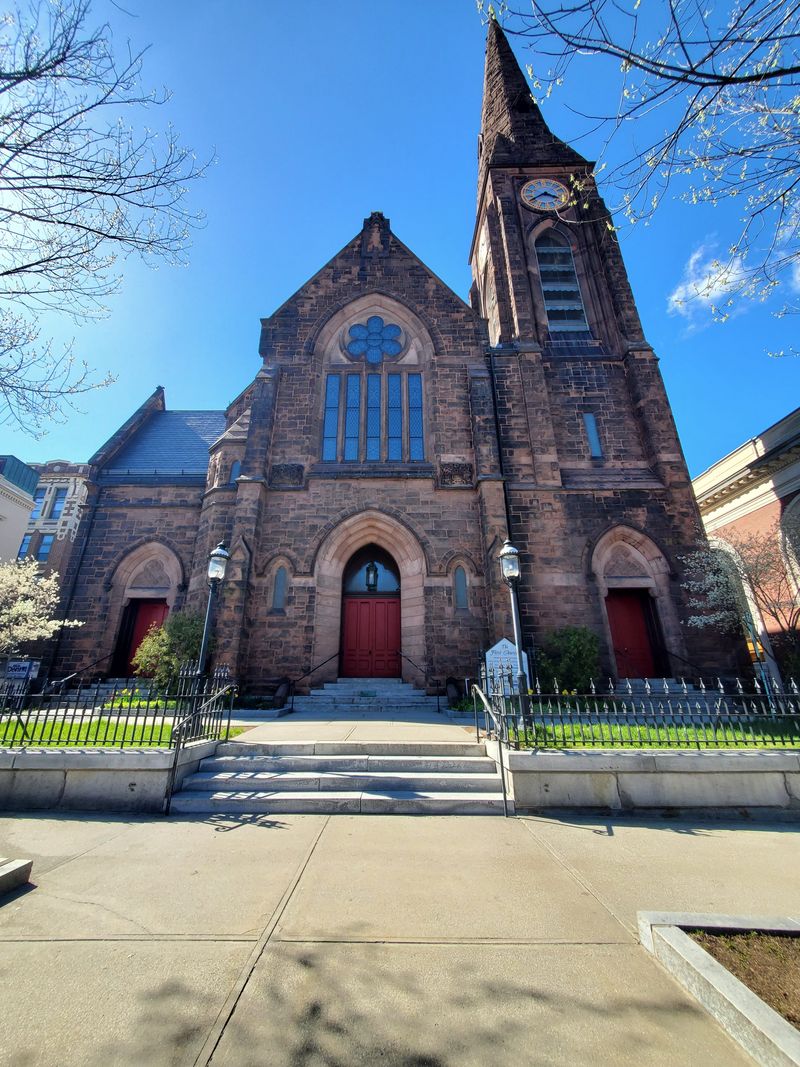
Feet beat wheels in a lot of Massachusetts towns, and your day gets calmer the second you lean into that.
Northampton’s Main Street strings together bookstores, galleries, and easy crossings that make drifting the default.
Newburyport feels laid out for walking, with those brick paths that keep your pace steady without you noticing.
Cambridge’s Harvard Square is full of corners that reward slow laps and small detours that only make sense on foot. I like how a bench can become a plan, and you barely realize an hour went by because the street kept handing you little scenes.
In Salem, Essex St Pedestrian Mall lets you tune out traffic noise and focus on faces, windows, and whatever the sky is doing.
Even Boston can be kind if you string neighborhoods together, like Beacon Hill to Back Bay to the South End in one lazy ribbon.
Start near Beacon Street and aim toward Copley Square then wander to Union Park without fuss.
Walking breaks the trip into pocket sized chapters that you actually remember later. It also dodges parking, which is reason enough.
6. Accommodation Costs Rise Quickly In Peak Seasons (Downside)
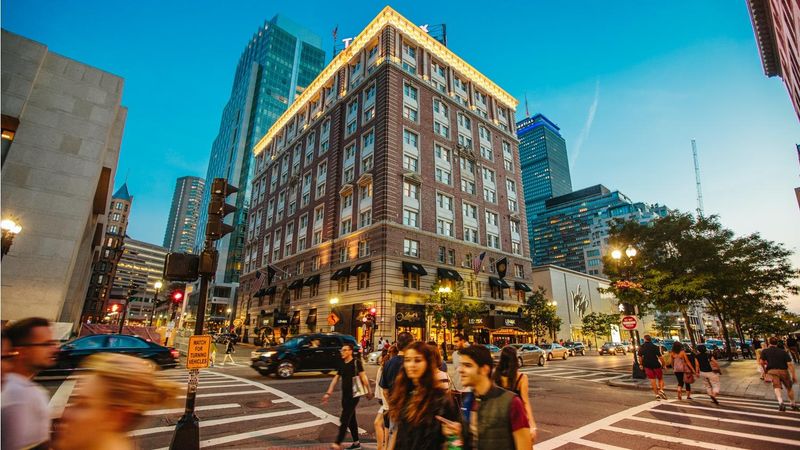
Some stretches of the year make rooms feel like concert tickets, and the hunt can outpace the fun if you let it.
Cape towns like Orleans fill up fast, and you can watch availability shrink while you are still debating options.
Boston’s Back Bay keeps a steady hum that spikes during big event weeks and leaf heavy months.
Western Massachusetts rides its own curve, with Lenox drawing people for culture and trails that flow right into each other.
My move is to pick a base early, even if the exact plan still has holes, because it is easier to shuffle days than beds. When in doubt, look a town or two away from the center you want and trade a short drive for sanity.
North Shore nights can also go quick, especially if you want to wake up in Rockport steps from the water.
Check around Broadway, Rockport then widen the circle to Gloucester and you will breathe easier.
I keep notes on neighborhoods that felt calm and well located so I am not repeating the same scramble every trip.
Book early, adjust later, and let the rest of the plan catch up.
7. Seasonal Travel Offers Completely Different Experiences (Good)
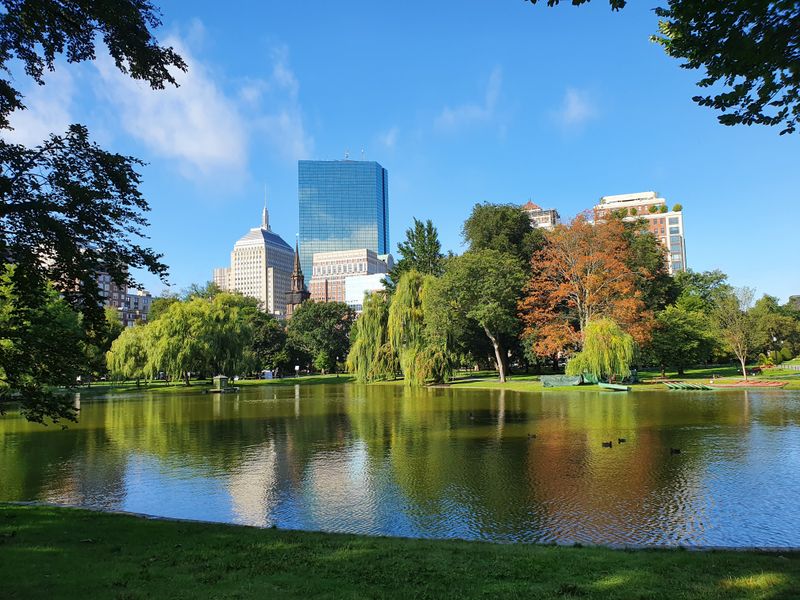
Massachusetts is one of those places where the same street tells a different story every few months, and it keeps trips feeling fresh.
Fall in the Berkshires around Mohawk Trail State Forest and watch it turn the hills into a rolling mural that follows you through each bend.
Winter in Concord quiets everything, and the clapboard houses look like they are holding their breath while the snow runs the show.
Spring wakes up loud in the Boston Public Garden where blossoms tilt the whole place toward joy even on a Tuesday.
Summer on the Cape along the Province Lands Bike Trail feels breezy and bright, and the dunes shift like a slow moving sea.
What makes it work is how the rhythm of the year nudges your pace and your plans without much negotiation. Western trails firm up when the thaw is done, and city sidewalks get their energy back as patios reappear and street corners chatter again.
Even a ferry terminal like Wharf Street reads differently when the air warms and the harbor smells like salt instead of steel.
You do not have to pick a favorite, just let the season steer the mood and the packing list, and follow along.
Every return visit moves the needle a little, which keeps you curious.
8. Driving Rules And Road Layouts Feel Unintuitive (Downside)
Massachusetts roads sometimes feel like they were drawn by a poet who loved diagonals and last minute choices.
Downtown Boston around Government Center flips one way streets and short merges like cards in a quick game.
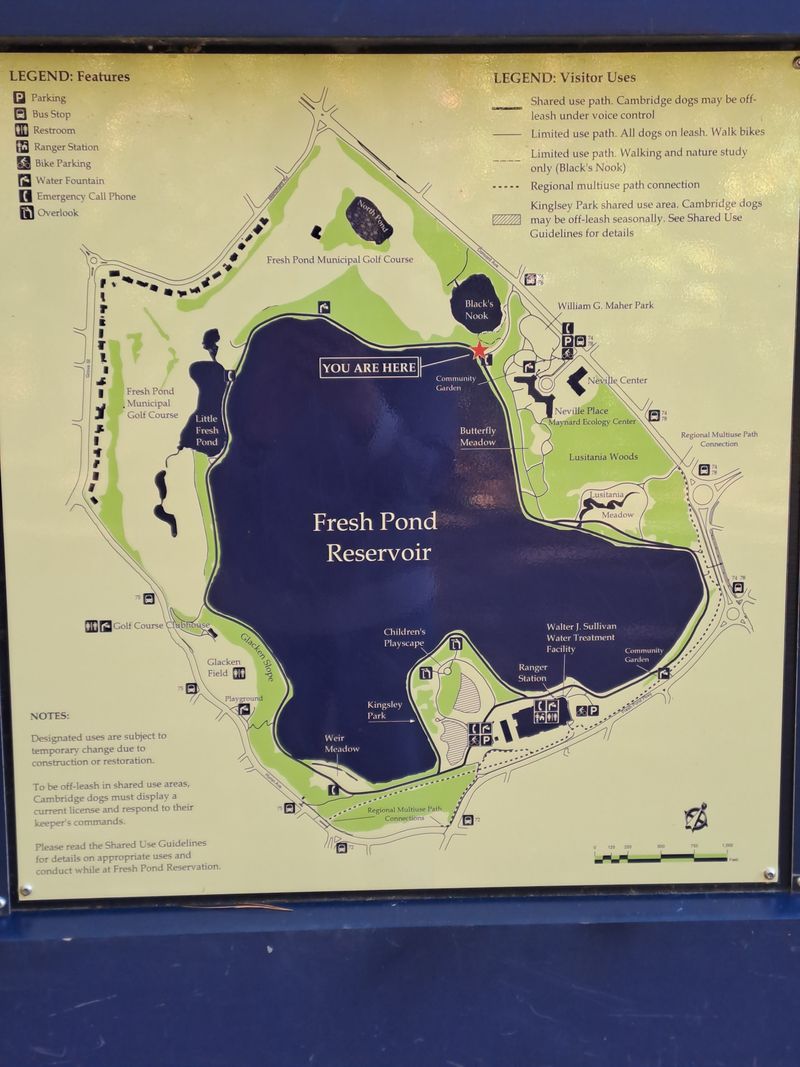
Rotaries still show up, and you need to commit without flinching, especially near Fresh Pond Rotary where hesitation makes everything worse.
Signs occasionally do the bare minimum, which is charming until you are in the wrong lane with a turn you cannot make for another block and a half.
I take a breath, choose a calmer lane, and loop around rather than force a weird move that makes the whole car tense.
On the North Shore, the split near Route 128 and Gloucester has angles that feel like a pop quiz when you expected a nap.
Parking garages add their own logic puzzles with tight ramps and sudden pillars, so slow is the right speed and mirrors are your friends.
If it all feels like too much, aim for Alewife Station park once, and let the Red Line do a chunk of the work.
Massachusetts rewards patience more than bravado behind the wheel. Give yourself extra space, roll with a wrong turn, and consider it part of the local language.
9. Museums Are World Class Yet Manageable On Foot (Good)
One thing I love is how big name collections live in places you can actually cross in an afternoon without getting lost in corridors forever.
The Museum of Fine Arts Boston spreads out in a way that feels grand but still human once you pick a wing and own it.
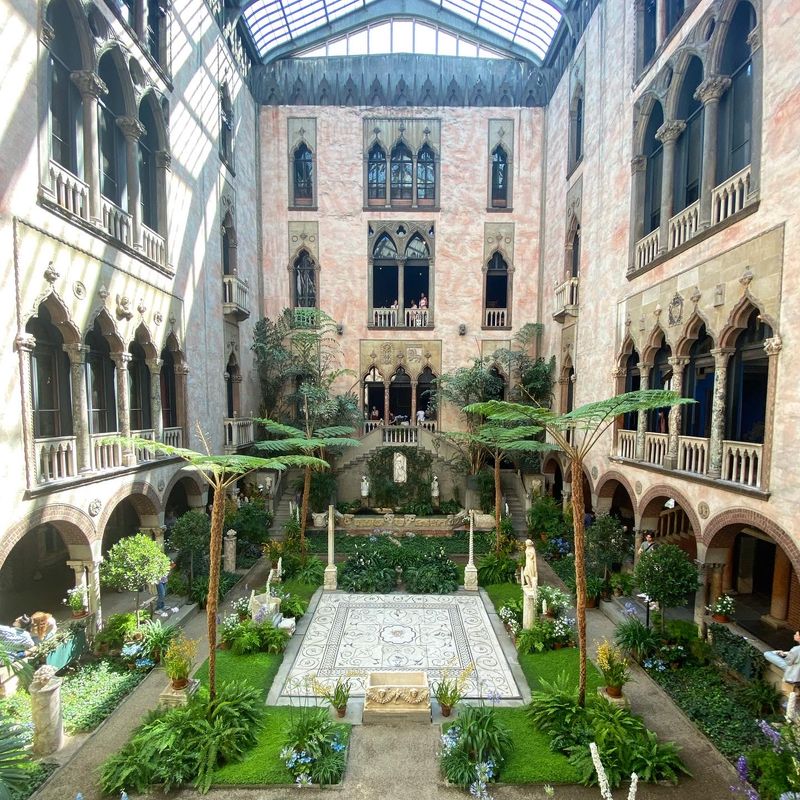
Down the street, the Isabella Stewart Gardner Museum wraps a courtyard that slows your pulse the second you step inside.
Head to Cambridge and the Harvard Art Museums give you layers without turning it into a marathon, plus streets you will want to walk before and after.
I set a simple theme for a visit, like light or portraits or travel, and stop when my focus starts to scatter, which keeps the day from melting into one long hallway.
Western Massachusetts has the Clark Art Institute sitting in a landscape that invites a stroll before you even check the map.
Even smaller spots hit above their size, like the Peabody Essex Museum which ties global threads to a local harbor in a way that sticks with you.
Museums pair well with walking loops and quiet benches, so bake in pauses like they are part of the exhibit.
Massachusetts balances scale and access better than most places I have wandered. Give yourself a lane, keep the pace conversational, and you will leave full but not fried.
10. Crowds Can Overwhelm Small Destinations Quickly (Downside)
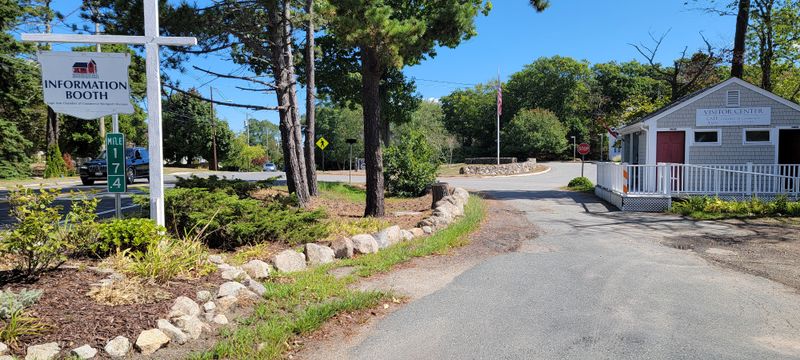
Some towns feel roomy at breakfast and tight by lunch, and the shift can catch you off guard if you are not watching the clock.
Rockport’s Bearskin Neck squeezes fast, and a quiet lane turns into a river of people in what feels like three songs.
Provincetown can go from breezy to shoulder to shoulder depending on the tide of the day and whatever is happening down by the pier.
Salem sees that swell that turns corners into bottlenecks, especially when the season leans festive and the costumes come out.
I like to arrive early, do a slow lap, and then decide whether to linger or relocate before the energy spikes.
When it gets tight, a side street can reset your mood and give you a bit of sky back above the rooftops.
Small places breathe differently, and that is part of their charm and part of the challenge. Parking, lines, and noise all rise together, and you feel it most when the sidewalks narrow and windows sit close to your shoulder.
Massachusetts rewards timing more than effort in these spots.
Lean early or late, pick weekdays when you can, and you will keep the day feeling roomy.
