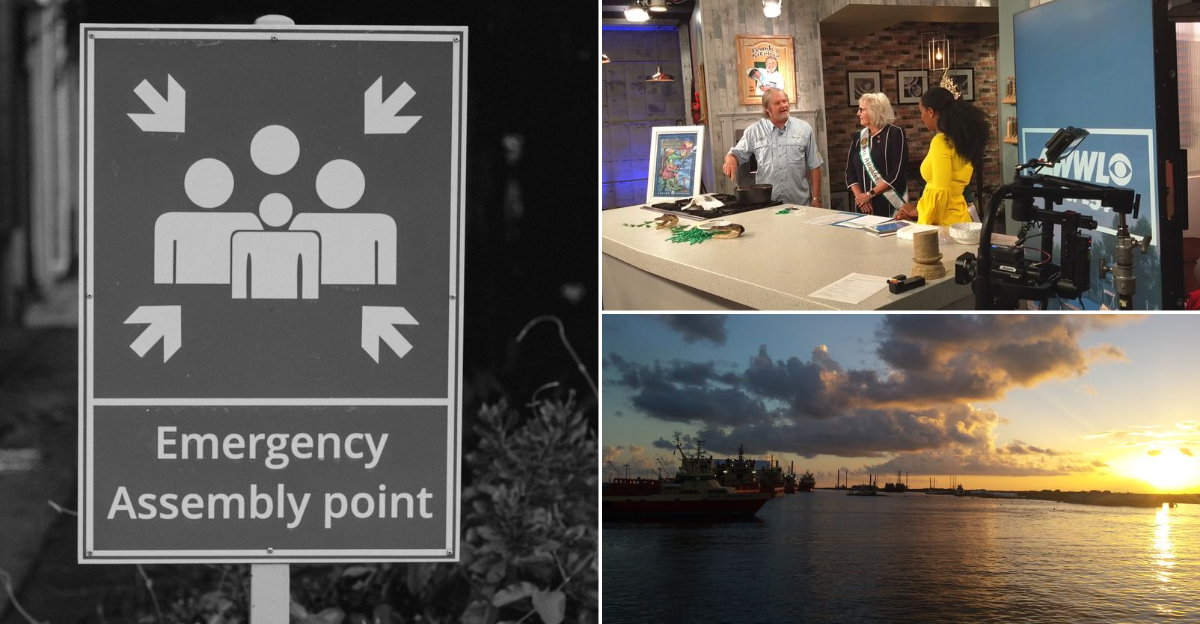
If you are cruising into Louisiana during hurricane season, I want you to feel calm but ready, like you packed smart and left some wiggle room in the plan.
The weather down there can swing from sunny to sideways rain, yet it is totally doable if you keep one eye on the radar and one on backup plans.
That kind of awareness actually slows the trip down in a good way, because you stop forcing the day to behave.
Think of this trip like driving with a great playlist and a map of detours you actually do not mind taking because the small towns are half the fun.
Stick with me, and I will keep the trip flexible, safe, and still full of those little moments you will remember.
1. Hurricane Season Runs Longer Than Most People Expect
You know how everyone quotes the season dates and then forgets the middle part where storms linger? In Louisiana, the calendar is helpful, but the sky usually writes its own schedule.
I treat the whole warm half of the year like a maybe, and that mindset honestly makes the trip smoother.
You pack light, plan backups, and you are free to pivot without stress.
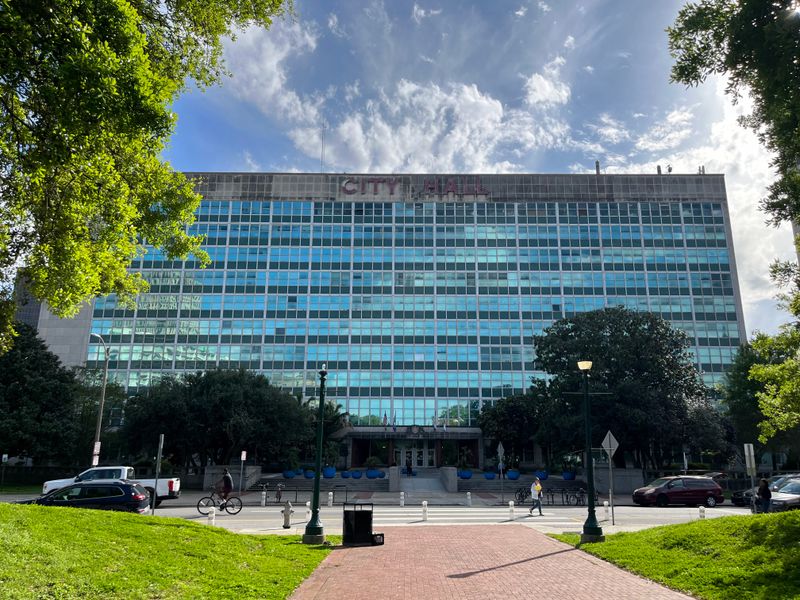
If you want an easy place to keep perspective, set your start in New Orleans.
City Hall anchors you to real-time local guidance and maps that actually match the roads you will drive.
From there, keep an eye on parish alerts and regional briefings, because Louisiana counties are called parishes and they post practical updates. Those notices often mention closures and contraflow talk before national outlets do.
When the season stretches later, that is when visitors get caught by surprise. You will not, because you will leave room for an extra inland stop if storms hang around.
If the forecast looks twitchy, I like to stage a night in Baton Rouge near the Capitol. It sits on higher ground relative to coastal spots and keeps you close to state briefings that shape the next move.
2. Storm Forecasts Change Quickly
The thing about Gulf storms is they wobble. A track that looks harmless at breakfast can nudge east by lunch and aim straight at the route you picked.
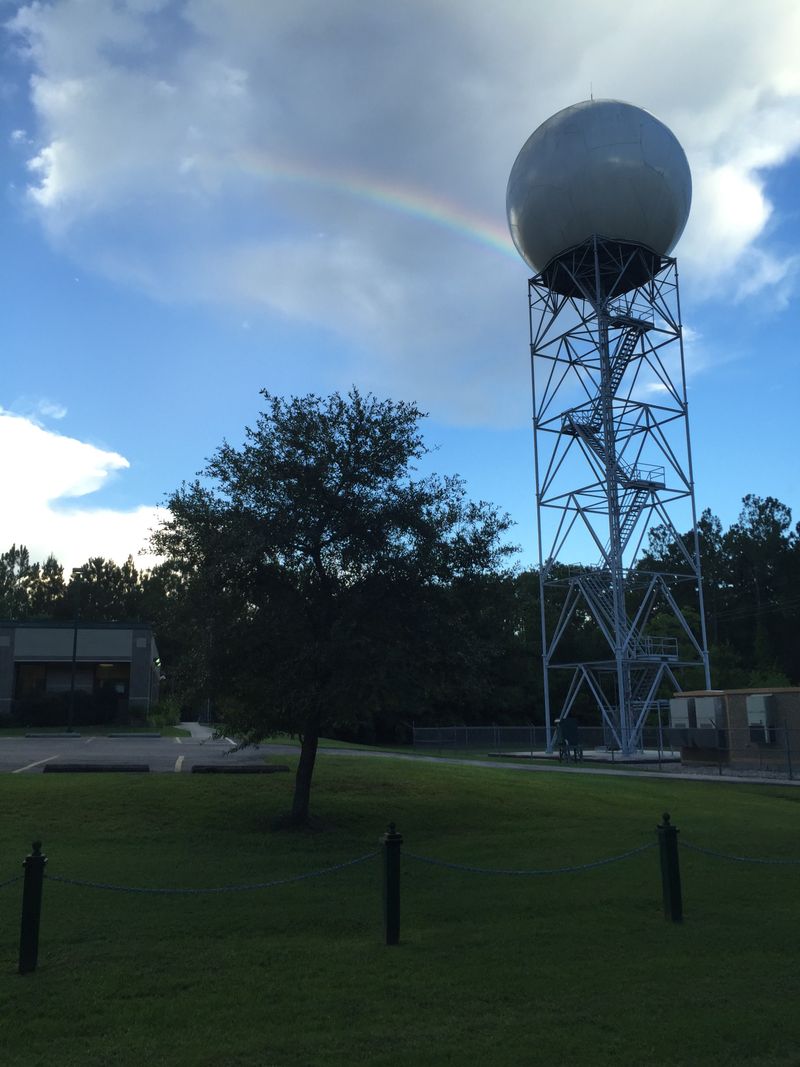
So borrow local brains. Tune to WWOZ and WWL, and set the National Weather Service New Orleans office in Slidell as your north-star source.
Toss the forecast discussion into your phone because that text explains the why behind the map colors.
The language is plain enough once you read it twice, and it helps you choose the better highway.
If you need a quick pivot, slide inland toward Lafayette and regroup near Lafayette City Hall. The western side can feel calmer when the cone leans east.
You do not have to be a meteorologist. You just keep a flexible route, a full tank, and the habit of checking updates every few hours.
When a watch becomes a warning, that is your cue to finalize a move instead of debating it.
Early action gives you open roads and a relaxed checkout instead of a scramble.
3. Flooding Is Often A Bigger Issue Than Wind
Wind gets the headlines, but water sneaks up on you. Low streets fill, pumps work hard, and any slow-moving storm can turn a short drive into a detour maze.
New Orleans has layers of flood control, yet ponding still happens around spots like City Park. It is normal to see standing water after a heavy band.
I plan parking like it is part of the safety kit.
Go higher on ramps or garages when clouds stack up, because a few inches where you sleep is way worse than a gusty night.
Check Louisiana DOTD traffic cameras before rolling, especially toward Lake Charles and the I-10 stretches. Bayous overflow, and a pretty marsh view can become a closed shoulder fast.
Bookmark the New Orleans Sewage and Water Board facility for official pump status. It is not glamorous, but those updates tell you how quickly streets drain.
If water rises, turn around early and pick a coffee stop on higher ground. The detour costs time, but your car and nerves will thank you tomorrow.
4. Travel Insurance Is Worth Considering
I am not trying to sell you anything, just peace of mind. Weather coverage turns a headache into a reroute with options instead of panic.
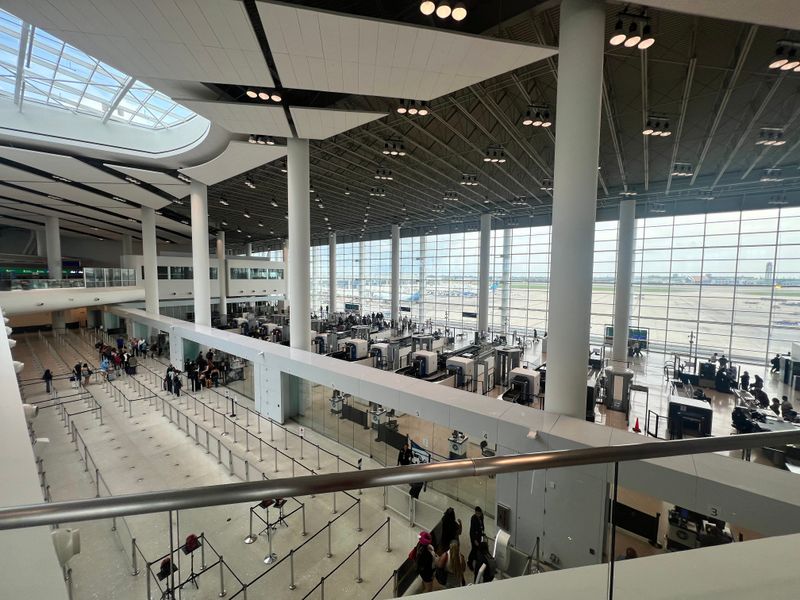
Before you roll, jot down the nearest airport and a backup. For New Orleans, that is Louis Armstrong New Orleans International Airport, with Lafayette Regional Airport as a plan B.
The trick is knowing what counts as a covered event and how to document it.
Screenshots of alerts, airline notices, and parish announcements go a long way when you need to make a claim.
I also keep hotel confirmations in one folder and share them with you. If you have to shuffle nights, you can prove everything in seconds and move on.
Even with good coverage, the goal is avoiding the mess. That is why you scan forecasts daily and tweak the route early when something looks stubborn.
Think of insurance like a seatbelt for the itinerary.
You hope to forget it is there, but it is doing work the whole time.
5. Evacuation Routes Matter More Than You Think
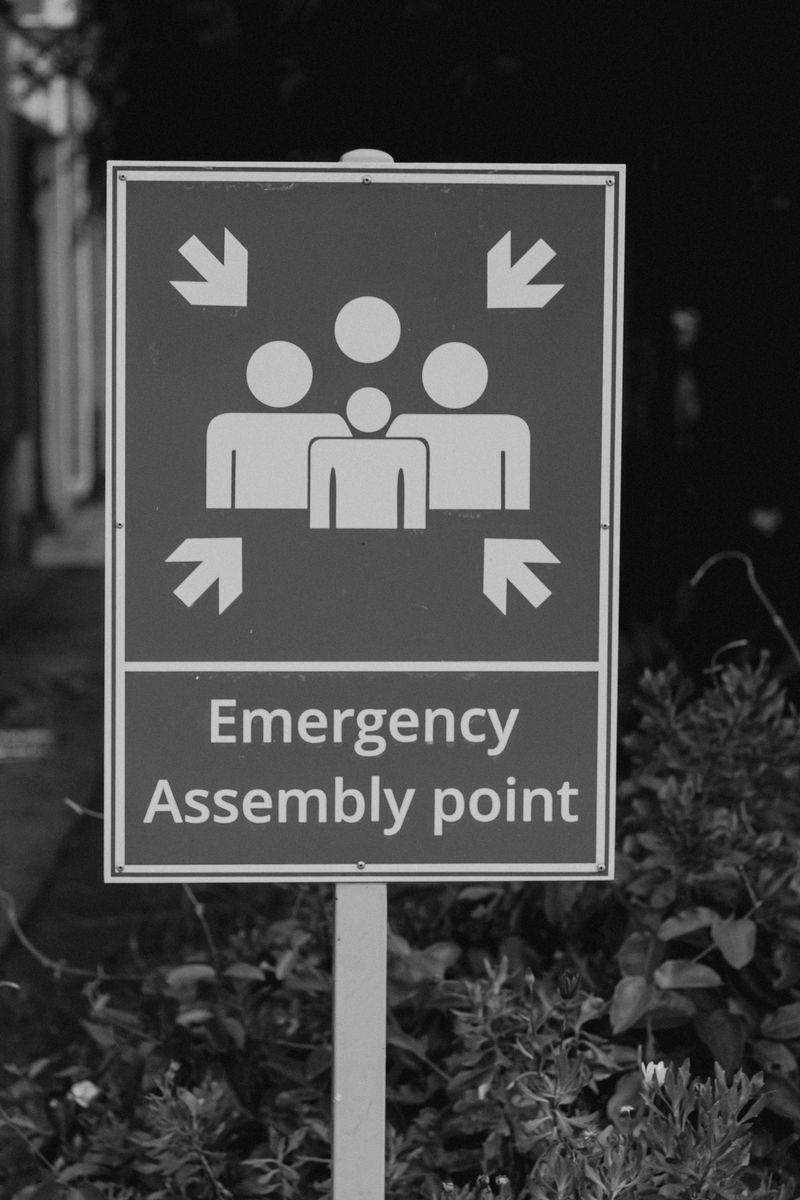
Contraflow sounds dramatic until you see the signs flip. In Louisiana, certain interstates turn one direction during big storms to move folks inland, and it works fast.
Before you leave, save the Louisiana State Police Troop B office for official maps. They post clear diagrams that match the roadside signs.
Your job is simple. Know two inland exits and one local surface route, then you are not married to a single ramp when traffic stacks.
For coastal drives, I like staging near Houma so we can hop north smoothly.
Use the Terrebonne Parish Consolidated Government building as a reference point for local briefings.
Also keep fuel topped, because gas lines appear quick when a watch tightens. It is not about panic, just timing and courtesy to your future self.
If officials say go, you go, and go early while roads are calm. That quiet hour can save you a whole day.
6. Power Outages Can Last Longer Than Expected
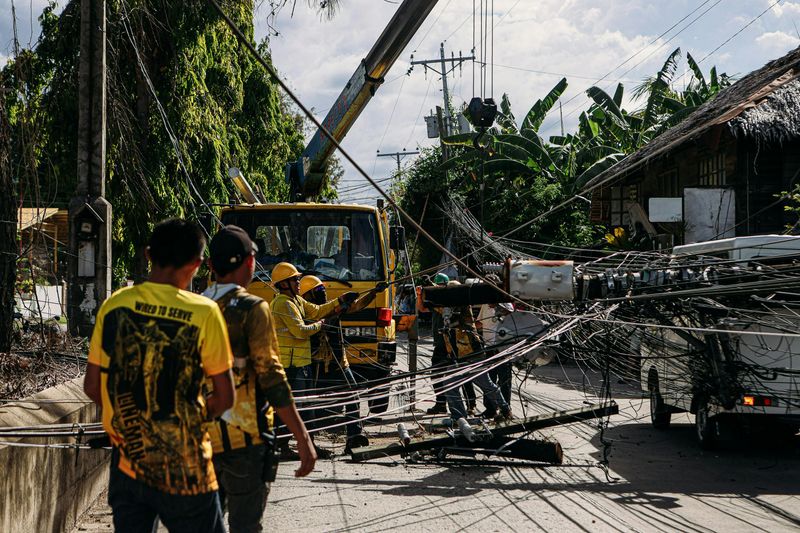
A light breeze is fine, but repeated bands of wind wear down branches and the grid. Even on the edge of a storm, you can lose power for a while in parts of Louisiana.
I travel with a small battery brick and two cords per person. That way phones, a headlamp, and a hotspot can stretch through a night if needed.
For reliable updates, add Entergy Louisiana customer center.
Their outage map lines up with what you see on the street.
Hotels inland usually bounce back first, but smaller towns can take longer, and that is not anyone’s fault. The crews are out there doing the grind as soon as it is safe.
If your place goes dark, move toward Baton Rouge or Lafayette where critical corridors restore earlier.
Set a meet point, then regroup and rebook from a lit lobby.
Keep a paper map, because dead batteries make heroes out of old-school directions. It feels silly until it saves the day.
7. Hotels May Fill Up Suddenly

When a track shifts, rooms evaporate. Evacuees, line crews, and travelers all chase the same vacancies at once.
I like to anchor a reservation inland with a free cancellation window. Baton Rouge gives you downtown options and quick highway access.
Once the forecast steadies, we either keep that room or release it.
Simple, no drama, and no midnight hunt for a lobby couch.
If you need a coastal pivot, aim for Lafayette or Alexandria. Lafayette Parish Consolidated Government is a good pin to build around.
Call ahead when the radar gets stripey and ask the front desk about backup generators.
You will sound prepared, not anxious, and they will give you straight answers.
Worst case, you leapfrog farther north for one night and come back when roads clear. It is a road trip, not a contract, so you can reroute with a grin.
8. Coastal Plans Are The Most Vulnerable
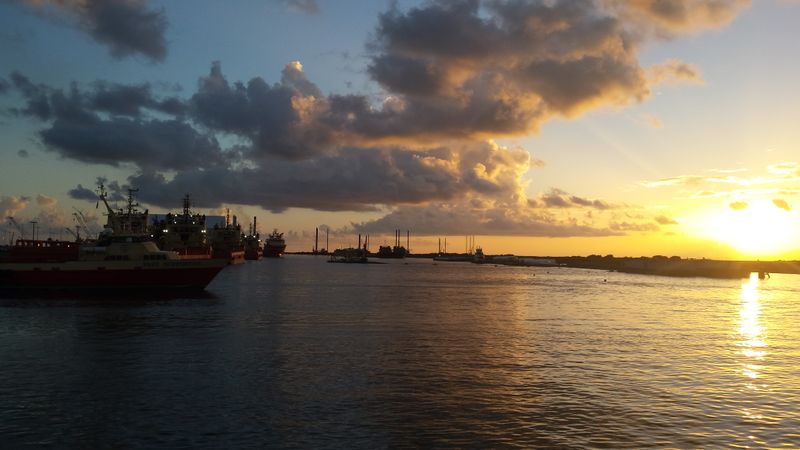
Bayou country is beautiful, but it is first in line when storms push in. The wind is one thing, yet tide and surge shape the day faster than anything else.
If you want to see the edge safely, time it between systems and keep the engine pointed inland. Port Fourchon is a working coast, and the Lafourche Parish Government Complex posts practical updates.
I also like Grand Isle when weather is calm.
The bridge views are a blast, but treat them as fair-weather fun, not a must-do under a wobbling cone.
For a backup plan, slide to Thibodaux. The Lafourche Parish Courthouse is a solid central waypoint with clear local information.
You can still enjoy Louisiana’s coast with respect and timing. Think morning check, midday go, and afternoon reassess before committing to sunset plans.
When water starts stacking, wave goodbye early and head inland for music and a dry porch.
The coast will be there when the sky chills out.
9. Local News Beats National Coverage For Details
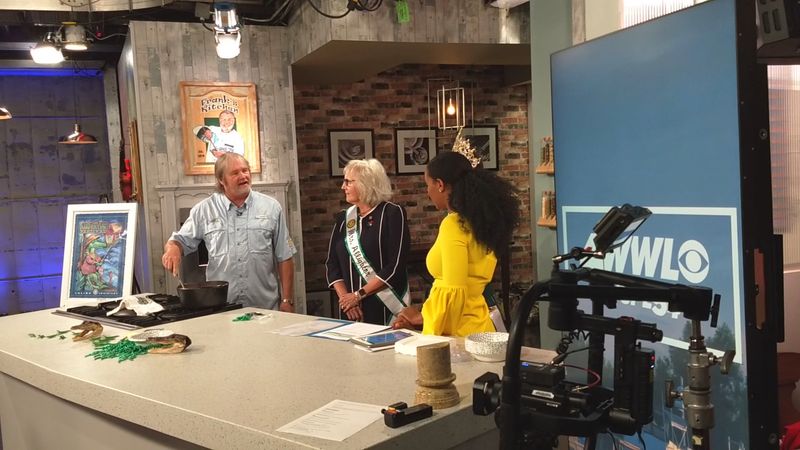
National outlets paint the big picture, which is fine. Local stations tell you which bridge lane is closed and whether the parish set a curfew.
In New Orleans they push frequent, practical updates.
Baton Rouge folks can check WAFB.
I keep their apps next to the radar. That way, when alerts ding, you know if it is about your street or somewhere a parish over.
It is not about drama. It is about knowing which road still has open shoulders and which museum closed an hour early.
When coverage gets noisy, I cross-check with parish emergency management. Those offices speak in simple, do-this-now language that keeps you moving smart.
Use the local voices, and you will feel less lost and more neighborly. It changes the whole mood of the trip.
10. Attractions May Close Earlier Than You Expect
Even when the sky looks fine, places sometimes call it early. Staff want everyone home before bands get messy, which is fair.
So you front-load the day and keep phone numbers handy. For museums, the Louisiana State Museum posts reliable notices on hours.
I also ask about reentry after a watch passes.
Sometimes they reopen fast, and you can slide in for a low-crowd hour later.
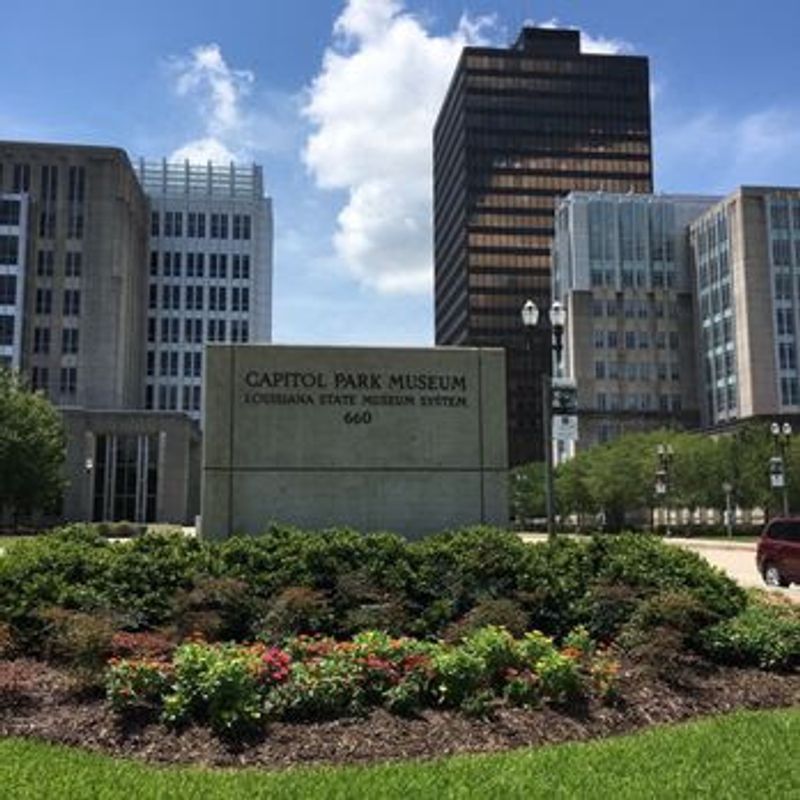
In Baton Rouge, the Capitol Park Museum does the same drill. Quick calls save you a long walk to a dark door.
When things close, that is your cue to enjoy a calm drive, not to force it.
Pick a sheltered spot and watch the weather like it is a moody movie.
Tomorrow usually brings a window. That is when you get the quiet photos and an easy pace.
11. Most Storms Do Not Cancel Trips Completely

Here is the honest take. Plenty of people visit Louisiana in hurricane season and never see more than a breezy shower.
The key is flexibility and patience, not bravado. You chase windows between bands, shift a day inland, then slide back when roads and sky relax.
If you want a steady base, consider Baton Rouge around the Old State Capitol.
From there, New Orleans and Lafayette become easy day moves when weather behaves.
You celebrate the good hours and respect the gnarly ones. That rhythm keeps morale high and the trip fun instead of tense.
When the cone points away, take advantage and explore on foot. When it leans in, we drive early, nap midday, and watch radar like sports.
Louisiana rewards the flexible traveler with stories and soft light after the rain.
Bring curiosity, and the season will likely give you more yes than no.
12. Have A Simple Go-Bag And A Plan
I keep this boring but tight. Chargers, meds, copies of IDs, a paper map, a compact flashlight, and a change of clothes live in one reachable bag.
Pick two meetup spots in case phones die. One close, one farther inland, and write them down, old-school and legible.
For New Orleans, I like setting the first spot at Armstrong Park, because it is easy to describe.
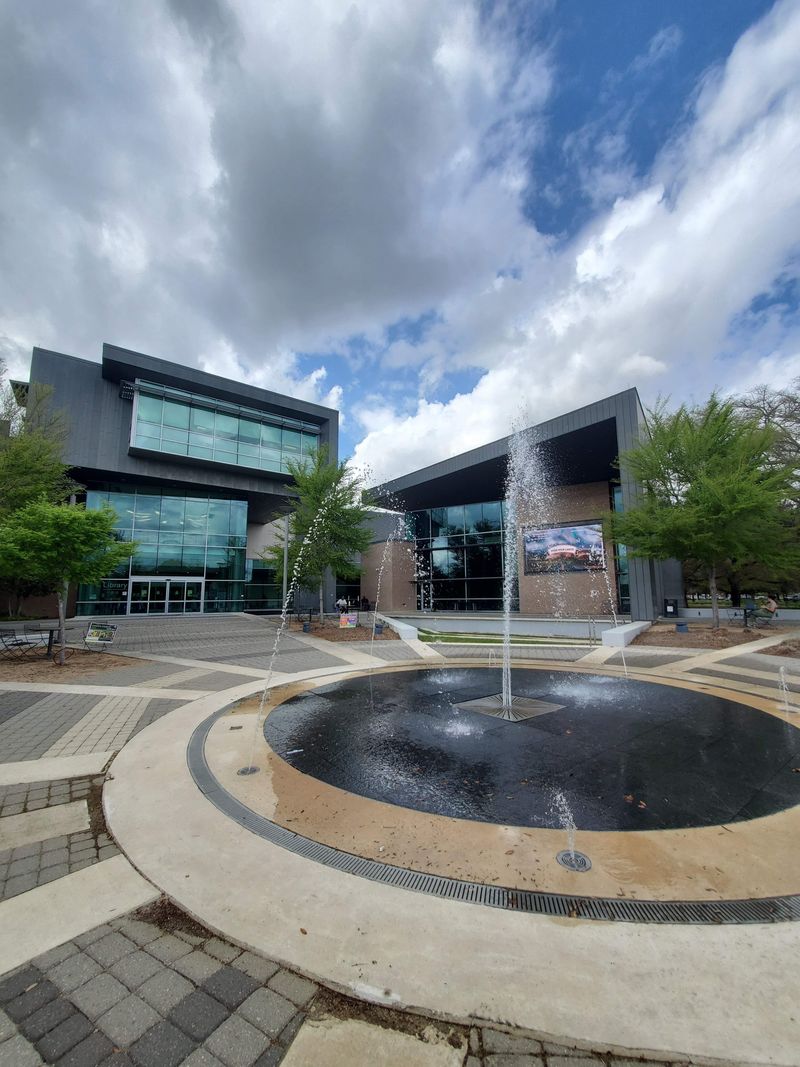
The backup can be the East Baton Rouge Parish Library.
It feels extra until the moment it does not. Then you are grateful for the simplest checklist on the planet.
You talk through the plan once in the car, just conversational. No big briefing, just two minutes of what-we-do-if so it is muscle memory.
After that, enjoy the drive and the music.
Preparedness fades into the background, which is how you want it.
