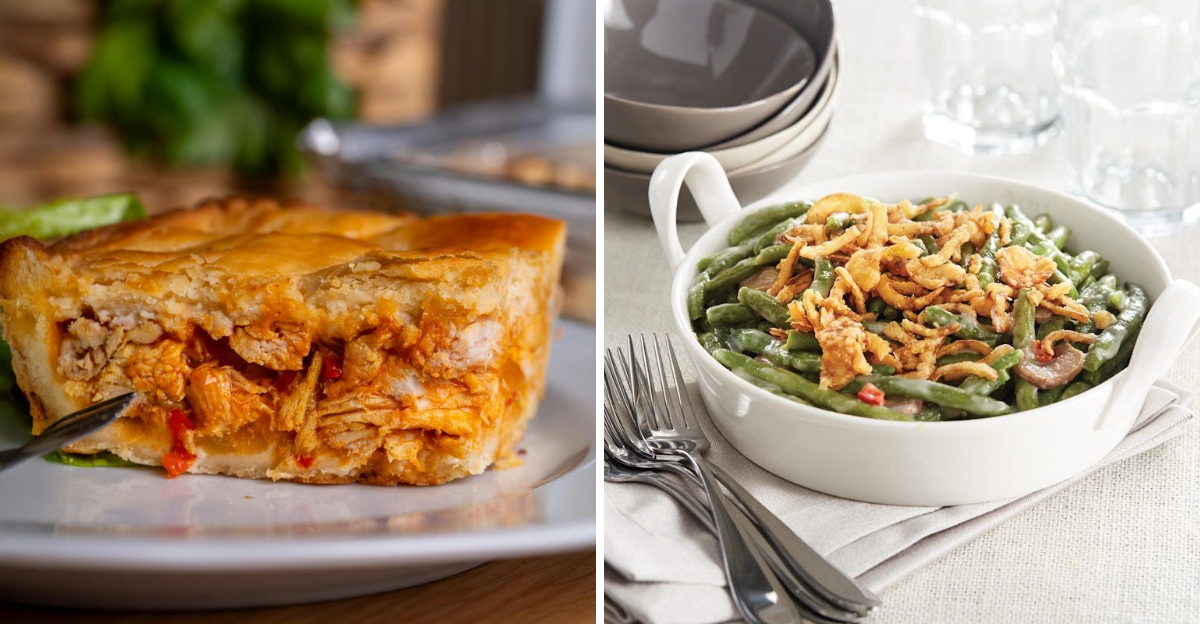
Tucked into the quiet corners of rural Oklahoma, Amish communities have preserved a way of cooking that values simplicity, sustenance, and the kind of flavors that linger long after the meal ends.
These meals are not about flash or flair but about feeding families with intention and care, using ingredients that come from the land and traditions passed down through generations.
The dishes you will find here are deeply rooted in practicality, built around what grows well, stores easily, and satisfies completely. From slow-cooked meats to hand-rolled noodles, every plate tells a story of resilience and community.
Oklahoma may not be the first place that comes to mind when thinking of Amish culture, but the settlements scattered across the state have quietly maintained these culinary traditions with remarkable dedication.
Visiting these areas offers more than just a meal; it offers a glimpse into a lifestyle that prioritizes patience, purpose, and the nourishment of both body and spirit.
Whether you are a curious traveler or a lover of comfort food with history behind it, these traditional Amish meals are worth seeking out.
1. Roast Beef With Brown Gravy

Slow-roasted beef has held its place as a centerpiece meal in Amish households for generations, especially on Sundays when families gather after church.
The beef is cooked low and slow, allowing the meat to become tender enough to pull apart with a fork, while the juices collect in the pan to form the base of a deeply flavorful gravy.
Seasoning is minimal, often just salt and pepper, because the focus is on the natural richness of the meat and the depth that comes from patience. The gravy is made from the drippings, thickened with flour and sometimes a splash of cream, then poured generously over slices of beef and mashed potatoes.
This is not a meal meant to impress with complexity but to satisfy with substance. It is the kind of dish that anchors a table, surrounded by simple sides like buttered carrots, green beans, and fresh bread.
In rural Oklahoma, you can still find this meal served at Amish community dinners and in homes where Sunday lunch remains a sacred tradition. The preparation begins early in the morning, with the roast going into the oven while the family prepares for the day.
What stands out is the care taken in every step, from selecting the cut of beef to the slow browning of the flour for the gravy. Nothing is hurried, and nothing is overlooked.
This dish reflects the Amish belief that food should be honest, nourishing, and shared with gratitude. It is a meal that has fed families through hard winters and quiet celebrations alike, and it continues to do so with the same quiet dignity.
2. Mashed Potatoes and Cream Gravy
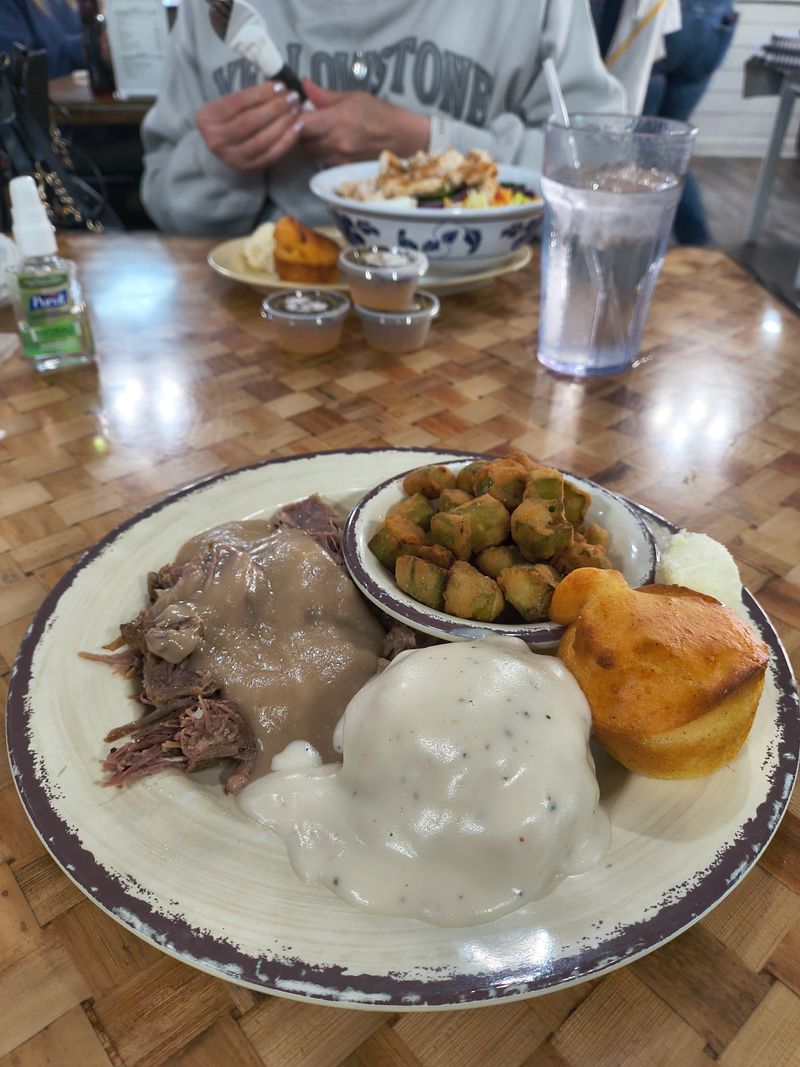
Potatoes appear at nearly every Amish meal, and more often than not, they are mashed and topped with a generous ladle of cream gravy. This dish is the definition of practicality, using inexpensive staples to create something deeply satisfying and filling.
The potatoes are boiled until soft, then mashed with butter and a bit of milk until smooth and creamy. The gravy is made from a simple roux of butter and flour, thinned with milk or cream and seasoned lightly with salt and pepper.
It is a side dish that often becomes the main attraction, especially when served alongside fried chicken or roast pork. The gravy soaks into the potatoes, creating a rich, comforting combination that feels like home no matter where you are from.
In Oklahoma, this dish is a staple at Amish gatherings, church suppers, and family dinners. It is the kind of food that stretches a meal and makes sure no one leaves the table hungry.
What makes this dish so beloved is its simplicity and its ability to bring people together. There is nothing fancy about mashed potatoes and cream gravy, but there is something deeply reassuring about it.
Amish cooks have perfected this dish over generations, knowing exactly how much butter to add, how thick the gravy should be, and how to make a humble potato feel like a gift. It is a dish that speaks to the heart of Amish cooking, where nourishment and care are always the priority.
You will find this meal served in homes across rural Oklahoma, where the traditions of the past continue to shape the meals of today.
3. Homemade Bread With Butter
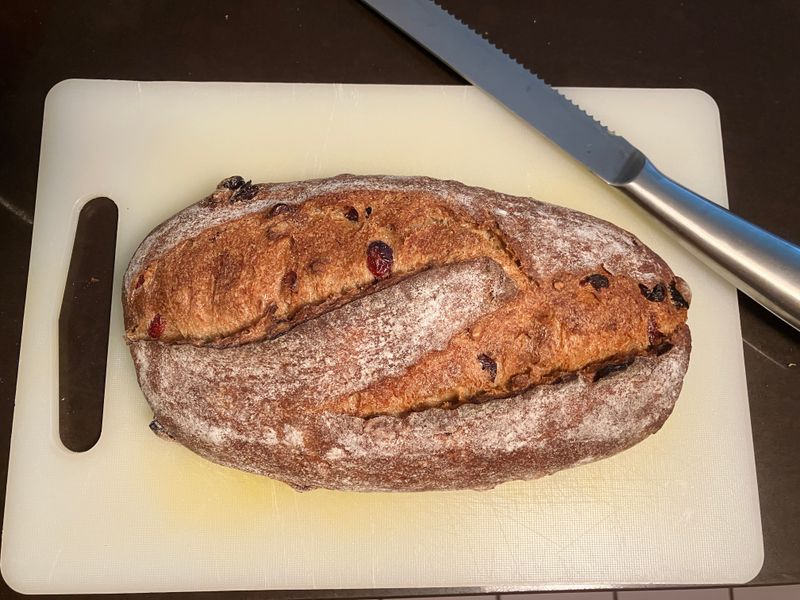
Fresh bread is not a side dish in Amish kitchens; it is a foundation. Loaves are baked frequently, often several times a week, and served warm with homemade butter or fruit preserves spread thick across each slice.
The bread is simple, made from flour, yeast, salt, sugar, and water, but the process is anything but casual. Dough is kneaded by hand, left to rise in warm corners of the kitchen, then shaped and baked until the crust is golden and the inside is soft and tender.
Walking into an Amish home when bread is baking is an experience in itself. The scent fills every room, warm and inviting, and there is always a loaf set aside for the table.
In rural Oklahoma, this bread is a daily staple, served at breakfast, lunch, and dinner. It accompanies soups, stews, and roasts, and it is just as welcome on its own with a smear of butter and a drizzle of honey.
What makes this bread so special is the care that goes into it. There are no shortcuts, no store-bought loaves, just time, patience, and the knowledge passed down through generations.
Amish women often bake in batches, making enough to feed their families and share with neighbors. The act of baking bread is both a necessity and a ritual, a way of showing love and hospitality without needing to say a word.
This bread is a reminder that the simplest things, when done with intention, can be the most meaningful. It is a taste of tradition that has remained unchanged for generations.
4. Green Beans Cooked With Ham
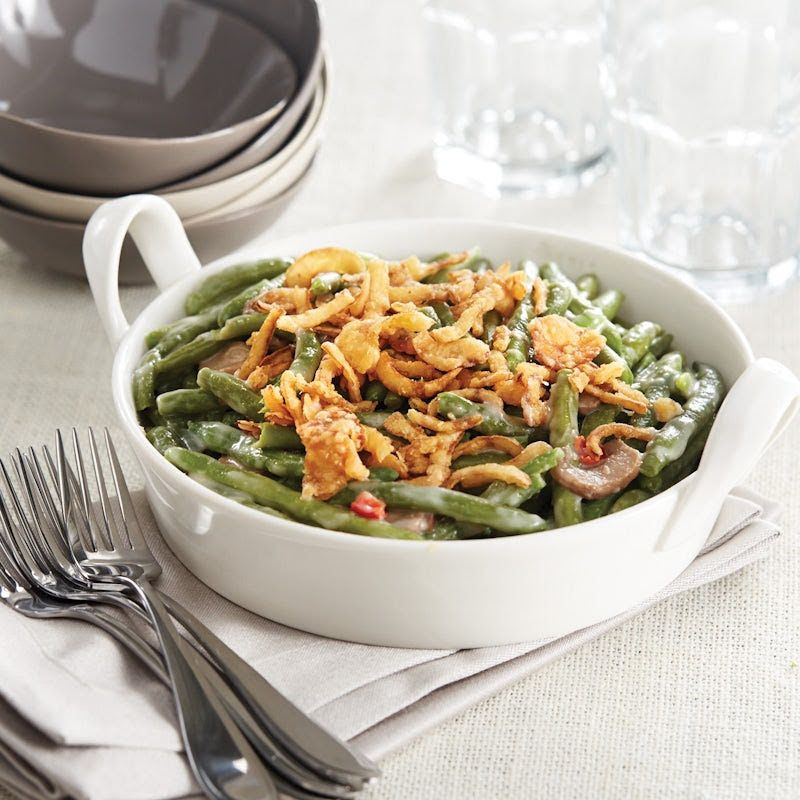
Vegetables in Amish cooking are rarely served crisp or lightly steamed. Green beans are slow-cooked with ham or bacon until they become soft, tender, and infused with smoky, savory flavor.
This style of preparation is common across Amish kitchens, where the goal is not to preserve crunch but to create a dish that is comforting and deeply flavorful. The beans are cooked for hours, often in a pot on the back of the stove, absorbing the richness of the ham and the seasonings.
The result is a side dish that feels like a meal in itself, hearty and satisfying in a way that fresh, crisp vegetables simply cannot match. It is a dish that reflects the Amish approach to food, where nothing is wasted and everything is made to nourish.
In Oklahoma, you will find this dish served at church suppers, family dinners, and community gatherings. It is a staple that has been passed down through generations, with each family adding their own touch, whether it is a bit of onion, a pinch of sugar, or a splash of vinegar.
What makes this dish so enduring is its simplicity and its ability to transform humble ingredients into something truly comforting. The green beans are often home-canned or grown in the family garden, and the ham is leftover from a previous meal, making this a dish that is both practical and delicious.
It is the kind of food that reminds you of Sunday dinners and potluck tables, where everyone brings something and no one leaves hungry.
5. Cornbread and Corn Pudding

Corn-based sides are a fixture in Amish cooking, thanks to the accessibility and storage potential of corn. Cornbread is simple and dense, baked in cast iron skillets and served warm with butter melting into every crumb.
It is not sweet like the cornbread you might find in other regions but savory and hearty, meant to soak up gravy and complement the main dish. The texture is crumbly yet moist, with a golden crust that forms along the edges of the pan.
Corn pudding, on the other hand, is richer and more indulgent. Made with eggs, milk, butter, and corn, it is baked until set and slightly golden on top, with a creamy, custard-like texture that balances the sweetness of the corn with the richness of the dairy.
Both dishes are staples at Amish gatherings, where they are served alongside roasted meats, mashed potatoes, and green beans. They are practical, easy to make in large quantities, and always well-received.
In rural Oklahoma, these dishes are still made the old-fashioned way, with cornmeal ground from dried corn and eggs gathered fresh from the henhouse. The ingredients are simple, but the results are always satisfying.
What makes these dishes so beloved is their versatility and their ability to bring comfort with every bite. They are the kind of sides that never go out of style, no matter how many trends come and go.
Whether you are sitting down to a Sunday dinner or attending a community potluck, you can count on finding cornbread and corn pudding on the table.
6. Amish-Style Coleslaw
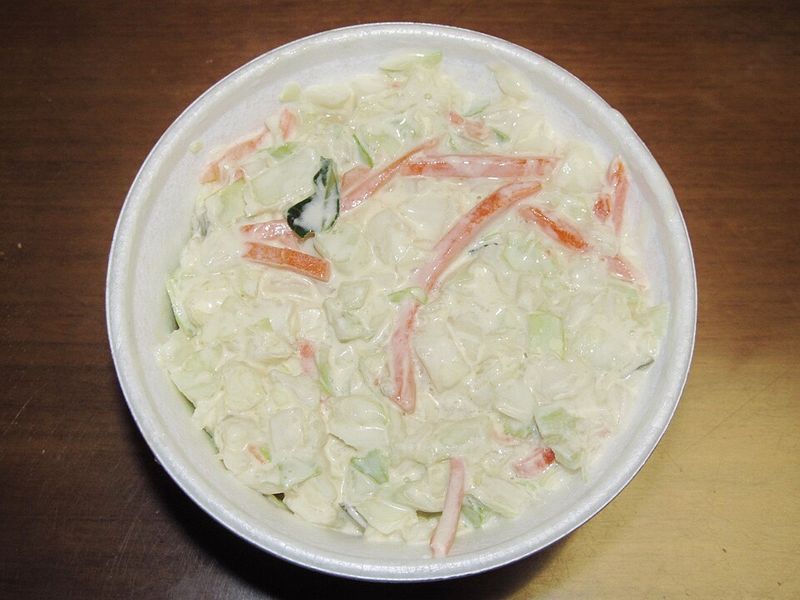
Coleslaw in Amish kitchens is a far cry from the tangy, vinegar-based versions you might find elsewhere. This version is creamy, lightly sweet, and designed to balance the richness of the hot dishes it accompanies.
The cabbage is shredded fine, often by hand, and mixed with a dressing made from mayonnaise, sugar, a touch of vinegar, and sometimes a splash of cream. The result is a slaw that is mild, refreshing, and easy to eat in large quantities.
It is a side dish that appears at nearly every Amish gathering, served alongside fried chicken, roast beef, and mashed potatoes. The sweetness of the dressing complements the savory main dishes, and the cool, crisp texture provides a welcome contrast to the warm, hearty foods.
In Oklahoma, this coleslaw is a staple at church suppers and family dinners, where it is made in large bowls and served with a slotted spoon. It is the kind of dish that everyone expects to see, and no one ever complains about.
What makes this coleslaw so special is its simplicity and its ability to bring balance to a meal. It is not trying to be the star of the show but rather a supporting player that makes everything else taste better.
Amish cooks have perfected this recipe over generations, knowing exactly how much sugar to add and how long to let it sit before serving. The flavors meld together beautifully, and the slaw only gets better as it sits.
It is a dish that reflects the Amish approach to food, where balance, practicality, and care are always the guiding principles.
7. Chicken Pot Pie (Amish Style)
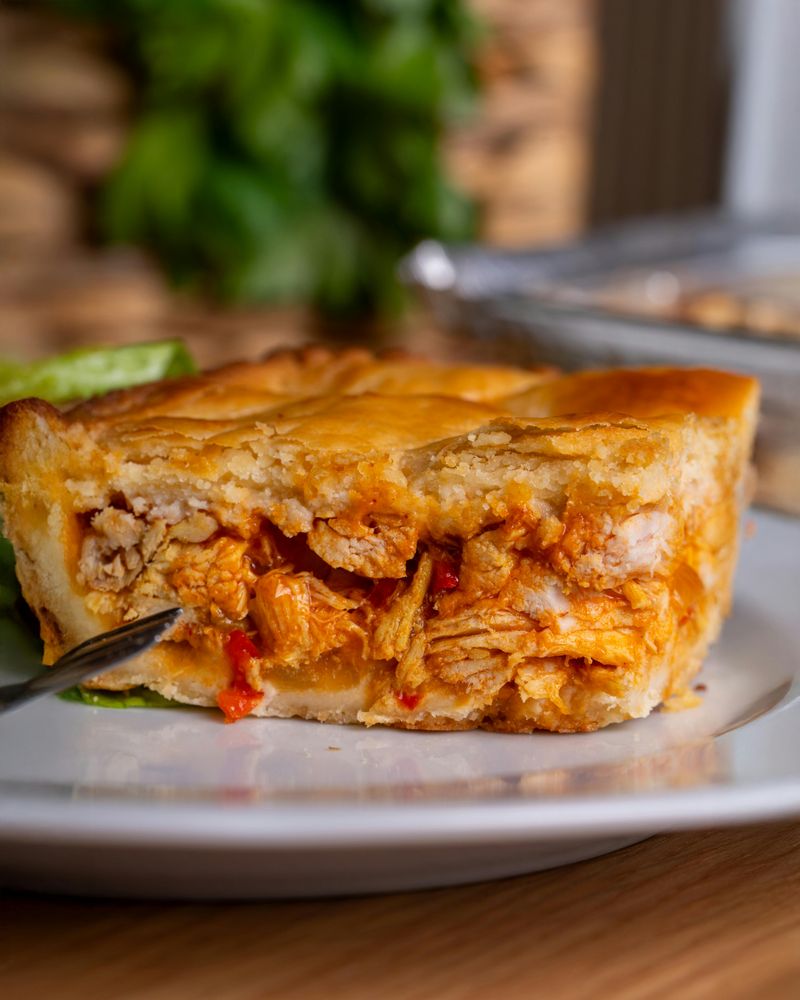
When Amish cooks talk about pot pie, they are not referring to a baked dish with a flaky crust. Instead, Amish pot pie is a thick, hearty stew made with chicken, vegetables, and wide, flat noodles that soak up the broth and become tender and filling.
The noodles are often homemade, rolled out thick and cut into large squares that are dropped directly into the simmering broth. As they cook, they release starch, thickening the stew and giving it a rich, comforting texture.
The chicken is usually stewed until it falls apart, and the vegetables are simple: potatoes, carrots, celery, and onions. The seasoning is minimal, allowing the natural flavors of the ingredients to shine through.
This is a dish designed to stretch ingredients and feed a crowd without sacrificing flavor or satisfaction. It is the kind of meal that warms you from the inside out, perfect for cold evenings or after a long day of work.
In rural Oklahoma, Amish families still make this dish regularly, using chickens raised on their own farms and vegetables from their gardens. It is a meal that connects them to the land and to the traditions of their ancestors.
What makes this pot pie so special is its ability to nourish both body and spirit. It is not fancy, but it is deeply satisfying in a way that few dishes can match.
Served in wide bowls with a side of fresh bread, this pot pie is a reminder that the best meals are often the simplest ones.
8. Apple Butter
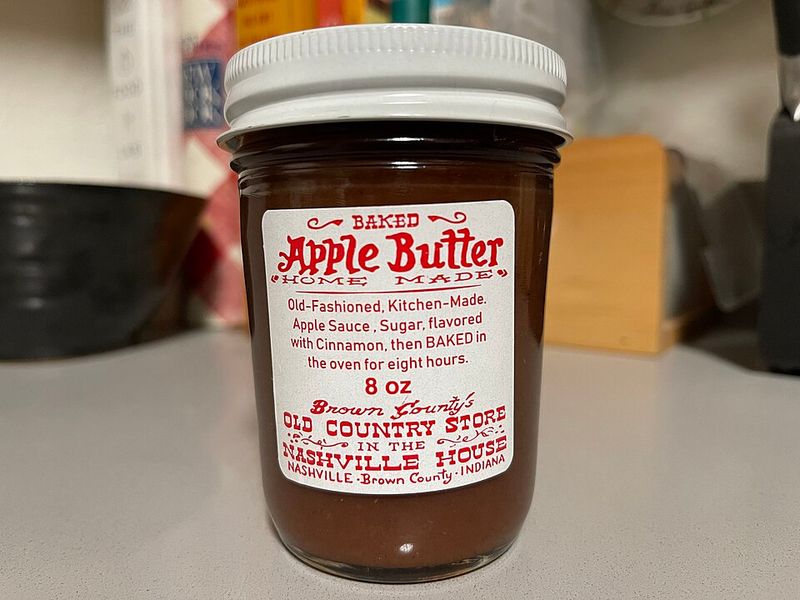
Apple butter is both a condiment and a staple in Amish kitchens, made slowly over many hours until the apples break down into a thick, dark, spreadable paste. It is not butter at all but rather a concentrated fruit spread that reflects the Amish tradition of preservation and resourcefulness.
The apples are cooked with sugar and spices, often cinnamon and cloves, and stirred constantly to prevent burning. The process can take an entire day, and the result is a spread that is deeply flavorful, slightly sweet, and perfect for slathering on fresh bread or biscuits.
In rural Oklahoma, apple butter is still made in large batches, often outdoors in copper kettles over an open fire. The process is a communal event, with families and neighbors gathering to take turns stirring and tending to the pot.
The finished product is canned in jars and stored in the cellar, where it will last for months and provide a taste of fall long after the apples are gone. It is a reminder of the Amish commitment to self-sufficiency and the importance of preserving the harvest.
What makes apple butter so beloved is its versatility and its ability to bring warmth and comfort to even the simplest meal. It is spread on toast in the morning, served alongside pork chops at dinner, and given as gifts to friends and family.
The flavor is rich and complex, with a depth that comes from the slow cooking process and the quality of the apples used. It is a taste of tradition that has remained unchanged for generations.
9. Fruit Pies
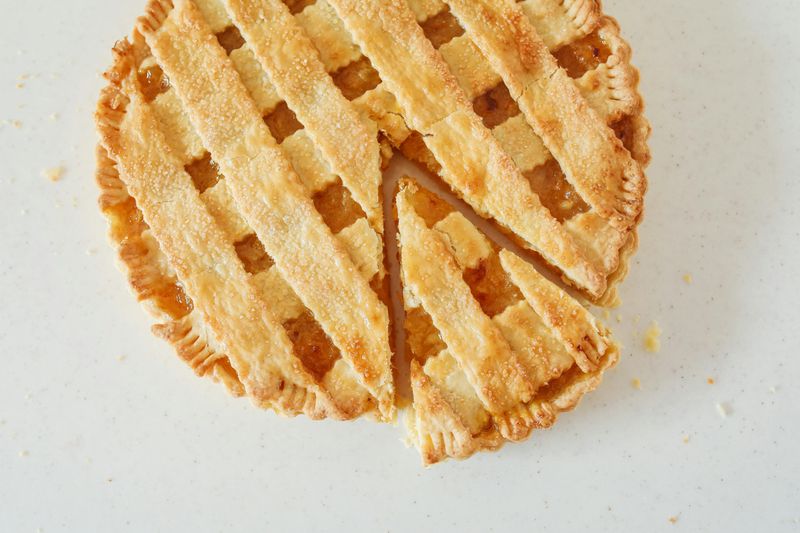
Pies in Amish kitchens are practical desserts rather than celebratory ones. Apple, peach, and berry pies are baked regularly, using preserved or seasonal fruit, with simple crusts and restrained sweetness that lets the fruit shine.
The crust is made from lard or butter, flour, and water, rolled out thin and draped over the filling. It is not fancy, but it is perfectly flaky and tender, with just enough structure to hold the fruit without overwhelming it.
The fillings are straightforward, often just fruit, sugar, and a bit of flour or cornstarch to thicken the juices. There are no elaborate spices or complicated techniques, just the natural sweetness and flavor of the fruit itself.
In rural Oklahoma, these pies are a fixture at church suppers, family dinners, and community gatherings. They are made in large numbers, often a dozen or more at a time, and served with a dollop of whipped cream or a scoop of vanilla ice cream.
What makes these pies so special is their simplicity and their connection to the seasons. Apple pies are made in the fall, when the orchards are full.
Peach pies appear in the summer, when the fruit is at its peak. Berry pies come from the patches that grow wild along the fencerows.
Each pie is a reflection of the time and place it was made, and each bite is a reminder of the care and attention that goes into every Amish meal. These are not desserts meant to impress but to nourish and satisfy, to bring people together and to honor the bounty of the land.
Dear Reader: This page may contain affiliate links which may earn a commission if you click through and make a purchase. Our independent journalism is not influenced by any advertiser or commercial initiative unless it is clearly marked as sponsored content. As travel products change, please be sure to reconfirm all details and stay up to date with current events to ensure a safe and successful trip.
