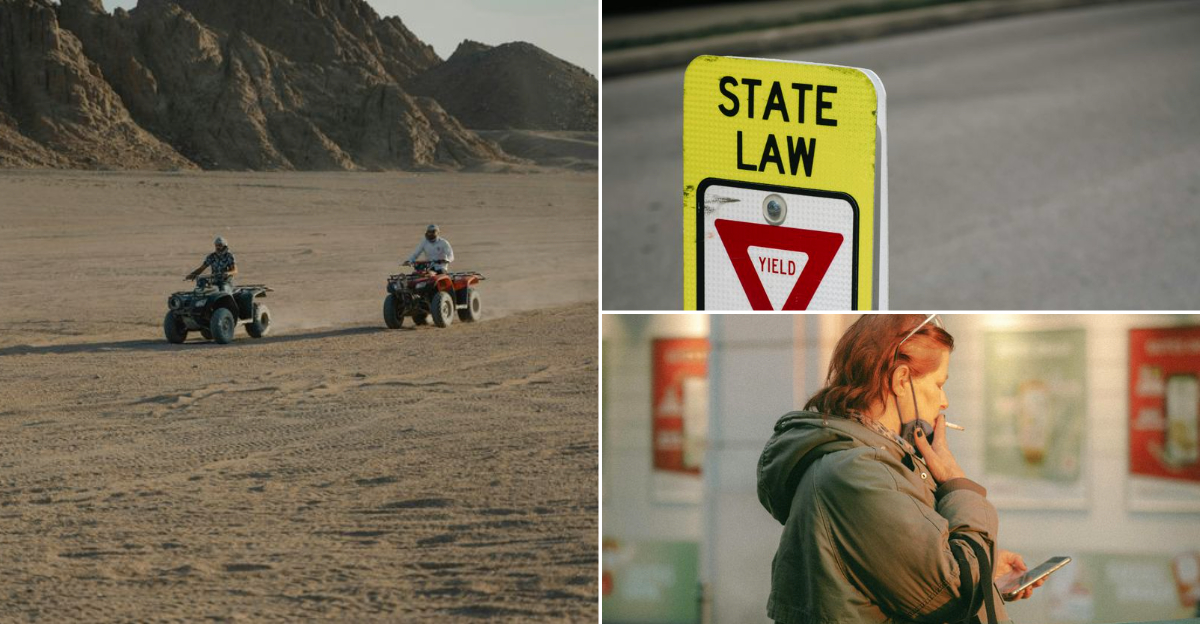
Utah looks easygoing from the freeway, but the rules sneak up fast when you are actually on the ground.
You think you are doing what you always do on trips, then a sign or a ranger or a closed door teaches you otherwise.
That is why I like to swap notes before we roll into a new town.
Read these quick, because a little heads up saves a lot of hassle later.
A few small adjustments can mean the difference between a smooth stop and an awkward turnaround.
Once you know the rhythm, the state opens up in a way that feels calm instead of complicated.
1. Open Container Laws Are Strictly Enforced

Street strolling with a cup in hand is not the move here.
Utah takes open container rules seriously, especially in busy downtown areas with lots of foot traffic.
It is simple, just keep anything open indoors or properly contained.
Walk a block near the Salt Palace Convention Center at 100 S W Temple St, Salt Lake City, and you will see how tidy the sidewalks look.
Security and staff keep everything orderly without making it feel stiff.
It is more about clarity than confrontation.
I have watched visitors step outside mid conversation and forget what they are carrying.
That quick step can turn into a conversation with an officer.
Better to pause, finish, and then head out.
Utah cities like Provo and Ogden mirror this approach.
Downtown cores focus on family friendly spaces and straightforward rules.
It keeps the vibe calm and predictable.
If you are at a show or event, look for posted zones and designated areas.
Staff will point you where to go and where not to wander.
Read the signs and you are set.
This law trips up folks who think festivals loosen everything. Here it does not.
Keep it contained, keep it indoors, and your night stays easy in Utah.
2. Public Intoxication Is Taken Seriously
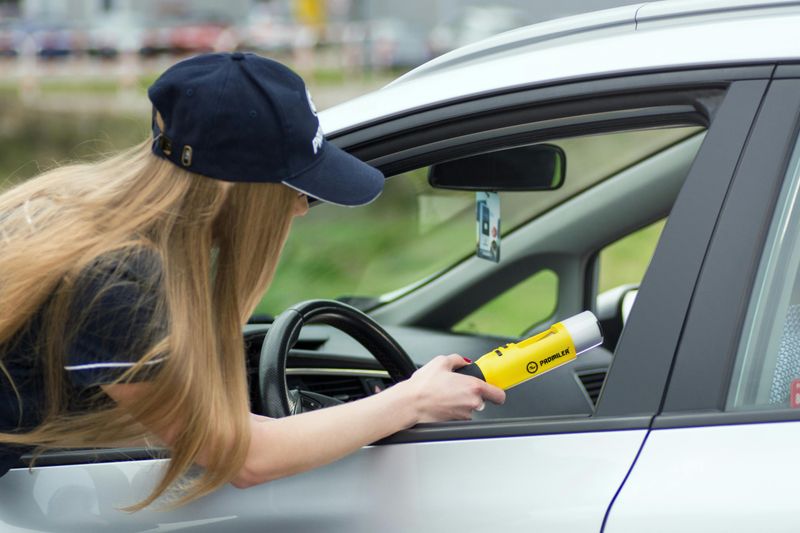
Utah keeps public spaces calm, and that includes how you carry yourself.
Public intoxication laws are enforced with real attention, even when someone thinks they are just a bit unsteady.
The goal is safety and a steady atmosphere.
Near the City and County Building at 451 S State St, Salt Lake City, the sidewalks feel wide and watched.
It is not heavy handed, just present. People notice and adjust.
If you are coming from a concert or a game, take a breath before you step outside.
Check in with yourself and your group.
You want clear steps, clear voices, and a peaceful ride back.
Towns across Utah lean the same direction, from Logan to St. George. Families walk downtown in the evening, and local crews keep things easygoing.
Fewer surprises, fewer messes, a better night for everyone.
So your best move is to pace the night early.
Know your route, plan your ride, and wrap up before you feel rushed.
A calm plan beats a scramble every time.
This is not about fear. It is about reading the room and matching the tone Utah sets.
Do that and you blend in smoothly, which is exactly what you want on a relaxed trip.
3. You Cannot Camp Wherever You Want On Public Land
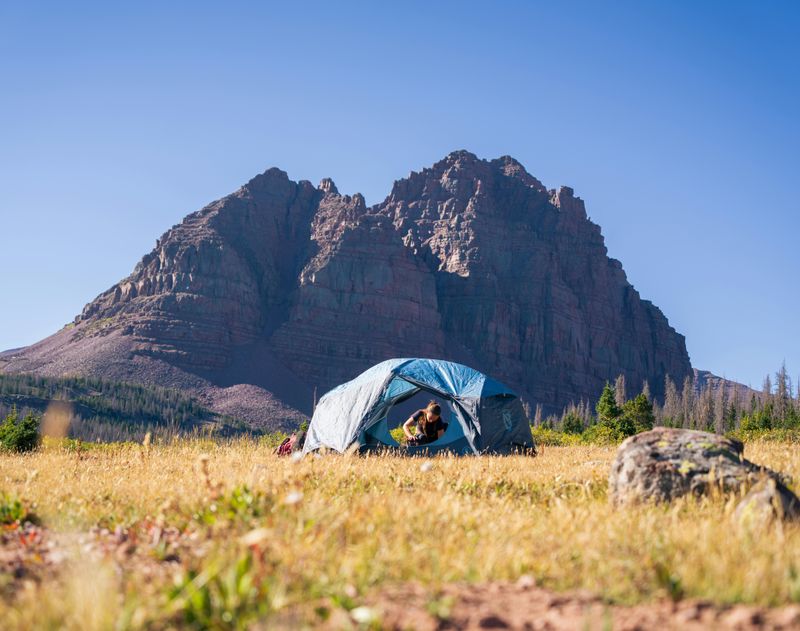
The open space here can trick you.
You see miles of desert and think anywhere is fine for a tent.
Utah public land has rules, permits, and distance limits that matter.
When we camp near Moab, I always stop by the Bureau of Land Management office at 82 E Dogwood Ave.
The staff lay out current closures and where dispersed camping is allowed.
It takes minutes and saves headaches.
Marked sites keep fragile soil from getting beaten up.
Some areas require packing out everything, which is easier when you plan for it.
You feel better leaving the place as you found it.
In canyon country the rules shift with weather and crowd levels.
A wash that looked harmless can be off limits after a storm.
Trust the board at the trailhead and the latest map from the office.
If you prefer structure, look at campgrounds in Arches and Canyonlands areas, reached from 2282 Resource Blvd, where the park entrance roads branch out.
You will see clear signs and clean pads. It is simple to follow.
Utah rewards the folks who set their plan by daylight.
Sort permits, pick legal spots, and the night is yours under those stars.
That way the morning drive feels light, and you roll toward the next red wall feeling like you did it right.
4. Speed Limits Are Actively Enforced In Rural Areas
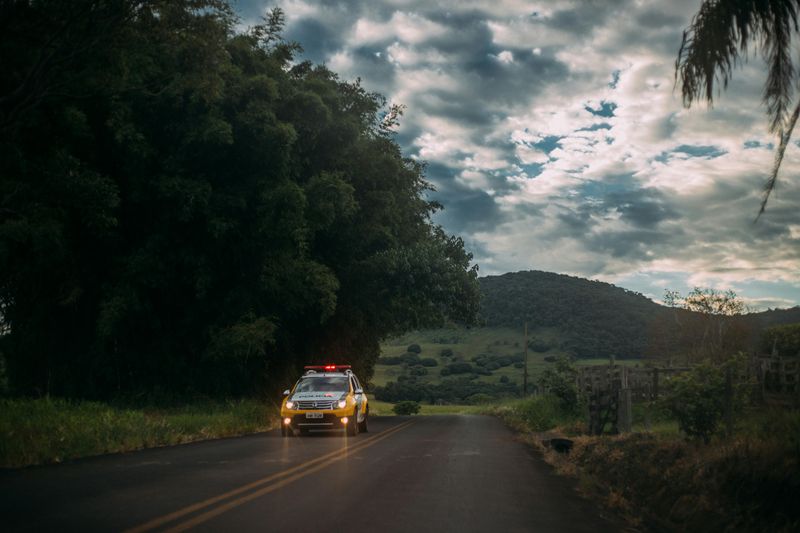
The empty road makes your foot heavy.
Utah knows that and keeps rural speed limits enforced, especially near small towns and highway junctions.
The signs mean exactly what they say.
Heading south past Nephi, the stretch near 45 E 100 N, Nephi, reminds you to dial it back.
Patrol cars tuck into quiet pullouts and watch the flow.
It feels fair, just present.
I set cruise control through these zones.
The landscape lulls you, then suddenly a city limit sign appears.
Better to glide in smoothly than tap the brakes late.
Towns across the state follow the same playbook.
You might be staring at big valleys and not notice the shift from highway to main street.
That is where tickets happen.
When we road trip, we mark the map with known transitions.
It turns into a rhythm of open stretches and calm roll ins.
You get there rested instead of rattled.
Utah drivers expect you to respect their home streets.
Keep it steady, wave at the cross traffic, and bring the speed back up once the last light fades in the mirror.
It is easy when you are paying attention.
5. You Must Yield To Pedestrians More Often Than You Think
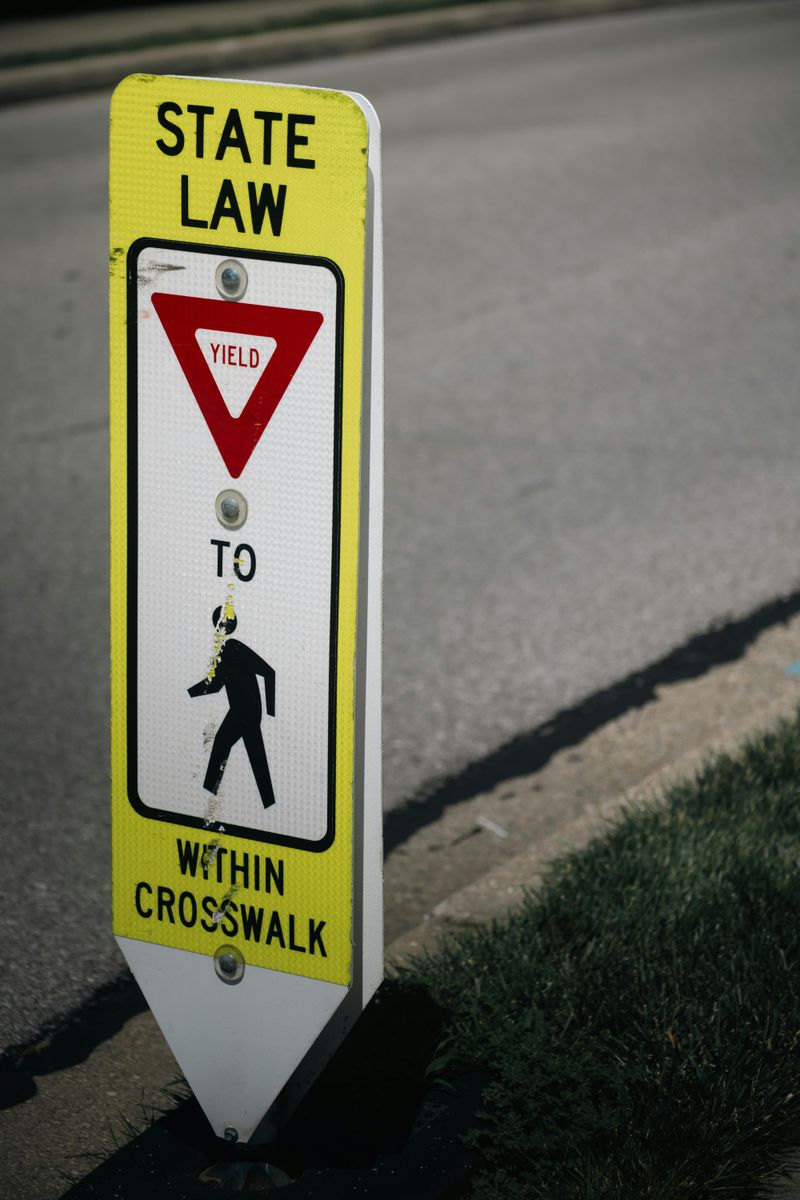
Crosswalks in Utah are not suggestions.
Drivers are expected to yield decisively to pedestrians, even when the street feels empty.
It is a culture thing, backed by law.
Walk near Library Square at 210 E 400 S, Salt Lake City, and you will see how the crosswalks are marked.
Flashing signs, painted lines, the whole visual kit.
It all says slow down and let people cross.
Visitors coming from places with loose habits get surprised.
Here you stop early and wait the extra beat.
It makes downtown feel relaxed and safe.
College towns like Logan mirror this with steady enforcement.
Students move in big waves between buildings and bus stops.
Drivers know the pattern and watch for it.
When we roll through intersections, we call out foot traffic like we call out scenic overlooks.
Eyes up, speed down, and a friendly hand wave never hurts.
It sets the tone for the day.
Utah rewards patience at the wheel.
Give walkers that space and you will notice how the whole street breathes.
Your road trip mood stays mellow, which is the best way to see those peaks and plateaus.
6. Fireworks Are Restricted By Location And Season
Dry air and big winds change the game here.
Fireworks in Utah come with strict rules that shift with location and season, especially when fire danger spikes.
It is all about keeping neighborhoods and wild spaces safe.
In Salt Lake City, the city building at 451 S State St, posts updates and maps when restrictions kick in.
Neighborhoods near foothills tend to go tighter.
You will see clear signs in parks and trailheads.
Down south, towns near red rock country tend to be extra cautious.
Long dry spells make sparks travel fast.
Local notices spell out what is allowed and where.
When we plan a summer drive, we always check the city pages before we pack anything.
The rules are straightforward once you read them.
You just do not want to learn them the hard way at night.
Community events sometimes set up designated zones with safety staff and clean perimeters.
That structure keeps things calm.
It also keeps the evening short and sweet.
Utah does not mess around with fire risk, and honestly, that care shows up in the healthy hillsides you drive past.
Follow the maps, listen to the updates, and enjoy the sky without surprises.
It is a small trade for a safe trip.
7. You Cannot Collect Natural Objects In Parks
The rocks are tempting, I get it.
Utah parks protect every little piece, and that means no collecting, no matter how tiny it looks.
Leave it where it sits and take a photo instead.
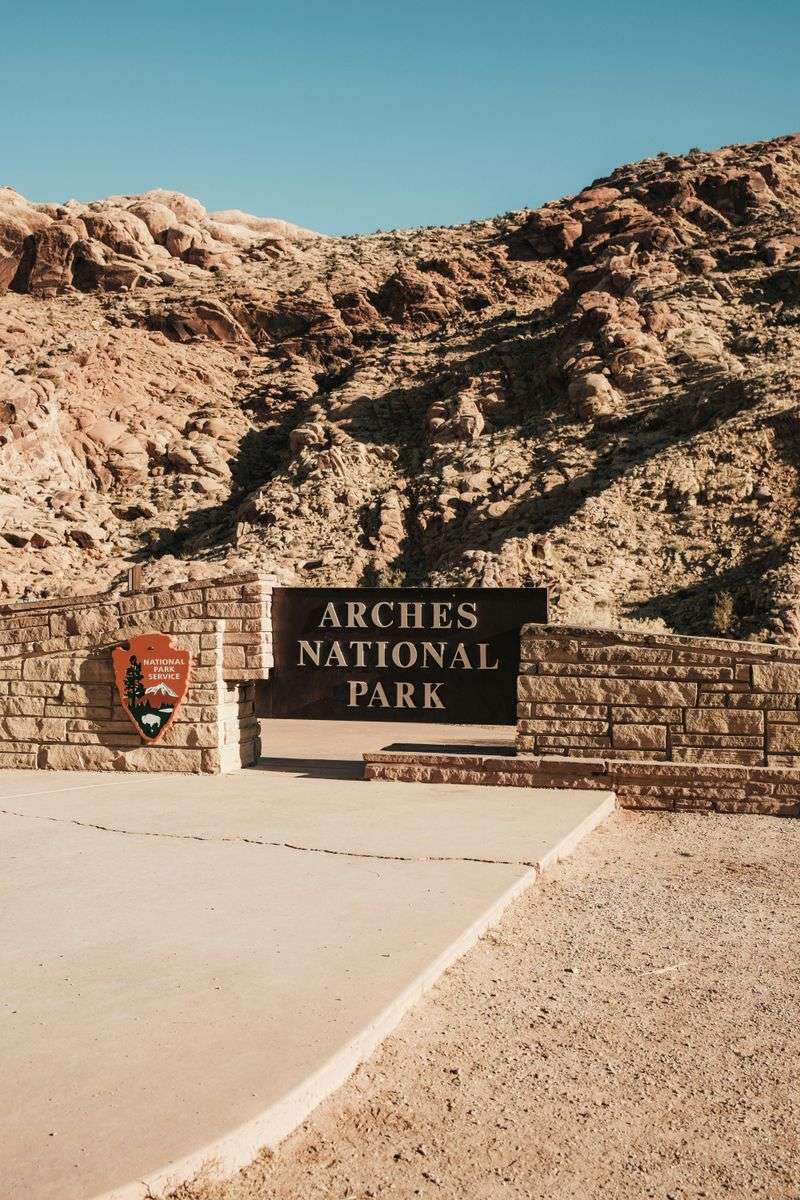
At Arches National Park, the entrance at 2282 Resource Blvd, Moab, sets the tone.
Rangers keep the message clear from the first sign. The landscape depends on it.
Even small souvenirs add up when visitors come in waves.
Trails stay beautiful because people resist the urge to pocket things. It is simple, but it matters.
Over in Capitol Reef, the orchards and canyons get the same respect.
Crews watch for disturbance around historic sites and delicate layers.
The fewer fingerprints the better.
When we hike, we make a game of finding the best angle for a shot instead.
It scratches the souvenir itch without changing the place.
Your memory ends up bigger anyway.
Utah holds so many fragile formations that this rule keeps the story intact for whoever shows up next.
If you remember one thing on the trail, make it this.
No collecting, no carving, just walk softly and enjoy the view.
8. ATV And Off-Road Vehicle Use Is Heavily Regulated
The open terrain is not a free pass.
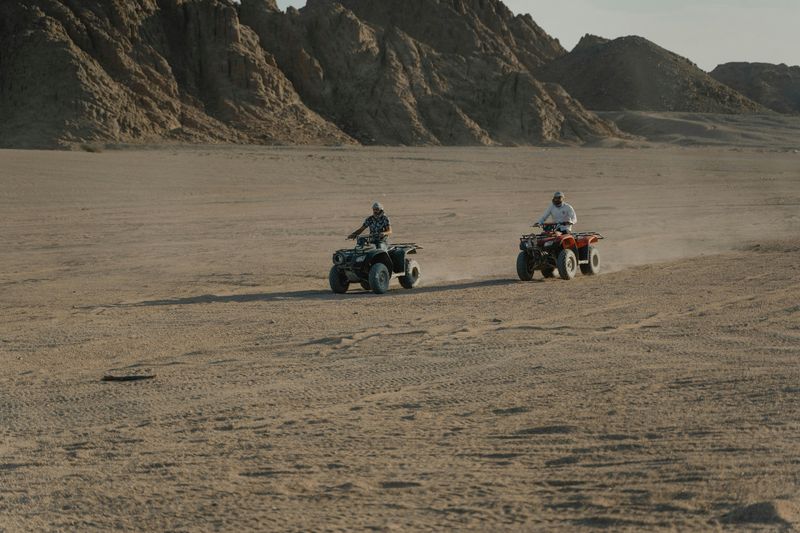
Utah regulates ATVs and other off road vehicles with real specificity, from registration to where you can ride.
Noise and dust rules show up too.
In the Moab area, the Sand Flats Recreation Area entrance at 1339 Sand Flats Rd, Moab lays it out clearly.
Trail maps, posted routes, and polite reminders line the kiosk.
It feels organized, not restrictive.
Staying on designated paths protects cryptobiotic soil and keeps conflict low with hikers and climbers.
Rangers know the hot spots where people are tempted to cut corners.
That is where the citations usually land.
If you haul a rig from out of state, check registration details before the tires touch dirt.
A quick stop at a visitor center saves a day later.
Permits do not take long when you have your info ready.
Utah balances access with stewardship across counties and small towns.
The more popular the area, the tighter the signage gets.
That rhythm keeps the place from getting scarred.
Bring respect and you will have a smooth ride.
Follow markers, ease off the throttle near trail junctions, and wave at folks sharing the space.
You will leave with the same wide grin and a cleaner conscience.
9. Smoking Is Banned In More Places Than Expected

Utah leans clean with air in public spaces.
Smoking bans cover more places than visitors expect, including many outdoor entrances and public areas. The signs are not just for show.
Take a look around the Salt Lake City Public Library at 210 E 400 S.
You will spot clear markers near doors and seating areas.
People follow them and it keeps the grounds peaceful.
College campuses and parks tighten this even more.
Families and students move through all day, and the expectation is simple.
Step away from buildings and respect posted zones.
I always check the nearest sign before settling on a bench.
Saves you the awkward shuffle when someone points to the rule.
It is easier to pick a spot that already works.
Down south, trailheads add extra reminders thanks to dry brush and wind.
It is safety as much as etiquette.
Sparks and gusts do not mix well out here.
Utah makes the boundaries clear, and honestly, it keeps the air crisp when you step out of the car after a long drive.
Read the board, look for the symbol, and you will be good.
It is a small shift that makes shared spaces feel calm.
10. Noise Ordinances Are Enforced Earlier At Night
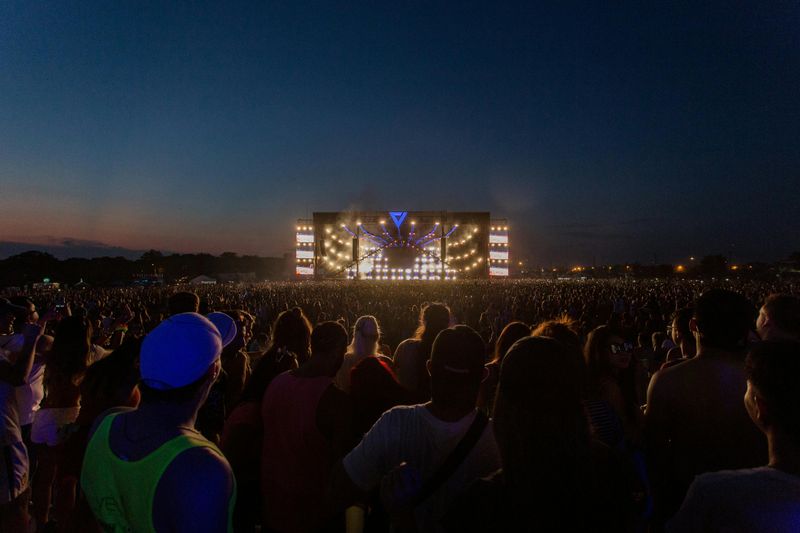
Utah nights wind down sooner than you might think.
Noise ordinances in many towns start earlier, which surprises folks who are used to late hangs.
The goal is a peaceful night for neighbors.
Near Liberty Park at 600 E 900 S, Salt Lake City, the surrounding streets settle early.
Porch lights glow and conversations move indoors. It feels relaxed, not strict.
Smaller towns keep an even gentler pace.
You hear crickets faster than traffic once the sun fades.
That is your cue to lower the volume and keep it friendly.
We adjust by planning our loud moments for the daylight.
Music in the afternoon, quiet chats at night.
It fits the rhythm and keeps everyone smiling.
Hotels echo this with clear hallway signs and polite reminders.
Staff do not hover, they just nudge.
Most people get it after one evening.
If you are road tripping through Utah, think of night as a reset button.
Keep the peace, rest up, and catch the sunrise without a grumble from the next room.
It is a small courtesy that makes travel smoother for everyone.
11. Some Sunday Activities Are Still Restricted

Sundays in Utah carry a different tempo.
Some businesses run shorter hours or do not open at all, which can catch visitors off guard.
Plan errands for another day and enjoy the quiet.
In Provo, a walk near 351 W Center St, Provo, shows that slower pace.
Downtown feels calm with a few doors closed and fewer cars.
It is not inconvenient when you expect it.
Even in resort towns, certain services pause or scale back.
You will see it in storefront lights and public buildings.
The day leans toward rest more than motion.
I treat Sunday as a scenic day.
Walk, drive a mellow loop, and take a photo break where the valley opens up.
Save the shopping list for Monday.
If you really need something, check online before you head out.
Hours vary and the little details matter.
A quick look saves time and turns the day into a choice instead of a surprise.
Utah feels especially gentle on Sundays, like the state collectively exhales.
Lean into it and you will end up rested for the week.
That is not a bad trade on a road trip.
12. Parking Rules Around Trailheads Can Be Strict
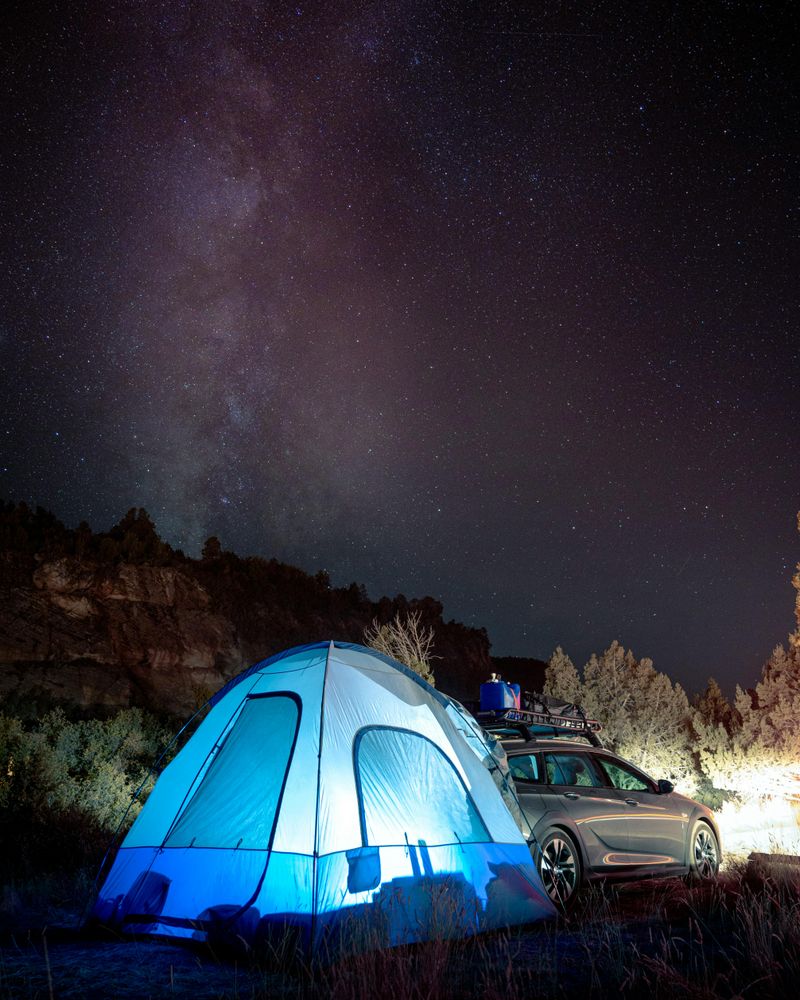
Trailhead parking seems casual until a ranger points to the sign.
Utah posts no shoulder zones and tow warnings at busy trailheads, and they mean it.
Get there early or choose a shuttle when it is offered.
Near Ensign Peak at 1002 N Ensign Vista Dr, Salt Lake City, the neighborhood streets have tight rules.
Residents expect quiet and clear driveways. Respect that and your hike starts happy.
Down in Zion area, the style is even more structured with designated lots and clear overflow directions from 1 Zion Park Blvd, Springdale.
The flow works when people follow it. When they do not, it jams fast.
We treat parking like part of the trail plan.
Pick a backup and a time window.
Saves you from circling and missing the cool morning air.
Signs spell out the whole deal.
Stripe lines, red curbs, and arrows leave little doubt.
If it feels borderline, it probably is not allowed.
Utah puts a lot of love into its trails, so the parking rules protect the surrounding homes and habitats.
Follow them and you keep the welcome warm for the next visit.
That is the kind of good karma a road trip needs.
Dear Reader: This page may contain affiliate links which may earn a commission if you click through and make a purchase. Our independent journalism is not influenced by any advertiser or commercial initiative unless it is clearly marked as sponsored content. As travel products change, please be sure to reconfirm all details and stay up to date with current events to ensure a safe and successful trip.
