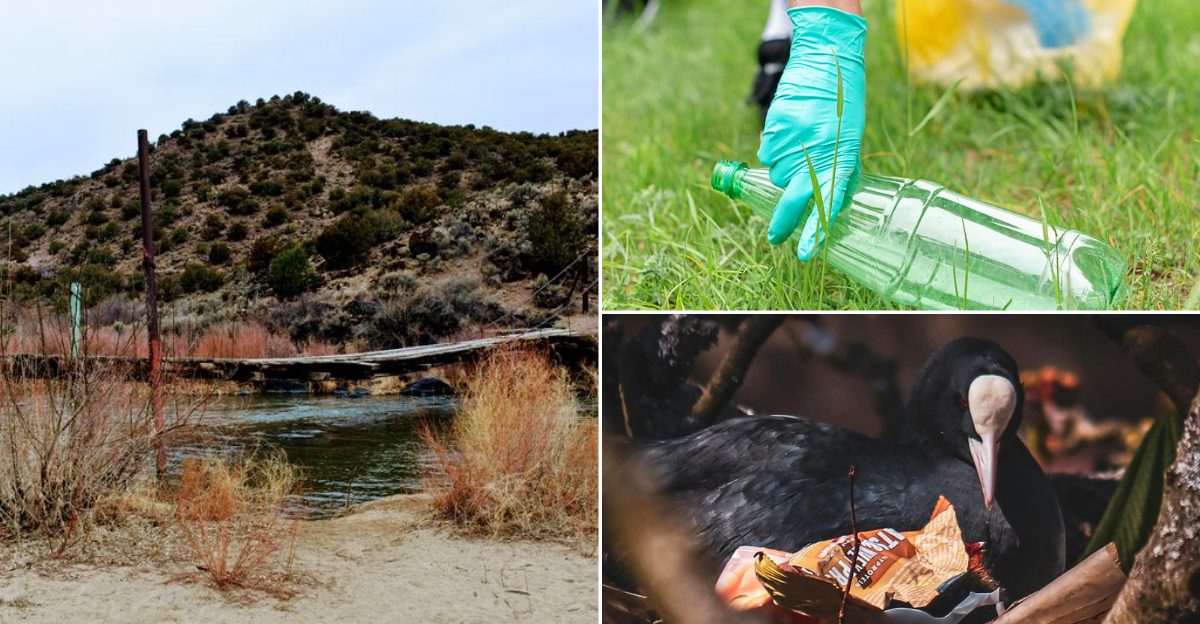
What gets lost when too many people show up at once? In New Mexico, the answer is often the quiet that once defined its landscapes.
Desert trails meant for reflection now echo with voices, sacred sites feel rushed, and fragile terrain shows the wear of constant foot traffic. I have stood in places that should feel timeless and felt the pressure of crowds instead.
The colors are still striking, the skies still wide, but the connection feels thinner. Tourism has brought attention and access, but it has also brought erosion, noise, and a sense of hurry that clashes with the land’s natural rhythm.
Locals notice it most in how quickly places change once they are labeled must-see. New Mexico’s beauty is still there, but protecting it now means slowing down, spreading out, and treating these spaces with more care than curiosity alone.
1. Straying Off Trails In Fragile Desert Terrain
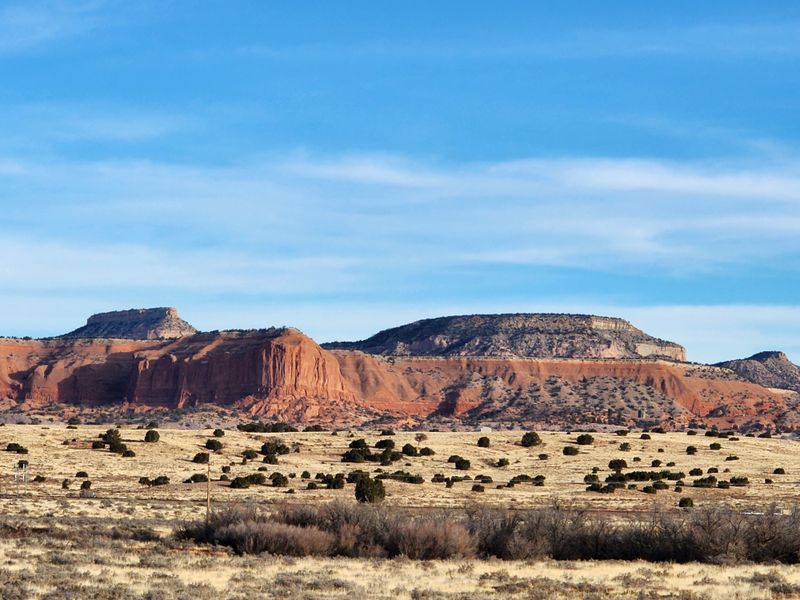
You know that crunchy, dark crust that looks like pepper on the sand near Abiquiu or around the Ojito Wilderness? That is living soil, and one careless footstep breaks a community that takes ages to rebuild.
It happens fast when people leave the trail to shave a corner or chase a photo angle.
A few tracks turn into a braided path that guides the next person off route without them even noticing.
I have watched it around Kasha Katuwe where the cones feel delicate under the sun. You can spot where someone cut across, because the light catches pale scars that run like chalk lines.
The thing is, desert plants do not bounce back the way folks expect. Roots cling shallowly, and the crust keeps moisture from blowing away on those long wind days.
Once the crust is punched through, wind scours the opening and widens it. Then rain follows the new weakness and carves a little gutter that keeps growing.
Sticking to the path sounds small, but it shapes everything you love about New Mexico.
Trails concentrate our impact so the rest can keep doing its slow, quiet work.
If a photo needs a few steps off route, it is not worth the cost. Let the wide shot include the trail and tell the truth about where you are standing.
2. Climbing On Natural Formations For Photos
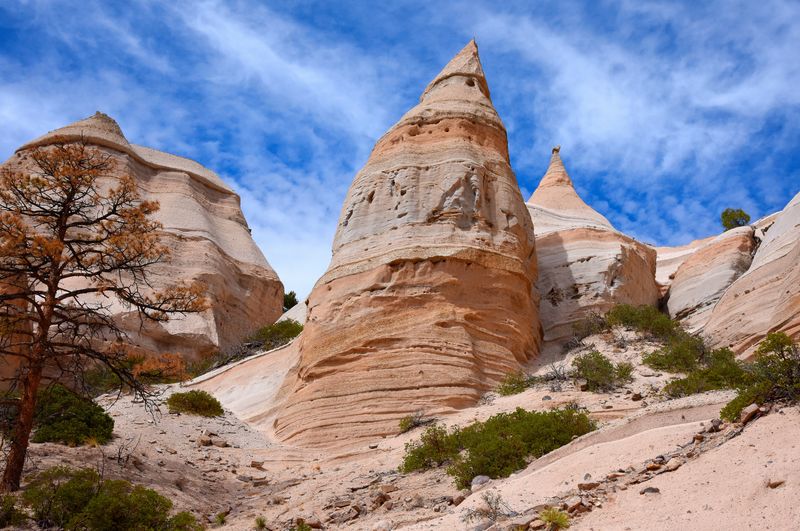
I get the urge to scramble up a hoodoo for a higher view, but those soft tuff walls near Cochiti crumble like stale cake. Every shoe edge and palm smear wears down the surface and invites the next person up.
At places like Shiprock or the cliffs around Abiquiu, the rock tells stories if you let it.
When you clamber for the shot, you grind away the delicate textures that hold those stories.
You can see handprints where dust turns to polished patches. That shine is the skin of the rock rubbed thin by quick poses and nervous grips.
And once a foothold forms, it becomes a ladder. People follow the marks because they assume someone decided it was fine.
New Mexico has plenty of legal climbing areas with real routes and hard rock.
The soft formations are different, more like dried foam than stone.
If you want the angle, back up, use the foreground, and keep your shoes off the sculptures. The photo will feel calmer, and so will the place.
Think about your favorite formation like a museum piece without glass. You would not touch the painting just because a crowd did it first.
3. Crowds Concentrating In Small Scenic Areas
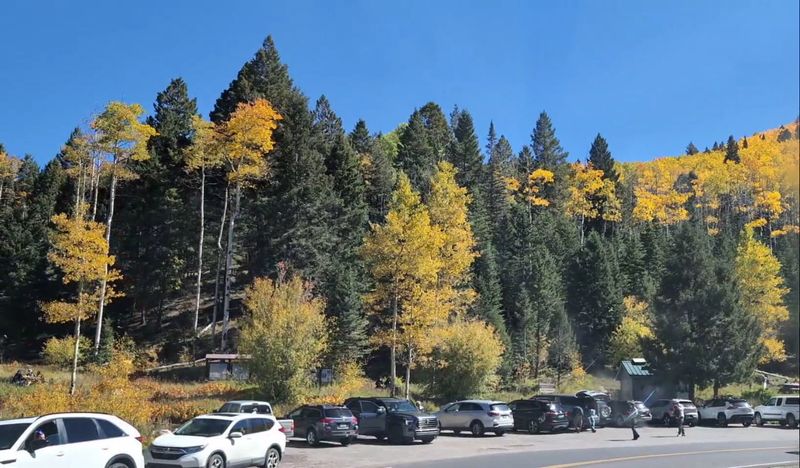
Some spots in New Mexico are tiny living rooms cut into huge landscapes. When everyone shows up at once, the air turns dusty and the quiet evaporates.
I have seen it on narrow overlooks near White Rock Canyon and the popular slots.
People bunch at the bottleneck, and the overlook becomes a stage.
That pressure pushes folks onto the edges where plants hang on by threads. A single sidestep to let someone pass crushes a little patch of life.
It also changes the way the place feels in your body. You are no longer listening to wind, you are keeping balance among elbows and selfie sticks.
Spreading out across time and choosing less famous pullouts helps. The view is not worse, it is just yours for a moment.
New Mexico does spaciousness better than almost anywhere.
You can honor that by letting small spaces breathe.
If a queue forms for a photo, maybe the shot is not the point today. Walk a few minutes down the rim and let the canyon sound like itself.
4. Litter Left Behind In Remote Landscapes

Wind in New Mexico has a talent for finding trash and making it visible.
One wrapper at a trailhead becomes a banner on a cholla half a mile out.
I have picked cans out of arroyos near Galisteo and felt weirdly embarrassed, like I brought a guest and forgot to tidy. It is not dramatic, but it chips away at the mood.
Remote spots do not have crews sweeping through. If a bag blows from a car door at a lonely pullout, it lingers until someone cares enough to grab it.
The wildlife does not benefit from our packaging experiment. Ravens will test anything shiny, and mule deer nose at salty rims.
Packing out is not a badge, it is just respect.
Bring a spare bag, say nothing, leave with a little more than you carried in.
When the wind quiets, the place feels clean in a way you can hear. Footsteps sound soft again, and the colors feel honest.
If you see a cluster near a fence, it probably caught there after a gust. Two minutes of cleanup buys back a lot of beauty.
5. Unauthorized Camping In Sensitive Areas
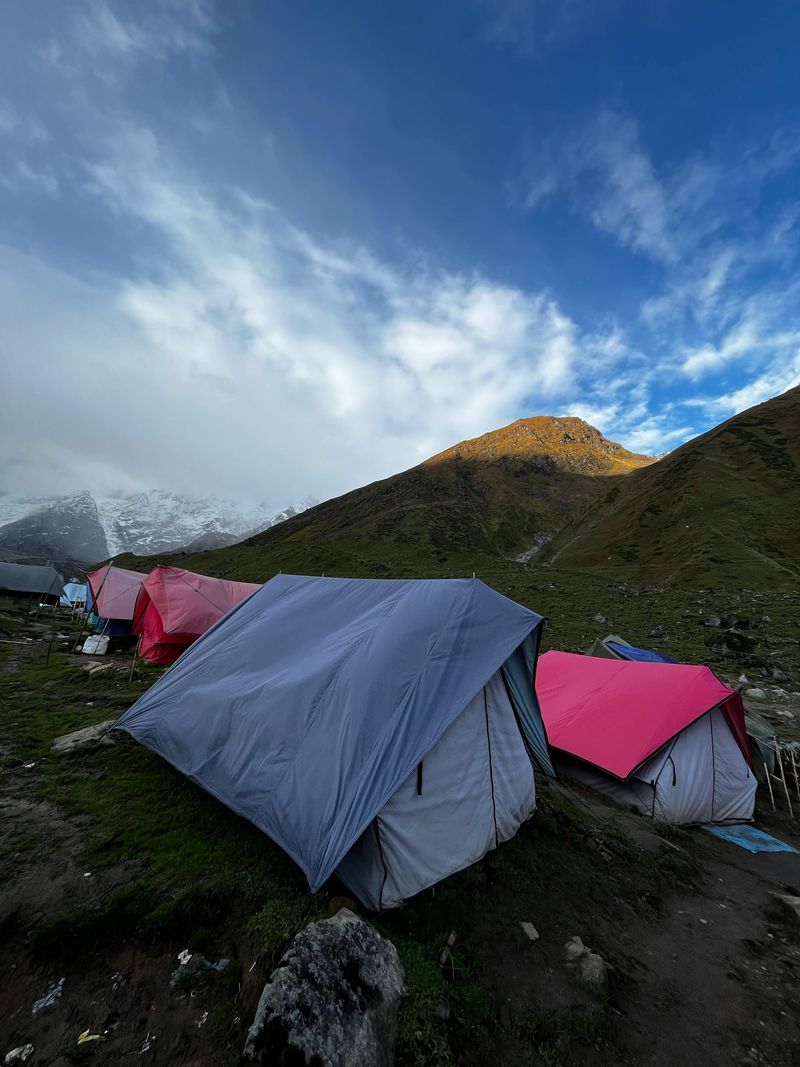
I love a quiet night out, but tucking a tent into the first pretty patch can leave a scar.
Grasslands near the gorge look tough until you kneel and see the roots.
When folks skip established sites, new clearings appear like coin-shaped bald spots. Each one needs seasons to soften, and some never close.
Fire rings sprout where they should not. The ash spreads, and the next group thinks the circle means permission.
It is easy to solve by reusing sites that already exist. Park on durable surfaces and keep the footprint tight.
New Mexico evenings feel endless, but the ground is not. The more you consolidate, the more wild the rest can remain.
If a view demands a brand new pad, it is a sign to move on.
Leave the meadow uncreased and enjoy it with your eyes.
Morning comes cleaner when you camp with a light touch. You pack less dirt and more quiet into the car.
6. Vehicle Traffic Beyond Designated Areas
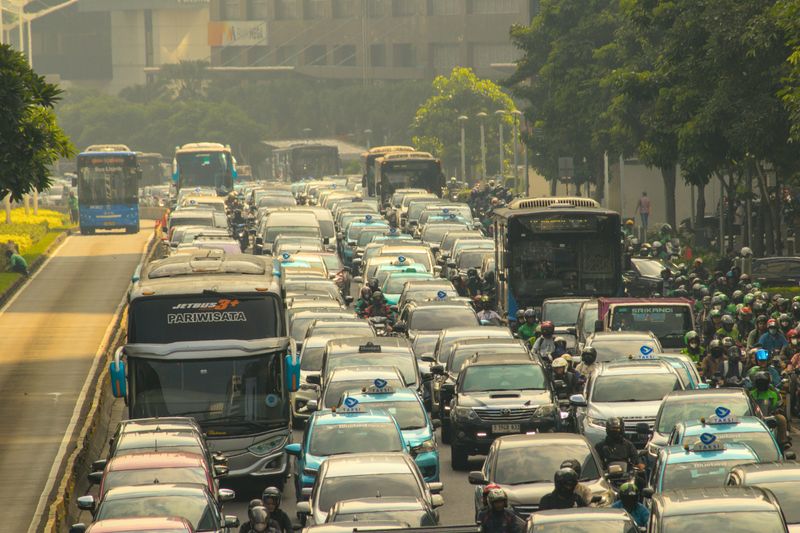
Cutting across open desert looks harmless from the driver seat. Out there by the volcano cones, a new track becomes a permanent line.
Those ruts collect water and turn into trenches. Then plants fail along the edges, and the wound widens each season.
I have followed one rogue path near the malpais and felt my stomach drop.
It was a wide scribble looping back to the road for no reason.
Routes are designated for a reason in New Mexico. They thread through durable ground and avoid fragile spots that cannot heal.
If the map says stay on the two-track, that is the plan. Park, walk the last bit, and let the desert keep its quiet face.
The camera gear will survive the stroll, and so will you.
Tracks fade when you stop refreshing them with tires.
Leave the blank spaces blank. That is the art of this landscape.
7. Noise Disrupting Wildlife Behavior
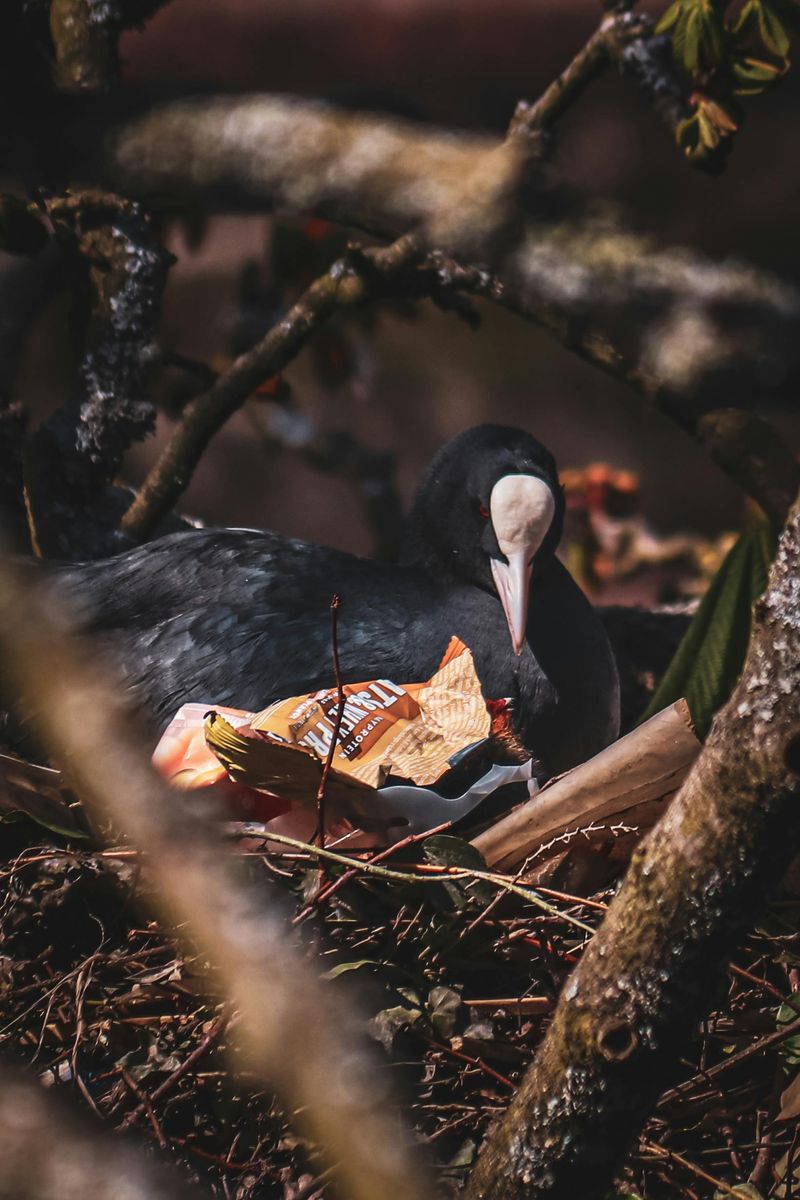
The best mornings in New Mexico sound like wind brushing sage. Add a speaker, and the whole canyon flinches.
I have watched mule deer freeze and reroute down at Bosque edges.
Birds cut off their chatter like someone flipped a switch.
Wildlife treats noise like pressure. Even without a chase, they burn energy avoiding us and skip good feeding windows.
A quiet voice carries fine out here. You can hear each other without turning the place into a patio.
Phones have volume buttons for a reason. Use them, or better, pocket the soundtrack and let the landscape lead.
New Mexico nights really reward silence. Coyotes stitch the dark together when you make space for them.
If you want music, save it for the drive back. The canyon will thank you in its own way.
8. Touching And Handling Natural Features
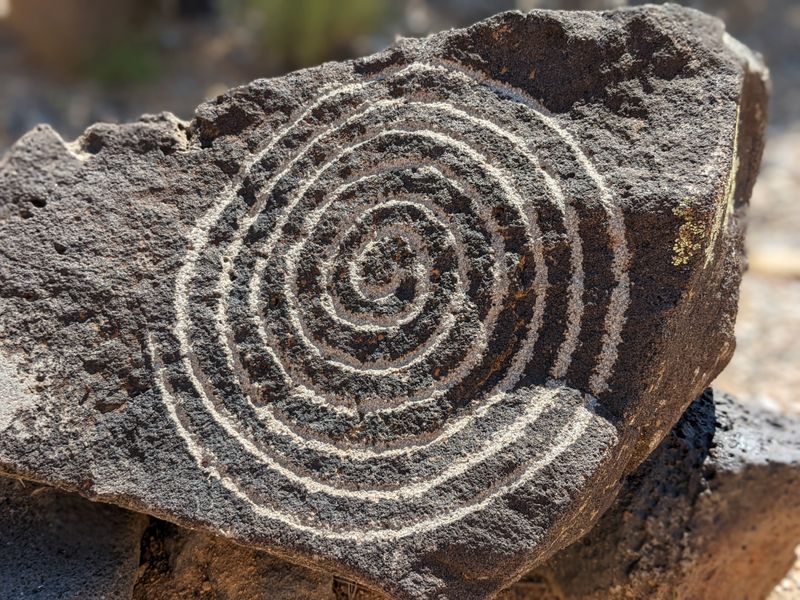
Hands leave stories you do not mean to write. Oils darken petroglyph stones and speed up the peel of delicate surfaces.
I have seen fingerprints on gypsum crystals near the backcountry and winced.
They are like smudges on a lens you cannot clean.
Even gentle taps loosen grains on soft rock. The next breeze does the rest and carries a bit of history downwind.
You think touch means connection, but eyes are enough. Step close, breathe slow, and keep the hands in your pockets.
New Mexico holds fragile textures you only notice when you pause.
The less you handle, the longer they keep their voice.
If you want to feel the place, pick up a fallen pebble from the path and put it back. Leave the anchored pieces to their long conversation.
Your photos will look cleaner without handprints. Your memory will too.
9. Social Media Driven Crowding
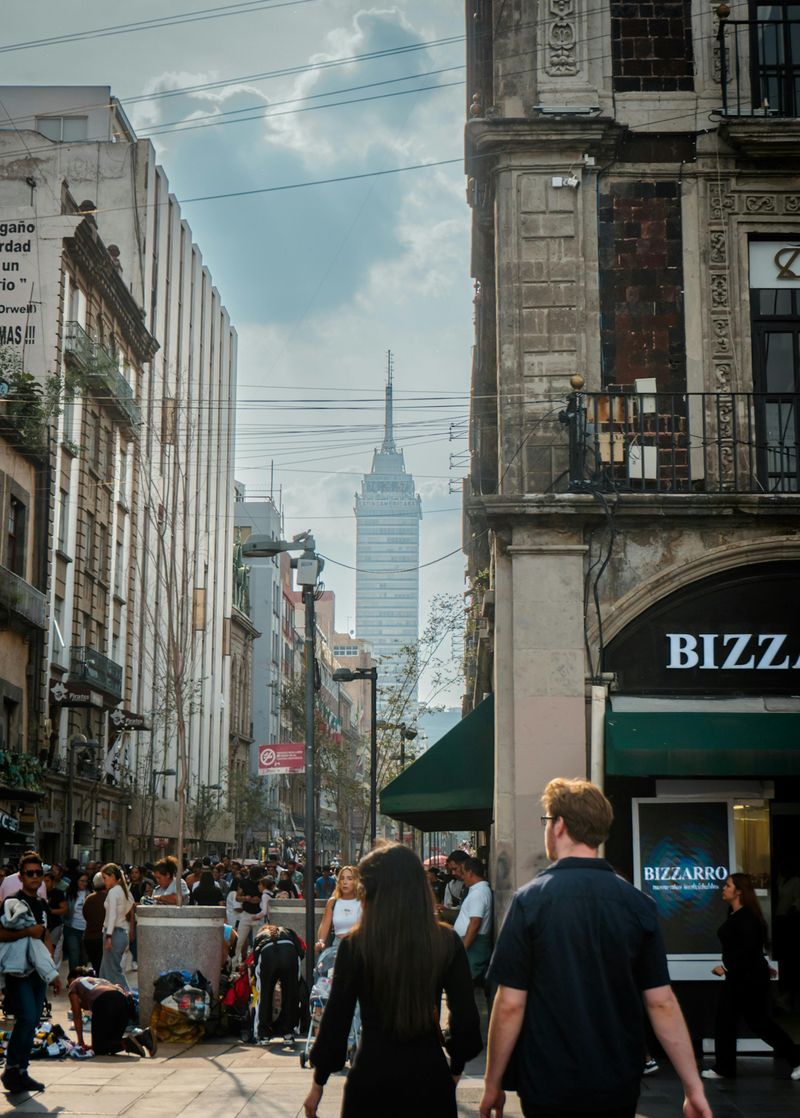
You know that cliff that suddenly shows up on every feed? By the time you get there, the edge looks like a carpet path.
I have stepped into scenes where drones buzz and tripods stake out turf.
The place feels less like a mesa and more like a set.
Viral posts rewrite maps overnight. Spots near Taos or outside Santa Fe go from whisper to stampede without infrastructure.
The ground cannot handle that pulse. Plants crush, dust hangs, and the view feels borrowed instead of alive.
There is a fix that still lets us share. Post wide shots, skip geotags, and talk about ethics as clearly as light.
New Mexico does not need hype to be stunning. It needs patience and people willing to spread out.
If a place looks overrun, pivot. Find the quiet angle and let the algorithm miss it.
10. Ignoring Seasonal Closures And Limits
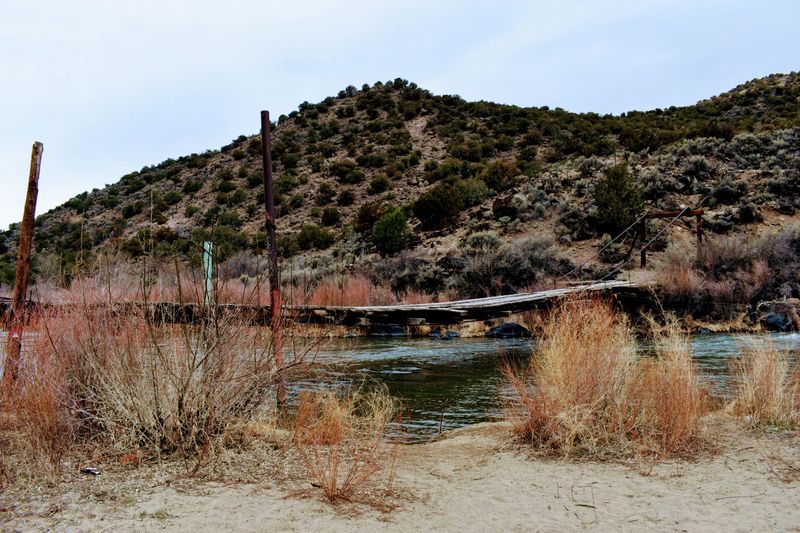
When folks step past the sign, the damage lands where it matters most.
I have heard the excuse about one quick look. Meanwhile a nest fails, or a muddy trail widens into a trench.
Those dates are timed to migrations and melt.
Managers are trying to give land a breather during its most vulnerable moments.
New Mexico has weather swings that turn soil to pudding. One set of tracks becomes a lane by afternoon.
Respecting limits keeps options open later. The trail you save in spring is better under your boots come fall.
Check notices, pivot plans, and take the long way if needed.
The detour might show you something you would have missed.
It is not about rules for rules sake. It is about letting the place do its seasons without us pushing.
11. Overuse Of Scenic Pullouts And Viewpoints
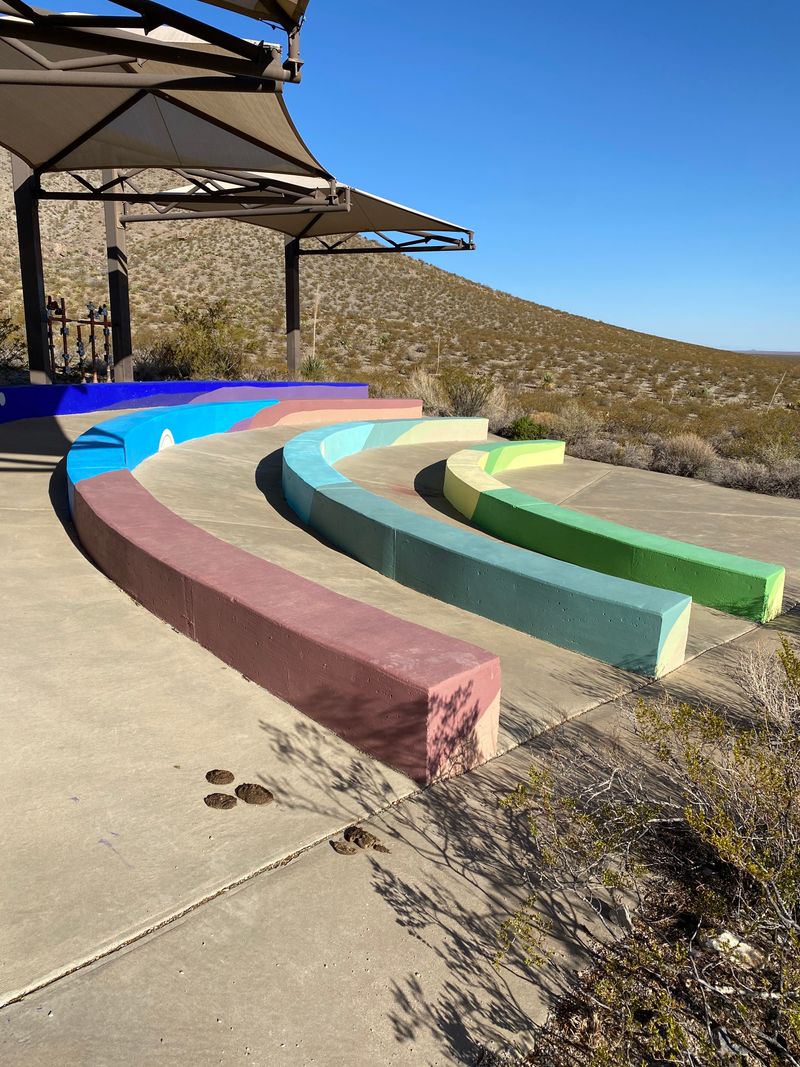
Pullouts look tough, but the edges tell another story. Tires bump beyond the curb, and the dirt hardens into a dead collar.
Once the soil compacts, water runs off instead of soaking.
Plants give up, and the wind starts sorting the loose bits into drifts.
I have watched new parking spots appear at the margins like barnacles. People copy the pattern and call it practical.
It helps to park straight and keep all wheels on the intended surface. Walk the extra few steps and leave the rimline soft.
New Mexico views do not require us to expand the lot by habit.
You can let the pullout stay the size it was meant to be.
If the area feels crowded, keep driving to the next bend. The vista often improves once the noise drops away.
Little choices add up at these roadside stops. The ground should not pay for our convenience.
12. Treating Sacred Or Cultural Landscapes As Backdrops
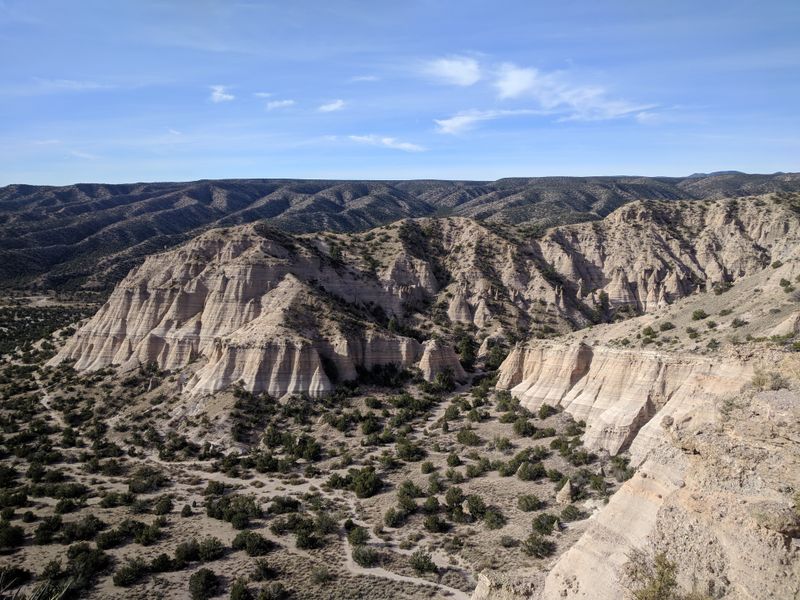
Some places in New Mexico are not just pretty, they are living communities and sacred ground. Treating them like props turns respect into noise.
I have seen tripods blocking pathways near historic sites and cringed.
The shot might look clean, but the message is not.
These landscapes carry languages, prayers, and daily life. You feel it if you stop and pay attention to the pace of the place.
Ask yourself who is home here. If you would not want a stranger staging a shoot on your porch, adjust accordingly.
Follow posted rules, skip drones, and honor requested boundaries. Sometimes the most honest image is the one taken from the distance allowed.
New Mexico holds space for many stories at once.
You can be a guest who listens rather than a director calling the scene.
Leave with gratitude and a smaller footprint. Let the memory be more than a backdrop on your feed.
Dear Reader: This page may contain affiliate links which may earn a commission if you click through and make a purchase. Our independent journalism is not influenced by any advertiser or commercial initiative unless it is clearly marked as sponsored content. As travel products change, please be sure to reconfirm all details and stay up to date with current events to ensure a safe and successful trip.
