There’s something tempting about taking Pennsylvania slow, rolling past stone farmhouses and pulling over just because the road feels right.
But have you noticed how some of those towns feel a little… smoother lately? Like the edges got buffed down just enough to be easier to browse, photograph, and move on from.
It’s still beautiful, no question, but the grit that once made these places feel lived-in is quietly getting replaced with a visitor-friendly polish.
Signs look newer, menus play it safe, and the odd little details don’t jump out unless you’re really paying attention.
Some of that change makes sense, and some of it subtly shifts the whole mood without ever announcing itself. If you’re planning a route through the state, I want to show you what to watch for.
Once you see it, you’ll start spotting the difference between towns that still live their own lives and ones learning how to perform.
1. Historic Streets Are Being Modified For Heavy Foot Traffic
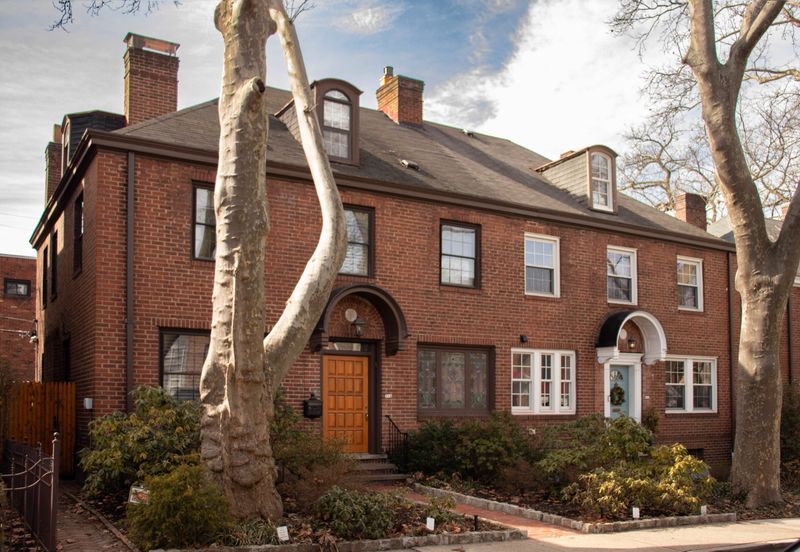
Elfreth’s Alley shows it perfectly, where the bricks tell you exactly how many shoes have passed by. Lately you can feel the surfaces getting leveled and patched so crowds glide instead of shuffle.
It keeps ankles happy, sure. It also trims away the wobble that made each step feel like a handshake with the past.
Head west and you will catch it on the promenades near Independence National Historical Park.
The flow is smoother, the edges calmer, and the old irregular rhythm is now a steady beat.
In Bethlehem, walk Main Street and you will notice new seams stitching historic pavers to modern patches. The upgrades are practical but they wash the street with a consistent shine.
Down in Lancaster, the corners round out so groups can pause and pose without tripping. It is friendly to strollers and sneakers, less friendly to that crunchy, timeworn feel.
Even in small boroughs like New Hope, you see a tidy cadence replacing the shuffle of mismatched stones.
You move faster without thinking where to land your foot next.
I get why towns do it because crowds are real. But the softened surface changes how the place speaks, swapping texture for convenience.
2. Local Shops Are Replaced By Tourist-Oriented Retail
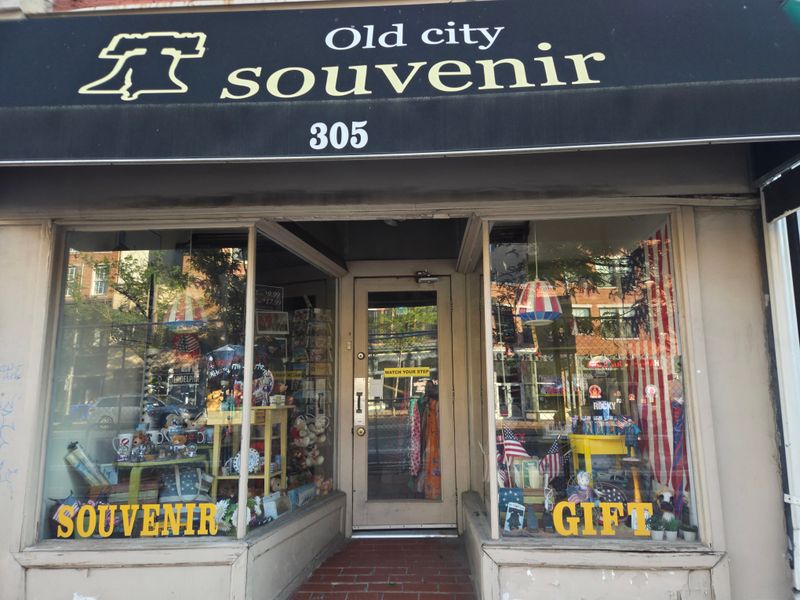
Walk down Main Street in Gettysburg and see how souvenir stock crowds the windows.
The shelves used to carry very specific local needs and now they carry the same jokes and slogans you have seen everywhere.
It is not evil, just a pivot. The center of gravity shifts from neighbors to visitors, and the tone follows.
In Jim Thorpe, the storefronts sparkle with matching fonts and tidy racks. You find a cute T shirt without trying, and you learn less about who lives upstairs.
Lancaster’s Queen Street used to feel like a toolbox for the city. Now it reads like a gallery for passing eyes and quick pickups.
New Hope leans into display friendly windows and easy browsing aisles.
The older hardware and service shops slide out of sight, and the street feels staged for a scroll.
Even in Lititz, you can sense a curated sameness arriving in waves. The signs brighten while the backroom chatter thins.
You still wander in because curiosity is stubborn. But when the shelves are designed for snapshots, the town’s living pulse starts to fade behind the glass.
3. Original Building Materials Are Being Swapped For Modern Repairs
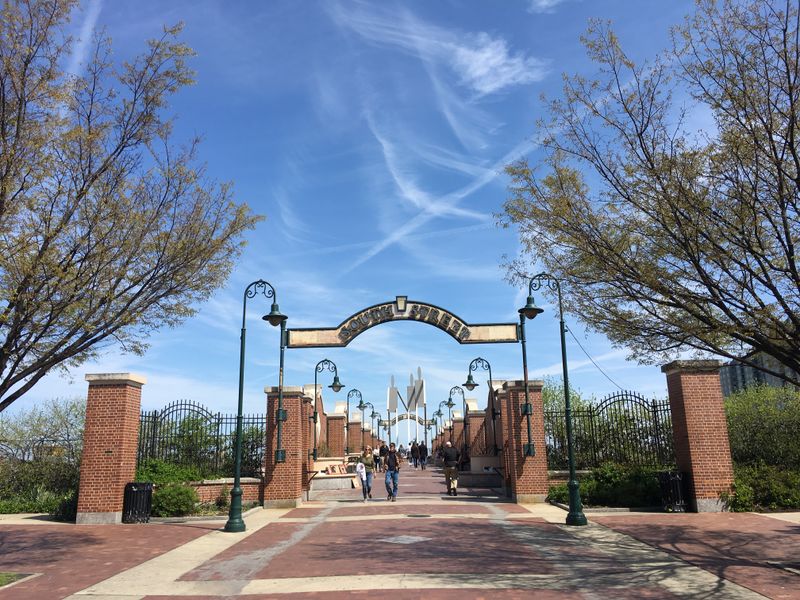
Stand outside a rowhome in Society Hill, and look at the lintels. You can spot where original stone yields to a crisp modern cast that fits perfectly and says nothing.
The new pieces behave better in weather. They also refuse to age alongside the old ones, which tells your eye something has been edited.
In Lancaster around, clapboards and sills look familiar until a seam gleams.
Fast fixes blend from a distance, but up close the skin of the building feels different under light.
Bethlehem’s historic core shows handsome masonry with sections that read like replacements.
The color match is close and the surface too smooth.
Head to Carlisle and you will see brick that whispers instead of creaks. Modern mortar lines sit straighter, without the wobbly humor the original masons left behind.
In New Castle cornices regain their shape with polymers that never quite learn the local weather.
They look fine and stay quiet, which might be the point.
I am not mad at durability. I just miss how the originals carried scratches like memory, and how those scars told you where the wind hits in Pennsylvania.
4. Seasonal Crowds Disrupt Traditional Community Rhythms
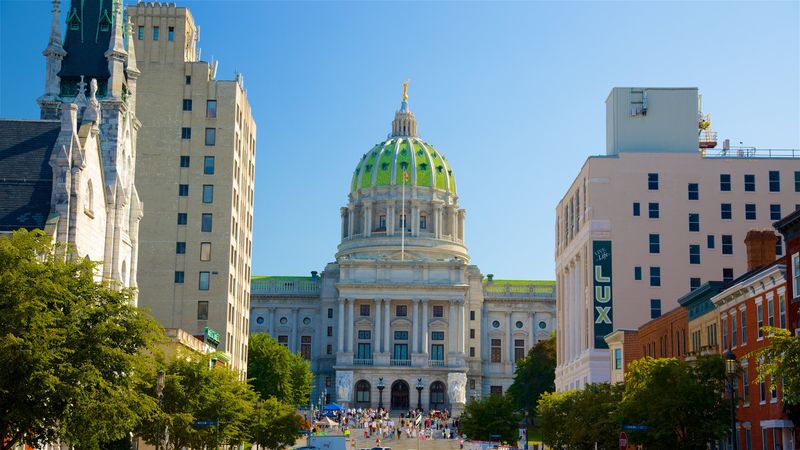
Picture a quiet morning at Lititz Springs Park. Then imagine the tempo jump when tour buses roll in and the benches turn into staging areas.
Locals adjust errands and routines. The day begins to orbit around visitor cycles instead of school bells and shop deliveries.
In Doylestown, the courthouse lawn shifts from community pause to camera lineup.
The gentle weekday hum becomes a performance, timed for arrivals.
Head to Strasburg, and the rail station’s schedule sets the town’s beat. When the platforms fill, crossing the street changes from habit to strategy.
Bethlehem’s corner absorbs events that stack into each other.
The calendar serves visitors first, while long quiet stretches shrink.
Down in New Hope evenings stretch louder and later. The porch talk that used to drift unplanned now dodges tour chatter.
You feel it most when a normal weekday refuses to be normal. The old rhythm still exists, but it has to wait its turn.
5. Short-Term Rentals Reduce Longtime Residency
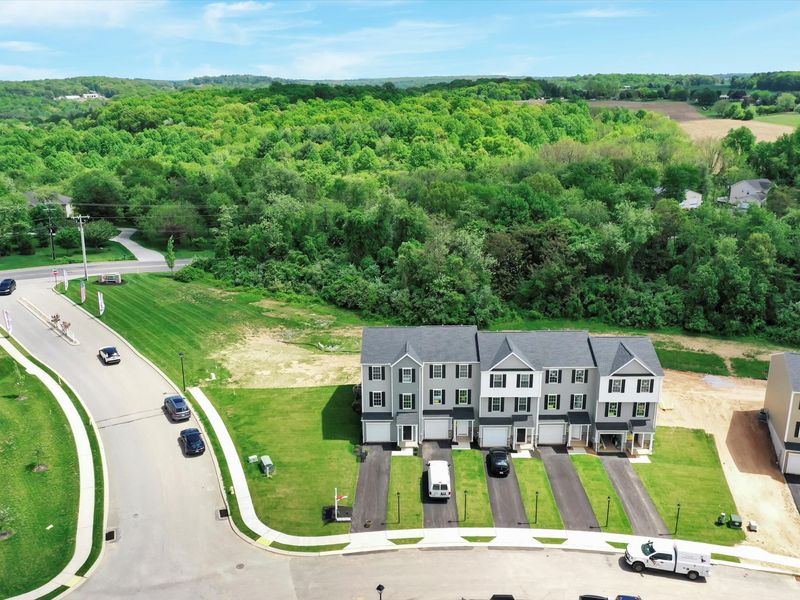
Walk through Philadelphia’s Queen Village and notice the quiet turnover. Keypads replace knockers, and suitcases hum over bricks at odd hours.
Neighbors still smile, but faces cycle fast.
The block loses the slow braid of names and routines that anchor a place.
In Lancaster, porch lights are on but the porch talk is gone. The houses look loved, yet the stories float without roots.
Head to Jim Thorpe and the evening sidewalk feels like a lobby. People are kind and temporary, which is its own mood.
In Bethlehem, the night settles differently when tomorrow’s guests arrive.
Trash day gets confusing, and the calendar turns into a check in grid.
Down in New Hope, the town reads like a cabin one can borrow. It is tidy and welcoming, and slightly unmoored.
I know you love staying in pretty places. But you can feel how continuity thins when front doors greet a new story every few days.
6. Historic Narratives Are Simplified For Easy Consumption
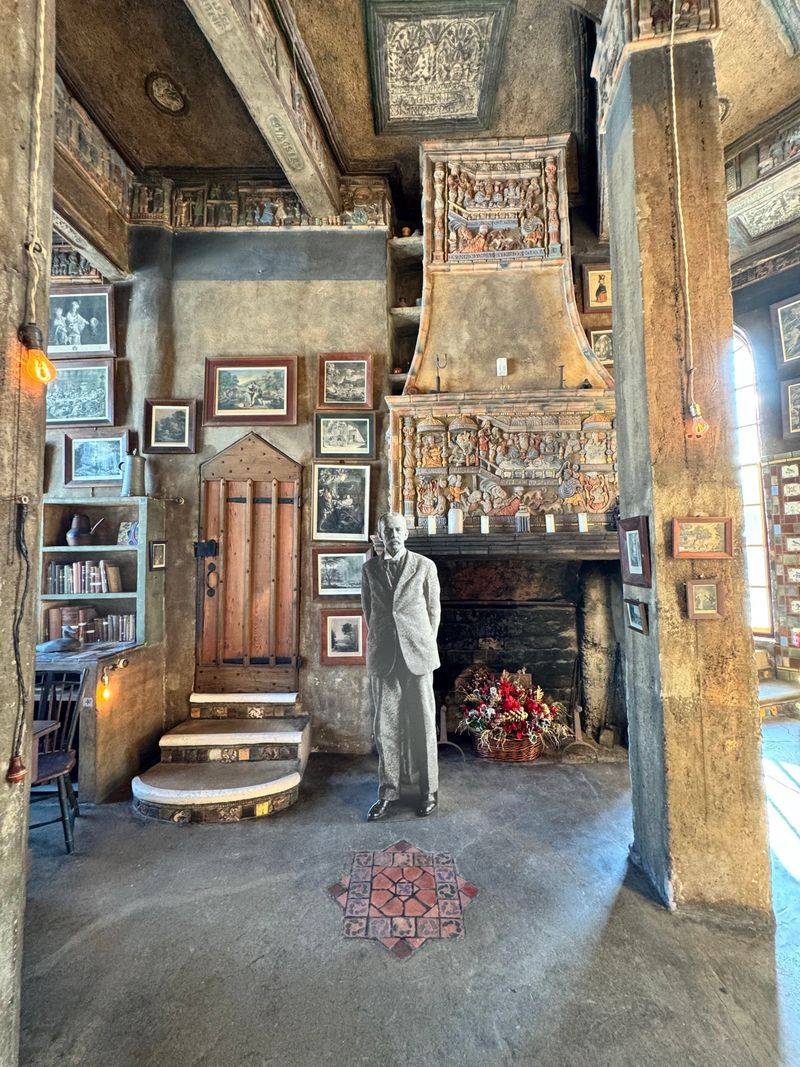
At the Museum of the American Revolution the exhibits move briskly. The panels steer you toward tidy conclusions that fit neatly into a tour hour.
The complex parts get trimmed. You leave with a crisp outline and a lot of missing footnotes.
Over in Gettysburg, the visitor center frames the field like a storyboard.
It is clear and powerful, and sometimes too tidy for such sprawling human mess.
In Lancaster, Wheatland tells a national tale through one house. The nuance is there, but the summary voice can drown it when time is tight.
Head to Philadelphia’s Independence Visitor Center, and the script moves with clockwork cadence. The beats land where crowds expect them to land.
Even at the National Constitution Center, the big arcs glow while the rough edges blur.
It helps first time visitors and flattens the texture for repeat wanderers.
I still learn things and feel things. I just want the long version too, the one that takes a while and asks harder questions.
7. Increased Traffic Alters Historic Roadways
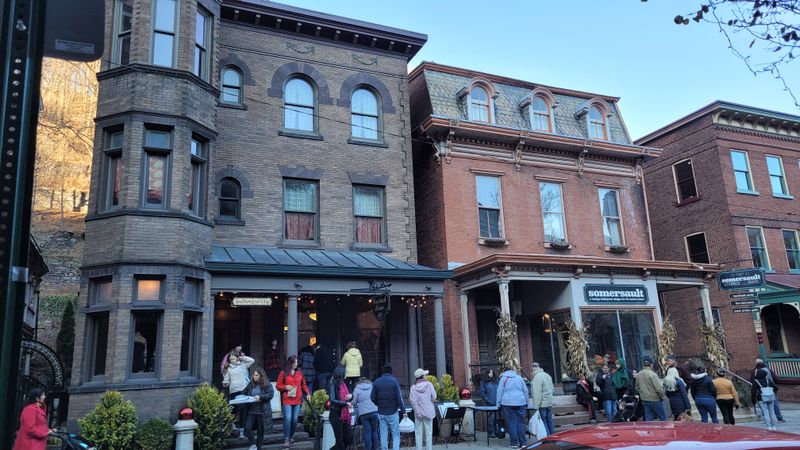
Drive through New Hope, and the road feels stretched by the load. Lanes inch wider, signs multiply, and the corners lose their shrug.
The town still looks handsome. The scale mismatch with modern traffic makes every turn feel newly negotiated.
In Bethlehem, curb cuts and bollards corral the flow.
The old street once invited wandering, now it manages movement.
Down in Lancaster, the markings read louder than the bricks. Crossings are clear and constant, while the historic hush recedes.
Head to Doylestown where parking needs reshape the block. What used to be a soft shoulder becomes a diagram underfoot.
Gettysburg’s Baltimore Street carries more wheels than it was born for.
The sidewalks brace themselves with rails and new edges.
I like safety and clarity as much as you do. I just miss the loose, forgiving geometry that made these streets feel human scale in Pennsylvania.
8. Public Spaces Shift From Community Use To Photo Backdrops
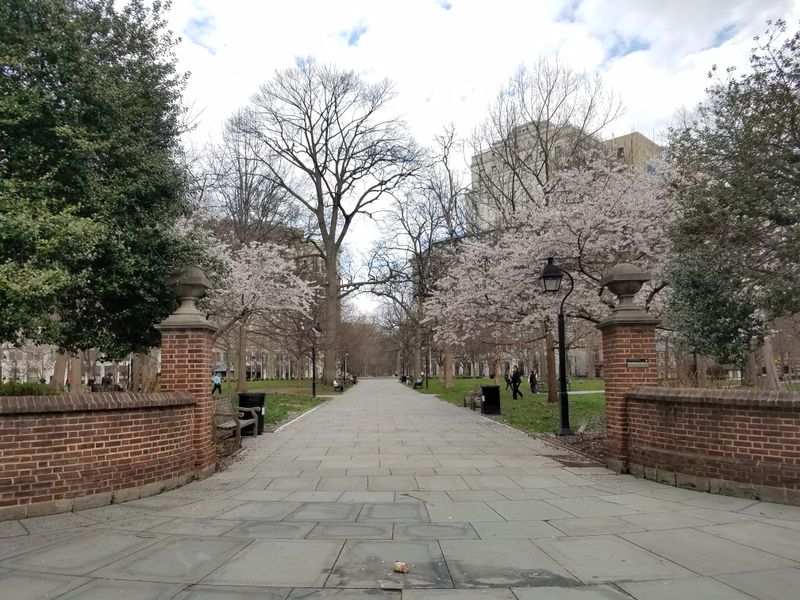
Stand in Lancaster’s Penn Square, and watch the angles. People arrange themselves like props, and the square behaves like a set.
The benches point to the view. The view points to the feed, and the rhythm of sitting and staying gets clipped.
In Jim Thorpe, the station backdrop steals the scene. You see fewer meandering conversations and more staged pauses.
Bethlehem hangs garlands and banners that frame tidy rectangles.
The decorations look great and tell everyone where to stand.
New Hope’s Ferry Street Landing becomes a lens more than a lounge. The river is still there, patient and busy beneath the posing.
Even in Doylestown, window boxes cue a specific shot.
The square turns performative, which has its own energy.
I still take photos because memory needs anchors. I also look for the corner where conversation is not blocking someone’s perfect background in Pennsylvania.
9. Preservation Decisions Are Driven By Visitor Appeal
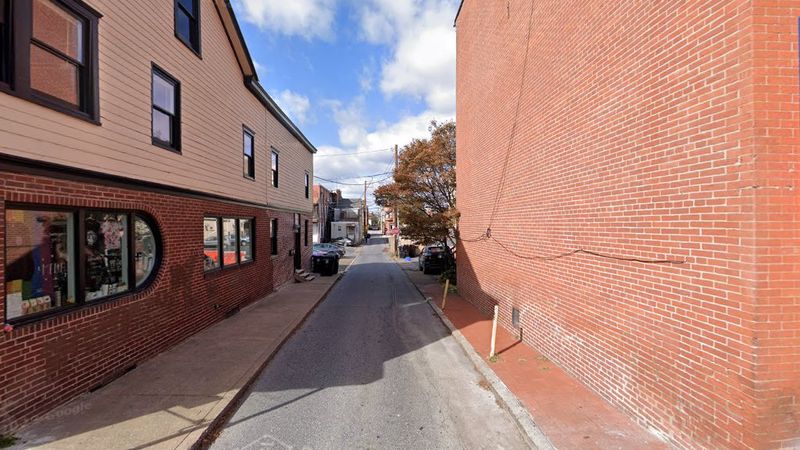
Look at the facades on Chestnut Street, and notice what gets love. The front surfaces gleam while side alleys keep their tired stories.
The choices photograph beautifully. The subtle carpentry that never meets a lens waits its turn, sometimes forever.
In Bethlehem, cornices sing while cellar doors whisper.
The polished parts guide your eye like a tour cue.
Gettysburg gets banners and brick washing where visitors walk. The back lot hinges creak with the patience of old iron.
In Lancaster, a window sash shines but the sill detail goes quiet. It is charm on the front porch and triage behind the curtain.
Doylestown leans into color and clarity that reads well from the street.
The small, historically nerdy pieces give ground for the big, friendly picture.
I get it because budgets are real. I just hope the unphotogenic bits keep a seat at the table in Pennsylvania.
10. Rising Costs Push Out Local Businesses And Residents
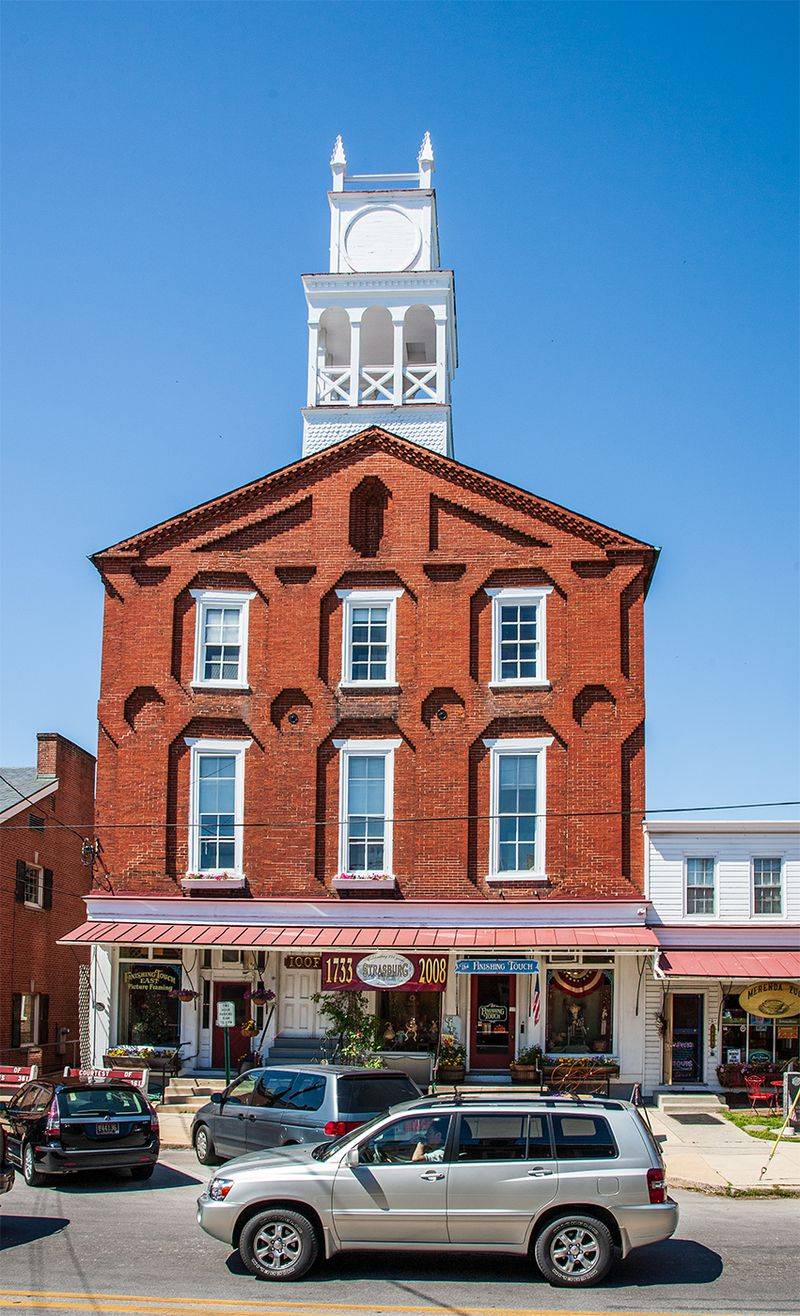
Walk the circle in West Chester, and you can feel the squeeze. A space flips, a lease climbs, and the regulars drift to the edges.
The storefronts still smile. Behind the glass, ownership changes hands faster than neighborhood memory can track.
In Bethlehem, boutique polish nudges legacy shops to side streets.
The map of errand routes redraws itself every season.
Lancaster keeps its swagger while longtime tenants negotiate. The mix leans upscale, and daily life steps aside.
Doylestown shows a carousel of signs that start with coming soon. It looks promising and slightly rootless at the same time.
Gettysburg sees neighbors calculate whether staying still makes sense.
The math gets louder than tradition.
You still come through to spend thoughtfully. But the cost story shadows the charm, and you can hear it in the way people talk at the counter in Pennsylvania.
11. Historic Quiet Is Replaced By Constant Activity
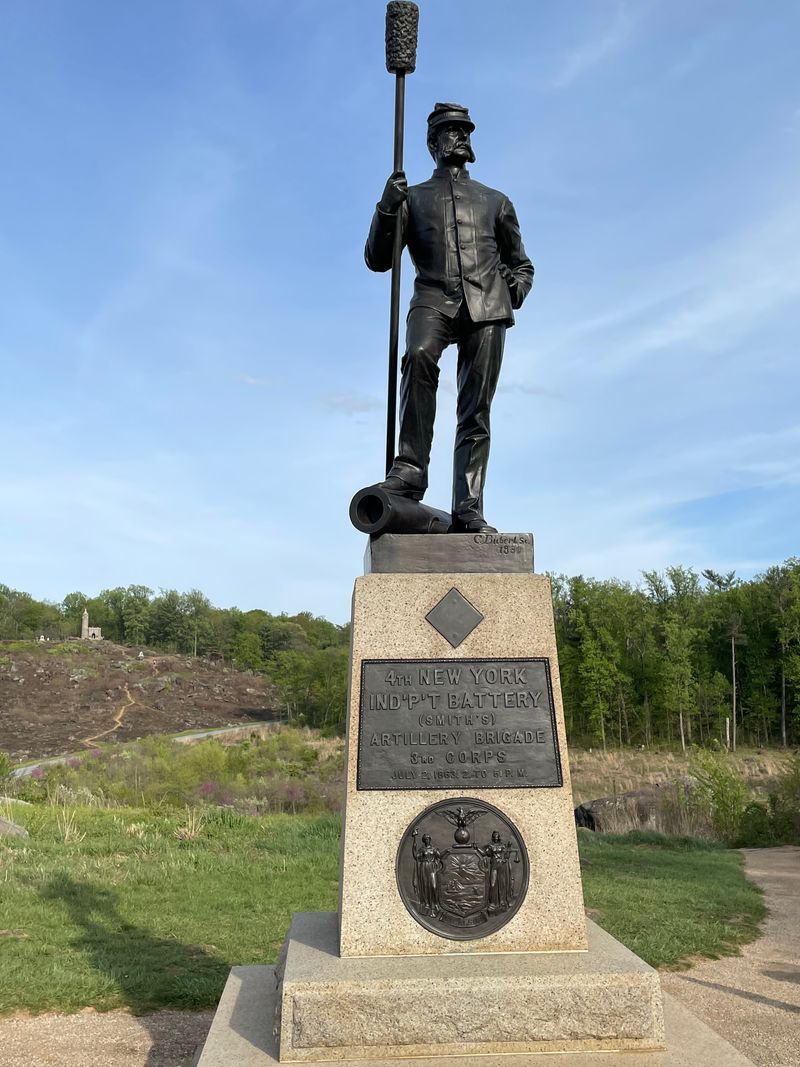
Remember how Old City settles after dusk? Now the sidewalks hum with late tours and the kind of footsteps that never sync.
The hush that used to drape the block like a quilt is thinner.
The air carries a steady thread of voices and tires.
In Gettysburg, the square does not truly pause. It shifts from daytime bustle to evening choreography.
Bethlehem keeps lanterns glowing while groups cycle through. The quiet is there, but it hides behind the next corner.
Doylestown used to exhale between events. Now there is always one more thing to watch or wait for.
In Lancaster, windows beam brighter, and the soundtrack stays on. It is lively and a little relentless.
I like energy as much as anyone.
Sometimes I just want to hear the old wood settle in Pennsylvania.
12. Towns Begin To Resemble Each Other
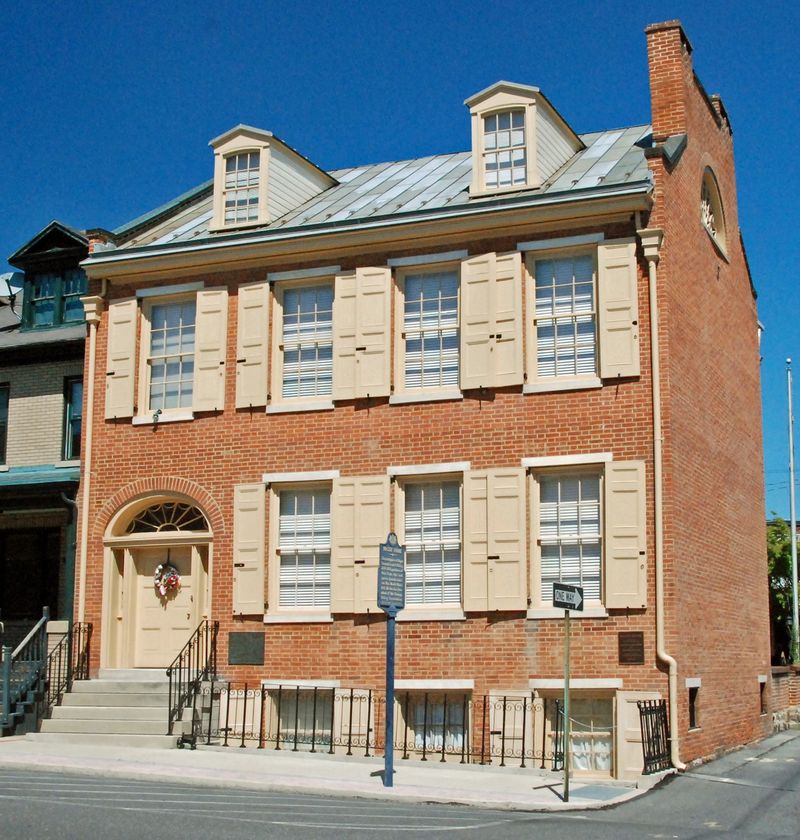
Drive from New Hope to Jim Thorpe and count the repeating notes. Matching fonts, coordinated planters, and that familiar palette pull them closer than they used to be.
The differences still exist if you squint.
The first glance, though, feels templated like a well rehearsed chorus.
In Bethlehem, I catch a storefront that could sit in Lancaster. Swap the sign and not much else changes.
Doylestown leans into clean trim that mirrors West Chester.
Personality gets standardized into a tidy layout.
Gettysburg wears banners that rhyme with towns hours away. The colors and cues keep everyone oriented and everyone blended.
It is efficient and welcoming, I know.
Still, I crave the odd angles and eccentric lettering that used to announce exactly where you were in Pennsylvania.
