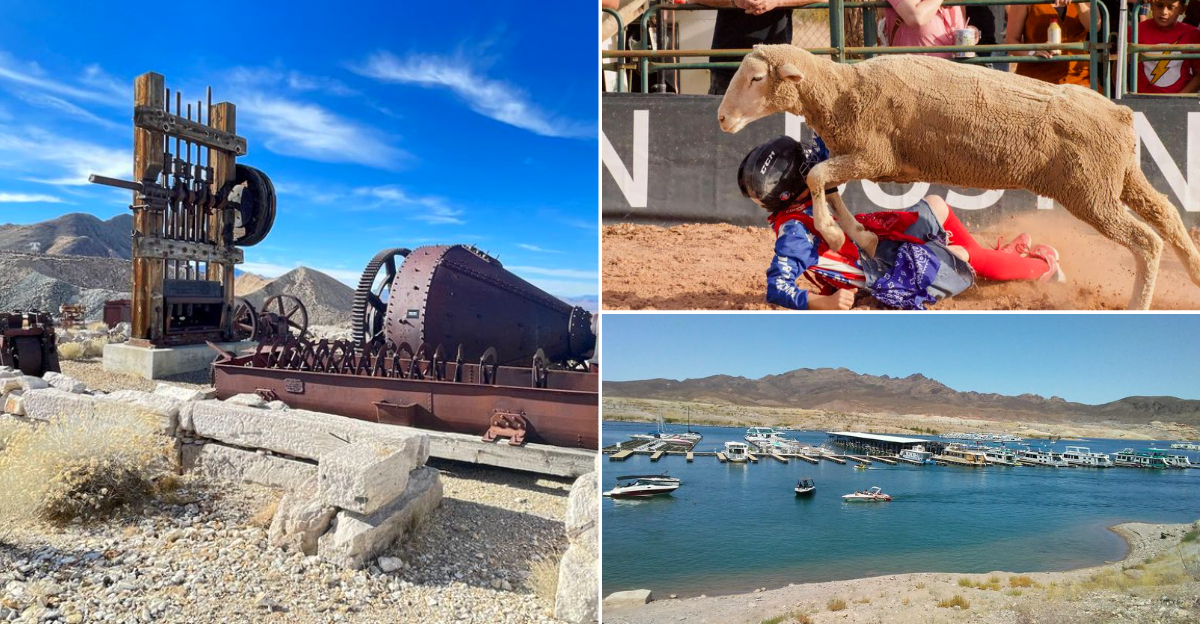
Sunbaked trails once whispered only to hikers and the wind. Now trailers roll past, laughter bounces off the rocks, and even the quietest lake corners have an audience.
Nevada’s small towns are discovering fame the hard way. Locals navigate packed ramps, crowded parking, and weekend lines with the skill of puzzle masters.
Morning still holds a sliver of calm, when the sun softens the desert and the air feels like it belongs to you alone. By noon, the rhythm changes.
Boats, kayaks, and families claiming every patch of sand make the landscape feel alive and a little less private.
The scenery itself remains breathtaking, jagged cliffs, cobalt lakes, and endless skies still demanding awe, but patience is required now.
Those who rise early and follow the hidden paths still find moments that feel untouched. Nevada has changed, yet quiet corners remain for those willing to look.
1. Historic Downtowns Turning Into Souvenir Corridors
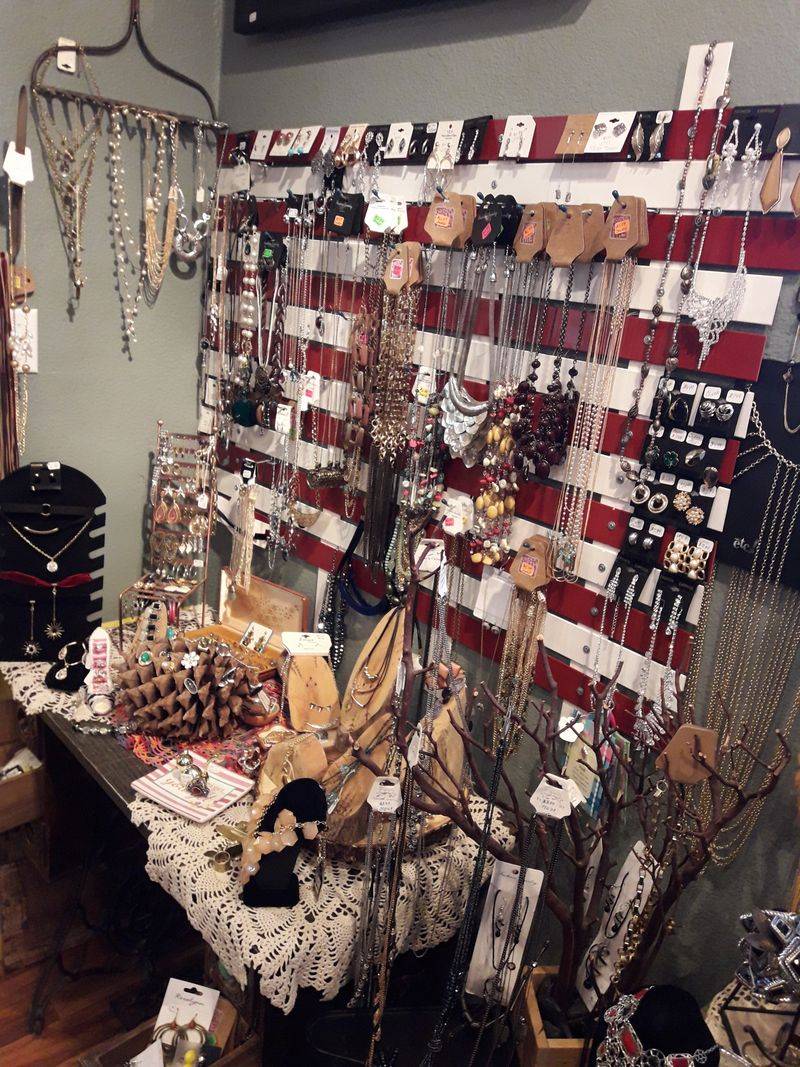
Walk the main drag in Ely or Tonopah, and tell me it does not feel different now. The storefronts still look old, but the inside vibe leans hard on novelty shelves and branded walls.
Locals used to pick up hardware, mail a package, and chat under a creaky ceiling fan.
Now the chatter is quicker, centered on checkout counters and limited-edition trinkets.
I am not saying souvenirs are bad. I am saying a street once tuned to daily life now plays to short visits.
Look at how window displays push matching T-shirts and ready-made backdrops. You can almost see where the shopkeeper’s desk used to sit, replaced by a ring light and themed bins.
Historic photos hang like props beside racks that turn with a finger.
The stories on those frames feel quieter than the price tags below them.
It nudges the rhythm of the town. People step in, pose, and leave with a quick bag instead of a lingering errand.
There is a cost you feel more than see. The handshake economy thins, and the names behind the counters rotate with the seasons.
Nevada’s downtowns deserve time, not just themed minutes. If you slow down, you can still catch the old pace hiding behind the merch racks.
2. Desert Etiquette Being Ignored By Visitors
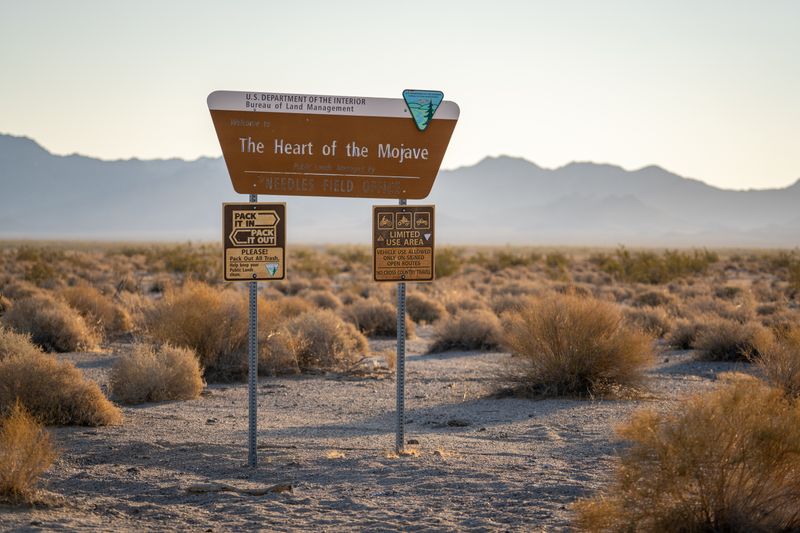
Out past Beatty or near the Black Rock, you can spot it from the parking pullout. Thin tracks peel off the trail like threads being tugged loose.
Folks stack rocks because it looks mindful on a feed. Meanwhile, tiny desert crusts get crushed, and that damage takes longer to heal than a memory lasts.
There are signs, sure, but they read like whispers in the wind.
Etiquette used to be taught neighbor to neighbor, not printed on boards.
You can see where someone cut a new path to shave a minute. The curve of the land carries that scar farther than they guess.
Trash is usually small, a tab here, a corner of a wrapper there.
The desert does not swallow it, it presents it like a rude little flag.
Off-roading feels fun until it skims a living surface. Out here, the ground is slower than us, and it will not bounce back on our timeline.
I always think, would you step through a garden like that? The same care applies, even without gates or fences.
Nevada’s open space is not an empty canvas. It is a patient one, and it remembers the lazy shortcuts we take.
3. Small Towns Becoming Weekend Party Bases
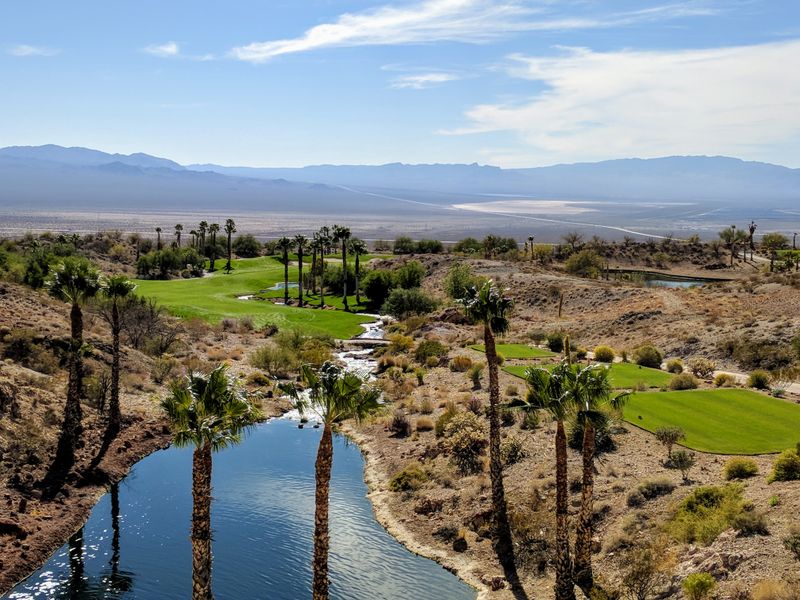
Drive through Boulder City on a Friday and watch the cadence flip. Those motels and short-term places start buzzing like a switch got thrown.
Weekdays still carry that porch-light calm. Then the weekend brings speaker thumps, parking squeeze, and a scramble for launch spots.
Locals start timing errands for early mornings.
You can hear it in the way people say, get it done before the rush.
It is not that visitors are the enemy. It is that small towns have thin margins, and the surge stretches every seam.
Sheriff cars loop more often. Neighbors text each other heads-up notes about traffic clumps and late-night noise.
The irony is, folks come for the easygoing vibe.
They do not always see how that vibe is a fragile arrangement of routine and respect.
Nevada is full of towns that used to reset each sunset. Now they recover between checkout times.
If you land for the weekend, learn the local rhythm. Hold it gently, and it might still sound like itself next time.
4. Ranching And Mining History Being Overshadowed
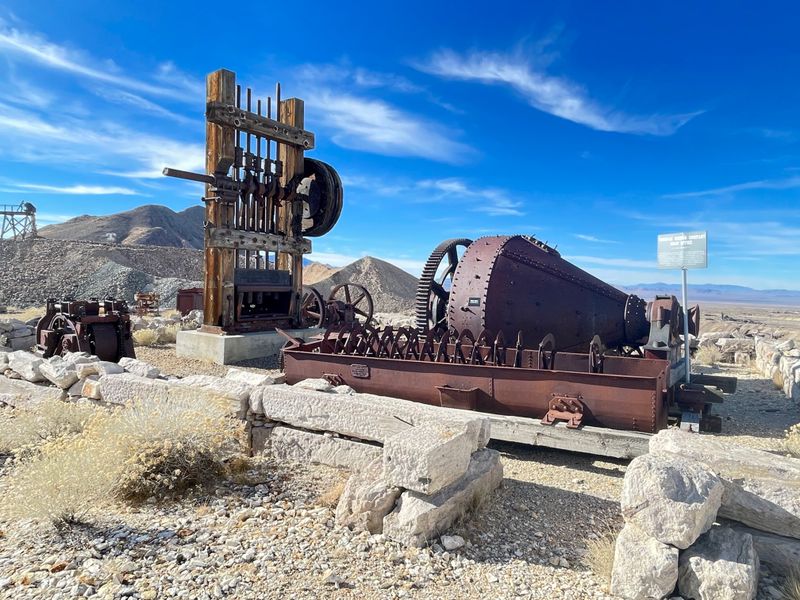
Ever notice how the big stories get framed as background décor now? A saddle on a wall, a pickaxe in a corner, and then a spotlight on spectacle.
I walked into a visitor center expecting grit and timelines. Instead I got a slick loop that skimmed past the labor and camp life that built these towns.
The ranch roads are still out there, dusty and patient.
The mines left tailings and families whose names map the county.
But the narratives lean toward flash and novelty. It is easier to sell the sizzle than the calloused hands that made dinner possible.
In Elko, you can still meet people who carry those histories in their posture. Their stories do not always fit into a quick caption.
I wish more exhibits made you slow down.
Ask who sharpened the drill steel, who mended the fence in wind that never quit.
Nevada’s backbone is not a theme. It is a ledger of labor and weather and miles that do not brag.
If you pass a small museum, give it real time. The truth lives in the labels nobody paused to read.
5. Housing Shifting Away From Locals Toward Short-Term Rentals
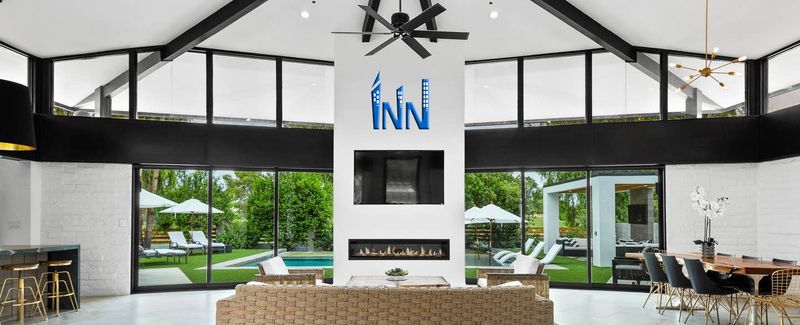
Ask around in Gardnerville or Pahrump, and you will hear the same sigh. Places that once held long leases now juggle a carousel of visitors with rolling suitcases.
It quietly changes the block. You lose the kid who shoveled your walk and gain a rotating door code.
When workers commute from farther out, town feels like a stage set.
The people who make it run begin to slip to the edges.
I miss the familiar porch lights that told time better than clocks. They flickered on because someone came home, not because a booking turned over.
Some hosts are thoughtful neighbors. Others treat a cul-de-sac like a loading dock and keep the engine idling.
The fix is bigger than a single driveway. But you can feel the shift in the silence between departures.
Nevada needs its towns lived in, not just visited.
The difference shows up in shared tools, borrowed ladders, and names you actually know.
If you stay short-term, act long-term. Park like you live there and say hello like you mean it.
6. Lake And Reservoir Culture Turning Chaotic
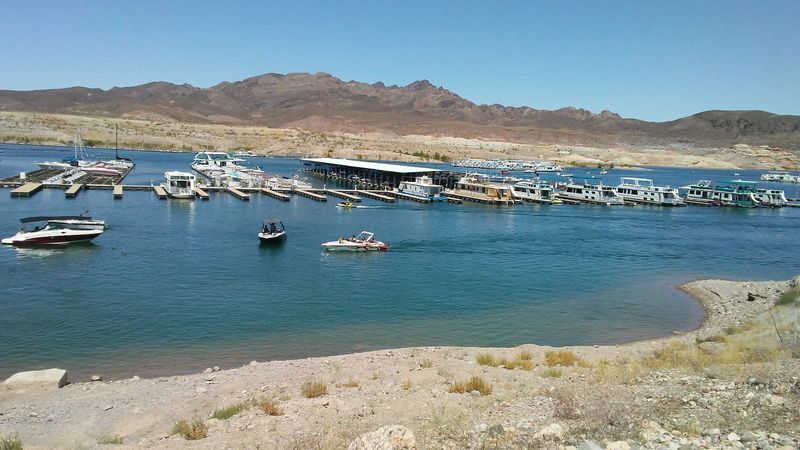
Head to Lake Mead on a bright weekend and watch the choreography get messy. Ramps back up, wakes cross wakes, and the shoreline feels jittery.
Old timers used to idly launch, trade a nod, and ease into wide water.
Now the first minutes are a scramble, and the easy part comes late if at all.
The sound carries across coves like a bouncing ball. You can feel the stress rise with every impatient throttle.
Safety talks get tuned out when the line is long. But the water does not negotiate with hurry.
I miss the simple ritual of tying off and drifting. The way conversations used to float instead of shout.
There is still room for care, even on a packed day.
Good ramp manners ripple outward more than people think.
Nevada’s lakes survive on shared patience. They hold more peace when we bring some with us.
If it looks chaotic, slow your own piece down. The calm you add is not invisible, it spreads.
7. Public Lands Feeling Less Public
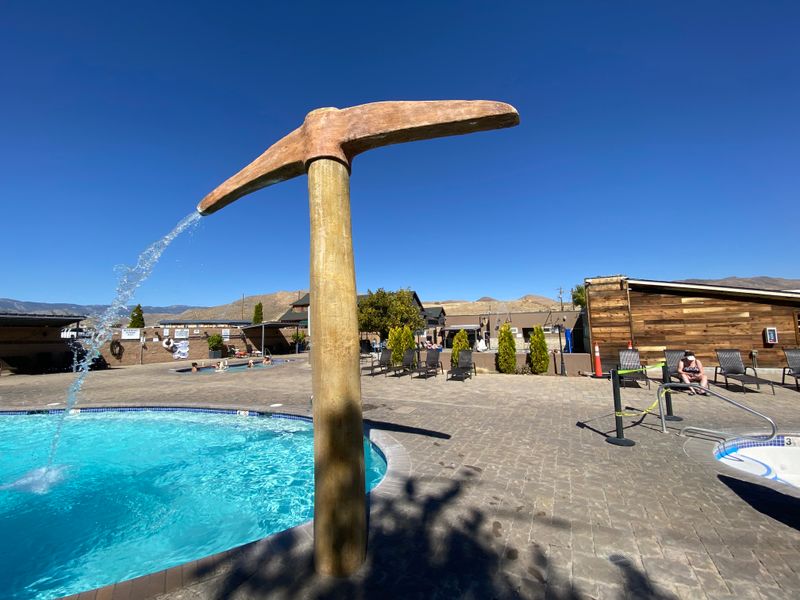
Remember when you could roll up to a hot spring before dark and just settle in? Now there is a queue, a permit link, and a timer running in the back of your head.
Popular trails near Reno and Carson get the same treatment.
It is a velvet rope, only made of rules and web forms.
Some of this is necessary to protect fragile spots. Still, it changes the way a Saturday used to feel free.
Locals adjust by waking earlier. They tuck adventures between reservation windows and errands.
Spontaneity used to be Nevada’s superpower. You could point at a ridge and be on it by noon.
Now you check calendars like it is a meeting.
The land is still generous, but the access is curated.
I am not mad at stewardship. I just miss the door left open without a line to the knob.
If the gate is virtual, bring patience anyway. Treat the place kindly and your turn lands softer.
8. Seasonal Crowds Dictating Year-Round Life
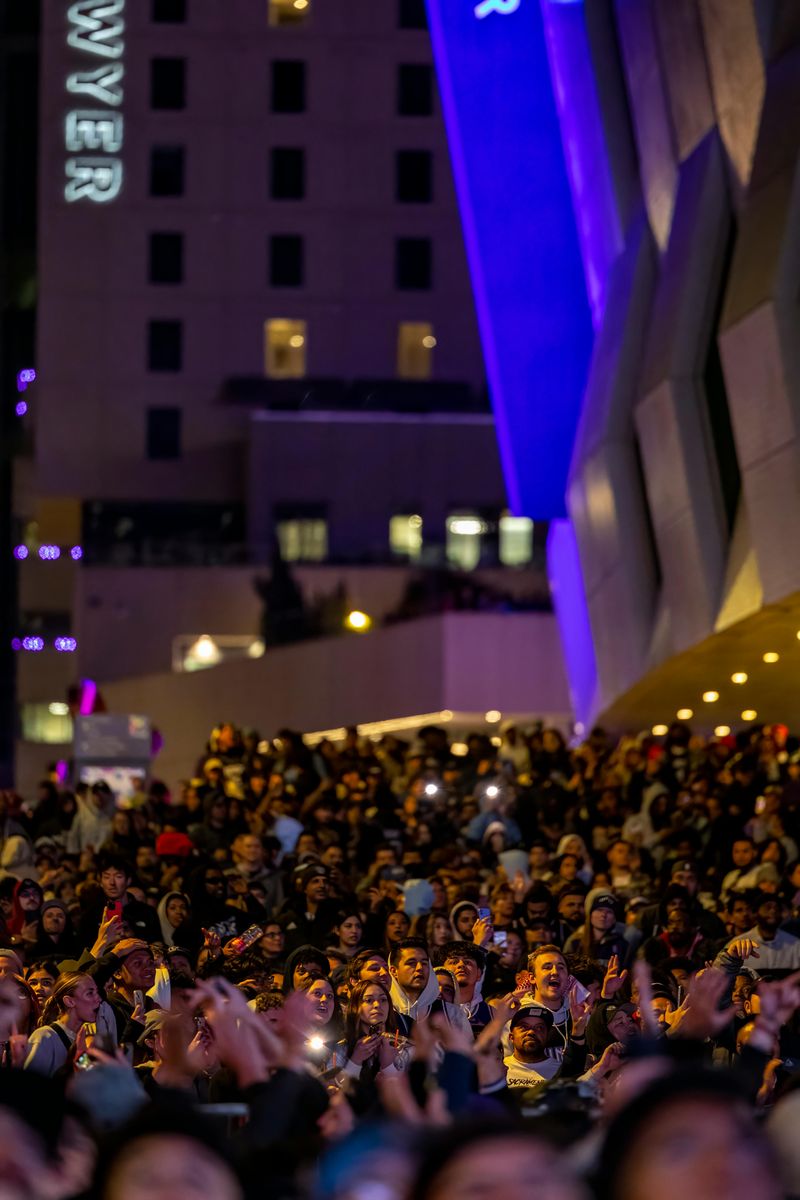
In places like Incline Village, life moves to the drum of a calendar you cannot see on the wall. Schedules, staffing, and even road cones orbit those peak stretches.
The off-season used to breathe on its own. Now it feels like everyone is bracing or recovering.
Shops set hours to dodge the worst of it.
Residents learn alternate routes like secret handshakes.
It is not dramatic every day. It is more like a constant lean that never quite levels.
When the surge hits, the town stretches. When it passes, the shape stays a little warped.
People adapt because that is what people do. The quiet days become maintenance for the loud ones.
Nevada has always had cycles. Lately the troughs feel shorter, and the peaks press harder.
Planning a visit? Aim your kindness at the soft spots you cannot see.
9. Las Vegas Stereotypes Bleeding Statewide
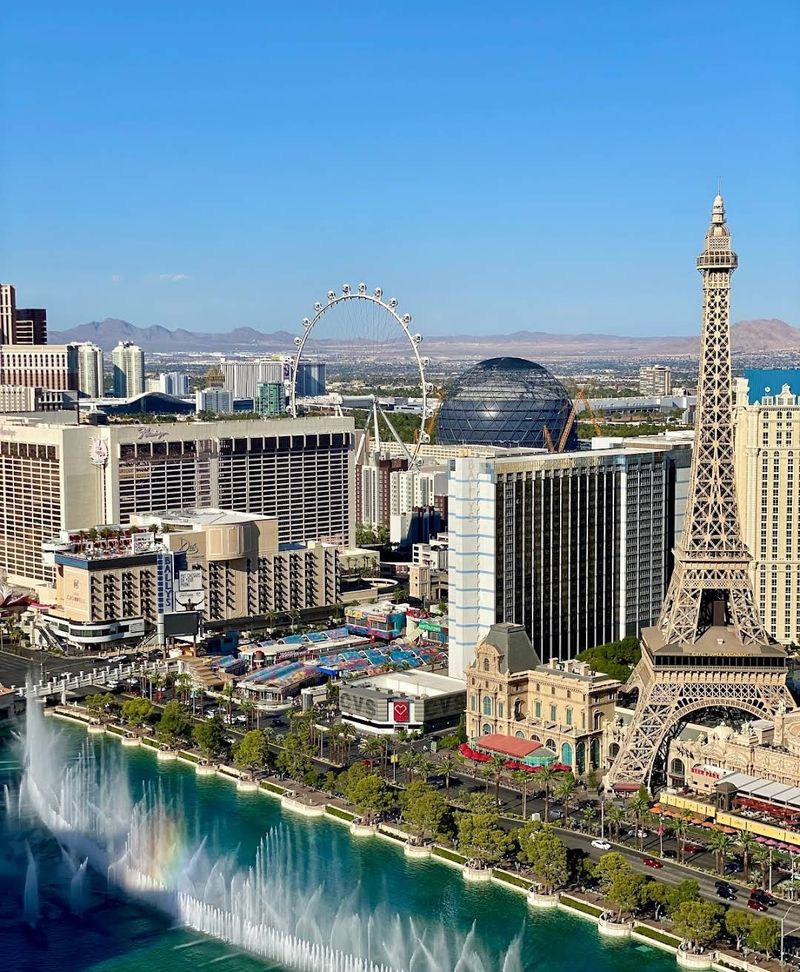
Here is the twist I did not expect. Towns far from the Strip start borrowing that neon swagger like it is the only costume left in the closet.
You will see a slot graphic on a mural that used to honor a trail crew.
A wink to Vegas becomes the whole joke, and the local punchline fades.
Las Vegas is its own planet with its own gravity. The pull is strong, and I get why the glow travels.
But Nevada is not one note. There are quiet shop bays, rodeo grounds, and libraries that hold a different light.
When every place leans flashy, the map blurs. Visitors miss the tone that makes Ely feel different from Winnemucca.
I am not asking for beige. I am asking for true voice, even if it speaks soft.
Let Vegas be Vegas, loud and brilliant. Let the rest of the state keep its own instruments tuned.
If you are painting a wall, ask what story already lives there. The answer probably is not a marquee.
10. Outdoor Traditions Becoming Content Creation
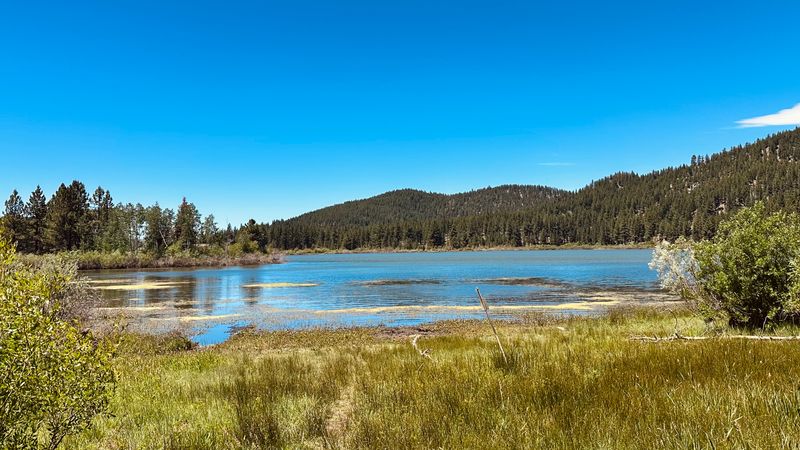
Stand at Spooner Lake at sunset and count the tripods. It is like the shoreline turned into a set, complete with marks on the ground.
People still hike, fish, and camp. They just narrate more, and the moments bend a little toward the lens.
I am not against cameras. I bring one, but I try to let the scene lead instead of my post.
When a drone hums over a quiet cove, everyone hears the shift.
The old hush is replaced by production noise.
This is not scolding, it is a small plea. Let some memories stay private, and the place breathes easier.
Angles matter less than footsteps. If you move gently, your story reads better than any caption.
Nevada’s outdoors taught patience before it taught angles. The reward shows up when you are not chasing it.
Take the shot and then put the gear down. Give the water back its silence for a while.
11. Cultural Events Losing Their Local Focus

Remember when the county fair felt like a family reunion with extra lights? Lately the gates feel taller, the stages bigger, and the faces less familiar.
Programming shifts toward visitor schedules.
Locals become audience members instead of hosts.
The pace picks up and the prices follow. You can sense people doing math instead of swapping stories.
Volunteers still show up. They just spend more time managing flow than building community moments.
I miss the small contests with crooked ribbons. The proud, lopsided accomplishments that meant everything to the person who made them.
You can still find that spirit in corners. It hides behind big banners where the old heartbeat keeps time.
Nevada’s gatherings worked because neighbors recognized each other. That recognition is the ticket that really matters.
If you go, ask a local what the event used to be like. Then look for that thread and help keep it from fraying.
12. The Feeling Of Remoteness Slowly Disappearing
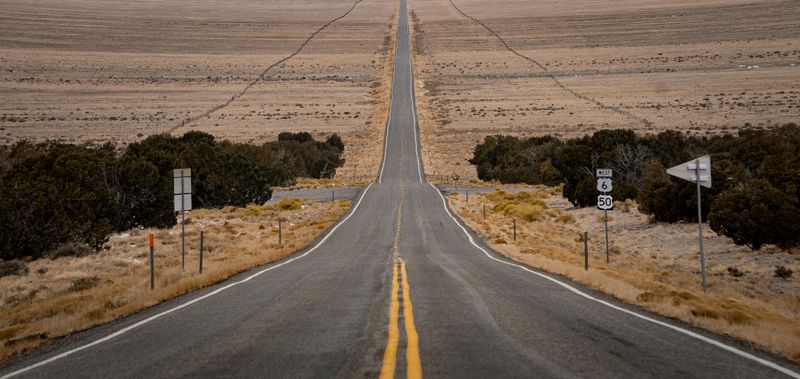
Out on Highway 50, the quiet used to land on you like a blanket.
Now even the loneliest stretches come with fresh wayfinding and a steady hum of tires.
I still love the distance, do not get me wrong. It just takes more intention to hear it without new noise crawling in.
Pullouts fill faster, and the horizon feels closer. A handful of extra cars changes the whole mood of a wide valley.
You notice it when you kill the engine. The silence is not as deep, more like a busy room taking a breath.
This loss is subtle, almost private. You feel it in your ribs more than in your eyes.
Nevada taught me how to be good at quiet. I am trying not to forget the lesson while everything gets louder.
Remoteness is not about distance, it is about time. How long a place can hold you without interruption.
If you find a stretch that still feels empty, treat it like a promise. Keep it by leaving almost nothing behind.
Dear Reader: This page may contain affiliate links which may earn a commission if you click through and make a purchase. Our independent journalism is not influenced by any advertiser or commercial initiative unless it is clearly marked as sponsored content. As travel products change, please be sure to reconfirm all details and stay up to date with current events to ensure a safe and successful trip.
